The complexities of pricing, vessel selection, and itinerary planning can be streamlined with expert guidance. For a precise, tailored quote that reflects your specific dates, group size, and snorkeling ambitions, direct consultation is the most effective path.
Brand: Komodo Island Snorkeling Inquiries & Bookings:[email protected]
Typical price ranges
When people compare a Labuan Bajo snorkeling day trip cost with a 3 day 2 night Komodo snorkeling package cost, the gap often looks huge at first glance. The reality: you are paying for very different styles of travel, time in the water, and comfort levels.
Add-on costs
Beyond park tickets and boat prices, many travelers underestimate the small but cumulative add-on costs around Labuan Bajo that can change the total bill of a Komodo Island snorkeling trip.
Tickets and risk
Understanding how seasonality, ticketing rules, and safety protocols work in Komodo National Park helps you balance cost, comfort, and reliability before you commit to a booking.
Air-conditioned cabins, often with en-suite bathrooms, improved food quality.
Luxury Phinisi
$900 – $2,500+ USD
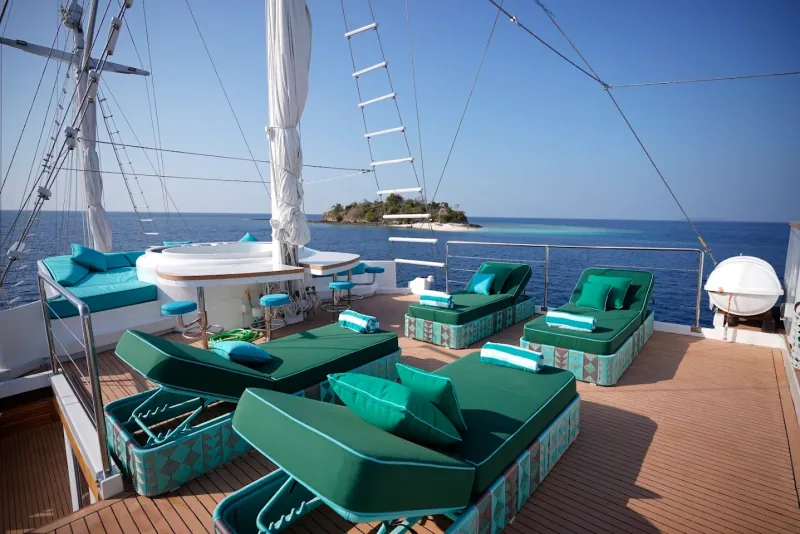
Spacious AC cabins with en-suite facilities, high-end service, gourmet dining, premium amenities.
Questions
What people ask
39 answers, grouped. Pick the set you need.
What a shared day trip usually costs
For a shared speedboat day tour from Labuan Bajo that includes Komodo or Rinca dragons plus multiple snorkel stops (often Pink Beach and Karang Makassar/Manta Point), realistic per-person prices generally sit in the mid-range tier. That price usually covers hotel pickup, boat, lunch, basic snorkel gear, and a guide, but excludes park fees and ranger costs unless the operator states otherwise. On top of the tour price, foreign visitors must pay the Komodo National Park entrance fee of IDR 250,000 per person per visit under PP No. 36/2024, plus the mandatory ranger/guide fee of about IDR 150,000 per group of 1–5 people. With additional local retribution fees and boat anchoring or trekking charges, the practical total park-related cost for one foreign guest on a one-day Komodo snorkeling tour typically falls around IDR 400,000–525,000.
How 3D2N liveaboard prices stack up
A 3D2N snorkel-focused liveaboard package ranges widely depending on boat class, cabin type, and whether the trip is private or shared. Budget and mid-range phinisi boats are usually the entry point, while premium yachts and fully private charters sit at the top end. In return, you gain more snorkel sessions, sunrise and night experiences, and the ability to reach quieter corners of the park when day boats are not there. If you want a detailed look at what drives premium pricing, our separate guide, A Luxury Komodo Snorkeling Tour Price Guide, breaks down the cost components for high-end charters, crew ratios, and multi-day itineraries.
What’s actually included in multi-day pricing
Most multi-day Komodo liveaboard charters bundle accommodation, meals, coffee/tea, snorkeling from the boat, a guide or cruise director, and basic snorkel equipment. Park fees are sometimes folded into the package and sometimes explicitly excluded. Always check whether your Komodo snorkeling tour includes national park ticket costs, and if not, budget them separately using the official rates above. Compared with a single-day hit-and-run visit, three days on the water often delivers double or triple the total snorkeling time, sunrise Padar viewpoints, and sunset bat flights at Kalong Island. When you convert the package cost into a “per hour in-water” figure rather than just a per-day rate, multi-day trips often represent better value for serious snorkelers.
Snorkel gear rental price in Labuan Bajo
If your tour does not provide equipment or you prefer to rent in town, snorkel gear rental price in Labuan Bajo is typically calculated per day per item. Many shops let you rent a mask and snorkel as a set, with fins and life vests charged separately. Wetsuits, if available, are usually the priciest item. On multi-day trips, boats will often include gear, but quality and fit can vary, so ask ahead.
Fins, life jackets, and safety priorities
In Komodo’s strong currents, many visitors wonder whether snorkel fins or a life jacket are more important. For reasonably confident swimmers, fins are usually the higher priority because they give you propulsion and control in drift snorkels, while a life jacket adds passive flotation but restricts duck-diving. Non-swimmers or nervous swimmers should absolutely use a properly fitted life jacket and stay close to the guide and the boat ladder.
Best snorkel and mask setups for Komodo conditions
For the best snorkel for Komodo strong currents, prioritize a comfortable, low-volume mask with a wide field of view and a snorkel with a reliable splash guard. Full-face masks are not recommended in heavy current or for long surface swims. Carry a small bottle of proper defog solution or learn a couple of reliable anti fog hacks for your Komodo snorkel mask, such as a diluted baby shampoo rinse before each session.
Camera rentals and underwater photography extras
Several operators and small shops in town offer Komodo snorkeling camera rental in Labuan Bajo, typically action cameras with waterproof housings. If you bring your own GoPro, a bright red filter can help in deeper blue water, and a gopro floating handle for Komodo snorkeling is extremely useful when jumping from the boat or drifting over Karang Makassar. Wrist tethers and backup mounts provide extra security in turbulent surface chop. Serious shooters often ask whether you can snorkel with a DSLR in housing at Komodo. The answer is yes, but be realistic: good trim, fin control, and current awareness are essential, and a compact rig or mirrorless system is far easier to manage while sharing space with other snorkelers and boats.
Labuan Bajo snacks, water, and daily cash
Before boarding your boat, you can stock up in Labuan Bajo minimarkets with snacks and bottled water for the boat if your operator allows outside food. Even when meals and drinks are included, a few energy bars, electrolyte sachets, and motion-sickness tablets are smart additions. Bring small bills in rupiah for dock fees, village donations, or tipping the boat crew at the end of your Komodo National Park snorkeling trip.
Workshops and specialized trips
Dedicated Labuan Bajo underwater photography workshops come and go seasonally, usually led by visiting pros or specialist tour operators. If capturing mantas and reefscapes is a priority, look for trips that clearly advertise underwater photography coaching and limited group sizes. For general trip planning, our article Best Time Komodo Snorkel: Visibility + Manta Sea explains when lighting and water clarity are typically at their most photogenic.
Entrance fees and how often you pay them
Under current rules, Komodo National Park entrance fees for foreign visitors are charged at IDR 250,000 per person per visit, regardless of weekday, weekend, or public holiday. The mandatory ranger/guide fee of about IDR 150,000 per 1–5 people is charged on top of that. Most travelers asking whether Komodo snorkeling fees are paid per day or per visit actually want to know if a multi-day liveaboard must pay repeatedly. Your operator will clarify how they structure payments for multi-day itineraries, as internal regulations and implementation can change. There is no separate Komodo Island snorkeling ticket vs park fee: the same ticket covers snorkeling and island visits, and there is no distinct Komodo Island snorkeling permit vs diving fee system. Divers may face additional local charges for dive site usage, but snorkeling is fully covered under the standard park admission.
Specific sites: Pink Beach and Manta Point
Visitors often ask about the Komodo Pink Beach entrance fee or a Manta Point Komodo National Park fee as if these were separate tickets. In practice, Pink Beach, Padar, Komodo Island, and Karang Makassar/Manta Point all fall under the Komodo National Park ticket you have already paid. However, there may be additional local levies for trekking, village entry, or boat parking that your tour either bundles or collects on site in cash, so confirm what is and is not included before departure.
Best months for calm seas and manta encounters
For those comparing seasons, which month has calm seas in Komodo for snorkeling is usually the first safety-related question. Sea conditions are often calmest during the heart of the dry season from about June to September, with July and August typically offering consistent trade winds but also the highest visitor numbers. If you are wondering, “is March good for manta rays in Komodo?”, the answer is generally yes, as mantas aggregate around Karang Makassar during the plankton-rich months from roughly December to February and can remain abundant into March, although visibility may drop in bloom conditions. Our dedicated article, Manta Point Snorkel Karang Makassar, explains how tides, moon phases, and seasonal currents influence manta sightings and which time slots guides prefer for the most relaxed drift sessions.
Snorkeling during plankton blooms and visibility expectations
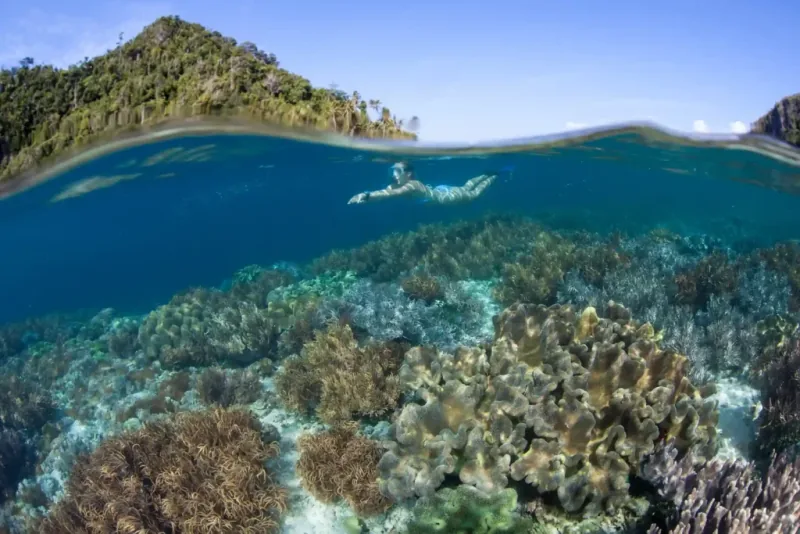
Snorkeling Komodo during plankton bloom can feel less “postcard perfect” because visibility shrinks and the water looks milky. On the other hand, this is when mantas, mobulas, and other filter feeders are most excited, turning the water column into a living highway of rays and small fish. In the drier months, visibility in popular snorkel zones is often in the 15–30 meter range, with water temperatures around 26–30°C, making long sessions feasible even for beginners. For more nuance on clarity and crowding over the calendar year, see Snorkeling Komodo National Park in July: What to, which zooms in on mid-season conditions and how they affect both cost and experience.
Ticketing platforms, quotas, and DIY options
There is no traditional Labuan Bajo Komodo National Park ticket office where international visitors queue to buy paper tickets anymore. Instead, the park has introduced the SiOra e-ticketing system, with advance booking and QR codes required for entry to Komodo and Padar starting 1 April 2026. The only official portal to buy Komodo National Park tickets in Labuan Bajo or from abroad is the website at https://SiOra.id, and the daily quota is capped at 1,000 visitors across the entire park, divided into three scheduled sessions. If you are asking whether you can snorkel in Komodo without a tour cost, be aware that while it is technically possible to charter a local boat and arrange your own permits, the combination of strong currents, shifting regulations, and the SiOra system means most visitors are better off joining an organized tour or private charter that handles logistics and compliance.
Cancellations, insurance, and tipping culture
Every operator sets their own Komodo Island snorkeling cancelation policy, often with stricter terms in peak season and more flexibility outside school holidays. Before paying a deposit, read the fine print on weather cancellations, force majeure, and whether your payments are refundable or convertible to new dates. Travel insurance that covers Komodo snorkeling insurance needs—trip interruption, medical evacuation from remote areas, and gear loss—is strongly recommended. As for Komodo National Park snorkeling tipping norms, many guests tip the crew and guide collectively at the end of the trip if service is good. A modest per-guest contribution, pooled for the team, is appreciated but not mandatory. For more individualized trip design and pricing transparency, you can review sample itineraries at Komodo boat charter options or multi-day Komodo sailing trips.
Can you see Komodo dragons and snorkel on the same day without overpaying?
Yes, you can see Komodo dragons and snorkel the same day, typically on a speedboat trip from Labuan Bajo that combines a trek on Komodo or Rinca with stops at Pink Beach and Karang Makassar. Costs depend on boat class and group size, plus park fees. It’s efficient for first-timers, but you’ll have limited time at each snorkel site compared with a liveaboard.
Are Komodo snorkeling fees paid per day or per visit under the new rules?
For foreign visitors, Komodo National Park entrance is currently charged as a flat IDR 250,000 per person per visit under PP No. 36/2024, with a compulsory ranger fee per small group added on top. How this is applied on multi-day trips is usually handled by your operator. Always ask whether your quoted price already includes every park and ranger payment for your itinerary.
Can I fly into Labuan Bajo and snorkel Komodo on the same day?
You technically can fly and snorkel Komodo the same day if you land early and join a day trip, but it’s tight. Delayed flights, early boat departures, and the SiOra e-ticket schedule all introduce risk. For most travelers, arriving the day before is safer and reduces stress, especially in peak season when boats and park quotas are full.
Is Komodo safe for snorkeling if I’m not a very strong swimmer?
Komodo can be safe for snorkeling if you’re not a strong swimmer, provided you choose a conservative operator, use a life jacket, and stick to sheltered sites chosen by your guide. Currents in some channels are powerful, so it’s important to be honest about your ability. Small-group, snorkel-focused tours with clear safety briefings are worth paying extra for.
What is the age limit for Komodo snorkeling tours with strong currents?
There is no universal legal age limit for Komodo snorkeling tours, but most operators set practical policies, often around six years for confident child swimmers on calm sites. For drift snorkels or open-water entries, some boats require teenagers or adults only. Younger kids and older parents may still join but might stay on board during stronger current sessions.
How does a Komodo Island snorkeling tour cancellation policy usually work?
Each company sets its own Komodo Island snorkeling cancellation policy, typically with free or low-fee cancellation up to a certain number of days before departure, then partial or no refunds closer to the date. Weather and safety-related cancellations are often rebooked or credited rather than refunded. Read terms before paying and consider travel insurance that covers trip interruption.
Is there any separate Komodo Island snorkeling permit or is the park fee enough?
There is no separate Komodo Island snorkeling permit; the Komodo National Park entrance ticket covers snorkeling as well as island visits. Divers may have additional dive-specific fees, but snorkelers do not need a distinct license. You will, however, pay the mandatory ranger or guide fee and any local levies not bundled into your tour price, so confirm inclusions carefully.
What should I pack for a 4D3N Komodo snorkeling tour to avoid extra costs?
For a 4D3N trip, bring well-fitting mask and fins, reef-safe sunscreen, a hat, rash guard, motion-sickness tablets, power bank, spare SD cards, and enough cash for tips and small island fees. This packing checklist for a 4D3N Komodo snorkeling tour reduces expensive last-minute purchases on the harbor. Our dedicated Komodo Island Snorkeling Packing Guide walks through item-by-item recommendations.
Can you see Komodo dragons and snorkel on the same day?
Yes, absolutely. Most full-day speedboat trips from Labuan Bajo are specifically designed to combine these activities. A typical itinerary includes a morning trek on Rinca or Padar Island to see the Komodo dragons with a licensed ranger, followed by afternoon snorkeling sessions at iconic spots like Pink Beach and Manta Point. This combination offers the best value for travelers on a tight schedule, ensuring you experience both of the park’s main attractions in a single, cost-effective tour.
Is there a separate Komodo National Park snorkel fee per day?
No, there is no separate fee for snorkeling. The single Komodo National Park entrance ticket (IDR 250,000 for foreigners as of August 2026) covers all standard activities within the park for the duration of your visit, including snorkeling, hiking, and beach access. The fee is charged per visit, not per day, making multi-day liveaboard trips more economical regarding park fees compared to booking multiple, separate day trips from Labuan Bajo.
What is the Komodo National Park visitor limit per day in 2026?
As of 2026, the Komodo National Park authority enforces a strict visitor limit of 1,000 people per day across the entire park. This quota is managed through the mandatory SiOra online booking system, which requires all visitors to have a pre-booked QR code for entry. This regulation makes advance booking through a registered tour operator essential, as on-the-spot tickets are no longer available and daily slots can be fully booked, especially during peak season.
Can I fly into Labuan Bajo and snorkel Komodo on the same day?
While technically possible, it is a risky plan that we generally advise against. It requires an early morning flight arrival and relies on no flight delays or baggage issues. Most shared day trips depart by 8:30 AM, making the timeline extremely tight. A private charter offers more flexibility but still carries the risk of a missed departure. To avoid stress and the potential loss of your tour payment, the recommended and most cost-effective approach is to arrive in Labuan Bajo the day before your tour.
Can you snorkel in Komodo without a tour, and what would be the cost?
Effectively, no. Accessing the premier snorkeling sites within Komodo National Park requires a licensed tour vessel that can navigate the mandatory SiOra e-ticket system and comply with safety regulations. While you could hire a local boat, it would not be permitted to enter the park’s core zones. The true cost of attempting a non-tour approach is not a monetary saving but rather the inability to access the very locations you came to see, making a structured tour the only viable option.
How much is typical for Komodo snorkeling tipping per day?
Tipping is customary for good service and greatly appreciated by the local crew. A common guideline is to budget around IDR 100,000 to IDR 150,000 per guest for each day of your trip. This amount is typically pooled and shared among the entire boat crew. For your dedicated snorkeling guide, a separate tip of a similar amount is a thoughtful gesture. It is best to give the tip in cash (Indonesian Rupiah) at the end of your tour.
Day trips against liveaboards
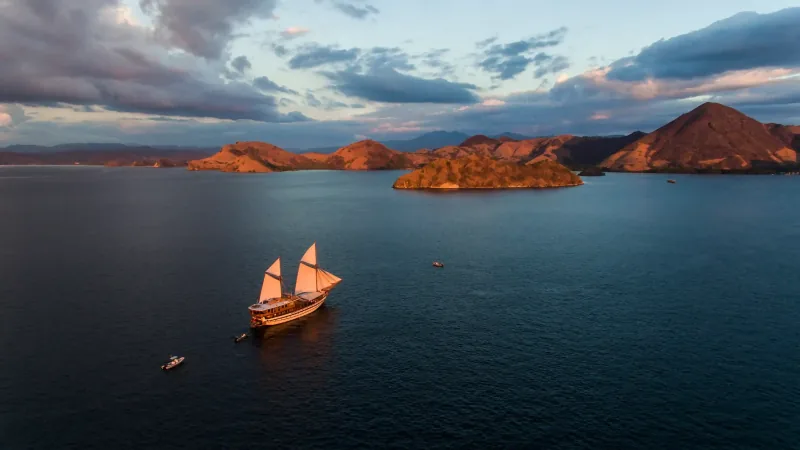
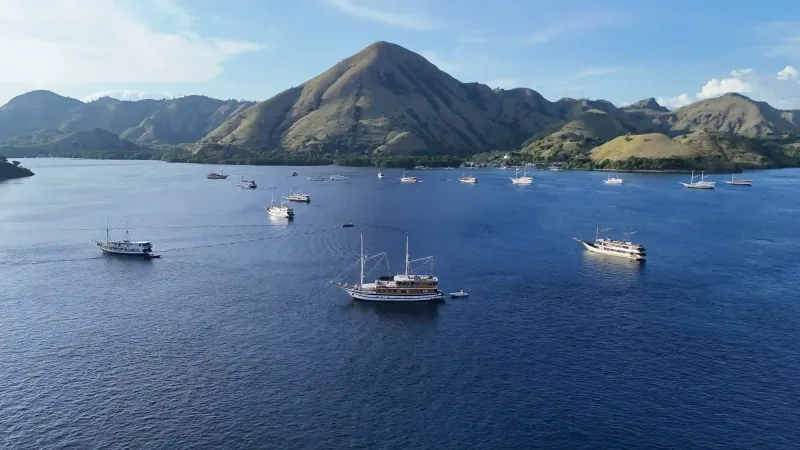
The wooden hull of the boat slices through the Savu Sea, its surface a shifting gradient of cobalt and aquamarine. To the east, the arid, primeval contours of the islands rise against the morning sun. This is the entry to Komodo National Park, a national park established in 1980 and inscribed on the UNESCO World Heritage list in 1991, where the clarity of the water is matched only by the intensity of the life it holds. For the discerning snorkeler, the question is not whether to explore these currents, but how. The decision between a swift day excursion and an immersive multi-day liveaboard is primarily a financial one, a calculation of time, access, and experience. Understanding the economics of a Komodo snorkel tour is the first step in crafting a precise and rewarding Indonesian itinerary. The central problem for travelers planning a Labuan Bajo snorkeling trip is the opaque nature of tour pricing. What dictates the difference between a $150 day trip and a $1,500 liveaboard cabin? The answer lies in a combination of vessel type, duration, exclusivity, and the specific marine territories, like Pink Beach and Manta Point, that are accessed. This guide deconstructs the costs, providing a clear financial framework for planning your expedition into one of the planet’s most significant marine environments.
Where the money goes
The final price of any Komodo snorkeling package is an aggregate of several key variables. Before examining specific tour formats, it is essential to understand these core cost components. The largest expense is the vessel itself, followed by the duration of the charter. However, a significant and often separately itemized cost is the Komodo National Park fee structure. The official PNBP tariff (PP No. 36/2024) sets a flat IDR 250,000 entrance fee per foreign visitor per visit (Indonesian citizens pay IDR 50,000 on weekdays or IDR 75,000 on weekends/holidays). Once a ranger fee and incidentals are added, most foreign visitors budget roughly IDR 400,000–525,000 per person for a single day — see our full fee breakdown (verified August 2026). These fees are fundamental to the preservation of the 1,733 km² park and are rarely included in the initial quoted tour price. Seasonality also plays a role; the dry season from April to November sees higher demand and corresponding prices, particularly in the peak months of July and August.
Day trip economics
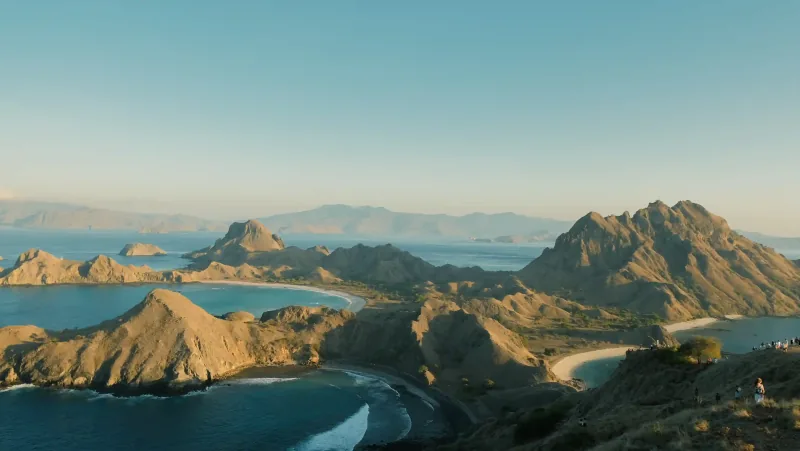
For travelers with limited time, the speedboat day trip from Labuan Bajo is the most efficient method to witness the park’s highlights. These tours consolidate the quintessential Komodo experience—the panoramic hike on Padar Island, the unique sands of Pink Beach, a Komodo dragon sighting, and a session at Manta Point (often Karang Makassar)—into a single, 8-to-10-hour day. The primary trade-off is time; each stop is allocated a specific duration, and the experience is shared with the considerable daily traffic from the port town. See also: who publishes this guide and how it works. The speedboat model is a marvel of logistics, allowing access to four or five distinct ecological zones in one day. The cost reflects the high fuel consumption and speed required to cover the 60-nautical-mile round trip. A private charter offers control over the itinerary, allowing for more time at a preferred site, but at a substantial price increase. The experience is intense, fast-paced, and offers a condensed look at the park’s immense scale. See also: the Pink Beach snorkeling guide.
The liveaboard case
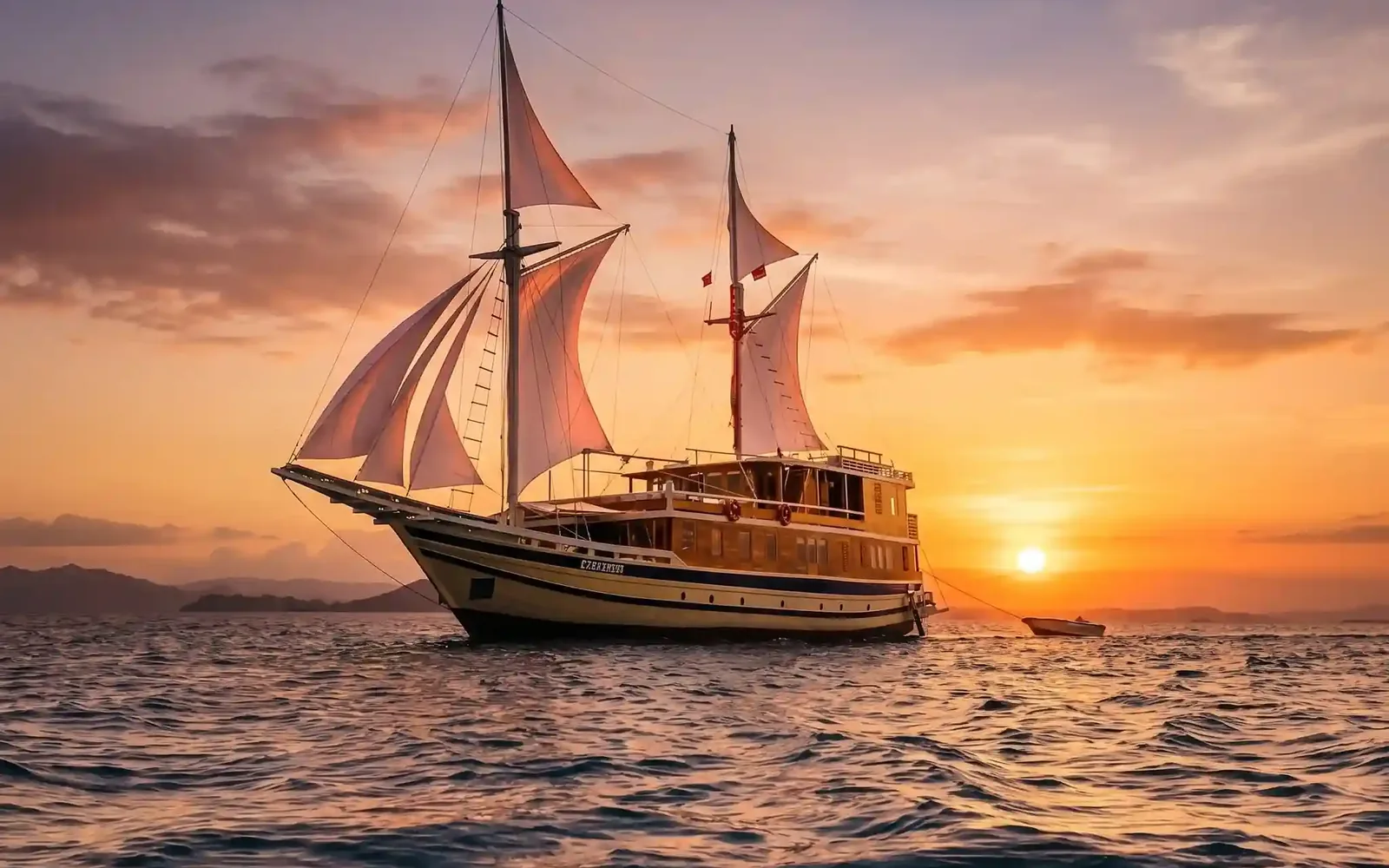
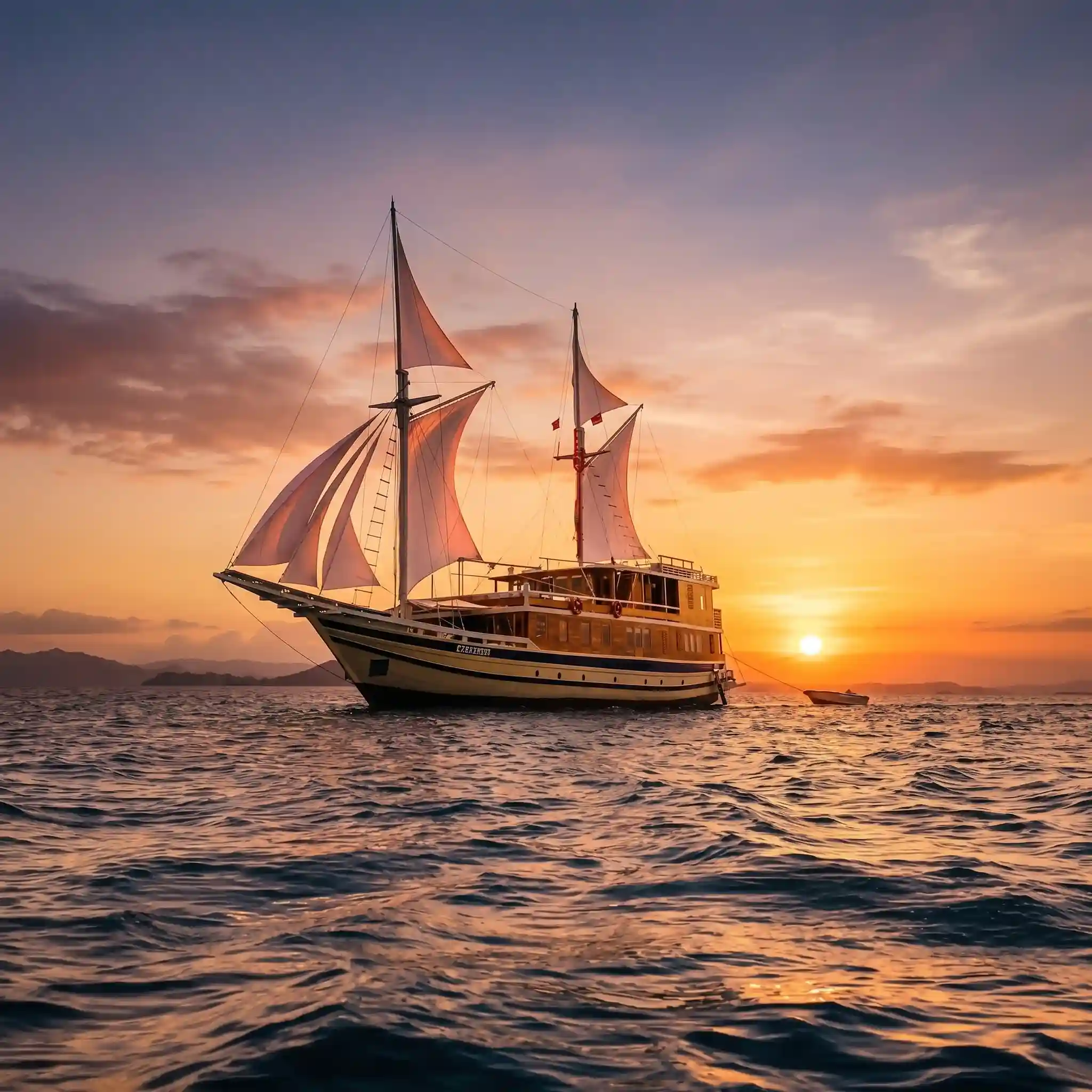
To truly absorb the rhythm of the Komodo archipelago, a multi-day liveaboard is the superior option. These floating accommodations allow access to more remote snorkeling sites far from the day-trip circuit and provide the opportunity to enter the water at dawn or dusk, when marine activity is often at its peak. Liveaboards range from basic wooden boats to luxurious Phinisi schooners, traditional Indonesian two-masted vessels. The price directly correlates with the vessel’s quality, cabin amenities (air conditioning, private bathrooms), and the level of service. See also: the Komodo Island snorkeling overview. A 3-day, 2-night Komodo snorkel tour allows for a more considered exploration. Itineraries can include sites like Siaba Besar, known for its resident sea turtles, or the submerged sandbar of Taka Makassar. On a liveaboard the clock loosens. The boat can wait at Karang Makassar for the manta rays, hold a quiet corner of the reef after the day boats have left, and work to the tides instead of racing back to Labuan Bajo by sunset. That is an investment in pace and depth, not just sightseeing. The financial commitment is greater, but the return is a more profound connection to the environment.
Line by line
A critical aspect of budgeting for a Pink Beach snorkel trip is understanding precisely what your payment covers. Reputable operators are transparent about their pricing, but it is the traveler’s responsibility to confirm the details. Misunderstanding what is included can lead to unexpected expenses upon arrival in Labuan Bajo.
Standard Inclusions: Most tour prices, whether for a day trip or liveaboard, will cover the boat, fuel, captain and crew, a licensed tour guide, basic snorkeling equipment (mask, snorkel, fins), meals as specified in the itinerary (lunch on day trips; all meals on liveaboards), and drinking water, coffee, and tea.
Common Exclusions: Be prepared for additional costs. These almost always include the Komodo National Park fees, which must be paid in cash (Indonesian Rupiah) on-site. Flights to and from Labuan Bajo’s Komodo Airport (LBJ) are never included. Other typical exclusions are alcoholic beverages, soft drinks, travel insurance (which is highly recommended), and tips for the crew (a customary 5-10% of the tour price is standard).
Equipment Caveat: While gear is provided, serious snorkelers may prefer to bring their own well-fitting mask and snorkel. Rental quality can be inconsistent, and a leaking mask can detract from the entire experience.
Value at the big sites
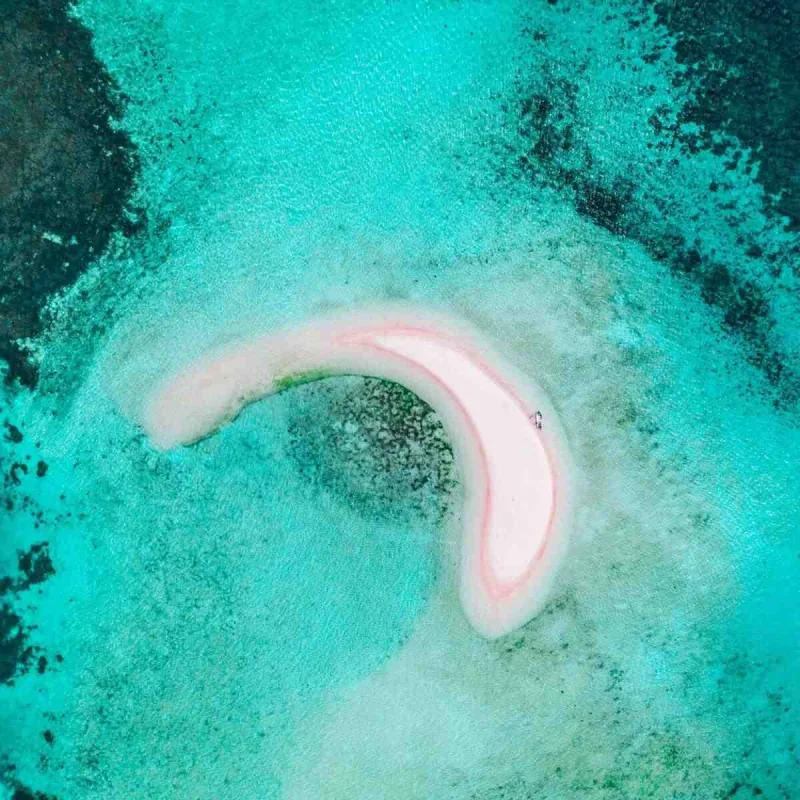
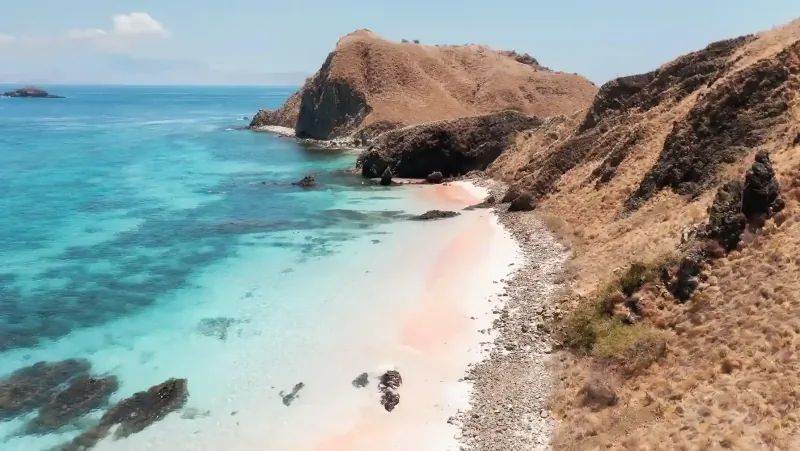
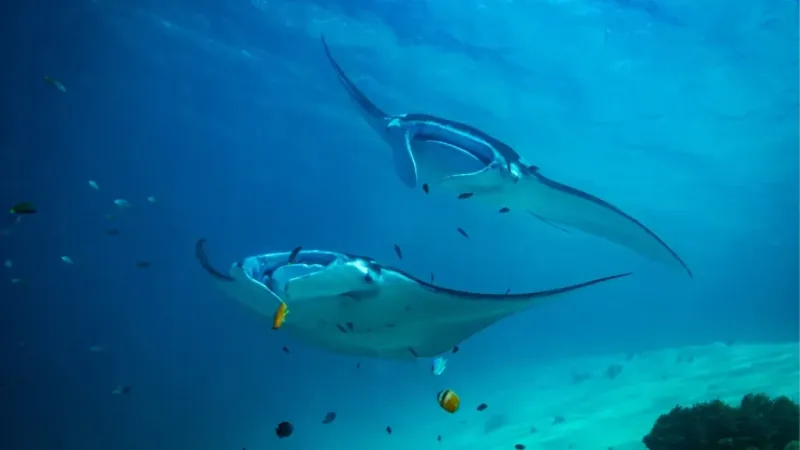
The two most sought-after snorkeling destinations in Komodo are Pink Beach (Pantai Merah) and Manta Point. The beach’s distinctive color is derived from microscopic red organisms called foraminifera, which mix with the white sand. The snorkeling here, along the shallow reef drop-off, is excellent. Manta Point, more accurately a collection of cleaning stations like Karang Makassar, is a vast, relatively shallow area where reef manta rays (Mobula alfredi), with wingspans reaching up to about 5.5 meters, congregate to be cleaned by smaller fish. From a cost-value perspective, a multi-day tour provides a distinct advantage at these sites. A liveaboard can anchor near Pink Beach overnight, allowing guests to be the first on the sand and in the water, long before the fleet of speedboats arrives from Labuan Bajo around 10:00 AM. At Manta Point, patience is key. A speedboat has a limited time window, but a liveaboard can linger, increasing the probability of a meaningful and uncrowded encounter with the rays. The additional investment in a liveaboard translates directly into higher-quality time at these world-renowned locations. See also: Check dates with Komodo Luxury.
Choosing a vessel
The boat is your platform for discovery, and its character will define your trip. The choice reflects a balance between budget, comfort, and speed.
Fiberglass Speedboats: The workhorses of the day-trip industry. Powered by multiple high-horsepower outboard engines, they are built for speed, sacrificing some comfort for efficiency. They are practical for reaching distant sites like Padar Island and returning to Labuan Bajo within a day.
Standard Wooden Boats: These are the entry-level liveaboard options. They are slower and more basic, often with shared facilities, but provide an authentic and affordable way to spend multiple days in the park. They are perfectly adequate for accessing premier Komodo snorkeling sites.
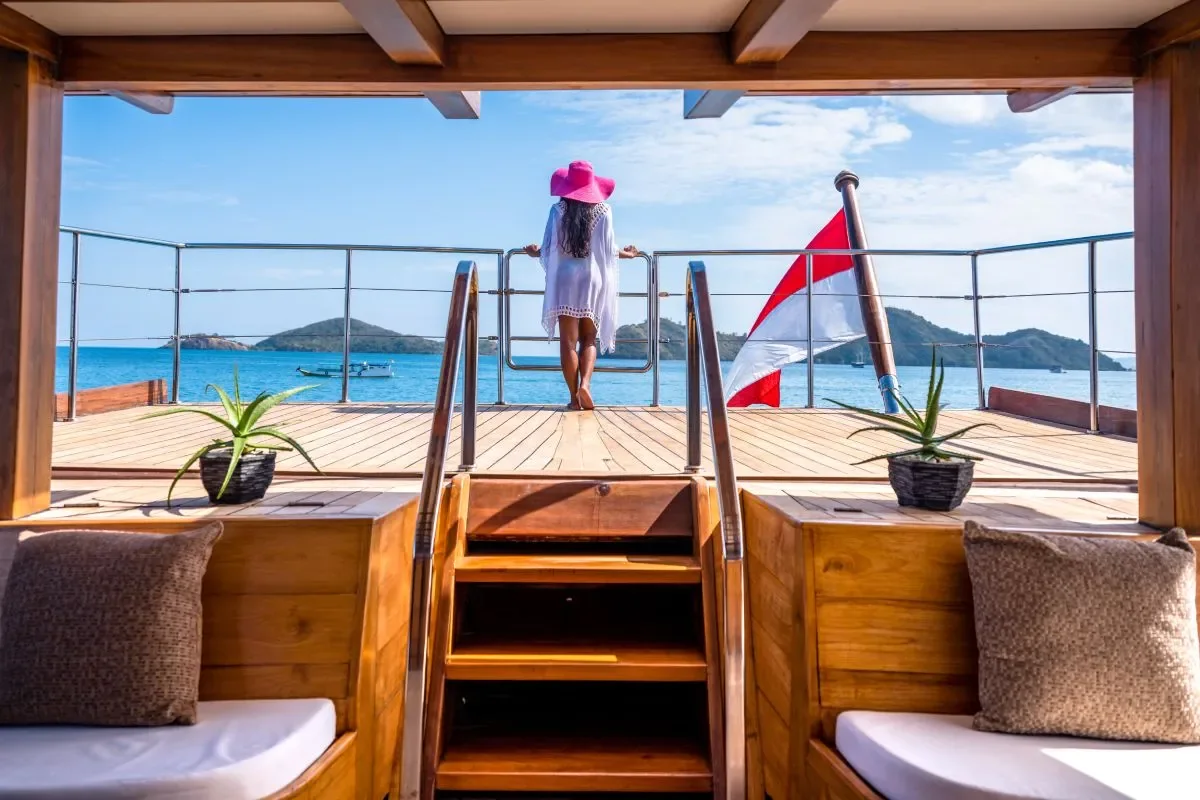
Phinisi Schooners: The pinnacle of Komodo sea travel. These handcrafted vessels, built by the Konjo boat-builders of South Sulawesi, combine traditional design with modern comforts. They offer a stable, spacious, and elegant platform for exploring the archipelago. The cost reflects the craftsmanship, service level, and superior onboard experience.
A financial checklist
Translating this information into a workable budget requires a structured approach. A successful trip to snorkel in Komodo is a matter of clear-eyed financial planning. Follow these steps to ensure your budget aligns with your expectations.
Define Your Timeframe: The length of your stay in the Flores region is the primary determinant. If you have only one or two full days, a speedboat day trip is your most logical choice. With three or more days, the value proposition of a multi-day liveaboard becomes compelling.
Select Your Travel Style: Evaluate your preference for privacy and comfort. Are you comfortable on a shared tour with 20-30 other people, or is the solitude of a private charter a priority? Does a simple fan-cooled cabin suffice, or is an air-conditioned suite with a private balcony a necessity?
Calculate the All-In Cost: Sum the tour price, the estimated park fees (roughly IDR 400,000–525,000 per person per day), a budget for crew gratuity (5-10%), and any ancillary costs like flights, pre/post-tour accommodation in Labuan Bajo, and personal spending.
Book in Advance: During the high season (July-August) and shoulder seasons (April-June, September-November), reputable boats are often booked months in advance. Securing your place early, especially for sought-after Phinisi charters, is critical.
Budgeting under the 2026 rules
The cost of your Komodo snorkeling adventure is no longer just about the boat and guide; it’s now deeply intertwined with government regulations introduced in 2024 and fully implemented by 2026. The most significant financial factor is the park’s management system, which dictates access and, consequently, influences pricing. The introduction of the official SiOra online booking portal (SiOra.id) and a strict Komodo National Park visitor limit per day 2026 of just 1,000 people across three sessions has created a supply-and-demand dynamic that rewards early planning. Waiting until the last minute in Labuan Bajo to find a cheap trip is no longer a viable strategy. With limited slots, reputable operators must secure these QR-code-based tickets for their guests in advance, a logistical service that is now a core part of any legitimate tour package’s value. This system also changes how you should think about daily costs. Many visitors ask about the Komodo National Park snorkel fee per day, but this is a misunderstanding of the current structure. As of August 2026, foreign visitors pay a flat entrance fee of IDR 250,000 per person, per visit. This single ticket covers your entire continuous trip within the park, whether it’s a one-day speedboat tour or a 4-day liveaboard. This makes multi-day liveaboards significantly more cost-effective from a park-fee perspective. A series of three separate day trips would require you to pay this entrance fee three times, whereas a 3D2N liveaboard requires only one payment. Understanding this distinction is crucial for accurate cost comparison between day trips and multi-day journeys. The total Komodo National Park quota per day for snorkeling is park-wide, not per-site, so your operator’s ability to secure a slot for your group determines your access to the entire park for that visit.
Why going alone costs more
A common question readers send is, “can you snorkel in Komodo without a tour cost?” The short answer is no, not in any practical or legal sense within the national park’s prime locations like Manta Point or Pink Beach. While you could technically hire a local fisherman’s boat at the Labuan Bajo harbor, they are not authorized to take tourists into the park’s core zones, cannot process the mandatory SiOra e-tickets, and will not be accompanied by a licensed ranger for land-based activities like dragon trekking. Attempting this route often leads to disappointment, being turned away at park entry points, or being restricted to snorkeling outside the protected, biodiverse areas. The real cost of a “DIY” trip isn’t zero; it’s the cost of a wasted day and a missed opportunity. A professionally organized private Komodo boat charter bundles access, safety, and logistics into a single, transparent price. Furthermore, your budget must account for on-the-ground cash expenses that fall outside the main tour package. Tipping, while not mandatory, is a deeply appreciated custom in Indonesia for excellent service. For budgeting purposes, a guideline for Komodo snorkeling tipping per day is around IDR 100,000-150,000 per guest, which is then pooled and distributed among the boat crew (captain, deckhands, chef). That single envelope covers the guide as well as the crew; there is no separate second tip. Another logistical query with cost implications is, “can I fly and snorkel Komodo same day?” While possible with an early morning flight and a private charter, it’s a high-risk strategy. Any flight delay could cause you to miss your boat’s departure, potentially forfeiting your entire payment. The safer, more cost-effective approach is to arrive in Labuan Bajo the day before your tour begins, avoiding the financial risk of a missed connection. For more tips on what to bring, including cash, see our complete Komodo packing guide.
Komodo Luxury — the booking partner for this guide
Where the boats actually come from
We publish the research; Komodo Luxury holds the fleet and the calendar.