To provide a more granular view, here is a breakdown of expected conditions throughout the year. This allows you to weigh the trade-offs between crowd levels, water clarity, and marine life activity when planning your Labuan Bajo snorkeling base camp.
Sites and skill levels
The park has dozens of reefs suitable for different abilities, so the best Komodo snorkel sites with calm water are not always the most famous names. When planning a private Komodo snorkeling charter optimum season and site choice go hand in hand; good operators will match spots to the day’s conditions and your experience level.
Gear and photography
Because much of Komodo’s magic is visual, thoughtful gear and camera choices will transform your experience. The right setup matters even more if you plan to book a Komodo snorkeling trip in manta season or focus on wide, colourful reefscapes.
Side by side
Month by month
Month
Avg. Water Temp (°C)
Avg. Visibility (m)
Sea State
Manta Sightings
Key Considerations
January – February
28-30°C
10-15m
Choppy to Rough
Low
Wet season peak. Some operators may pause tours. Lush landscapes.
March – April
27-29°C
15-25m
Calming
Moderate
Shoulder season. Conditions improve rapidly. Good balance of value and quality.
May – June
26-28°C
25-30m+
Calm
High
Start of prime season. Excellent visibility and increasing manta numbers.
July – August
25-27°C
30m+
Very Calm
Peak
Absolute best conditions. Peak tourist season. Book everything far in advance.
September – October
26-28°C
25-30m
Calm
High
Excellent conditions continue with slightly fewer crowds than July/August.
November – December
27-29°C
20-25m
Variable
Moderate
Shoulder season. Chance of rain increases. Still a very good time for a snorkel tour.
Questions
What people ask
31 answers, grouped. Pick the set you need.
Beginner‑friendly bays and beach entries
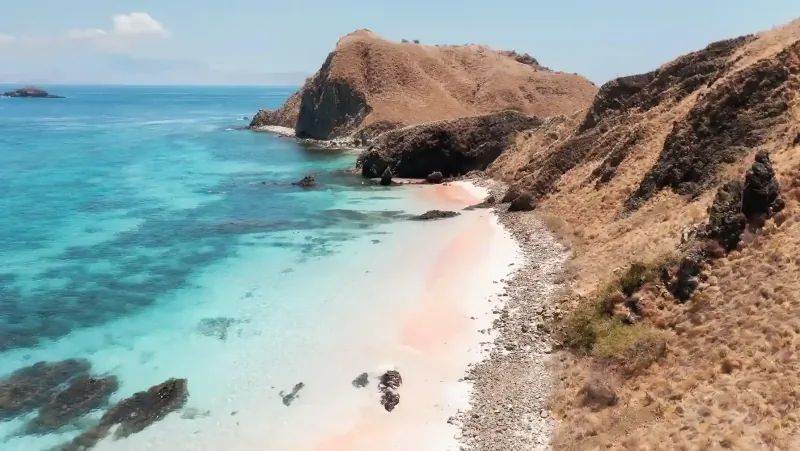
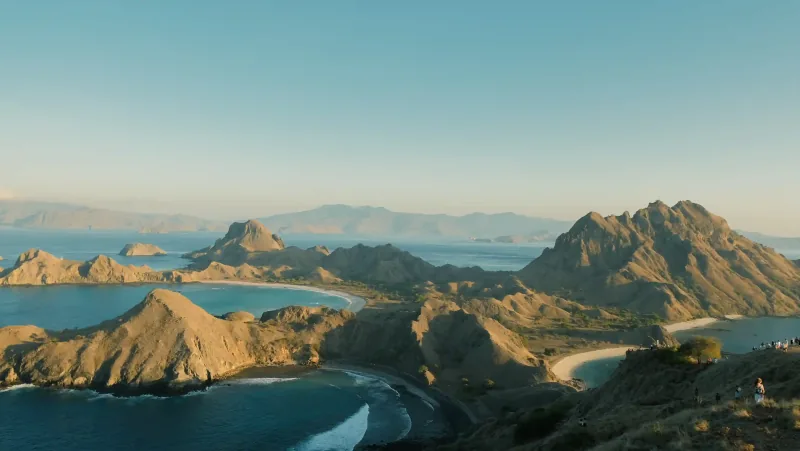
If you are wondering “can I snorkel from the beach in Komodo”, the true answer is “sometimes, but not everywhere and not always advisable without a boat nearby.” Pink Beach on Komodo Island offers a short swim from sand to coral, and in settled weather it is one of the gentler shore-access spots. Many first-timers consider the best time to snorkel Pink Beach Komodo to be mid‑morning on dry‑season days, with the sun high enough to light the reef and before afternoon winds pick up. Other calm options include sheltered coves around Padar’s smaller bays and some islets closer to Flores. If you want to know “can you snorkel from the shore in Komodo” without joining a boat, remember there are currents even close to land; it is safer to join an organized day tour from Labuan Bajo so a tender can monitor you. Operators will often start beginners in these quiet bays before progressing to channels or outer reefs.
Currents: snorkelers vs. divers
Komodo currents for snorkelers vs divers feel very different. Divers may actively seek strong drifts at Batu Bolong or Castle Rock, entering deeper water where the flow is powerful but predictable. Snorkelers stay shallower and can be more exposed to wind‑driven surface chop. In many channels, boats perform “drift snorkels,” dropping you upstream and picking you up downstream; this can be exhilarating, but it is not ideal for nervous swimmers. Because conditions change tide by tide, asking about Komodo snorkeling water visibility today is best done directly with your chosen operator the evening before your trip. They will combine tide tables, wind forecasts, and recent reports from skippers to pick sites that match your comfort level. For a curated survey of options, read our Ultimate Guide To Komodo’s Top Snorkeling Spots, which breaks down difficulty and typical current strength by site.
Water temperature, kids, and swimming ability
The average water temperature for Komodo snorkelling is roughly 26–30°C across the year, with slightly cooler patches where deeper water wells up. Most guests are comfortable in a 2–3 mm shorty or even just swimwear plus a rashguard. That warmth helps families: many ask “can kids snorkel in Komodo” and the answer is yes, if they are already water‑confident, closely supervised, and kept to protected locations. Similarly, if you are asking “do I need to be a good swimmer to snorkel Komodo”, you do not need to be an athlete, but you must be able to float calmly, kick steadily for several minutes, and follow guide instructions. Weak swimmers should stick to beach‑entry sites and avoid strong current channels. Review safety standards with your chosen operator; our own approach is outlined in Safety & Compliance — Standards Checked Before a Boat Is Listed.
Snorkel gear for currents and long sessions
Many visitors ask about the best snorkel gear for Komodo. Prioritize a low‑volume mask that seals well, a simple, non‑purge snorkel without complex valves, and medium‑length fins. With currents and drift sessions, you will be in the water longer than on a typical resort reef. Regarding fins, “do I need fins for snorkeling at Manta Point Komodo” has a clear answer: yes. Efficient fins mean you can cross mild currents, hold position comfortably, and avoid over‑exertion while watching mantas. If you want recommendations on the best snorkel gear brands for Komodo, look for established manufacturers whose products you can test locally before flying. Brands that build flexible, travel‑friendly fins and masks with multiple skirt sizes tend to work best across different face shapes. A long‑sleeved rashguard and leggings or thin wetsuit both protect from sun and limit stings from tiny plankton in manta season.
Planning around manta season, plankton, and visibility
Many itineraries revolve around manta encounters, so “when is manta ray season at Manta Point Komodo for snorkeling” is one of the most common questions we see. Manta rays are present year round at Karang Makassar (often called Manta Point), but the Komodo manta season calendar peaks around December–February, when the Komodo plankton bloom manta season brings nutrient‑rich water and dense feeding aggregations. During this window, Komodo manta season visibility can drop compared with peak dry season: expect greener water and some days with 8–15 m clarity instead of 20–30 m. Many guests accept this trade‑off, because the chance of multiple mantas circling cleaning stations remains high. If you prefer very clear water with “postcard” colours, consider shoulder months such as April–June or September, when mantas are still seen frequently but plankton is less concentrated.
Timing your manta snorkels and choosing your trip style
If you are focused on the best time of day to snorkel Manta Point, mid‑morning to early afternoon often balances sun angle, guide logistics, and typical feeding patterns. Operators usually time arrivals to hit slack or moderate currents, avoiding the strongest tidal surges. You can absolutely snorkel with manta rays at Manta Point as a non‑diver; boats brief you to stay low, never chase animals, and keep a minimum respectful distance. Some travelers ask “can you snorkel with mantas in Komodo if you are only on a short trip from Labuan Bajo?” Yes, most one‑day and overnight itineraries include Karang Makassar when conditions permit, but for the most flexible timing, consider a multi‑day Komodo liveaboard charter. Liveaboards can revisit Manta Point at different tides or even on multiple days, raising your chances of ideal encounters. If you value privacy or are carrying serious camera gear, a tailored Komodo yacht charter can shift manta sessions to quieter windows, then route you through other photogenic spots such as Taka Makassar and Batu Bolong under favourable light.
Photography tips: sandbars, mantas, and iconic reefs
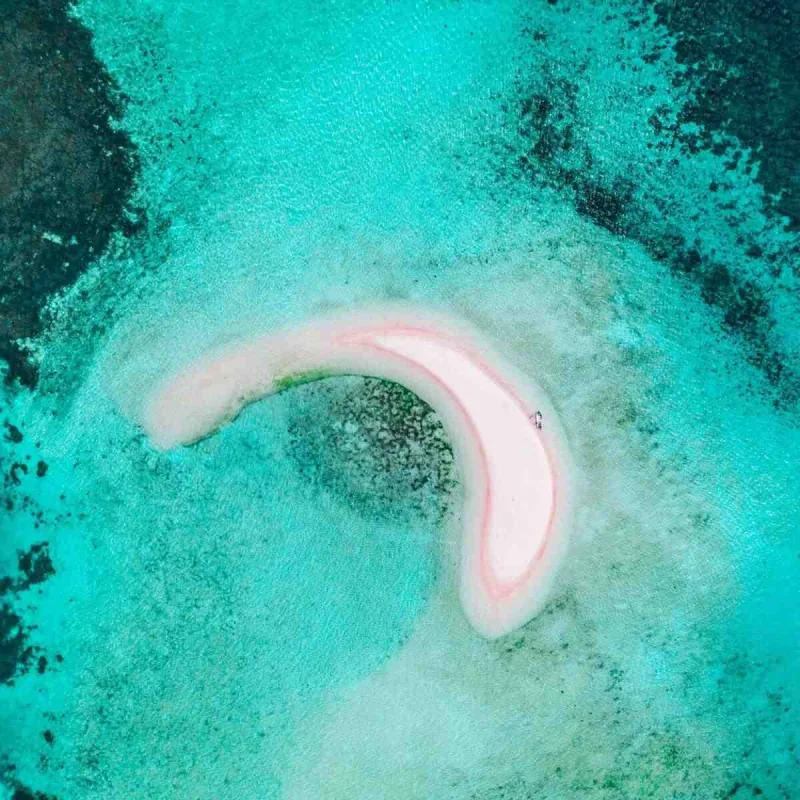
For those curious about a Taka Makassar aerial sandbar photography guide, timing is everything. Aim for mid to low tide on clear, dry‑season days when the sandbar fully emerges and surrounding water glows turquoise. Aerial images are typically captured from drones launched from your boat; coordinate with your captain to maintain safe distances from other vessels and respect no‑fly advisories that may apply around Komodo National Park. Underwater, photographing manta rays while snorkeling Komodo calls for a wide‑angle lens and a focus on behaviour, not proximity. Instead of diving down on top of a manta, position yourself slightly to the side of a cleaning station and let the animal approach on its natural path. Slow, horizontal kicks keep your bubbles and splashes minimal, which results in cleaner images and less disturbance. Batu Bolong, one of the region’s signature reefs, is a classic subject for wide‑angle. For Batu Bolong wide angle underwater photo tips, shoot during high sun when light penetrates deepest, and expose for the blue water first, then add strobe light (if diving) or get close to shallow coral heads (if snorkeling). Keep an eye on current lines and always obey guide instructions; this is a site where safety trumps any shot. For a deeper dive into itinerary and photo pairings, see our Komodo Liveaboard Snorkeling Route for Photographers.
When is the best time to snorkel in Komodo if I want good visibility?
The best time to snorkel in Komodo for consistently strong visibility is generally during the dry season, especially May–June and September–October. In these months, you often see 15–30 m clarity, calmer seas than peak July–August winds, and less rain than mid‑wet season. Mantas are still possible, but plankton is usually lighter, so the water appears bluer.
What is the best month to see mantas at Manta Point Komodo while snorkeling?
The best month to see mantas at Manta Point Komodo is typically within the December–February window, when plankton blooms draw large numbers of rays. Any one month can vary, but mid‑wet season often brings the densest feeding and cleaning activity. Expect slightly reduced visibility compared with peak dry season, yet an increased chance of multiple manta encounters on a single snorkel.
Can you snorkel in Komodo year round, or are some months unsafe?
You can snorkel in Komodo year round, but not every site is suitable every day. Operators adjust plans around monsoon winds, rain, and tidal currents, especially from December to March. In very rough weather, outer reefs may be skipped in favour of sheltered bays. Booking with experienced boats that monitor forecasts daily is more important than the exact month you choose.
Is December a good time to snorkel Komodo from Labuan Bajo?
December can be a good time to snorkel Komodo if you prioritize manta encounters over blue‑water visibility. The wet season is starting, so you should expect some rain, more clouds, and occasionally choppier crossings. However, plankton increases, and mantas often aggregate around Karang Makassar. Choose flexible itineraries from Labuan Bajo that can adjust routes to avoid localized storms.
Do I need to be a good swimmer to snorkel at Manta Point and other sites?
You do not need to be an expert swimmer, but you must be comfortable floating and kicking steadily for at least several minutes. At Manta Point, fins are essential, and there can be mild to moderate currents. Less confident swimmers should use life jackets or snorkel vests, follow guides closely, and stick to more protected sites until they feel ready for drift snorkels.
Can kids snorkel in Komodo National Park safely?
Kids can snorkel in Komodo National Park safely if they already swim confidently, are supervised one‑to‑one by adults, and stay in calm, shallow areas chosen by the guide. Families usually start with beach‑entry reefs like parts of Pink Beach or protected bays. Strong‑current channels and long drifts are best reserved for older, more experienced teens and adults.
What is the average water temperature for Komodo snorkelling?
The average water temperature for Komodo snorkelling ranges around 26–30°C through the year. Shallow bays and sandy areas often feel warmer, while deeper channels and upwelling zones can be a couple of degrees cooler. Most people are comfortable in a thin wetsuit or just a rashguard, which also protects from sunburn and minor stings during plankton‑rich manta season.
How do currents for snorkelers compare to divers in Komodo?
Currents in Komodo affect both snorkelers and divers, but divers often target stronger flows at depth for thrilling drifts. Snorkelers stay shallower, where surface chop and wind can add to tidal movement. Guides typically pick gentler sites or time entries for slack tide when working with beginners. Always disclose your comfort level so your itinerary can be tailored appropriately.
When is the best time to snorkel with mantas at Karang Makassar?
The best time to snorkel with mantas at Karang Makassar (Manta Point) is from April to November. During these months, the water is generally clearer and calmer, and the plankton concentrations that attract feeding mantas are ideal. While mantas are present year-round, the peak season offers the most reliable encounters with large groups, often numbering a dozen or more individuals, making it the prime window for this incredible experience.
For a first-timer, what is the Komodo Island snorkel tour best time of year?
The Komodo Island snorkel tour best time of year for a first-timer is during the shoulder season months of April, May, September, and October. This period provides an excellent balance: the weather is dry and sunny, water visibility is fantastic, and the crowds are smaller than the July-August peak. You get prime conditions for snorkeling at sites like Pink Beach and Manta Point without the logistical pressures of the high season.
Is snorkeling in Komodo still enjoyable during the January off-season?
Yes, snorkeling in Komodo during January can still be very enjoyable, provided you set the right expectations. The islands are lush and green, and you’ll encounter far fewer tourists. However, be prepared for potential rain showers, choppier sea conditions, and reduced water visibility (typically 10-15 meters). Some operators may have limited schedules, so booking a private Komodo liveaboard offers the most flexibility.
My snorkel mask always fogs up. What are some reliable anti-fog hacks for Komodo’s conditions?
Reliable anti-fog hacks for your snorkel mask start with preparation before your trip. First, scrub the inside of a new mask lens with white, non-gel toothpaste to remove the manufacturer’s silicone residue. Before each snorkel, apply a few drops of biodegradable baby shampoo or a commercial defogging agent to the dry inner lens, rub it in, and then give it a quick, light rinse in the sea. This simple routine is far more effective than just using saliva.
I’m a photographer. Can you snorkel with a DSLR in a housing at Komodo’s top sites?
Yes, you can absolutely snorkel with a DSLR in a housing at Komodo’s sites, and the results can be stunning. The main challenges are managing the bulky equipment in currents and during boat entries. We highly recommend a private charter to give you the time and support needed. Your guide can help you anticipate currents and find stable positions, ensuring you can focus on capturing incredible shots of turtles, mantas, and vibrant coral reefs without disrupting others.
How do you manage and store large amounts of snorkel footage on a multi-day Komodo liveaboard?
To store snorkel footage on a liveaboard, you must be self-sufficient as there’s no internet for cloud uploads. The best practice is to bring a laptop and a rugged portable SSD drive for daily backups. Pack several high-capacity SD or microSD cards to avoid running out of space. A power bank and a multi-port charger are also crucial for keeping all your cameras, drones, and devices powered up throughout your multi-day snorkeling itinerary.
Visibility and manta season
The water is a shade of impossible blue, the temperature a perfect 27°C. Below the surface, the silence is broken only by the rhythmic crackle of parrotfish on coral. Sunlight filters down in shimmering columns, illuminating a slope of vibrant acropora. Then, a shadow eclipses the sun. It is not a cloud, but a four-meter oceanic manta ray, gliding with effortless grace just meters away. This is the moment that defines a Komodo snorkeling expedition. But this encounter, and the crystalline visibility that makes it so profound, is not a matter of chance. It is a matter of precise timing. See also: the Komodo Island snorkeling overview. Planning a trip to the Komodo archipelago, a UNESCO World Heritage site comprising 29 islands, presents a critical challenge: aligning your travel dates with a confluence of optimal natural conditions. Arriving during the wrong month could mean contending with 15-meter visibility instead of 30, choppy seas that make boat travel uncomfortable, or missing the peak aggregation of manta rays at iconic sites like Karang Makassar. For a destination that requires a significant investment of time and resources—flights to Bali, a connecting flight to Labuan Bajo, and the tour itself—pinpointing the ideal window is paramount. This guide provides the detailed intelligence required to plan your Komodo snorkel tour with precision, ensuring the conditions in the water match the expectations for this remarkable corner of the Coral Triangle. See also: the Pink Beach snorkeling guide.
The two seasons
The climate throughout Indonesia’s Lesser Sunda Islands, where Komodo National Park is located, is dictated by two dominant monsoon seasons. Understanding their distinct characteristics is the first step in timing your visit. Unlike the more nuanced four seasons of temperate climates, Komodo’s year is cleaved into a distinct dry period and a wet period, each presenting different conditions for a Komodo snorkel tour. The dry season, running from April through November, is widely considered the prime time for visiting. During these months, the southeast monsoon brings arid air from the Australian continent. The results are clear, sunny skies and exceptionally calm seas, especially between June and September. Air temperatures hover consistently around 30°C, while water temperatures are cooler and more refreshing, typically ranging from 25°C to 28°C. This period offers the most stable and predictable weather, with rainfall often less than 50mm per month. The primary advantage for snorkelers is visibility, which frequently exceeds 30 meters, creating glass-like conditions at sites such as Pink Beach and Siaba Besar, known for its resident turtle population. This is also the high season for tourism, meaning Labuan Bajo, the gateway port, is at its busiest, and advance booking for reputable tours and accommodations is essential. Conversely, the wet season, from December through March, is governed by the northwest monsoon. This period is characterized by higher humidity, overcast skies, and significant rainfall, which can exceed 200mm in January and February. The winds can create choppy surface conditions, particularly in the open channels like the Lintah Strait, making for more challenging boat crossings. The influx of freshwater runoff from the islands can reduce water clarity, with visibility sometimes dropping to between 10 and 15 meters. However, this season has its merits. The islands, normally dry and savannah-like, transform into verdant, lush landscapes. More importantly, the crowds thin out considerably, and there is potential for more competitive pricing on flights and charters. For the dedicated snorkeler willing to accept a trade-off in visibility for solitude, late March can be a rewarding shoulder period as the rains begin to subside.
The manta calendar
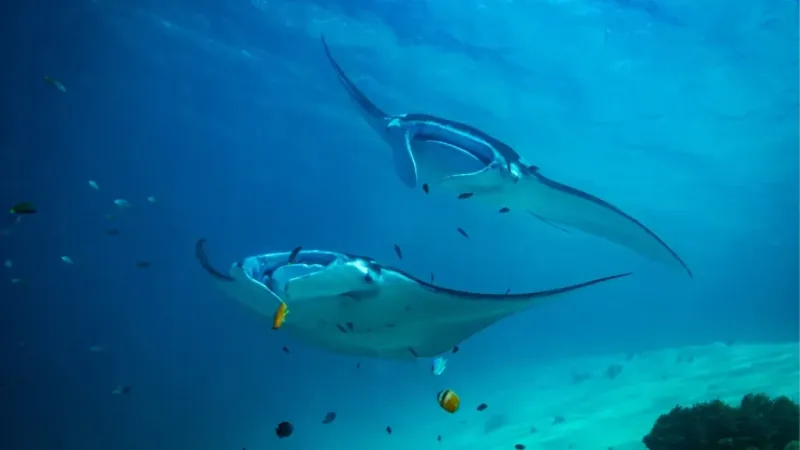
While Komodo’s vibrant reefs and diverse fish life are a constant, the most sought-after encounter is with the majestic reef manta (Mobula alfredi) and the larger oceanic manta (Mobula birostris). These filter feeders are present in the park year-round, but their numbers swell dramatically during a specific period, turning a possible sighting into a near certainty. This aggregation is tied directly to the oceanographic conditions that create their food source. The undisputed peak season for large manta ray aggregations in Komodo is from June to October. During these months, powerful upwellings from the deep-water channels of the Indian Ocean to the south push cold, nutrient-rich water to the surface. This annual upwelling triggers a phytoplankton bloom, which in turn feeds the zooplankton that mantas prey on. Plankton density at sites like Karang Makassar — the famous Manta Point — rises noticeably between July and September, and the mantas follow the food. During this peak window, it is not uncommon for snorkelers at Karang Makassar, a vast shallow flatland that serves as a cleaning station and feeding ground, to be in the water with 15 to 20 individuals at once. The cooler water temperatures, sometimes dipping to 25°C, are a small price to pay for such a profound wildlife spectacle. Snorkeling during these months offers the highest probability of observing complex manta behaviors: See also: who publishes this guide and how it works. Outside this peak season, from November to May, manta sightings are still frequent, but the grand aggregations are less common. You are more likely to encounter solitary individuals or small groups of two to five. For travelers whose primary objective is a Pink Beach snorkel and general reef exploration, this is perfectly adequate. But for those set on witnessing the grand spectacle of manta congregations, timing your Komodo Island snorkeling adventure between June and October is critical.
Feeding Trains: Multiple mantas gliding in formation as they filter plankton from the water column.
Cleaning Stations: Mantas hovering nearly motionless over a coral bommie while cleaner wrasse remove parasites from their gills and skin.
Courting Behavior: Intricate, synchronized swimming patterns performed by males pursuing a female.
Day trip or charter
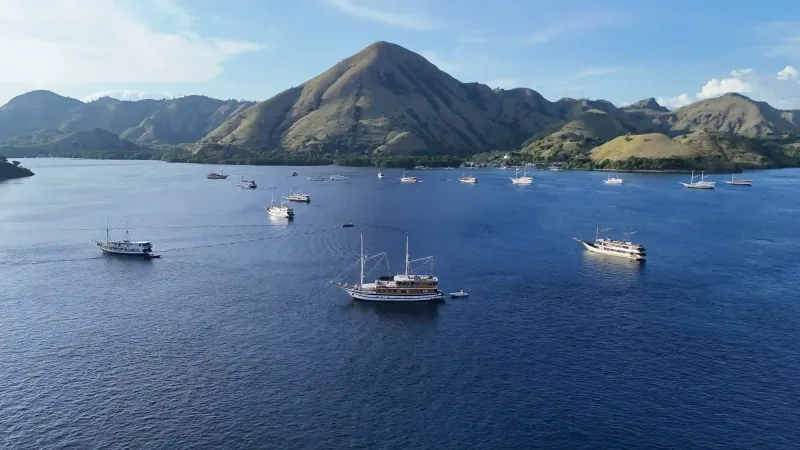
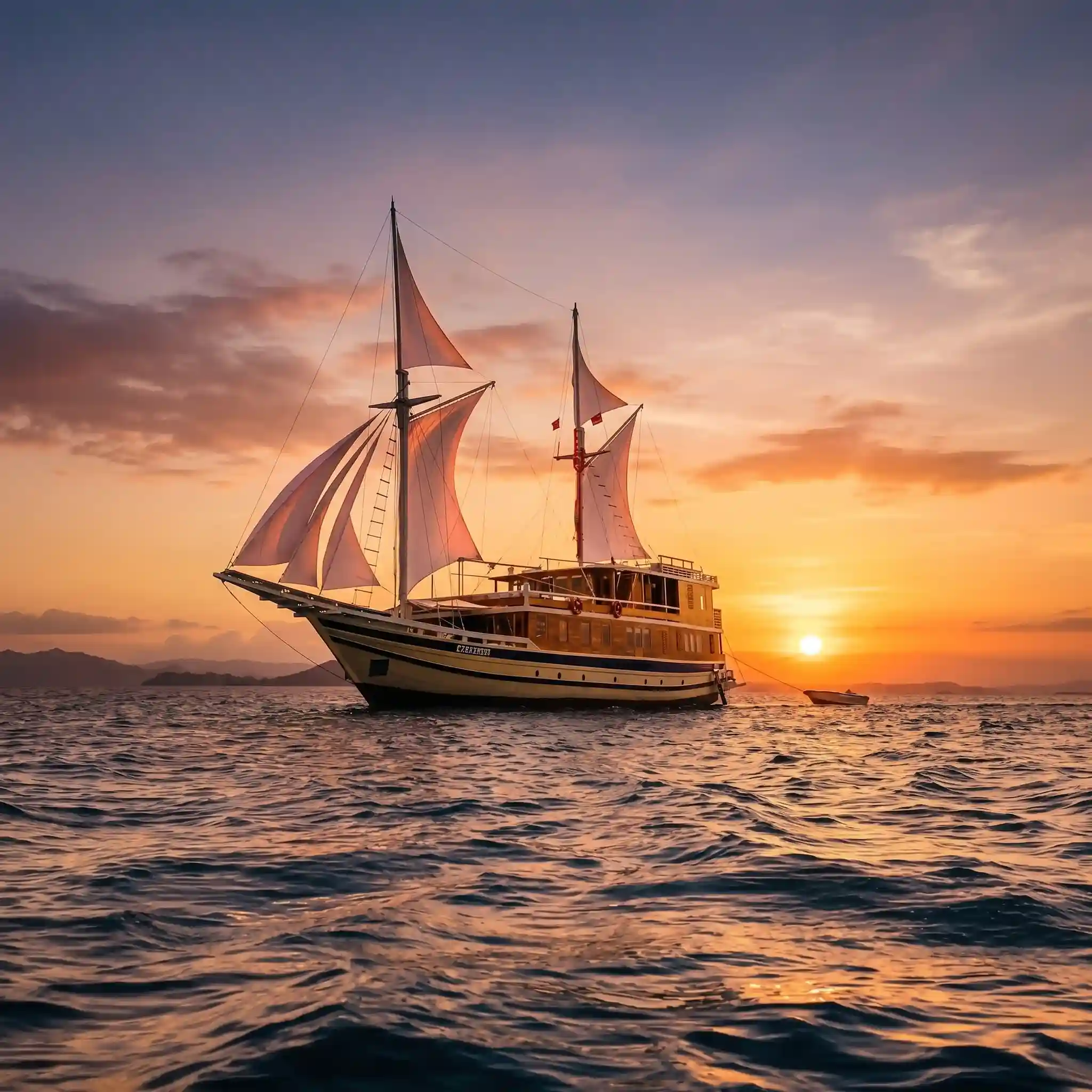
Once you have selected your dates, the next decision is the type of tour. The choice between a standard day trip and a multi-day private charter dramatically shapes the experience, influencing the sites you visit, the time you spend in the water, and your ability to evade the crowds. See also: Check dates with Komodo Luxury. Shared Day Trips from Labuan Bajo are the most common option. Typically utilizing high-speed boats, these tours consolidate the park’s highlights into a single, action-packed day, usually lasting 8 to 10 hours. A representative itinerary includes a trek on Padar Island for the iconic viewpoint, a visit to Pink Beach, an encounter with dragons on Rinca or Komodo Island, and a stop at Manta Point. While efficient and cost-effective—prices generally range from $90 to $150 USD per person—they operate on a fixed schedule. This means you arrive at popular snorkeling sites like Manjarite at the same time as a dozen other boats, which can detract from the sense of wilderness. A Multi-Day Private Charter, organized by a specialist operator such as Komodo Luxury, offers a fundamentally different approach. Spanning two, three, or more days, these liveaboard experiences provide the flexibility to curate an itinerary based on your interests and current conditions. The key advantages are significant: While the investment is higher—a 3-day, 2-night private phinisi charter for a small group can range from $2,000 to $4,500 USD—the value lies in the exclusivity, flexibility, and superior quality of the encounters. It is the preferred method for serious snorkelers and photographers seeking to fully explore the breadth of Komodo snorkeling.
Optimal Timing: You can be the first in the water at Pink Beach before other boats arrive, or snorkel Manta Point during the best tidal window, as advised by your experienced captain.
Expanded Reach: Multi-day trips allow access to more remote and less-visited snorkeling sites in the northern and southern reaches of the park, such as the pristine coral gardens of Gili Lawa Darat or the cooler, wilder waters of Horseshoe Bay.
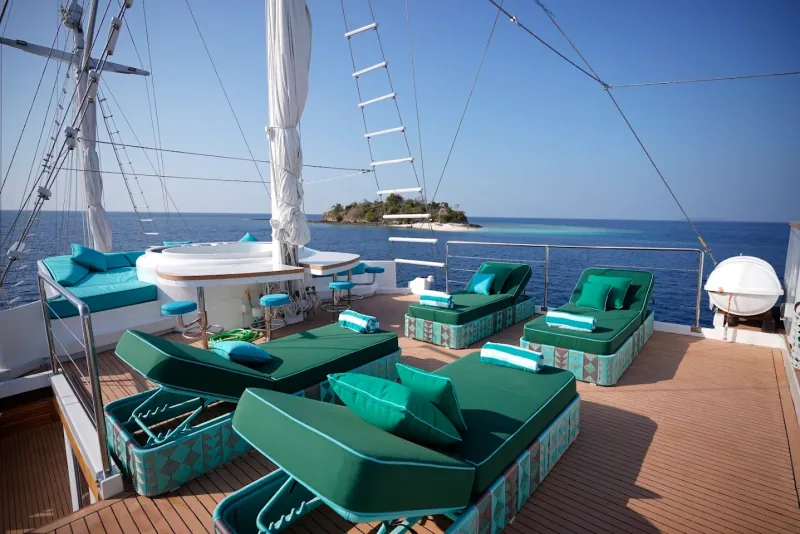
Immersive Experience: Living on the water allows for sunset snorkeling sessions, stargazing far from light pollution, and a deeper connection to the rhythm of the archipelago.
What else clouds the water
While season is the dominant factor, the clarity of Komodo’s waters is also governed by a dynamic interplay of localized forces. An expert guide navigates these forces to consistently place you in the best possible conditions. The currents in the Linta and Molo Straits are legendary, reaching speeds of up to 8 knots during peak tidal exchanges. These powerful flows are the lifeblood of the park, transporting nutrients and flushing the reefs. While a strong current can stir up sediment, it is also responsible for bringing in the clear oceanic water that provides exceptional visibility. A knowledgeable crew will time snorkeling sessions for slack tide—the brief period of calm between tidal shifts—ensuring safety and comfort. Furthermore, the location within the park matters. The northern islands, such as Sebayur and Kanawa, are generally bathed in warmer, clearer water from the Flores Sea. The southern sites, closer to the Indian Ocean, are subject to the cool, nutrient-dense upwellings. This can create a thermocline—a distinct layer of colder water—and while it fuels the manta aggregations, it can sometimes be associated with plankton blooms that slightly reduce visibility from “infinite” to a still-excellent 25 meters. This is the beautiful paradox of Komodo: the very elements that create the spectacle of life can subtly affect the clarity of the medium through which you view it.
Final preparations
With your ideal travel window identified, the final step is preparation. Booking flights into Komodo Airport (LBJ) from major hubs like Bali (DPS) or Jakarta (CGK) should be done at least three to six months in advance for peak season travel. The same applies to securing a place on a reputable tour. Remember that Komodo National Park fees are a separate, mandatory expense paid on-site: foreign visitors (WNA) pay a flat IDR 250,000 per person per visit under the official PNBP tariff (PP No. 36/2024), plus a small ranger fee on top — see our full fee breakdown (verified August 2026). Your packing should be deliberate. The equatorial sun is intense, making a high-SPF, reef-safe sunscreen (free of oxybenzone and octinoxate) non-negotiable. The park is home to over 260 species of reef-building coral, and protecting this fragile ecosystem is a shared responsibility. A long-sleeved rash guard or a thin 1-2mm wetsuit is highly recommended, not only for sun protection but also to provide warmth during longer snorkeling sessions in the cooler, manta-rich waters of the south. While quality rental gear is available, bringing your own well-fitting mask and snorkel eliminates the risk of a leaky mask compromising your time in the water. Finally, a dry bag is essential for protecting cameras, phones, and other electronics on boat tenders and beach landings. The ideal time for a Komodo Island snorkeling trip is a clear and attainable target. For the ultimate combination of placid seas, remarkable visibility, and the spectacle of mass manta ray aggregations, the period from June through October stands alone. By aligning your travel with this prime window and selecting an operator that understands the subtleties of the park, you are not just planning a vacation; you are orchestrating a series of profound encounters with one of the planet’s most vibrant marine environments.
Choosing a month
If you are asking about the best time to snorkel in Komodo, start by deciding how you balance calm seas, clear water, and manta encounters. In most years, the overall best time of year for a Komodo Island snorkel tour is April–June and September–early November, when conditions are usually dry, visibility is strong, and crowds are thinner than in July–August. For many travelers, the best month to snorkel Komodo is May or October. In May, the sea is often calmer after the wet season, waters are warm, and reefs look fresh and vibrant. October keeps good visibility but begins to see a slight increase in plankton, which can attract more pelagic life, including mantas, without the peak-rain risks of full wet season. You can snorkel in Komodo year round, but each period has a personality. July–August bring the most stable dry weather and typically excellent visibility, yet they are also the busiest and sometimes windier at the surface. December–February bring the famous plankton bloom and manta aggregations, with greener water and more chance of rain. March and April are transitional; itineraries may adjust more frequently based on wind and currents, but water temperatures remain comfortable. Families and first-timers often ask for the best Komodo snorkel month for beginners. We usually point to late April–June and September, when wind is often modest, surface chop is manageable, and operators have many options for choosing protected bays. If you are prone to seasickness, avoid peak monsoon squalls and consider shorter routes such as a focused Labuan Bajo snorkel trip in January in more sheltered nearshore sites rather than full outer-island loops. August deserves its own note. Snorkeling conditions in August in Komodo National Park are usually excellent underwater: clear water, strong sunlight, and active fish life. At the same time, the southeast trades can create choppy crossings, so sensitive guests should choose larger, more stable boats or private Komodo boat charters that can flex the schedule to calmer windows of the day.
Season, crowds and logistics
Choosing the best time for your Komodo island snorkeling adventure goes beyond just water clarity and manta sightings. The season fundamentally shapes your on-the-ground experience, from booking logistics to environmental conditions. During the peak dry season (July-August), the park operates at maximum capacity. With the park-wide visitor limit set at 1,000 people per day spread across three sessions, securing your spot requires booking weeks, if not months, in advance via the official https://SiOra.id platform. This is especially true for popular activities like the Padar Island trek. The high demand means boats are busier, and iconic sites like Pink Beach will have more visitors. Conversely, the shoulder months (April-June, September-November) offer a strategic sweet spot. You still get excellent weather and visibility, but with significantly fewer crowds. This makes for a more serene experience and greater flexibility in planning. The wet season (December-March) presents a different set of trade-offs. While you might wonder, can you snorkel in Komodo during january off season? The answer is yes, but with caveats. Seas can be choppier, and visibility may drop to 10-15 meters. However, the islands are spectacularly green, waterfalls are flowing on Flores, and you’ll often have snorkeling sites nearly to yourself. An important environmental consideration is the issue of Manta Point Komodo plastic waste, which can be more pronounced during these months as land runoff carries debris into the currents. A responsible operator will be transparent about this and conduct clean-ups. When planning, you could even use an ai assistant prompt draft responsible Manta Point snorkel plan to help you formulate questions for potential operators about their waste management policies and commitment to park regulations.
Advanced gear and footage
For enthusiasts aiming to capture high-quality content or maximize comfort in challenging conditions, timing your trip influences your gear choices significantly. Many ask, can you snorkel with dslr in housing at Komodo? Absolutely. The vibrant reefs and megafauna are a photographer’s dream. However, maneuvering a bulky camera rig in Komodo’s famous currents requires skill and planning. A private speedboat charter, like a customizable Komodo boat charter, is often the best choice, allowing you the space and time to enter and exit the water safely without holding up a group. Your guide can also help you find sheltered positions downstream from the current to compose your shots. A common logistical challenge is figuring out how to store snorkel footage on liveaboard Komodo trips. With no reliable high-speed internet in the park, cloud backups are not an option. The professional standard is to bring a laptop and at least one portable SSD (Solid State Drive) for daily backups. Pack more high-capacity memory cards than you think you’ll need. A small, dry-bag-protected power bank is also essential for keeping cameras and devices charged between generator runs on the boat. Finally, don’t let a foggy mask ruin a perfect encounter. The best anti fog hacks for Komodo snorkel mask involve preparation: scrub the inside of a new mask’s lens with non-abrasive toothpaste to remove the factory film, and then apply a drop of baby shampoo or a commercial defog solution before each snorkel session. For more packing ideas, see our complete snorkeling gear guide for 2027.
Secure Your Place in the Water
Now that you have the detailed intelligence to time your expedition, the next step is to secure your place. Komodo Luxury’s Komodo specialists possess the on-the-ground knowledge to build an itinerary that aligns with your specific interests, whether it’s a private charter focused on remote reefs or a small-group tour of the iconic sites. Let Komodo Luxury handle the logistics of permits, vessels, and guides, so you can focus on the profound encounters that await in the waters of Komodo. Contact Komodo Luxury to begin designing your journey. Brand: Komodo Island Snorkeling Phone:+62 811-3823-875 Email:[email protected]
Komodo Luxury — the booking partner for this guide
Where the boats actually come from
We publish the research; Komodo Luxury holds the fleet and the calendar.