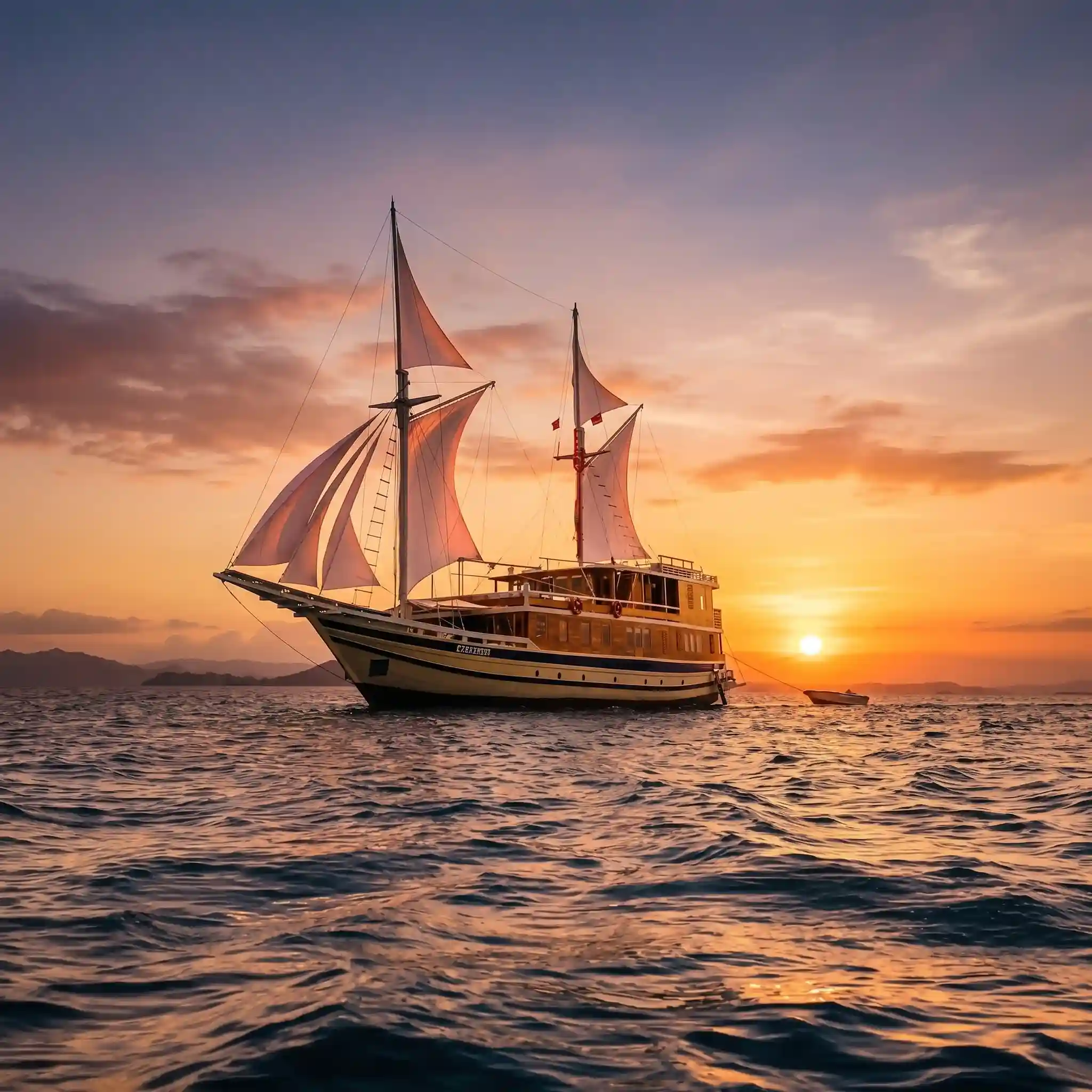
In short: 100 of the most common questions about Komodo islands snorkeling, answered in one place.
On this page
The short version
Spots and seasons
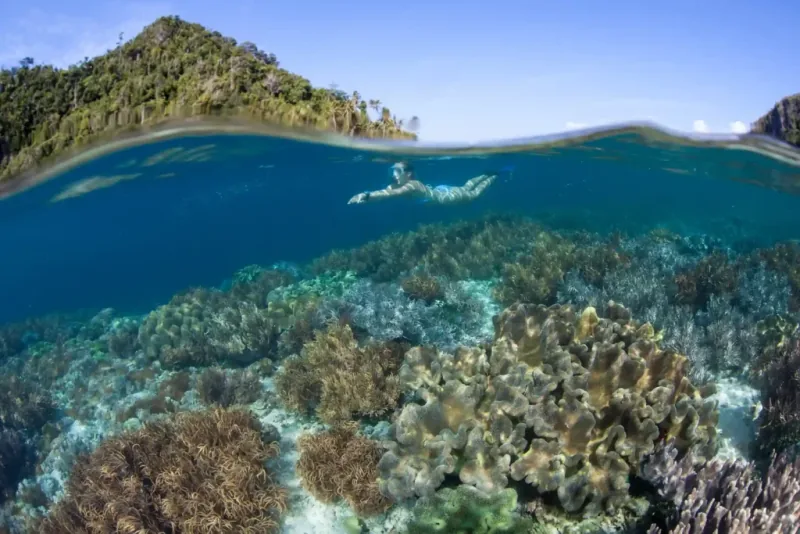
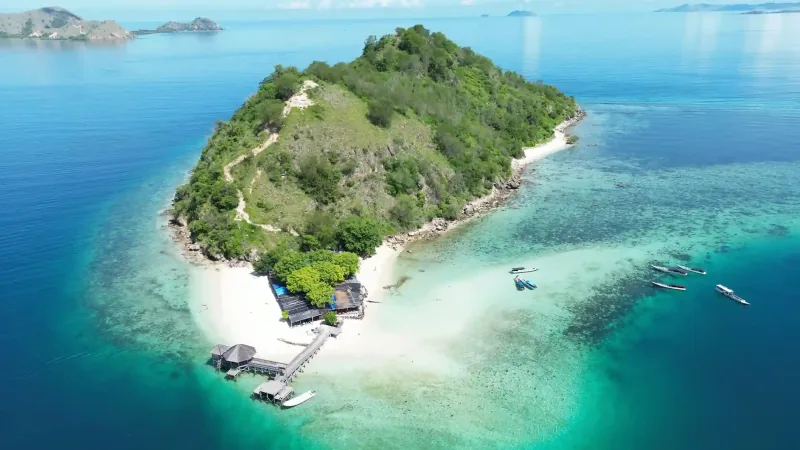
When travelers search for the best snorkeling in Komodo or wonder where to snorkel in Komodo, they’re usually choosing between manta cleaning stations, colorful coral gardens, and iconic beaches. Signature Komodo snorkeling spots include Karang Makassar (Manta Point), Siaba Besar, Tatawa Besar, Mawan, Kanawa, and of course the Pink Beaches of Komodo and Padar.
Questions
What people ask
122 answers, grouped. Pick the set you need.
What is the average price range for a snorkeling trip in Komodo National Park?
Most Komodo snorkeling day trips cost around USD 50–90 per person for a shared boat from Labuan Bajo. Private speedboat day trips usually run about USD 800 per boat, depending on size and season. Mid-range liveaboard trips typically cost USD 150–450 per person per night. Luxury full-boat charters can range from roughly USD 5,300 up to 35,000 per night for premium phinisi yachts.
What is included in the booking price for a Komodo snorkeling tour?
A typical Komodo snorkeling tour price usually covers the boat, fuel, snorkeling guide, life jackets, and basic snorkeling gear. Many operators also include simple meals, drinking water, and coffee or tea on board. Government Komodo National Park fees are either itemized separately or bundled into the package price. Transfers from your Labuan Bajo hotel to the harbor may be included or quoted as an add‑on.
Do I need to make a deposit to secure my snorkeling tour booking?
Yes, you almost always need a deposit to lock in a Komodo snorkeling trip. Most operators ask for about 30–50% of the total cost at the time of booking. The balance is usually due a few days before departure or at check‑in, depending on the operator’s policy. Paying the deposit is what confirms your boat space and schedule during busy periods.
When is the peak season for snorkeling in Komodo, and how does it affect prices?
The peak season for snorkeling in Komodo is between April and November. Prices may be higher during this period due to increased demand.
Are there any hidden costs I should be aware of when booking a snorkeling tour in Komodo?
Hidden costs can include park entrance fees, meals, or tips. It’s essential to clarify all potential costs with the operator before booking.
Can I book a private snorkeling tour in Komodo, and how do the costs compare?
Private snorkeling tours can often be arranged, though they may be more expensive than group tours. Contact operators for specific pricing and availability, or send Komodo Luxury your dates and they will price it up.
What is the policy on tipping guides after a snorkeling tour in Komodo?
Tipping is appreciated but not mandatory. If you wish to tip, a small amount per guide or crew member is a kind gesture for good service. If you are unsure what is usual on your boat, ask Komodo Luxury before you sail.
What is the refund policy if a Komodo snorkeling tour is canceled due to bad weather?
Refund policies vary by operator, so check before booking. Many offer refunds or rescheduling options if tours are canceled due to weather conditions.
Are there any loyalty programs or repeat visitor discounts for Komodo snorkeling tours?
There is no park‑wide loyalty program, but many operators informally reward repeat guests. If you book multiple days or come back with friends, some boats may reduce the per‑person price or include complimentary extras like upgraded cabins or free gear rental. Families returning in consecutive years often get priority dates during busy seasons. Always mention that you’re a returning or multi‑day guest when requesting a quote.
What is the average price of a snorkeling tour on a liveaboard in Komodo?
Prices for liveaboard snorkeling tours vary widely based on duration and amenities; it’s best to check directly with operators for current rates.
Are there any early bird discounts for booking Komodo snorkeling tours?
Some operators may offer early bird discounts, especially for bookings made well in advance, but this can vary by company and season. Full details are on the contact page.
Do I need to pay the full amount upfront for a Komodo snorkeling tour?
Payment policies vary; some tours may require a full upfront payment, while others might offer deposit options. Confirm with your chosen operator.
When is the low season for snorkeling in Komodo, and are there price changes?
The low season — November into early December, then late January through March — sees fewer visitors and softer pricing, though conditions are less predictable across the green-season half of that window.
Typical Prices and Choosing the Right Boat
Searches for Komodo snorkeling price and one day Komodo snorkeling tour from Labuan Bajo price usually refer to what you’ll pay for the boat and guiding, on top of official park fees. Shared day tours from Labuan Bajo are generally the most economical per person, while private charters and overnight yachts are higher but include more comfort and flexibility. Any responsible operator should clearly separate park tickets, mandatory ranger fees, and boat costs in their quote. If you want an upgraded vessel with ensuite cabins, professional guides, and structured itineraries focusing on manta and reef highlights, browse the Komodo sailing trip options and full fleet overview on Komodo Luxury’s boat lineup. For additional practical advice on seasickness, hydration, and safety checks before boarding, consult our guide Seasickness, Safety & Health On Komodo Boats so you know exactly what to expect once you leave Labuan Bajo harbor.
What does a one day Komodo snorkeling tour from Labuan Bajo usually cost?
A one day Komodo snorkeling tour from Labuan Bajo price generally covers the boat, guiding, lunch, and snorkel gear, but not park entry and ranger fees. Expect total practical costs, including official Komodo National Park charges, to fall in the range mentioned in this FAQ’s pricing sections, with private boats costing more per person than shared group departures.
How can I reserve a spot on a Komodo snorkeling tour online?
To reserve a spot on a Komodo snorkeling tour online, visit the tour operator’s website or use reputable travel booking platforms. Ensure to check reviews and ratings before booking.
Is transportation to and from the snorkeling sites included in the tour package?
Transportation to and from snorkeling sites is usually included in the tour package, but it’s wise to confirm this with the operator when booking.
What qualifications do the snorkeling guides in Komodo have?
Reputable Komodo snorkeling guides are experienced local crew who know the currents, sites, and safety procedures very well. They typically have years of practical guiding experience around Pink Beach, Manta Point, and nearby reefs. Boats we list require valid sailing permits (Surat Persetujuan Berlayar), safety equipment, and guides familiar with emergency protocols. Some guides also hold formal dive or rescue certifications, but this varies by operator.
What type of snorkeling gear is provided by the tour operator in Komodo?
Most Komodo snorkeling tours provide a standard mask, snorkel, and fins for each guest. Many boats also carry life jackets and sometimes simple floatation aids for extra comfort. Gear quality can vary, so frequent snorkelers often prefer to bring their own mask for the best fit. Wetsuits, prescription masks, and specialized equipment are not always included and may need to be rented separately if available.
What is the cancellation policy for Komodo snorkeling tours?
Cancellation rules differ by operator, but deposits are often partially or fully non‑refundable close to the departure date. As a rough pattern, you may lose only a small admin fee if canceling several weeks out, but forfeit most or all of the deposit if canceling in the last 7–14 days. Weather‑related cancellations by the operator are typically refunded or rescheduled. Always get the exact written policy before paying your deposit.
Do I need travel insurance for a snorkeling trip to Komodo?
While not mandatory, travel insurance is recommended to cover any unforeseen events during your snorkeling trip in Komodo.
What languages do the snorkeling guides in Komodo speak?
Snorkeling guides in Komodo often speak English, with some also speaking Indonesian and other languages depending on the tour operator.
How often are Komodo snorkeling tours fully booked, and should I book in advance?
Komodo snorkeling tours can fill up quickly, especially during peak season. Booking in advance is recommended to secure your spot.
What certifications do the snorkeling tour operators in Komodo have?
Operators typically adhere to local safety and environmental standards. Specific certifications can vary, so inquire with individual providers for details.
What steps are taken to preserve the marine environment on Komodo snorkeling tours?
Tour operators often promote eco-friendly practices, such as educating snorkelers on reef-safe sunscreen and emphasizing no-touch policies for marine life.
What are the benefits of taking a guided snorkeling tour in Komodo?
Guided tours provide expert knowledge, enhance safety, and increase chances of encountering diverse marine life.
What is the best way to book a last-minute snorkeling tour in Komodo?
Booking last-minute tours is possible through local operators in Labuan Bajo or online platforms offering real-time availability.
What are the key factors to consider when selecting a snorkeling tour operator in Komodo?
Consider factors such as safety records, reviews, guide experience, group sizes, and environmental commitment when selecting a tour operator.
How do I know if a Komodo snorkeling tour is reputable?
Reputable tours often have positive reviews, experienced guides, safety measures, and a commitment to environmental conservation.
What are the benefits of booking a snorkeling tour with a focus on marine education in Komodo?
Booking a tour with a marine education focus offers insights into local ecosystems, enhances appreciation for marine life, and promotes responsible snorkeling practices.
How do I choose between different snorkeling tour packages in Komodo?
Consider factors like group size, itinerary, inclusions, and operator reputation when choosing a snorkeling tour package in Komodo.
How can I book a snorkeling tour in Komodo if I’m already in Indonesia?
If already in Indonesia, you can book tours through local agencies in Labuan Bajo or online through reputable tour operators.
What is included in a luxury snorkeling package in Komodo?
Luxury snorkeling packages may include premium accommodation, gourmet meals, personalized itineraries, and exclusive access to less-visited sites.
Is hotel pickup included in Komodo snorkeling tour packages?
Hotel pickup is often included in snorkeling tour packages, especially from accommodations in Labuan Bajo, but it’s best to verify when booking.
What safety certifications do Komodo snorkeling guides hold?
Guides typically hold safety certifications such as first aid and CPR, ensuring a safe snorkeling experience, but specific qualifications can vary.
How do I book a Komodo island snorkeling tour online from Labuan Bajo?
To book Komodo Island snorkeling tour online from Labuan Bajo, choose a reputable operator, check dates and boat type, then confirm by email, WhatsApp, or their booking form. For higher-comfort options, you can explore curated trips on Komodo Luxury and secure your slot well before peak season, especially if you need specific cabin types.
Do I need to book my own Komodo National Park ticket through SiOra?
No, you typically do not handle this yourself. Reputable tour operators, including all of Komodo Luxury’s partners, manage the official SiOra booking process for their guests. You will provide your passport details at the time of booking, and the operator will secure your e-ticket (a QR code) in advance. This system ensures compliance with the park’s strict daily visitor limit of 1,000 people and streamlines your entry on the day of the tour.
How long does a typical snorkeling tour last in Komodo National Park?
A typical snorkeling tour in Komodo National Park lasts between half a day to a full day, depending on the itinerary and number of sites visited.
What time do snorkeling tours usually start and end in Komodo?
Snorkeling tours in Komodo usually start early in the morning and conclude by late afternoon, allowing ample time to explore multiple sites.
Is there a best time of day to snorkel in Komodo for optimal visibility?
Morning hours often offer optimal visibility for snorkeling in Komodo, as winds tend to pick up later in the day, affecting water clarity.
Is there a limit to the number of people on each snorkeling tour in Komodo?
Tour group sizes can vary, but many operators limit numbers to ensure safety and a better experience. Check with your provider for specific limits.
Are there night snorkeling tours available in Komodo?
Scheduled night snorkeling is generally not offered inside the core zones of Komodo National Park. Most itineraries focus on daytime snorkeling when visibility and supervision conditions are best. Liveaboards may offer evening activities on deck instead of in‑water programs in sensitive areas. If any operator proposes night snorkeling, it is usually outside the strictest zones and subject to weather and safety checks.
Are meals provided during full-day snorkeling tours in Komodo?
Meal provision varies by operator, so check with your specific tour provider. Many full-day tours include meals and refreshments, but it’s best to confirm in advance.
What is the recommended duration for staying in Komodo to fully enjoy snorkeling?
A stay of at least 3-5 days is recommended to explore multiple snorkeling sites and enjoy the area’s natural beauty and wildlife.
What are the benefits of choosing a liveaboard for snorkeling in Komodo?
Liveaboards offer the advantage of reaching remote sites, providing more time in the water, and often include meals and accommodation, creating a comprehensive snorkeling experience.
Can I customize my snorkeling itinerary in Komodo?
Some operators offer customizable itineraries, allowing you to focus on preferred sites. Discuss options with your provider to tailor your experience.
What is the typical group size for snorkeling tours in Komodo?
Group sizes for snorkeling tours in Komodo can vary, typically ranging from small groups of around 6-12 people to larger groups of 20 or more, depending on the operator. You can check dates with Komodo Luxury about it.
How long are the boat rides to the snorkeling sites in Komodo?
Boat rides to snorkeling sites can range from 30 minutes to a couple of hours, depending on the location and departure point.
What are the start and end times for full-day snorkeling tours in Komodo?
Full-day snorkeling tours typically start early in the morning and end in the late afternoon, but exact times can vary by operator.
Is a Komodo snorkeling liveaboard worth it compared with day trips?
A Komodo snorkeling liveaboard is worth it if you want dawn and sunset sessions, access to more remote sites, and fewer crowds at signature reefs. Day trips from Labuan Bajo are cheaper and work well for tight schedules. Liveaboards, like those offered through specialized operators, suit travelers who want multi-day immersion and higher comfort on board.
What are the main differences between a day trip and a liveaboard for snorkeling?
A day trip is an efficient 7-9 hour tour from Labuan Bajo, typically visiting 3-4 famous sites like Padar Island, Pink Beach, and Manta Point. It’s perfect for those with limited time. A liveaboard is a multi-day trip where you sleep on the boat inside the park. This allows you to access more remote, less-crowded snorkeling spots, enjoy sunrises and sunsets over the islands, and avoid the daily transit to and from Labuan Bajo, maximizing your time in the water.
Which months offer the clearest water for snorkeling in Komodo?
The clearest water for snorkeling in Komodo is typically between April and November, during the dry season when the seas are calm and visibility is excellent.
What are the typical weather conditions like during snorkeling season in Komodo?
During the snorkeling season from April to November, weather conditions are generally sunny with calm seas, ideal for underwater activities.
What are the benefits of snorkeling in Komodo during the dry season?
Snorkeling during the dry season offers calmer seas and excellent visibility, allowing for a more enjoyable experience and better opportunities to observe marine life.
How do tidal changes affect snorkeling conditions in Komodo?
Tidal changes can affect water clarity and currents; it’s best to snorkel during slack tide for optimal conditions.
How does the visibility in Komodo compare to other snorkeling spots?
Komodo offers excellent visibility, often exceeding 25-30 metres during the dry season, comparable to some of the best snorkeling spots worldwide.
What are the benefits of snorkeling in Komodo during the wet season?
During the wet season, fewer tourists can lead to more private experiences, though conditions might be less predictable.
How can I avoid crowds while snorkeling in Komodo?
To avoid crowds, consider visiting during the shoulder months of April or November, or opt for early morning tours when fewer boats are at popular sites.
Seasonality: Best Time for Snorkeling Komodo
For travelers planning ahead, the main question is often about the Komodo snorkeling season and the best time for snorkeling Komodo. The dry season, roughly April–November, offers the most reliable visibility, often 15–30 meters, with calmer seas and water around 26–30°C. This is generally the Komodo snorkeling best time if your priority is clear water and bright underwater photography. Peak crowds and higher accommodation prices cluster in July–August, when European holidays and Indonesian school breaks overlap. Shoulder months like May–June and September can be an ideal compromise: good conditions with fewer boats at popular sites. If you’re more interested in dense manta sightings than absolute clarity, the plankton-rich months of December–February can be rewarding, though expect some days with reduced visibility.
When is the best time for snorkeling in Komodo National Park?
The best time for snorkeling Komodo is generally the dry season from about April to November, when seas are calmer and visibility often ranges 15–30 meters. July–August are the busiest months. If you prioritize manta encounters over clarity, December–February can be excellent at Manta Point, though some days have more plankton and reduced visibility.
How does the weather affect Komodo snorkeling conditions?
The Komodo snorkeling weather is a critical factor in planning. The dry season, from April to November, is optimal, offering calm seas, minimal rain, and consistently excellent water visibility. The wet season, from December to March, can bring afternoon showers and windier conditions, which may lead to choppier seas and slightly reduced visibility. However, snorkeling is possible year-round, and the marine life remains abundant regardless of the season.
Are there age restrictions for participants on Komodo snorkeling tours?
No, the park sets no age limit. The practical test operators apply is whether a child can wear a life jacket and follow basic safety instructions, and most tours accept children who can. Young kids (around 4–7 years) usually stay on the boat or in very shallow, calm water under close adult supervision. Teens can generally join all standard snorkeling sites if they’re comfortable in the sea. Elderly guests are welcome, but guides may adapt entry/exit methods and choose gentler spots.
Is Komodo snorkeling suitable for children, and are there family-friendly tours?
Yes, Komodo snorkeling can be very family‑friendly when the itinerary is adjusted for kids. Many operators offer private or semi‑private trips that focus on calmer reefs and shorter water sessions. Children usually use life jackets, noodles, or floatation rings, and can snorkel close to the boat in shallow areas. Families often combine gentle snorkeling with beach time at places like Pink Beach or sandbars.
What are the health and fitness requirements for participating in a snorkeling tour?
You should be able to swim or feel relaxed floating in a life jacket and comfortably climb a ladder back onto the boat. Basic cardiovascular fitness helps because you’ll move in the water for 20–40 minutes per session, sometimes several times a day. People with heart, lung, or serious mobility issues should consult a doctor before booking. Let your operator know about any medical conditions so they can choose easier sites and give extra support.
Are life jackets provided for snorkeling tours in Komodo?
Life jackets are typically provided by snorkeling tour operators in Komodo to ensure safety during the excursions.
What safety measures are in place on Komodo snorkeling tours?
Safety measures on Komodo snorkeling tours include providing life jackets, briefing on local conditions, and having experienced guides accompany the groups.
Are there options for snorkeling tours that cater to beginners in Komodo?
Many tours in Komodo cater to beginners, offering guidance and support to ensure a safe and enjoyable experience.
Are there any health advisories or vaccinations recommended before snorkeling in Komodo?
Consult a healthcare professional for current health advisories and vaccination recommendations before traveling to Komodo.
How should I prepare physically for a snorkeling trip in Komodo?
Aim to be comfortable swimming or floating for at least 20–30 minutes at a time in a pool or calm sea. In the weeks before your trip, light cardio like walking, swimming, or cycling 2–3 times a week helps your stamina. Practice using a mask and snorkel if you’re new, so you can focus on the marine life instead of the gear. On trip day, stay hydrated, eat a light breakfast, and avoid heavy alcohol the night before.
How does the coral health in Komodo compare to other snorkeling destinations?
Coral health in Komodo is generally better than many other destinations, with vibrant reefs and diverse marine life, though some areas may show signs of bleaching.
How can I ensure my safety while snorkeling in Komodo?
To ensure safety, snorkel with a guide, stay within designated areas, use appropriate gear, and always be aware of currents and weather conditions.
What are the most common challenges faced by snorkelers in Komodo?
Common challenges include strong currents, sudden weather changes, and encounters with jellyfish or other marine life.
What are the potential risks associated with snorkeling in Komodo?
Risks include strong currents, sunburn, dehydration, and potential marine life encounters. Always follow safety guidelines and listen to your guide.
How can I improve my snorkeling skills before visiting Komodo?
Improving skills can be done by practicing in a local pool or taking a snorkeling course to build confidence and technique. You can send Komodo Luxury your dates and they will check availability.
Is there a minimum age requirement for snorkeling in Komodo?
Minimum age requirements can differ; some tours may cater to families, while others may have age limits for safety reasons. Check with the operator.
Can I snorkel with manta rays in Komodo if I’m not a strong swimmer?
You can snorkel with manta rays Komodo offers even if you’re not a strong swimmer, but you must be honest about your ability. Choose operators that provide life jackets, surface buoys, and briefings specific to Manta Point Komodo snorkeling. Ask for calmer-water alternatives if currents are too strong that day, and stay close to your guide’s float line.
Is it safe to snorkel in Komodo’s strong currents, especially near Manta Point?
Yes, provided you are with a qualified and experienced local guide. Komodo’s currents are powerful and famous, but they are also predictable. Guides on the tours listed here read the tides and will only conduct a drift snorkel when conditions are safe. You will always be instructed to stay with the group, and the boat will follow you along the drift to pick you up at the end, making it a safe and exhilarating experience.
What should I bring with me for a snorkeling trip in Komodo?
For a snorkeling trip in Komodo, bring swimwear, sunscreen, a hat, a towel, and a reusable water bottle. Some operators provide snorkeling gear, but personal gear is recommended for comfort.
Is it possible to rent underwater cameras for snorkeling in Komodo?
Underwater cameras can often be rented from tour operators or local shops in Labuan Bajo, allowing you to capture your snorkeling adventures.
Are there any restrictions on the use of sunscreen while snorkeling in Komodo?
Reef-safe sunscreen is encouraged to protect marine life. Some operators may request or require its use to minimize environmental impact.
Can I use my own snorkeling equipment on tours in Komodo?
Yes, you can use your own snorkeling gear. Bringing personal equipment ensures comfort and familiarity during your tour.
What is the best way to protect my belongings during a snorkeling tour in Komodo?
To protect belongings, use waterproof bags or cases. Many boats have secure storage, but it’s wise to keep valuables dry and safe.
Are there any photography services available on Komodo snorkeling tours?
Some tours may offer photography services or have guides who can take photos for you. Inquire with your tour operator for specific options.
Is there a recommended packing list for a snorkeling trip to Komodo?
A recommended packing list includes a mask, snorkel, fins, rash guard or wetsuit, sunscreen, a hat, a reusable water bottle, and a waterproof bag.
What type of marine life can I expect to see while snorkeling in Komodo?
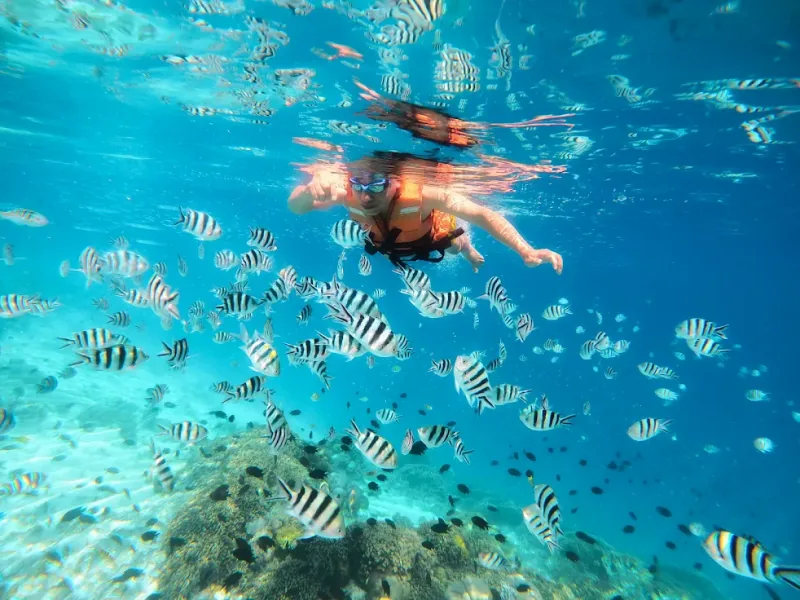
While snorkeling in Komodo, you can expect to see vibrant coral reefs, tropical fish, turtles, and possibly manta rays, especially at sites like Karang Makassar.
How does the marine biodiversity in Komodo compare to other regions?
Komodo boasts rich marine biodiversity, comparable to other renowned regions like Raja Ampat, with numerous fish species and vibrant coral ecosystems.
What are the most common fish species seen while snorkeling in Komodo?
Common fish species include parrotfish, clownfish, angelfish, and butterflyfish. Manta rays and turtles are also frequently spotted, especially at sites like Manta Point and Turtle City.
Is there an opportunity to snorkel with dolphins in Komodo National Park?
While dolphins are occasionally seen, encounters are not guaranteed. They are more commonly spotted from boats than while snorkeling.
What is the likelihood of encountering sharks while snorkeling in Komodo?
Shark encounters are possible but not common. Reef sharks are the most likely to be seen, and they are generally harmless to humans.
Are there opportunities for snorkeling with whale sharks in Komodo?
While whale sharks are not commonly seen in Komodo, there are opportunities to snorkel with manta rays and other marine species.
Manta Point Komodo and Snorkeling with Manta Rays
Karang Makassar is often labeled Manta Point Komodo snorkeling because of its shallow sandy bottom and cleaning stations where mantas circle. Snorkeling with manta rays Komodo is usually done from a drifting boat drop: you enter up-current, then float quietly as the rays glide past. Manta rays Komodo snorkeling encounters happen year-round, but the largest aggregations are typically December–February when plankton blooms bring more food. If your focus is Komodo manta ray snorkeling, ask operators whether conditions that day are suitable for beginners, as currents can be strong. A dedicated Komodo manta ray snorkeling tour will often pair Manta Point with calmer reef sites like Siaba Besar so less experienced swimmers still enjoy relaxed coral time. For more background on how local operators have adapted manta tourism practices, see The Evolution of Snorkeling Tours in Komodo.
Pink Beach Komodo Snorkeling and Coral Gardens
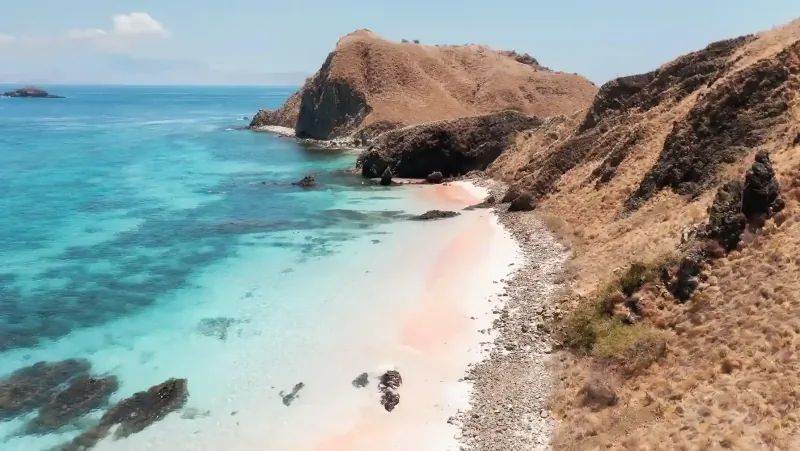
The famous sand where red coral fragments tint the shoreline makes Pink Beach Komodo snorkeling a highlight for many visitors. There are several pink beaches in the park; the most visited is on Komodo Island itself, often combined with a short hike to a viewpoint. The reef just off shore has gentle slopes with soft corals, making snorkeling Komodo Pink Beach suitable for confident children accompanied by adults. You’ll also see references to Komodo Pink Beach snorkeling, Pink Beach snorkeling Komodo Island, or a dedicated Komodo Island Pink Beach tour; these usually mean a full-day circuit from Labuan Bajo, adding one or two other reef stops. To compare Pink Beach with manta-focused sites and other coral gardens before finalizing your route, review our breakdown in Manta Point vs. Pink Beach: Best Komodo Island Snorkeling Spots.
Why is Komodo’s marine biodiversity considered so special?
Komodo’s extraordinary biodiversity stems from its unique geographical position. It sits at the confluence of the Indian and Pacific Oceans, within the world’s Coral Triangle. This collision of two massive bodies of water creates powerful, nutrient-rich upwellings that fuel a hyper-productive marine ecosystem. This supports everything from vast coral gardens and thousands of fish species to a high concentration of large animals like manta rays, sharks, and turtles, making it a truly world-class destination.
What are some alternative snorkeling destinations near Komodo?
Alternative snorkeling destinations near Komodo include the islands of Bali and the Gili Islands, each offering unique marine experiences.
How does snorkeling in Komodo compare to other popular locations in Indonesia?
Snorkeling in Komodo is renowned for its diverse marine life and vibrant coral reefs, often considered among the best in Indonesia, alongside places like Raja Ampat and Bunaken.
What is the environmental impact of snorkeling tours in Komodo, and are they eco-friendly?
Operators in Komodo are increasingly adopting eco-friendly practices, but the environmental impact varies. Choosing responsible operators helps minimise the damage, and we are happy to tell you which partner boats meet that bar.
How can I combine a snorkeling trip with a cultural experience in Komodo?
Combining snorkeling with a cultural experience can include visiting local villages or exploring the traditional markets in Labuan Bajo.
How does snorkeling at Pink Beach differ from other sites in Komodo?
Pink Beach offers unique pink-hued sands and vibrant coral reefs, setting it apart from other sites in Komodo, which may have different marine life and underwater landscapes.
What is the maximum depth reachable while snorkeling in Komodo?
While snorkeling, depths typically range from surface level to about 5-10 metres, depending on the site and conditions.
Are there any cultural customs I should be aware of when visiting Komodo for snorkeling?
Respect local customs by dressing modestly in public areas and being mindful of the environment. It’s also polite to greet locals with a friendly smile or nod.
How can I minimize my ecological footprint while snorkeling in Komodo?
Minimize your ecological footprint by using reef-safe sunscreen, avoiding contact with coral, and not disturbing marine life. Respect local conservation efforts.
What are the main differences between snorkeling and diving in Komodo?
Snorkeling is more accessible and requires less equipment than diving. It allows for observing marine life near the surface, while diving offers deeper exploration.
Are there any special snorkeling events or festivals in Komodo?
There are no widely recognized special snorkeling events or festivals in Komodo; most snorkeling activities are regular tours focusing on marine life and natural beauty.
What are the differences between snorkeling tours operated by locals versus larger companies in Komodo?
Local operators may offer more personalized experiences and local knowledge, while larger companies might provide more amenities and structured itineraries.
Are there any specific conservation projects supported by Komodo snorkeling tours?
Specific conservation projects are not universally supported, but many operators emphasize eco-friendly practices and marine education.
Are there any special permits required for snorkeling in Komodo National Park?
Yes, a permit is required to enter Komodo National Park, which covers snorkeling activities. These can typically be arranged through tour operators.
Are there opportunities to volunteer for marine conservation while snorkeling in Komodo?
While specific volunteer programs may not be common, some tours may offer educational components or partner with conservation efforts you can support.
How do the snorkeling experiences differ between the northern and southern parts of Komodo National Park?
Northern Komodo generally offers warmer waters and calmer seas, while southern sites may be cooler with unique marine life, requiring thicker wetsuits.
Komodo vs. Maldives and Great Barrier Reef Snorkeling
People often compare Komodo vs Maldives snorkeling when choosing a once-in-a-decade trip. The Maldives typically offers calmer, lagoon-style snorkeling directly from resorts, with more predictable easy conditions but higher per-night costs. Komodo is more expedition-style: you access sites from boats, currents can be stronger, yet you gain a sense of wild national park scenery, plus the possibility of combining mantas, dragons, and dramatic islands in one itinerary. In the Komodo vs Great Barrier Reef snorkeling debate, Australia’s reef has enormous scale and infrastructure, with many beginner-friendly pontoon platforms. Komodo has fewer boats overall, steeper volcanic landscapes, and a denser mix of megafauna (manta rays, turtles, occasional reef sharks) in compact areas. For an in-depth look at regional alternatives if you’re building a longer trip through eastern Indonesia, see Beyond Komodo: Snorkeling Flores, Alor & Eastern Indonesia.
Where are the best snorkel spots in Komodo for first-time visitors?
The best snorkel spots Komodo offers first-time visitors include Siaba Besar for gentle coral gardens, Pink Beach on Komodo Island for colorful reef close to shore, and Mawan or Tatawa Besar for drift-style coral walls. Many Labuan Bajo snorkeling tours combine two or three of these in a single Komodo snorkeling boat trip from town.
Is Pink Beach Komodo snorkeling good enough for a dedicated trip?
For most travellers, no. The Pink Beach leg of a Komodo snorkeling day is vibrant and scenic but usually works best as part of a wider route rather than a stand-alone objective. The near-shore reef has colorful soft corals and reef fish, ideal for relaxed sessions. Most guests combine Komodo Pink Beach snorkeling with Manta Point or another coral garden on a full-day Komodo Island Pink Beach tour.
How do I get to Komodo National Park from Labuan Bajo for snorkeling?
To get to Komodo National Park from Labuan Bajo, you will typically take a day boat or join a liveaboard tour. Most tours include transport from Labuan Bajo.
What are the best accommodations to stay at when planning a snorkeling trip to Komodo?
Accommodation options in Labuan Bajo, the main departure point for Komodo, range from budget hostels to luxury resorts, catering to various preferences and budgets.
What is the best way to get to Komodo Island from Bali for snorkeling?
The best way to get to Komodo Island from Bali for snorkeling is to fly from Denpasar (DPS) to Labuan Bajo’s Komodo Airport (LBJ), then continue by boat into the park. The flight is about 1–1.5 hours, and boats for Komodo Island snorkelling usually depart from Labuan Bajo harbor, 10–15 minutes by car from the airport.
What is the best Komodo snorkeling tour from Labuan Bajo?
The best tour truly depends on your budget, group size, and desired level of comfort and flexibility. For solo travelers or couples on a budget, a shared day trip ($50-$90 per person) is a great, economical choice. For families or groups seeking a personalized itinerary and privacy, a private speedboat charter (around USD 800 per boat) is ideal. The “best” experience is one that matches your priorities, whether it’s cost, exclusivity, or the ability to customize your stops.
What are the most common questions asked by first-time snorkelers in Komodo?
First-time snorkelers often ask about the best time to visit, necessary permits, recommended sites, safety measures, and equipment rental options in Komodo.
What are the top tips for enhancing my snorkeling experience in Komodo?
To enhance your snorkeling experience, ensure proper equipment fit, follow guide instructions, and choose sites known for diverse marine life like Siaba Besar and Manta Point.
What are the common myths about snorkeling in Komodo?
Common myths include the idea that all sites are overcrowded or that the marine life is the same everywhere; in reality, experiences and sightings can vary greatly.
Flying to Labuan Bajo
Most visitors reach Komodo National Park via Komodo Airport (LBJ) in Labuan Bajo, the main gateway town on Flores. From Bali, the best option is a Bali to Labuan Bajo direct flight for Komodo tours, usually 1–1.5 hours on Indonesian carriers. Airlines often run multiple daily flights from Denpasar, and there are also routes from Jakarta, Surabaya, and Kupang, though these may involve a short transit. When looking at flights to Labuan Bajo Komodo Airport, book an arrival before midday if you plan to join an afternoon briefing or sunset trip, and avoid very tight connections on your departure day in case of domestic delays. Once at LBJ, it’s a 10–15 minute transfer by car to Labuan Bajo harbor, where most snorkeling Labuan Bajo Komodo trips depart. Many operators can arrange an airport pickup if you share your flight details in advance. If you are unsure how to fly to Labuan Bajo for Komodo Island snorkeling as part of a larger Indonesia itinerary, consider flying into Bali first, then adding a separate domestic ticket to LBJ. This is usually more reliable than connecting same-ticket from long-haul flights, and gives you flexibility in case you want to stay a night in Bali on either side. For guests using higher-end boats, check whether transfers from Komodo Airport to the marina are covered in the package or billed separately.
From Bali, and how to travel
If you’re asking for the best way to get to Komodo Island from Bali, flying is the only realistic choice for most travelers. Overland and ferry combinations can take several days and involve multiple legs, while a short flight to Labuan Bajo followed by a boat is usually under half a day door to door. From Labuan Bajo harbor, you can join a Komodo snorkeling boat trip as a day excursion or board a liveaboard for several nights. For those wanting a single intense day on the water, a Komodo snorkeling day trip or Labuan Bajo day trip snorkeling typically visits 3–4 spots such as Manta Point, Pink Beach, and a reef near Kanawa or Siaba. These usually include lunch on board, snorkel gear, and a certified guide. If you want more remote sites and dawn or night snorkeling, consider a Komodo snorkeling liveaboard, which lets you sleep on the boat and wake up already inside the park. Budget-conscious travelers often start with a shared Labuan Bajo snorkeling tour, while those needing privacy or custom routes can book a tailored Komodo boat charter. For a structured multi-day plan, compare options with our Komodo National Park Snorkeling Itinerary From Labuan Bajo, which outlines how to sequence manta, reef, and island-hopping days depending on your arrival and departure times.
Mantas, turtles, dragons
Komodo National Park is a theater of marine megafauna, and snorkeling offers a front-row seat. The most sought-after experience is often snorkeling with manta ray Komodo National Park, a truly humbling encounter. The primary location for this is Karang Makassar, widely known as Manta Point. This is not a deep-water site; it’s a shallow, current-swept channel where majestic reef mantas congregate at ‘cleaning stations.’ Here, snorkelers can drift along the surface while these gentle giants glide below. An expertly guided Komodo snorkeling and Manta Point tour ensures you are positioned safely and respectfully to witness this spectacle. Beyond the mantas, Komodo turtle snorkeling is practically a guarantee. Sites like Siaba Besar (often called Turtle Town) and the calm bays around the Gili Lawa islands are teeming with Green and Hawksbill turtles. They are often seen grazing peacefully on seagrass or corals in shallow, clear water, making for excellent, prolonged encounters. Unlike the dynamic drift at Manta Point, these spots allow for more leisurely observation. The key is to join a trip that balances the high-action sites with these calmer, wildlife-rich locations. A private boat charter provides the ultimate flexibility to linger longer at these incredible spots. What makes a Komodo island snorkeling trip globally unique is the seamless blend of underwater and terrestrial wonders. Most itineraries integrate a trek on Rinca or Komodo Island to see the Komodo dragons. You can spend the morning swimming with majestic rays and the afternoon walking among prehistoric lizards. This combination is unmatched. Whether you are swimming with manta rays Komodo-style or watching turtles feed, the experience is managed by guides who understand the park’s currents and conditions, ensuring both your safety and the well-being of the wildlife. When planning, understanding the nuances of choosing between a shared trip and a private vessel is crucial for tailoring the adventure to your specific interests.
Against Raja Ampat and Thailand
When planning an underwater adventure, it’s essential to understand how destinations differ. The Komodo snorkeling vs Raja Ampat debate is common among seasoned travelers. Komodo, more accessible from Bali, is defined by its dramatic volcanic islands, savanna landscapes, and nutrient-rich currents that attract large pelagics like mantas and sharks. Raja Ampat, in West Papua, is more remote and generally more expensive to reach, but it boasts the highest recorded marine biodiversity on Earth, with mind-boggling coral diversity and calmer waters, making it a coral connoisseur’s dream. Comparing Komodo vs thailand snorkeling reveals a contrast in environment and regulation. Komodo is a heavily protected UNESCO World Heritage Site with strict visitor quotas—currently 1,000 people per day across the entire park—and a more raw, adventurous feel. Its reefs are generally healthier and encounters with large marine life are more frequent. Popular spots in Thailand, while beautiful and often featuring calm, turquoise water, can be more crowded and operate within a more developed tourism infrastructure. Komodo offers a wilder frontier experience, backed by robust conservation rules. A frequent question is: is Komodo better for snorkeling or diving? The answer is that it excels at both, but they offer different experiences. Diving allows access to deeper pinnacles and walls where currents are strongest, revealing species that reside at depth. However, many of Komodo’s most iconic sites—including Pink Beach’s vibrant coral gardens, Turtle Town, and the manta cleaning stations at Manta Point—are in shallow water (2-10 meters), making them perfectly suited, and in some ways better, for snorkelers. You don’t need a tank to experience the best of Komodo’s marine spectacle. For those wishing to explore the widest possible range of these sites, multi-day liveaboard adventures offer unparalleled access to the park’s remote corners. For a more detailed breakdown, see our deeper comparison of snorkeling destinations.
Komodo Luxury — the booking partner for this guide
Where the boats actually come from
We publish the research; Komodo Luxury holds the fleet and the calendar.
Once “Komodo Island Snorkeling FAQ” has settled the planning, look at Komodo boat tours with Komodo Luxury — what the questions on this page usually lead to, and it is worth setting that beside the Komodo Luxury fleet and Komodo liveaboards before you commit.