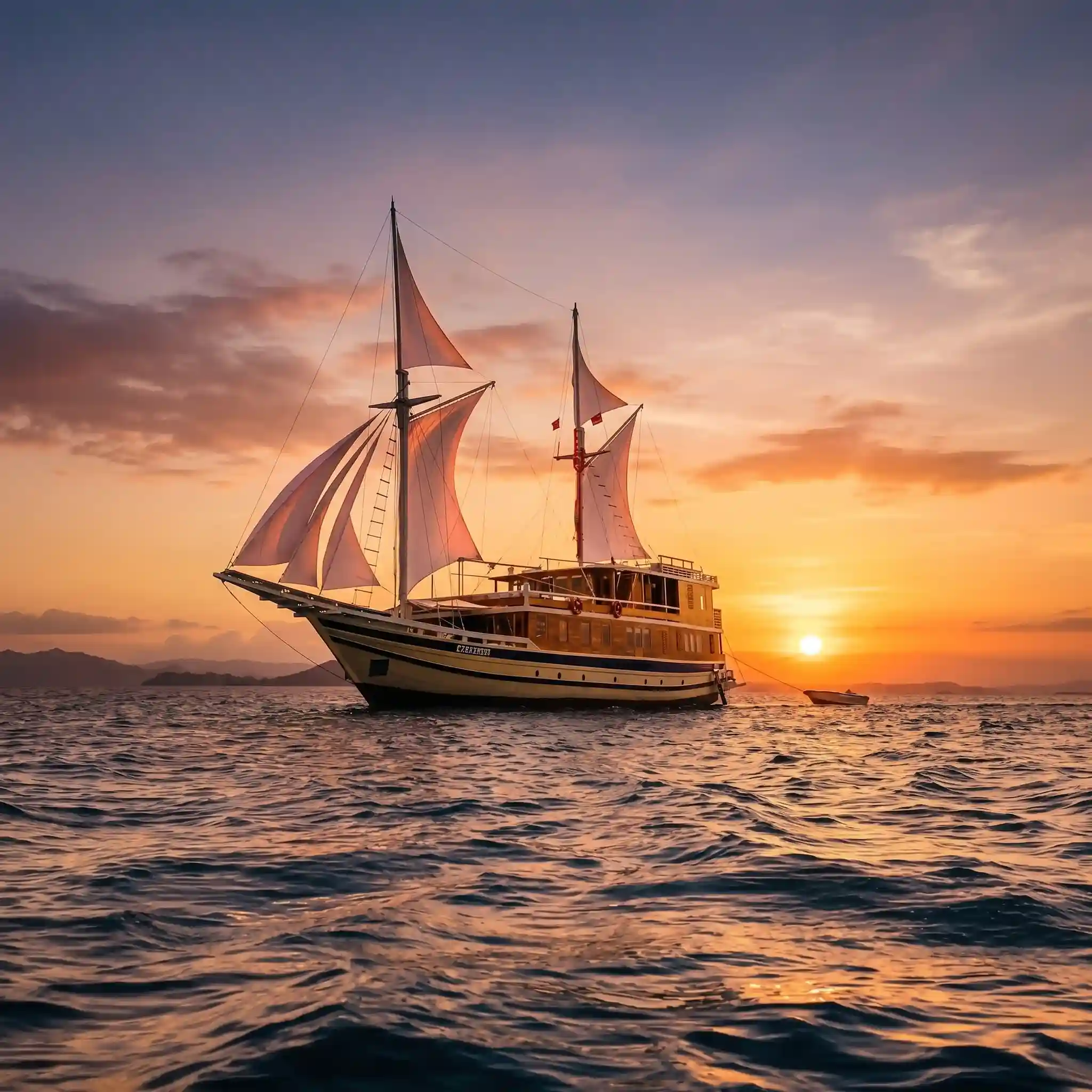
Currents here are what make the reefs rich and the days demanding. What a good operator does, what to ask them, and what happens when something goes wrong.
The gentle sway of the boat whispers against the morning light, carrying you across turquoise waters towards an underwater realm of startling beauty. You anticipate the first plunge into the crystalline depths, where kaleidoscopic coral gardens pulse with life and elusive manta rays glide through the currents. This dream of vibrant discovery, of swimming alongside a dazzling array of marine creatures, is precisely what draws discerning travelers to the Komodo National Park. But before you dip beneath the surface, a foundational layer of assurance underpins every luxury experience here: an unwavering commitment to safety and trust. We understand that true indulgence begins with absolute peace of mind, allowing you to fully surrender to the wonder of Komodo Island snorkeling.
Ask whether guides and crew hold recognized water-safety certifications (such as PADI/SSI).
Comprehensive travel and medical evacuation insurance advised.
Onboard oxygen, first aid, and satellite communication systems.
On this page
The short version
Non-swimmers, kids and seniors
Not every visitor to Labuan Bajo arrives as a confident swimmer, yet many still want to experience Komodo Island snorkeling. With the right planning, even non-swimmers, children, and seniors can enjoy the water safely in carefully chosen conditions, under close supervision, and with appropriate flotation equipment.
Currents and site choice
Komodo National Park is famous for strong, shifting currents that can make certain sites advanced-only. Before booking, you should understand where conditions are beginner-friendly and how operators adapt their itineraries to tides, seasons, and guest abilities.
Medical and emergencies
Komodo is remote. Thoughtful planning for medical issues, from minor stings to serious decompression illness, is an essential part of a safe Komodo Island snorkeling experience.
Questions
What people ask
54 answers, grouped. Pick the set you need.
Understanding Certification Standards
The acronyms PADI and SSI represent global benchmarks for water safety and instruction. A PADI Open Water Scuba Instructor, for example, undergoes hundreds of hours of training, including emergency management and risk assessment. These standards are not suggestions; they are mandates for any operator aiming to provide a safe and professional experience. Beyond individual guide certifications, some operators themselves hold organizational safety accreditations, signifying a holistic approach to risk management across their entire fleet and operations. This can include regular boat safety inspections by local maritime authorities, often conducted annually, ensuring structural integrity and proper maintenance of all vessels. The commitment to these standards is a non-negotiable aspect of luxury travel within such a dynamic natural environment.
The Role of Local Expertise
While international certifications provide a universal language of safety, the local guides bring an indigenous wisdom that is irreplaceable. Many Komodo guides have grown up on neighboring islands, navigating these waters since childhood. They possess an innate understanding of the tides, weather patterns, and the specific behaviors of local marine life. This intuitive knowledge, honed over decades, allows them to identify optimal snorkeling spots based on daily conditions and to steer clear of potential hazards, such as strong downcurrents or areas where larger, more territorial marine animals might be present. Their ability to read the sea adds an invisible but profound layer of security, ensuring that your Komodo Island snorkeling adventure is not just safe, but deeply authentic and informed.
Onboard Safety Essentials
Beyond the critical items, a well-prepared vessel for Komodo Island snorkeling will also feature a range of everyday safety essentials. These include sufficient life vests for every passenger, clearly marked and easily accessible, along with life rafts capable of accommodating everyone on board. Fire extinguishers, signaling flares, and emergency whistles are also standard. For night navigation, powerful spotlights and appropriate navigation lights are mandatory. The boat itself should be regularly inspected for seaworthiness by Indonesian maritime authorities, with official certificates of inspection typically renewed every 12-24 months. These details, while seemingly minor, collectively contribute to an environment where your focus can remain entirely on the extraordinary marine life unfolding beneath you.
Rapid Response & Evacuation Plans
Understanding the remote nature of Komodo National Park, reputable operators develop robust rapid response and evacuation plans. This involves pre-established relationships with local medical facilities in Labuan Bajo and, for more severe cases, with air ambulance services that can transport patients to larger hospitals in Bali or even Jakarta. In a medical emergency, the captain and guide will immediately assess the situation, administer initial first aid, and initiate communication with their land-based support team to coordinate the fastest possible evacuation. This might involve diverting to the nearest island with a small clinic, arranging for a faster boat transfer, or contacting the nearest air ambulance. These plans are often tested through simulations, ensuring that response times are minimized and every crew member understands their role in a critical situation, often aiming for initial medical contact within 15 minutes of an incident.
Can you snorkel Komodo if you can’t swim?
You can participate in Komodo snorkeling for non swimmers with a guide, but only in very controlled situations. Non-swimmers should stay in shallow, calm areas close to the boat, always wear a properly fitted life jacket, and remain directly beside a guide or strong swimmer. Avoid drift sites, strong currents, and deep drop-offs. Clearly state your swimming ability when booking any Labuan Bajo snorkeling tour.
Labuan Bajo snorkeling for people who can’t swim
When researching snorkeling Labuan Bajo for people who cant swim, look for operators who limit you to beginner-friendly sites like calm bays and sandy shallows. Ask if the boat carries pool noodles, life rings, and child friendly life jacket sizes, and if there is always at least one guide in the water with non-swimmers. Never assume this is standard—verify it before you pay any deposit.
Kid-friendly snorkeling spots near Labuan Bajo
Families often ask about kid friendly snorkeling spots near Labuan Bajo. Typically, sheltered sites with sandy entries and weak currents are best, such as shallow sections around Kanawa Island or Taka Makassar in very calm conditions. Children should always wear life jackets, stay within an arm’s reach of an adult, and avoid times of strong tidal movement or choppy seas.
Is Pink Beach safe for kids and elderly snorkelers?
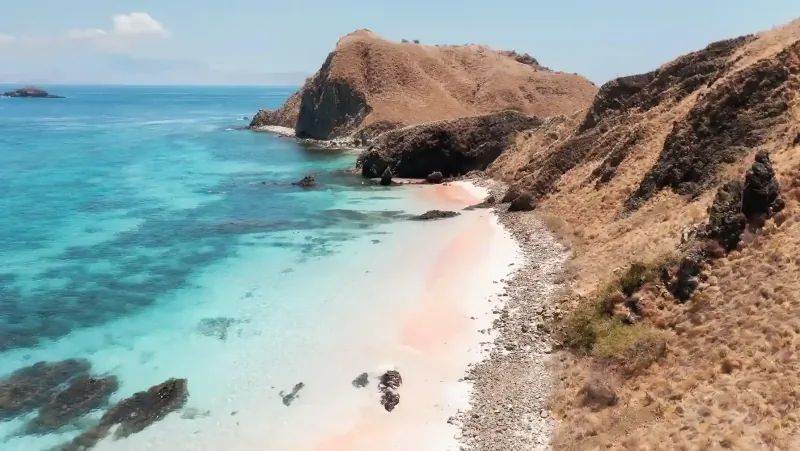
Many visitors ask, “is Pink Beach safe for kids snorkeling?” and “is snorkeling at Pink Beach safe for elderly?” Conditions vary by tide, swell, and season. Pink Beach is often gentle near shore, but currents can pick up further out. For children and seniors, stay in the very shallow zone, use life jackets, avoid low-visibility or windy afternoons, and follow ranger or guide advice about where not to swim.
Is snorkeling near Rinca Island safe for kids?
Whether snorkeling near Rinca Island is safe for kids depends entirely on daily conditions and your operator’s judgment. Some Rinca-area reefs can have stronger currents or boat traffic. Choose a guide who knows specific child-friendly moorings, insists on life jackets, and maintains a high adult-to-child supervision ratio in the water. If in doubt, sit the session out—Komodo offers many alternative stops.
Komodo Island snorkeling for seniors and limited mobility
Planning Komodo Island snorkeling for seniors with limited mobility requires clear discussion with your boat operator. Ask about ladder angle and height, whether crew can assist with fins and buoyancy, and if there is a zodiac or smaller boat to pick up guests who tire easily. When considering Labuan Bajo snorkeling tours for seniors, prioritize shaded deck space, stable boats, and conservative site choices over “must-see” reputations.
Boat ladders and re-boarding after snorkeling
Seniors often worry, “can seniors climb boat ladder after snorkeling Komodo?” Most boats use vertical or slightly angled ladders, sometimes with narrow rungs. Elderly guests should try the ladder in port before the trip departs. If boarding is difficult, plan shorter swims, use extra flotation so you are less fatigued, and request crew assistance to remove fins and support you from the stern platform.
Family-focused operators and equipment standards
For Flores Komodo family snorkeling safety advice, look for operators who clearly state maximum group sizes and have spare masks, snorkels, fins, and different-sized life jackets on board, including models suitable for smaller children. Well-run Labuan Bajo snorkeling day tours will brief families on entry/exit procedures, signals for help, and how to keep children visible at all times.
Komodo currents explained for snorkeling
When people search for “Komodo currents explained for snorkeling,” they’re really asking how risky it is. Komodo sits between the Pacific and Indian Oceans, creating powerful tidal exchanges. Currents can change direction with tide cycles and topography. This is why drift sites are timed carefully, and why even experienced snorkelers should stay within sight of the boat and guide, following a buddy system at all times.
Gili Lawa and Padar Island snorkeling safety
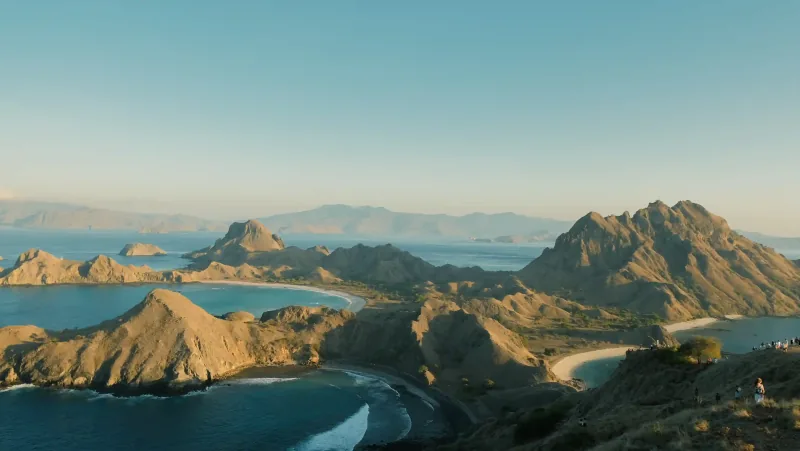
Questions about Gili Lawa snorkeling for beginners safety and Padar Island snorkeling safety and current info have a similar answer: both areas can have strong currents in channels and around headlands. Beginners should only enter the water when guides confirm slack or very mild currents and should stay close to the reef slope in shallower, protected corners. Never attempt to cross open channels, and exit early if you feel yourself drifting faster than you can comfortably swim.
Gili Lawa current maps and why local knowledge matters
Some divers look for a Gili Lawa current map for snorkelers and divers, but static maps are only a rough guide. Current strength and direction depend on tide phase, moon, and recent weather. Use maps as a conceptual tool, not as a safety guarantee. Trust your local guide’s assessment on the day; they’ll know which side of the island is safe and when to skip Gili Lawa entirely for less exposed sites.
Snorkeling at Karang Makassar (Manta Point)
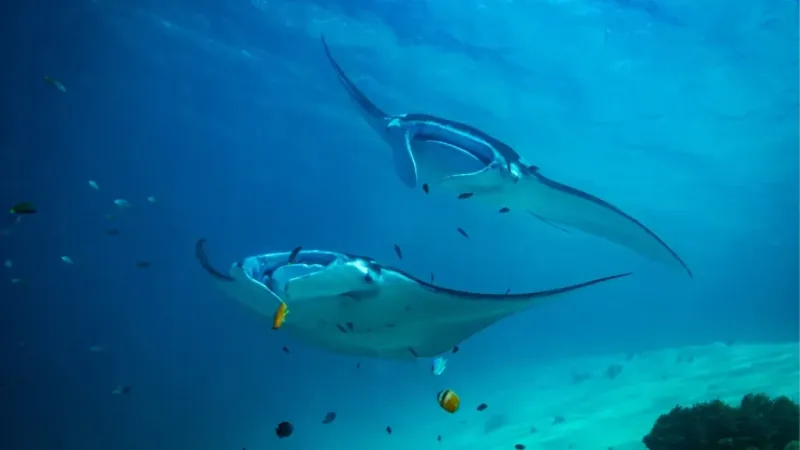
Travellers often ask about snorkeling at Karang Makassar current strength and whether Manta Point drift snorkeling for beginners is appropriate. Manta sites here are usually drift snorkels, with mild to strong current. For beginners, drifting slowly along a reef edge under tight guide supervision can be safe; for non-swimmers, it is usually not recommended. Stronger currents, wind chop, or large swells are clear red flags to stay on the boat.
Is Taka Makassar safe for snorkeling?
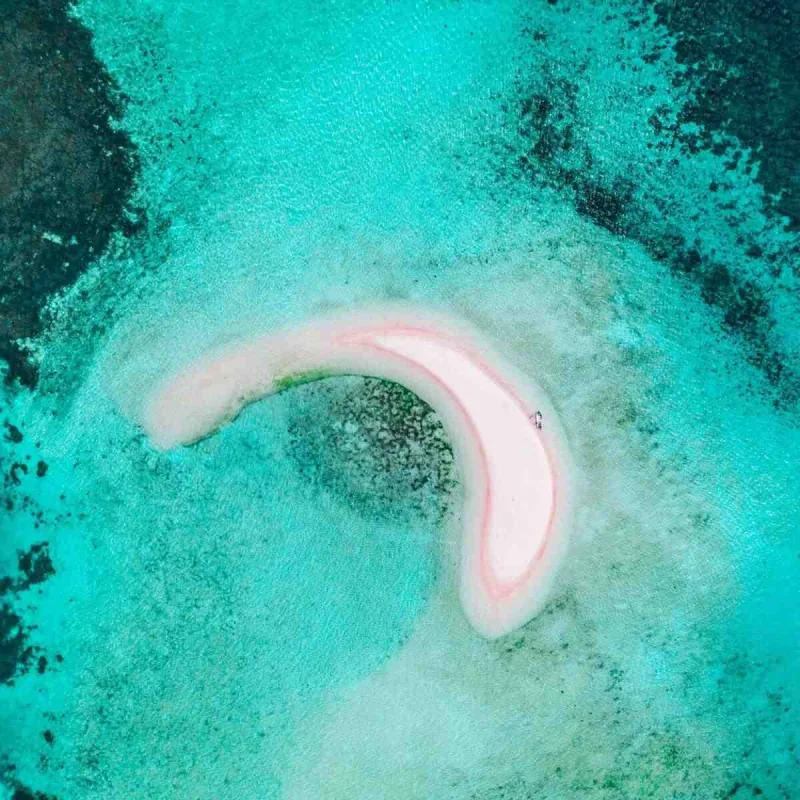
Many people ask, “is Taka Makassar safe for snorkeling?” This sandbar can be perfectly calm at slack tide and challenging when currents accelerate around its edges. Safe practice is to stay on the lagoon side, away from drop-offs, and to make short, guided swims. Families and less confident swimmers should avoid outer slopes entirely and always wear life jackets when currents are present.
Beginners, basic swimming skills, and drift sites
“Can beginners join Komodo drift snorkeling?” and “can you snorkel Komodo with basic swimming skills?” are crucial questions. With only basic swimming, you should limit yourself to low-current, stationary snorkeling where you can comfortably return to the boat. Drift sessions are best left for confident swimmers who can manage surface chop, keep masks clear, and respond quickly to guide instructions.
Buddy system rules for Komodo currents
Good operators explain clear buddy system rules for snorkeling Komodo currents: pairs stay within 2–3 meters of each other, check in visually every few breaths, and agree on a simple “OK” and “need help” signal before entering the water. If one buddy wants to return to the boat, both return together. Nobody should ever drift alone, even if they consider themselves advanced.
Labuan Bajo day trip snorkeling safety and boat standards
For Labuan Bajo day trip snorkeling safety, focus on the vessel and crew, not just the itinerary. Ask how they manage site selection when currents are strong, whether they use surface markers or chase boats during drifts, and how they brief guests about aborting a snorkel if they feel unsafe. Reputable Komodo sailing trips from Labuan Bajo will adjust plans dynamically rather than forcing a risky schedule.
Travel insurance for Komodo snorkeling
If you’re comparing options for travel insurance for Komodo snorkeling, confirm that policies explicitly cover water sports, boat-based activities, and—if you plan to dive—hyperbaric treatment. Some travellers ask about travel insurance that covers hyperbaric treatment Komodo; many reputable international insurers offer this, but you must read exclusions carefully, especially around alcohol, uncertified operators, or ignoring official safety advice.
Where is the nearest hyperbaric clinic to Komodo?
Those asking “where is the nearest hyperbaric clinic to Komodo?” should know that the closest chamber facilities are not inside the national park itself. Typically, serious diving-related cases are evacuated first to Labuan Bajo or Bali, depending on medical assessment and logistics. This is why comprehensive insurance and operators with tested evacuation protocols matter far more here than in urban snorkeling destinations.
Labuan Bajo clinic for snorkeling injuries
For non-life-threatening issues, travellers sometimes seek a Labuan Bajo clinic for snorkeling injuries. Clinics in town can usually handle minor lacerations, ear infections, mild allergic reactions, and simple wound care after coral cuts or jellyfish stings. Always disinfect coral cuts thoroughly; coral and reef surfaces harbor bacteria, and infections can develop quickly in the tropics.
Stingray and jellyfish safety while snorkeling Komodo
Questions about stingray and jellyfish safety while snorkeling Komodo are understandable. Stingrays are usually shy and rest on sandy bottoms; avoid stepping on the sand and never attempt to touch them. Jellyfish are more common in certain seasons and currents. A thin rash guard or full suit reduces sting risk. If stung, notify your guide immediately so they can assess severity, rinse appropriately, and decide whether you need a clinic visit.
What happens in a Komodo snorkeling emergency at sea?
When people ask, “what happens in a Komodo snorkeling emergency at sea?” the answer should be specific. A well-prepared boat halts all activity, recalls everyone using horn or verbal signals, administers first aid with oxygen if needed, and contacts shore support via radio or phone. Depending on severity, they may divert to the nearest ranger post, Labuan Bajo, or coordinate a fast boat transfer. Before departure, ask operators to explain their exact emergency flow.
Labuan Bajo boat safety for snorkeling
Concerns about Labuan Bajo boat safety for snorkeling are valid. Check that your vessel has life jackets for all guests (including child sizes), functioning VHF radio, navigation lights if returning at dusk, and visible fire extinguishers. Crews should brief you on life jacket locations and muster points. Reputable Komodo boat charters will be transparent about safety gear and crew training.
Pregnancy and Komodo Island snorkeling
Many visitors quietly search for snorkeling Komodo island during pregnancy safety tips or simply “Komodo snorkeling pregnant.” Always consult your doctor first, then share any restrictions with your operator. Avoid long surface swims, strong currents, and jumping entries. Use a comfortable life jacket, stay well hydrated, and sit out sessions if the sea is rough. Do not dive or free-dive while pregnant; stick to relaxed, surface-only snorkeling.
Life jackets and flotation for kids and adults
Parents often ask about Komodo snorkeling safety for kids life jacket and whether they can secure a child friendly life jacket Komodo boat tour. Confirm in writing that your operator carries multiple child sizes plus extra adult vests. Even strong adult swimmers benefit from life jackets during long sessions or in choppier seas; they reduce fatigue and make it easier for guides to assist you if needed.
Is snorkeling Labuan Bajo safe for people who can’t swim at all?
Snorkeling Labuan Bajo for people who cant swim is only safe in very controlled, shallow conditions with constant guide supervision and mandatory life jackets. You should stay close to the boat or beach, avoid drift sites and strong currents, and be honest about your ability when booking. If conditions are rough, it’s safer to skip the water and enjoy the scenery from the deck.
Is Pink Beach safe for kids and elderly snorkelers?
Pink Beach can be safe for kids and elderly guests when seas are calm and you stay in the shallow zone near shore. Everyone should wear life jackets, and children must remain within arm’s reach of an adult. Avoid snorkeling during strong currents, large waves, or poor visibility. Always follow advice from rangers and your guide about where—and when—not to enter the water.
Can you snorkel Komodo if you can’t swim or only have basic skills?
You can snorkel Komodo with basic swimming skills in easy, low-current sites, but non-swimmers should be extremely cautious. Stick to shallow, sheltered reefs, wear a life jacket at all times, and stay beside a guide. Skip drift sites like Karang Makassar when currents are strong. If you feel anxious in open water, consider enjoying the trip as a boat-based sightseeing experience instead.
How strong are currents at Karang Makassar and Gili Lawa for snorkelers?
Currents at Karang Makassar and Gili Lawa range from mild to very strong, depending on tide and wind. At Manta Point, you may do a controlled drift, which can be thrilling but unsuitable for nervous swimmers. Around Gili Lawa, channels can run fast, especially at mid-tide. Always rely on your guide’s local knowledge and skip these sites if they advise conditions aren’t beginner-friendly.
Is Taka Makassar a safe snorkeling spot for beginners?
Taka Makassar can be safe for beginners when visited at slack tide and limited to the calm, sandy lagoon areas. The edges of the reef may have stronger currents and sudden drop-offs, which are not ideal for inexperienced snorkelers. Wear a life jacket, keep the boat in sight, and follow your guide closely. If the water looks choppy or fast-moving, it’s better to stay on board.
What kind of travel insurance do I need for Komodo snorkeling?
For Komodo snorkeling, choose travel insurance that clearly covers water sports, boat trips, medical evacuation, and—if you dive—treatment in a hyperbaric chamber. Read the fine print around depth limits, alcohol use, and requirements to follow guide instructions. Keep digital copies of your policy and emergency numbers accessible. This preparation greatly improves your options if something serious happens offshore.
What happens in an emergency during a Komodo snorkeling trip?
In a Komodo snorkeling emergency, a good operator recalls everyone to the boat, stabilizes the injured person with first aid and oxygen if needed, and then heads toward the nearest appropriate medical facility or coordinates evacuation. They will also contact shore support or authorities by radio or phone. Before departure, ask your operator to walk you through their exact emergency response plan.
Which Komodo snorkeling tours are safest for families and seniors?
For families and seniors, the safest options are small-group or private tours that prioritize sheltered sites, flexible itineraries, and clear safety briefings. Look for operators with strong Labuan Bajo snorkeling tour safety reviews, child and adult life jackets, and patient guides. Private Komodo liveaboard charters can tailor daily plans to energy levels and mobility, trading high-adrenaline drifts for relaxed, shallow reefs. To deepen your planning beyond safety, you may also want to explore our guide articles on the Komodo National Park snorkeling itinerary from Labuan Bajo, learn more about snorkeling with manta rays safely in Komodo, or compare snorkeling and diving options in Komodo. For tailored trip design, including vessel selection and safety priorities, contact Komodo Luxury via WhatsApp or email listed on their services page.
What are the most essential Komodo Island snorkeling safety tips I should follow?
The most critical tip is to never underestimate the currents and always listen to your guide. Before entering the water, ensure you understand the site-specific briefing, know the plan, and agree on hand signals. Always snorkel with a buddy, stay within sight of the boat and guide, and never touch marine life or coral. Conserve your energy, stay hydrated, and don’t hesitate to signal for assistance if you feel tired or uncomfortable. These simple rules are foundational to a safe experience.
How can I find trustworthy Komodo Island snorkeling tour packages?
Reputable Komodo Island snorkeling tour packages are best sourced through established platforms or operators with a verifiable track record and transparent pricing. Look for detailed itineraries, clear statements on what is and isn’t included (especially park fees), and accessible contact information like a WhatsApp number for direct queries. A trustworthy provider will prioritize your safety questions and be able to detail their emergency procedures, guide certifications, and vessel safety features. The curated Labuan Bajo tour options are selected based on these exact criteria.
I read on Quora that some Labuan Bajo snorkeling trips are unsafe. How do I avoid them?
Discussions on platforms like Labuan Bajo snorkeling Quora threads often highlight issues stemming from unregulated, budget operators. To avoid this, steer clear of deals that seem too good to be true. Vet your operator by asking for proof of their business license, boat registration (Surat Persetujuan Berlayar), and insurance. A professional company will readily provide this. Booking through a curated service ensures this vetting has already been done for you, connecting you only with operators who meet strict safety and legal standards.
How are Komodo National Park fees managed and how do I know I’m not being overcharged?
All official Komodo National Park entrance fees must be processed via the government’s SiOra online system (SiOra.id). For foreign nationals, the fee is a fixed IDR 250,000 per person, per visit. A trustworthy operator will either list this as a separate, exact line item or clearly state that it is included in the package price. You should also expect a ranger fee of around IDR 150,000 per group. Be wary of operators who are vague about these costs or add dubious extra charges.
Is Kanawa Island a safer snorkeling spot for beginners than Manta Point?
Yes, generally Kanawa Island snorkeling Komodo is considered a safer and more accessible site for beginners and families compared to Manta Point (Karang Makassar). Kanawa’s proximity to Labuan Bajo and its typically calm, shallow, and protected reef make it an ideal introductory spot. Manta Point is an exposed cleaning station in an open channel, prone to strong, unpredictable currents. While incredible, it requires more experience and should only be attempted with expert guides under favorable conditions.
What happens if the Port Authority (Syahbandar) cancels trips due to bad weather?
If the Labuan Bajo Port Authority issues a no-sail warning due to weather, all reputable operators must comply for safety and insurance reasons. This is a sign of a responsible company. Their cancellation policy, which you should review before booking, will dictate the next steps. Typically, this involves attempting to reschedule your trip for the next available day or offering a partial or full refund depending on the circumstances. Safety always takes precedence over the itinerary.
Certification
Embarking on a Komodo Island snorkeling adventure demands more than just a boat and fins; it requires a team dedicated to your well-being. The cornerstone of this assurance lies in the certification of your operators and guides. Reputable providers operating within Komodo National Park are not merely tour companies; they are stewards of safety, adhering to rigorous international standards. Look for operators whose divemasters and snorkeling guides hold certifications from globally recognized organizations like PADI (Professional Association of Diving Instructors) or SSI (Scuba Schools International). These certifications signify not only expertise in marine environments but also extensive training in first aid, CPR, and emergency oxygen administration. A certified guide brings an invaluable layer of knowledge to your experience. They understand the intricacies of Komodo’s currents, which can shift rapidly, sometimes reaching speeds of up to 8 knots in certain channels. Their training includes advanced rescue techniques and environmental awareness, ensuring your interaction with the marine ecosystem is both safe and sustainable. Many guides are also local Indonesians, possessing an intimate, generational understanding of these waters and their inhabitants. This local expertise is often coupled with formal marine biology or conservation training, providing an enriching commentary on the delicate balance of the reefs you explore. Guide-to-guest ratios vary by operator and trip length — always ask directly rather than assume a fixed number.
Insurance
Even with the most stringent safety protocols in place, unforeseen circumstances can arise. This is why comprehensive insurance is not merely recommended for your Komodo Island snorkeling trip; it is an absolute necessity for the discerning traveler. Your personal travel insurance policy should explicitly cover water-based activities, including snorkeling and potentially diving, with a particular focus on emergency medical evacuation. Given the remote nature of Komodo National Park, which is approximately 400 kilometers east of Bali, access to advanced medical facilities is limited to Labuan Bajo, the nearest town on Flores island. In serious cases, medical evacuation to a larger city like Denpasar or even Singapore could be required, an expense that can easily run into tens of thousands of dollars. Beyond your personal coverage, inquire about the operator’s liability insurance. A reputable tour provider will carry extensive insurance that covers their vessels, crew, and guests against various incidents. This provides an additional layer of protection, ensuring that you are adequately covered in the unlikely event of an accident attributable to the operator. Always read the fine print of your policy and discuss specific coverage with your insurance provider before departure. Some policies have exclusions for certain adventure activities or pre-existing medical conditions, so clarity is paramount. For example, many premium travel insurance plans offer up to $500,000 in medical evacuation coverage, a figure worth considering for international travel to remote locations.
Emergency procedure
The mark of a truly trustworthy Komodo Island snorkeling operator extends beyond certifications and insurance to the practical application of emergency preparedness. Every vessel, from a day-trip speedboat to a luxurious liveaboard, should be equipped with a comprehensive array of safety gear and a well-drilled emergency protocol. This includes readily accessible first aid kits, regularly restocked and containing everything from basic wound care to seasickness medication and antihistamines. Essential for any water-based activity is an emergency oxygen supply, crucial for treating diving-related illnesses or severe respiratory distress. These oxygen tanks are typically 15-liter cylinders, capable of delivering oxygen for several hours, and are checked monthly for pressure and expiration dates. Communication devices are another critical component. Every boat should have multiple means of communication, including VHF radios for local boat-to-boat and boat-to-shore contact, as well as satellite phones for broader reach, especially in areas with limited mobile signal. GPS navigation systems are standard, allowing precise location tracking in an emergency. Furthermore, a detailed emergency action plan (EAP) should be in place and understood by all crew members. This plan outlines procedures for various scenarios, from a minor injury to a missing person or a fire on board. Regular drills, often conducted quarterly, ensure the crew can execute these protocols swiftly and effectively. The nearest fully equipped hospital is in Labuan Bajo, which can be reached within 30-90 minutes from most popular snorkeling sites, depending on the boat speed and sea conditions.
Vetting an operator
For the discerning traveler, selecting the right Komodo Island snorkeling operator is as crucial as choosing your luxury resort. This process requires diligence, moving beyond attractive websites to scrutinize the substance of their safety commitments. Begin by researching their reputation. Look for consistent positive reviews on platforms like TripAdvisor, Google, and specialized travel forums, paying close attention to comments specifically addressing safety, guide professionalism, and equipment quality. A luxury operator will typically have a strong online presence, often showcasing their certifications and safety policies transparently. Don’t hesitate to ask for references from past clients, particularly those who have undertaken similar multi-day expeditions. When contacting potential operators, prepare a list of targeted questions. Inquire about their guide-to-guest ratio for snorkeling activities – a ratio of 1:4 or 1:5 is ideal for personalized attention and safety. Ask about the age and maintenance schedule of their equipment, including masks, snorkels, fins, and life vests. Quality gear, often less than 2-3 years old and meticulously maintained, significantly enhances both comfort and safety. Clarify their emergency protocols, asking about oxygen availability, communication devices, and their plan for medical evacuations. A truly professional operator will welcome these questions and provide detailed, reassuring answers without hesitation. Transparency in their pricing, including all park fees and surcharges, is also a good indicator of their integrity. Komodo National Park entrance fees for foreign visitors are a flat IDR 250,000 per person per visit under the official PNBP tariff (PP No. 36/2024) — see our permits, fees and quota guide. Conservation costs are bundled into this ticket rather than itemized separately.
Park rules
Komodo National Park is not just a destination; it’s a UNESCO World Heritage site and a biosphere reserve, fiercely protected for its unique terrestrial and marine ecosystems. As such, visitors are expected to adhere to a strict set of regulations designed to preserve this pristine environment for future generations. Understanding these rules is an integral part of responsible luxury tourism and, by extension, your safety. Park rangers and designated officials enforce these regulations rigorously. For instance, touching coral or marine life is strictly forbidden, as even a gentle brush can damage delicate organisms that take decades to grow. Feeding wild animals, including fish, is also prohibited, as it disrupts their natural behaviors and can make them dependent on human interaction. Speed limits are enforced within certain zones of the park to protect marine life, particularly slow-moving creatures like dugongs and sea turtles. Anchoring is only permitted in designated areas to prevent damage to coral reefs, with many operators utilizing mooring buoys instead. All waste, including organic matter, must be properly disposed of and never discarded into the ocean. The park spans over 1,733 square kilometers, with a significant portion dedicated to marine protected areas where conservation efforts are paramount. Your operator should provide a thorough briefing on these regulations before you enter the water, ensuring you understand your role in preserving this incredible natural treasure. Adherence to these rules not only protects the environment but also ensures your safety by maintaining the natural balance of the ecosystem.
Gear and briefings
The quality of your personal snorkeling equipment and the thoroughness of your pre-snorkeling briefings are paramount to a safe and enjoyable experience. A luxury operator will provide high-quality, well-maintained gear, including comfortable masks that seal properly, snorkels with purge valves, and fins that fit snugly without chafing. Life vests, available in various sizes, should be offered to all guests, regardless of swimming ability, and their use encouraged, especially in areas with currents or for those less confident in the water. It’s not just about comfort; poorly fitting or damaged equipment can lead to discomfort, distraction, and even potential safety issues in the water. Reputable companies rigorously clean and sanitize all rental equipment after each use, often utilizing medical-grade disinfectants, ensuring both hygiene and functionality. Before every snorkeling session, your guide will conduct a comprehensive briefing. This is not a mere formality; it is an essential safety ritual. The briefing will cover the specific conditions of the upcoming site, including current strength and direction, water depth, and any potential hazards to be aware of, such as shallow coral or specific marine life behaviors. You’ll be instructed on proper entry and exit techniques from the boat, hand signals for communication in the water, and what to do if you encounter difficulties. These briefings, typically lasting 10-15 minutes, also highlight the fascinating marine life you might encounter, enhancing your appreciation while reinforcing responsible interaction. Paying close attention to these instructions is your personal responsibility and a critical component of your overall safety.
Money and booking channels
Your safety in Komodo begins long before you step on a boat; it starts with how and where you book. When considering where to book Komodo Island snorkeling tours in Labuan Bajo, you’ll encounter two main channels: booking online in advance through a vetted operator such as Komodo Luxury, or arranging a trip with a street-side agent upon arrival. While last-minute deals can seem attractive, they often lack the transparency and accountability crucial for safety. A trustworthy operator provides a clear Komodo island snorkeling price breakdown, ensuring you understand exactly what you’re paying for. This isn’t just about avoiding hidden costs; it’s a reflection of their professionalism. A typical day trip package should clearly itemize inclusions like a certified guide, well-maintained snorkeling gear, lunch, water, and boat transport. What’s often separate are the mandatory Komodo National Park fees. As of late 2024, this is a flat IDR 250,000 per foreign visitor, paid through the official government SiOra system. An operator who is vague about this or quotes a bundled price without explanation should be a red flag. The allure of a cheap Komodo island snorkeling tour can be strong, but this is where diligence is critical. Prices significantly below the market average (e.g., under USD 50 for a full-day shared trip) may indicate compromises in boat maintenance, guide-to-guest ratios, safety equipment, or adherence to park regulations. True value lies in a fairly priced trip that guarantees your well-being. For a deeper dive into financial planning, our insider’s guide to chartering a boat provides extensive cost analysis.
Speedboat or phinisi
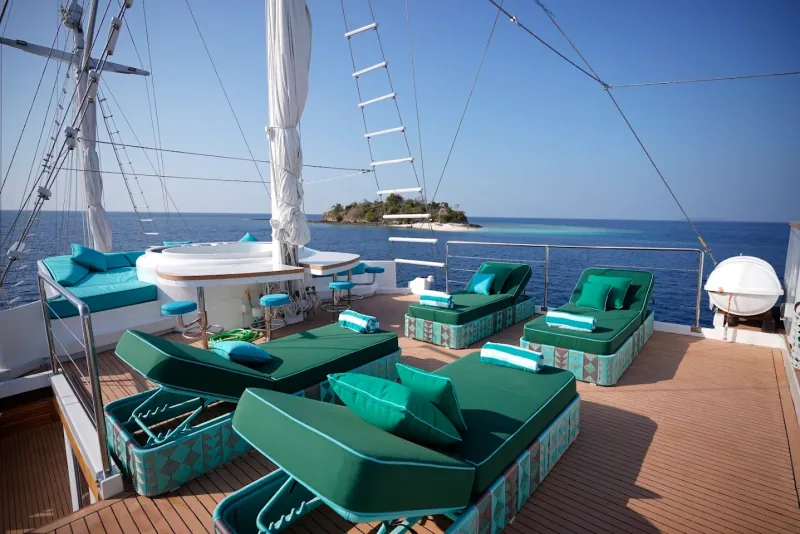
The type of boat you choose for snorkeling Komodo Island from Labuan Bajo directly impacts both your itinerary and your safety profile. The most common options are modern speedboats and traditional wooden Phinisi ships. A Labuan Bajo Komodo speed boat snorkeling trip is ideal for visitors with limited time. These vessels can reach distant sites like Padar Island and Manta Point in a single day, offering efficiency and excitement. However, their smaller size means a bumpier ride in choppy seas and less space to shelter from the sun and elements. Safety on speedboats hinges on the captain’s skill in navigating currents and the availability of sufficient life jackets and communication devices. Phinisis, on the other hand, offer superior stability and comfort, making them the preferred choice for multi-day liveaboards or families seeking a more relaxed pace. Their size allows for more comprehensive safety equipment, dedicated rest areas, and easier water entry/exit. While a Phinisi may not cover as many sites in one day, it provides a safer, more immersive platform for exploring the park. Your choice should align with your group’s needs and comfort level. For instance, a Taka Makassar snorkeling trip from Labuan Bajo is a classic speedboat excursion, while a leisurely trip focusing on calmer spots like Kanawa Island snorkeling Komodo can be comfortably done on either vessel type. This guide helps you choose from a fleet of vetted vessels, ensuring that your chosen Komodo boat charter meets stringent safety and operational standards. Safety and conservation are the same discipline in a park this fragile, and both threads run through our safety and sustainability writing.
Essential Travel Insurance Considerations
When selecting your travel insurance for a Komodo Island snorkeling expedition, prioritize policies that offer robust medical coverage, including emergency hospitalization and repatriation. Confirm that there are no hidden clauses regarding adventure sports; some standard policies might exclude activities like snorkeling or diving unless specifically added. Consider a policy with a high coverage limit for medical expenses, ideally over $100,000, and ensure it includes search and rescue provisions. Additionally, look for coverage for trip interruption or cancellation, which can protect your significant investment in a luxury Komodo itinerary due to unforeseen events like weather delays or personal emergencies. Many luxury travel insurance providers also offer 24/7 assistance hotlines, providing immediate support and coordination in a crisis, a critical service when you are thousands of miles from home.
Key Questions for Your Operator
To ensure your Komodo Island snorkeling experience meets the highest safety standards, consider these essential questions for any prospective operator: “What are the certifications of your guides and crew?”, “Do you carry emergency oxygen and a comprehensive first aid kit on board?”, “What is your guide-to-guest ratio for in-water activities?”, “What is your emergency evacuation plan, and do you have satellite communication?”, “How often is your snorkeling and boat equipment serviced and replaced?”, “What is your policy regarding weather conditions and trip cancellations?”, “Are all park fees and local taxes included in the quoted price?”. A professional operator will have clear, confident answers, reflecting their commitment to your safety and satisfaction.
Understanding Park Fees & Conservation
The fees you pay to enter Komodo National Park contribute directly to its conservation efforts. These funds support park ranger salaries, anti-poaching initiatives, marine research, and the maintenance of visitor facilities. For foreign tourists, the entrance fee is a flat IDR 250,000 per person per visit under the official PNBP tariff — it does not vary by weekday or weekend for foreign visitors (Indonesian citizens pay IDR 50,000 on weekdays or IDR 75,000 on weekends/holidays). See our full fee and quota breakdown for the complete picture, including the separate ranger fee. Your luxury tour operator will usually bundle these fees into your package, but it’s wise to confirm what is included. This financial contribution is a small but vital part of ensuring the long-term sustainability of this natural wonder, home to over 1,000 species of fish and 260 species of coral. By respecting these regulations and contributing through your fees, you become an active participant in the preservation of one of Earth’s most extraordinary marine sanctuaries, enhancing the value and integrity of your Komodo Island snorkeling experience.
Pre-Dive Briefings: Your Essential Checklist
During your pre-snorkeling briefing for Komodo Island snorkeling, pay close attention to several key elements. Confirm the designated buddy system – who you will be snorkeling with and how you will stay together. Understand the maximum duration of the snorkeling session, usually 45-60 minutes per site, and the signal for returning to the boat. Ask about the boat’s location relative to the snorkeling area and how to signal for assistance if you become separated or need help. Your guide will also point out any specific local regulations or sensitive areas within the snorkeling site, such as no-go zones to protect fragile coral. This proactive engagement ensures you are fully prepared and confident before you even enter the water, transforming potential anxieties into eager anticipation for the wonders below. As the sun dips below the horizon, painting the sky in fiery hues, you reflect on a day spent immersed in Komodo’s aquatic embrace. The vibrant memories—a ballet of manta rays, the silent majesty of a sea turtle, the intricate architecture of a coral reef—are woven with the quiet confidence that every measure was taken for your safety and comfort. This is the promise of luxury travel: not just beauty, but an experience delivered with meticulous care and unwavering trust. When you choose to explore the underwater marvels of Komodo National Park, a properly vetted operator lets you truly disconnect and rediscover the wonder of the world. Begin planning your extraordinary, worry-free Komodo Island snorkeling journey today, knowing every detail is handled with precision. Explore tailor your Komodo trip and discover the top snorkeling spots in Komodo, or return to our homepage for more inspiration.
Komodo Luxury — the booking partner for this guide
Where the boats actually come from
We publish the research; Komodo Luxury holds the fleet and the calendar.
If “Komodo Island Snorkeling Safety & Trust” has you close to booking, start with Komodo boat tours with Komodo Luxury — what the questions on this page usually lead to, though an hour spent on the Komodo Luxury fleet and Komodo liveaboards first is time well spent.