Snorkeling guide
Komodo, or somewhere else?
Five Indonesian options, weighed on the things that decide it: what you see, how hard it is to reach, what it costs, and who it suits.
In short
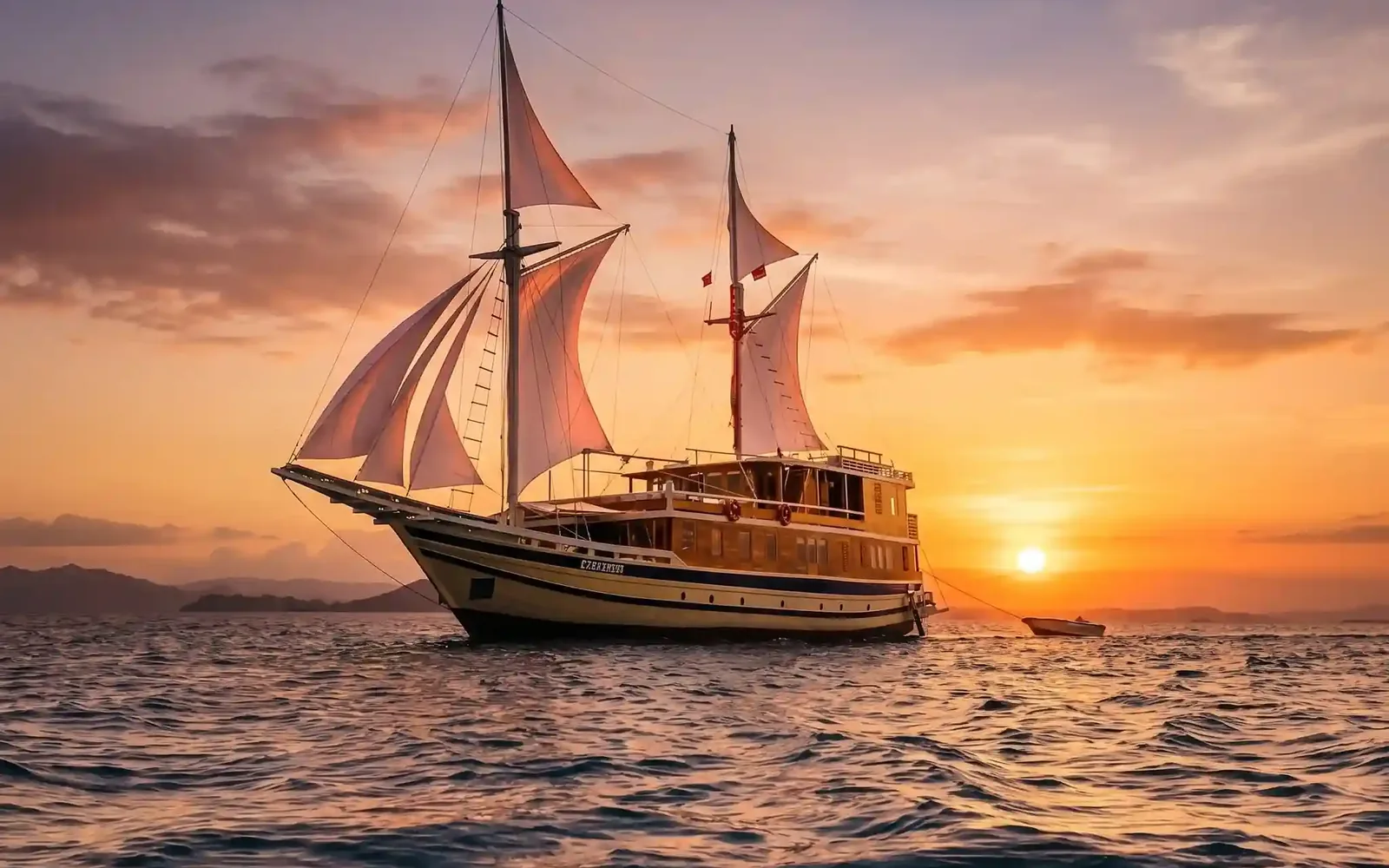
Komodo Island snorkeling offers an immersive marine encounter within a UNESCO World Heritage Site, distinguished by its vibrant coral gardens, diverse pelagic life, and the rare combination of dramatic topography both above and below the surface — plus the unique presence of Komodo dragons on land. It stands apart for its blend of dramatic volcanic landscapes, pristine water clarity, and the thrill of encountering rare species in a relatively untouched environment. The sun, a molten gold disc, begins its ascent over the craggy peaks of Komodo National Park, painting the sky in fiery hues of orange and fuchsia. Below, the water, a glassy expanse, shimmers with an irresistible invitation. You feel the gentle roll of the luxury liveaboard beneath your feet, a subtle hum of anticipation in the air. This is the dawn of another day dedicated to discovering the underwater marvels that define Komodo Island snorkeling. But as you prepare to slip into the cool embrace of the Flores Sea, a question might linger: is this truly the ultimate Indonesian aquatic adventure, or do other archipelagos hold their own distinct allure? We dissect the options, offering an honest evaluation of when Komodo’s wild heart calls loudest, and when a different rhythm might better suit your travel aspirations.
- Access to world-class dive sites like Manta Point and Pink Beach.
- Exceptional biodiversity, including manta rays, reef sharks, and vibrant soft corals.
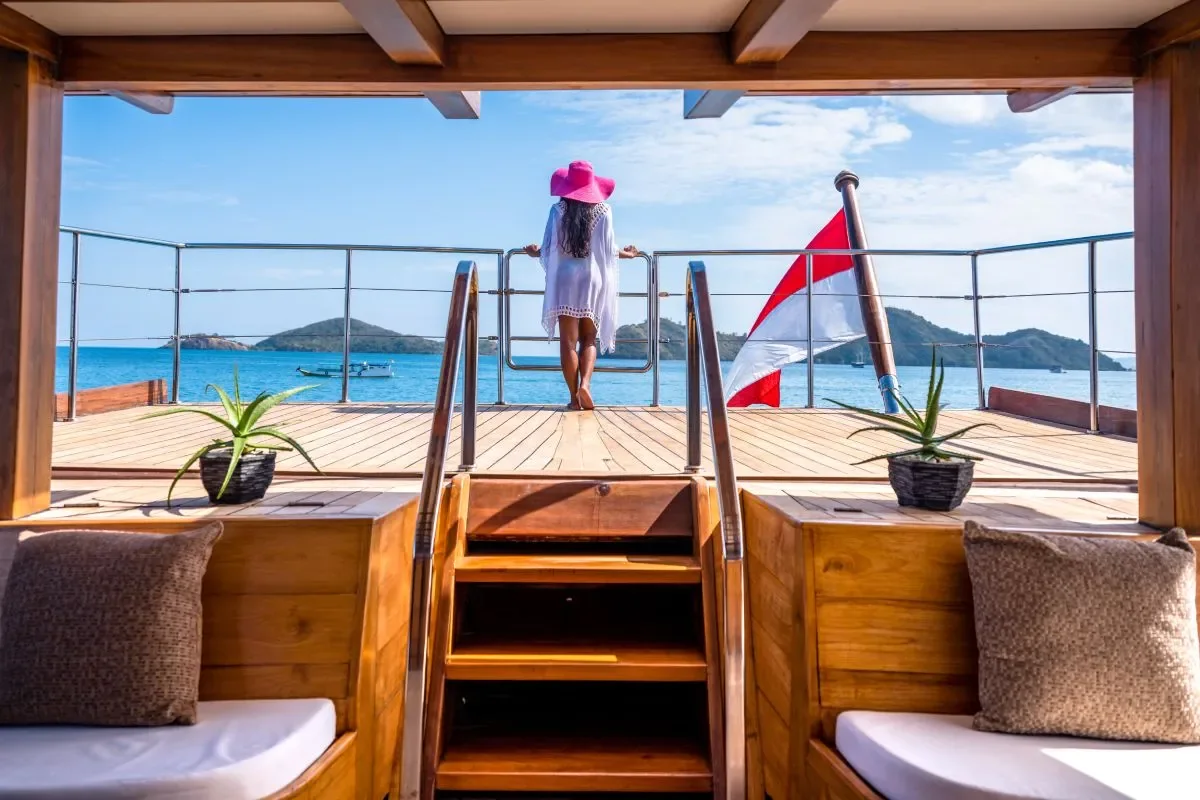
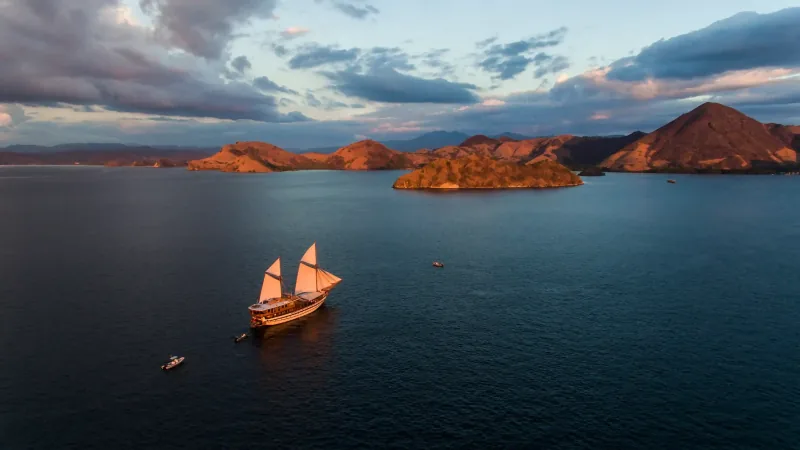
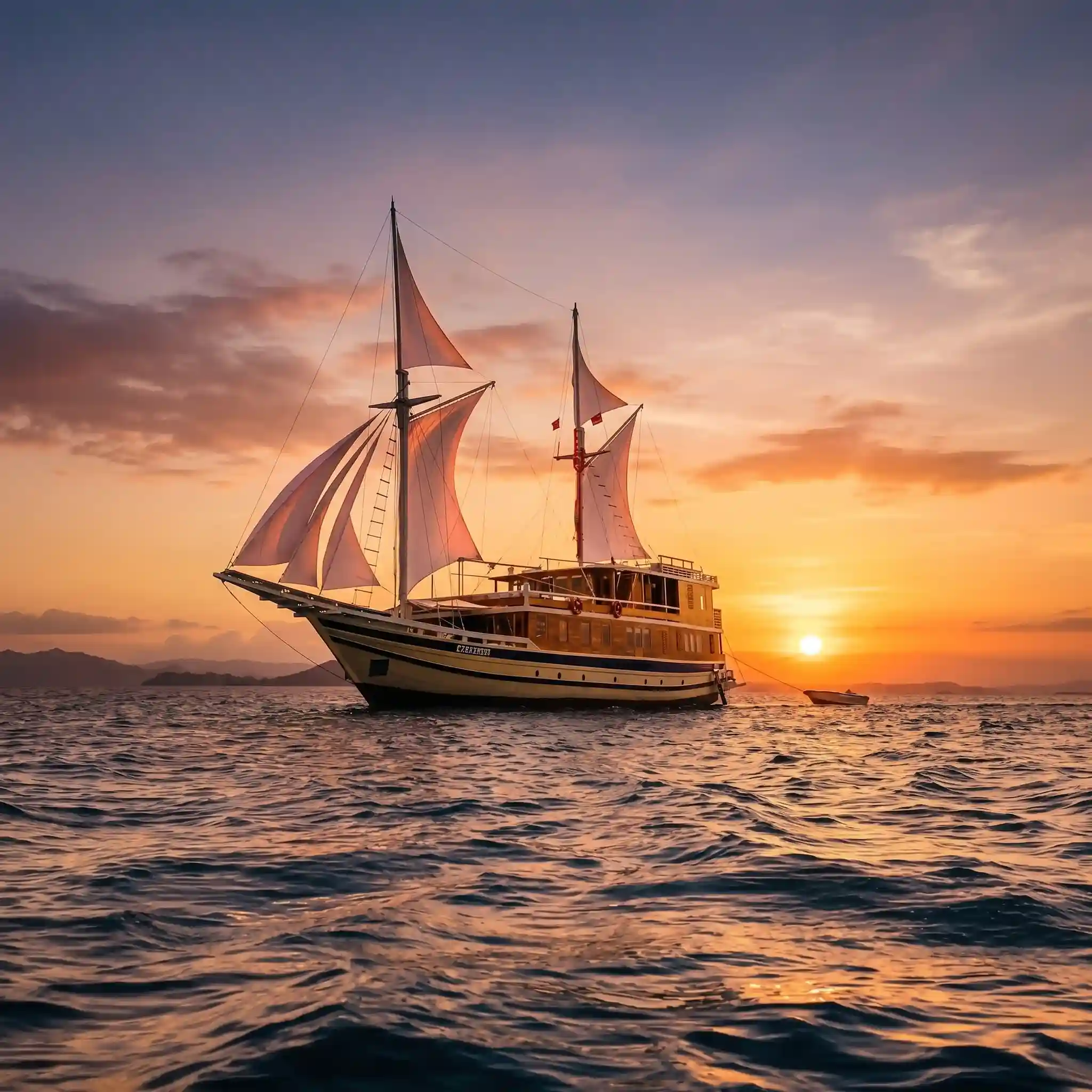
- Luxury liveaboard experiences providing exclusive access to remote snorkeling spots.
Questions
What people ask
18 answers, grouped. Pick the set you need.
Can you snorkel in Komodo Island if you are not a strong swimmer?
Yes, you can snorkel in Komodo Island even if you are not a strong swimmer, but you must choose sites and operators carefully. Opt for calm bays like Siaba Besar or Sebayur, wear a life vest, and stay close to the boat and guide. Avoid strong-current sites and always follow the safety briefing.
Is snorkeling in Komodo better than diving for first-time visitors?
For many first-time visitors, snorkeling in Komodo is better than diving because you see turtles, mantas, and vibrant reefs without the cost or stress of a certification course. Strong currents make some dives advanced. Snorkeling in sheltered sites delivers most highlights while keeping logistics and risk lower.
Can I snorkel at Batu Bolong or is it only for divers?
Batu Bolong is primarily a dive site and is often unsuitable for casual snorkelers due to powerful, shifting currents. On very calm tides, some operators may allow experienced snorkelers to stay in the shallow zone near the boat. If you are unsure, it is safer to enjoy nearby sheltered reefs instead.
Is snorkeling enough in Komodo or do I really need to dive?
For most travelers, snorkeling is enough in Komodo; you can see manta rays, reef sharks, turtles, and dense coral gardens from the surface. Diving adds depth-only walls and more current-swept action, but also higher cost and training. Unless you are already a keen diver, plan to snorkel first and decide later.
What is the best month for snorkeling in Komodo vs Raja Ampat?
The best month for snorkeling in Komodo is usually between June and September, when seas are calmer and visibility is often at its peak. Raja Ampat’s prime snorkeling window tends to run November through April. If your holiday falls mid-year, Komodo is more seasonally aligned; for January–February, consider Raja Ampat.
How does Komodo snorkeling compare to Phi Phi in Thailand?
Compared with Phi Phi in Thailand, Komodo snorkeling offers cooler water, more currents, and significantly higher chances of manta rays and large schools of fish. Phi Phi is easier to reach and cheaper for simple day trips but tends to be more crowded with patchier coral. Komodo feels wilder and more “expedition-like.”
Is Labuan Bajo better than Bali for a budget snorkeling base?
Labuan Bajo is better than Bali for a budget snorkeling base if your priority is big marine life in a compact area. Bali offers cheaper local food, more accommodation choices, and shore-access sites but fewer mantas and dragons in one place. Labuan Bajo’s day trips cost more, yet the wildlife payoff is usually higher.
Are there eco-friendly liveaboards in Komodo for snorkeling only?
Yes, there are eco-friendly liveaboards in Komodo that focus on snorkeling-only itineraries. Look for boats with small groups, good waste management, use of mooring buoys instead of anchoring, and guides who enforce no-touch wildlife rules. Asking detailed questions ahead of booking is the best way to confirm practices.
Komodo
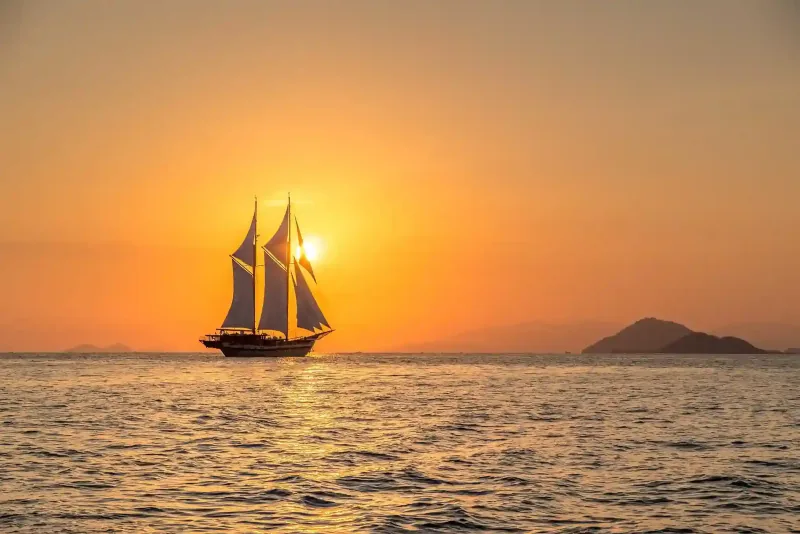
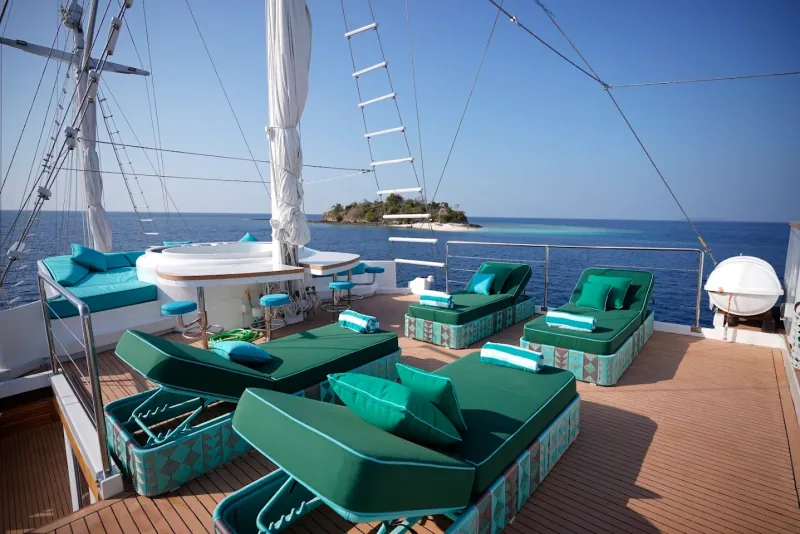
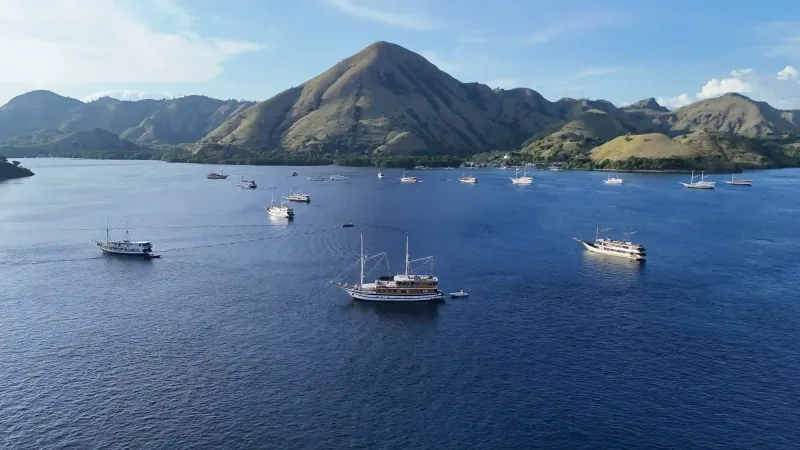
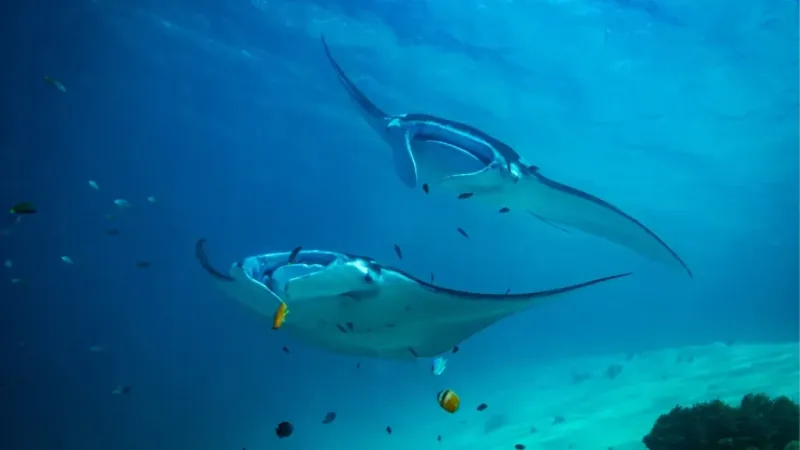
Diving into the waters surrounding Komodo Island is to enter a realm where nature reigns supreme, largely untouched by mass tourism. The Komodo National Park, established in 1980, spans over 1,733 square kilometers of land and sea, protecting not only the legendary Komodo dragon but also an incredibly rich marine ecosystem. Here, the currents, often robust, act as a conveyor belt for nutrients, fostering an explosion of life. Imagine drifting effortlessly over expansive fields of healthy hard and soft corals, their colors so vivid they seem to glow under the sun’s penetration. Visibility frequently exceeds 25 meters, offering panoramic views of this underwater metropolis. On a single snorkel, it’s not uncommon to spot green sea turtles gliding gracefully, reef sharks patrolling the deeper edges, and schools of fusiliers flashing silver as they dart through the water column. The famous Manta Point, for instance, nearly guarantees encounters with majestic manta rays, often in groups of five or more, their wingspans reaching up to about 5.5 meters. This site is located just 25 kilometers from Labuan Bajo, the primary gateway town. The sheer diversity is staggering, with over 1,000 species of fish recorded within the park’s boundaries, alongside 260 species of reef-building corals. The experience here is raw, exhilarating, and deeply immersive, tailored for those who seek genuine wildlife encounters and an escape from the ordinary. Luxury liveaboards, often handcrafted phinisi yachts, elevate this wilderness experience, providing gourmet dining, expert guides, and access to secluded coves that daday‑trippers never reach. A typical 7‑day luxury charter might cost upwards of $5,000 per person, ensuring exclusivity and highly personalized service. Explore the Komodo luxury yacht charters covered in this guide for an unforgettable journey that balances comfort with access to remote snorkeling sites.
Raja Ampat
Moving eastward, Raja Ampat emerges as Komodo’s primary contender for marine supremacy. Often hailed as the “Amazon of the Seas,” this remote archipelago in West Papua boasts the highest marine biodiversity on Earth. Data from The Nature Conservancy indicates that Raja Ampat is home to over 1,500 species of fish, 540 species of coral (75% of all known coral species), and 13 species of marine mammals. The sheer volume and variety of life here are astounding. Imagine navigating through a maze of karst islands, their emerald cliffs plunging into waters teeming with life. While Komodo offers dramatic pelagic encounters, Raja Ampat excels in its macro life and incredibly dense, healthy reef systems. You’ll find pygmy seahorses clinging to gorgonian fans, wobbegong sharks camouflaged on the seabed, and schools of barracuda forming shimmering tornadoes. However, Raja Ampat’s remoteness also translates to higher costs and more complex logistics. Flights typically involve multiple connections, often through Makassar or Sorong, followed by a boat transfer. A luxury liveaboard experience in Raja Ampat can easily exceed $7,000 for a week-long trip, reflecting its pristine, untouched nature and the specialized logistics required. The average water temperature hovers arounda comfortable 28–29 degrees Celsius year‑round. For the dedicated marine biologist or the experienced snorkeler seeking maximum biodiversity and intricate reef structures, Raja Ampat is an undeniable magnet. It’s a destination that demands commitment of time, budget, and logistics, but rewards that investment with some of the richest reefs on Earth.nt but rewards with an experience of profound natural wealth. Discover more about Raja Ampat’s biodiversity on Wikipedia.
Bali
For many, Bali serves as the quintessential Indonesian entry point, blending vibrant culture with accessible marine adventures. While not possessing the raw, untamed wilderness of Komodo or Raja Ampat, Bali offers distinct advantages, primarily its ease of access and diverse offerings beyond the water. Menjangan Island, located off Bali’s northwest coast within the West Bali National Park, provides excellent snorkeling with calm waters and impressive wall dives. Here, you encounter vibrant soft corals, schools of snapper, and often reef sharks. The journey from Denpasar airport to Menjangan takes approximately 3-4 hours by car. Further south, the Nusa Islands – particularly Nusa Lembongan and Nusa Penida – have gained significant popularity. These islands are just a 30-minute to 1-hour fast boat ride from Sanur. Nusa Penida is famous for Manta Point (a different one from Komodo’s), where encounters with manta rays are highly probable, especially between April and October. Crystal Bay on Nusa Penida is another gem, known for its pristine waters and rich coral gardens. While Bali’s snorkeling is excellent, it often lacks the sheer scale and remoteness of Komodo. The marine life is abundant, but the sense of being in an untouched wilderness is less pronounced. However, Bali offers a rich cultural, world-class dining, and luxurious resorts that cater to every whim. A luxury resort stay on Bali, combined with daily snorkeling excursions, might range from $300-$1,000 per night, offering a different kind of luxury – one integrated with cultural immersion and creature comforts. If your ideal trip blends underwater exploration with cultural experiences, spiritual retreats, and convenient travel, Bali presents a compelling alternative to the wilder frontiers of Komodo Island snorkeling. The average cost of a day trip to Nusa Penida for snorkeling is around $50-$80, making it significantly more budget-friendly for a single outing.
The Gilis
Just off the coast of Lombok, the Gili Islands – Trawangan, Meno, and Air – present a stark contrast to Komodo’s luxury wilderness. These car-free islands are renowned for their laid-back atmosphere, vibrant social scene, and incredibly accessible snorkeling. You can literally step off the beach and encounter sea turtles, reef sharks, and an abundance of reef fish in relatively shallow, calm waters. The Gili Islands are particularly popular with backpackers and those seeking a more budget-conscious, social experience. While the corals here have suffered from past bleaching events, significant recovery efforts are underway, and the sheer volume of marine life, especially turtles, remains a major draw. Daily boat trips, often costing as little as $15-$25 for a half-day, take snorkelers to various sites around the three islands. Accommodation options range from simple guesthouses to boutique resorts, with luxury options typically capping around $200-$300 per night. The islands are easily reached by fast boat from Bali (approximately 1.5-2 hours) or Lombok (15-30 minutes). The Gili experience is about spontaneous encounters, easygoing exploration, and a lively island vibe. If your priority is affordable, accessible snorkeling combined with a bustling social scene, beachfront bars, and a relaxed pace without the need for extensive planning or high-end luxury, then the Gili Islands offer a delightful, distinct flavor compared to the more exclusive adventures of Komodo Island snorkeling. The average water temperature here hovers around 27 degrees Celsius, comfortable for long periods in the water.
Wakatobi
For the discerning traveler seeking a blend of pristine nature and refined luxury, Wakatobi National Park in Southeast Sulawesi stands as a formidable alternative, or perhaps a complementary destination, to a Komodo itinerary. Wakatobi, an acronym for the four main islands – Wangi-wangi, Kaledupa, Tomia, and Binongko – is a UNESCO Biosphere Reserve and a recognized global center of coral reef biodiversity. Its remote location, accessible primarily via private charter flights from Bali directly to Wakatobi’s own airstrip, ensures an exclusive experience. The reefs here are incredibly healthy and diverse, boasting over 750 species of fish and 396 species of coral. Unlike Komodo, where strong currents are part of the thrill, Wakatobi often features calmer, more sheltered sites, making it ideal for leisurely snorkeling and underwater photography. The luxury resort at Wakatobi is world-renowned, offering meticulously designed bungalows, exceptional service, and direct access to house reefs that rival any boat-accessed site. A week at Wakatobi can easily exceed $6,000–$8,000 per person, placing it firmly in the ultra‑luxury segment. The focus here is on pristine reef health, exceptional visibility (often exceeding 30 meters), and a tranquil, undisturbed environment. While Komodo offers the drama of dragons,s and powerful pelagic encounters, Wakatobi delivers a serene, almost meditative immersion into an incredibly vibrant, well-preserved coral ecosystem. It’s for those who prioritize undisturbed natural beauty and a truly exclusive, high-end experience, without the intense currents often associated with Komodo Island snorkeling. Explore Wakatobi’s wonders on Indonesia.travel.
When Komodo wins
The decision ultimately hinges on your priorities. If your vision of an Indonesian aquatic adventure involves dramatic volcanic landscapes, exhilarating drifts over vibrant reefs, and the genuine thrill of encountering large pelagic species like manta rays and reef sharks in a wild, untamed environment, then Komodo Island snorkeling is your unequivocal choice. It is for the adventurer who values exclusivity, is comfortable with the potential for strong currents, and seeks a luxury experience centered squarely on raw natural beauty and intimate wildlife encounters, often enjoyed from the deck of a meticulously appointed liveaboard. The experience here is about feeling completely immersed in a living marine wilderness, connected to a primal, powerful ecosystem where the land and sea converge in a spectacle found nowhere else on Earth. You crave the vastness, the sense of discovery, and the luxury of having these wonders almost entirely to yourself. The journey to Komodo, typically involving a flight to Labuan Bajo (often from Bali, a 65–80-minute flight), sets the stage for a truly immersive escape. While other destinations offer their own charms – Raja Ampat’s unmatched biodiversity, Bali’s cultural richness, Gili’s social energy, or Wakatobi’s serene luxury – none quite capture the unique blend of prehistoric mystique and vibrant marine life that defines Komodo. This is where the ancient world meets the vibrant present, under a sea of endless turquoise. Komodo National Park on the UNESCO World Heritage list. So, as you envision your next Indonesian odyssey, consider what truly stirs your soul. If it’s the whisper of the wild, the promise of extraordinary encounters, and the embrace of luxury amidst untamed beauty, then Komodo awaits. Are you ready to answer its call? Begin planning your unforgettable Komodo adventure today. If this comparison leaves you curious about the other side, our beyond Komodo and Raja Ampat collection goes deeper on each alternative.
Sites, seasons and comparison
Yes, you absolutely can snorkel in Komodo National Park, and for many visitors snorkeling delivers 80–90% of what divers see. Classic sites such as Karang Makassar (Manta Point), Siaba Besar, Tatawa Besar, and the reefs off Pink Beach are shallow, current-sheltered in the right tide window, and rich in turtles, reef fish, and hard corals. If you are wondering whether snorkeling is enough or if you need to dive in Komodo, consider your comfort with currents, your budget for gear and courses, and how many days you have. Snorkelers can join both day trips from Labuan Bajo and multi-day Komodo liveaboard charters that design routes specifically around tide times and mellow conditions. For travelers comparing snorkeling vs diving safety in Komodo National Park, shallow snorkeling with a good guide, surface marker buoys on the boat, and conservative site selection is typically safer than throwing a brand‑new diver into deep channels. That said, some sheltered bays and beginner-friendly reefs double as excellent training grounds if you are weighing snorkeling or scuba diving for beginners in Komodo. Many guests choose to snorkel most of the trip, then add a single try‑dive or Open Water course in Labuan Bajo once they understand their comfort level in the water. Snorkeling conditions are strongly seasonal. Komodo’s dry season (roughly April–November) tends to bring 15–30 m visibility and calmer seas, especially in the northern and central park. If you are timing a honeymoon Komodo snorkeling trip vs Maldives resort stay, Komodo is at its clearest and driest June–September, while the Maldives has more stable year‑round resort weather but flatter, sandier islands. For more nuance on timing around school holidays and the July–August peak, see the guide to snorkeling Komodo National Park in July. Manta encounters are a decisive factor for many visitors. The best place to see manta rays snorkeling in Komodo is generally Karang Makassar, where you drift over cleaning stations in 3–12 m of water. Mantas are present all year, but the largest plankton-driven aggregations tend to appear December–February. When comparing snorkeling Komodo vs Maldives for mantas, the Maldives often offers more predictable cleaning stations with gentler currents, while Komodo feels wilder and requires tighter coordination of tides, timing, and safety briefings. If you are purely focused on budget and ease of access, Labuan Bajo snorkeling vs diving course prices are generally lower than Raja Ampat liveaboards and similar to major dive hubs in Bali. Basic day-trip snorkeling runs far less than a full dive course, and you skip certification fees and e‑learning costs. Those considering Labuan Bajo vs Raja Ampat for budget snorkeling usually find that Komodo delivers a strong mix of big animals, healthy reefs, and relatively affordable trips, especially if you join shared boats instead of private charters.
Liveaboards vs Day Trips
Choosing between liveaboard vs day trips for snorkeling in Komodo has more impact on your experience than any single site. Day trips from Labuan Bajo work well if you have 1–2 days, want to keep costs down, and prefer a hotel on land. They typically reach central-park highlights such as Siaba Besar, Manta Point, and nearby Pink Beach, but cannot always adjust routes to catch perfect tide windows. A liveaboard, by contrast, sleeps you on the water and can time Batu Bolong, Castle Rock (for divers), and outer reefs for slack currents, early mornings, or empty anchorages. Many people arrive asking for last minute Komodo snorkeling liveaboard deals. In high season (July–August and major holidays), most quality boats are fully booked weeks or months in advance, especially those with dedicated snorkeling itineraries. Shoulder seasons—April–June and September–early November—are your best window for value, when operators may discount remaining cabins rather than sail half‑empty. To understand how boat class, route, and cabin category affect pricing, see our comparison of options in Chartering a Boat in Komodo: A 2026 Insider’s Guide. Cost comparisons matter. When travelers ask about Komodo vs Raja Ampat snorkeling liveaboard cost, they usually discover that Raja Ampat itineraries tend to be significantly more expensive, once you include domestic flights, liveaboard rates, and park fees. Komodo’s combination of shorter domestic flights to Labuan Bajo and a range of boats—from simple shared vessels to high-end yachts—keeps the overall cost of snorkeling trip Komodo vs Raja Ampat lower for most visitors. Wakatobi, meanwhile, leans firmly into an upscale resort model, with weekly packages that can rival or exceed Raja Ampat’s top-tier boats. Sustainability is another lens. If you are seeking an eco friendly liveaboard in Komodo for snorkeling only, look for smaller groups, proper waste management, adherence to mooring buoys, and guides who brief guests on not chasing manta rays or standing on coral. This is also where the debate around ethical Komodo snorkeling tours vs mass tourism boats comes in: packed day boats that allow guests to touch wildlife or feed fish put pressure on fragile sites. Partnering with operators who cap group sizes, time visits to avoid crowding, and coordinate with rangers is the most direct way you can support ethical practice. Finally, consider family needs. A family friendly Komodo snorkeling tour with guide usually prioritizes protected bays like Siaba Besar, Kanawa, or some stretches off Sebayur Island, with child-sized gear, life vests, and a spare guide or snorkel spotter in the water. For families comparing family friendly snorkeling Komodo vs Bali vs Gili, Komodo wins on wild feel and manta/turtle density, Bali wins on culture and backup land activities, and the Gilis win on ease—no flights, short boat rides, sandy shallows, and abundant beginner-friendly rental shops.
Komodo vs Other Snorkeling Destinations
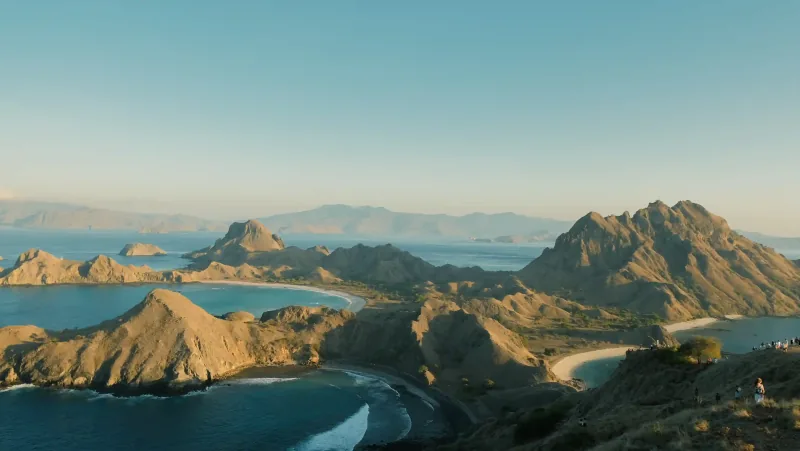
Many travelers arrive after reading Komodo vs Raja Ampat Reddit snorkeling threads, or snorkeling Komodo vs Bali reviews on Reddit, seeking a straight comparison. For soft corals and sheer biodiversity, snorkeling vs diving Raja Ampat vs Komodo for soft corals usually tilts toward Raja Ampat: its walls can be laden with colorful soft corals and sea fans, especially in Dampier Strait. Komodo counters with stronger contrasts in water temperature, upwellings, and current-fed reefs, where hard corals and fish biomass can be spectacular even in snorkelable depths. Comparing snorkeling Komodo vs Wakatobi for coral quality, Wakatobi’s remote location and limited visitor numbers mean exceptionally intact reefs, long gentle slopes, and very high overall coral cover, often with 30 m+ visibility. Komodo’s best reefs—Tatawa Besar, parts of Sebayur, reefs in the north—are outstanding, but some near-shore areas have seen more anchor and fin damage over decades of tourism. If pure coral condition matters more to you than dragons, dramatic hills, or manta rays, Wakatobi and Raja Ampat deserve serious consideration. Budget and access steer many toward Southeast Asia staples. When weighing snorkeling Komodo vs Thailand (Koh Tao, Koh Lipe, or Koh Phi Phi Thailand vs Komodo Island snorkeling), Thailand wins on ease of access, lower entry price for basic day boats, and nightlife. Komodo, by contrast, offers cooler water, more current, more big animals, and a more “expedition” feel. If you only have a week and want a party vibe, Thailand is simpler. With 8–10 days and an appetite for adventure, Komodo yields richer wildlife encounters. Bali comparisons are more nuanced. Labuan Bajo Komodo snorkeling vs Bali Tulamben and Amed breaks into two questions: macro vs big animals, and shore vs boat. Tulamben/Amed deliver shore-accessible wrecks and muck sites, but limited large pelagic action. Komodo requires boat access but consistently produces mantas, turtles, and schooling fish in shallow water. Snorkeling near Padar Island vs Pink Beach Komodo illustrates this: Padar’s bays are scenic but less biodiverse than the classic Pink Beach area, where coral gardens are denser and fish life more active. Weather timing also matters when choosing between regions. Snorkeling conditions Komodo vs Bali in October generally favor Komodo for clearer, drier weather, especially in the north and center, as Bali is already shifting more toward the rainy season. Conversely, the best month for snorkeling in Komodo vs Raja Ampat often leads to a split decision: June–September are prime for Komodo, while Raja Ampat shines November–April. If your vacation falls squarely in January, Raja Ampat or the Maldives may offer more stable conditions than Komodo’s wetter months. Within Komodo itself, individual sites have distinct personalities. Sebayur Island snorkeling conditions and currents are usually milder than signature channels, with sandy patches leading into coral gardens that are ideal for less experienced snorkelers. A rising or falling tide can still generate drift, so you want a guide who understands local patterns. If you are designing a bespoke route that balances hero sites like Batu Bolong with quiet afternoons in sheltered bays, the Komodo Luxury planners can help you how a Komodo Island snorkeling itinerary gets customized around your exact comfort level. Divers often ask whether they can snorkel at Batu Bolong or only dive. In practice, Batu Bolong is primarily a dive site because currents can be fierce, but on very calm tides some operators allow advanced snorkelers to stay close to the boat in the shallows, tightly supervised. If you want to visit but are nervous, a safer strategy is to snorkel surrounding mellow sites and let any divers in your group descend while you enjoy the surface show from the liveaboard deck. Our Komodo Island snorkeling safety guide explains how operators read sites and tides when a day is planned, and what this guide checks before recommending a route. For those leaning toward private experiences, a tailored Komodo boat charter or Komodo yacht charter lets you combine manta-focused drifts, family-friendly lagoons, and off-peak landings at dragon-viewing trails, all while keeping group size small. If you would like to understand who researches these itineraries, you can meet the people behind this site on the team page and verify the collaborations through Komodo Luxury’s partners and affiliations.
The Allure of Pink Beach
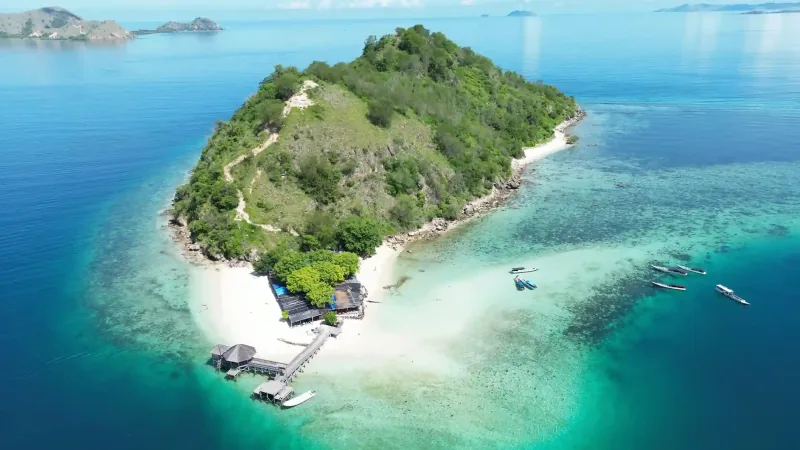
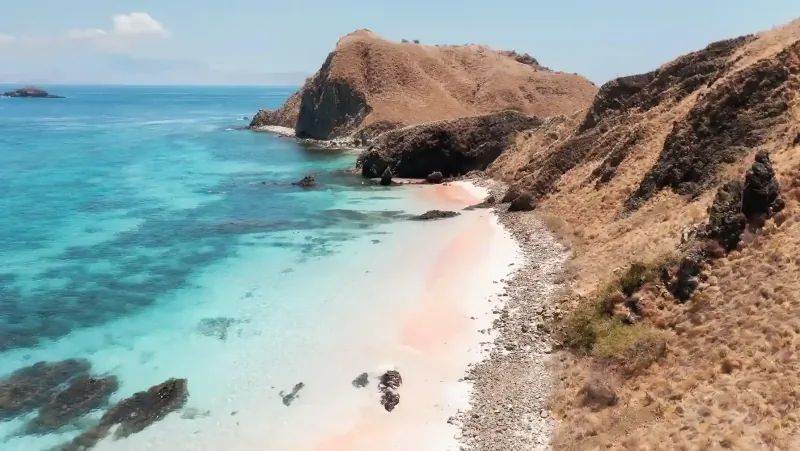
One of the most iconic sites for Komodo Island snorkeling is Pink Beach (Pantai Merah). Its unique hue, a delicate blush, derives from microscopic organisms called Foraminifera, which produce red pigments on coral reefs. When these fragments mix with white sand, they create this remarkable spectacle. The snorkeling directly offshore from Pink Beach offers a kaleidoscope of vibrant reef fish and healthy corals in relatively shallow, calm waters, making it ideal for all skill levels. The visual contrast of the pink sand against the turquoise sea and verdant hills is simply breathtaking, providing an exceptional backdrop for both underwater exploration and post-snorkel relaxation. This unique geological feature is one of only seven such beaches globally, making it a truly rare gem. For the site itself, see our Pink Beach snorkeling guide.
Komodo Luxury — the booking partner for this guide
Where the boats actually come from
We publish the research; Komodo Luxury holds the fleet and the calendar.
-
 Komodo Luxury
 Komodo boat tours
Open-trip and private day boats out of Labuan Bajo.
-
 Komodo Luxury
 Komodo liveaboards
Multi-night phinisi trips with cabins and meals on board.
-
 Komodo Luxury
 The fleet
Vessel-by-vessel specifications, cabins and capacity.
-
 Komodo Luxury
 Boat charter
Whole-boat hire when you want the itinerary to yourself.
-
 Komodo Luxury
 Komodo yacht charter
The premium end of the charter fleet.
-
 Komodo Luxury
 Sailing tour packages
Packaged sailing itineraries with dates and inclusions.
Keep reading
Related reading
Readers of “Komodo Island Snorkeling vs Alternatives Comparison” usually book next: Komodo boat tours with Komodo Luxury — the one line of the budget that moves everything else, though an hour spent on the Komodo Luxury fleet, Komodo liveaboards and Komodo sailing trips first is time well spent.
-
Our Team — Who Researches This Guide
-
Komodo Liveaboard Costs 2026-2027: A Price Guide for Families & Groups
-
Padar Sunrise, Rinca Dragons & Pink Beach In One Trip
-
Is Snorkeling with Manta Rays in Komodo National Park Safe?
-
Pink Beach Komodo Snorkel — Reef, Marine Life, Day Trip
-
Manta Point Snorkel Karang Makassar — Manta Encounter
-
Multi-Day Komodo Snorkel Itinerary — Padar + Pink + Manta
-
Komodo boat tours
-
the Komodo Luxury fleet
-
Komodo liveaboards
-
Komodo sailing trips
When the plan is ready
Send Komodo Luxury your dates and party size.
We will tell you which published band your trip lands in and what the park will charge you, then hand the quote to Komodo Luxury.
Book with Komodo Luxury