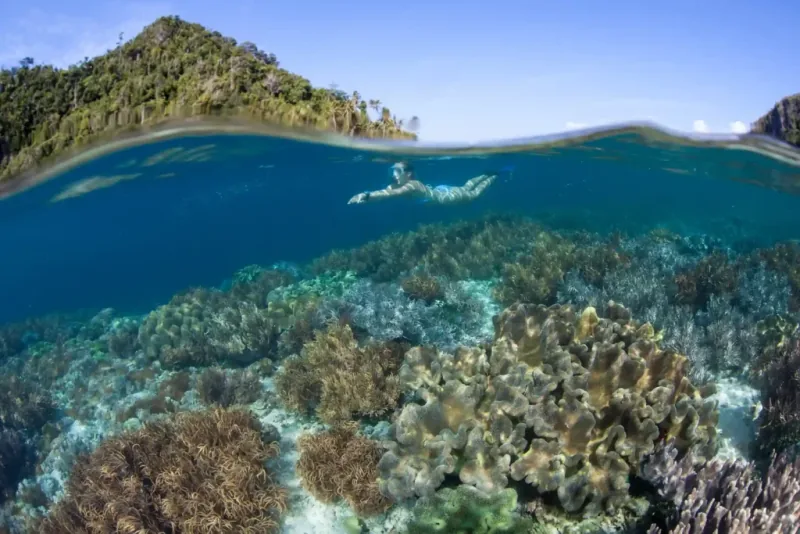
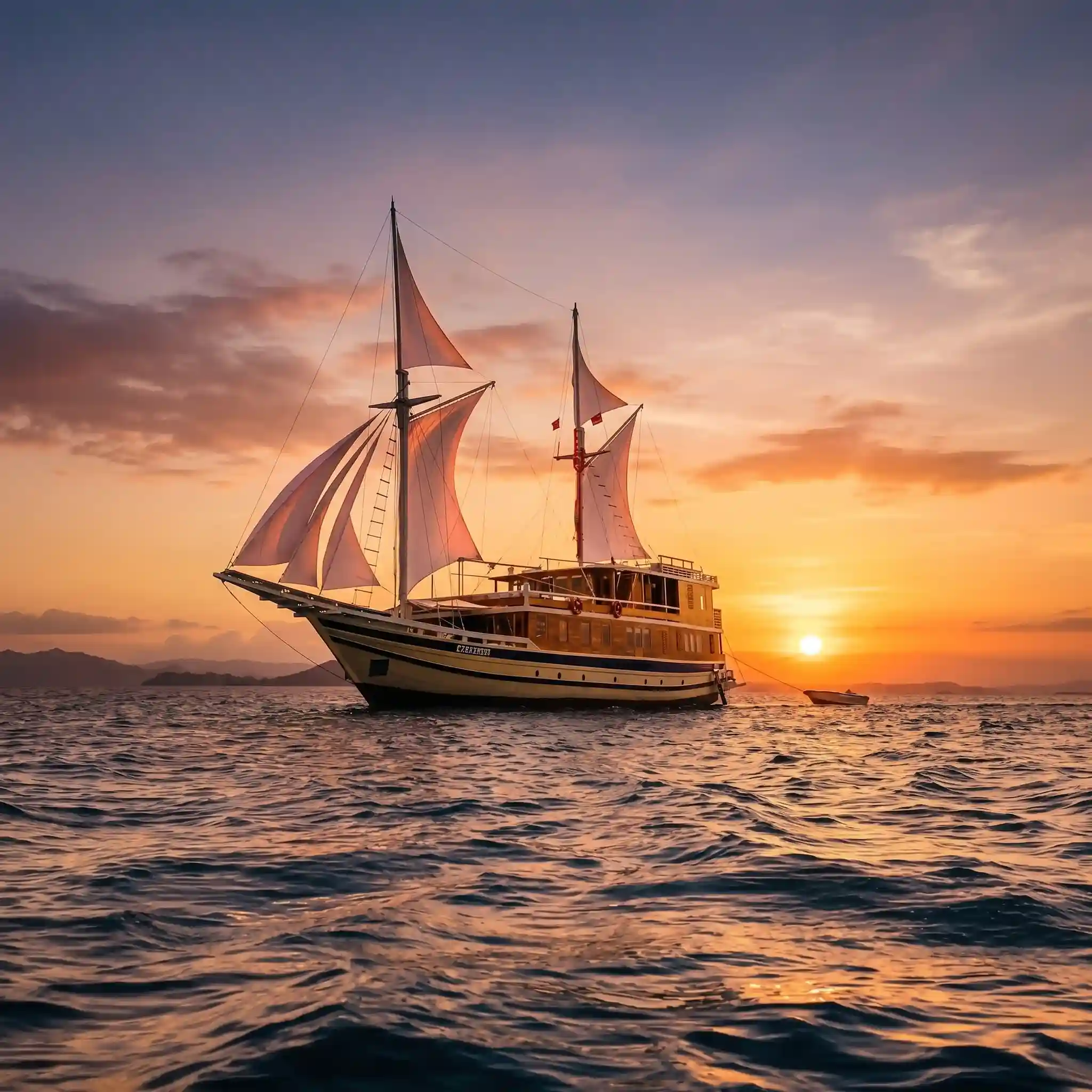
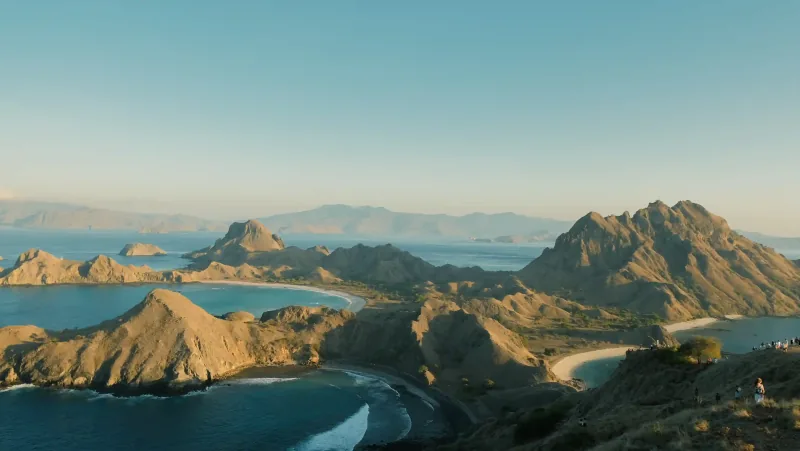
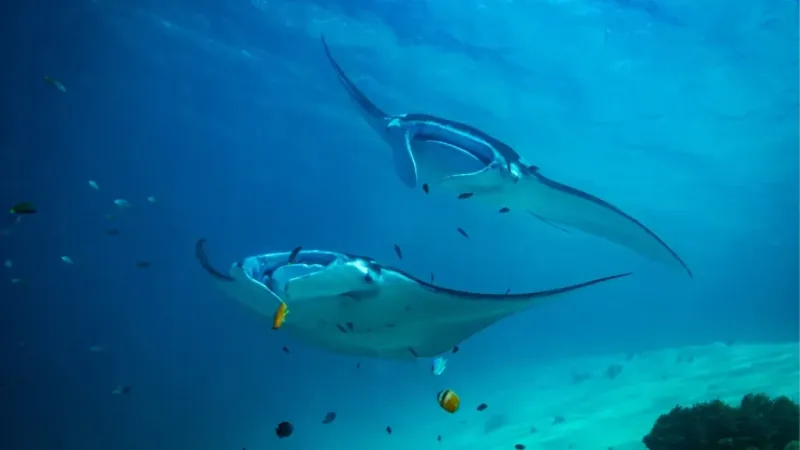
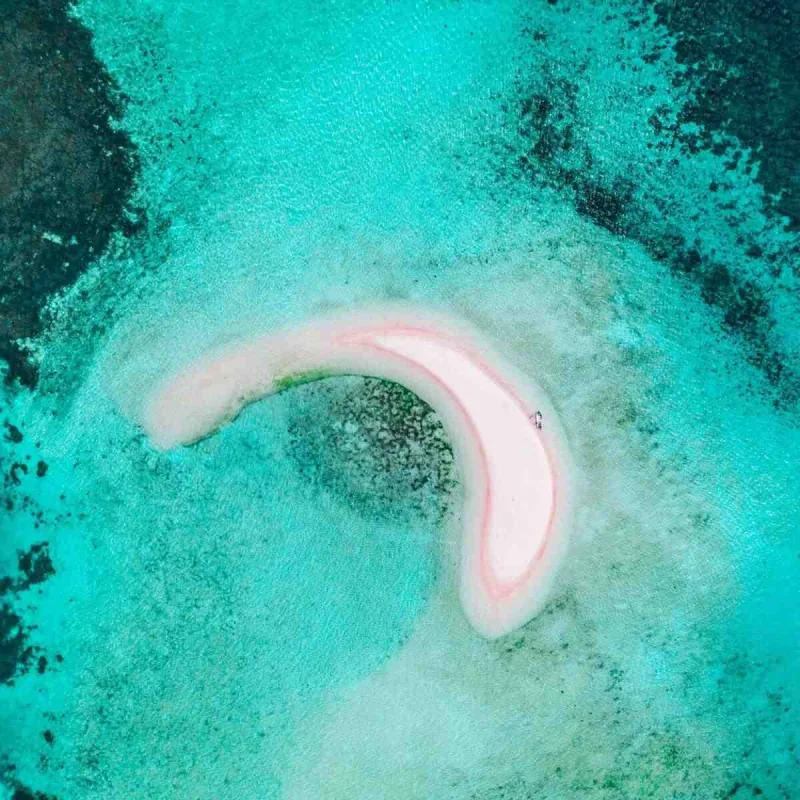
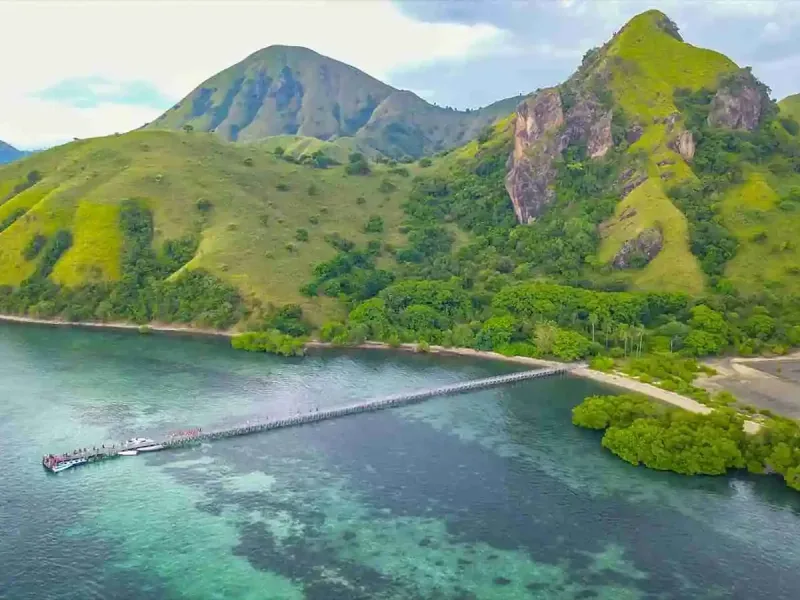
Packing for your Komodo Island snorkeling adventure requires strategic foresight, blending luxury comfort with practical necessities for a tropical marine environment. This guide ensures you arrive prepared for the vibrant underwater world and the unique island climate. The salty air kisses your skin, the sun warms your shoulders, and the cerulean expanse of the Flores Sea stretches endlessly before you. Beneath its surface, a kaleidoscope of coral gardens and a vibrant marine metropolis awaits. You’re poised at the threshold of an extraordinary journey, embarking on a Komodo Island snorkeling expedition. This isn’t just another beach holiday; it’s a full immersion into a UNESCO World Heritage seascape where every bay, reef, and current feels purpose‑built for underwater exploration — a World Heritage site where ancient dragons roam and underwater wonders dazzle. Preparing for such an experience demands more than just throwing a swimsuit into a bag. It calls for a curated selection of essentials, meticulously chosen to enhance your comfort, protect this pristine ecosystem, and honor the local culture. Let’s chart your packing course, ensuring every item contributes to an unforgettable encounter with one of Earth’s most spectacular marine havens.
Prioritize reef-safe sun protection, including high-SPF sunscreen and UPF-rated apparel.
Select quick-drying, breathable fabrics for both in-water and on-land activities.
Include culturally sensitive attire for interactions beyond the dive boat.
On this page
The short version
Swimwear and sun protection
Your Komodo Island snorkeling experience centers around the mesmerizing underwater world, making your swimwear choices paramount. Beyond aesthetics, prioritize functionality, comfort, and environmental responsibility. For women, a well-fitting one-piece suit or a secure two-piece offers freedom of movement without distractions. Men will find board shorts or quick-drying swim trunks ideal. The key here is quick-drying capabilities to prevent discomfort and chafing. However, the most critical consideration for any Komodo Island snorkeling adventure is reef-safe sun protection. Traditional sunscreens often contain chemicals like oxybenzone and octinoxate, which are toxic to coral reefs, contributing to bleaching and inhibiting coral reproduction. This is a critical issue in a delicate ecosystem like Komodo National Park, a UNESCO World Heritage site. Komodo National Park on the UNESCO World Heritage list
Footwear
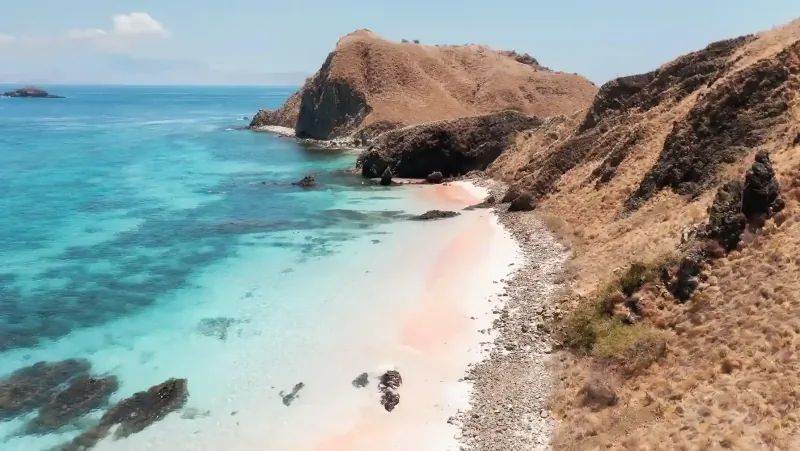
The Komodo archipelago presents a diverse terrain, from the soft sands of Pink Beach to rugged volcanic trails leading to panoramic viewpoints. Your footwear needs to match this versatility. For your Komodo Island snorkeling excursions, water shoes or sturdy sandals with good grip are indispensable. These protect your feet from sharp coral fragments, rocky shorelines, and potential encounters with marine life when wading in shallow waters. Brands like Chaco, Teva, and Keen offer durable, quick-drying options that transition seamlessly from boat decks to sandy beaches. Avoid flimsy flip-flops for anything beyond lounging on the boat, as they offer inadequate support and protection on uneven terrain.
Clothes ashore
Your time in Komodo extends beyond the vibrant underwater world. Evenings on your liveaboard or resort, visits to local villages, and dining experiences in Labuan Bajo require a wardrobe that is both comfortable and culturally appropriate. The key here is lightweight, breathable fabrics that dry quickly and pack down small. Linen shirts, Tencel dresses, and quick-dry travel trousers are perfect choices. These materials allow air circulation, crucial in the tropical heat, and offer a polished look without being overly formal. For women, consider lightweight maxi dresses, sarongs, or loose-fitting trousers paired with modest tops. For men, linen shirts, polos, and tailored shorts are ideal. Avoid heavy denim or synthetic fabrics that trap heat and moisture.
Health and comfort
Even in paradise, preparedness is key. A comprehensive personal first-aid kit is non-negotiable for your Komodo Island snorkeling trip. Include essentials like antiseptic wipes, band-aids, pain relievers, anti-diarrhea medication, motion sickness tablets (especially for boat transfers), and any personal prescription medications. Mosquito repellent containing DEET or picaridin is vital, particularly during evenings on land, to ward off dengue fever and other mosquito-borne illnesses. Hydration is critical in the tropical heat; a reusable water bottle, preferably insulated like a Hydro Flask or Klean Kanteen, keeps your water cool and reduces plastic waste. Most luxury operators provide purified water, making refills easy. A compact, quick-drying travel towel (like those from Sea to Summit) is also incredibly useful, drying much faster than traditional cotton towels.
Pack it or rent it
For many travelers, the biggest practical question is which snorkeling Komodo National Park gear to bring from home and what to rent in Labuan Bajo. A simple rule: anything that must fit your body or face perfectly is best brought with you, while bulkier, adjustable items are easier to rent locally from reputable operators.
Electronics and a 3-day list
Electronics and safety items are where a well‑planned travelers packing list for a 3 day Komodo snorkeling tour makes the difference between a smooth trip and constant small frustrations. Boats can be wet, power may be limited, and daytime landings can be very hot with little shade.
Questions
What people ask
34 answers, grouped. Pick the set you need.
Mask, Snorkel, and Fins: Comfort First
The best snorkel mask for a Komodo Island trip is one that fits your face so well you forget you are wearing it. Test at home: lightly press the mask to your face without the strap and inhale through your nose. If it seals and stays in place for a few seconds, that shape likely works for you. Tempered glass, a soft silicone skirt, and a wide strap are worth prioritizing over brand labels. A best budget snorkel set for a Komodo trip can absolutely be a simple, no‑frills package from a reliable manufacturer, provided the mask fits and the snorkel has a comfortable mouthpiece and a purge valve. If you wear prescription lenses and do not want to use contacts, consider a corrective‑lens mask bought before your trip; these are not easy to rent in Labuan Bajo outdoor stores that sell snorkel masks and fins. For fins, shorter travel models are fine for relaxed coral gardens but can feel underpowered at sites with stronger currents. The best fins for Komodo Island snorkeling are usually medium‑length, adjustable open‑heel fins paired with neoprene socks, giving a balance of propulsion and comfort without being as stiff as technical freediving fins.
Rash Guards, Wetsuits, and Sun Protection Clothing
Komodo’s sun is intense, so a rash guard for Komodo Island snorkeling is not a luxury—it is essential. Choose a long‑sleeve top with UPF 50+ fabric, snug but not restrictive. A rash guard with UV protection for Komodo sun should ideally be quick‑drying and slightly longer in the body so it does not ride up while you float. Many travelers wonder whether to pack a rash guard or wetsuit for Komodo snorkeling. In July and August, water temperatures are often 26–28°C, so a 1–3 mm shorty or just a rash guard and swim leggings are usually enough. If you feel cold easily, a thin 2–3 mm full suit adds warmth and extra sun and jellyfish protection without the bulk of a thicker suit. When asking what wetsuit thickness for Komodo snorkeling in August is appropriate, assume 2–3 mm for most comfort‑focused snorkelers, and thinner or only a rash guard if you are used to tropical waters. You do not need a heavy scuba‑style suit, which will be cumbersome on the surface and on boat decks.
Footwear: Reef Shoes and Water Shoes
Pink Beach, sandbars, and rocky shorelines raise another question: do you need reef shoes at Komodo Pink Beach? You can enter directly from the sand in most spots, but there can be sharp coral fragments and occasional rocks, especially at low tide. The best water shoes for Komodo snorkeling are light, snug, and flexible, with enough sole thickness to handle hot sand and small stones without being so stiff that you lose fin feel. If you focus on Pink Beach snorkeling, reef shoes for Komodo Pink Beach snorkeling are useful for getting in and out of the water, then you can switch to fins beyond the shallow zone. Avoid stepping directly on living coral, even with shoes, to minimize impact—something covered in depth in the guide to eco‑friendly and ethical travel in Komodo National Park.
Renting vs Bringing Gear
Most organized Labuan Bajo snorkeling tours include basic masks, snorkels, and fins in the trip price; always check exactly what’s in the package. On many day boats and Komodo liveaboard charters, gear is adequate for casual use but might not match the comfort and hygiene of personal equipment. If you are particular about fit or are planning a multi‑day itinerary like the 3‑Day Komodo Island Snorkeling Itinerary, bringing your own mask and snorkel is a smart move, and renting fins locally can balance luggage weight.
Phones, Cameras, and Underwater Imaging
Modern smartphones can capture excellent photos above water, but they are vulnerable to spray and splashes. A waterproof phone pouch for a Komodo boat trip should be rated at least IPX8, fit your phone with its case, and have a secure lanyard. If you intend to use your phone as your main camera while underway, a sturdy waterproof phone case for the Komodo boat is one of the highest‑value items you can pack. For underwater visuals, most travelers face a choice: is a GoPro worth bringing to Komodo snorkeling, or should you buy or rent a compact underwater camera? Action cameras excel at wide‑angle reef scenes, mantas, and schools of fish. If you are thinking about an underwater camera for Komodo Island snorkeling, choose a model with good stabilization and at least 4K recording, plus an easy‑to‑use housing. Currents are part of the park’s character, so an underwater camera for snorkeling in Komodo strong currents should have a secure wrist strap or tray with a lanyard. Simpler rigs are safer—complex arms and lights can be awkward on the surface when you need both hands to adjust your mask or fins.
Anti‑Fog, Dry Bags, and Small Essentials
If your mask tends to fog, pack an anti‑fog spray for a snorkeling mask in Komodo. You can also find where to buy anti fog spray in Labuan Bajo at small dive shops and convenience stores near the harbor, but stocks are not guaranteed in high season. The best anti fog for a snorkel mask on a Komodo trip is one you have tested beforehand; alternatively, a tiny bottle of baby shampoo works as a backup defogger. A best dry bag for snorkeling Komodo will be 10–20L, with a reliable roll‑top closure and shoulder strap so you can carry it during short hikes on Padar or Rinca. Paired with a small power bank, this protects your phone, cash, and camera batteries from spray. Learn more about balancing comfort, cost, and logistics in our Komodo snorkel cost guide, which compares day boats and multi‑day trips.
First Aid, Medicine, and Comfort Items
Thinking ahead about what first aid and medicine to bring to Komodo Islands is especially important if you have allergies or specific medical needs. At minimum, pack any personal prescriptions, basic painkillers, antihistamines, rehydration salts, motion sickness tablets or patches, and a small kit with plasters, antiseptic wipes, and blister pads. Sunscreen and insect repellent round out the basics. Because refrigeration and pharmacy access can be limited once you leave Labuan Bajo, pack medications in their original packaging with clear labels. For a more in‑depth medical and safety overview, cross‑check your kit with our guide on seasickness, safety, and health on Komodo boats before you finalize your bag.
Clothing, Towels, and Land Excursions
A quick dry towel for a Komodo snorkeling trip is far more practical than a heavy cotton beach towel; it packs smaller, dries faster between sessions, and is easier to keep out of the wind. Bring at least one, ideally two if you are on a longer voyage or traveling with family. For island stops, pack lightweight long pants or a skirt, a breathable long‑sleeve shirt, sun hat, and simple sandals or walking shoes. If you are combining Flores and Komodo, what to pack for a Flores and Komodo snorkeling holiday should also include a light rain jacket for occasional showers outside peak dry season and a slightly warmer layer for breezy evenings on deck. Trip style will shape your packing. Day excursions and Labuan Bajo tours allow you to leave non‑essentials at your hotel, while overnight Komodo boat charters mean everything you need must live on board. Matching your gear to your chosen route and season is as important as the items themselves, a topic we cover further in our overview of top snorkeling destinations in Komodo.
Do you really need reef safe sunscreen in Komodo National Park?
Yes, you should absolutely use reef safe sunscreen in Komodo National Park to reduce chemical stress on corals and mantas. While reef safe sunscreen is not currently mandatory by law, many responsible operators strongly encourage it. Combine it with UPF clothing so you apply less product overall, which is better both for your skin and for the marine environment.
What is the best reef safe sunscreen for snorkeling in Komodo?
The best reef safe sunscreen for snorkeling Komodo is a broad‑spectrum, water‑resistant mineral formula using non‑nano zinc oxide, SPF 30–50, and no oxybenzone or octinoxate. Choose lotions over sprays, apply 20–30 minutes before entering the water, and reapply between snorkel sessions. Bring enough for your whole trip; specific reef‑safe brands can be limited or more expensive in Labuan Bajo.
Can I snorkel in Komodo without a wetsuit in July?
Most visitors can comfortably snorkel Komodo without a wetsuit in July, as water temperatures are usually around 26–28°C. A long‑sleeve rash guard and swim leggings provide ample warmth for typical snorkel sessions while also protecting you from intense UV. If you tend to feel cold quickly, pack a thin 2–3 mm shorty suit as a backup layer.
What wetsuit thickness is best for Komodo snorkeling in August?
For Komodo snorkeling in August, a 2–3 mm wetsuit is enough for most people, especially if you do multiple short sessions rather than marathon swims. Warm‑blooded travelers often use only a rash guard and shorts, but a thin full suit adds comfort on windier days. Thick 5 mm suits are unnecessary for snorkeling and can be uncomfortably warm on the surface and on deck.
Is it safe to use a full face snorkel mask in Komodo?
Full face snorkel masks are controversial in Komodo because currents and choppy surface conditions demand easy clearing and quick removal of your mask. Traditional two‑piece mask and snorkel setups are safer and recommended by most guides. If you insist on a full face design, use only a reputable brand, test it extensively beforehand, and avoid strong‑current sites.
Can I use regular sunscreen for Komodo snorkeling instead of reef safe?
You technically can use regular sunscreen for Komodo snorkeling, but it is strongly discouraged because common UV filters like oxybenzone may harm corals and juvenile fish. A better approach is to prioritize UPF clothing and a mineral, reef‑friendly formula on exposed areas. Many responsible travelers now consider reef safe products part of their basic snorkel gear for any marine park.
What snorkel gear do beginners need for Komodo National Park?
Beginner snorkelers in Komodo National Park need a well‑fitting mask, simple snorkel, comfortable fins, long‑sleeve rash guard, and a light pair of reef shoes or water shoes for rocky entries. Add reef‑safe sunscreen, a small dry bag, and a quick‑dry towel. Most tours include basic gear, but bringing your own mask and snorkel greatly improves comfort and hygiene.
What first aid and medicines should I pack for a Komodo snorkeling trip?
For a Komodo snorkeling trip, pack your personal prescriptions, pain relief tablets, antihistamines, motion sickness medication, rehydration salts, and a compact kit with plasters, antiseptic wipes, and blister pads. Add reef‑safe sunscreen, insect repellent, and any inhalers or EpiPens you rely on. Medical care and pharmacies are limited once you leave Labuan Bajo, so self‑sufficiency is important.
Is it really safe to use a full face mask in Komodo’s currents?
We strongly advise against it. While fine for calm, shallow bays, the primary concern is that it is not safe to use a full face mask in Komodo currents. These masks can trap a dangerous buildup of CO2, and in a strong, unexpected current, the physical exertion can increase this risk. Furthermore, they are difficult to remove quickly in an emergency and make equalization for even shallow dives challenging. Standard, high-quality masks and snorkels are the proven, safer choice for this dynamic environment.
Are there any Komodo National Park snorkeling student discounts available?
No, there is currently no official Komodo National Park snorkeling student discount for foreign visitors (WNA). The park entrance fee, mandated by Government Regulation PP No. 36/2024, is a flat IDR 250,000 per person per visit for all non-Indonesian citizens, regardless of age or student status. The only tiered pricing is for Indonesian citizens (WNI), who have different rates for weekdays and weekends. Always confirm the latest fee structure by checking our guide on Komodo tour prices and inclusions.
Is using Komodo snorkeling reef safe sunscreen only a strict rule?
Yes, it is a critical and strictly enforced guideline by all responsible tour operators, including Komodo Luxury and its partners. While park rangers may not inspect every tourist’s bag for compliance, using Komodo snorkeling reef safe sunscreen only is an essential conservation measure to protect the fragile coral ecosystems. Chemicals like oxybenzone and octinoxate cause coral bleaching. Operators have the right to ask you to use the reef-safe options they provide if yours is not compliant, so it’s best to pack correctly from the start.
What does the snorkeling Komodo National Park ranger briefing typically cover?
The snorkeling Komodo National Park ranger briefing is a mandatory safety and environmental talk before any land or water activity. It covers key rules: do not touch or feed any wildlife (on land or in water), maintain a safe distance from Komodo dragons, stay with your guide at all times, and do not litter. For snorkeling, it will include information about specific site conditions, such as the strength and direction of currents at Manta Point, and reminders not to touch or stand on coral.
Where can I find information on Komodo National Park snorkeling 2027 new rules?
For any potential Komodo National Park snorkeling 2027 new rules, the authoritative source is the regulation itself, PP No. 36/2024, together with the official SiOra portal at siora.id. Rules evolve; for example, the SiOra online booking system and visitor quota became mandatory in 2026. Be wary of rumors on social media. We recommend checking those sources or contacting a reputable tour provider like Komodo Luxury for verified information a few months before your planned travel date.
Do I need booties or reef shoes for Rinca’s beaches and waters?
Yes, it’s highly recommended. You will need booties or reef shoes for Rinca beaches and many other snorkeling entry points in the park. The beaches can have sharp shells, small rocks, or hidden pieces of coral. Reef shoes provide crucial protection against cuts and scrapes when walking in shallow water. They are not, however, a substitute for proper hiking shoes, which are required for the trek inland to see the Komodo dragons on their trails.
The climate you are packing for
The Komodo National Park region, straddling the Lesser Sunda Islands, gifts visitors with a quintessential tropical climate: hot, humid, and intensely sunny. Expect daily temperatures ranging from 28°C to 32°C (82°F to 90°F) throughout the year, with humidity often hovering above 80%. The dry season, from April to November, offers the most stable weather for Komodo Island snorkeling, characterized by clear skies and minimal rainfall. However, even during this period, the equatorial sun is relentless, with UV indices frequently reaching 10 or higher. This intense solar radiation necessitates a proactive approach to sun protection, not just for comfort but for health. Think lightweight, breathable fabrics that wick moisture away from your skin, allowing for rapid evaporation and a cooling effect. Materials like linen, Tencel, and technical polyester blends are superior choices over heavy cotton. Consider long-sleeved shirts and trousers made from these materials for excursions beyond the water, offering a physical barrier against the sun’s powerful rays. Packing for this climate means prioritizing quick-drying items, as damp clothing struggles to dry in the high humidity and can become uncomfortable. A minimum of three sets of swimwear is advisable, allowing one to dry while another is in use. Remember, the journey from Labuan Bajo, the gateway to Komodo, often involves boat transfers, where the sun’s reflection off the water amplifies its intensity. Your packing strategy must account for both the direct sun exposure during Komodo Island snorkeling and the ambient heat of island exploration.
Your own gear
While many tour operators provide snorkeling gear, bringing your own can significantly elevate your Komodo Island snorkeling experience. A personally fitted mask, snorkel, and fins ensure maximum comfort, hygiene, and performance. A well-fitting mask is crucial; it prevents leaks and allows for crystal-clear vision. Brands like Mares, Cressi, or Tusa offer excellent quality masks with tempered glass lenses and comfortable silicone skirts. Test your mask for a snug fit before you leave. For snorkels, consider a dry snorkel, which features a valve that seals off the tube when submerged, preventing water from entering. This enhances comfort and reduces the need to clear water, making your Komodo Island snorkeling more enjoyable. Fins, while bulky, can make a huge difference in propulsion and reducing fatigue. Open-heel fins with adjustable straps are versatile, allowing you to wear them with water shoes for added comfort and blister prevention. If space is a concern, short travel fins are a good compromise, offering improved maneuverability without excessive bulk. The investment in personal gear ensures every moment underwater is focused on discovery, not discomfort.
The short version
As you meticulously curate your packing list for Komodo Island snorkeling, remember that each item serves a purpose: enhancing your comfort, protecting the environment, and respecting the local culture. This isn’t just about filling a suitcase; it’s about preparing for a profound encounter with nature’s grandeur. From the reef-safe sunscreen that safeguards vibrant corals to the quick-dry apparel that keeps you cool under the equatorial sun, every choice contributes to a seamless and responsible luxury travel experience. The meticulous planning allows you to fully immerse yourself in the present moment, whether you’re gliding alongside majestic manta rays, marveling at the ancient Komodo dragons, or simply relishing a sunset over the Flores Sea. Pack thoughtfully, travel consciously, and prepare for an adventure that will resonate long after the salt has left your skin. Your extraordinary Komodo Island snorkeling journey awaits; arrive ready to embrace every breathtaking detail.
A first-timer’s list
If you are looking for a clear Komodo Island snorkeling packing guide for beginners, think in layers: what you wear in the water, what you carry on the boat, and what you need back on land. For the water, pack a well‑fitting mask, simple snorkel, short fins, rash guard, reef‑safe sunscreen, and light reef shoes for entry points with rocks or coral rubble. On the boat, a 10–20L dry bag, quick‑dry towel, waterproof phone pouch, hat, sunglasses with strap, and a light cover‑up handle most situations. For land and villages, bring breathable clothes that cover shoulders and knees, plus sandals you can slip on and off quickly. If you are planning a 3 day Komodo snorkeling tour, add a spare set of swimwear, a second rash guard, and extra charging capacity for cameras and phones. First‑timers often overpack heavy camera gear and thick wetsuits. Komodo’s water is usually 26–30°C, so most people are fine with a rash guard and swim shorts or leggings. Focus instead on comfort, fit, and sun protection. If you want a ready‑made experience where most essentials are included, review the gear lists and services on curated Komodo sailing trips before you start buying everything yourself.
Park etiquette
Packing the right equipment is only half the battle; understanding how to conduct yourself within a UNESCO World Heritage Site is paramount. Your adventure begins not when you hit the water, but with the mandatory snorkeling Komodo National Park ranger briefing. This isn’t just a formality. Guides and rangers provide critical, up-to-the-minute information on currents, wildlife behavior, and no-go zones. Pay close attention, as this briefing sets the safety and conservation tone for your entire trip. Adherence to these guidelines is non-negotiable, and while specific snorkeling fines Komodo National Park might not be posted on a menu, damaging coral, harassing marine life, or ignoring a guide’s directive can lead to severe penalties under Indonesian law and immediate termination of your tour without a refund. A core principle of visiting the park is leaving it better than you found it. This goes directly to the heart of Komodo National Park snorkeling waste management. Responsible operators, like those Komodo Luxury partners with, have stringent protocols for waste, but your personal contribution is vital. Eliminate single-use plastics from your luggage. Bring multiple reusable water bottles, solid toiletries (shampoo bars, toothpaste tablets), and a small bag to collect any personal trash. The park has no facilities to process visitor waste on remote islands. Everything you bring in must come back out with you to Labuan Bajo. Looking ahead, while we can’t predict specific Komodo National Park snorkeling 2027 new rules, the trend is toward tighter regulations, as seen with the 2026 implementation of the SiOra online booking system and visitor quotas. Always consult the official Taman Nasional Komodo website before your trip for the latest policies to ensure you are fully compliant.
Packing light, properly
Once you’ve mastered the basics, you can refine your packing list for specific scenarios. For instance, a packing list for a family snorkeling trip to Komodo requires special considerations. Include child-specific, non-sting sunscreen, long-sleeve rash guards in bright colors for visibility, and perhaps familiar snacks from home. Consider bringing a small, inflatable snorkel vest for younger swimmers needing extra buoyancy and confidence. The convenience and privacy of a private speedboat charter can make a family day trip significantly more manageable, allowing you to set your own pace between snorkeling spots like Pink Beach and Manta Point. For the eco-conscious traveler, the goal is a zero-waste footprint. You can even use technology to help. A useful AI prompt to design a Komodo snorkeling packing list without plastic might be: “Create a comprehensive, plastic-free packing list for a 4-day Komodo liveaboard snorkeling trip, detailing alternatives for toiletries, food storage, sun protection, and gear maintenance.” This approach forces you to think about items like bamboo toothbrushes, reef-safe sunscreen in metal tins, and reusable food wraps. Furthermore, your footwear choice depends entirely on the activity. While flip-flops work on the boat, you absolutely need booties or reef shoes for Rinca beaches if you plan to explore the rocky shorelines or enter the water from a non-sandy area. However, for the actual dragon trek on Rinca or the Padar Island viewpoint hike, you must switch to sturdy, closed-toe walking shoes or hiking sandals for safety and comfort on the rugged, dry terrain. Planning for these varied activities is key, and understanding how many days you need in Komodo will help you pack appropriately for each excursion.
The Unseen Threat: UV Protection Beyond Sunscreen
While a high-SPF, reef-safe sunscreen is non-negotiable (we’ll dive deeper into that shortly), physical barriers like long-sleeve rash guards and wide‑brim hats offer superior, long-lasting protection. UPF (Ultraviolet Protection Factor) rated fabrics dramatically reduce the dose of UV that reaches your skin, even during multiple long Komodo Island snorkeling sessions each day. Sun-protective clothing is a game-changer for Komodo. Look for rash guards, swim leggings, and wide-brimmed hats with a UPF rating of 50+. Brands like Patagonia, Billabong, and Roxy offer stylish and effective options that block 98% of harmful UV radiation. This minimizes the need for constant sunscreen reapplication, reduces chemical runoff into the ocean, and prevents the dreaded post-snorkelling sunburn that can mar the rest of your trip. A quality pair of polarized sunglasses is also essential, not only for eye protection but to cut the glare off the water, enhancing your view of the marine life from the boat. Choose durable frames from brands like Maui Jim or Costa Del Mar, designed for marine environments.
The Reef-Safe Revolution: Sunscreen Brands That Care
Opt exclusively for mineral-based sunscreens containing non-nano zinc oxide and/or titanium dioxide as their active ingredients. These create a physical barrier on your skin without harming marine life. Brands like Stream2Sea, Avasol, and Raw Elements are highly recommended for their commitment to eco-friendly formulations. Always check the ingredient list carefully. Apply generously at least 20 minutes before entering the water and reapply every two hours, or more frequently if you are sweating heavily or swimming. For your face, consider a tinted mineral stick for added protection and convenience. Remember, your choices directly impact the health of the very reefs you’ve traveled so far to admire.
Beyond the Beach: Exploring Komodo’s Terrestrial Wonders
While the focus is Komodo Island snorkeling, many itineraries include opportunities to explore the islands themselves – most notably, a trek on Rinca or Komodo Island to see the legendary Komodo dragons. For these excursions, a pair of comfortable, lightweight walking shoes or hiking sandals is essential. They should offer good arch support and a closed toe for protection against rough paths and potential encounters with wildlife. Brands such as Merrell or Ecco provide excellent options that are breathable yet robust. Remember to pack a pair of comfortable, breathable socks if your chosen walking shoes require them. Having dedicated footwear for both wet and dry conditions ensures your feet remain comfortable and protected throughout your luxury Indonesian adventure. Discover how to tailor your Komodo journey.
Respectful Attire for Local Interactions
Indonesia is a predominantly Muslim country, and while tourist areas may be more relaxed, showing respect for local customs is paramount, especially when visiting villages or religious sites. This means covering your shoulders and knees. A lightweight sarong is an incredibly versatile item – it can serve as a beach cover-up, a modesty wrap, or even an impromptu towel. For women, packing a few modest tops with sleeves and long skirts or trousers is advisable. Men should also have options for long shorts or trousers and collared shirts. This isn’t about sacrificing style; it’s about thoughtful engagement. Brands like Eileen Fisher, known for their travel-friendly fabrics and elegant designs, or technical travel brands like Royal Robbins offer excellent options that combine comfort, style, and cultural appropriateness. Your approach to dressing reflects your appreciation for the destination, enhancing your overall experience. Explore more about Indonesian culture and travel on the official tourism website.
Capturing the Magic: Underwater Photography Essentials
The vibrant coral reefs and diverse marine life of Komodo National Park are a photographer’s dream. An underwater camera is an absolute must-have. A GoPro Hero series camera with an appropriate dive housing and red filter (for color correction at depth) is a popular and effective choice for both photos and videos. Ensure you have plenty of memory cards and fully charged spare batteries, as charging opportunities can be limited on liveaboards. For those seeking higher quality, dedicated underwater compact cameras from brands like Olympus or Canon, paired with a sturdy housing, offer more manual control and superior image quality. Don’t forget a floating wrist strap for your camera – losing it to the depths is a common and heartbreaking mishap. Find Komodo’s top snorkeling destinations.
Protecting Your Valuables: Dry Bags and Power Solutions
Water is an ever-present element on a Komodo Island snorkeling adventure, making a waterproof dry bag essential for protecting electronics, documents, and other valuables. Choose a durable, roll-top dry bag from brands like Sea to Summit or Osprey, sized appropriately for your camera, phone, wallet, and passport. Consider a smaller, waterproof phone pouch for quick access and photos. Power banks are also crucial. Outlets can be limited on boats, and you’ll want to keep your phone, camera, and other devices charged. A high-capacity power bank (20,000 mAh or more) ensures you stay connected and capture every moment. Don’t forget universal travel adapters if your devices have different plug types. A small, lightweight backpack or daypack will be invaluable for carrying these items during island excursions, keeping your hands free and your essentials secure. Return to our homepage for more luxury travel insights.
Komodo Luxury — the booking partner for this guide
Where the boats actually come from
We publish the research; Komodo Luxury holds the fleet and the calendar.