Snorkeling Spots & Marine Life
Is Snorkeling with Manta Rays in Komodo National Park Safe?
Komodo Island Snorkeling Editorial Desk 24 min read
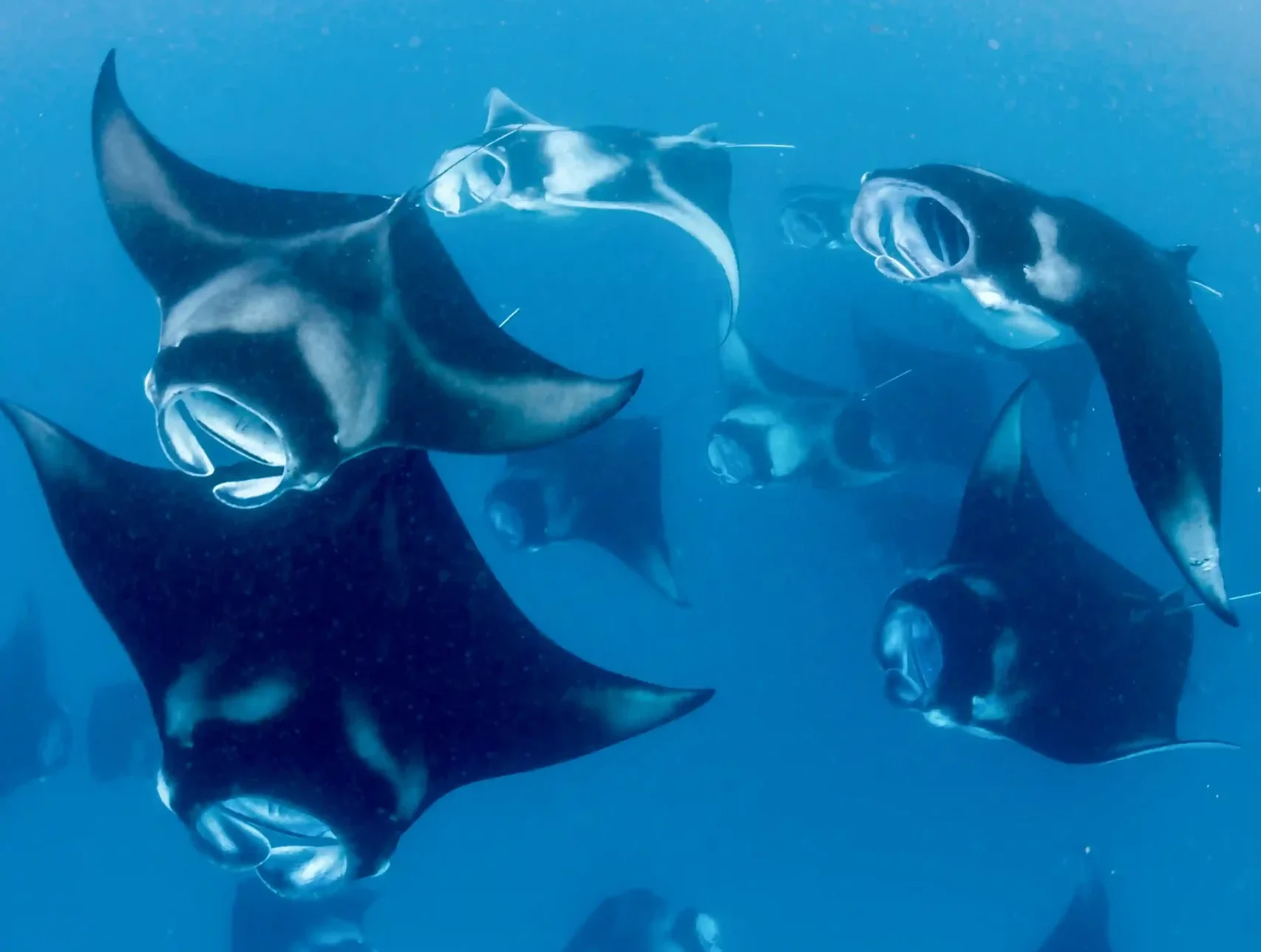
- Manta rays are gentle giants; they are filter-feeders without barbs or stingers.
- The main hazard is the powerful and unpredictable oceanic currents, which require expert navigation.
- Adhering to a strict code of conduct ensures a safe and respectful encounter for both humans and wildlife.
The water is a deep, impossible cobalt. Below, the reef shelf drops away into an abyss that holds its secrets close. You float, suspended between the equatorial sun and the vast blue, your breath the only sound in your ears. Then, a shadow emerges from the periphery. It is not a fleeting shape but a presence, a form of impossible grace that resolves into a reef manta ray, a wingspan of up to about 5.5 meters blotting out the sun as it glides effortlessly, almost imperceptibly, just meters below. It is a moment of pure, unadulterated awe, but for the uninitiated, a question naturally surfaces: Is this truly safe?
Understanding the Gentle Giants of Komodo
First, a common misconception is worth clearing up. The magnificent creatures that congregate at sites like Manta Point are manta rays, not stingrays. They possess no venomous barb or stinger on their tails. Their only defense mechanism is their intelligence and their speed. As a senior editor who has spent countless hours in these waters, I can attest that their nature is one of curious indifference. They are filter-feeders, their cavernous mouths designed to passively consume vast quantities of zooplankton, not to bite or attack. According to marine biologists, the unique constellation of spots on each manta’s belly is as individual as a human fingerprint, a fact that researchers use to track populations across the Indo-Pacific.
The species most commonly seen here is the reef manta (Mobula alfredi), which can reach a wingspan of up to 5.5 meters (about 18 feet). They also possess the largest brain-to-body mass ratio of any cold-blooded fish, exhibiting complex social behaviors that we are only just beginning to understand. When you snorkel with them, you are not merely observing a fish; you are in the presence of a sentient, intelligent being. The key to a safe interaction is profound respect. They are not a theme park attraction. They are wild animals in their protected domain, and our privilege is to observe them without interference. Any perceived risk evaporates when you realize they are simply going about their day, either feeding on plankton-rich currents or visiting “cleaning stations” where smaller fish remove parasites from their skin.
The Real Hazard: Komodo’s Legendary Currents
If the mantas pose no threat, what does? The answer lies in the very force that makes Komodo such a vibrant marine ecosystem: the currents. Komodo National Park is situated in a critical channel of the Indonesian Throughflow, a massive volume of water that flows from the Pacific Ocean to the Indian Ocean. This creates some of the most powerful and complex tidal currents on the planet. I’ve spoken with local captains who have navigated these waters for over 30 years, and they speak of the sea with a mixture of reverence and extreme caution. Currents in some channels can exceed eight knots, faster than most recreational swimmers can manage for even a short burst.
This is where the distinction between a budget trip and a premium, safety-conscious expedition becomes paramount. An expert operator, like those Komodo Luxury partners with for the Komodo Island snorkeling excursions covered on this site, possesses an intimate, generational knowledge of these waters. They live by the tide charts. Briefings are not a casual suggestion; they are a critical safety procedure. Guides will explain precisely where to enter the water, the expected direction of the drift, and the designated pickup point. A dedicated tender boat, always watchful, follows the snorkelers. The danger in Komodo is not being near a manta ray; it is being in the water without a team that can predict, manage, and react to the sea’s formidable power. The water temperature, typically a pleasant 26-30°C, can drop to roughly 24-25°C during upwellings, making a wetsuit or rash guard a wise choice for comfort and protection.
The Komodo National Park Protocol: A Framework for Safety
Komodo National Park’s status as a UNESCO World Heritage Site is not merely a title; it comes with a robust framework of regulations designed to protect its unique biodiversity and ensure visitor safety. The park authorities, in collaboration with conservation groups and responsible tour operators, have established a clear “Code of Conduct” for all marine encounters. This protocol is the bedrock of safe and sustainable tourism in the region. Before anyone enters the water at Manta Point, the guides conduct a thorough briefing on these rules. They are non-negotiable.
The primary directive is simple: do not touch the manta rays. Their bodies are coated in a protective mucus layer that shields them from infection. Human touch can strip this layer, leaving them vulnerable to disease. Snorkelers are instructed to maintain a minimum distance of three meters from the side and four meters from the rear. It is crucial to never block a manta’s path or swim directly above them, as this can be perceived as a threat. Instead, you should stay to the side and let them pass, allowing them to control the encounter. Chasing a manta is not only futile, given their speed, but it also causes stress and can drive them away from these critical feeding and cleaning sites. Adherence to these rules transforms the experience from a chaotic pursuit into a serene, respectful observation, which is inherently safer for everyone involved.
Selecting Your Vessel: Why a Premium Operator Matters
The answer to the question “is snorkeling in Komodo safe” is directly correlated to the quality of the operator you choose. In Labuan Bajo, the gateway port to the park, there is a vast spectrum of boat charters available, from budget-friendly shared day trips to bespoke private phinisi schooners. For the discerning traveler, safety, comfort, and expertise are not areas for compromise. A premium vessel is defined not by its luxurious cabins alone, but by its uncompromising commitment to safety standards. This includes well-maintained, high-quality snorkel gear, comprehensive first-aid kits, emergency oxygen, and modern navigation and communication systems like GPS and satellite phones.
The most critical asset, however, is the crew. A top-tier operation employs experienced local captains and a high guide-to-guest ratio, often one guide for every four to six guests. This ensures personalized attention in the water. The guide is your navigator, your spotter, and your safety officer. They can read the subtle signs of a changing current and will position the group to maximize the chances of a beautiful encounter while minimizing risk. On the charters this guide recommends, the experience is seamless. You are not simply dropped in the water; you are guided through a carefully planned drift, with the tender boat shadowing your every move. This level of logistical support and expertise is the ultimate assurance of safety in a wild and dynamic environment.
Beyond the Mantas: Other Marine Life Considerations
While mantas are the main draw, Komodo’s underwater world is a bustling metropolis of marine life. The park is home to over 1,000 species of fish, 260 species of coral, and 14 species of whales and dolphins. Snorkelers will almost certainly encounter blacktip and whitetip reef sharks patrolling the reef edges. These animals are typically timid and pose no threat, their presence a sign of a healthy, thriving ecosystem. Sea turtles, including the Green and Hawksbill species, are also common sightings, often found grazing on seagrass or sponges. The official tourism portal for Indonesia, Indonesia.travel, provides an excellent overview of the park’s immense biodiversity.
Of course, any tropical water can have jellyfish. While the highly venomous box jellyfish are not a prevalent concern in Komodo’s main snorkeling areas, it is always prudent to wear a full-body rash guard or wetsuit. This provides protection from the sun and any potential stings from smaller jellyfish or drifting hydroids. On land, the famous Komodo dragons are the apex predators. It is vital to remember that all land-based excursions to islands like Rinca or Komodo must be accompanied by a certified park ranger. These trained professionals carry forked sticks to deter any overly curious dragons and ensure a safe distance is maintained at all times. The safety protocols on land are just as stringent as those in the water.
Quick FAQ on Komodo Snorkeling Safety
Do I need to be a strong swimmer to snorkel in Komodo?
You should be comfortable and confident in the water. You do not need to be an Olympic athlete, as many sites are “drift snorkels” where you simply float with the current while the boat follows. High-quality, well-fitting life vests are always available and their use is encouraged. The key is to relax and let the current and your guide do the work.
What is the best time of year for calm conditions and manta sightings?
The prime season for snorkeling in Komodo is during the dry months, from April to November. This period generally offers the calmest seas, minimal rainfall, and exceptional underwater visibility, often exceeding 30 meters. Manta rays can be seen year-round, but their aggregation at Manta Point is most consistent during these months.
Are there other hidden dangers I should be aware of?
Aside from the currents, the most common issues are sun exposure and dehydration. The equatorial sun is intense, and its effects are amplified by the reflection off the water. We recommend using a high-SPF, reef-safe sunscreen, wearing a wide-brimmed hat and polarized sunglasses on the boat, and constantly hydrating. Your crew will provide ample drinking water.
Snorkeling with manta rays in Komodo is not just safe; it is a profound, life-altering experience when approached with the right preparation and the right partners. The feeling of a gentle giant gliding past, its intelligent eyes seemingly acknowledging your presence, is an indelible memory. Safety here is not about eliminating risk—it is about managing it with expertise, superior equipment, and a deep, abiding respect for the power of the ocean. It is a dance between human curiosity and the wild, untamed beauty of one of the planet’s last great marine sanctuaries.
Ready to experience the ballet of the manta rays with the assurance of professional safety and comfort? Check dates with Komodo Luxury, which holds the fleet and the calendar; we will point your dates at a vetted operator and pass the enquiry across.
When and Where to Snorkel with Manta Rays in Komodo Safely
If you are wondering about the best time to see manta rays in Komodo, the reassuring answer is that sightings are possible year-round at Karang Makassar (often called Manta Point). Water temperatures usually sit between 26–30°C, and during the dry season (roughly April–November) visibility often ranges from 15–30 meters, which helps guides keep an eye on both currents and guests.
The best month for manta ray snorkeling in Komodo if you want large aggregations is typically December–February, when plankton blooms attract higher numbers of rays, especially along the long, shallow reef of Karang Makassar. Conditions can be choppier and visibility more variable in the rainy season, so trips are more weather-dependent and require skippers who are very experienced with changing tides.
Many visitors compare manta-focused sites such as Karang Makassar with more advanced spots like Manta Alley. Manta Alley Komodo snorkeling is spectacular but exposed; it is usually better suited to confident swimmers and often to divers, because of the funneling effect of waves and currents along the south side of Komodo Island. If you are not sure where you fit, ask your operator for a conservative plan starting with Karang Makassar and moving up in difficulty only if conditions allow.
To understand how manta encounters are managed, read our dedicated breakdown of site-specific risks and briefings in Manta Point Snorkel Karang Makassar — Manta Encounters Explained. This gives a zoomed-in view of how guides position you on the reef, what the standard safety hand signals mean, and how they manage the timing of drifts to keep everyone together near the boat.
Planning a Safe Snorkeling Itinerary Around Komodo’s Signature Sites
Is Komodo good for snorkeling if you are not an expert swimmer? With the right planning, yes. The park mixes mellow coral gardens with channels famous for strong currents. The key is choosing an itinerary that matches your experience and the season. Calm days and slack tides allow beginners to enjoy sites that might otherwise feel intimidating.
A one day Komodo snorkeling itinerary from Labuan Bajo usually focuses on high-impact, lower-risk stops such as a manta drift at Karang Makassar (if conditions allow), a shallow coral slope at Pink Beach, and a Komodo dragon walk on Padar or Komodo Island. Distances are significant, so safety-conscious operators adjust the order based on tide tables and wind rather than trying to tick every box at any cost.
If you want more time in the water, a 3 day Komodo snorkeling tour allows your captain to work around peak currents and crowds. Over three days it is common to combine manta snorkeling, colorful coral snorkeling at sheltered bays, and calm sunset swims where your guide may look for reef sharks, turtles, and schools of fusiliers in safer lagoon-style settings. This extra time also lets you practice entries, surface signals, and buddy procedures in easier spots before tackling channels.
For travelers who would like a clear visual overview, many operators provide a Komodo National Park map for snorkeling spots during the briefing. Expect to see Labuan Bajo on the western tip of Flores as the main gateway, with manta areas like Karang Makassar lying between Komodo and Flores, and dragon-trekking islands such as Rinca and Komodo further south and west. Use the map briefing to ask which sites are best for your comfort level and which are being avoided because of current strength that day.
Those planning from Bali often ask about a Komodo Island snorkeling tour from Bali. In practice, this means flying to Labuan Bajo (about an hour from Denpasar), then joining either a day boat or a liveaboard. Going overland or by ferry from Bali is possible but time-consuming and less predictable from a safety perspective because of long journeys and fewer vessel options that prioritize snorkeler-friendly itineraries.
For an overview of how itineraries and safety practices have changed as tourism has grown, you can explore The Evolution of Snorkeling Tours in Komodo. It explains how today’s operators design routes to avoid peak crowding and coordinate with rangers while still offering manta encounters, pink sand beaches, and dragon walks within park regulations.
Choosing the Right Style of Boat and Gear for a Manta-Focused Trip
One of the safest ways to manage Komodo snorkeling currents is to join a trip where both the boat and schedule are built around snorkelers rather than divers. A sleep aboard boat Komodo snorkeling focused trip gives you more flexibility to time your manta sessions for slack tides. It also allows for shorter swims because the boat can pick you up promptly at the end of a controlled drift.
Travelers who prefer comfort and small groups often ask about a liveaboard with snorkeling focus in Komodo. Many modern phinisi vessels and yachts offer itineraries where divers and snorkelers are separated at the same site, with zodiac support and one guide per small group. If you want a liveaboard Komodo snorkeling only experience, clarify this up front so the crew can plan routes and safety briefings specifically around surface conditions, entry/exit points, and visibility rather than depth profiles.
For completely custom routes and timing, a private snorkeling tour in Komodo can be arranged through premium charter services. A private Komodo snorkeling charter from Labuan Bajo lets your captain avoid sites that are beyond your comfort level and repeat mellow spots with good visibility and low surge. This approach is especially valuable for families with mixed abilities or travelers who want extra time at manta sites without feeling rushed.
From a budgeting perspective, there is a spectrum that runs from a budget Komodo snorkeling trip from Labuan Bajo on simple wooden boats up to fully crewed yachts. Cheaper boats can be safe if properly maintained and well-crewed, but they may lack extras like chase tenders, spare gear, or separate guides for snorkelers. For a detailed breakdown of typical boat categories, entrance fees, and what is realistically included, see our Komodo Snorkel Cost Guide: Day vs Multi-Day Pricing and the broader Komodo Island Snorkeling Cost & Pricing Guide.
Many guests ask: do I need my own snorkel gear for Komodo? Most reputable boats carry rental sets, but safety is improved when your mask fits perfectly and your fins are the right stiffness for your legs. Bringing at least your own mask and snorkel reduces the risk of leaks or fogging at critical moments. On-site, your crew will usually offer short in-water tests near the boat so you can verify comfort before heading into current-affected sites.
Regarding what to wear snorkeling in Komodo, a 2–3 mm shorty or full wetsuit (or at least a long-sleeve rash guard and leggings) is recommended, even though the water is warm. Thermal protection buys you time if you need to wait near the pick-up point, and full coverage drastically reduces sunburn and minor stings from plankton or occasional jellyfish. A brightly colored snorkel or hood also makes you easier to spot for surface watch crew.
If you want all of these logistics handled with a safety-first mindset, consider curated options such as Komodo liveaboard charters with snorkel-focused itineraries, flexible private Komodo boat charters, or tailored Komodo sailing trips that can be customized around manta encounters, current conditions, and your swimming confidence.
Frequently Asked Questions
When is the best time to see manta rays in Komodo National Park?
You can see manta rays in Komodo National Park year-round, especially at Karang Makassar. For the highest chance of large groups, many guides favor December–February when plankton blooms attract aggregations. If you prefer calmer seas and better visibility, the dry season from roughly April–November is ideal, though individual days still depend on tides, wind, and swell.
Is Komodo a good place for snorkeling if I’m not very experienced?
Komodo is a good place for snorkeling as long as you match sites to your ability and go with a safety-focused operator. There are protected coral gardens and bays suitable for beginners, alongside channels with strong currents better left to confident swimmers. Discuss your comfort level honestly at the briefing so the crew can pick conservative sites and avoid exposed headlands.
Is it safe to snorkel with reef sharks in Komodo?
It is generally safe to snorkel with reef sharks in Komodo when you follow guide instructions and keep a respectful distance. Most sightings involve blacktip or whitetip reef sharks that are wary of people. Avoid chasing or cornering them, do not spearfish, and keep your hands close to your body if sharks approach. Safety concerns here revolve more around currents than shark behavior.
What is the water temperature for snorkeling in Komodo, and do I need a wetsuit?
Water temperature for Komodo snorkeling is usually about 26–30°C, slightly cooler around southern sites and during certain months. Many people are comfortable in a 2–3 mm shorty or a full rash guard and leggings. A wetsuit adds buoyancy and protects against sunburn and minor stings, so it is recommended even if you do not feel cold easily.
Can you see whale sharks while snorkeling in Komodo?
You can occasionally encounter whale sharks while snorkeling in Komodo, but sightings are rare and never guaranteed. The park is better known for manta rays, reef sharks, turtles, and Napoleon wrasse. If swimming with whale sharks is your main priority, Indonesia offers more reliable locations elsewhere, so treat any Komodo encounter as a bonus rather than a core expectation.
What are the best Komodo snorkeling sites for beginners who want colorful coral?
The best Komodo snorkeling sites for beginners typically include protected coral gardens and gentle slopes rather than open channels. Many itineraries feature Pink Beach and similar sheltered bays where colorful coral and fish are accessible in shallow water. Ask your guide to avoid strong current zones and focus on leeward sides of islands with easy boat pick-up points.
Is Komodo snorkeling still good during the rainy season?
Komodo snorkeling in the rainy season can still be good, but it is more weather-dependent. You may find richer plankton and manta activity, yet surface chop, rain showers, and variable visibility are more common. Operators often adjust routes to use sheltered bays and may cancel or modify trips on days with unsafe wind or swell. Flexibility in your schedule helps.
Do I need to bring my own snorkel gear for a Komodo trip?
You do not strictly need to bring your own snorkel gear for Komodo; most reputable boats provide masks, snorkels, and fins. However, using your own well-fitting mask and snorkel improves comfort and safety, especially in currents. If you rely on rental gear, test it in calm water before heading to more demanding sites, and ask for changes immediately if something feels off.
Operational Safety: The Human and Equipment Factor On-Site
The question of whether it is safe to snorkel at Manta Point Komodo goes far beyond the gentle nature of the rays themselves. Safety is an operational variable, determined by the crew, the vessel, and the protocols followed on the day of your trip. The primary hazard isn’t marine life; it’s the powerful currents the park is famous for. A professional guide’s ability to read the water, predict drift, and conduct a thorough safety briefing is non-negotiable. Komodo Luxury’s partner operators provide experienced, certified local guides who understand the specific challenges of sites like Karang Makassar (Manta Point) and can make real-time decisions to keep snorkelers safe.
The choice between snorkeling with manta rays Komodo speedboat vs phinisi also plays a significant role in your experience and safety. Speedboats offer agility and speed, allowing you to reach manta aggregation sites quickly, sometimes ahead of the crowds. They are ideal for day trips and for snorkelers who are comfortable with a faster-paced tour. Phinisi liveaboards, on the other hand, provide unparalleled stability and comfort, making them an excellent choice for multi-day excursions and for those who prefer a more relaxed pace. On a private liveaboard charter, the entire schedule can be tailored to optimal tidal conditions for manta encounters, maximizing both safety and sighting opportunities. Regardless of the vessel, key safety indicators include:
- A comprehensive briefing: The crew must explain the site’s specific conditions, entry and exit procedures, and emergency signals before anyone enters the water.
- In-water supervision: A dedicated guide must be in the water with the group, accompanied by a small tender boat (dinghy) that stays close by as a safety platform.
- Proper equipment: All vessels must be equipped with well-maintained life jackets, first aid kits, and reliable communication devices (VHF radio, satellite phone).
- Adherence to regulations: This commitment to responsible snorkeling Komodo National Park practices, such as maintaining a respectful distance from wildlife and never touching the animals, is a hallmark of a professional operator.
Environmental and Regulatory Framework for Manta Encounters
A safe and successful manta ray encounter is also contingent on understanding the environmental context and park regulations. While sightings are possible year-round, the best month for manta rays Komodo viewing is typically during the dry season, from April to November. The snorkeling conditions August Komodo National Park, for example, often feature excellent visibility and calmer surface waters, though this is also peak season. The key is to work with an operator who understands the nuances of manta behavior in relation to tides and plankton blooms, not just the calendar.
From a regulatory standpoint, while there are no specific Komodo National Park PNBP snorkeling regulations that single out manta rays, all activities fall under the general park rules managed by the Balai Taman Nasional Komodo. These are designed to protect the UNESCO World Heritage site’s fragile ecosystem. One critical aspect of this is minimizing chemical pollution. While is reef safe sunscreen mandatory in Komodo National Park is a common question, the answer is no, it is not legally mandated by a specific park law. However, it is a crucial best practice strongly enforced by responsible operators. Using a mineral-based (zinc oxide, titanium dioxide) reef safe sunscreen Komodo National Park helps protect the corals that form the foundation of the entire marine food web, including the plankton that mantas feed on. For those wondering about the best place to see manta rays snorkeling Komodo vs Maldives, Komodo offers a wilder, more holistic experience where mantas are part of a complex, current-rich ecosystem alongside turtles, sharks, and vibrant reefs, which is a different proposition from the often calmer, resort-focused atolls of the Maldives.
This environment is accessible even for newcomers. So, can total beginners snorkel in Komodo National Park? Absolutely. The key is selecting an itinerary with sheltered sites for building confidence before visiting more advanced locations like Manta Point, something Komodo Luxury handles when planning a private Komodo boat charter. Your guide will provide flotation devices and personalized instruction, ensuring a safe and enjoyable experience for all skill levels. For a deeper dive into timing your trip, see our guide on the best time to see mantas in Komodo.
More Questions About Is Snorkeling with Manta Rays in Komodo National Park Safe?
What’s better for seeing mantas: snorkeling vs diving in Komodo National Park?
Snorkeling is often superior for manta ray encounters in Komodo. The mantas at sites like Manta Point are typically feeding on plankton near the surface, meaning snorkelers get a fantastic, unobstructed view from above. The debate of snorkeling vs diving Komodo for manta rays often favors snorkeling as it allows for more time in the water without the constraints of air tanks and decompression limits, offering a more natural and prolonged interaction.
How much does a snorkeling with manta rays Komodo trip typically price?
The snorkeling with manta rays Komodo price varies widely based on the trip style. Shared day trips can range from USD 50-90 per person, while private speedboat charters cost USD 700–900 per boat. Multi-day liveaboards range from USD 150 to over USD 5,300 per night. Crucially, most advertised prices are for a Komodo snorkeling tour excluding national park fee. You must budget an additional IDR 250,000 per foreign visitor for the park ticket.
Is Komodo snorkeling safe in the rainy season?
Yes, is Komodo snorkeling safe in rainy season (roughly December to March) is a valid concern, but it is generally manageable with a good operator. While conditions can include reduced visibility and stronger, less predictable currents, the central and northern areas of the park often remain protected and safe. The biggest risk is trip cancellation due to weather warnings from the harbour master. Choosing a sturdy, well-maintained vessel is paramount during these months.
Are there any student discounts for Komodo National Park snorkeling tickets?
No, there is currently no official student discount Komodo National Park snorkeling ticket for foreign visitors. Under the prevailing government regulation (PP No. 36/2024), the entrance fee for all foreign nationals (WNA) is a flat rate of IDR 250,000 per person, per visit, regardless of age or student status. This fee applies on weekdays, weekends, and public holidays. The only tiered pricing is for Indonesian citizens (WNI).
Where can I find Komodo National Park snorkeling accident statistics?
There are no official, publicly consolidated Komodo National Park snorkeling accident statistics released by the park authority or other government bodies. Safety in the park is not a matter of statistical probability but a direct result of operator professionalism. The best way to ensure safety is to vet your tour provider thoroughly, confirming they have certified guides, comprehensive safety equipment, and a proven track record of navigating Komodo’s challenging conditions responsibly.
So, can you snorkel with manta rays in Komodo National Park safely?
Yes, absolutely. The definitive answer to can you snorkel with manta rays in Komodo National Park safely is a resounding yes, provided you go with a qualified and reputable operator. The mantas themselves are harmless filter feeders. The safety of the experience depends entirely on the operator’s ability to manage the park’s strong currents, provide proper equipment and briefings, and ensure constant, expert supervision in the water.
Related reading
This guide does not operate boats. Bookings are fulfilled by Komodo Luxury, and this site may earn a referral commission.
Keep reading
More from the journal
Snorkeling Spots & Marine Life
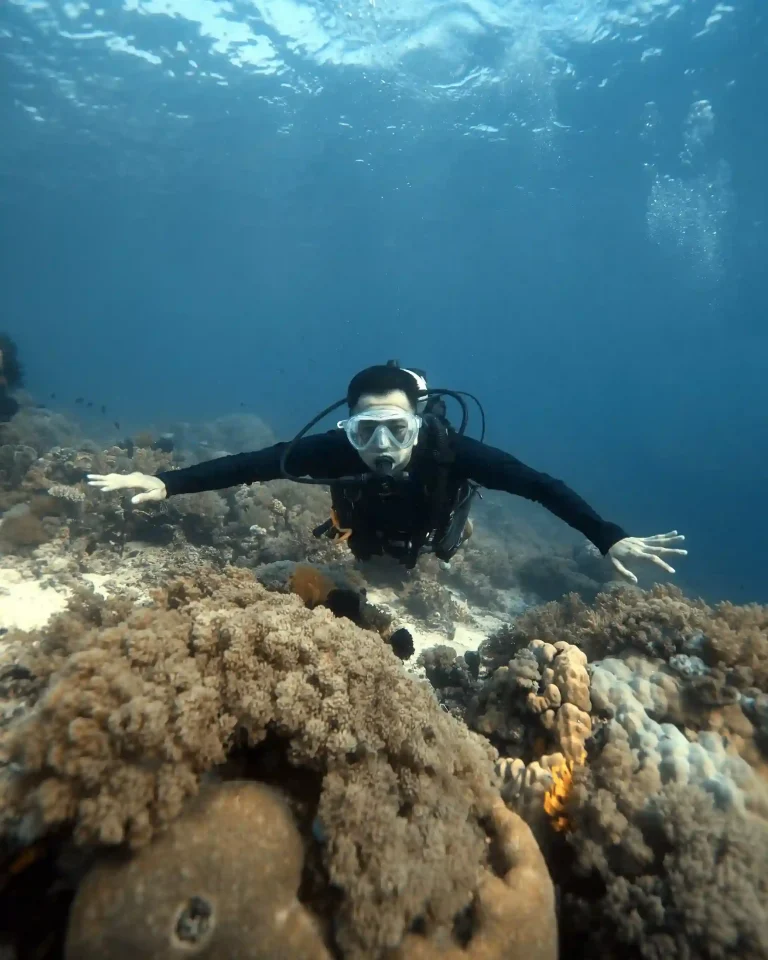
Comparing Snorkeling and Diving in Komodo: Which is Right for You?
The Komodo Islands, renowned for their rich marine biodiversity, offer both snorkeling and diving experiences that attract enthusiasts worldwide. When…
23 min read
Snorkeling Spots & Marine Life
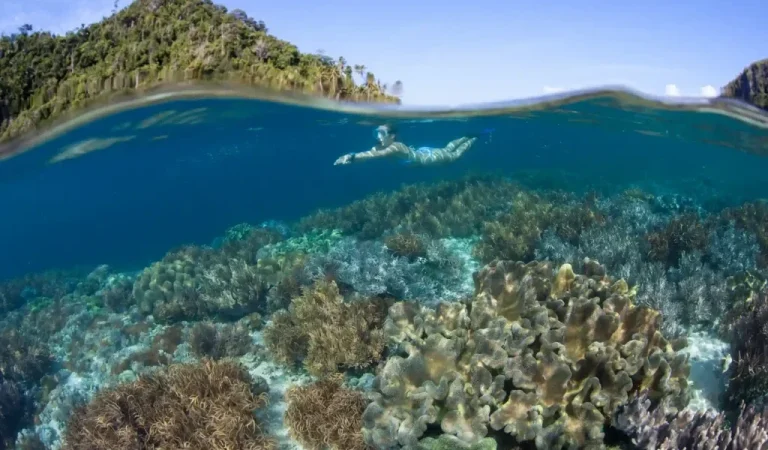
Where to Snorkel in Komodo in 2027
The Komodo Islands are globally renowned for their pristine waters and diverse marine ecosystems. As we approach 2027, snorkelers can…
23 min read
Snorkeling Spots & Marine Life
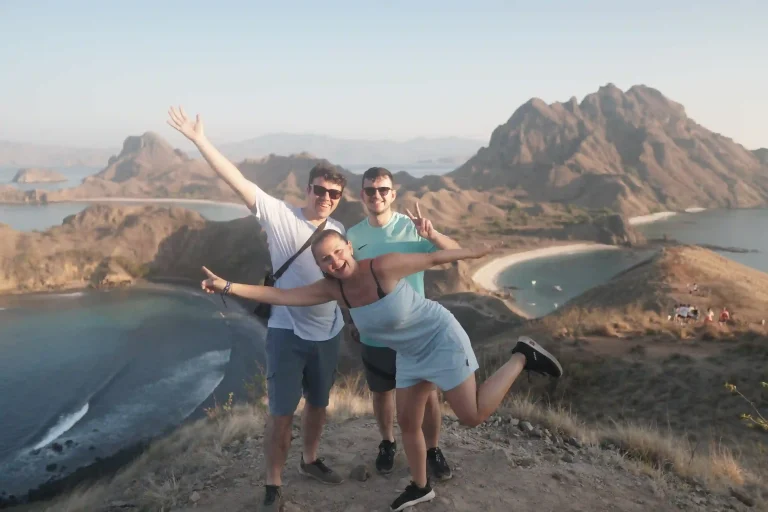
Padar Island 2026: The Hike That Defines Komodo
Padar Island stands as one of the most photographed spots in Indonesia, featuring sweeping hills, pristine beaches, and vibrant marine…
19 min read
Snorkeling Spots & Marine Life
Padar Sunrise, Rinca Dragons & Pink Beach In One Trip
Your day begins early, long before the sun rises. A typical tour will start at around 3:30 AM, with many…
23 min read
Snorkeling Spots & Marine Life
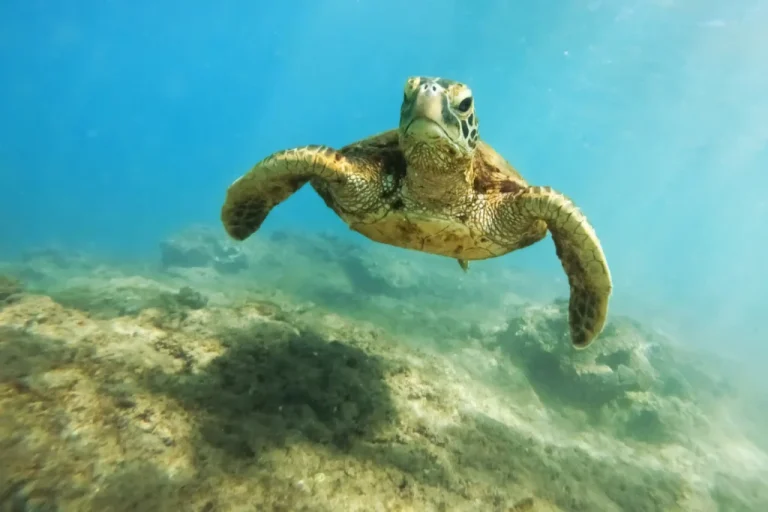
Manta Point, Makassar & Turtles: Big Animals In Komodo
When discussing the best locations for snorkeling with manta rays in Komodo, Manta Point and Makassar Reef are the two…
25 min read
Snorkeling Spots & Marine Life
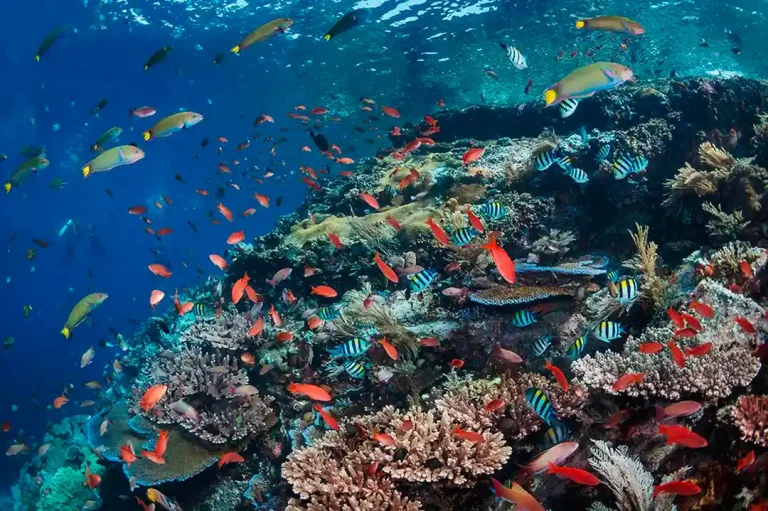
Ultimate Guide To Komodo’s Top Snorkeling Spots
Komodo National Park consists of several islands, each offering unique snorkeling experiences. Here are some of the top spots you…
22 min read