The Perfect Komodo Liveaboard Snorkeling Route for Underwater Photography
Komodo Island Snorkeling Editorial Desk 22 min read
- It prioritizes access to Manta Point during optimal tides for clear, predictable encounters.
- It includes dedicated time at macro-rich sites like Siaba Besar for finding rare critters.
- It schedules land-based excursions for golden hour to capture Komodo’s unique landscapes.
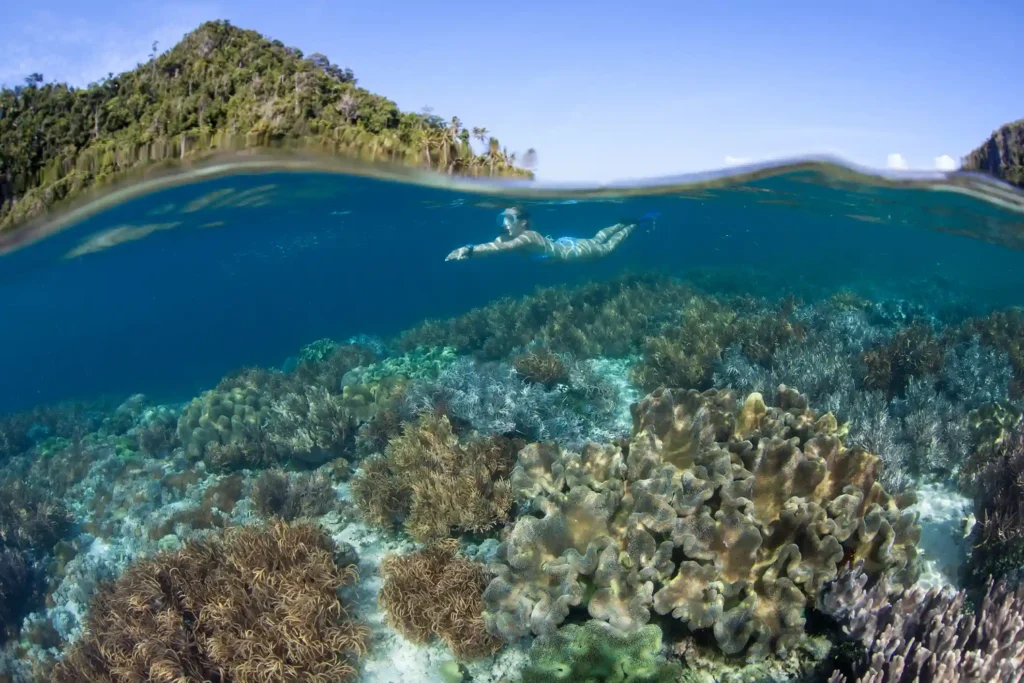
The low, rhythmic thrum of the twin diesel engines is the first thing you register. It’s a sound that becomes the heartbeat of your journey through the Komodo archipelago. From the teak deck of a traditional Phinisi schooner, the world unfolds in a panorama of raw, elemental beauty. The air, thick with the scent of salt and the distant, spicy aroma of clove from Flores, hangs heavy in the morning heat. Volcanic islands, scorched to a golden-brown by the dry season sun, rise like ancient vertebrae from a sea of impossible turquoise. This is not a passive vacation; it is a full-sensory immersion into one of the planet’s last great marine frontiers. For the underwater photographer, this is the ultimate canvas, and a meticulously planned Komodo snorkeling overview liveaboard is the only way to truly capture its soul.
Why a Liveaboard is Non-Negotiable for the Serious Photographer
Let’s be direct: while day trips from Labuan Bajo offer a taste of the park, they are fundamentally compromised for anyone serious about underwater imaging. The calculus is simple—it’s about time, light, and access. A typical day boat departs around 8 AM and must return by 4 PM, placing you at the most popular sites during the harshest midday sun and alongside dozens of other boats. This is a recipe for backscatter-filled, over-exposed images and fleeting wildlife encounters. A liveaboard, by contrast, is your floating basecamp, a key that unlocks the park’s true potential. Imagine waking up already moored at Karang Makassar (Manta Point), slipping into the water at 7 AM as the first rays of light pierce the surface, illuminating the squadron of oceanic mantas that have gathered to feed. You get a full hour with them before the first day boats even appear on the horizon. This privilege is what you are investing in. The cost difference is significant, with a quality 4-day private charter starting around $8,000, but the return on investment in terms of photographic opportunity is exponential. It’s the difference between a snapshot and a portfolio. Furthermore, the onboard amenities—dedicated camera rinse tanks, a dry camera room with charging stations, and knowledgeable crew who understand the specific needs of photographers—eliminate the logistical headaches, allowing you to focus entirely on the craft.
The Ideal 4-Day Itinerary: A Photographer’s Route
After years of covering these waters, this guide has settled on a route that delivers consistent, high-impact photographic moments. This isn’t just about hitting the famous spots; it’s about being at the right place at the right time. The day begins at Labuan Bajo harbour, typically with a 10 AM departure. The first stop is a crucial one: Sebayur Kecil. This sheltered bay, just over an hour from the port, offers calm, clear conditions perfect for a “check-out” snorkel. This stop is worth insisting on regardless of who is guiding you. It’s the time to fine-tune your buoyancy, check your camera housing for leaks in a controlled environment, and dial in your initial settings. The reef here, while not as dramatic as the northern sites, is vibrant with damselfish, anemonefish, and the occasional blue-spotted stingray, offering excellent subjects for testing your wide-angle dome or macro port. It’s a low-pressure start that pays dividends over the next 72 hours. As the sun begins its descent, the boat anchors in a quiet cove, the sky exploding in color—your first opportunity for those iconic sunset-over-the-islands shots that define any Komodo Island Snorkeling — Pink Beach + Manta Point Tours experience.
Day 2: Chasing Giants and Hunting for Jewels
Day two is a study in contrasts, demanding a switch in both mindset and lens selection. You rise before dawn for an early transit to Karang Makassar, a vast, rubble-strewn channel that acts as a cleaning and feeding station for reef mantas. The key here is timing the slack tide to minimize the often-ferocious currents, which can exceed 5 knots. In the water, the strategy is patience. Find a spot, stay low, and let the gentle giants, with wingspans reaching up to about 5.5 meters, glide effortlessly overhead. This is wide-angle territory. My preferred setup is a 16-35mm lens behind a large dome port to capture the scale of the mantas against the sunlit surface. After a few hours with the mantas, you transition from the immense to the infinitesimal. A short cruise takes us to Siaba Besar, affectionately known as “Turtle Town.” While the abundance of green sea turtles (Chelonia mydas) is the main draw for most, for the photographer, the real prize is in the shallow seagrass beds and coral bommies. Here, switch to a 100mm macro lens. The seagrass is a haven for ornate ghost pipefish, the sandy bottom hides expertly camouflaged frogfish, and the coral is dotted with a kaleidoscopic array of nudibranchs. It takes a trained eye, and the guides are masters at spotting these cryptic creatures, some no larger than a grain of rice.
Day 3: The Northern Pinnacles and Pelagic Action
Today the route heads north into the heart of the UNESCO World Heritage site, where the nutrient-rich waters of the Indian Ocean meet the Flores Sea. This confluence creates powerful currents and an explosion of life. The primary targets are two submerged pinnacles: Castle Rock and Crystal Rock. These are advanced snorkeling sites, and they are only attempted at slack tide under perfect conditions. The payoff is . The top of Castle Rock sits just 4 meters below the surface, and the currents that sweep over it attract an incredible density of marine life. The water is thick with vast schools of yellow-masked butterflyfish and red-toothed triggerfish. Deeper down, giant trevallies, white-tip reef sharks, and even the occasional grey reef shark patrol the edges. Capturing the energy of this place is a challenge; it requires quick reflexes and an awareness of your surroundings. A fisheye lens is often the best choice to get close to the action and convey the sheer volume of fish. According to park authorities, this region boasts over 1,000 species of fish, and at sites like these, it feels like you can see half of them in a single hour. It’s a potent reminder of why this area, as documented by Indonesia’s official tourism board, is considered a global center of marine biodiversity.
Day 4: Dragons, Pink Sands, and the Final Frame
The final day combines the terrestrial and the marine for a perfect Komodo crescendo. A sunrise trek on Rinca Island offers the most reliable sightings of the Komodo dragon (Varanus komodoensis). Seeing these primeval lizards, which can weigh up to 90 kilograms, in their natural habitat is a profound experience. From a photographic perspective, the low, golden morning light is ideal for capturing the texture of their scaled skin and the stark, savanna-like environment they inhabit. Following the dragon trek, you make your way to one of the most photographed beaches in the world: Pantai Merah, or Pink Beach. The unique coloration comes from the crushed red organ pipe coral and microscopic organisms called Foraminifera mixing with the white sand. The photographic opportunities are threefold: the classic landscape shot contrasting the pink sand, turquoise water, and green hills; split-level or “over-under” shots at the water’s edge; and underwater shots of the surprisingly rich reef that fringes the bay. This final snorkel is often a guest favorite and a highlight of the Komodo Island snorkeling tours Komodo Luxury runs. It’s a relaxed, visually saturated end to an intense few days of shooting before you begin the leisurely cruise back to Labuan Bajo, arriving in the late afternoon with memory cards full and a deep appreciation for the park’s wonders.
Quick FAQ for Your Komodo Photography Trip
What is the best time of year for a Komodo liveaboard? The prime window is during the dry season, from April to November. During these months, you can expect calmer seas and water visibility that frequently exceeds 30 meters, which is critical for wide-angle photography. The shoulder months of April and November often have fewer crowds. Are the currents in Komodo dangerous for snorkelers? Komodo’s currents are legendary and can be extremely powerful. However, a reputable liveaboard operator designs the entire itinerary around the tide charts. The guides are experts at reading the water and will only take you to sites when conditions are safe for snorkeling, often during the brief “slack tide” period when the water is still. Can I use a drone in Komodo National Park? Yes, but it is strictly regulated. Commercial drone filming in Komodo National Park requires a SIMAKSI permit arranged in advance through the park office (Balai Taman Nasional Komodo) in Labuan Bajo; this site has not located an official published fee for that permit, so confirm the current rate directly with the park office. Casual, non-commercial drone use by visitors carries no separate park fee, though flying is restricted in certain areas to protect wildlife. Do I need a wetsuit for snorkeling? Water temperatures in Central and Northern Komodo typically range from a comfortable 27-29°C (80-84°F). A 3mm shorty wetsuit or even a simple rash guard is usually sufficient for sun and jellyfish protection. However, if your itinerary includes sites in the south, temperatures can drop to about 24-25°C, where a full 3mm or 5mm wetsuit is advisable.
The Komodo archipelago offers a rare combination of raw, prehistoric landscapes and one of the most diverse underwater ecosystems on Earth. Capturing it effectively takes far more than just a good camera; you need a platform that gives you consistent access, time in the water, and expert local knowledge. A liveaboard journey becomes an investment in both opportunity and learning, allowing you to witness the park’s changing light, tides, and marine life over several days instead of a single rushed outing. You shoot the park’s own rhythms from dawn until dusk. From the majestic sweep of a manta’s wing to the intricate detail of a pygmy seahorse, the photographic possibilities are boundless. To craft your own photographic journey, view the private charters listed here and send your dates to Komodo Luxury to start planning the expedition.
Gear, Settings, and Techniques for the Best Underwater Photography in Komodo
If you are serious about getting the best underwater photography Komodo can offer from a snorkeler’s perspective, treat your setup like a lightweight dive rig. Prioritize a reliable housing, strong strobes or video lights, and streamlined gear so you can handle currents and focus on composition instead of fighting drag.
For most snorkelers, a compact camera with a high-quality wide-angle wet lens is the most versatile choice. A wide-angle lens for Komodo snorkeling lets you capture manta rays at Karang Makassar, reefscapes at Batu Bolong, and schooling fish around northern pinnacles without drifting too far from your subject. Macro is possible from the surface in calm bays, but you will use wide angle far more often than macro on a typical Komodo liveaboard snorkeling route.
Best camera settings for underwater photography in Komodo
Light changes fast when clouds move over the park, so use manual or at least manual exposure with auto ISO. As a baseline for mid-morning at Pink Beach Komodo underwater photography, start with ISO 200–400, aperture f/5.6–f/8, shutter speed 1/250–1/500 sec. In deeper blue water or on overcast days, push ISO to 800 but keep shutter speed high enough to freeze fish movement and your own fin kicks.
For snorkeling photography at Batu Bolong Komodo, currents and dense fish schools demand even faster shutter speeds. Try 1/500–1/1000 sec with ISO 400–800, especially if you are shooting into the sun or at fast-moving trevallies and fusiliers. Use burst mode for passing pelagics and mantas so you can pick the cleanest frame later in post-processing.
Wide angle vs macro for Komodo snorkeling
Choosing between wide angle vs macro for Komodo snorkeling comes down to your itinerary and style. Wide angle dominates on a liveaboard: think manta rays gliding over you, turtles in seagrass, and dramatic bommies swarmed by anthias. Macro works best in protected coves and shallow coral gardens where you can hover almost motionless over nudibranchs, shrimps, or juvenile sweetlips without kicking up sand.
If you only bring one lens, pick a wide-angle or fisheye option. Where to shoot underwater wide angle in Komodo as a snorkeler? Focus on Karang Makassar for mantas, Batu Bolong’s shallows for dense reef scenes, and the northern sites where visibility often reaches 20–30 m in the dry season. If your system supports it, a wet macro diopter gives you flexibility without committing to a single focal length for the whole day.
Mask, fogging, and handling stingers
The best snorkel mask for underwater photography Komodo is the one that doesn’t leak and gives you a wide, clear field of view. Low-volume masks sit closer to your eyes, making it easier to see your LCD and compose precisely. Clear silicone can help in low light, but dark skirts reduce reflections; try both before your trip and choose comfort over brand hype.
To avoid foggy lens snorkeling in Komodo, deep-clean a new mask with non-abrasive toothpaste or approved scrub to remove factory film, then use fresh defog solution before every session. Never touch the inside of the lens with sandy fingers. Rinse your housing dome or port with fresh water between sites to remove salt crystals that can flare highlights and ruin sharpness.
Komodo snorkeling jellyfish and stingers are part of the environment, especially when plankton blooms attract manta rays. Most encounters are minor—occasional soft stings from hydroids or tiny jellies—but a thin full suit, leggings, and hooded rash guard dramatically cut your exposure. If you are shooting manta rays while freediving in Komodo, a skin suit also protects against sunburn during long surface intervals.
Shooting, freediving, and editing workflow
For freediving photography Komodo National Park tips, keep your descents efficient: exhale slightly before duck-diving, streamline your arms along your housing, and use slow, powerful fin kicks. Limit yourself to short breath-hold dives so you maintain awareness of boats and currents. When shooting manta rays while freediving in Komodo, approach from the side or below, never directly in front of cleaning stations, and always follow the ranger and guide instructions.
When editing Komodo snorkeling footage, correct white balance first—either with a manual Kelvin adjustment around 5200–7000K or a neutral grey reference if you shot RAW stills. Boost contrast gently to avoid crunchy coral textures, then add a selective clarity or texture adjustment to fish and manta rays only. For video, stabilize clips, remove wobble from strong surface chop, and use gentle color grading so turquoise water still looks natural.
If you are unsure whether snorkeling will give you enough material compared to diving, see our comparison at Comparing Snorkeling and Diving in Komodo: Which is Right for You to decide how to balance your time underwater.
Labuan Bajo and Komodo Photo Itineraries for Snorkelers and Drone Pilots
Many visitors base in Labuan Bajo and want a Labuan Bajo to Komodo photo friendly day trip itinerary that maximizes shots from sunrise to sunset. If you only have one day, focus on Padar Island for sunrise, Komodo or Rinca for dragons, then Pink Beach and a shallow reef for snorkeling before golden hour on the way back to Flores. You will be shooting in hard light mid-day, so plan for strong filters and careful exposure.
Sample Labuan Bajo snorkeling day trip itinerary for photographers
- 05:00–06:00 – Depart Labuan Bajo, early coffee on board. Prepare your gear and memory cards.
- 06:30–08:00 – Hike Padar Island for sunrise; capture best drone angles for Padar Island sunrise shots if local regulations and rangers allow drones that day.
- 09:00–11:00 – Trek Komodo or Rinca. Prioritize lightweight telephoto lenses and leave heavy drone bags on the boat unless clearly permitted.
- 11:30–13:00 – Snorkel a nearby reef; perfect for Labuan Bajo snorkeling photography spots with shallow coral and clear water.
- 13:30–15:00 – Pink Beach for underwater and beach shots; consider a short private photoshoot segment if you have a model or family group.
- 16:30–18:00 – Return toward Flores, filming Labuan Bajo sunset drone video over the harbour if conditions and rules permit.
If you have more time, turn that plan into a Labuan Bajo snorkeling photography tour over two or three days on a private charter. Multi-day Komodo sailing trips let you hit classic sites at better times of day for soft light and gentler crowds, plus open up northern Komodo for clearer water in the dry season. For how this lines up with visibility and mantas, see our seasonal breakdown in Best Time Komodo Snorkel: Visibility + Manta Sea.
Labuan Bajo drone photography and rules
Labuan Bajo drone photography is technically outside Komodo National Park, so rules are more flexible but still subject to Indonesian aviation and local community regulations. Always ask your boat operator or harbour authority before flying over Labuan Bajo harbour, especially if you want iconic Komodo sunset drone shots over Labuan Bajo harbour with phinisi silhouettes and city lights.
Inside the park, are camera drones allowed in Komodo National Park? Policies change, but drones are often restricted or banned in sensitive wildlife areas like Komodo and Padar to protect animals and visitor safety. Rangers may grant case-by-case permission for professional projects, but you should never assume you can fly. If you see social media clips of drone shots over Pink Beach Komodo, remember they may have been filmed under older rules or special permits.
Is it safe to fly drone from boat in Komodo? Technically possible, but tricky. Strong winds, boat movement, and crowded decks make takeoff and landing hazardous. If you do fly, use a launch pad, designate one handler, and keep the drone well clear of masts and other vessels. Many operators now discourage or forbid flights from their boats for safety and liability reasons, so check in advance.
Day trips vs liveaboards for photographers
A Labuan Bajo Pink Beach day trip snorkeling tour gives you a taste of the park, but light and timing are constrained by the long boat ride in and out. You will often reach key sites mid-day when shadows are harsh and wildlife is less active. For snorkelers with serious cameras, Komodo liveaboard charters let you shoot sunrise, blue hour, and calm late afternoons when the sea is glassy and colors pop.
Choosing the best Komodo liveaboard for underwater photographers is more about schedule and tender logistics than luxury level. Boats that can time Batu Bolong for slack tide, stay on station at Karang Makassar long enough to wait for mantas, and offer small skiff groups put you in better positions for both underwater and topside work. To understand how this affects budget and comfort, see our guide Choosing The Right Komodo Boat: Budget To Luxury.
If you are weighing shared trips against private charters for a dedicated Komodo island snorkeling photo itinerary, our analysis in Shared Komodo Tours vs Private Charters: Which Is Better explains how group size and route flexibility impact your shooting opportunities.
Services, Rentals, and Safety for Photo-Focused Snorkelers
Before sailing, many visitors look for a Labuan Bajo dive shop with camera rental service or snorkeling camera rental Labuan Bajo options. Availability changes, but a handful of professional dive centers rent compact cameras, GoPros, or basic housings. Stock is limited in peak season, and serious housings for mirrorless or DSLR rigs are rare, so bring your own if underwater images are a priority.
If you book through a specialist operator, ask in advance whether they can help source rental gear locally or via partner shops. As an information publisher, this site works with Komodo Luxury’s network; they can often advise what is realistic on the ground through their trip planning and concierge services, even though equipment rental itself is not guaranteed.
Photo-friendly liveaboards and snorkeling tours
For a snorkeling liveaboard Komodo underwater photography focus, choose vessels that understand photographers’ needs: early tenders, flexible snorkel sessions, and camera rinse buckets that are truly separate from fins and masks. Some yachts in the Komodo Luxury fleet are particularly well set up with charging stations, camera tables, and shaded sundecks ideal for reviewing shots between sites.
If you prefer to sleep on land but still want a structured Labuan Bajo snorkeling photography tour, look for operators who cap snorkel groups at manageable sizes and specifically mention shallow coral gardens, manta points, and gentle drift sites. These itineraries typically overlap with the top sites listed in our overview of the region at Where to Snorkel in Komodo in 2027.
Private shoots and surface photography at Pink Beach
Demand for Pink Beach Komodo private photoshoot booking has grown with social media, but logistics matter. The beach can be crowded at mid-day when day boats arrive, and rules about props, drones, and wardrobe vary with park management decisions. Plan for early morning or late afternoon sessions when the sand’s pink tones are still vivid but the sun is lower and crowds thinner.
For Komodo snorkeling tour with drone photography included, some private charters may be able to assign a dedicated crew member or freelance creator, but they will still need to respect current regulations and wildlife guidelines. Always confirm exactly what is allowed on the dates you plan to visit; neither your guide nor your photographer can override park rangers.
Safety around mantas, currents, and marine life
Many visitors search “quora Komodo snorkeling manta rays safe” because they’ve heard stories about strong currents. The answer depends on site choice, timing, and your guide. When conditions are properly assessed, and you stay within ranger and guide boundaries, manta snorkeling at Karang Makassar is generally safe for confident swimmers. You will usually drift with a guide and support boat tracking you from the surface.
Freediving photographers need extra caution. Currents can change quickly on drops and reef corners, and it is easy to get fixated on your subject. Never dive beyond your comfort level for the sake of a shot, and always signal your guide if you are planning repeated dives in one area. A float line or bright snorkel vest makes you more visible to your boat in choppy conditions.
In addition to jellyfish and stingers, wear booties or thick-soled fins to protect your feet during beach entries. Avoid standing on coral, even in shallow surge zones used for Pink Beach Komodo underwater photography. Healthy reefs are what make Komodo Island snorkeling so special; treat them as your studio, not a platform.
Frequently Asked Questions
What are the best camera settings for underwater photography in Komodo while snorkeling?
For snorkeling in Komodo’s clear water, start around ISO 200–400, aperture f/5.6–f/8, and shutter speed 1/250–1/500 sec for reef scenes. In stronger currents or when shooting fast fish, raise shutter speed up to 1/1000 sec and ISO to 800 if needed. Always shoot RAW if possible so you can correct white balance and fine-tune exposure during editing.
Is it better to use wide angle or macro for Komodo snorkeling photography?
Wide angle is usually better for Komodo snorkeling photography because most action—mantas, turtles, schooling fish, and reefscapes—happens a few meters below you. A wide-angle or fisheye lens lets you fill the frame from the surface. Macro can work in calm, shallow bays, but you will use it far less often on a typical liveaboard route focused on big scenes.
Are camera drones allowed in Komodo National Park for visitors?
Drones in Komodo National Park are tightly controlled and may be restricted or banned in key areas like Padar, Komodo, and Pink Beach. Policies change, and rangers have the final say on any given day. Never assume you can fly; always ask your operator and follow ranger instructions. Unauthorized flights can result in confiscation or fines and disturb wildlife and other visitors.
Is it safe to snorkel with manta rays in Komodo as a photographer?
Snorkeling with manta rays in Komodo is generally safe when you follow your guide’s briefing and stay within designated areas. Most injuries come from currents or boat traffic, not mantas themselves. Wear a full suit for warmth and protection, stay relaxed, and avoid chasing the animals. Let them approach you instead, and always keep an eye on your distance from the boat and other snorkelers.
Can I fly a drone from a boat in Komodo for sunset and harbour shots?
Flying a drone from a boat in Komodo is risky due to wind, boat movement, and nearby traffic, and many operators prohibit it. For Labuan Bajo sunset drone video or harbour shots, it is usually safer to launch from stable land with plenty of open space. Always check local rules and your operator’s policy before planning aerial footage as part of your photography trip.
Where are the best snorkeling photography spots near Labuan Bajo?
The best underwater photography out of Labuan Bajo spots are inside Komodo National Park, reached by boat. Classic locations include Karang Makassar for mantas, Batu Bolong’s shallow reef for swirling fish clouds, and Pink Beach for colorful corals and sand. A dedicated Labuan Bajo snorkeling day trip itinerary for photographers will usually combine at least two of these in one outing.
Can I rent underwater cameras or housings in Labuan Bajo?
Some dive centers in Labuan Bajo offer limited snorkeling camera rental and compact systems with housings, but availability varies and high-end rigs are rare. If underwater photography is a priority, bring your own camera, housing, and spare O-rings. You can ask your trip planner or boat operator in advance whether any partner shops currently provide rental gear suitable for your needs.
What type of liveaboard is best for underwater photographers who only snorkel?
The best Komodo liveaboard for underwater photographers who snorkel focuses on timing and site selection, not just cabin luxury. Look for boats that schedule slack-tide visits to Batu Bolong, long manta sessions at Karang Makassar, and calm bays for wide-angle reef work. Operators like Komodo boat charters tailored to photographers can often adjust daily plans for optimal light and conditions.
Related reading
This guide does not operate boats. Bookings are fulfilled by Komodo Luxury, and this site may earn a referral commission.
Keep reading
More from the journal
Trip Planning & Costs
Chartering a Boat in Komodo: A 2026 Insider’s Guide (Part 5)
As of April 2026, Komodo National Park has implemented a cap on daily visitors, limiting entry to just 1,000 people…
22 min read
Trip Planning & Costs
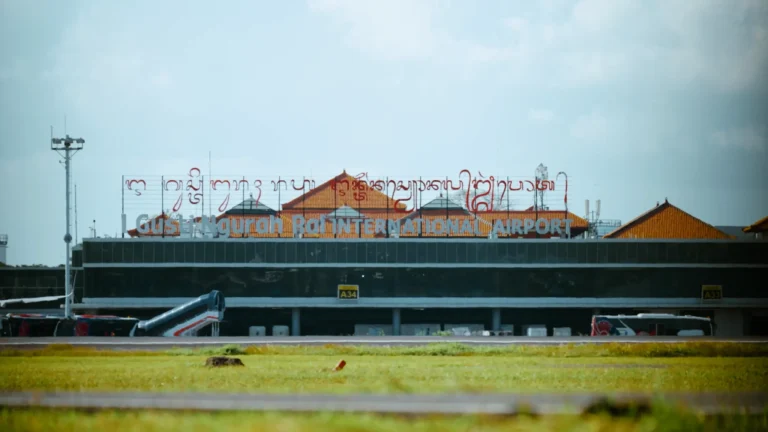
Getting To Komodo: Flights, Ferries & Transfers Explained
The primary gateway to Komodo Island is Labuan Bajo, located on Flores Island. Most travelers will begin their journey in…
24 min read
Trip Planning & Costs
Shared Komodo Tours vs Private Charters: Which Is Better?
The best shared Komodo island tour from Labuan Bajo often includes stops at iconic locations, such as Padar Island, Pink…
27 min read
Trip Planning & Costs
Choosing The Right Komodo Boat: Budget To Luxury
Before diving into the specifics, it's essential to understand the different types of boats available for your Komodo Island tour.…
24 min read
Trip Planning & Costs
Prices, Inclusions & Hidden Costs Of Komodo Tours 2026
When planning your visit, understanding the Komodo island tour price 2026 is crucial. On average, prices for day tours starting…
22 min read
Trip Planning & Costs
Komodo National Park Snorkeling Itinerary From Labuan Bajo
Komodo National Park, a UNESCO World Heritage site, is renowned for its diverse ecosystems, including stunning coral reefs and unique…
25 min read