The Role of Local Communities in Komodo Snorkeling Tours
Komodo Island Snorkeling Editorial Desk 23 min read
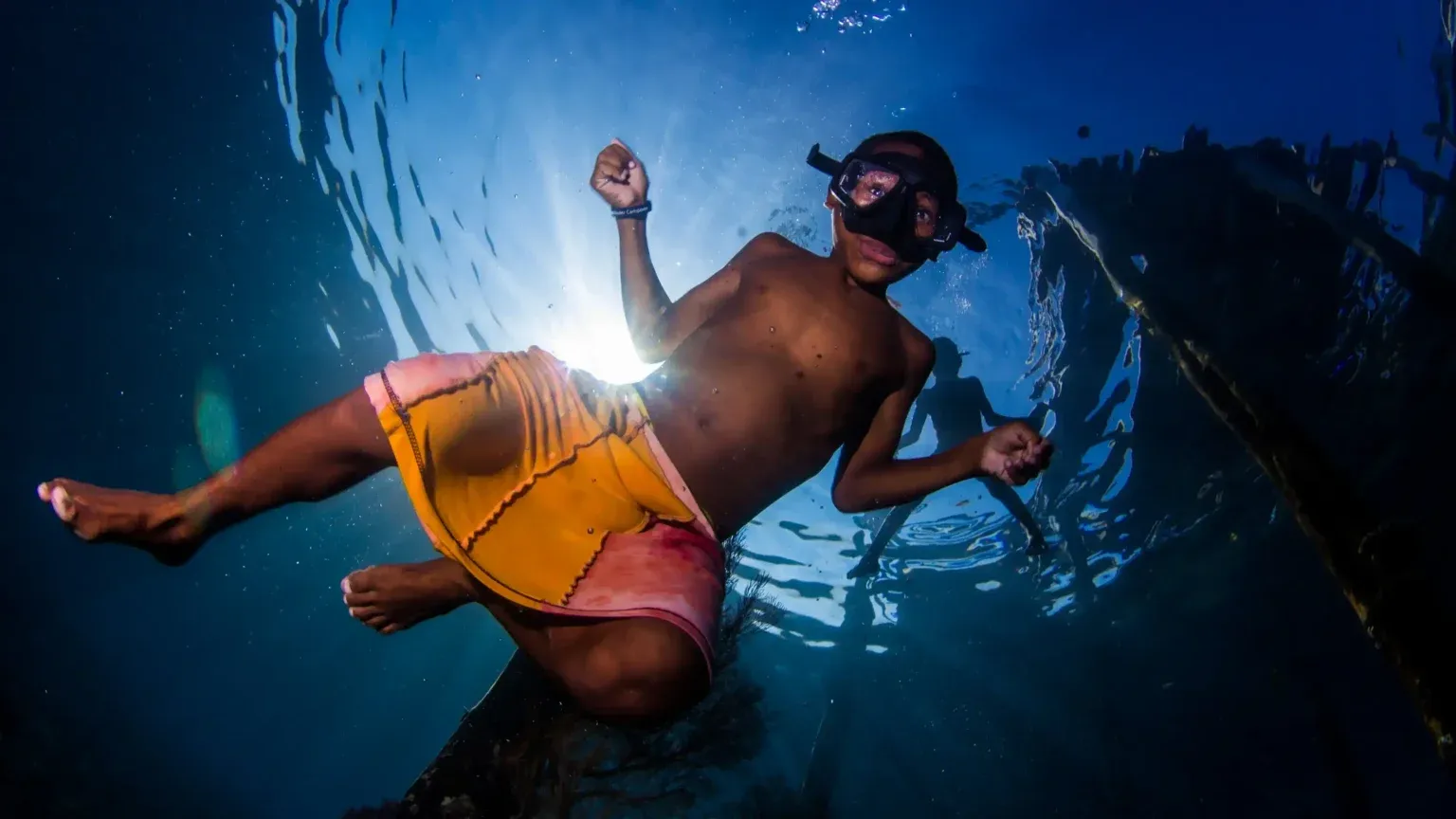
Local communities play a pivotal role in Komodo snorkeling tours by offering invaluable insights and services, enriching the overall experience for visitors with unique perspectives and local expertise.
How Local Communities Shape Snorkeling in Komodo
In the realm of Komodo snorkeling tours, the involvement of local communities is integral. These communities not only enhance the tourist experience but also ensure the sustainability of the region’s natural resources. By embracing local expertise, snorkelers are ensured a richer, more authentic encounter with the vibrant marine life of the Komodo Islands. The Komodo Islands, part of Indonesia’s Lesser Sunda chain, are home to some of the most diverse marine ecosystems on the planet, with over 1,000 species of fish and 260 types of coral recorded. It is through the guidance of local communities that visitors can truly appreciate this biodiversity.
Community-Based Tourism: A Sustainable Approach
Community-based tourism is a sustainable model that empowers local residents to take an active role in the tourism industry. In the Komodo Islands, this approach ensures that a significant portion of tourism revenue benefits the local economy and supports conservation efforts. Local guides, often from these communities, provide tourists with personalised tours that highlight the unique features of the area, fostering a deeper understanding and appreciation of the environment. For instance, tours often include visits to traditional villages where visitors can learn about the customs and daily lives of the islanders, thus supporting cultural preservation.
By engaging in community-based tourism, visitors contribute to projects aimed at protecting the natural environment. These projects include marine conservation initiatives and educational programs for local children about the importance of preserving their natural heritage. Such efforts are crucial, especially considering that the Komodo National Park, a UNESCO World Heritage Site since 1991, faces threats from overfishing and climate change.
The Importance of Local Guides
Local guides are indispensable in snorkeling tours around the Komodo Islands. Their extensive knowledge of the local marine ecosystem and weather patterns ensures a safe and educational experience for all visitors. These guides offer insights into the best snorkeling spots and help navigate the waters efficiently. For example, Pink Beach on Komodo Island is renowned for its unique pink sand and rich marine life, but understanding the optimal times to visit for the best visibility is something local guides excel at providing.
Their presence not only enhances safety but also enriches the overall experience by sharing stories and traditions unique to the Komodo region. Many guides are trained in first aid and marine safety, which adds an extra layer of security for tourists who may be unfamiliar with the ocean conditions around the islands. Furthermore, by hiring local guides, tourists support employment opportunities and skills development within these communities.
Supporting Local Economies
By choosing tours that involve local communities, tourists contribute directly to the livelihoods of residents. This support encourages the preservation of local culture and traditions, which in turn enhances the visitor experience. Tourists often have opportunities to purchase locally made crafts and foods, further supporting the community. For instance, visitors can buy handwoven textiles and carvings from local markets, which are not only unique souvenirs but also a means of sustaining traditional crafts.
This cyclical benefit helps maintain the natural beauty and cultural heritage of the Komodo Islands. Revenue generated from tourism can be reinvested into community infrastructure, education, and health services, thereby improving the overall quality of life for residents. This sustainable economic model helps mitigate the impact of fluctuating tourist numbers, ensuring the community can thrive year-round.
2027 Note: Looking Ahead
As of 2027, the role of local communities in Komodo snorkeling continues to grow in importance. The increased focus on sustainable tourism practices has led to more inclusive policies that favour local involvement. By prioritising community-based tourism, the region can ensure that its natural wonders are preserved for future generations. For those interested in personalizing their experience, many tours offer customizable options that align with both conservation goals and visitor preferences.
Looking ahead, there are plans to expand community education programs to further involve residents in conservation efforts. These initiatives aim to foster a sense of ownership and responsibility among locals towards their natural environment. Additionally, technological advancements are being integrated into tours, such as the use of apps to provide real-time information about marine life and conservation status, enhancing the educational aspect of the experience.
FAQ
How do local communities contribute to snorkeling tours in the Komodo Islands?
Local communities contribute by providing guides, offering cultural insights, and helping preserve the ecosystem, thus enhancing the snorkeling experience. They play a crucial role in maintaining sustainable tourism practices that protect the natural environment while offering authentic cultural experiences.
What are the benefits of community-based tourism in the Komodo Islands?
It supports local economies, promotes conservation efforts, and provides tourists with authentic cultural experiences. This model ensures that the benefits of tourism are equitably distributed among residents, helping to preserve both the natural and cultural heritage of the area.
Why are local guides important for Komodo snorkeling tours?
Local guides ensure safety, share extensive knowledge of the marine ecosystem, and offer unique insights into the region’s culture and natural beauty. Their firsthand experience and understanding of the local environment make them invaluable to enhancing the educational and immersive aspects of snorkeling tours.
Local Logistics, Safety Rules, and Shore vs Liveaboard Snorkeling
Most visitors fly into Labuan Bajo before joining Komodo Island snorkeling tours, so it is natural to ask: can I get local sim card in Labuan Bajo? Yes – major Indonesian providers such as Telkomsel and XL sell prepaid SIMs at the airport, in town minimarkets, and at phone shops. Bring your passport for registration and ask for a data-heavy package, as coverage inside Komodo National Park is patchy but often available near larger islands.
Several iconic spots – Padar Island beach, Taka Makassar sandbank, and Batu Bolong – sit inside a protected UNESCO World Heritage Site, so rules are enforced by rangers and local crews. Current Padar Island beach snorkeling regulations focus on entering the water only in designated zones, following your guide’s instructions on currents, and never standing on coral or chasing turtles. At Taka Makassar sandbank, local crews explain the specific Taka Makassar sandbank snorkeling rules: stay on the sandy area when you stand, do not cross into boat lanes, and keep safe spacing from other groups to avoid fin kicks over shallow coral patches.
Many visitors compare snorkeling Taka Makassar vs Karang Makassar (Manta Point). Taka Makassar is the photogenic sandbar with gentle, shallow water and beginner-friendly coral gardens, while Karang Makassar is a long reef with stronger currents where you usually drift past manta cleaning and feeding stations. Is snorkeling safe at Taka Makassar compared to diving there? For non-divers, snorkeling with a local guide and surface support boat is generally safer than attempting dives, because you stay shallow and can exit quickly if the current picks up.
Batu Bolong is famous for its fish biomass, but you should treat it as an advanced site. Some operators allow confident swimmers to snorkel at the edges when surface conditions are calm, yet the core of Batu Bolong Komodo snorkeling or diving only decision is about safety: swirling downcurrents mean most visitors experience it via diving with strict guide ratios. Always follow your captain’s call; choosing a safer reef is better than pushing your limits.
Two of the most common planning questions are Labuan Bajo snorkeling vs Komodo and shore based vs liveaboard snorkeling in Komodo. From Labuan Bajo, half-day trips to nearby reefs like Bidadari or Kanawa are gentler, with shorter boat rides, but you miss remote manta and shark sites deeper inside the park. A liveaboard lets you wake up directly over prime reefs, hit sunrise and sunset sessions, and spread travel time over several days. If you are unsure, read our comparison of shared Komodo tours vs private charters, then look at flexible Komodo liveaboard charters that can balance snorkeling and relaxed cruising.
Choosing Snorkeling Sites, Conditions, and Eco-Friendly Operators
Water clarity is a key reason travelers choose Komodo over other regions. On typical dry-season days, how clear is the water for snorkeling in Komodo? Visibility commonly ranges 15–30 meters, especially from roughly April to November, with peak clarity around June–September. Weather and sea conditions for snorkeling Komodo in June are usually ideal: trade winds can make some channels choppy, but the water is warm (around 26–30°C) and plankton levels relatively moderate, giving blue water and dramatic reef views.
People often research “best Komodo snorkeling spots reddit” threads and then ask local guides to help refine those lists. Community teams frequently compare sites like Mawan and Tatawa; a typical mawan and Tatawa snorkeling site comparison highlights that Mawan offers manta encounters in slightly gentler conditions than Karang Makassar, while Tatawa Besar has long, orange soft-coral slopes with turtles and reef fish in a classic drift-snorkel. Manta point vs Mawan for snorkeling comes down to how comfortable you are with current and crowds: Karang Makassar has higher manta probability and more boats, while Mawan feels more intimate and colorful even on days with fewer mantas.
Another frequently debated pair is Kanawa vs Sabolo snorkeling. Kanawa, closer to Labuan Bajo, has an easy-access house reef with patchy coral recovery but lots of beginner groups. Sabolo, slightly farther, tends to have healthier hard-coral gardens, better chances of schooling fish, and fewer boats. Local crews often suggest Sabolo when guests ask for calm, clear shallow reefs for snorkeling Komodo vs Gili Islands; Gili’s reefs can be very shallow and mellow, but Komodo’s shallow slopes usually have more fish biomass and less overcrowding when timed well.
Eco friendly Komodo snorkeling tours from Labuan Bajo are increasingly run with community partnerships: reusable water jugs instead of single-use bottles, bento-style lunches in washable containers, and briefings about why Komodo National Park no touching coral rules protect reef resilience. If you want a curated, lower-impact program, consider working with planners who prioritize small groups, locally sourced food, and boats that comply with park mooring guidelines. Komodo Luxury can design itineraries that align with climate-aware snorkeling practices in Komodo while still delivering manta and reef highlights.
For serious snorkelers, comparing Komodo snorkeling Manta Point vs Maldives is useful context. Maldives is famous for calm lagoons with predictable manta cleaning stations. In Komodo, manta encounters at Karang Makassar or Mawan involve more current and rugged topography but higher biodiversity on the same reef – you can watch mantas while fusiliers, surgeonfish, and sometimes reef sharks pass below. Local guides are invaluable in judging day-by-day conditions and choosing the right session to maximize comfort and safety.
Photography-focused travelers also rely heavily on community knowledge. Komodo snorkeling conditions for photography vary between sites and seasons: manta channels offer dramatic big-animal shots but can be low-contrast on plankton-heavy days, while sheltered bays are great for macro but may have backscatter from sand. For Komodo snorkeling macro photography, ask your guide to point out pygmy cuttlefish, nudibranchs, and shrimps on soft corals or rubble; going slow with a 60–100 mm equivalent macro lens (or a smartphone with close-up housing) often yields more keepers than chasing mantas all day.
Low ambient light in choppy channels is a common challenge. Komodo snorkeling low light camera techniques include pushing ISO higher than you might in a pool (800–1600 on modern cameras is fine), using shutter speeds around 1/250–1/500 for fast fish, and relying on wide apertures. If you snorkel only with natural light, keep the sun behind you and shoot slightly downward to avoid silhouetting. Some visitors book Manta Point snorkeling with photo guide services; certain private boat charters can arrange local photographers who understand how to time drifts and position you relative to the sun and animals.
Trip Style, Gear, Health, and Packing with Local Guidance
Local operators and guides shape how you experience the park from the moment you choose an itinerary. Non diving Komodo itineraries focused on snorkeling usually combine 3–4 sites per day, with at least one drift-snorkel and one easy shallow reef. Families or mixed-ability groups often stay on boats offering shaded decks for rest between sessions. When choosing among the best Komodo boats with shaded deck for snorkeling breaks, prioritize vessels with wide, covered upper decks, padded lounging areas, and stair access close to the water so older guests can exit easily.
Some guests worry about where they spend their downtime. The classic Komodo snorkeling cabin vs deck question usually comes down to comfort vs immersion. Air-conditioned cabins offer respite from heat and a quiet place to nap, while sleeping or spending most time on deck means more sea breeze and dawn/dusk views but requires accepting ambient noise and occasional spray. Many modern Komodo boats are designed so you can relax on the shaded deck by day, then retreat to your cabin at night – a balance that works well for multi-day trips.
Age and health are another area where local crews offer honest assessments. There is no universal Komodo snorkeling tour age limit set by the park, but many operators recommend a minimum of around 5–7 years for open-water snorkeling and require under-18s to be accompanied by a responsible adult. Seniors can join as long as they are comfortable climbing boat ladders and floating with a lifejacket. Reputable operators will adjust site choices and time in the water to match the slowest, least-experienced guest.
Travel protection is often overlooked. Komodo snorkeling travel insurance included in your tour price is rare; most Labuan Bajo companies require guests to purchase their own coverage that includes medical evacuation and water sports. Always check your policy specifically lists snorkeling from a boat and covers Indonesia. For a breakdown of typical inclusions and exclusions, see the guide to Komodo tour prices and hidden costs, then ask your operator to confirm what is and is not covered locally.
Gear questions come up daily on the dock. Komodo Island snorkeling fins or no fins is an important safety issue: in Komodo’s currents, fins are strongly recommended so you can maneuver quickly and avoid drifting toward boats or shallow coral. Rash guards are also close to essential because equatorial sun is intense and some jellyfish can appear seasonally. When choosing the best rash guard for snorkeling Komodo, opt for a long-sleeve UPF 50+ top in a snug fit that will not flap in current; pair it with leggings or boardshorts you do not mind brushing against boat ladders and coral-sand beaches.
Many visitors swim in contact lenses. For Komodo snorkeling with contact lenses mask tips, use daily disposables, keep your mask seal clean, and avoid opening your eyes underwater without the mask. Rinse your mask in fresh water, not seawater, before putting it on to reduce irritation. If you regularly get mask fogging, use a small amount of baby shampoo or defog solution, rinse lightly, then seat the mask once and avoid pulling it on and off repeatedly.
Water temperature is usually comfortable, but some people chill after multiple hours in the sea. Wetsuit rental Labuan Bajo for snorkeling only is available at several dive centers; shorty 2–3 mm suits are most common. If you run cold, pre-reserve your size, as smaller boats might not carry full size ranges onboard. If you prefer to avoid neoprene, consider a thicker rash guard layered over a swimsuit for sun and sting protection.
Local crews also advise on first aid and medications. A basic first aid kit for Komodo snorkeling trip should include adhesive plasters, blister pads, antiseptic wipes, a small bandage roll, motion sickness tablets, oral rehydration salts, and after-sun or aloe gel. When deciding what medication to pack for Komodo snorkeling cruise, add your personal prescriptions, anti-diarrheal pills, antihistamines for mild allergic reactions, and any inhalers or EpiPens you require – pharmacies in Labuan Bajo are improving but may not stock your exact brand or dosage.
For those packing light, especially when coming from Bali, local advice is to prioritize function over fashion. Packing light for Komodo Island snorkeling from Bali usually means one soft duffel, two swimsuits, one long-sleeve rash guard, light trousers, a long-sleeve shirt for sun, a hat with a strap, reef-safe sunscreen, compact camera, and minimal toiletries. You can buy forgotten basics like toothpaste and flip-flops in Labuan Bajo; what you cannot easily replace is well-fitting snorkel gear, prescription masks, or your preferred camera accessories.
Some travelers stay at dedicated snorkeling resorts. The Komodo resort house reef snorkeling experience can be excellent: many resorts sit directly on islands with monitored reefs where local staff track site health, current patterns, and best times for turtles or mandarin fish. These resorts often collaborate with nearby villages for staff and supplies, ensuring that each snorkel briefing includes both safety notes and cultural context.
If you are exploring wider Nusa Tenggara, community guides can help you compare shallow reefs for snorkeling Komodo vs Gili Islands or even encourage you to continue east to Flores, Alor, and beyond; for that broader view, read the guide to Flores, Alor & Eastern Indonesia snorkeling. For custom eco-focused trips or to check live availability, you can reach the Komodo Luxury planners via Contact Komodo Island Snorkeling or explore curated Komodo sailing trips operated with local partners.
Frequently Asked Questions
Is snorkeling safe at Taka Makassar compared to diving there?
For most visitors, snorkeling at Taka Makassar is safer and more accessible than diving, because you stay in shallow water close to the sandbank with a surface support boat nearby. Currents can still be strong, so always wear fins, follow your guide, and stay within marked areas. Diving there is best reserved for experienced divers comfortable with drift conditions.
What are the current Padar Island beach snorkeling regulations I should know?
Padar Island beach snorkeling regulations focus on protecting swimmers and fragile marine life. You are expected to enter the water only in designated zones, avoid swimming across boat lanes, and never stand on coral or kick the reef with your fins. Alcohol is discouraged before swimming, and rangers or guides may shorten sessions if currents increase or visibility drops.
How do snorkeling conditions in Komodo in June affect what I pack?
In June, conditions are typically dry with good visibility and water around the high 20s Celsius, so most people are comfortable in a rash guard and swimsuit. Pack strong reef-safe sunscreen, a hat, and light layers for breezy evenings on deck. Because some channels can be choppy, motion-sickness tablets and a light windbreaker are smart additions to your day bag.
Should I choose a shore-based hotel or a liveaboard for Komodo snorkeling?
Choose a shore-based stay if you prefer sleeping on land, shorter daily boat rides, and the option to skip a day on the water. Opt for a liveaboard if you want sunrise and sunset snorkeling, access to remote sites, and fewer long transits. Liveaboards typically cost more but maximize time in the water; shore-based trips are more flexible for families and mixed interests.
Do Komodo snorkeling tours usually include travel insurance, or do I buy my own?
Most Komodo snorkeling tours do not include comprehensive travel insurance; you are expected to purchase your own policy before arrival. Look for coverage that includes medical expenses, emergency evacuation, and snorkeling from a boat. Confirm that Indonesia is listed as a covered destination, and bring a digital copy of your policy so local operators can assist in an emergency.
Is it better to snorkel with fins in Komodo, or can I go without them?
In Komodo, fins are strongly recommended for snorkeling because many sites have moderate to strong currents. Fins give you the power to move away from boats, avoid shallow coral, and keep up during drift-snorkels. Going without fins is possible only at very sheltered beaches, and even there you will tire faster and have less control in unexpected surges.
What first aid kit and medications should I bring on a Komodo snorkeling cruise?
Bring a compact first aid kit with plasters, blister pads, antiseptic wipes, a bandage roll, and pain relief tablets. Add motion-sickness pills, anti-diarrheal medication, oral rehydration salts, and antihistamines. Include any personal prescriptions, plus backups of inhalers or EpiPens if needed. Boats carry basic supplies, but having your own kit ensures quick treatment of minor issues.
Why is touching coral banned in Komodo National Park?
Touching coral is banned in Komodo National Park because even brief contact can break fragile structures, remove protective mucus, and introduce disease, leading to long-term reef damage. Oils and sunscreen from human skin also stress corals. Local guides explain that healthy reefs attract fish, mantas, and turtles—so keeping hands and fins off coral directly supports better snorkeling for everyone.
Local Expertise: The Unseen Engine of Komodo Snorkeling Safety and Logistics
While stunning images of Manta Point and Pink Beach dominate social media, the success of any Komodo island snorkeling trip hinges on the deep, often un-documented, knowledge of local crews. This expertise goes far beyond simply pointing out fish; it is the primary defense against the region’s formidable challenges. Captains from Labuan Bajo and surrounding islands possess a generational understanding of the park’s powerful currents. They don’t just read charts; they interpret the water’s surface, the wind’s direction, and the precise Komodo snorkeling tide times to decide if a site like Batu Bolong is safe for entry. This intuitive knowledge is critical for risk management. For those wondering on forums like Quora, “is Komodo safe for snorkeling?” the answer is a resounding yes, but with the crucial caveat that safety is directly proportional to the experience of the crew.
This operational intelligence is most evident during drift snorkeling. Providing effective drift snorkeling safety tips Komodo involves more than a simple briefing; it requires a captain who can predict the drift path and a tender boat driver skilled enough to track and retrieve snorkelers in a timely manner. Mitigating the Labuan Bajo boat accident risk snorkeling tours talk about is a core function of these teams. Komodo Luxury’s partners operate with a valid Surat Persetujuan Berlayar (Port Clearance), conduct regular engine maintenance, and have a crew that is not just licensed, but has spent years navigating these specific channels. Their ability to make real-time decisions—aborting a stop at a choppy site or finding a calm alternative—is what separates a memorable adventure from a potential incident. This local-level risk assessment is a fundamental component of the onboard health and safety protocols.
Cultural Stewardship: Adapting Conservation Rules and Enhancing the Visitor Experience
Local communities are not just service providers; they are the frontline stewards of the park’s delicate ecosystem. Their role in Komodo National Park conservation snorkeling is indispensable. A local guide’s explanation of why touching coral is forbidden carries more weight than a sign, as it’s often framed within a cultural context of respecting the source of their livelihood. They are also instrumental in helping visitors adapt to the park’s evolving regulations. When you see a discussion, or a Perplexity query comparing Komodo snorkeling rules in 2024 with those in 2027, it’s the local operators who have managed the practical transition, from older ticketing systems to the mandatory SiOra QR code booking (effective April 2026) and the updated fee structure under PP No. 36/2024. They translate policy into on-the-ground practice.
This stewardship extends to enhancing the modern snorkeling experience. A skilled guide can offer invaluable input for a Komodo snorkeling vlog ideas and shot list, pointing out unique animal behaviors or the best angles for lighting. They can advise on the ethics of Komodo snorkeling natural light vs video lights (always prefer natural light) and offer camera-mount ideas for a GoPro that are secure and non-invasive. When planning, they can recommend the best editing workflow for Komodo snorkeling content to tell an authentic story. Even a simple request to an AI for a Komodo snorkeling safety and ethics infographic often draws its best content from the practical rules local guides enforce daily. Their knowledge also applies to niche areas, from understanding informal snorkeling Komodo house reef rules in villages outside the park to ensuring delicious vegetarian food options on Komodo snorkeling tours are prepared with care. This deep-seated expertise is why a well-managed Komodo liveaboard experience feels so seamless, integrating world-class nature with authentic local culture.
More Questions About The Role of Local Communities in Komodo Snorkeling Tours
Do Komodo snorkeling tours include park fees?
Often yes on a private charter and often not on a shared day trip, so confirm before you pay. Many private charters, such as a premium Komodo boat charter, bundle the fees for convenience, some day trips may list them separately. The official park entrance fee for foreign visitors is a flat IDR 250,000 per person per visit, which already covers snorkeling activities. Always verify if this and the mandatory ranger fee are part of your package price.
What makes for family-friendly Komodo snorkeling tours during the calm season?
Family-friendly tours during the calm season (typically April to June) are defined by the local crew’s ability to create a safe and comfortable environment. This involves selecting sheltered, current-free bays, providing life jackets and snorkeling gear in children’s sizes, and offering patient in-water guidance. A private boat is ideal as the schedule can be tailored to the family’s pace, ensuring a stress-free day on the water.
Can we organize a corporate retreat for Komodo snorkeling?
Yes, organizing a corporate retreat Komodo snorkeling adventure is an excellent team-building choice. A private liveaboard charter is the most effective format, allowing your team to stay together while exploring the park. Local operators are adept at customizing itineraries to mix snorkeling at world-class sites like Manta Point with onboard presentations and catered meals, handling all logistics from Labuan Bajo for a seamless and impactful corporate event.
What are the key tips for Komodo snorkeling camera tether and safety?
For Komodo snorkeling camera tether and safety, the primary rule is to secure your device at all times. Use a sturdy wrist lanyard at a minimum. For added security in strong currents, a local guide will recommend a coiled tether clipped to your BCD or wetsuit. This prevents the camera from dropping onto fragile coral or being lost to the deep, ensuring you can focus on filming without risking your equipment or the environment.
Are vegetarian food options on Komodo snorkeling tours readily available?
Yes, they are widely available and typically of excellent quality. Local boat crews and chefs are very accustomed to catering to diverse dietary needs. To ensure availability, it is essential to specify that you require vegetarian or vegan meals when you book. They can prepare a variety of delicious Indonesian dishes using fresh, local ingredients like tofu, tempeh, and vegetables.
How is the Labuan Bajo boat accident risk managed on snorkeling tours?
Reputable operators actively manage the Labuan Bajo boat accident risk snorkeling tours face through a combination of experienced local crew and strict safety protocols. This includes employing captains with years of experience in Komodo’s specific currents, conducting regular vessel maintenance, and ensuring all safety equipment (life vests, radios, first aid) is present and functional. We exclusively partner with operators who demonstrate a proven commitment to these safety standards, as detailed in our sustainability and operational guidelines.
This guide does not operate boats. Bookings are fulfilled by Komodo Luxury, and this site may earn a referral commission.
Keep reading
More from the journal
Best Time, Gear & Tips
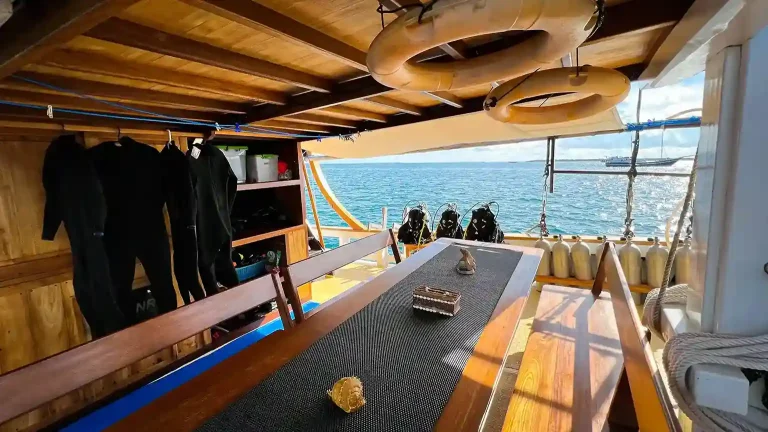
The Best Snorkeling Gear for 2027: What to Bring to Komodo
Visiting the Komodo Islands in 2027 requires not just enthusiasm for the vibrant underwater world but also the best snorkeling…
22 min read
Best Time, Gear & Tips
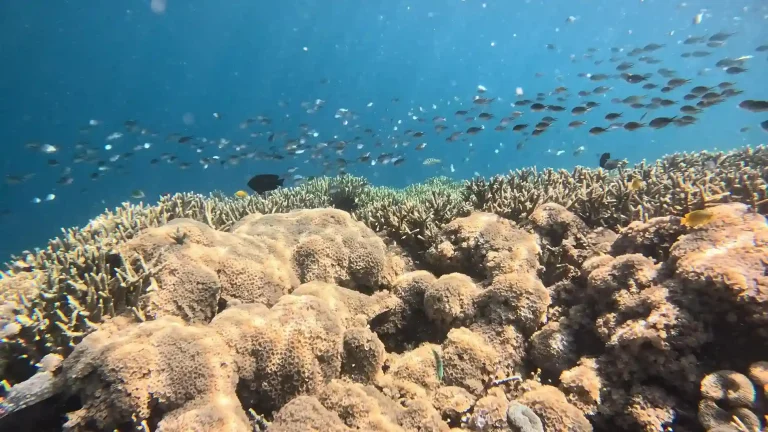
How to Capture the Perfect Underwater Photos While Snorkeling in Komodo
Komodo's clear waters and diverse marine life offer an exceptional setting for underwater photography. To make the most of your…
21 min read
Safety & Sustainability
Sustainable Snorkeling Practices in the Komodo Islands: 2027 Guide
The Komodo Islands, part of Indonesia's Lesser Sunda chain, are celebrated for their vibrant marine life and stunning coral reefs.…
22 min read
Snorkeling Spots & Marine Life
Comparing Snorkeling and Diving in Komodo: Which is Right for You?
The Komodo Islands, renowned for their rich marine biodiversity, offer both snorkeling and diving experiences that attract enthusiasts worldwide. When…
23 min read
Best Time, Gear & Tips
Technology in Snorkeling: Gadgets to Enhance Your Komodo Experience
The integration of technology into snorkeling is transforming how enthusiasts experience the waters around Komodo Island. With the introduction of…
20 min read
Safety & Sustainability
The Impact of Climate Change on Snorkeling in Komodo
The Komodo Islands, renowned for their vibrant marine life, face significant challenges due to climate change. As global temperatures increase,…
22 min read