Snorkeling Spots & Marine Life
Manta Point, Makassar & Turtles: Big Animals In Komodo
Komodo Island Snorkeling Editorial Desk 25 min read
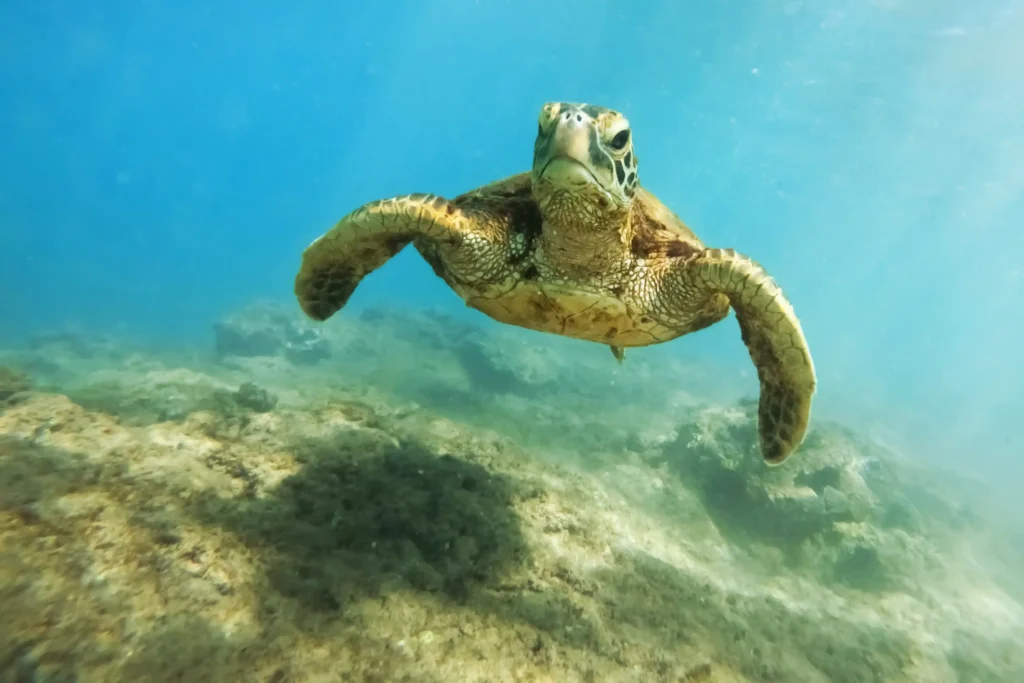
Understanding the Giants of Komodo: Manta Rays and Turtles
Manta Point, located in the stunning Komodo National Park, is renowned for offering some of the best snorkeling experiences with its majestic manta rays and vibrant marine life. With depths ranging from 5 to 30 meters, this underwater paradise attracts both seasoned snorkelers and beginners. The park is also a haven for turtle enthusiasts, promising unforgettable encounters with these gentle creatures.
Manta Point vs. Makassar Reef: Where to Spot Manta Rays
When discussing the best locations for snorkeling with manta rays in Komodo, Manta Point and Makassar Reef are the two prominent spots that come to mind. Manta Point, located near the island of Nusa Penida, is celebrated for its reliable sightings of these magnificent creatures. The site features a natural cleaning station where mantas gather, making it a prime location for snorkelers and divers alike.
On the other hand, Makassar Reef, situated closer to Komodo Island, also offers excellent opportunities for manta encounters, but with a slightly different underwater landscape. The reef is characterized by rich coral gardens and an abundance of fish, providing a stunning backdrop for snorkeling. Both spots are accessible via liveaboard trips or day tours, allowing visitors to choose their adventure based on preference and proximity.
Comparative Depths and Conditions
How deep is Manta Point snorkeling? The depth varies significantly, ranging from a shallow 5 meters at the cleaning station to depths of around 30 meters in adjacent areas. This makes Manta Point accessible for a wide range of snorkelers, including beginners. In contrast, Makassar Reef typically has depths between 5 and 15 meters, making it ideal for those who prefer a more relaxed snorkeling experience.
The Best Time of Year for Manta Encounters
Planning your trip around the best time for manta sightings can significantly enhance your experience. Manta activity in Komodo peaks from December to March, coinciding with the warmest months in the region. During this period, the waters are teeming with plankton, attracting mantas to feed and, consequently, increasing your chances of witnessing these graceful creatures.
For those who want to avoid the crowds while still enjoying good visibility, visiting during the shoulder months of April and November can also be rewarding. These months often see fewer tourists and still offer decent manta encounters, along with stunning underwater visibility and vibrant marine life.
Snorkeling with Mantas: What to Expect
For those considering snorkeling with manta rays, it’s essential to prepare adequately. Manta Point is suitable for all levels, including beginners. Typical snorkeling tours last around 3 to 4 hours, allowing ample time to explore the underwater world. Prices for guided tours typically range from $50 to $100 USD per person, depending on the inclusions such as equipment rental and snacks.
Safety is paramount when snorkeling with mantas. Always respect the animals and maintain a safe distance; you can observe them gracefully gliding through the water without disturbing their natural behavior. Manta rays are known to be gentle giants, but it’s crucial to remain calm and avoid sudden movements to ensure a safe encounter. Using a floatation device can also aid beginners in feeling more secure while snorkeling.
Ethical Snorkeling Practices
As the popularity of snorkeling with mantas and turtles in Komodo increases, so does the importance of ethical practices. Always choose eco-friendly tour operators who adhere to responsible snorkeling guidelines to minimize environmental impact. This includes not touching the mantas or turtles, as well as avoiding disturbing their habitats. Participate in briefings provided by your tour guides about the do’s and don’ts of interacting with marine life.
Additionally, consider opting for small group tours, which not only enhance your experience but also reduce the impact on these magnificent creatures. With the right practices, we can all enjoy the beauty of Komodo while ensuring that future generations have the same opportunities.
Encountering Turtles in Komodo
Keen to explore the underwater habitats of Komodo’s turtles? Siaba Kecil is one of the best spots for turtle snorkeling in the park. Here, you can frequently see hawksbill and green turtles swimming gracefully among the coral gardens. The vibrant marine life, coupled with the diverse ecosystem, makes this area a must-visit for snorkelers and divers alike.
The best time to see turtles in Komodo is during the dry season, which runs from April to November. Water visibility is often at its best during these months, making it easier to spot these gentle creatures. Turtle encounters usually occur at depths ranging from 5 to 15 meters, making Siaba Kecil accessible to snorkelers of all skill levels.
Pricing and Tour Options for Turtle Snorkeling
Guided coral reef snorkeling tours to Siaba Kecil typically cost between $50 to $80 USD per person. Most tours last around 4 to 5 hours, often including equipment rental and refreshments. Many operators also provide small group sizes to enhance the experience, allowing for a more personal connection with the marine life.
Frequently Asked Questions
- Can beginners snorkel at Manta Point?
Yes, Manta Point is suitable for beginners, with depths ranging from 5 to 30 meters. - What is the best time of year to see mantas in Komodo?
The best time for manta sightings is from December to March. - Where can I see turtles in Komodo?
Siaba Kecil is an excellent spot for turtle snorkeling.
Conclusion
Manta Point and the surrounding waters of Komodo National Park offer unforgettable experiences for snorkelers eager to encounter majestic manta rays and serene turtles. With the right knowledge of timing, ethical practices, and preparation, your underwater adventure can be both thrilling and responsible. So grab your gear, book with Komodo Luxury, and get ready for an incredible journey beneath the waves of Komodo!
The Best Time to Visit Manta Point and Makassar Reef
The optimal time to visit Manta Point and Makassar Reef largely hinges on marine activity and weather conditions. Generally, the dry season from April to November offers the best visibility and calmer seas, making it ideal for snorkeling. In particular, the months of August and September tend to be the most popular, with sightings of manta rays peaking during this time. Expect water temperatures to be a comfortable 26-30°C (79-86°F).
During the rainy season, which extends from December to March, visibility can drop significantly, with choppy waters making it challenging for snorkelers and divers. However, the months of December and January can still yield unforgettable experiences, particularly for those who don’t mind the occasional rain shower and are willing to brave less-than-perfect conditions. Prices for tours vary, but expect to pay around $80-$150 USD for a full-day excursion during the peak months.
Essential Gear for Snorkeling with Mantas and Turtles
Having the right equipment is crucial to maximize your underwater experience at Manta Point and Makassar Reef. While many tour operators provide snorkeling gear, it’s advisable to bring your own for the best fit and comfort. Here’s a quick checklist:
- Mask and Snorkel: Choose a high-quality mask that fits snugly to prevent leaks. A snorkel with a dry top can help keep water out.
- Fins: Opt for short fins for easy maneuverability; they’ll help you navigate the currents without tiring quickly.
- Wetsuit: A short wetsuit or rash guard can protect you from the sun and jellyfish stings, especially in warmer water.
- Underwater Camera: Capture the stunning marine life with a waterproof camera. Look for options around $200-$500 USD if you’re keen on photography.
- Safety Gear: Consider bringing a flotation device or snorkel vest if you’re a beginner or not a strong swimmer.
Rental gear is typically included in tour packages, but having personal gear can enhance comfort and fit. Check with your operator about any additional items you may need.
Eco-Friendly Practices When Snorkeling
As the marine ecosystem around Komodo is delicate, practicing sustainable snorkeling is imperative. Here are a few tips to minimize your environmental impact during your visit:
- Avoid Touching Marine Life: Keep your hands to yourself. Touching corals or marine animals can harm them and disrupt their natural behavior.
- Use Reef-Safe Sunscreen: Traditional sunscreens can damage coral reefs. Choose reef-safe options that are free from harmful chemicals like oxybenzone and octinoxate.
- Stay with Your Group: Wandering off can lead to unnecessary disturbances to other marine life and habitats. Stick close to your guide.
- Pack Out Trash: Be sure to dispose of any waste properly and leave no trace behind. If you spot trash while snorkeling, consider picking it up.
Respecting the marine environment ensures that future generations can also enjoy the beauty of Komodo National Park.
Organizing Your Trip: Tour Options and Costs
Booking a tour to Manta Point and Makassar Reef can be done through various operators in Labuan Bajo. Prices can range widely depending on the type of tour and inclusions:
| Tour Type | Price (USD) | Duration | Inclusions |
|---|---|---|---|
| Full-Day Snorkeling Tour | $100-$150 | 8 hours | Lunch, snorkel gear, guide |
| Private Charter | $800-$1,200 | 8-12 hours | Private boat, meals, gear, guide |
| Liveaboard Dive Trip | $400-$900 (3 days) | 3 days/2 nights | Meals, accommodation, diving gear, guides |
Many operators also provide packages that combine visits to other sites within the national park, including Komodo Island and Padar Island. Booking in advance, especially for liveaboard trips, is recommended to secure your spot, particularly during the busy months of July and August.
Explore more from Komodo Island Snorkeling
- Komodo snorkeling overview
- our Padar + pink + manta guide
- our three-day Komodo route
- our day trip guide
- a site-by-site guide to the park’s reefs
- Padar Sunrise
Message Komodo Luxury on WhatsApp →
Planning Your Komodo Manta and Turtle Snorkeling Day from Labuan Bajo
If you are starting in Labuan Bajo, most Komodo Manta Point snorkeling tour options combine several stops in one day. Fast boats typically follow a loop such as: Labuan Bajo → Padar or Komodo for dragons → Pink Beach → Karang Makassar (Manta Point) → Taka Makassar sandbank → Siaba Kecil for turtles, then back to town. Distances are long, so expect 8–10 hours on the water with 3–4 snorkel sessions.
For a slower pace and more manta time, multi-day trips or a private Komodo boat charter let you sleep close to Manta Point and hit peak conditions early. If you are planning for a group, see the guide to Group & Friends private charter planning in Komodo to understand how to split costs, choose cabin layouts, and time your departure from Labuan Bajo for the first manta window of the day.
From Labuan Bajo to Karang Makassar, fast boats usually need 1.5–2 hours depending on sea state. That means any Labuan Bajo to Karang Makassar snorkeling tour with a dragon trek and Pink Beach is necessarily time-compressed. If mantas and turtles are your priority, consider a 2–3 day plan that follows a route similar to our 3-Day Komodo Island Snorkeling Itinerary, which builds in repeat chances at Manta Point and more relaxed turtle encounters.
Komodo Big-Animal Hotspots: Mantas, Turtles, Sharks, and More
Komodo is not only about manta rays and turtles; a well-planned day can also include chances to see reef sharks, cuttlefish, bumphead parrotfish, and even dugongs. At Karang Makassar, typical Komodo Manta Point snorkeling guide briefings highlight manta cleaning stations between about 8–15 m depth, while the drift between bommies often brings encounters with eagle rays and schooling fusiliers. Ask your guide to position you upstream so current brings you gently over the action.
For turtles, snorkeling with turtles Komodo is most reliable at Siaba Kecil and Siaba Besar, where green and hawksbill turtles graze seagrass and rest on bommies in only 3–8 m of water. If you want to focus your Flores-Komodo days on turtles, combine these with softer drifts at Tatawa Kecil and Kalong for a dedicated Flores Komodo snorkeling with turtles itinerary. Siaba Kecil in particular is famous for “dozens of turtles in one snorkel” on good days.
Sharks are an added bonus. If you are wondering where to see reef sharks Komodo, look for them on sandy patches and channel edges around Tatawa Besar, Makassar Reef, and the drop-off sides of some small reefs near Rinca. White-tip and black-tip reef sharks are most often seen cruising the bottom in 10–20 m, so visibility matters. Early-morning sessions generally offer the calmest water and least boat traffic, increasing your chances of relaxed shark sightings during a gentle drift.
Macro and odd-looking species also feature in many big-animal sessions. On shallow reefs near current edges, guides often point out cuttlefish Komodo snorkeling encounters as these color-changing cephalopods hover above coral heads in 4–10 m of water. Bumphead parrotfish tend to patrol steeper slopes and bommies; if you are asking where to see bumphead parrotfish Komodo, Batu Bolong and Castle Rock are among the hotspots for divers, but even snorkelers sometimes catch dawn or dusk passes along the shallows when visibility is good.
Less frequent but still possible are dugongs and pelagic oddities. Dugong Komodo National Park sightings cluster around seagrass meadows in quieter bays, typically off Rinca and some lesser-visited islets. These encounters are purely by chance and can't be guaranteed. The same goes for mola mola in Komodo National Park; while far less common here than in Bali, cold upwellings in certain channels can bring them up, mostly for divers on deeper sites. Snorkelers should treat such appearances as a rare bonus.
For those interested in iconic fish, snorkeling with Napoleon wrasse Komodo is most likely around current-swept corners like Batu Bolong, Makassar Reef, and Tatawa Kecil. If you are specifically asking about Napoleon wrasse Komodo snorkeling locations, note that these sites can have strong currents and may be unsuitable for beginners unless conditions are unusually mild. Always follow your guide's call on whether to enter the water.
Conditions, Seasons, and Safety For Manta and Turtle Snorkeling
Most visitors want to know when is manta season in Komodo. At Karang Makassar, mantas are present year-round, but the largest aggregations usually occur from December to February when plankton blooms attract more feeding rays. During these months, water can be slightly cooler and visibility lower, but the number of mantas gliding through the channel often compensates for the reduced clarity.
The dry season from roughly April to November brings more stable weather, calmer seas, and clearer water, with visibility often in the 15–30 m range. This makes it a strong answer for anyone wondering about Manta Point Komodo best time for snorkeling. Outside peak plankton season you may see fewer mantas per session, but the combination of bright light, blue water, and reliable conditions is ideal for photographers and more timid snorkelers.
Time of day also matters. If you're asking about the best time of day for manta ray snorkeling Komodo, most guides aim for mid-morning or early afternoon when currents are moderate and sunlight reaches the cleaning stations. On very strong-tide days, your crew might target slack tide windows just before or after peak flow at Karang Makassar or Taka Makassar, since this is when mantas often circle more slowly over bommies.
For turtles, snorkeling with sea turtles near Pink Beach Komodo is possible but more hit-or-miss; Pink Beach's main draw is coral and scenery, while Siaba Kecil is the more consistent “turtle heaven” for both day trips and liveaboards. If your priority is snorkeling with turtles Labuan Bajo, ask operators specifically if they include Siaba or turtle-friendly bays on Rinca in their itinerary, as some “dragon and manta” packages skip these to save time.
Safety is a common concern. Water temperatures for water temperature for snorkeling Komodo generally range from 26–30°C, but thermoclines can feel several degrees cooler, especially near current channels. A 3 mm shorty or long wetsuit helps reduce chills during multiple manta or turtle sessions. Regarding do you need life jacket for snorkeling Komodo, non-swimmers and nervous snorkelers should absolutely wear a life jacket or snorkeling vest; even confident swimmers benefit from extra buoyancy when drifting over deep channels at Manta Point.
Some visitors ask, “How deep is Manta Point Komodo for snorkeling?” The surface above the main cleaning stations is typically over 10 m, often 15 m or more, so you are floating well above the mantas as they circle bommies below. Visibility governs how clearly you see them; good days let you watch full wingspans from the surface, while murkier days reward those willing to skin-dive a few meters down for a closer but still respectful look.
Currents are the key safety factor. Sites like Taka Makassar are famous for their soft drifts, so Taka Makassar drift snorkeling tips include: enter the water upstream with your guide, keep the sandbank in sight, and stay horizontal on the surface to avoid dropping into faster-moving layers. In contrast, many visitors ask, “Is Batu Bolong too strong for snorkeling beginners?” Often yes. Batu Bolong is renowned for intense down-currents and whirlpools on its sides. Beginners are better off at Siaba Kecil, Taka Makassar, or calm bays, leaving Batu Bolong to experienced swimmers on exceptional days only.
Rainy-season conditions are still workable but variable. If you're researching snorkeling conditions in rainy season Komodo, expect more cloud cover, occasional showers, and sometimes reduced visibility from runoff, especially near Flores. Sea states can be choppy on windy days, so choose larger boats or a Komodo liveaboard charter for more comfort. The trade-off: fewer crowds and often excellent manta activity at Karang Makassar, which thrives on nutrient-rich water.
Comparing destinations, many travelers weigh Flores vs Bali for snorkeling with manta rays. Bali's Nusa Penida offers cooler water (often 18–24°C) with more dramatic walls but stronger surge and swell. Komodo's mantas at Karang Makassar and Taka Makassar are generally shallower, warmer, and more relaxed for snorkelers, with frequent turtle and macro life mixed in. If your primary goal is combining Komodo Island snorkeling with dragons, mantas, and turtles in one compact trip, basing yourself in Labuan Bajo and exploring the national park is usually the more efficient choice.
If you want your entire holiday structured around marine life, not just day trips, it can help to stitch Komodo into a broader Flores Island itinerary with focus on Komodo snorkeling. Many visitors spend 3–5 days in Labuan Bajo for liveaboard or day-trip snorkeling, then head overland across Flores or onwards to Alor. For ideas on extending beyond the main park, see the guide to snorkeling Flores, Alor & Eastern Indonesia beyond Komodo, which outlines how to chain together manta, turtle, and macro hotspots across the region.
To compare costs and inclusions between operators — especially if you are eyeing a combination snorkeling Komodo dragon and manta tour — review our breakdown of Komodo tour prices, inclusions, and hidden costs. For tailored itineraries that emphasize safe manta and turtle encounters, Komodo Luxury's planning team coordinates with vetted boat partners inside the park and can be contacted via WhatsApp or email listed on their site.
Frequently Asked Questions
When is manta season in Komodo for the best snorkeling?
Mantas can be seen all year in Komodo, especially at Karang Makassar. The biggest aggregations typically happen from December to February, when plankton blooms attract more feeding rays but visibility can drop. For clearer water and calmer seas, visit in the dry season from about April to November, when you still have regular manta encounters with brighter, bluer conditions.
How deep is Manta Point in Komodo for snorkelers?
At Manta Point (Karang Makassar), snorkelers usually float above reefs that sit around 8–15 meters deep, with the channel bottom often deeper. You stay near the surface while mantas circle cleaning stations on bommies below. Good visibility lets you see them clearly from the top; confident snorkelers may skin-dive a few meters, but there's no need to reach the bottom.
Is snorkeling Batu Bolong in Komodo too strong for beginners?
Batu Bolong is generally not recommended for beginners. The site is famous for strong currents, down-currents, and swirling water around its sides, which can challenge even experienced swimmers and divers. Calm, shallow sites like Siaba Kecil, Taka Makassar, or sheltered bays near Rinca are much safer choices if you're new to snorkeling in Komodo National Park.
What are the snorkeling conditions like in Komodo during rainy season?
In Komodo's rainy season, expect more clouds, occasional heavy showers, and sometimes choppier seas. Visibility can decrease, particularly near Flores where runoff enters the sea. However, water temperatures stay comfortable, and manta activity at Karang Makassar can be excellent thanks to nutrient-rich water. Choose larger or more stable boats and stay flexible, as itineraries may adjust to daily weather.
Do I need a life jacket for snorkeling in Komodo?
Wearing a life jacket or snorkel vest is strongly advised if you're not a confident swimmer, especially at drift sites like Manta Point or Taka Makassar. Even good swimmers often use extra buoyancy to relax, conserve energy, and cope with unexpected current changes. Most reputable boats provide jackets; if you're unsure, bring your own or confirm availability before booking.
How close can you get to manta rays while snorkeling in Komodo?
In Komodo, mantas often pass within a few meters of calm snorkelers, but you should never chase, touch, or block their path. Stay still to the side of cleaning stations and let the rays decide how close to come. Keeping at least 3 meters away helps avoid stressing them and reduces the risk of accidental fin or wing contact in strong current.
Is it better to snorkel with manta rays or scuba dive in Komodo?
Both are excellent, but the choice depends on your goals. Snorkeling lets you watch mantas from above in bright light and is ideal at shallow sites like Karang Makassar. Scuba diving offers longer bottom times close to cleaning stations and more chances for macro life. If you're not certified, a snorkeling-focused liveaboard still delivers world-class manta encounters.
Where are the best spots to see sea turtles while snorkeling in Komodo?
The most reliable turtle spots for snorkeling include Siaba Kecil, Siaba Besar, and some sheltered bays around Rinca. These areas offer seagrass beds and shallow coral where green and hawksbill turtles feed and rest in 3–8 meters of water. Pink Beach sometimes has turtles too, but it's less consistent; dedicated turtle sessions usually target the Siaba area.
Choosing Your Encounter: Day Trip vs. Liveaboard for Mantas and Turtles
Deciding between a Manta Point Komodo snorkeling liveaboard or day trip is the first critical step in planning your big animal encounter. Each offers distinct advantages and trade-offs tailored to different timelines, budgets, and expectations. A Komodo snorkeling Manta Point day trip, typically on a speedboat, is the most common approach. It’s a highly efficient way to see the park’s highlights, usually including Padar Island, Pink Beach, and the Manta Point/Taka Makassar area in a single 8-10 hour excursion. The primary advantage is maximizing a short stay in Labuan Bajo. However, day trips operate on a tight schedule and often visit key sites during peak hours alongside other boats.
Conversely, a multi-day liveaboard offers unparalleled flexibility and access. By staying on the water, you can visit Manta Point early in the morning or late in the afternoon, often having the site to yourself. This dramatically increases the quality of your encounter. A liveaboard is also the only practical way to explore the park’s southern sites, which are often too far for a day trip. A typical Komodo snorkeling itinerary including Manta Point and Taka Makassar on a liveaboard might involve two separate sessions at the site, allowing you to experience it in different tidal conditions. While requiring a larger investment in time and budget, the immersive experience and increased wildlife opportunities are significant. For those serious about marine life, Komodo Luxury’s multi-day liveaboard trips provide the best platform for comprehensive exploration. For those with limited time, the private speedboat charters offer more flexibility than shared tours. Regardless of your choice, it is crucial to book your Komodo snorkeling trip in manta season well in advance, as park entries are capped at 1,000 visitors per day and require pre-registration through the official SiOra system.
Field Briefing: Manta Point vs. Manta Alley and On-Site Safety
A common point of confusion for visitors is the difference between Manta Point vs Manta Alley in Komodo. It’s vital to understand they are two very different locations with distinct conditions. The site universally included in day trips is Manta Point, also known as Karang Makassar. This is a massive, shallow (2-9 meters) rubble field and cleaning station in the central part of the park. Its relatively gentle currents and shallow depth make it ideal for snorkelers of all levels. The experience of snorkeling with manta rays at Taka Makassar involves drifting with the current over the reef, scanning for the majestic rays as they feed or get cleaned by wrasses.
Manta Alley, on the other hand, is a world-class dive site located in the far south of Komodo National Park. It is exposed to the Indian Ocean, featuring much colder water, powerful currents, and dramatic underwater topography. While it can host dozens of mantas, it is generally considered an advanced dive and is not suitable or accessible for a typical snorkeling day trip. For 99% of visitors, the manta encounter will be at Karang Makassar.
Regarding Komodo Manta Point snorkeling safety, the primary concerns are current and boat traffic. Komodo Luxury’s partner operators provide experienced guides who are experts at reading the tides. The standard procedure is a drift snorkel: the boat drops you off upstream and follows the group, picking you up at a designated point. Always stay close to your guide and the group. Life jackets are mandatory on all partner boats and we recommend wearing one unless you are a very confident swimmer. The guide will also manage interactions with the animals, ensuring a safe and respectful distance is maintained for both you and the mantas. A detailed breakdown of trip costs often reflects the quality of safety equipment and guide expertise provided.
More Questions About Manta Point, Makassar & Turtles
How do I book a Manta Point Komodo snorkeling trip online?
You can book a Manta Point Komodo snorkeling trip online directly through a trusted local operator’s website or contact channel. Enquire over WhatsApp at +62 811-3823-875 or by email and the booking is fulfilled by Komodo Luxury, which secures the boat and crew and processes your park entry reservation through the mandatory official SiOra system. This ensures your QR code for park access is secured before your trip, avoiding any issues on the day of your tour.
What are the best spots to see turtles in Komodo?
The absolute best spot to see turtles in Komodo is Siaba Besar, often nicknamed ‘Turtle Town’. This sheltered bay is a year-round home to a large population of Green Sea Turtles, and encounters are nearly guaranteed. You can often see them resting on the sandy bottom or grazing on seagrass. Other excellent locations include the reefs around Pink Beach and even Manta Point itself, where it’s not uncommon to spot a turtle cruising by while you’re waiting for mantas.
What distance should you keep from manta rays, and who explains the rules?
The golden rule is to maintain a passive, respectful distance of at least 3-4 meters (10-15 feet). The best encounters happen when you stay calm and let the mantas approach you. Never chase, touch, or swim directly above them, as this can scare them away. Your guide will provide a full briefing on ethical interaction protocols. Following these rules ensures the animals are not stressed and often results in longer, more memorable encounters as they become curious and may circle back multiple times.
What is the actual difference between Manta Point and Taka Makassar?
Manta Point and Taka Makassar refer to the same general area, but with a slight distinction. Taka Makassar is the iconic, crescent-shaped pinkish-white sandbar that emerges at low tide. Manta Point is the name for the vast, surrounding shallow reef and channel where the manta rays congregate to feed and be cleaned. Your boat will typically moor near Taka Makassar for photos, and then you will snorkel in the wider Manta Point area to find the rays.
Is a liveaboard or day trip better for seeing big animals like mantas and turtles?
A liveaboard generally offers a higher probability of seeing big animals. It provides more time on the water, allows for visits to sites at optimal, non-peak hours, and can access more remote locations. However, a well-planned private day trip, especially if you understand the best time of year for snorkeling in Komodo, can still be extremely successful. A day trip is an excellent, time-efficient option, while a liveaboard is a more immersive and comprehensive marine life expedition.
What happens if the current is too strong at Manta Point on the day of my trip?
Safety is the top priority. The captain and guide continuously assess the conditions. If the current at Manta Point is deemed too strong or unsafe for snorkeling, they will divert to an alternative site. Komodo National Park is rich with world-class snorkeling spots. Common backup locations include the turtle haven of Siaba Besar, the vibrant coral gardens of Kanawa Island, or the fish-filled waters of Batu Bolong (viewed from a safe distance if currents are strong), ensuring you still have a fantastic day.
Related reading
Sources & References
- Conservation status of the reef manta ray (IUCN: Vulnerable) — Wikipedia — Reef manta ray
- Manta ray research organization operating in Indonesian waters — Marine Megafauna Foundation
- Conservation status of the Komodo dragon (IUCN 2021 reassessment: Endangered) — Wikipedia — Komodo dragon
Sources checked 27 August 2026.
This guide does not operate boats. Bookings are fulfilled by Komodo Luxury, and this site may earn a referral commission.
Keep reading
More from the journal
Snorkeling Spots & Marine Life
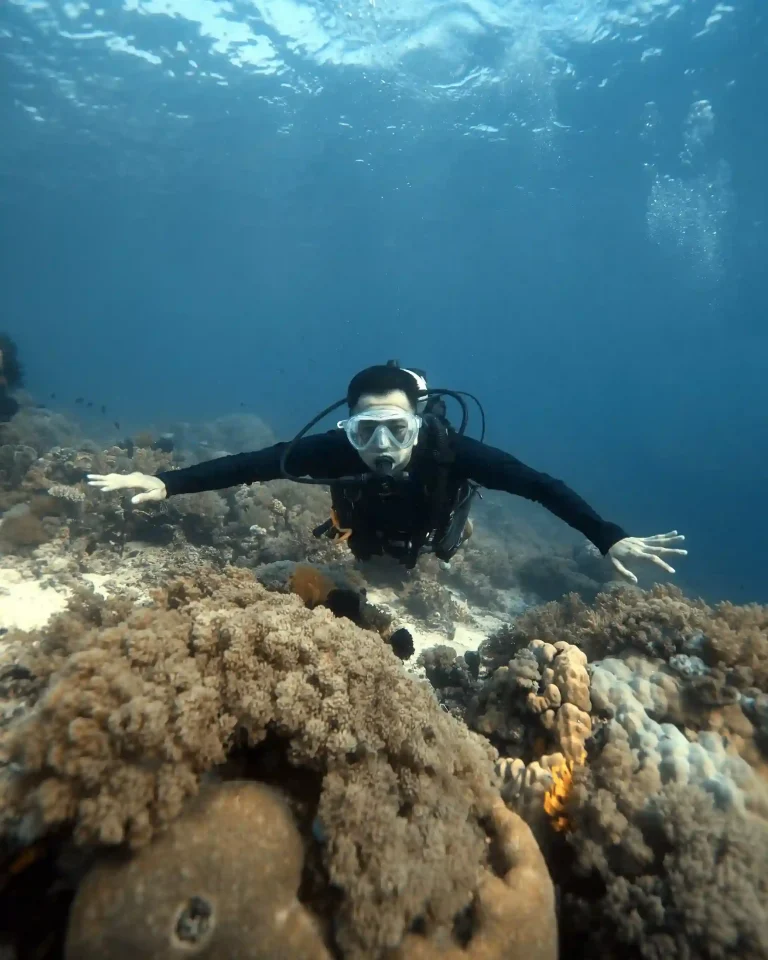
Comparing Snorkeling and Diving in Komodo: Which is Right for You?
The Komodo Islands, renowned for their rich marine biodiversity, offer both snorkeling and diving experiences that attract enthusiasts worldwide. When…
23 min read
Snorkeling Spots & Marine Life
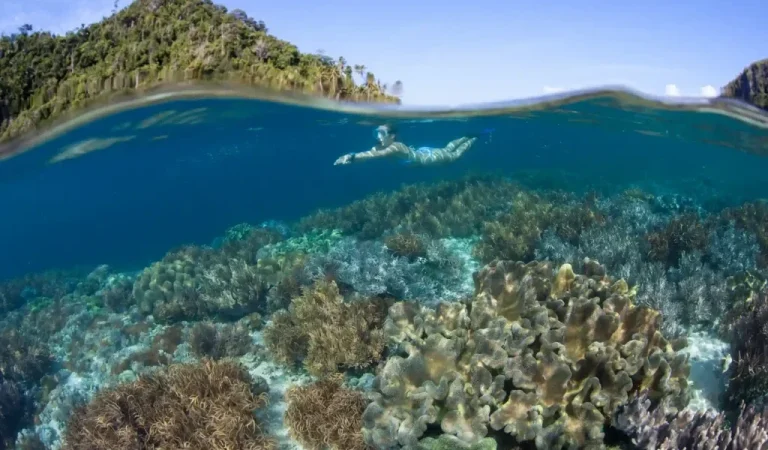
Where to Snorkel in Komodo in 2027
The Komodo Islands are globally renowned for their pristine waters and diverse marine ecosystems. As we approach 2027, snorkelers can…
23 min read
Snorkeling Spots & Marine Life
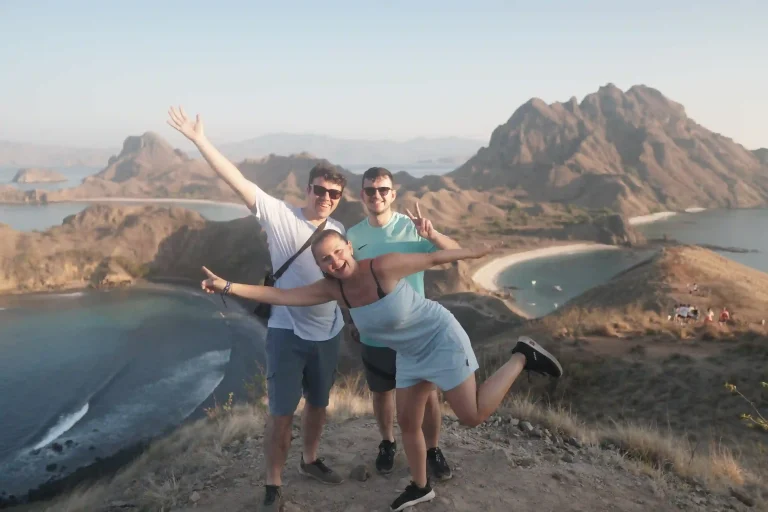
Padar Island 2026: The Hike That Defines Komodo
Padar Island stands as one of the most photographed spots in Indonesia, featuring sweeping hills, pristine beaches, and vibrant marine…
19 min read
Snorkeling Spots & Marine Life
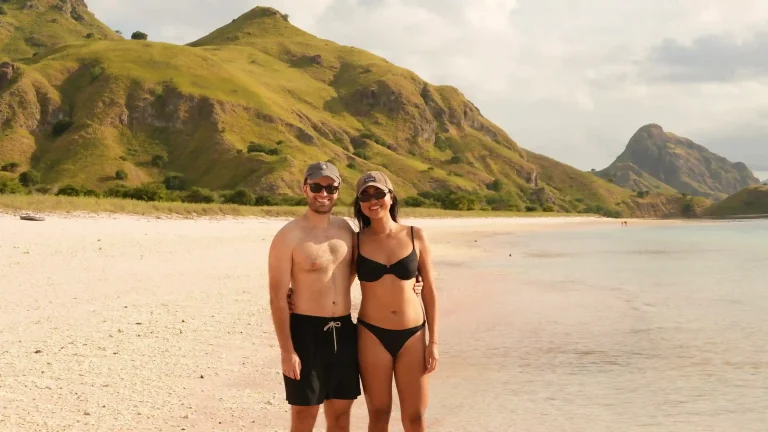
Padar Sunrise, Rinca Dragons & Pink Beach In One Trip
Your day begins early, long before the sun rises. A typical tour will start at around 3:30 AM, with many…
23 min read
Snorkeling Spots & Marine Life
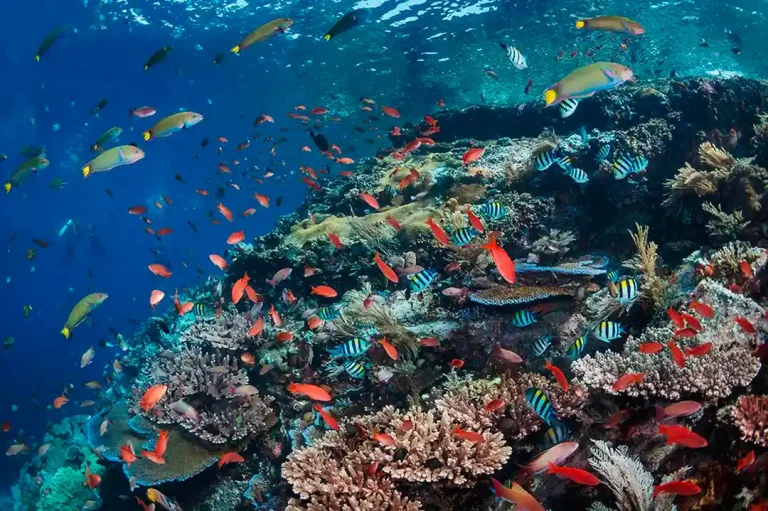
Ultimate Guide To Komodo’s Top Snorkeling Spots
Komodo National Park consists of several islands, each offering unique snorkeling experiences. Here are some of the top spots you…
22 min read
Snorkeling Spots & Marine Life
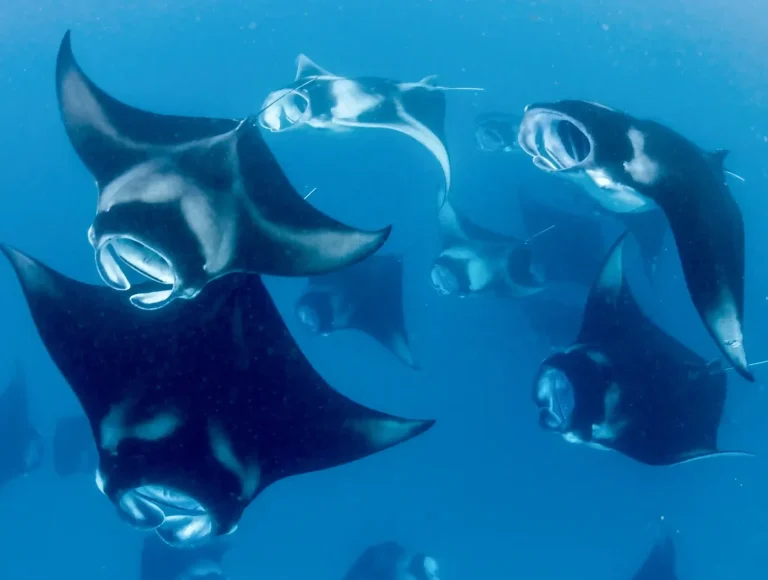
Is Snorkeling with Manta Rays in Komodo National Park Safe?
First, a common misconception is worth clearing up. The magnificent creatures that congregate at sites like Manta Point are manta…
24 min read