What is the Best Time of Year for Snorkeling in Komodo?
Komodo Island Snorkeling Editorial Desk 28 min read
- Optimal Visibility: Expect calm, glassy seas and underwater visibility frequently exceeding 30 meters.
- Favorable Weather: Sunny skies and minimal rainfall create perfect conditions for boat travel and in-water activities.
- Strategic Timing: The shoulder months (April-June, Sept-Nov) provide a superb balance of excellent conditions and fewer visitors.
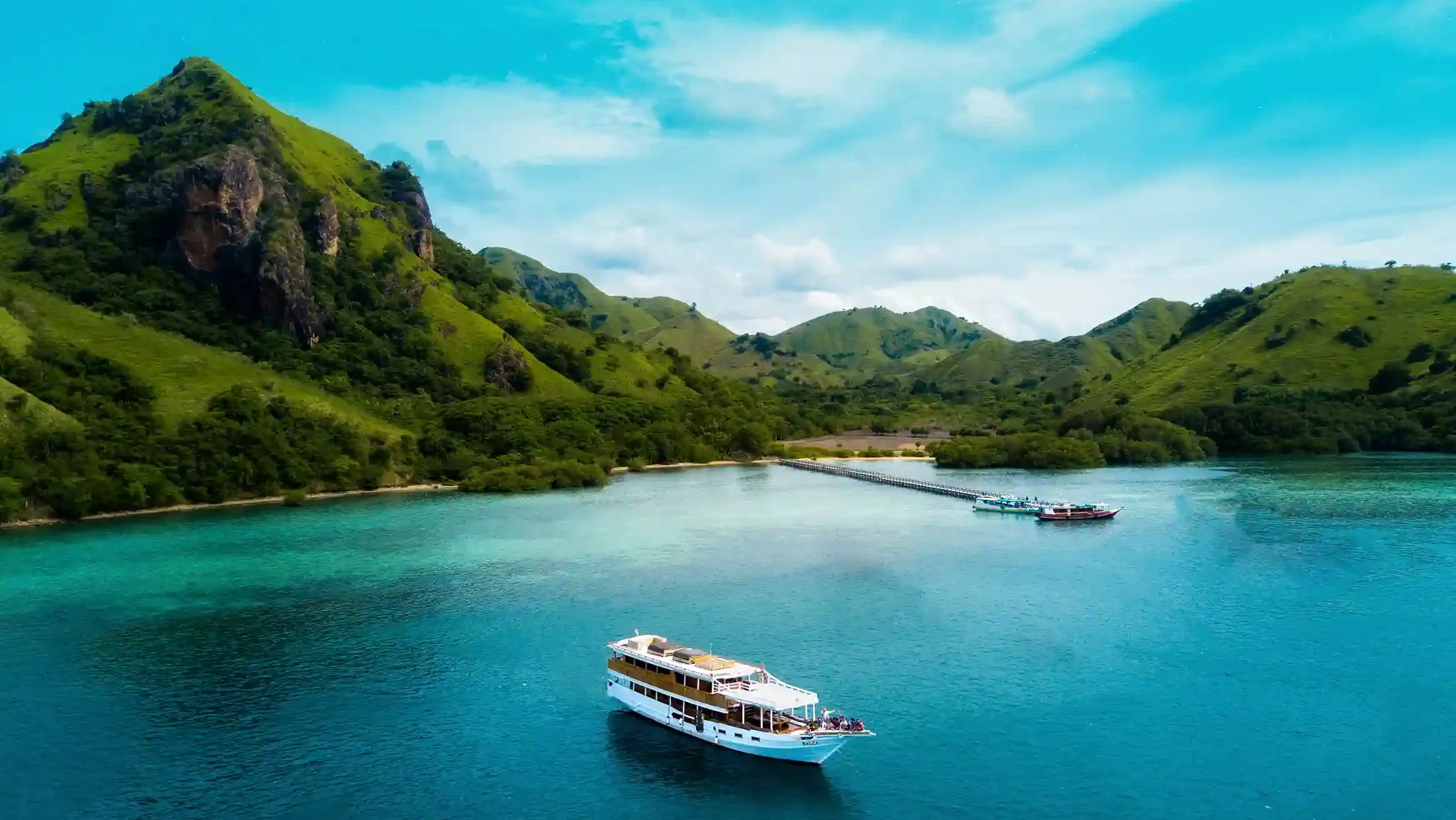
The air is thick with salt and sun. Below the polished teak deck of the phinisi, a low, rhythmic hum is the only sound that punctuates the silence between the saw-toothed islands. You adjust your mask, the silicone pressing cooly against your skin, and peer over the gunwale. The water isn’t just blue; it’s a gradient of impossible color, from pale turquoise over sand to a deep, profound sapphire where the reef wall drops into the abyss. This is the moment before you descend into one of the planet’s most vibrant underwater ecosystems. But timing this moment is everything. Deciding on the best time for snorkeling in Komodo isn’t merely a matter of checking a weather forecast; it’s a strategic choice that dictates visibility, marine encounters, and the very character of your expedition.
Decoding Komodo’s Two Distinct Seasons: Dry vs. Wet
Unlike the four-season rhythm many are accustomed to, the climate in this part of Indonesia—part of the Lesser Sunda Islands—is governed by two dominant monsoons. Understanding this binary system is the first step in planning a successful trip. The entire experience, from the color of the hillsides to the strength of the currents, is dictated by this annual shift. Seasonally, the park behaves like two different places: the dry-season park and the wet-season park are not the same trip. The primary window for most travelers is the dry season, which typically runs from April through November. During these months, the southeast monsoon brings cooler, drier air, resulting in sun-drenched days and minimal precipitation. Sea conditions are generally calm and predictable, making for comfortable crossings between snorkeling sites. Water visibility is at its absolute peak, often reaching a crystalline 30-40 meters. This is the Komodo you see in photographs: arid, savanna-like islands flanked by placid, jewel-toned seas. Conversely, the wet season arrives with the northwest monsoon, lasting from roughly December to March. This period is characterized by higher humidity, overcast skies, and significant rainfall, with January being the wettest month, receiving over 200mm of rain on average. The winds can stir the seas, creating choppier surface conditions and reducing underwater visibility to a still-respectable but less-impressive 10-15 meters. While this season deters many, it triggers plankton blooms that attract immense congregations of megafauna, a trade-off savvy adventurers often consider.
The Prime Window: Snorkeling in the Dry Season (April – November)
While the entire eight-month dry season is considered the best time for snorkeling in Komodo, it can be further subdivided to match your specific priorities. This is where insider knowledge transforms a good trip into an exceptional one. The period from April to June marks the early shoulder season. The islands, fresh from the monsoon rains, are unusually verdant, a lush green that will slowly fade to gold as the months progress. The water is clearing, crowds are thinner, and a palpable sense of renewal hangs in the air. This is a favorite time for many local guides and boat captains. From July to August, the park enters its absolute peak season. Conditions are statistically perfect: the seas are at their flattest, and visibility is consistently superb. This coincides with European summer holidays, meaning Labuan Bajo’s harbor is bustling, and the most popular sites, like the sandbar at Taka Makassar, will have more visitors. Prices for private charters and liveaboards can see a 20-30% premium, and booking at least nine months in advance is not just recommended, it’s essential for securing a quality vessel. The late shoulder season, from September to November, offers what many consider the perfect equilibrium. The peak season crowds have dissipated, but the weather and water conditions remain excellent. The sea is still warm, averaging 28°C, and the visibility holds steady. This window also presents a higher probability of encountering migratory species like whale sharks passing through the straits, adding an element of profound discovery to any Komodo snorkeling overview itinerary.
Marine Life Encounters: Timing Your Trip for Specific Sightings
Komodo’s immense biodiversity, which earned its status as a UNESCO World Heritage Site, means remarkable encounters are possible year-round. However, the frequency and location of certain species can be seasonally influenced. Manta rays, for instance, are the region’s superstars. While they are present throughout the year, the wet season (December-March) is technically their peak. The plankton-rich waters create a veritable feast, drawing large numbers to cleaning stations and feeding grounds like Karang Makassar, famously known as Manta Point. The trade-off, of course, is the potentially rougher seas and lower visibility. Yet, snorkeling with dozens of these gentle giants in a “manta vortex” is an experience that justifies the challenging conditions for many. During the dry season, manta sightings are still highly consistent and reliable, but perhaps in smaller, more intimate groups in calmer, clearer water. Sea turtles, primarily Green and Hawksbill, are ubiquitous. You are almost guaranteed a sighting at sites like Siaba Besar or Turtle City any day of the year. Their nesting season generally spans from April to September, offering a chance to see increased activity around the park’s many protected beaches. For those interested in sharks, the cooler water upwellings from the Indian Ocean during the height of the dry season (July-August) can stimulate reef shark activity, particularly for whitetips and blacktips patrolling the reef edges.
Navigating Currents and Conditions: An Oceanographic Perspective
The secret to Komodo’s hyper-productivity lies in its geography. The park sits at a critical choke-point between the Indian and Pacific Oceans. As massive volumes of water are forced through the narrow straits between islands, powerful currents are generated—currents that can exceed eight knots. This constant flushing of nutrients is the engine that powers the entire ecosystem. However, it also presents a serious consideration for snorkelers. This is not a placid Caribbean bay; it is a dynamic and powerful environment where expertise is paramount. During the dry season, the dominant flow comes from the south, bringing cool, nutrient-dense water from the Indian Ocean. This can cause water temperatures at southern sites like Padar and Rinca to drop to a brisk 24-25°C, while northern sites remain a balmy 27-29°C. A 3mm wetsuit is highly recommended for anyone spending significant time in the southern waters during this period. In the wet season, the flow reverses, and warmer water from the Flores and Banda Seas pushes south. Understanding these tidal flows is the primary job of an expert guide. A reputable operator builds its daily itineraries not just around a checklist of sites, but around the intricate dance of the tides, entering each site at the moment the current is mildest so that the swim is a drift snorkel rather than a fight against the “Komodo Espresso” currents, as they are locally known. If you want an itinerary sequenced that way, check dates with Komodo Luxury.
The “Other” Season: Is Snorkeling Viable from December to March?
So, should the wet season be completely avoided? Not necessarily. It simply offers a different kind of experience tailored to a different kind of traveler. For the flexible, adventure-seeking visitor who prioritizes solitude and specific marine encounters over perfect weather, these months can be highly rewarding. The most significant advantage is the drastic reduction in visitor numbers. You may find yourself as the only boat at an otherwise crowded anchorage. The islands transform into a vibrant, almost electric green, a stark contrast to their usual arid appearance. As mentioned, this is prime time for manta ray aggregations, a compelling draw for marine life enthusiasts. However, the disadvantages must be weighed carefully. The northwest winds can make the journey to the northern park areas uncomfortable or even impossible on certain days. Trip cancellations or last-minute itinerary changes due to weather are a real possibility. Underwater visibility is undeniably compromised, and while 15 meters is clear by many global standards, it pales in comparison to the 30-plus meters common in the dry season. Some boat operators use this period for annual maintenance, limiting the availability of high-quality vessels. In short, snorkeling is entirely possible, but it requires a flexible mindset and the acceptance that Mother Nature is unequivocally in charge.
Quick FAQ on Komodo Snorkeling Conditions
Q: What is the average water temperature in Komodo?
A: It’s a tale of two parks. The northern and central sites maintain a consistent 27-29°C (81-84°F) year-round. The southern sites, however, are influenced by deep ocean upwellings, especially from June to August, where temperatures can dip to about 24-25°C (75-77°F). Charters booked through Komodo Luxury normally carry 3 mm wetsuits for those months; confirm it for your boat when you check dates.
Q: How strong are the currents and is it safe for beginners?
A: Komodo’s currents are world-famous and demand respect. However, safety is a matter of planning, not chance. With an experienced crew that understands tidal charts, it’s perfectly safe. The guides select sites and entry points where the current works for you, allowing for effortless drift snorkels along the reef. We always conduct a thorough briefing and assess conditions before anyone enters the water.
Q: Does the time of year affect Komodo dragon sightings?
A: You can see the dragons on Rinca or Komodo Island any day of the year. Their behavior does change seasonally, though. Mating season occurs around July and August, when males can become more territorial. Nesting and hatching typically happen between September and November. Regardless of the season, you will always be accompanied by a trained park ranger who ensures a safe viewing distance of at least 5 meters.
Q: How far in advance should I book my trip?
A: For the peak months of July and August, we cannot stress this enough: book 9 to 12 months in advance. For the excellent shoulder months (April-June, Sept-Nov), a 6-month lead time is advisable to secure your preferred dates and vessel. the private snorkeling charters are often reserved a year out by discerning clients.
Ultimately, the “best” time is a subjective measure, but for the vast majority seeking the quintessential Komodo experience, the dry season is the undeniable champion. The shoulder months of April-June and September-November, in our editorial opinion, represent the sweet spot—a perfect synthesis of world-class conditions, prolific marine life, and manageable visitor numbers. Navigating this powerful environment requires more than just a boat; it requires deep, local expertise. Ready to witness the heart of the Coral Triangle in its prime? Send Komodo Luxury your dates and the private journey gets built from there, with guides who call these waters home.
Month‑by‑Month Snapshot: Weather, Visibility, and Currents
Understanding Komodo snorkeling visibility by month helps you choose the best balance of calm seas, clear water, and marine life. Around Labuan Bajo, weather for snorkeling follows the same broad pattern as the rest of Komodo National Park, but local winds and currents can shift conditions week to week. Use the overview below as a planning tool, then confirm specifics with your operator a few days before departure.
Dry season overview: April to November
The classic Komodo dry season snorkeling conditions run roughly from April to November. Skies are predominantly clear, rain is rare, and sea state is generally calmer than during the monsoon. Water temperature typically stays between 27–29°C across this period, with visibility often in the 15–30 m range on popular sites like Pink Beach, Siaba Besar, and Karang Makassar.
Transitional months: April, May, and November
Many visitors ask about Komodo snorkeling in April conditions and whether the sea is still rough. By April, rains are tapering off, surface chop starts to ease, and underwater visibility improves quickly, though you can still get the occasional squall. Komodo snorkeling in May visibility is often excellent, with some of the clearest water of the year as plankton drops and the sea has not yet been stirred up by strong dry-season winds.
Komodo snorkeling in November conditions can be variable. Early November can feel like late dry season with stable weather and warm water; by late month, humidity and cloud build, short showers appear, and visibility may soften slightly. It is still a strong choice for those seeking fewer boats on iconic reefs without full wet-season risk.
Core dry season: June to September
For many snorkelers, the core of the dry season—June, July, August, and September—is the best time of year for Komodo liveaboard snorkeling. Komodo snorkeling in June water temp usually sits around 27–28°C, with crisp visibility and relatively predictable winds. July and August are peak tourism months; Komodo snorkeling in August currents can be stronger, especially on channels and corners, as the southeast trades push water through the park.
Komodo snorkeling in September weather tends to be very pleasant: blue skies, low rainfall, and slightly warmer seas than July–August. Currents remain significant on exposed sites, but many bays and fringing reefs offer manageable conditions, particularly for guided groups and beginners.
Wet season dynamics: December to March
During the monsoon, Labuan Bajo snorkeling weather by month becomes less predictable. Komodo snorkeling in December plankton levels often increase, drawing more filter feeders but reducing visibility on some days. January and February usually bring more frequent rain, chop, and occasional trip cancellations if wind or thunderstorms build, but there can still be excellent, glassy days between systems.
Is Komodo good for snorkeling in January or February? It can be, if you prioritize manta encounters over guaranteed clear skies and are flexible with your schedule. Winds typically start to ease again in March, setting the stage for improving conditions by April. Always build a buffer day or two into your plan in case weather forces rescheduling.
Planning Around Mantas, Day Trips, and Liveaboards
Many travelers time their visit around manta rays and specific itineraries such as day trips, Pink Beach, or multi‑day boats. Understanding how mantas move, when boats can reliably reach key sites, and how Labuan Bajo day trip snorkeling weather shapes logistics will help you pick the right month and trip format.
Mantas in Komodo: all year, but with seasonal peaks
If you are wondering whether there are mantas in Komodo all year, the answer is yes: resident populations cruise cleaning stations like Karang Makassar and Mawan across all seasons. However, their aggregation changes. From roughly December to February, plankton blooms mean more food in the water, often producing the highest concentrations of rays, though visibility can be hazier and surface chop more frequent.
Outside those months, mantas are still regularly seen, just often in smaller numbers per snorkel session. Komodo snorkeling in October manta rays is a realistic goal; conditions are usually stable, and many Komodo sailing trips include multiple passes at manta sites to maximize your odds.
Labuan Bajo manta snorkeling day trip timing
For a Labuan Bajo manta snorkeling day trip, the best window is typically the drier, calmer months from May to October, when boat rides to current‑exposed sites are more comfortable. During shoulder and wet months, operators watch forecasts closely and may adjust routes, prioritizing safety if wind or storm cells appear. Booking with an experienced operator who knows how to read Komodo snorkeling currents and tides is more important than chasing an abstract “perfect” month.
If you only have one day, consider traveling outside the busiest national holidays to avoid crowds at the jetty and on moorings. To understand how daily visitor caps, e‑ticketing, and quotas work for short visits, read our guide on Permits, Daily Quotas & New Komodo Park Rules 2026 before you set dates.
Best time of year for liveaboard and Pink Beach itineraries
The best time of year for Komodo liveaboard snorkeling is generally June through early October, when multi‑day boats can reliably cover both northern and central sectors of Komodo National Park under stable weather. Seas are drier, wind patterns are more predictable, and visibility tends to be consistent, which helps you get the most from extended itineraries.
For those targeting a Pink Beach Komodo snorkeling tour best time usually overlaps the main dry season, particularly May to September, when sand colour is striking under strong sunlight and swell is lower. Shoulder months (April and October) can still be excellent, especially for photographers who prefer softer light and fewer boats in the bay.
Choosing between a day tour and a liveaboard
A one day Komodo snorkeling tour best month to go depends on your priorities. If you want the simplest logistics, good odds of mantas, and iconic stops like Padar and Pink Beach, look to June–September and stay flexible on the exact day according to wind. For more remote reefs and dawn or night snorkels, multi‑day Komodo liveaboard charters in the same season give you greater reach and better odds of hitting ideal tidal windows.
Shoulder months sometimes offer better value on snorkeling liveaboard Komodo October deals, as operators look to fill remaining cabins before the rains. If you are comparing day‑trip versus liveaboard budgets, the price breakdown on luxury Komodo snorkeling tour costs is a useful reference.
Practical Timing Tips: Time of Day, Safety, and Photography
Once you have picked your month, the next questions are about the best time of day for snorkeling Komodo, current strength, and whether conditions are suitable for non‑swimmers. This section covers daily timing, safety basics, and how to think about light and color underwater so you come home with strong photos—not just memories.
Morning or afternoon: which is better?
Snorkelers often ask if Komodo snorkeling morning or afternoon better for both comfort and wildlife. Morning sessions typically offer calmer surface conditions and slightly better visibility before daily sea breezes build, which is ideal if you get seasick or are new to snorkeling. Light is softer, reducing harsh reflections, while reef fish are already active.
Afternoons can bring brighter colors at shallow depths and, in some areas, more planktonic life in the water column. However, wind chop and sunburn risk usually increase. If you are debating best time of day for snorkeling Komodo, lean toward early‑morning departures, especially in July–September when trades are strongest, and treat late‑afternoon sessions as a bonus rather than a guarantee.
How strong are currents in Komodo, and what does that mean for you?
How strong are currents in Komodo snorkeling sites? On exposed channels and headlands, they can be very strong, with fast drift speeds and turbulence unsuited to beginners. In contrast, protected bays and fringing reefs often have only gentle flow, particularly around slack tide. This is why knowing Komodo snorkeling currents and tides is central to trip planning, not just a technical detail for divers.
Experienced guides choose entry points and drift directions based on tide tables and real‑time surface signs such as rips and eddies. If you are nervous about currents, request more sheltered sites in advance and be honest about your comfort level on the boat. When conditions are clearly explained, even first‑time snorkelers can enjoy Komodo safely.
Is Komodo snorkeling suitable for non‑swimmers?
Is Komodo good for non swimmers snorkeling? It can be, but only on carefully selected sites and with the right supervision. Several shallow bays near Labuan Bajo and within the park offer calm water where you can float over coral gardens in a life jacket while holding onto a buoy or safety line, always close to the boat and guide.
Because of the park’s reputation for currents, is Komodo snorkeling suitable for non swimmers on every itinerary? No. Non‑swimmers should avoid drift sites and long surface swims and stick to private or semi‑private arrangements where the crew can give closer attention. A dedicated charter, such as a family‑oriented Komodo boat charter, often makes it easier to keep sites conservative and timelines flexible.
Life jacket requirements and safety expectations
There is no nationwide rule that every person must wear a flotation device in the water, but many conscientious operators effectively treat a life jacket requirement for snorkeling Komodo as standard for non‑swimmers and children. Even confident swimmers are often encouraged to use a vest on current‑affected sites or when visibility is reduced by plankton or light rain.
Ask your operator in advance how they handle safety briefings, signaling devices, and in‑water supervision. Reputable boats provide masks, snorkels, fins, and flotation, but you can enhance comfort further with personal gear and simple technology—our article on snorkeling gadgets to enhance your Komodo experience explains what is worth packing.
Visibility, light, and color: getting the most from your photos
Komodo snorkeling visibility is often good enough for wide‑angle photography, but color and contrast depend heavily on light. Sunrise vs midday snorkeling light Komodo offers different trade‑offs: early and late sessions produce softer, more directional beams that flatter coral textures, while midday sun penetrates deeper but creates harsher reflections and shadows near the surface.
If you care about snorkeling Komodo visibility for photos, prioritize mid‑dry‑season dates, choose sites with white or pale sand, and keep the sun behind your shoulder when shooting. Basic Komodo snorkeling color correction—activating a red or magenta filter, or adjusting white balance manually—helps recover warm tones lost with depth. For more detailed techniques, see our guide on capturing perfect underwater photos while snorkeling in Komodo.
Frequently Asked Questions
Are manta rays in Komodo present all year round for snorkeling?
Manta rays are present in Komodo all year, especially around cleaning and feeding areas such as Karang Makassar. From roughly December to February, higher plankton levels often bring larger groups of mantas, though visibility can be reduced. Outside these months, encounters are still common but may involve fewer individuals per session, depending on tides, weather, and operator route choices.
Is Komodo good for snorkeling in January or should I avoid the wet season?
Komodo can be good for snorkeling in January if you accept more variable weather and sea conditions. You may experience rain, chop, and occasional trip changes, but manta activity is often strong thanks to plankton. Choose a flexible itinerary, allow buffer days for cancellations, and focus on central sites rather than long, exposed transits. First‑timers should confirm conditions with their operator shortly before arrival.
How strong are the currents when snorkeling in Komodo, and will I be safe?
Currents in Komodo range from mild to very strong, depending on the site and tide. Some channels are only suitable for experienced snorkelers under tight guide control, while sheltered bays can be calm enough for beginners. Safety comes from site choice, timing around tides, use of surface support, and clear briefings. Book with crews familiar with local patterns and be honest about your swimming ability before entering the water.
What is the best time of year for Labuan Bajo snorkeling conditions?
The best time of year for Labuan Bajo snorkeling is usually from May to October, during the drier months. Expect more stable weather, lower rainfall, and better visibility around nearby islands reached on day trips. Shoulder months like April and November can still be rewarding with fewer crowds but slightly more weather variability. Outside this window, conditions depend more heavily on short‑term forecasts and wind shifts.
Which month is best for beginners who want to snorkel Komodo safely?
For beginners, the safest months to snorkel Komodo are typically June, July, August, and September, when weather is more predictable and operators run frequent trips to sheltered reefs. You still need to avoid high‑current sites and follow guide instructions closely. Non‑swimmers or nervous guests often do best on private or low‑capacity boats that can adapt the route to gentle bays and shorter in‑water sessions.
Is Komodo snorkeling suitable for non swimmers if I wear a life jacket?
Komodo snorkeling is suitable for some non‑swimmers, but only with a life jacket, close guide supervision, and carefully chosen sites. You should expect to stay near the boat, hold onto floats if needed, and avoid strong‑current or deep‑water drifts. Discuss your comfort level in advance, and consider a private charter such as a Komodo yacht charter so the crew can tailor locations and timing to your needs.
Is there a separate snorkeling permit for Komodo National Park?
There is no separate snorkeling permit or diving permit in Komodo National Park. Your park entrance ticket already covers the right to snorkel, with an additional mandatory ranger or guide fee per small group on top. To understand current pricing, daily quotas, and how the SiOra e‑ticket system works from 2026 onward, review our dedicated guide on new park rules before booking your travel dates.
How should I plan a Labuan Bajo day trip for snorkeling in August?
For a Komodo snorkeling day trip August from Labuan Bajo, book early: it is peak season, boats fill fast, and the park’s daily visitor quota applies. Expect stronger trade winds, so prioritize early‑morning departures and choose reputable operators with sturdy vessels. If your schedule allows, keep two potential sailing days open; that way, if wind or swell spike on one, you can shift the trip to the next calmer window. For customized arrangements, you can contact Komodo Luxury or consult our insider guide to chartering a boat in Komodo.
Seasonal Current Dynamics and Snorkeler Suitability
While Komodo’s powerful currents are legendary, understanding their seasonal behavior is key to a safe and enjoyable trip. The question isn’t whether currents exist, but how their predictability changes throughout the year. For optimal snorkeling safety, Komodo strong currents are best managed by choosing the right season for your skill level and traveling with an expert crew that respects the ocean’s power.
The dry season, particularly from June through September, offers the most stable and predictable conditions. This period is generally considered the answer to which season is safest for kids snorkeling in Komodo. While the underlying tidal forces are always at play, the surface waters are typically calmer, winds are more consistent, and weather is clear. This allows the partner operators’ guides to more easily predict water movement at sites like Pink Beach and Siaba Besar, making for a less demanding experience. However, even during these prime months, safety is paramount. We ask the boat operators we recommend to run a thorough current check before anyone enters the water, and to keep a guide or spotter watching the group throughout.
Conversely, the wet season (December to March) introduces more variability. A key aspect of snorkeling safety Komodo currents by season is recognizing that rainy season conditions can be more dynamic. Winds can shift, creating surface chop, and the interaction between tides and weather can make currents less predictable. This doesn’t close the park to snorkeling, but it places a higher premium on the captain’s and guide’s experience. A flexible itinerary is crucial, as a site that was calm yesterday might be challenging today. For maximum safety and itinerary control, especially for families or less confident swimmers, a private Komodo boat charter provides the adaptability needed to navigate seasonal shifts and find the best, safest spots on any given day. For more tailored advice, see the guide to snorkeling in Komodo for beginners.
A Practical Guide to Komodo’s Underwater Visibility and Environment
Underwater visibility is a critical factor for a memorable snorkeling trip, and it varies significantly between Komodo’s two main seasons. The dynamic of Komodo snorkeling visibility dry vs wet season is a trade-off between crystal-clear water and nutrient-rich conditions that attract specific marine life. Understanding this helps set realistic expectations for your underwater photography and wildlife encounters.
During the dry season (April to November), visibility is typically exceptional, often exceeding 30 meters. The lack of rainfall means minimal sediment runoff from the islands, resulting in the iconic clear, azure waters Komodo is famous for. If you were to visualize a Komodo snorkeling visibility chart, it would show a high plateau from June to October, offering the most consistently gin-clear conditions. This is the ideal time for wide-angle underwater photography and appreciating the sheer scale of the park’s vibrant coral reefs.
The wet season (December to March) presents a more complex picture. Nutrient-rich runoff can lead to plankton blooms, reducing average visibility to a range of 10-20 meters. While this sounds like a drawback, these blooms are a feast for manta rays, making sites like Karang Makassar exceptionally active. This highlights the importance of Labuan Bajo Komodo National Park sustainable tourism snorkeling practices; by respecting the environment and following park guidelines, visitors help maintain the delicate balance that supports these magnificent creatures. The park’s visitor quota of 1,000 people per day, managed via the SiOra online booking system, is a key part of this conservation effort, ensuring the ecosystem isn’t overwhelmed. For those wanting to explore more remote sites that may retain better visibility year-round, the multi-day Komodo liveaboard trips sold by Komodo Luxury offer the range and time to find the best possible conditions. You can learn more about our commitment in the guide to ethical travel in Komodo.
More Questions About What is the Best Time of Year for Snorkeling in Komodo?
How is visibility in January for Komodo snorkeling?
Visibility for Komodo snorkeling in January can be quite variable, typically ranging from 10 to 20 meters. While it’s not the crystal-clear peak of the dry season, it is often more than adequate for fantastic snorkeling, especially at offshore sites like Manta Point. Short, intense rain showers can temporarily reduce clarity near islands due to sediment runoff, but conditions in the water column can clear surprisingly fast once the rain stops.
Are currents stronger in the rainy season for snorkeling in Komodo?
Not necessarily stronger, but they can be less predictable. The powerful tidal currents in Komodo are a year-round phenomenon driven by the Indonesian Throughflow. However, wet season winds can create choppier surface conditions, which can make the experience feel more challenging. A skilled guide is essential in any season, but their ability to read the combination of tide and weather is especially critical from December to March.
Is January too stormy for snorkeling trips from Labuan Bajo?
January is rarely “too stormy” to the point where all trips are cancelled, but it is the wettest month, so you should expect a higher chance of rain and potentially windy days. Most tour operators continue to run daily, but with flexible itineraries to adapt to weather. Critically, all boats must secure a daily sailing permit from the Labuan Bajo port authority, which will not be issued if conditions are deemed unsafe, providing an official layer of security for all travelers.
What are the key considerations for snorkeling Komodo during wet season safety?
For snorkeling Komodo during wet season safety, the main factors are variable visibility and potentially choppy surface water. Your top priorities should be choosing an operator with an impeccable safety record, ensuring high-quality life jackets are provided, and trusting your guide’s judgment. They may change the itinerary to find calmer, more protected sites. Always stay with your group and listen to briefings, as conditions can change quickly.
Which month offers the calmest water for beginner snorkelers?
September and October generally provide the calmest sea conditions and are perfect for beginners or families. These months are comfortably within the dry season but after the peak trade winds of July and August have subsided. This period combines excellent visibility with calm, flat seas, creating a highly comfortable and confidence-inspiring environment for anyone new to snorkeling in an area with currents.
Does the park’s visitor quota change between the wet and dry seasons?
No, the official Komodo National Park visitor quota is fixed at 1,000 people per day for the entire park, regardless of the season. This regulation is enforced year-round through the mandatory SiOra online booking system (SiOra.id). This consistent approach helps manage environmental impact throughout the year, protecting the delicate marine ecosystem from overcrowding even during the most popular dry season months.
Related reading
This guide does not operate boats. Bookings are fulfilled by Komodo Luxury, and this site may earn a referral commission.
Keep reading
More from the journal
Best Time, Gear & Tips
The Best Snorkeling Gear for 2027: What to Bring to Komodo
Visiting the Komodo Islands in 2027 requires not just enthusiasm for the vibrant underwater world but also the best snorkeling…
22 min read
Best Time, Gear & Tips
How to Capture the Perfect Underwater Photos While Snorkeling in Komodo
Komodo's clear waters and diverse marine life offer an exceptional setting for underwater photography. To make the most of your…
21 min read
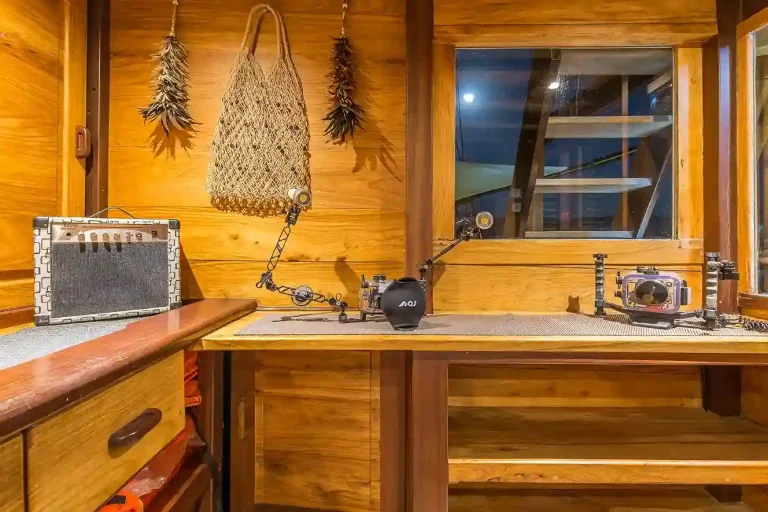
Best Time, Gear & Tips
Technology in Snorkeling: Gadgets to Enhance Your Komodo Experience
The integration of technology into snorkeling is transforming how enthusiasts experience the waters around Komodo Island. With the introduction of…
20 min read
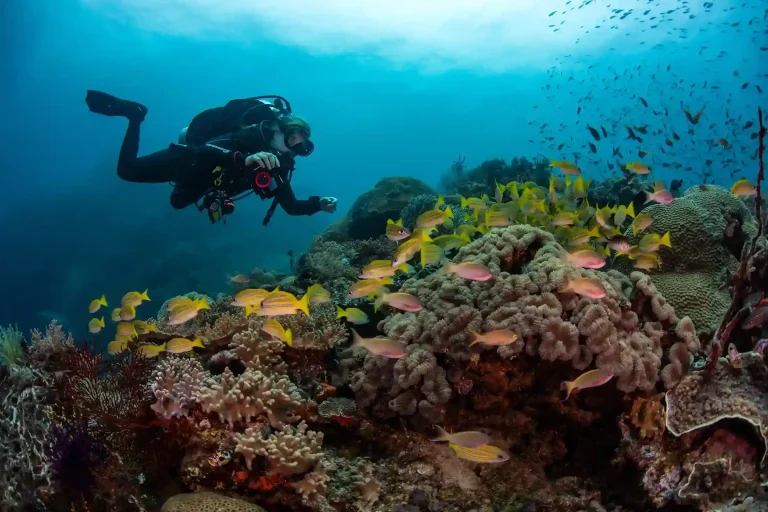
Best Time, Gear & Tips
Predicting Snorkeling Trends in Komodo for 2027
The Komodo Islands, renowned for their diverse marine life and vibrant coral reefs, are predicted to witness significant changes in…
23 min read
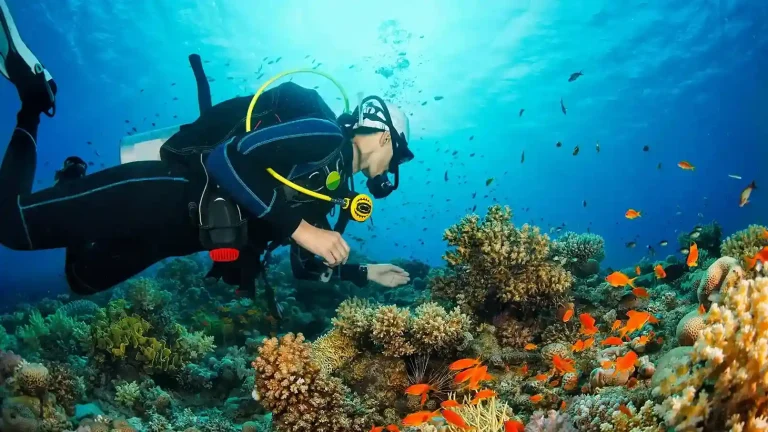
Best Time, Gear & Tips
The Evolution of Snorkeling Tours in Komodo
The evolution of snorkeling tours in Komodo reflects a shift from basic, local-led adventures to sophisticated, eco-conscious experiences. As demand…
22 min read
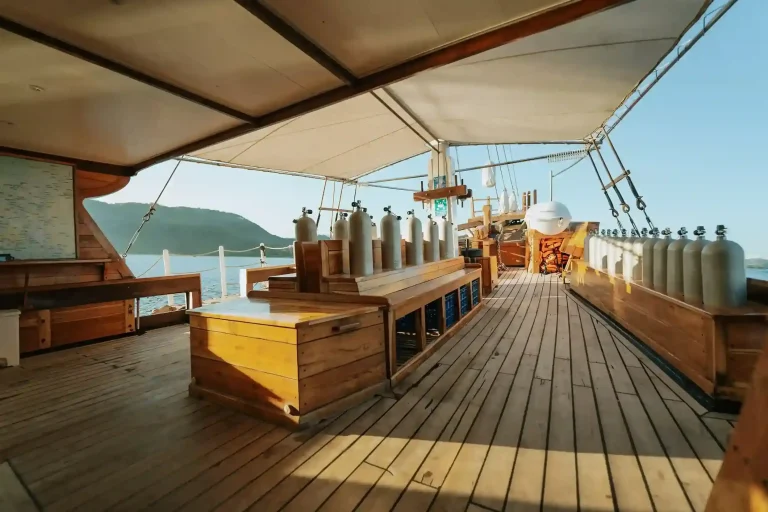
Best Time, Gear & Tips
What To Pack For A Komodo Liveaboard & Island Hopping
On a liveaboard you are essentially living on a boat for several days, usually three to seven. Your packing should…
23 min read