Advanced Snorkelers & Divers: Tackling Komodo’s Currents Safely
Komodo Island Snorkeling Editorial Desk 25 min read
Advanced Snorkelers & Divers: Tackling Komodo’s Currents Safely
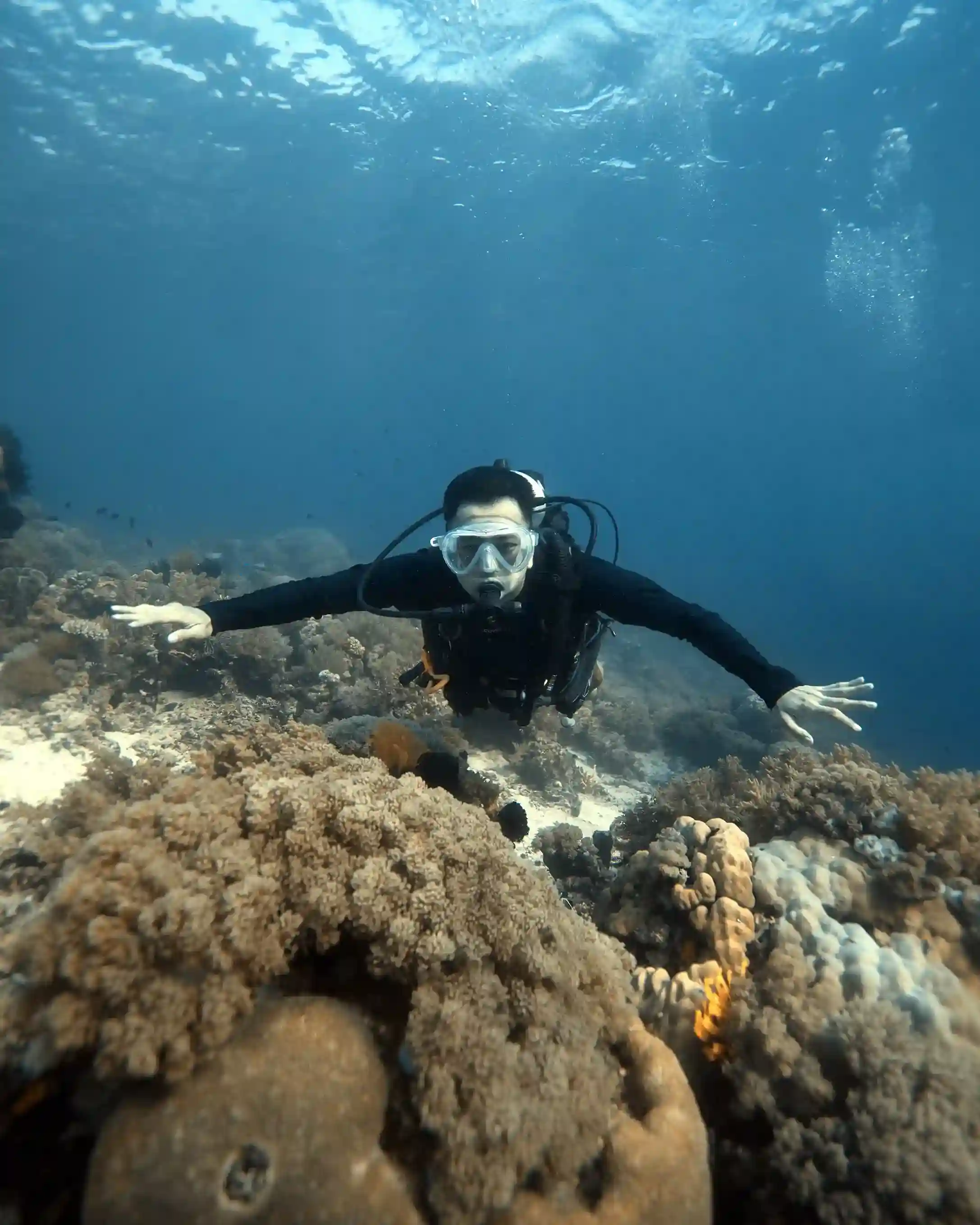
Komodo National Park is a world‑class destination for advanced snorkelers and divers, with vibrant coral reefs and an astonishing diversity of marine life. However, the currents here can be challenging, and understanding how the water moves is critical if you want to explore safely and comfortably.
Understanding Komodo Snorkeling Currents
Komodo National Park is known for its strong and unpredictable currents, making it essential to understand how they work before plunging into the water. The currents can vary significantly depending on the tide, time of year, and specific location within the park.
- North vs South Komodo Currents: The northern section features stronger currents due to its exposure to the open sea, while southern waters tend to have more sheltered, calmer conditions.
- Tidal Influences: The best times to dive are during the tidal shifts, particularly during the changing tides in the early morning or late afternoon.
- Seasonal Patterns: From April to November, divers can expect more consistent conditions, while December to March brings rougher seas and less predictable currents.
Is Komodo Snorkeling Dangerous?
While the waters of Komodo can be challenging, they are not inherently dangerous for experienced snorkelers and divers. However, caution is advised. Strong currents can pose risks, especially for those who are not accustomed to them. It’s crucial to assess your personal abilities and consult with local guides on current conditions before entering the water.
Here are a few pointers to help gauge safety:
- Experience Level: Those with a minimum of Advanced Open Water certification should feel comfortable tackling these waters.
- Guided Tours: Always opt for guided tours with local dive masters who know the area well and can provide safety briefings.
- Equipment Check: Ensure your gear is in excellent condition. A reliable buoyancy control device (BCD) and wetsuit can help you manage strong currents.
Best Komodo Dive Sites for Advanced Divers
For advanced divers looking to explore the mesmerizing underwater landscape, several dive sites stand out due to their unique features and rich marine life. Here are some of the best spots:
- Castle Rock: Renowned for its school of mobula rays and vibrant coral gardens, expect strong currents here. Dive depths can reach up to 30 meters, with visibility commonly between 15-30 meters.
- Crystal Rock: Characterized by its steep walls and vibrant marine life, this site often has challenging currents that can be exhilarating for experienced divers. Depths typically range from 12 to 30 meters.
- Batu Bolong: Famous for its stunning coral formations and diverse fish species. While the current can be strong, safety measures are in place, ensuring an unforgettable experience for discerning divers.
Castle Rock Diving Conditions
Diving at Castle Rock is an experience like no other. The site is located between Komodo and Rinca islands and is best visited during the tidal shifts. Here’s what to expect:
- Visibility: Excellent visibility ranging from 15 to 30 meters.
- Currents: Strong and unpredictable, often requiring divers to be comfortable with drift diving.
- Marine Life: Expect encounters with sharks, rays, and schools of fish. The vibrant coral reefs are a major attraction.
Crystal Rock Komodo Current
Crystal Rock is a stunning dive spot that warrants attention from advanced divers. The currents here can be challenging, making it essential to be prepared. Here’s a quick overview:
- Current Type: The area can experience both incoming and outgoing currents, creating a dynamic diving experience.
- Best Time to Dive: Like Castle Rock, the best diving conditions are just before or after the tide changes.
- Depth Range: Depths typically reach up to 30 meters, so advanced divers should be prepared for deep dives.
Batu Bolong Snorkeling Safety
Batu Bolong is one of the most famous snorkeling spots in Komodo. While the scenery is breathtaking, it’s vital to prioritize safety:
- Strong Currents: Be aware that currents can be swift; it’s advisable to stay close to your guide.
- Equipment: Ensure your snorkeling gear is secure. A good wetsuit can help you manage cold water and support buoyancy.
- Health Precautions: Always inform your guide about any medical conditions that might affect your ability to snorkel safely.
Komodo Drift Snorkeling Tips
Drift snorkeling can be an exhilarating way to explore the underwater beauty of Komodo. Here are some tips to make your experience safe and enjoyable:
- Choose the Right Conditions: Always check local guides for the best times and sites for drift snorkeling.
- Buddy System: Never go alone; always snorkel with a buddy and stay within sight of your guide.
- Stay Calm: If caught in a current, remain calm and let it carry you to safety rather than fighting against it.
Required Experience for Komodo Diving
To dive in Komodo’s diverse and sometimes challenging conditions, certain qualifications are required:
- Certification: A minimum of Advanced Open Water certification is recommended for most sites.
- Experience: At least 20 logged dives, including experience in currents and challenging conditions, is advisable.
- Health Check: Ensure you are in good health and have completed any necessary medical checks before diving.
Best Liveaboard for Advanced Diving in Komodo
For a truly immersive experience, consider a liveaboard dive trip. One of the best options for advanced divers is the MV Mermaid II. Here’s why:
- Duration: Liveaboards typically range from 3 to 7 days, with itineraries covering the top dive sites.
- Cost: Prices start at around $1,200 USD for a 5-day trip, including meals, accommodation, and diving.
- Guides: Expert dive masters with local knowledge lead all excursions, ensuring safety and maximizing your experience.
Conclusion
Komodo’s underwater world is a wonderland for advanced snorkelers and divers alike, but success hinges on understanding the currents, preparing adequately, and knowing your limits. By equipping yourself with the right knowledge and experience, you can tackle the currents safely and witness some of the most spectacular marine life on the planet.
FAQs
- What are the best months for diving in Komodo? The best diving conditions are generally from April to November, when visibility is high and currents are more predictable.
- Are currents dangerous for inexperienced divers? Yes, strong currents can pose risks for those without proper training and experience.
- What is the average cost of diving in Komodo? Expect to pay around $100-150 USD per dive, depending on the site and services included.
Ready to plan an unforgettable underwater adventure in Komodo? Start organizing your route, permits, and boat now so you can focus on enjoying the reefs once you arrive.
Explore more from Komodo Island Snorkeling
- Komodo snorkeling overview
- our Komodo island snorkeling safety guide
- our full cost breakdown
- our Padar + pink + manta guide
- snorkeling Komodo as a beginner
- a site-by-site guide to the park’s reefs
Message Komodo Luxury on WhatsApp →
How Strong Are Komodo Currents for Snorkelers?
Currents in Komodo National Park are driven by tidal exchanges between the Pacific and Indian Oceans, accelerated around channels, pinnacles, and reef points. For snorkelers, this can mean anything from calm, glassy bays to fast-moving drifts. Before getting in, always ask your guide to brief the specific snorkeling conditions Komodo currents at that site and tide.
At popular drift spots like Karang Makassar and Tatawa Besar, you can expect gentle to moderate flows on neap tides, but the same sites may feel like a fast river on spring tides. When people ask “how strong are Komodo currents for snorkelers?”, the honest answer is: it ranges from beginner-friendly to advanced-only, depending on timing, route choice, and how closely you follow your guide.
Currents at Manta Point and Karang Makassar
Manta Point (Karang Makassar) is famous for mantas and for currents. On easy days the drift is slow to medium, letting you float over rubble and low coral while mantas cruise past. On more energetic tides, guides may limit the session to strong swimmers or insist on life jackets. If you are wondering how strong are currents at Manta Point Komodo, think of consistent, pushy flow rather than violent washing-machine turbulence, provided you stay in the main snorkel route chosen by your guide.
Snorkelers often ask how deep is the water at Manta Point for snorkelers. Most of the manta highway is roughly 5–15 m deep beneath you, so you see rays clearly from the surface. You are not expected to freedive; most guests simply float, sometimes with a life jacket, while the boat tracks alongside at a safe distance.
Drift Snorkeling vs “Normal” Snorkeling in Komodo
Drift snorkeling Komodo means using the current as your engine. You enter upstream, float with the flow while watching reef and fish slide beneath you, then exit where your boat waits. In contrast, normal snorkeling is done in a bay or along a shoreline where you can swim slowly, sometimes even against light current, choosing your direction freely.
For advanced snorkelers, advanced drift snorkeling sites Komodo Karang Makassar and Tatawa Besar are highlights, but they demand tight group discipline, good finning, and confidence in open water. If that sounds stressful, let your operator know you prefer more sheltered reefs instead of drift snorkeling vs normal snorkeling in Komodo.
Site-Specific Current Notes for Snorkelers
- Karang Makassar (Manta Point): Often moderate to strong current in the main channel; guides time entry with tide. Life jackets recommended for less confident swimmers.
- Tatawa Besar: Famous for its long orange soft-coral drift. People often ask how strong are currents at tatawa Komodo snorkeling. Expect mild to brisk drift; on strong tides, only confident snorkelers should join.
- Batu Bolong: Incredible coral but subject to fierce vertical and horizontal currents; safe snorkeling is restricted to a small protected cone on truly slack water.
- Taka Makassar sandbar: Usually calmer on the inside, but Taka Makassar snorkeling safety strong currents becomes a concern if you drift off the sandbar edges into channels, so stay where your guide instructs.
If you want a program built around current levels and your comfort, consider a customizable itinerary. The guide to a 3-day Komodo Island snorkeling itinerary explains how calm and advanced spots are sequenced, and you can further tailor the plan via customized Komodo snorkeling routes.
Snorkeling Safety: Regulations, Life Jackets, and Managing Risk
There is no separate “snorkeling permit” in Komodo National Park. Your park entry ticket—priced under Indonesia’s PP No. 36/2024—and mandatory ranger/guide fee already cover snorkeling access. Operators must obey Komodo National Park snorkeling regulations on group size, site zoning, and wildlife interaction, and legitimate companies will brief you clearly before you enter the water.
The park authority issues a Komodo National Park strong currents warning every season: currents can be hazardous for unaccompanied or inexperienced swimmers. That’s why you should only snorkel from a reputable, insured operator that uses certified local guides and follows clear emergency procedures. For more on operator standards, review our Safety & Compliance overview.
Life Jackets: When and Why They Are Used
Many visitors ask, “are life jackets mandatory for snorkeling in Komodo?” The park rules do not require them in all situations, but most professional boats make them compulsory for children, weak swimmers, and during drifts with stronger flow. It is perfectly acceptable to do snorkeling Komodo island with life jacket only if that is what keeps you calm and safe.
In practice, Komodo snorkeling with life jacket is common at Manta Point, Batu Bolong’s shallow zone, and in open channels. For nervous swimmers, wearing a vest and staying close to the guide rope is far safer than insisting on “freedom” without flotation. Parents should ask their operator in advance about Labuan Bajo to Komodo life jacket rules for kids, since policies vary slightly between boats.
Choosing the Best Life Jacket for Komodo Island Snorkeling
If you bring your own, the best life jacket for Komodo island snorkeling is a snug-fitting, front-zip model with at least 50–70 N buoyancy, wide arm openings, and minimal bulk around the shoulders so you can look down easily. Avoid oversized vests that ride up around your ears in waves. Bright colors improve visibility for your guide and boat crew.
Most quality Komodo boats used by Komodo Luxury’s partner fleet carry standard life jackets in multiple sizes. However, if you are very small, very tall, or pregnant, consider packing a tailored flotation vest you know fits well. Always test it in shallow water on your first stop before committing to deeper drifts.
What to Do if You Are Caught in a Current While Snorkeling
Understanding what to do if caught in current while snorkeling Komodo is essential for any advanced snorkeler. The key steps are:
- Stay calm and keep breathing slowly through the snorkel; panic wastes energy and air.
- Signal the boat or guide by waving one arm overhead or inflating your safety device if you have one.
- Do not fight directly against the strongest flow; instead, angle diagonally toward calmer water (often toward a bay or behind a reef).
- Float on your back if tired, conserving energy while you wait for pickup.
- Obey your guide’s instructions; they know local eddies and exit points.
Remember, strong currents Komodo snorkeling incidents usually escalate when guests try to “win” against the water instead of signaling early. Advanced snorkelers should always carry a whistle and brightly colored surface marker to improve visibility.
Sharks, Depth, and Other Perceived Risks
Concerns about shark risk while snorkeling Komodo National Park are understandable, but daytime snorkelers typically see reef sharks that are wary of humans. Incidents are extremely rare when people do not feed or chase animals. Guides will keep you away from cleaning stations or channels where visibility is poor or current extremely strong.
When guests ask “how dangerous are currents in Komodo for snorkeling?”, we emphasize that risk depends less on the site name and more on how the trip is run: tide timing, group control, life-jacket use, and the decision to skip a site if conditions exceed the group’s ability. For a detailed look at our approach, read Komodo Island snorkeling safety and trust practices.
Site Selection: From Advanced Drifts to Safe Family Reefs
Choosing the right sites is crucial if you travel with mixed abilities. While this page focuses on advanced snorkelers, many readers ask about safe Komodo snorkeling sites without strong currents for partners, children, or relatives who are less confident in the water. A thoughtful itinerary can combine both challenging drifts and calm lagoons in a single trip.
Is Snorkeling at Batu Bolong Only for Advanced Guests?
The blunt answer to “is snorkeling at Batu Bolong only for advanced?” is: for most days and most boats, yes. The rock is surrounded by very strong, sometimes turbulent current; safe snorkeling is limited to a shallow, sheltered wedge in truly slack water. Even there, advanced snorkelers should stay close to the guide and avoid drifting beyond clearly briefed boundaries.
Because of this, Batu Bolong is usually reserved for experienced guests comfortable with open water and clear instructions. Less confident swimmers often remain on the boat or are offered an alternative stop in a nearby bay with less exposure.
Manta Point and Taka Makassar for Families
Many people ask, “is Manta Point safe for snorkelers?” It can be, with the right timing, guide ratio, and safety gear. For families, boats may anchor in more sheltered zones while guides tow guests along the manta route. Still, parents should not assume can children snorkel at Manta Point Komodo safely is always yes—it depends on sea state, current, and the child’s comfort and obedience in the water.
At Taka Makassar, the inner sandbar is one of the safe snorkeling spots in Komodo for families during calm tide windows, but the edges drop quickly into channels. That’s why Taka Makassar snorkeling safety strong currents is mentioned so often in briefings: you must stay within the area defined by your guide and avoid chasing mantas off the sandbar.
Best Calm Bays Near Komodo for Nervous or Pregnant Snorkelers
Guests frequently ask about the best calm bays near Komodo for nervous snorkelers or for a pregnant partner. Good operators will prioritize sheltered locations like northern Komodo’s fringing reefs, portions of Kanawa and Sebayur, and certain corners of Pink Beach. None are 100% current-free, but they are significantly gentler than channels like Karang Makassar.
For those considering Komodo snorkeling for pregnant wife which spots are calm, discuss this with your doctor and your tour planner before travel. Stick to half-day programs with limited time in the sun, skip strong drifts, and choose boats with shaded decks and easy water access. Reading guidance on choosing the right Komodo boat will help you prioritize comfort and safety features.
Family-Friendly Tours and Options for Non-Swimmers
If you are looking for family friendly Komodo snorkeling tours or a Komodo day trip with no snorkeling for non swimmers, communicate that early to your operator. A private charter can adjust timing and site selection for children or nervous adults. Non-swimmers can still enjoy beaches, short hikes, and manta spotting from the deck without entering the water.
Travelers from Singapore and other regional hubs often ask for the best Komodo snorkeling tour for non swimmers from singapore. In that case, we usually recommend arriving in Labuan Bajo a day early to rest, then joining a slow-paced private or deluxe shared program with guide-to-guest ratios that allow one-on-one support. You can compare options via curated Komodo sailing trips and then refine the choice based on your group’s swimming ability.
Note that there are no lifeguards at Komodo snorkeling spots in the sense of stationed, shore-based rescuers. Safety instead relies on your boat crew and guides. Ensure any operator you choose explains how many guides will be in the water, whether a safety boat follows drifts, and what emergency gear is carried on board.
Snorkeling vs Diving in Strong Currents
Some advanced water lovers debate Komodo National Park snorkeling vs diving for strong currents. Diving lets you hide from surface chop and use the reef for shelter, but it requires more training and gear. Snorkeling keeps you at the surface where rescue is quicker and equalization is not an issue, yet you are more exposed to wind and surface current.
In reality, both activities face similar tidal forces. The safest option is the one that matches your training, fitness, and comfort. If you are an experienced diver and strong snorkeler, a combination trip—organized through specialized Komodo diving and snorkeling charters—can let you drift dive at advanced sites and save lighter days for relaxed snorkeling with friends or family.
For longer expeditions, a Komodo liveaboard charter offers the flexibility to chase the best tides, combine advanced drift snorkeling Komodo sessions with easy bays, and rest on quiet decks between currents. If you prefer shorter outings around Labuan Bajo snorkeling strong currents are easier to dodge by planning half-day loops to sheltered northern reefs rather than forcing a full classic circuit in one day.
Frequently Asked Questions
How strong are currents at Manta Point in Komodo for snorkelers?
Currents at Manta Point range from gentle drifts to fast, continuous flow depending on tide and moon phase. On calm neap tides, many confident beginners can join with life jackets. On strong spring tides, only experienced swimmers should enter, and guides may shorten sessions. Always follow your guide’s briefing on where to drift and when to skip the site.
Is snorkeling at Batu Bolong really only for advanced guests?
Snorkeling Batu Bolong is effectively an advanced-only activity because powerful currents wrap around the pinnacle and can become vertical and unpredictable. Guides sometimes use a tiny, protected shallow wedge during true slack water, but even there you must be comfortable in open ocean and obey boundaries strictly. Less confident swimmers should usually stay on the boat or choose alternative sites.
Are there lifeguards at Komodo snorkeling spots watching the water?
No, there are no stationed lifeguards at Komodo snorkeling sites. Safety is managed entirely by your boat crew and in-water guides. That makes your choice of operator critical: ask about guide-to-guest ratios, safety gear, and emergency procedures. Always stay within sight of your guide, wear a life jacket if unsure, and avoid swimming off alone from the group.
Is Manta Point safe for children and nervous snorkelers?
Manta Point can be safe for children and nervous snorkelers only when conditions are mild and boats follow strict safety practices. Kids must wear life jackets, stay very close to the guide, and be comfortable floating in deep water. On days with strong current or choppy seas, responsible operators will either limit participation or skip the site for less experienced guests.
What should I do if I’m caught in a strong current while snorkeling in Komodo?
If you’re caught in a strong current, stay calm, keep breathing through your snorkel, and immediately signal your guide or boat by waving an arm. Don’t fight straight against the flow; instead, angle diagonally toward calmer water or simply float while waiting for pickup. Use any whistle or surface marker you have, and conserve energy rather than trying to “win” against the water.
Are life jackets mandatory for snorkeling in Komodo National Park?
Life jackets are not legally mandatory for every snorkeler, but most professional operators require them for children, weak swimmers, and during strong drifts. Wearing one is never considered “cheating”; it keeps you afloat while you focus on marine life. If you’re anxious, tell your guide you want to snorkel only with a life jacket and stay near the safety rope or boat.
What are the safest Komodo snorkeling sites without strong currents?
The safest sites generally include shallow, protected bays and fringing reefs away from main channels, such as parts of northern Komodo, Sebayur, Kanawa, and some corners of Pink Beach. Conditions still change with tides and wind, but currents are softer than at places like Batu Bolong or Manta Point. Always ask your guide for calm alternatives suited to your group’s ability.
How does drift snorkeling in Komodo differ from normal snorkeling?
Drift snorkeling in Komodo uses the current as your transport: you enter upstream, float with the flow, and exit where the boat collects you. You rarely stop swimming completely, and staying close to your guide is crucial. Normal snorkeling usually happens in quieter bays where you can choose direction and pace, sometimes even swimming back to the boat against light current.
Pre-Snorkel Briefing: What to Ask Your Guide About Strong Currents
The single most important safety tool for tackling Komodo’s advanced sites isn’t your fins or mask—it’s the pre-snorkel briefing from your guide. This is your opportunity to understand the plan and align expectations. A professional guide on a reputable private Komodo boat charter will always explain the day’s conditions, but an engaged and informed guest makes for a safer team. Here’s what you should listen for and the questions you should ask to understand how to avoid strong currents when snorkeling Komodo.
First, understand the drift plan. The guide should clearly identify the entry point, the intended drift direction, and the approximate exit point where the tender boat will be waiting. Key questions to ask include: “What is the signal to return to the boat?” and “What is the contingency plan if the current is stronger than expected?” Understanding these procedures is vital. Second, discuss the surface conditions. Ask about potential for chop, wind, and how that interacts with the current. This is particularly relevant for sites where Komodo island snorkeling strong currents are the main attraction, as they can create challenging surface conditions. Finally, confirm gear readiness. For a site like Manta Point, ask about equipment specifics. Komodo Luxury’s partners provide quality gear, but knowing what to expect is key. This is where the query “snorkeling Manta Point Komodo what gear” becomes practical: you need powerful, well-fitting fins, not flimsy ones, to navigate the water effectively. This briefing process is just as crucial for Komodo snorkeling for certified divers; while your underwater plan is different, your surface safety and communication with the boat crew follow the same critical principles.
Timing is Everything: Tides, Moons, and Strategic Site Selection
The question “how strong are currents snorkeling Komodo?” has no single answer, because their intensity is a direct function of time and tide. Komodo National Park sits at a critical choke-point between the Indian and Pacific Oceans, and the immense volume of water moving between them during tidal shifts creates the legendary currents. An expert operator’s primary skill is not fighting these currents, but working with them by timing visits to specific sites with precision.
The lunar cycle is the master controller. During a full moon or new moon, gravitational pull is strongest, creating “spring tides” with the most significant difference between high and low tide. This results in the strongest currents. Conversely, during quarter moons, “neap tides” produce much gentler flows. A good operator schedules visits to the most challenging advanced snorkeling spots Komodo offers, such as the north side of Gili Lawa Darat, during periods of calmer tidal movement. For snorkelers, this timing is non-negotiable. For example, the typical Komodo Manta Point current conditions for snorkelers can vary from a gentle, relaxing drift to a strenuous swim in a matter of hours. A positive Manta Point Komodo snorkeling review is almost always the result of a perfectly timed visit. This is why the best Komodo snorkeling sites for advanced snorkelers are often visited at very specific times of day. Sites like Castle Rock are world-famous for divers, but attempting castle rock Komodo snorkeling is almost never done because it’s a submerged pinnacle exposed to open ocean, making surface conditions dangerously unpredictable. For an in-depth look at how seasons interact with these conditions, see our guide on the best time of year for snorkeling in Komodo.
More Questions About Advanced Snorkelers & Divers
What is the difference between a ‘down current’ and a ‘washing machine’ current?
A down current is a specific vertical flow that pulls you directly downwards, a primary concern for scuba divers at sites like The Cauldron but very rare for surface snorkelers. A ‘washing machine’ is a chaotic, multi-directional current where water moves unpredictably, often at the meeting point of two or more currents. This is more relevant for snorkelers as it can be disorienting on the surface. Experienced guides know exactly where these phenomena occur and avoid them.
Can I use a reef hook while snorkeling in Komodo?
No, reef hooks are a specialized tool exclusively for scuba divers. They are used to latch onto bare rock in a strong current to hold position without damaging coral, allowing divers to observe marine life without finning constantly. They are unsafe and impractical for snorkelers, who need to remain mobile on the surface and follow the drift plan set out by their guide. Your guide is your anchor to safety, not a piece of equipment.
Are the currents in Komodo stronger during the wet or dry season?
The currents themselves are driven by lunar tides, not by season. Their fundamental strength remains consistent year-round. However, the seasons affect surface conditions. The dry season (April–November) typically brings calmer seas and less wind, making it easier to manage a drift and for the boat to spot snorkelers. The wet season, December through March, can introduce wind and surface chop, which adds a layer of difficulty even if the underwater current is the same. For a detailed breakdown of snorkeling versus diving, explore our snorkeling vs. diving in Komodo guide.
How do I know my guide is experienced enough for strong current sites?
A professional guide’s confidence and clarity are key indicators. Ask them directly about their experience with the planned sites, their emergency protocols, and how they assess conditions on the day. They should provide a detailed, unhesitating briefing. We exclusively partner with operators like Komodo Luxury whose guides are licensed, local experts with years of experience reading the park’s dynamic waters, and who will always prioritize safety and cancel a stop if conditions are unfavorable.
Is it really impossible to snorkel at Castle Rock?
For all practical purposes, yes. Castle Rock is a submerged pinnacle in the open sea, fully exposed to the powerful currents of the Lintah Strait. While it’s a world-class dive site, the surface conditions are often treacherous and unpredictable, making it unsuitable and unsafe for snorkelers. A safe Komodo island snorkeling itinerary will always select sites like Batu Bolong or Siaba Besar, which offer equally stunning marine biodiversity with far more manageable and predictable surface conditions.
What type of fins are best for handling Komodo’s currents?
Long-blade freediving fins offer the most propulsion and efficiency, making them the top choice for serious and advanced snorkelers. However, any pair of high-quality, full-foot or open-heel scuba diving fins will be vastly superior to the short, flexible fins often found on budget day trips. The most important factors are a snug fit to prevent chafing and a stiff blade to provide power, allowing you to maneuver effectively and conserve energy in a current.
Related reading
Sources & References
- Official marine/maritime weather and sea-state forecasts for Indonesian waters — BMKG Maritim
- Global diving & snorkeling safety authority, medical guidance — DAN — Divers Alert Network
- Indonesian Throughflow — the ocean current system driving Komodo’s currents — Wikipedia — Indonesian Throughflow
Sources checked 27 August 2026.
This guide does not operate boats. Bookings are fulfilled by Komodo Luxury, and this site may earn a referral commission.
Keep reading
More from the journal
Best Time, Gear & Tips
The Best Snorkeling Gear for 2027: What to Bring to Komodo
Visiting the Komodo Islands in 2027 requires not just enthusiasm for the vibrant underwater world but also the best snorkeling…
22 min read
Best Time, Gear & Tips
How to Capture the Perfect Underwater Photos While Snorkeling in Komodo
Komodo's clear waters and diverse marine life offer an exceptional setting for underwater photography. To make the most of your…
21 min read
Best Time, Gear & Tips
Technology in Snorkeling: Gadgets to Enhance Your Komodo Experience
The integration of technology into snorkeling is transforming how enthusiasts experience the waters around Komodo Island. With the introduction of…
20 min read
Best Time, Gear & Tips
Predicting Snorkeling Trends in Komodo for 2027
The Komodo Islands, renowned for their diverse marine life and vibrant coral reefs, are predicted to witness significant changes in…
23 min read
Best Time, Gear & Tips
The Evolution of Snorkeling Tours in Komodo
The evolution of snorkeling tours in Komodo reflects a shift from basic, local-led adventures to sophisticated, eco-conscious experiences. As demand…
22 min read
Best Time, Gear & Tips
What To Pack For A Komodo Liveaboard & Island Hopping
On a liveaboard you are essentially living on a boat for several days, usually three to seven. Your packing should…
23 min read