Komodo Snorkeling For Beginners And Non-Swimmers
Komodo Island Snorkeling Editorial Desk 24 min read
What is Komodo Snorkeling?
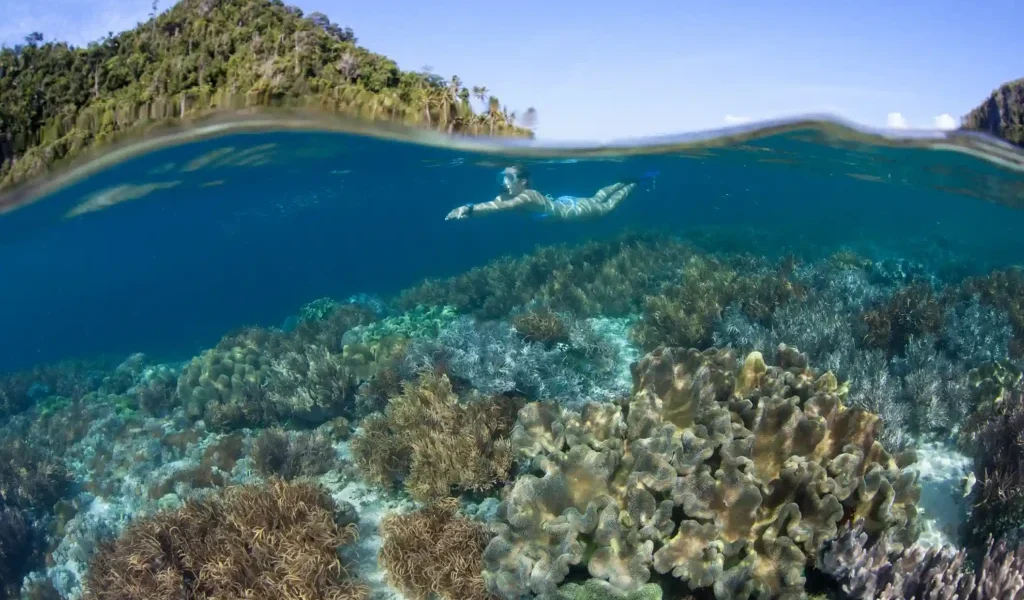
Komodo snorkeling offers a delightful underwater experience that showcases the rich marine biodiversity of Komodo National Park. With clear waters, vibrant coral reefs, and a variety of marine life, it is an ideal activity for both beginners and non-swimmers. Whether you are gliding over shallow reefs or exploring deeper waters, snorkeling here can be accessible to all, even those who cannot swim.
Is Komodo Safe for Non-Swimmers?
Many may wonder, “Is Komodo safe for non-swimmers?” The answer is a resounding yes, provided you take the necessary precautions. Most snorkeling tours prioritize safety by equipping participants with lifejackets and pairing them with experienced guides. You can still enjoy the underwater wonders even if you’ve never swum before. Always remember to communicate your experience level to your guide, who will ensure you stay in safe areas and monitor your well-being throughout the trip.
Lifejacket Snorkeling in Komodo National Park
One of the main advantages of going snorkeling in Komodo for beginners and non-swimmers is the use of lifejackets. Most tours include a high-quality lifejacket that provides buoyancy, allowing you to float comfortably while enjoying marine life. Lifejackets make it easier for those who may feel anxious in the water, giving you the confidence to explore without the fear of sinking. Prices for snorkeling tours that include lifejackets generally range from $45 to $120 per person, depending on the duration and package inclusions, such as lunch and equipment rental.
Easy Snorkeling Spots in Komodo
If you’re a beginner or non-swimmer, certain areas are more suited for your needs. Here are several easy snorkeling spots in Komodo:
- Manta Point: Known for its clear waters and gentle currents, Manta Point offers the chance to see majestic manta rays. The depth ranges from 5 to 15 meters (16 to 49 feet), making it accessible for beginners.
- Kanawa Island: Located a short boat ride from Labuan Bajo, Kanawa has shallow reefs teeming with colorful fish. Depths here are typically between 1 to 3 meters (3 to 10 feet), perfect for non-swimmers.
- Pink Beach: Famous for its beautiful pink sand, Pink Beach features calm waters and easy access to vibrant coral gardens. Snorkeling here is suitable for beginners, with depths around 2 to 5 meters (6 to 16 feet).
These locations not only provide stunning views but also allow for a relaxed snorkeling experience without dealing with strong currents or deep waters.
Shallow Reef Snorkeling near Labuan Bajo
For those looking to explore shallow reefs, several spots near Labuan Bajo are ideal. The waters around these reefs are generally calm, making them perfect for beginners and non-swimmers. Expect to see an array of marine species, from clownfish to sea turtles, among the corals. Many tours departing from Labuan Bajo cater to this demographic, providing both equipment and guidance. A half-day snorkeling trip typically costs between $50 and $80, depending on the operator.
Komodo Snorkeling Conditions for Kids
Families considering snorkeling in Komodo can feel reassured that many areas offer calm, kid-friendly conditions. It’s crucial to choose a tour that caters specifically to families, ensuring extra flotation, patient guides, and flexible schedules that respect children’s comfort levels.
On family departures, extra safety measures are in place. Many operators offer tours with shallow water access, lifejackets for kids, and experienced guides who can keep an eye on younger snorkelers. Generally, the best months for family snorkeling trips are from April to November, when the water conditions are calm and visibility is at its best.
Best Komodo Tours for First-Time Snorkelers
For first-time snorkelers, selecting the right tour can make all the difference. Here are some well-regarded options:
- Full-Day Snorkeling Tour: This tour usually spans 6-8 hours, visiting multiple snorkeling sites like Manta Point and Kanawa Island. Prices generally range from $50 to $90 per person.
- Private Snorkeling Charter: For a more personalized experience, consider booking a private charter. While pricier (roughly USD 700–900 for the whole speedboat, however many of you share it), it allows for custom itineraries and complete flexibility.
- Half-Day Snorkeling Adventure: Perfect for those short on time, this tour lasts about 4 hours and visits one or two snorkeling sites. Expect to pay between $50 and $80.
Be sure to read reviews and verify that the tour operator is reputable, prioritizes safety, and provides the right equipment for beginners.
Currents in Komodo for Snorkeling
Understanding the currents in Komodo is crucial for a safe and enjoyable snorkeling experience. While many areas have gentle currents suitable for beginners, some sites, especially those exposed to the open sea, can exhibit strong currents. A capable guide will navigate you to the safest sites based on the day’s conditions. As a general rule, mornings often present calmer waters, so planning your snorkeling trips earlier in the day can be beneficial. Be cautious of snorkeling in areas like the Komodo Strait, where currents can become unpredictable.
Can You Snorkel If You Can’t Swim in Komodo?
Yes, you absolutely can snorkel in Komodo even if you cannot swim! Lifejackets, supportive guides, and shallow snorkeling spots make this possible. As noted earlier, many tours are designed with non-swimmers in mind, allowing for enjoyable experiences without the stress of swimming. However, it is important to communicate your comfort level with your guide and to follow their advice on safety practices.
Conclusion
Komodo snorkeling is an incredible adventure that welcomes everyone, from seasoned snorkelers to beginners and non-swimmers. With the right precautions, suitable locations, and knowledgeable guides, you can enjoy the breathtaking underwater scenery of this stunning archipelago. Plan your trip between April and November for the best conditions, and don’t hesitate to reach out to local operators for tailored experiences. Discover the beauty of Komodo beneath the waves!
FAQ
- What is the best time of year for snorkeling in Komodo? The best months are from April to November, when the weather is dry and water visibility is high.
- Are there any specific tours recommended for first-time snorkelers? Yes, look for full-day or half-day tours that specifically mention shallow reefs and life jackets for safety.
- How much do snorkeling tours cost? Prices typically range from $50 to $120 per person, depending on the duration and inclusions of the tour.
Ready to start the adventure? Book your Komodo snorkeling experience today and take the first step toward exploring these vibrant reefs, even if you’re a complete beginner or a non-swimmer.
Explore more from Komodo Island Snorkeling
- Komodo snorkeling overview
- our full FAQ
- Komodo Island Snorkeling Safety
- Komodo Island Snorkeling Cost
- Shared Komodo Tours vs Private Charters
- Advanced Snorkelers
Message Komodo Luxury on WhatsApp →
Safety, Insurance, and How Komodo Snorkeling Really Feels
If you are wondering “is Komodo Island snorkeling safe?”, the honest answer is that it depends on the site, the season, and how experienced your guide is. Komodo National Park is famous for strong currents, but beginners and non-swimmers can still enjoy it safely by choosing sheltered reefs, insisting on lifejackets, and listening carefully to briefings about tides and drift directions.
For most visitors, the biggest risks are not sharks or Komodo island snorkeling with big waves, but underestimating currents, dehydration, and sun exposure. Reputable operators will check the tide tables, avoid exposed corners when the flow is strongest, and position the boat down-current so you can drift safely toward it rather than fighting back against the water.
Because of the park’s reputation for powerful water movement, many travelers look specifically for Labuan Bajo snorkeling safety information before booking. Close to Labuan Bajo, fringing reefs and small islands generally offer gentler conditions than famous current-heavy spots deeper in the park, making them more suitable for first-timers and younger children.
It is wise to carry travel insurance for snorkeling in Komodo National Park that explicitly covers boat-based snorkel trips, emergency evacuation from remote islands, and medical treatment in Bali or your home country. Read the policy wording: some insurers classify drift snorkeling in Komodo as an adventure activity and require an upgrade or sports add-on.
If you are comparing snorkeling vs diving in Komodo National Park from a safety and comfort angle, snorkeling has two big advantages for beginners. First, you stay at the surface with a lifejacket if needed, so you can breathe easily and signal the boat at any time. Second, many manta and reef encounters happen in the top 5–10 meters, so you do not need scuba certification to see the highlights.
Shark sightings are possible, but sharks snorkeling Komodo are typically reef species such as blacktip or whitetip reef sharks, which are shy and avoid humans. Incidents involving snorkelers are extremely rare, and you are far more likely to encounter turtles and manta rays. Jellyfish are more seasonal: there can be more plankton and some stingers around the rainy transition months, so a thin suit or rashguard adds both protection and sun coverage.
Because conditions change quickly, some travelers look for a private Komodo snorkeling guide for beginners. A private or small-group guide can enter the water with you, physically tow nervous guests using a lifebuoy, choose the calmest sections of a bay, and exit the site immediately if anyone feels overwhelmed. This style of guiding suits non-swimmers and families who do not want to be rushed by a big group.
For multi-day itineraries, you can choose a boat that includes or recommends snorkeling insurance. Some Komodo liveaboard with snorkeling insurance included packages help you arrange appropriate coverage during booking, so you are not guessing whether drift snorkeling in Komodo is classified as a high-risk activity in your policy.
Choosing Sites, Seasons, and Itineraries for Beginners and Families
Many visitors ask whether Komodo is good for snorkeling beginners, and the answer is yes—if you choose the right sites and months. The best month for safe snorkeling conditions in Komodo is usually within the broader dry season from around April to November, when seas are calmer and visibility can reach 15–30 meters. July–August is peak holiday time, but shoulder months often combine good weather with fewer boats.
Some of the best calm snorkeling spots Komodo for beginners are shallow bays and fringing reefs that sit slightly away from current channels. Pink Beach is a classic option: the sheltered side offers gentle waves and a sandy entry, making Pink Beach Komodo snorkeling safe for children when supervised closely and paired with full-time lifejacket use.
Families also ask about safe snorkeling near Komodo dragons Rinca. You do not snorkel right next to the dragons; instead, you typically combine a guided walk on Rinca Island with a stop at a nearby sheltered reef. The snorkeling takes place from the boat in selected bays where currents are manageable for beginners, well separated from the trekking trails.
If you are planning snorkeling with kids in Komodo National Park, look for tours that limit water time per session (for example, 30–40 minutes), provide child-sized lifejackets, and avoid heavy drift sites on the same day as long dragon hikes. Calm, shallow reefs allow children to see fish and corals while still being able to stand on sand in some areas if they need a break.
For those building a Flores Indonesia itinerary focused on Komodo snorkeling, two to four days is a practical range. A snorkeling itinerary Labuan Bajo Komodo 3 days might combine easy reefs, a manta drift, and at least one pink-sand beach. You can find a sample multi-day plan on our 3-Day Komodo Island Snorkeling Itinerary page, then adapt it to your comfort level and whether you want more time around Labuan Bajo.
Families often ask about the best Komodo day trip for families with kids. Look for routes that keep travel times modest, skip very advanced current sites, and include shaded upper decks for naps between stops. Some operators pair a shorter dragon walk with only two snorkeling stops, which is less tiring than trying to fit four or five locations into one day.
Staying in town and doing Labuan Bajo snorkeling for beginners can be a smart first step. Nearshore reefs accessible on half-day trips let you experiment with fins, masks, and lifejackets in relatively mild conditions, before committing to a full-day Komodo boat journey. This approach reassures parents considering Labuan Bajo snorkeling safety and helps them judge children’s stamina.
When comparing Labuan Bajo snorkeling vs Komodo National Park, understand that the most spectacular biodiversity is inside the park boundaries, but the easiest, most protected water entries are often on small islands closer to Labuan Bajo. A well-designed program will mix both: a gentle first day near town, followed by progressively more dramatic but still manageable reefs inside the park.
Manta encounters are a big draw. Many guests ask: is Manta Point Komodo safe for snorkeling? At popular manta sites such as Karang Makassar, conditions vary by tide; on calm days, snorkelers simply float at the surface watching mantas glide past below. On stronger tide cycles, the same area can turn into a fast conveyor belt, so non-swimmers should enter only when guides are confident conditions are suitable and when a support boat tracks the group closely.
If you are chasing manta photos, learn a few snorkeling photography tips for manta rays Komodo: use burst mode, keep the sun behind you when possible, and avoid diving down to chase the animals. Let the manta approach you instead; staying calm at the surface produces better images and minimizes disturbance to the rays’ cleaning and feeding behavior.
Drift sites are one of the park’s signatures, but many visitors ask, “is drift snorkeling in Komodo dangerous?” It can be for those who panic, ignore briefings, or insist on entering in peak current windows. Done correctly, you roll off the boat with a guide, float along a planned route, and exit where the boat waits. Non-swimmers should skip heavy drifts and stick to weak or medium currents where a lifejacket and tow float are sufficient.
Advanced reefs such as Batu Bolong require extra respect. Batu Bolong Komodo snorkeling difficulty level is generally high: currents can be complex, with downwellings and strong lateral flows, and entry is usually recommended only for confident snorkelers who are comfortable with deep water and strict guide instructions. Beginners and non-swimmers should admire Batu Bolong from the boat or choose an easier nearby reef instead.
To match your comfort level, consider chartering a Komodo boat privately so that the schedule and site choices revolve around your group’s abilities. The guide to chartering a boat in Komodo explains how to evaluate safety equipment, crew experience, and realistic distances for families and first-timers.
Logistics: Booking Boats, Payments, Documents, and Practical Details
Most trips start from Labuan Bajo, the gateway town on Flores Island. If you are searching for Labuan Bajo Komodo snorkeling 2D1N options, you will find both shared boats and private charters that sleep on board for one night and visit classic sites such as Padar, Komodo or Rinca, and at least two snorkeling reefs. A two-day plan is often ideal for beginners, as it spreads activities out and avoids rushing from sunrise to sunset.
To book a shared boat for Komodo snorkeling from Labuan Bajo, you can usually reserve online in advance, then reconfirm at the office one day before departure. Shared boats offer a cost-effective way to test the experience, but the itinerary and pace are fixed around the group average. If you are traveling with non-swimmers who tire quickly, a private charter may be more comfortable.
Hotel pick up for Komodo snorkeling from Labuan Bajo is commonly included in full-day and multi-day tours. Pickups usually occur around 06:00–07:00 for speedboats and slightly later for slower wooden boats. Confirm the exact time and whether your hotel is within the operator’s standard radius, especially if you are staying in a hillside property outside the town center.
Regarding payments, many visitors ask: can I pay Komodo snorkeling tour by card? In Labuan Bajo, mid- to high-end operators increasingly accept credit or debit cards, especially for pre-booked packages, but small local operators may still prefer cash in Indonesian rupiah. If paying by card, ask in advance about any added processing fees and whether your card provider charges foreign transaction surcharges.
Online bookings with companies such as Komodo sailing trips often allow secure card payments before you arrive, which locks in your space during busy periods and reduces the need to carry large amounts of cash.
On documentation, the core Komodo snorkeling trip passport requirements are straightforward: you need a passport with sufficient validity for Indonesian immigration rules and any required visa or visa exemption for entering Indonesia itself. Within Komodo National Park, there is no separate “snorkeling permit”; your park entry tickets, ranger/guide fee, and any boat documentation are handled by the tour operator.
Some travelers research “Quora Komodo National Park snorkeling logistics” and end up with conflicting advice. Key points are: entry to the park is through official ticketing regulated by the Indonesian authorities; practical total costs per foreign visitor per day include entry plus the mandatory ranger/guide fee; and since April 2026, Komodo and Padar entry uses the SiOra e-ticket QR system, which reputable operators organize on your behalf.
With limited daily capacity across the park, booking early is wise during peak season. If you want a curated package, you can browse Komodo Island tours that emphasize calm snorkeling sites and clear safety briefings for non-swimmers, or extend your time at sea using the fleet of liveaboards and yachts tailored to different comfort levels.
For gadget lovers, our guide on technology in snorkeling explains how GPS-enabled buoys, surface vests, and action cameras can make non-swimmer snorkeling options in Komodo feel less intimidating and more enjoyable.
Frequently Asked Questions
Is Komodo Island snorkeling safe for beginners and non-swimmers?
Komodo Island snorkeling can be safe for beginners and non-swimmers if you stick to sheltered sites, always use a lifejacket, and join a reputable operator that understands the local currents. Avoid advanced reefs such as Batu Bolong, follow guide briefings closely, and do not enter the water if you feel unsure about conditions or your own comfort level.
Is Komodo good for snorkeling beginners, or is it only for experienced divers?
Komodo is good for snorkeling beginners as long as you choose easy, shallow reefs and travel in the calmer months. Many bays around Pink Beach, Rinca, and islands closer to Labuan Bajo are suitable for first-timers. You do not need to be a diver to enjoy manta rays and turtles, because much of the marine life is accessible in the top few meters of water.
Can non-swimmers join Komodo snorkeling tours and still enjoy the trip?
Non-swimmers can join Komodo snorkeling tours if the operator is aware of their limits and provides lifejackets, floatation aids, and close in-water supervision. Non-swimmers may spend less time in the water and focus more on surface views, beaches, and dragon walks, but they can still experience corals and fish while holding onto a buoy or the guide’s float.
What is the snorkeling difficulty level at Batu Bolong in Komodo?
The snorkeling difficulty level at Batu Bolong in Komodo is generally high due to strong and changeable currents, including possible downcurrents. The site is recommended only for confident snorkelers who are comfortable in deep water and following strict guide instructions. Beginners and non-swimmers should skip Batu Bolong and choose gentler reefs with weaker flows.
Is drift snorkeling in Komodo dangerous for average holidaymakers?
Drift snorkeling in Komodo can be dangerous if done in strong currents without proper planning, but it is manageable on milder tides with an experienced guide and safety boat. For average holidaymakers, it is important to join organized trips, wear a lifejacket, and enter only when guides judge the flow suitable. Non-swimmers should avoid fast, technical drifts altogether.
Is Manta Point in Komodo safe for snorkeling with children?
Manta Point in Komodo is not automatically safe for children; conditions vary by tide and wind. On calm days, older kids who are very comfortable in the water can snorkel there with lifejackets and close supervision. When currents are strong or waves are choppy, it is better for children and nervous adults to stay on the boat or choose a quieter reef instead.
Are there jellyfish when snorkeling in Komodo National Park?
Jellyfish can be present when snorkeling in Komodo National Park, especially around seasonal plankton blooms and transition months. Most are harmless, but some can sting. Wearing a rashguard or thin wetsuit reduces your exposure, and guides may advise avoiding certain patches of water if they see concentrations of jellyfish during your trip.
Do I need special travel insurance to snorkel in Komodo National Park?
You should have travel insurance that explicitly covers snorkeling in Komodo National Park, including boat-based activities and emergency evacuation. Some standard policies exclude drift or adventure activities unless you buy an add-on. Check that medical treatment, evacuation to a major hospital, and trip interruption are all covered before finalizing your booking.
Practical Safety and In-Water Guidance for Novice Snorkelers
For many first-time visitors, the idea of snorkeling in a world-famous marine park is both thrilling and daunting. A primary concern is often the deep, open water. Our core philosophy is that feeling safe is non-negotiable. This is where a professional guide becomes your most valuable asset. A proper Komodo snorkeling guide for people afraid of deep water will never rush you. They will start in shallow water, ensure your mask and life jacket fit perfectly, and often have a life ring or flotation device for you to hold onto as you acclimate. Your comfort dictates the pace.
Understanding the rules is crucial for Labuan Bajo snorkeling safety for non swimmers. Before you even touch the water, your guide will conduct a comprehensive briefing. This covers the snorkeling Komodo National Park safety rules, such as never touching coral, how to signal for help, and staying with the group. It’s important to distinguish between official park regulations and operator best practices. The Komodo National Park ranger safety rules for snorkeling are primarily focused on conservation and zoning, which your boat captain follows. Your guide, however, is responsible for your immediate in-water safety, assessing real-time conditions like currents and visibility.
Responsible interaction with wildlife is a major part of the safety briefing. To ensure a positive experience for both you and the animals, strict guidelines apply. The ethical manta ray snorkeling guidelines Komodo are simple but critical: never chase, touch, or swim directly above a manta ray, as this can disrupt their cleaning or feeding. Maintain a respectful distance and let them approach you. Similarly, when practicing responsible wildlife distance snorkeling with turtles Komodo, always give them a clear path to the surface for air. These practices not only protect the marine life but also prevent panicked animal reactions, creating a safer environment for everyone.
Choosing Your Tour: Itineraries, Seasons, and Operator Standards
Crafting the right trip is key to a great experience. A typical Komodo snorkeling itinerary for beginners on a day trip involves visiting three or four locations, balancing iconic viewpoints like Padar Island with calm, accessible snorkeling spots. For those with more time, a multi-day liveaboard allows you to explore more remote and pristine sites at a relaxed pace. Many visitors wonder, can you do Komodo island snorkeling from Bali in 3 days? The answer is a resounding yes. A common schedule is to fly from Bali to Labuan Bajo on day one, embark on a full-day private snorkeling charter on day two, and fly back on day three, making for a perfect long-weekend adventure.
Timing your visit can significantly impact your comfort. The prime snorkeling season in Komodo National Park for beginners is the dry season, April to November. This period typically offers the calmest seas, minimal rain, and excellent underwater visibility. While discussions on platforms like Reddit about the Komodo snorkeling manta season reddit often point to the wetter months (December-March) for peak sightings, this can coincide with rougher surface conditions less suitable for novices. You can still have fantastic manta encounters during the dry season, but with much more comfortable weather.
Selecting a competent operator is the most important decision you’ll make. When searching for the best Komodo tours for non swimmers life jacket availability and quality are the first things to verify. Before a vessel is listed here we check that it carries a full range of well-maintained life jackets, including sizes for children. While many look for the best rated safe Komodo snorkeling operator on TripAdvisor, it’s crucial to look beyond reviews and ask about their operational standards. Do they have a valid Surat Persetujuan Berlayar (Permit to Sail) for every trip? Is their crew trained in first aid? Do they have clear emergency protocols? These are the standards applied here, whether you book a private speedboat for a day or a week-long luxury liveaboard charter. Transparency on all costs, including the latest park fees detailed in the guide to new Komodo park rules, is another hallmark of a trustworthy operator.
More Questions About Komodo Snorkeling For Beginners And Non-Swimmers
Is Komodo safe for children snorkeling?
Yes, Komodo can be exceptionally safe and rewarding for children with proper planning. Choose an operator that provides child-sized life jackets and select an itinerary focused on sheltered sites. Locations like Kanawa Island and Pink Beach offer calm, shallow areas where kids can stand, making it a comfortable introduction. Constant adult supervision, in addition to the guide, is essential. Clear communication with your boat crew about your family’s swimming abilities will ensure they pick the perfect, protected spots for a fun and secure experience.
Is it safe to go snorkeling in Komodo when pregnant?
You must consult your doctor before planning any holiday activities while pregnant. Gentle snorkeling in calm water is generally low-impact, but other factors like bumpy boat rides, sun exposure, and access to medical facilities must be considered. It is mandatory to inform your tour operator of your pregnancy at the time of booking. This allows them to assess the suitability of the itinerary and ensure the crew can provide appropriate assistance. For safety, it’s best to stick to very calm, shallow sites and avoid any strenuous activity.
Can you do night snorkeling in Komodo National Park to see bioluminescence?
Night snorkeling is not a standard or recommended activity within Komodo National Park for general tourists. Due to significant safety concerns, including unpredictable currents, nocturnal marine predators, and navigational challenges in the dark, all tour operators must conclude water activities before sunset. While bioluminescent plankton exists in these waters, organized tours to see it via snorkeling are not offered due to park regulations and the high level of risk involved. Your safety is the top priority.
Can non-swimmers enjoy snorkeling in Komodo?
Absolutely. Non-swimmers can have an incredible snorkeling experience in Komodo. The key is the mandatory use of a high-quality, properly fitted life jacket, which allows you to float effortlessly on the surface without any swimming effort. Many guides will also provide a life ring for you to hold for extra confidence. You simply need to relax, float, and put your face in the water with a mask to witness the stunning underwater world below. No swimming skill is required.
Is Komodo safe for snorkeling beginners?
Yes, Komodo is a safe destination for snorkeling beginners, provided you are on a well-managed tour. A reputable operator will take you to protected sites away from the park’s famous strong currents. They provide a thorough safety briefing, ensure all equipment is in good order, and have an experienced guide in the water with you at all times. By choosing an itinerary designed for beginners, you can safely enjoy the spectacular coral reefs and marine life Komodo has to offer.
What are some shallow coral snorkeling sites in Komodo for families?
For families and beginners, Komodo offers several fantastic shallow sites. Kanawa Island is a top choice, with a gently sloping sandy beach that leads to a beautiful coral garden just a few meters from shore. Taka Makassar, the iconic crescent-shaped sandbar, is surrounded by very shallow, crystal-clear water ideal for spotting turtles and getting comfortable. Manjarite is another excellent spot known for its calm, pier-side snorkeling with abundant fish in shallow depths, making it perfect for all ages and skill levels.
Related reading
This guide does not operate boats. Bookings are fulfilled by Komodo Luxury, and this site may earn a referral commission.
Keep reading
More from the journal
Best Time, Gear & Tips
The Best Snorkeling Gear for 2027: What to Bring to Komodo
Visiting the Komodo Islands in 2027 requires not just enthusiasm for the vibrant underwater world but also the best snorkeling…
22 min read
Best Time, Gear & Tips
How to Capture the Perfect Underwater Photos While Snorkeling in Komodo
Komodo's clear waters and diverse marine life offer an exceptional setting for underwater photography. To make the most of your…
21 min read
Best Time, Gear & Tips
Technology in Snorkeling: Gadgets to Enhance Your Komodo Experience
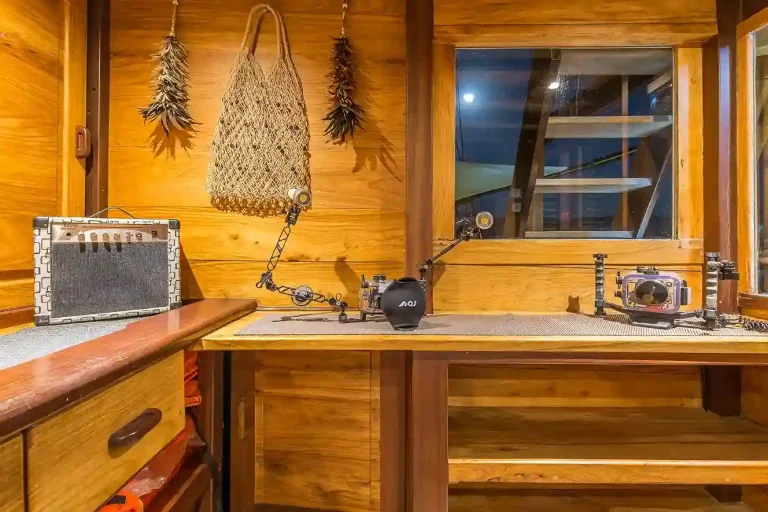
The integration of technology into snorkeling is transforming how enthusiasts experience the waters around Komodo Island. With the introduction of…
20 min read
Best Time, Gear & Tips
Predicting Snorkeling Trends in Komodo for 2027
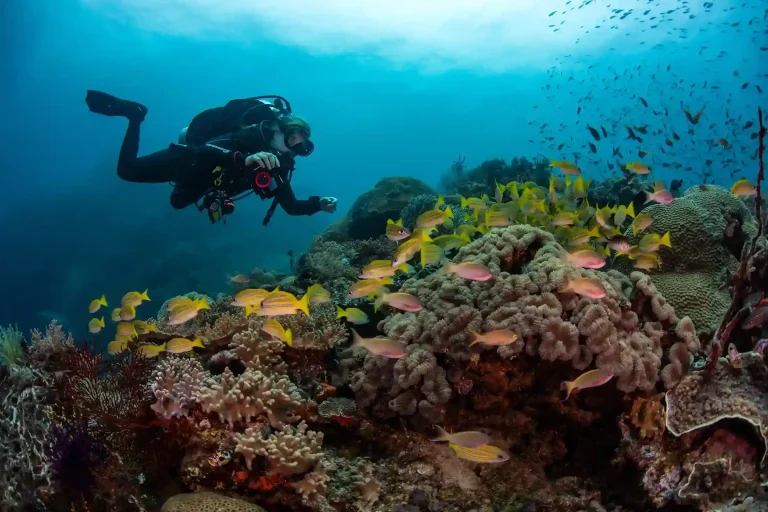
The Komodo Islands, renowned for their diverse marine life and vibrant coral reefs, are predicted to witness significant changes in…
23 min read
Best Time, Gear & Tips
The Evolution of Snorkeling Tours in Komodo
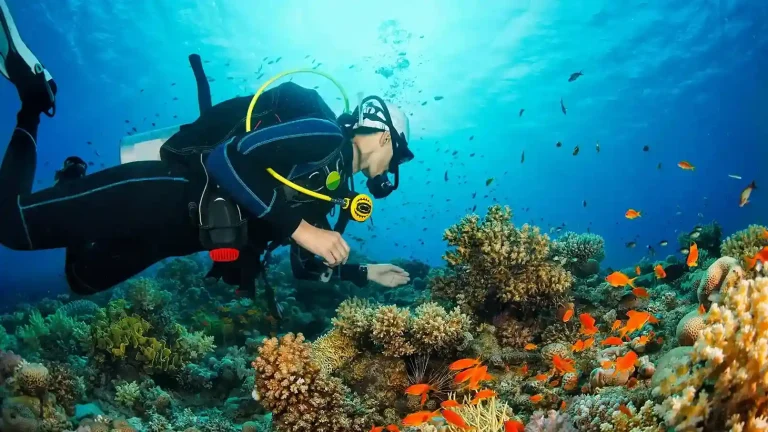
The evolution of snorkeling tours in Komodo reflects a shift from basic, local-led adventures to sophisticated, eco-conscious experiences. As demand…
22 min read
Best Time, Gear & Tips
What To Pack For A Komodo Liveaboard & Island Hopping
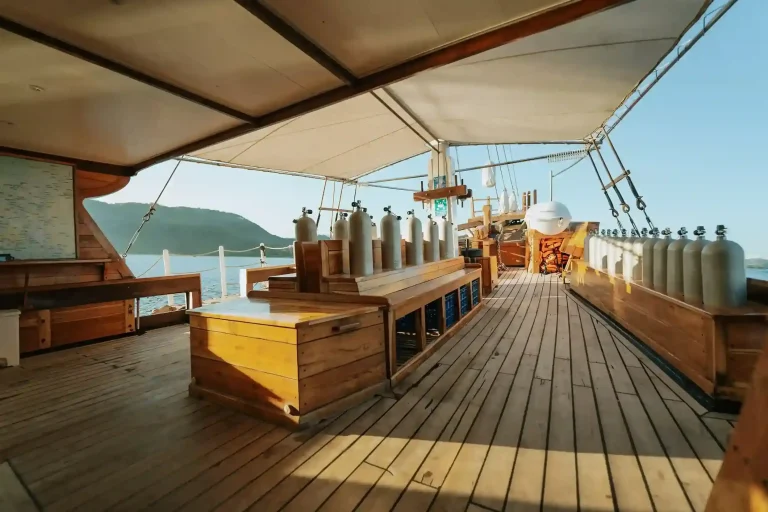
On a liveaboard you are essentially living on a boat for several days, usually three to seven. Your packing should…
23 min read