Snorkeling Komodo National Park in July: What to Expect
Komodo Island Snorkeling Editorial Desk 27 min read
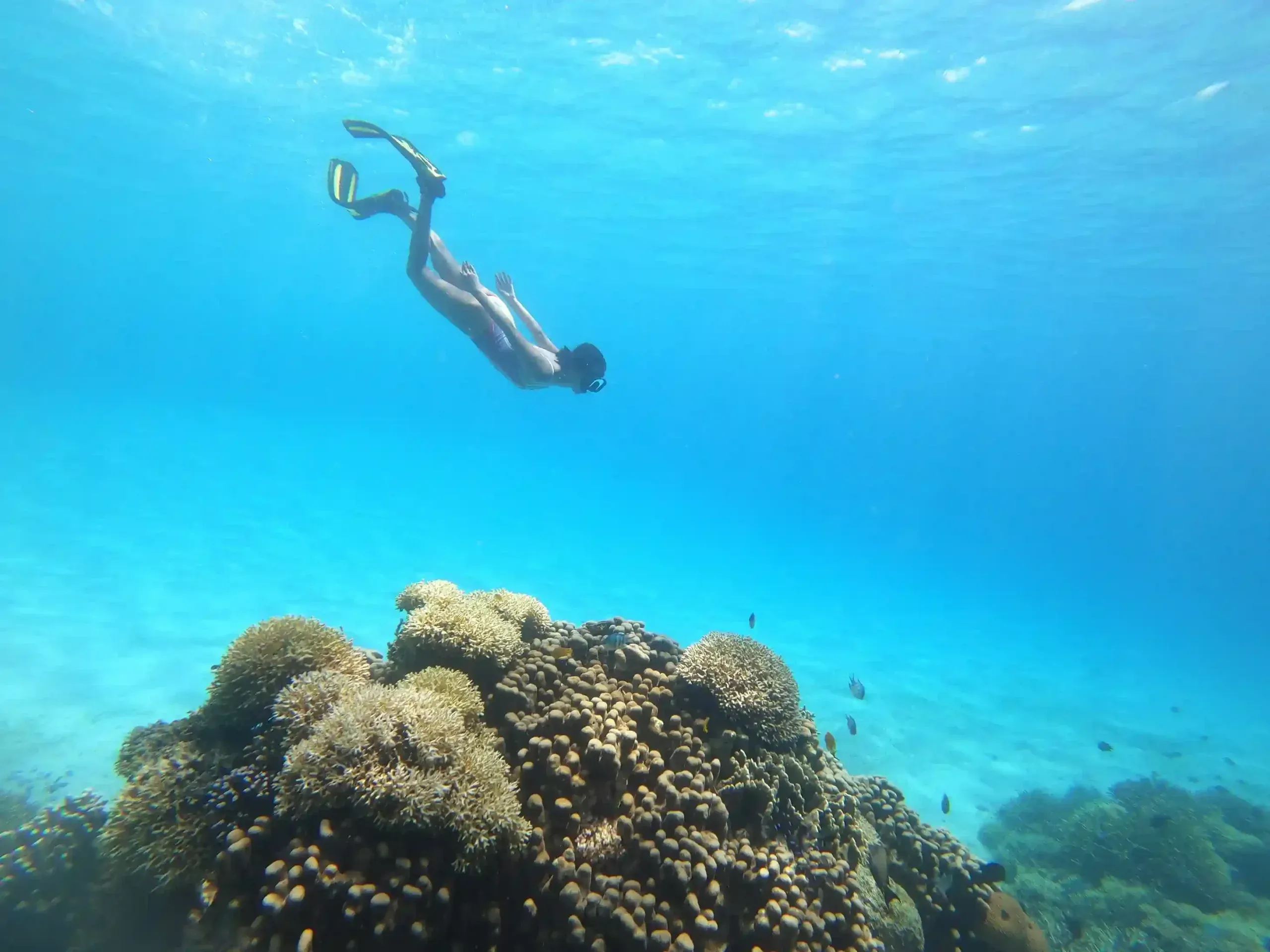
- Ideal Weather: Expect minimal rainfall, low humidity, and average water temperatures of 27-28°C (80-82°F).
- Peak Season Considerations: July is a high-demand month, necessitating advance booking (9-12 months) for premium private charters.
- Abundant Marine Life: Prime time for encountering large aggregations of manta rays at cleaning stations and sea turtles in calm bays.
The air is warm and carries the scent of salt and dry earth as the phinisi slices through the sapphire water. To port, the island of Padar rises like the spine of a sleeping dragon, its savannah hillsides baked to a golden ochre by the relentless equatorial sun. It is early July, and the seas of Komodo National Park are a study in contrast: a short cruise carries you out of the harbour bustle and into a pocket of complete tranquility. The gentle creak of the rigging is often the only sound breaking the silence as your boat drifts at anchor. Beneath the surface, a universe of dense marine biodiversity waits in the blue. This is not just a trip; it is a full-sensory immersion into one of the planet’s last truly wild marine frontiers.
July’s Climate and Conditions: The Apex of the Dry Season
To understand why July is considered the zenith for snorkeling Komodo National Park in July, one must first understand the region’s distinct microclimate. Governed by the southeast monsoon winds, this month represents the absolute peak of the dry season. Rainfall is a rarity, with Labuan Bajo recording an average of less than 20 millimeters for the entire month. This aridity translates to crystalline air and, more importantly, exceptionally clear water. July is often called “the glass month” among local boat crews: the winds are predictable, the swell is low, and visibility in the north can exceed 30 meters, opening up access to nearly any site.
Daytime air temperatures consistently hover between 30-32°C (86-90°F), but the low humidity makes it feel comfortable rather than oppressive. Water temperatures are a snorkeler’s dream, holding steady at 27-28°C (80-82°F) in July across the northern and central parts of the park — the warm middle of the 26-30°C year-round range. This allows for hours in the water with just a rash guard for sun protection. It is worth noting that the southern sites, closer to the Indian Ocean’s influence, can experience cooler upwellings, dropping temperatures to about 24-25°C. However, the primary snorkeling areas frequented by luxury charters, such as those around the Gili Lawa islands, remain blissfully warm. The prevailing southeasterly winds, while steady, are typically manageable and often create calm, sheltered conditions on the leeward side of the park’s 29 islands.
The Marine Life Spectacle: What You’ll See Beneath the Surface
The stable, sun-drenched conditions of July trigger a surge in marine activity. This is when the park’s underwater theater puts on its most spectacular performance. The main attraction for many is the reef manta ray (Mobula alfredi), whose resident population here is one of the largest known. At Karang Makassar, a vast underwater channel better known as Manta Point, these gentle giants congregate in impressive numbers; the larger oceanic manta (Mobula birostris) is a rarer visitor, more associated with Manta Alley in the south of the park. The strong currents that sweep through the channel bring a steady supply of plankton, their primary food source. In July, it’s not uncommon to witness a dozen or more of these creatures, with wingspans reaching up to 5.5 meters, gliding effortlessly in the current or hovering over coral bommies that serve as cleaning stations. These “stations” are where small cleaner wrasse and other fish bravely pick parasites off the mantas’ bodies—a truly symbiotic spectacle.
Beyond the mantas, the biodiversity is staggering. Komodo National Park lies at the heart of the Coral Triangle, an area that, according to UNESCO, boasts one of the world’s richest marine environments. Sites like Siaba Besar, or “Turtle Town,” live up to their name, with dozens of green sea turtles grazing on seagrass in the shallows. At Batu Bolong, a dramatic pinnacle teeming with life, you’ll snorkel along a wall of vibrant hard and soft corals while schools of fusiliers and anthias part to reveal patrolling whitetip reef sharks. The coral gardens off Pink Beach are another highlight, showcasing the health of a reef system that contains over 260 species of coral. An expert guide on a Komodo Luxury Pink Beach and Manta Point tour can point out the smaller wonders, too: camouflaged frogfish, electric-hued nudibranchs, and even the elusive pygmy seahorse.
Crowds: A Luxury Perspective on Peak Season
There is no avoiding the fact that July’s perfect conditions attract a significant number of visitors. Labuan Bajo, the gateway town, operates at full capacity, and popular sites can feel congested, particularly between 10 AM and 2 PM when day-trip boats converge. This is where the profound value of a private charter becomes evident. A bespoke itinerary allows for a fundamentally different experience of the park. While the group tours are on a fixed, crowded schedule, a private vessel operates on your time, guided by expert knowledge of tides and traffic patterns.
The captain might suggest an early morning snorkel at the otherwise busy Taka Makassar sandbar, allowing you to have its pristine white sands and turquoise lagoon almost entirely to yourself. A private charter can reach Manta Point in the late afternoon, long after the other boats have returned to port, providing a more intimate and prolonged encounter with the rays. This level of flexibility is the core of modern luxury travel. It’s not just about the thread count of the linens on your phinisi—though that is important—but about the quality and exclusivity of the experience. A private charter for a high-end, multi-cabin phinisi can range from $3,000 to over $15,000 per night, a worthy investment for those who value solitude and spontaneity. Securing such a vessel for a July trip requires significant foresight; the advice here is to book a minimum of 9 to 12 months in advance to ensure availability.
Beyond the Reefs: Terrestrial Encounters and Topside Views
While the underwater world is the main draw, the terrestrial experience within Komodo National Park is equally compelling, especially in July. The dry season parches the landscape, turning the rolling hills of Padar, Rinca, and Komodo islands a dramatic shade of burnt gold. The iconic trek to the viewpoint on Padar Island is made more manageable by the cooler morning air. The ascent involves roughly 820 well-maintained steps and takes about 30-40 minutes at a steady pace. The reward is one of Indonesia’s most celebrated panoramas: a tri-colored bay where white, black, and pink sand beaches meet the turquoise sea.
Of course, no visit is complete without an encounter with the park’s namesake, the Komodo dragon (Varanus komodoensis). On a guided trek on Rinca Island—often preferred for its higher density of dragons—the dry conditions mean the world’s largest lizards are often found congregating near the few remaining waterholes, making sightings almost certain. There are just over 3,000 dragons left in the wild, and seeing a 3-meter-long male patrolling its territory is an unforgettable, primeval experience. Finally, the famous Pink Beach, or Pantai Merah, is at its most vibrant under the strong July sun. The color comes from crushed red organ pipe coral and microscopic organisms called Foraminifera, which mix with the white sand. A visit here, timed for the golden hour, is the perfect way to cap a day of exploration before returning to your vessel for cocktails as the sun sets behind the volcanic silhouettes.
Gearing Up: What to Pack for a July Snorkeling Expedition
While private charters provide high-quality snorkeling equipment, many guests prefer to bring their own for optimal comfort and fit. A well-fitting, low-volume mask and a dry-top snorkel are essential. Given the warm water temperatures of 27-28°C, a full wetsuit is unnecessary for most. However, we strongly recommend a full-body, high-SPF rash guard or a 1.5mm neoprene top. This serves a dual purpose: it offers complete protection from the intense equatorial sun during prolonged snorkeling sessions (the UV index can easily reach 11+) and provides a barrier against the occasional stinging hydroid or jellyfish.
Onboard and on land, lightweight, breathable fabrics like linen and technical synthetics are ideal. For the treks on Padar and Rinca, sturdy walking shoes or trail runners are a must. A wide-brimmed hat and high-quality polarized sunglasses are non-negotiable. For underwater photography, a GoPro or similar action camera is perfect for capturing the vibrant reefs. Consider investing in a red filter, which helps restore the natural colors that are lost at depths as shallow as 5 meters (15 feet). Finally, be sure to pack only reef-safe sunscreen. Avoid products containing oxybenzone and octinoxate, as these chemicals have been proven to be harmful to coral ecosystems, a fact supported by numerous marine conservation agencies. As the official resource Indonesia.travel notes, conservation is a key part of visiting this protected area.
Quick FAQ: Your July Komodo Snorkeling Questions Answered
Is July too crowded for a good experience?
While July is peak season, the park itself is vast, covering 1,733 square kilometers of land and sea. A thoughtfully planned itinerary on a private charter can easily circumvent the crowds. By visiting popular sites like Padar Island or Pink Beach outside of the peak 10 AM to 2 PM window, you can enjoy a sense of serenity and seclusion that is impossible on a standard group tour.
Are the currents strong in July?
Komodo is legendary for its powerful currents, which are the very reason for its incredible biodiversity. However, an experienced local guide and captain are masters at reading the tides. They will always select snorkeling sites that are safe and appropriate for your group’s ability level. July’s stable weather generally means predictable conditions, but safety and respect for the ocean’s power are always the top priority.
What is the current entry fee for Komodo National Park?
There is no annual conservation pass. As of August 2026, foreign visitors pay a flat IDR 250,000 PNBP entrance fee per visit (PP No. 36/2024), plus a small ranger fee, each time they enter the park. Your tour operator will almost always handle this on your behalf. See our Komodo permits, quota and 2026 park rules guide for the complete, source-linked figures.
Do I need to be an expert swimmer to snorkel in Komodo?
You should be comfortable in the water, but you do not need to be an expert swimmer. All reputable charters provide life vests or other flotation devices. The key is to relax and let the gentle currents do the work. Many of the most beautiful coral gardens are in shallow, protected bays where conditions are very calm, making them accessible to snorkelers of all skill levels.
July in Komodo is an exercise in perfection. The weather is flawless, the water is clear, and the marine life is at its most active and accessible to snorkelers of varying experience levels. Komodo is a destination that rewards those who plan ahead, delivering an outsized return in the form of profound and often surprisingly private natural encounters. To craft a tailored journey through this aquatic realm, you will want to consider timing, route, and the right style of boat from the outset. For a private trip where every detail is tailored to your preferences, start with our guide to planning a bespoke July snorkeling charter. The apex of the Indonesian dry season is a narrow window, and it rewards snorkelers who book early. Let Komodo Luxury curate the details and show you Komodo’s underwater wonders in comfort and style.
Snorkeling Seasons and Water Conditions in Komodo National Park
For planning-focused travelers, understanding the broader Komodo National Park snorkeling season is just as important as zooming in on July. The park sits in East Nusa Tenggara’s tropical belt, but its weather and sea conditions shift clearly over the year, affecting water clarity, currents, and overall comfort in the water.
Dry season versus wet season for snorkelers
The dry season in Komodo National Park typically runs from roughly April to November. These months bring lower rainfall, more stable winds, and seas that are generally calmer, which is why many consider this the best season for snorkeling. The wetter months, December to March, can still deliver excellent days, but showers, wind, and swell are more frequent.
When people ask a natural question like “what is the best season for snorkeling in Komodo National Park?”, guides tend to suggest May–October for comfort and clarity, with July and August standing out for particularly reliable visibility. That said, manta enthusiasts sometimes favor the shoulder into the wet season because of richer plankton.
What visibility is like in July versus other months
Many guests specifically compare Komodo snorkeling in July visibility with other times of year. In July, underwater clarity of 15–30 meters is common in protected sites, especially in the northern and central sectors. The phrase “Komodo underwater visibility in July” often shows up in trip research because those numbers are a real upgrade over many other coral destinations.
Across the year, what is visibility like snorkeling Komodo National Park? During the core dry months (June–September), you can reasonably expect 15–30 meters on most days at classic spots like Siaba Besar, Tatawa Besar, and the calmer edges of Karang Makassar. In the wetter months, visibility can drop to 8–15 meters around plankton blooms or after heavy rain.
Water temperature and comfort throughout the year
The average water temp in Komodo National Park generally sits between 26–30°C (79–86°F). Thermoclines can make some channels feel cooler for a few minutes, but even in July, most snorkelers are comfortable in a 2–3 mm shorty or simply a rash guard. If you are particularly sensitive to cold, a thin full suit keeps you warm on longer drift sessions.
The Komodo snorkeling temperature in July is usually around 27–29°C, which balances comfort and marine activity well. In the transition to the wet season, Komodo snorkeling temperature in January often nudges a degree warmer on the surface, but wind and rain can make getting back onto the boat feel cooler.
Comparing seasons if you are flexible on dates
Many planners essentially want someone to “compare Komodo snorkeling seasons” for them. In brief: May–June brings lush islands and improving seas; July–August offers the most consistent conditions but more boats; September–October often mixes excellent visibility with slightly fewer crowds; November–March is more variable but can reward manta-focused trips with denser plankton and dramatic skies.
If you want a structured route that tracks these patterns, review our 7-Day Komodo Island Snorkeling Itinerary, then adjust the timing for your preferred balance of clarity versus solitude.
Month-by-Month Climate Insights for Snorkelers
Even if you are targeting July, it helps to view the Komodo National Park climate for snorkelers over a full year. This context clarifies why July is prized and whether neighboring months like March, August, or December might still work for your schedule.
July, August, and the heart of the dry season
July sits in the core of the dry period, and many travelers immediately ask, “Is July a good time for Komodo snorkeling?” The answer is yes: low rainfall, relatively calm seas, and abundant marine life make it a sweet spot for both beginners and experienced freedivers. Winds can pick up in the afternoon, but morning sessions are typically glassy.
People also research Komodo National Park weather in August. August is similar to July but can feel slightly breezier. Seas may be choppier on exposed transits, yet underwater conditions remain strong. If you value the calmest crossings, July often has a slight edge; if you chase the absolute driest air and longest strings of rain-free days, August is equally compelling.
March, December, and shoulder-season trade-offs
Is Komodo good for snorkeling in March? March falls toward the end of the wet season, so showers and swell are still possible. However, you can catch windows of good visibility, quieter sites, and active mantas when plankton concentrations are favorable. Currents feel similar to the rest of the year; what changes is wind and surface chop.
Many also wonder, “Is December ok for snorkeling Komodo National Park?” December can be productive for manta-focused days at Karang Makassar because the plankton bloom brings dense food, but snorkelers must accept more variable visibility and higher chances of rain. If your priority is dramatic encounters over postcard-perfect clarity, this is an acceptable compromise.
When is manta season for snorkeling cruises?
When planning a snorkeling cruise Komodo National Park manta season, it is crucial to distinguish between presence and peak aggregation. Reef mantas can be seen year-round at Karang Makassar, but the largest groups typically appear from about December to February, when plankton is thickest. During July, you still have solid manta chances, especially on multi-day trips that can time entries with the tides.
For travelers who want manta chances plus the stability of dry-season seas, July–September is a strong compromise. A tailored route with a private Komodo boat charter lets you hit manta spots at optimal times instead of squeezing into fixed schedules.
How plankton blooms affect snorkeling
Does a plankton bloom affect snorkeling in Komodo? Yes, but not always negatively. Higher plankton density can reduce visibility, especially in the rainy months. At the same time, it fuels manta feeding frenzies and can make your in-water experience more dynamic. In July, plankton levels are typically moderate: clear enough for wide reef vistas, with just enough particles to keep the food chain humming.
For a more long-range perspective on how conditions may evolve, see our forward-looking analysis in Predicting Snorkeling Trends in Komodo for 2027, which also addresses climate-driven shifts in current strength and plankton distribution.
Safety, Logistics, and Photography Rules for July Snorkeling
Beyond weather and visibility, practical questions surface around safety, independence, equipment, and imagery. July’s favorable seas help, but Komodo remains a high-energy marine environment that rewards good preparation and respect for regulations.
Currents, waves, and whether Komodo is “safe”
Many threads titled “Reddit is Komodo snorkeling safe” or “are waves bad for snorkeling in Komodo” highlight the same theme: currents. Komodo sits at the meeting of the Indian and Pacific Oceans, so tidal flows can be strong. In narrow channels, how strong are the currents in Komodo for snorkeling? They can be fast enough to make staying in one place impossible without a guide-managed drift.
In July, trade winds can create small to moderate surface chop on exposed stretches, but sheltered bays remain manageable for most swimmers. The key is site selection and timing with the tides—something experienced local crews handle daily. Choosing operators who know which reefs suit beginners, children, or nervous swimmers is far more important than the month alone.
With or without a tour: what is realistic?
People sometimes ask about snorkeling Komodo National Park without tour. In practice, independent snorkeling is highly limited because most sites are only reachable by boat, and currents shift hour by hour. While you can technically hire a simple local boat, it is safer and more efficient to go with professional crews who monitor tides, carry radios, and provide in-water supervision.
Comparing Komodo snorkeling with guide vs without, the key differences are safety margins, site choice, and interpretation. A qualified guide can read water movement, position you out of down-currents, and point out cryptic species you might miss. For families or first-timers, the modest guide fee is a low cost for a much smoother experience.
Gear, kids, and what boats provide
On equipment, guests often ask, “Do Komodo snorkeling tours provide towels and fins?” Most reputable boats supply masks, snorkels, fins, and towels as part of the package, but quality and fit can vary. Serious snorkelers often bring their own mask and snorkel and rely on the boat’s fins and towels to reduce luggage bulk.
For Komodo snorkeling safety gear for beginners, consider a well-fitting snorkeling vest or inflatable buoy, reef-safe sunscreen, and a bright rash guard for visibility. When packing snorkeling gear for strong currents in Komodo National Park, short, stiff fins can make a notable difference in control during gentle drifts, while full-foot designs are usually more efficient than open-heel with straps.
Parents planning snorkeling Komodo with kids what to be careful of should prioritize shallow, protected sites, insist on full-time use of life vests for weak swimmers, and avoid peak current times. The guide to family-friendly Komodo snorkeling trips with kids breaks down site choices and daily pacing that work well in July.
Sun protection, drones, and underwater photography rules
Under July’s clear skies, UV exposure is intense, so thinking about the best sun protection clothing for Komodo National Park matters as much as fins. Long-sleeved UPF 50+ rash guards, leggings, a broad-brimmed hat for the boat, and a buff or neck gaiter offer better protection than sunscreen alone. Reef-safe lotions are still important for exposed areas like hands, face, and feet.
Travelers also ask about Komodo National Park photo rules for drones and snorkeling. Regulations can shift, but broad principles apply: drones typically require explicit permission from park authorities and may be banned around sensitive wildlife or crowded sites. Underwater, flash photography around manta rays and turtles is discouraged, and touching coral or animals is strictly prohibited. Always follow your guide’s briefings; they are calibrated to current park rules.
If you are seeking Komodo National Park underwater photo inspiration, July is ideal for wide-angle reef scenes thanks to clear water and strong natural light. For snorkeling photo composition tips for Komodo reefs, think in layers: frame soft corals or bommies in the foreground, fish schools mid-frame, and the sun or island silhouettes as a backdrop. Shooting slightly upward often produces more dramatic results than aiming straight down.
Those ready to translate this into a full itinerary can review Komodo liveaboard charters for multi-day routes, or start lighter with a curated Komodo sailing trip combining top snorkeling sites with iconic viewpoints.
Frequently Asked Questions
Is July really a good time for Komodo National Park snorkeling?
Yes, July is one of the best months for snorkeling in Komodo National Park. It falls in the heart of the dry season, so rain is rare, seas are relatively calm, and visibility often ranges from 15–30 meters. You will share sites with more boats than in shoulder months, but conditions are very reliable.
When is the dry season in Komodo National Park for snorkeling trips?
The dry season in Komodo National Park usually runs from around April to November. For snorkelers, the sweet spot is generally May through October, when rainfall is low, wind is more predictable, and water clarity is consistently good. July and August sit at the peak of this period, which is why they are heavily booked.
What are snorkeling conditions like in Komodo during the dry season?
During the dry season, snorkeling conditions in Komodo are characterized by clearer water, more stable surface conditions, and abundant marine life. Expect visibility of roughly 15–30 meters at many key reefs, plus fewer days lost to rain or storms. Currents remain strong in certain channels year-round, so guides still plan entries around tides.
How clear is the water for snorkeling Komodo National Park in July?
In July, water clarity for snorkeling in Komodo National Park is often excellent. Many sheltered sites deliver 20–30 meters of visibility on good days, while more exposed channels might sit around 15–20 meters. Visibility can vary with tides and plankton, but July consistently ranks among the clearest months of the year.
Is December still okay for a snorkeling-focused Komodo trip?
December can be okay for snorkeling in Komodo if you accept more variable conditions. You may see more rain and slightly reduced visibility, but manta encounters at Karang Makassar can be spectacular due to rich plankton. If you prioritize stability and clarity, stick with July–October; if you prioritize mantas, December is worth considering.
Can beginners and kids snorkel safely in Komodo’s currents?
Beginners and children can snorkel safely in Komodo when sites are chosen carefully and they are accompanied by experienced guides. The park has gentle, shallow reefs as well as high-energy channels. In July, calm mornings and good visibility help. Always use life vests for weak swimmers, listen closely to safety briefings, and skip strong-current drifts with young kids.
Do I need a tour, or can I snorkel Komodo National Park on my own?
In practice, most visitors should join an organized tour or charter to snorkel Komodo National Park. The best sites are only reachable by boat, and currents change with the tides. While you can hire a simple local boat, professional operators bring trained guides, safety equipment, and the local knowledge needed to choose appropriate sites each day.
What snorkeling gear is recommended for strong currents in Komodo?
For Komodo’s stronger currents, choose a low-volume mask that seals well, a snorkel with a simple purge valve, and full-foot fins with decent stiffness for efficient kicking. Add a bright rash guard or shorty wetsuit for sun protection and a lightweight snorkeling vest for extra buoyancy. Boats typically provide basic gear, but bringing your own mask and snorkel ensures comfort.
Crafting Your July Itinerary: Day Trips vs. Liveaboards
July in Komodo is the peak of the dry season, and your experience will be heavily shaped by how you structure your time. The most common choice is a day trip from Labuan Bajo, but a multi-day liveaboard offers a fundamentally different, and often superior, perspective. A typical Komodo National Park snorkeling daily schedule for a speedboat day trip involves an early 7 AM departure, a whirlwind tour of 3-4 key sites like Padar, Pink Beach, and a manta spot, and a return to port by 5 PM. While efficient, this places you at major sites during the busiest hours, alongside dozens of other boats.
For a more immersive journey, we strongly recommend considering multi-day snorkeling itineraries 3 days Komodo National Park or longer. A liveaboard allows you to wake up already inside the park. This means you can be the first group in the water at Manta Point before the day boats arrive, or enjoy a sunset snorkel at a quiet bay inaccessible to day-trippers. This approach transforms the trip from a checklist of sites into a genuine exploration. the curated private Komodo liveaboard charters are designed around this principle, prioritizing crowd avoidance and maximizing water time. The extended duration also provides the flexibility to adapt to changing tides and currents, ensuring you always visit sites at their optimal and safest moments. The discussion about drift snorkeling Komodo National Park safety becomes much more nuanced when your guide has the time to properly brief you and choose the perfect entry and exit points based on real-time conditions, a luxury not always afforded on a packed day-trip schedule.
Navigating Komodo’s Currents: A Practical Safety Briefing for Snorkelers
The powerful currents are the lifeblood of Komodo’s vibrant reefs, but they are also a primary concern for visitors. Understanding the dynamics is key to a safe and enjoyable experience. The first point of clarity in the snorkeling vs diving safety Komodo National Park debate is that snorkelers have a distinct advantage: you are always on the surface. Unlike divers who must manage air, depth, and decompression, a snorkeler’s primary safety net is visibility from the boat and the ability to simply float. This is why a dedicated tender (small dinghy) following the group is a non-negotiable standard for all reputable operators.
The conversation around snorkeling safety Komodo National Park currents is not about avoiding them, but about working with them intelligently. A proper briefing from an experienced local guide is paramount. They will explain the direction of the drift, identify landmarks for your exit point, and stay with you in the water. Komodo Luxury’s partners’ guides are adept at reading the water and will never take guests into conditions beyond their ability. For anyone concerned, we have a detailed guide to boat safety and health in Komodo that covers more on this topic. Ultimately, the robust protocols—thorough briefings, mandatory life vests, in-water guides, and a dedicated tender boat—are what define true snorkeling safety Komodo National Park and turn a potentially intimidating drift into an effortless, thrilling glide over spectacular coral gardens.
More Questions About Snorkeling Komodo National Park in July
So, when is the dry season in Komodo National Park, officially?
The dry season in Komodo National Park runs from April through November. July sits right in the middle of this period, representing the peak of the dry, sunny weather with minimal rainfall and excellent topside conditions. This is why it’s considered the high season, offering the most reliable weather for a Komodo sailing trip, though you should expect more visitors compared to the shoulder months like April or October.
What are the typical dry season snorkeling conditions in Komodo National Park?
The dry season snorkeling conditions Komodo National Park are generally considered the best of the year. In July, you can expect fantastic underwater visibility, often exceeding 30 meters. The water is cooler, around 25-28°C, which is refreshing and triggers more pelagic activity. While currents can be strong, they are also more predictable, allowing experienced guides to plan world-class drift snorkels over pristine reefs teeming with life.
Where can I find official Komodo National Park Instagram snorkeling updates?
For general park announcements, the official Instagram account is @tamannasionalkomodo. However, it’s important to understand that you will not find real-time, site-specific snorkeling reports there. There is no central source for official Komodo National Park instagram snorkeling updates on daily conditions. Your best and only reliable source for water clarity, current strength, and marine life sightings at a specific spot is the captain and guide on your boat on the day of your trip.
Is it possible to see Mola Mola while snorkeling in Komodo National Park?
While not impossible, a mola mola snorkeling Komodo National Park encounter is extremely rare and should be considered a lucky bonus, not a planned event. These oceanic sunfish prefer deep, cold water upwellings. July falls within their potential season, but they are most commonly spotted by scuba divers at deeper sites. Snorkelers have a much lower chance of seeing them, so it’s best to focus on the incredible manta rays, sharks, turtles, and vast coral reefs that are guaranteed highlights.
With the currents, is drift snorkeling in Komodo safe for beginners?
Yes, drift snorkeling can be very safe and enjoyable for beginners, provided it is managed by a professional crew. The essence of drift snorkeling is to use the current to float effortlessly along a reef, which is far less tiring than swimming. The key to making it safe is the pre-snorkel briefing, an expert guide in the water with the group, and a dedicated tender boat following closely to pick up snorkelers at the designated exit point. It is a standard, well-practiced procedure in Komodo.
How far in advance should I book for July given the park quotas?
You should book as far in advance as possible, ideally 4-6 months out for a July trip. Komodo National Park enforces a strict daily visitor quota of 1,000 people, and all entry must be pre-booked via the official SiOra system (SiOra.id). During the peak month of July, both the best boats and the park entry slots get booked up quickly. Securing your tour operator early ensures they can handle the SiOra registration for you and guarantee your entry on your desired dates, as detailed in our Komodo snorkeling cost guide.
Related reading
This guide does not operate boats. Bookings are fulfilled by Komodo Luxury, and this site may earn a referral commission.
Keep reading
More from the journal
Best Time, Gear & Tips
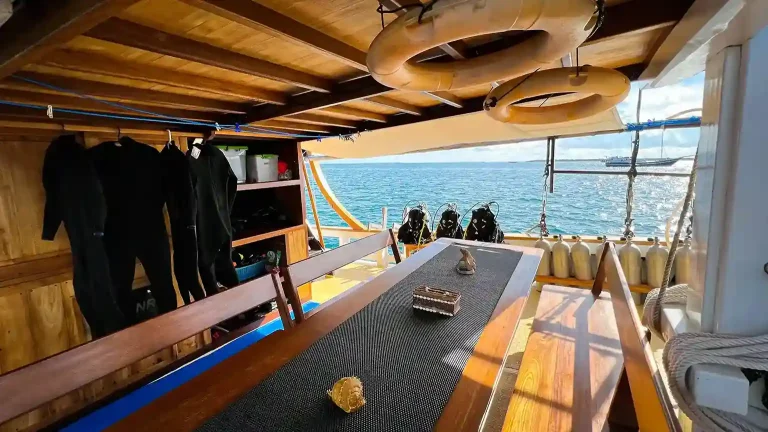
The Best Snorkeling Gear for 2027: What to Bring to Komodo
Visiting the Komodo Islands in 2027 requires not just enthusiasm for the vibrant underwater world but also the best snorkeling…
22 min read
Best Time, Gear & Tips
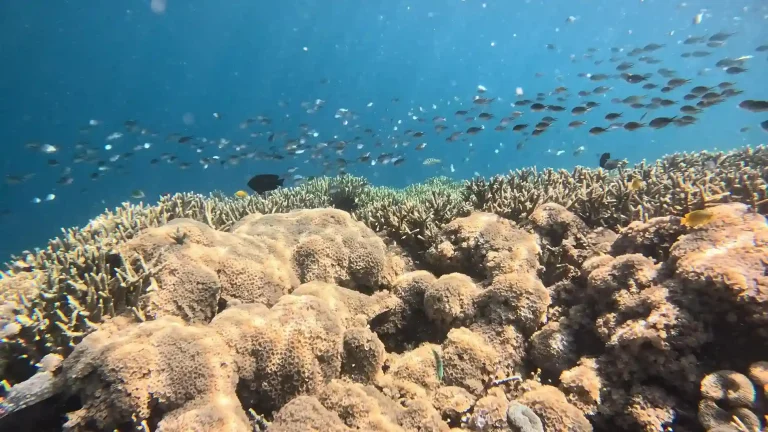
How to Capture the Perfect Underwater Photos While Snorkeling in Komodo
Komodo's clear waters and diverse marine life offer an exceptional setting for underwater photography. To make the most of your…
21 min read
Best Time, Gear & Tips
Technology in Snorkeling: Gadgets to Enhance Your Komodo Experience
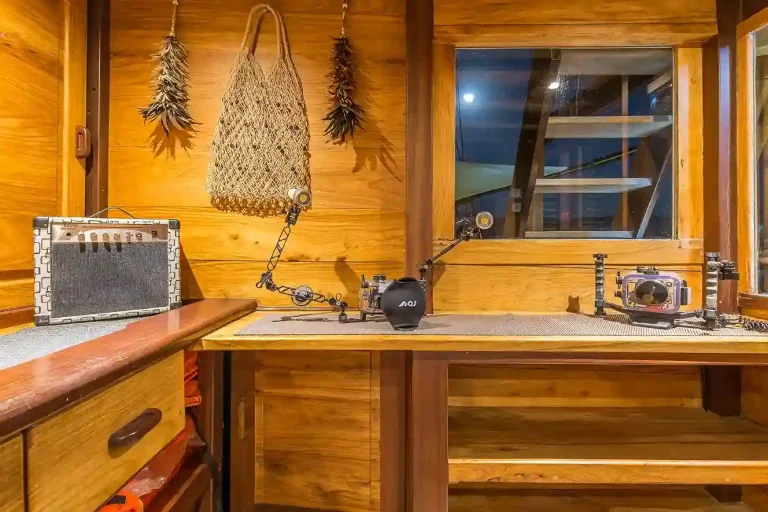
The integration of technology into snorkeling is transforming how enthusiasts experience the waters around Komodo Island. With the introduction of…
20 min read
Best Time, Gear & Tips
Predicting Snorkeling Trends in Komodo for 2027
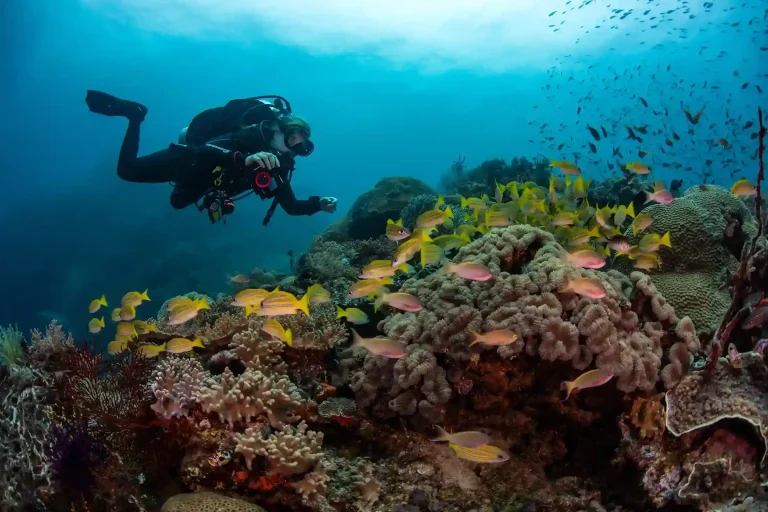
The Komodo Islands, renowned for their diverse marine life and vibrant coral reefs, are predicted to witness significant changes in…
23 min read
Best Time, Gear & Tips
The Evolution of Snorkeling Tours in Komodo
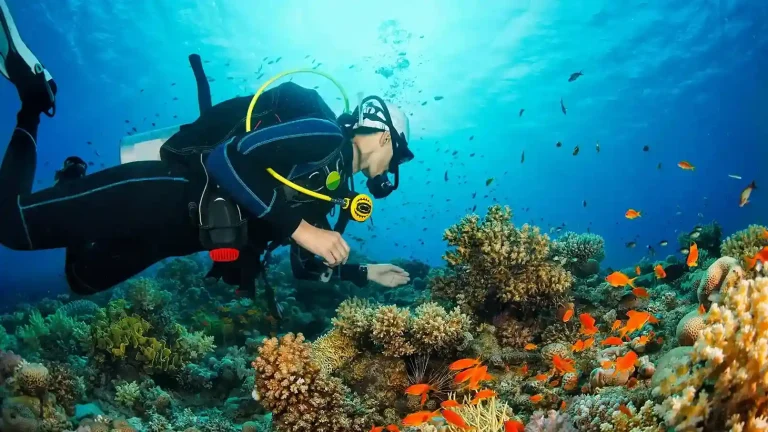
The evolution of snorkeling tours in Komodo reflects a shift from basic, local-led adventures to sophisticated, eco-conscious experiences. As demand…
22 min read
Best Time, Gear & Tips
What To Pack For A Komodo Liveaboard & Island Hopping
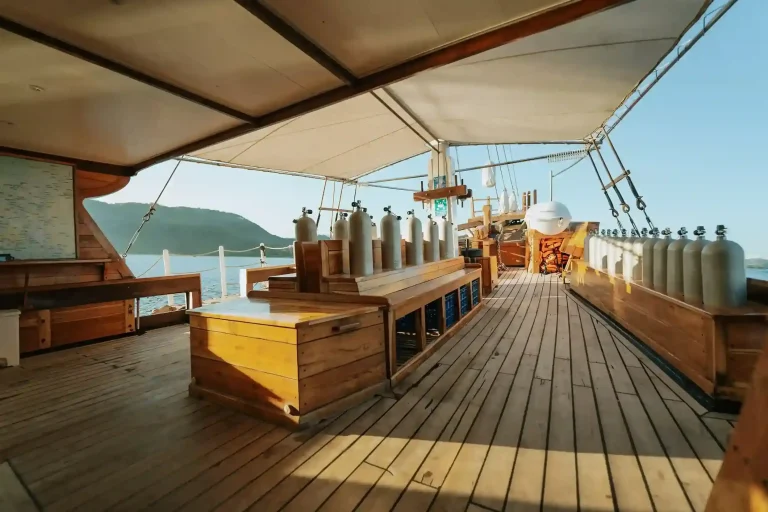
On a liveaboard you are essentially living on a boat for several days, usually three to seven. Your packing should…
23 min read