Snorkeling Spots & Marine Life
Manta Point vs. Pink Beach: Best Komodo Island Snorkeling Spots?
Komodo Island Snorkeling Editorial Desk 27 min read
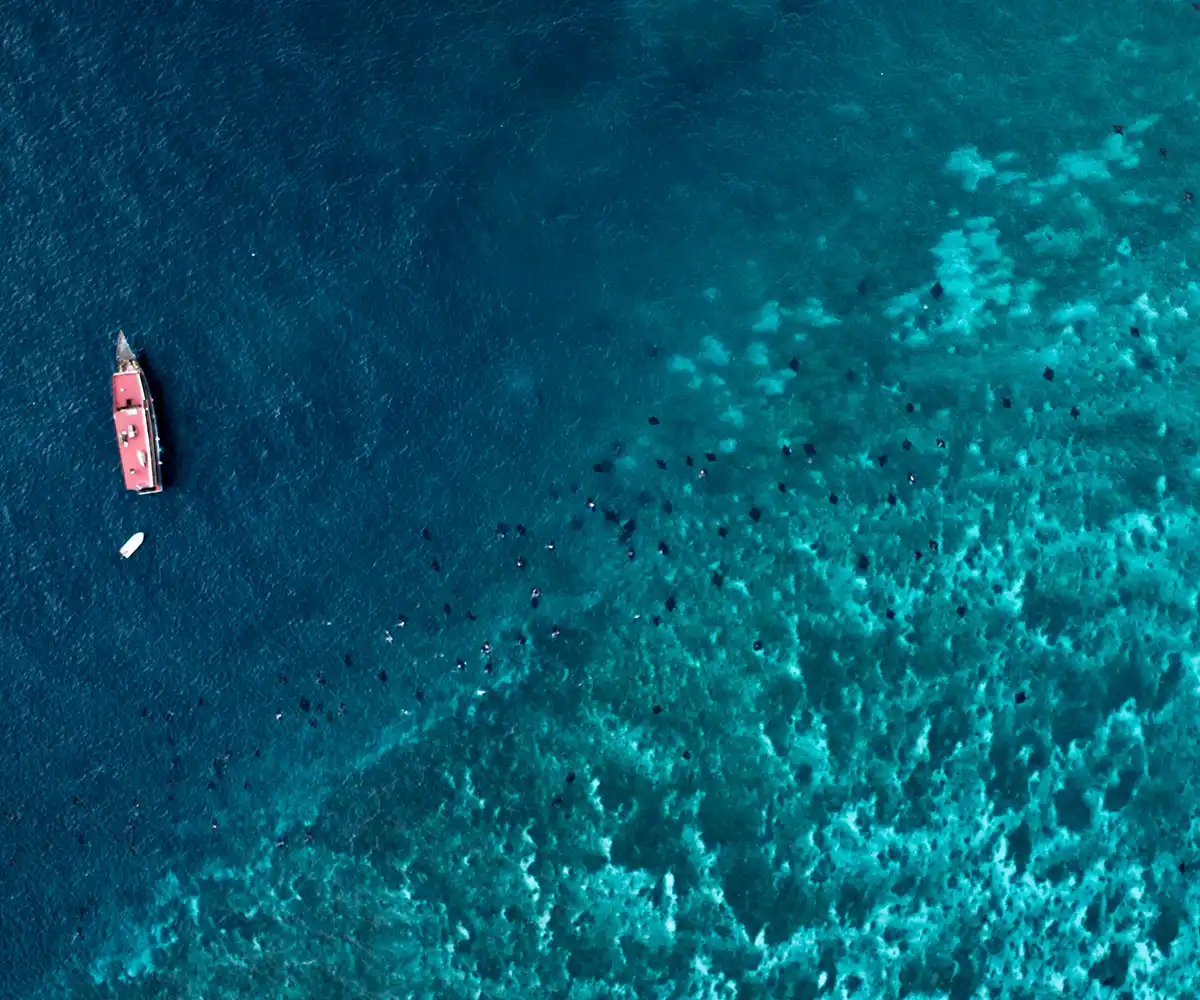
- For Megafauna: Manta Point is unmatched for its consistent reef manta ray sightings.
- For Coral & Color: Pink Beach provides world-class hard and soft coral diversity.
- For Skill Level: Pink Beach is ideal for all levels; Manta Point requires comfort with currents.
Manta Point vs. Pink Beach: Best Komodo Island Snorkeling Spots?
The teak deck of the phinisi is warm underfoot, the air thick with the scent of salt and distant, volcanic earth. We are cutting through the sapphire waters of the Flores Sea, the low thrum of the engine a steady heartbeat against the vast silence of the archipelago. Ahead, the jagged, prehistoric silhouettes of Komodo and Rinca islands bake under an equatorial sun. This is the journey’s overture. Below the surface, a decision awaits every discerning traveler to this remote corner of Indonesia: where to plunge in first? The question comes up on almost every charter: Manta Point or Pink Beach? It’s a debate not of which is good, but which is perfect for the moment. As a travel editor who has spent countless hours in these waters, I can tell you the answer isn’t simple; it’s a choice between two profoundly different, yet equally magnificent, underwater worlds.
The Allure of Komodo: A Confluence of Worlds
Before we dissect the merits of specific sites, it’s crucial to understand why this region is so biologically significant. Komodo National Park, established in 1980 and declared a UNESCO World Heritage Site in 1991, is more than just the last terrestrial sanctuary for the Komodo dragon (Varanus komodoensis). It is a marine crossroads of immense importance. The park sits at a choke point between the Indian and Pacific Oceans, a location where powerful currents converge, pulling a rich soup of nutrients up from the deep. This upwelling fuels the entire food chain, from the tiniest plankton to the 5.5-meter reef manta rays. The result is an ecosystem of staggering diversity, containing over 1,000 species of fish and some 260 species of reef-building coral. The water temperature itself can vary by several degrees from the north to the south of the park, creating distinct habitats. It is this raw, untamed marine power that defines the very essence of a Komodo snorkeling adventure and sets the stage for our two champion locations.
Manta Point (Karang Makassar): An Ephemeral Ballet
Manta Point is not a “point” in the traditional sense, but a vast, submerged plateau known locally as Karang Makassar. It’s a seemingly unremarkable expanse of coral rubble and sand, measuring several square kilometers, with an average depth of only 5 to 15 meters. What makes it one of the planet’s premier snorkeling sites is its function: it is a massive cleaning and feeding station for the oceanic reef manta ray (Mobula alfredi). The moderate to strong currents that sweep across the plateau are the key. Mantas do not fight the current; they use it, which is why entry timing at Karang Makassar matters more than fin speed. “They glide into it with their mouths open, filtering plankton, then circle back to visit specific coral bommies where cleaner wrasse wait to pick parasites from their gills and skin.” The experience is a drift snorkel. The boat’s tender drops you “upstream,” and you simply float with the current, an observer in their world. One moment, the water is empty; the next, a squadron of three, four, sometimes more than a dozen of these gentle giants materializes from the blue, soaring past with an elegance that defies their size. An adult can have a wingspan of up to about 5.5 meters and weigh up to 1,400 kilograms. It is an encounter that recalibrates your sense of scale and grace, a humbling moment with one of the ocean’s most intelligent creatures.
Pink Beach (Pantai Merah): A Living Kaleidoscope
If Manta Point is a grand, open-air theater for megafauna, Pink Beach is an intimate, immaculately decorated art gallery. Located on the northeastern coast of Komodo Island, its famous blush-colored sand is the first indication of the richness below. The color comes from the crushed skeletons of microscopic red organisms called Foraminifera (*Homotrema rubrum*) that live on the surrounding reefs and mix with the white sand. From the moment your mask breaks the surface, the contrast with Manta Point is immediate. The water is typically calmer, sheltered by the bay, and the visibility is often exceptional, reaching 30 meters or more. The reef here slopes gently from the shore, a dense and intricate garden of pristine hard and soft corals. Fields of staghorn coral give way to enormous table corals, interspersed with vibrant purple, orange, and yellow soft corals that sway with the gentle surge. The biodiversity of reef fish is astonishing. Clouds of orange anthias, electric-blue damselfish, and regal angelfish swarm the coral heads. Look closer into the crevices, and you might spot a shy moray eel or a camouflaged scorpionfish. As a part of the Coral Triangle, this area holds some of the highest marine biodiversity on Earth, with an estimated 76% of the world’s known coral species. It is a site for patient observation, for appreciating the complex relationships of a healthy reef system, and it is a photographer’s paradise. The Pink Beach + Manta Point tours booked through Komodo Luxury are built to showcase this exact contrast in a single, seamless day.
The Verdict: Choosing Your Underwater Adventure
So, which is the best? The answer lies in your personal definition of adventure. The two sites offer such disparate experiences that they almost belong in different categories. To put it simply: you go to Manta Point for a single, profound encounter; you go to Pink Beach for a thousand small, colorful discoveries.
Choose Manta Point if: You are seeking a genuine thrill. The currents require a degree of water confidence, and the experience is about the pursuit of large, majestic animals. The landscape itself is secondary to the main event. It is an adrenaline-filled drift over a spartan seascape, punctuated by moments of pure awe. If the idea of a 4-meter shadow gliding beneath you is your goal, Karang Makassar is your destination.
Choose Pink Beach if: You appreciate intricate beauty, vibrant color, and a more relaxed pace. It is the superior choice for families, less confident swimmers, and underwater photographers. The sheer volume and variety of fish and coral life are almost overwhelming. It offers a more classic and immersive reef snorkeling experience, where every square meter of the seafloor reveals something new.
For the traveler who refuses to compromise—and why should you?—the ideal itinerary includes both. Experiencing the raw power of Manta Point in the morning, followed by the serene, kaleidoscopic wonder of Pink Beach in the afternoon, provides a complete picture of what makes Komodo’s marine environment so globally celebrated. It’s why the most requested private charters, like the Komodo Island Snorkeling — Pink Beach + Manta Point tours sold by Komodo Luxury, are built around this perfect pairing.
Logistical Considerations for the Discerning Traveler
Accessing these world-class sites requires planning. The gateway is Labuan Bajo (LBJ), a harbor town on the western tip of Flores island with a well-serviced airport. From there, the quality of your experience is directly proportional to the quality of your vessel and guide. Day trips on smaller, faster boats are common, but for a truly elevated experience the usual step up is a multi-day journey on a traditional phinisi schooner. These liveaboards allow for dawn and dusk excursions, avoiding the midday crowds that can sometimes number over 50 boats at a single popular site. A crucial aspect is the Komodo National Park entrance fee: the official PNBP tariff is a flat IDR 250,000 per person for foreign nationals (PP No. 36/2024), plus a small ranger fee on top — see our Komodo permits, quota and 2026 park rules guide (verified August 2026). High-end tour operators, including the vetted partners enquiries are routed to, will handle these permits and fees in advance; if you would rather not deal with the paperwork yourself, check dates with Komodo Luxury. The optimal time to visit is during the dry season, from April to November, when the seas are calmer and visibility is at its peak. Water temperatures hover between a very pleasant 26-30°C (79-86°F) during these months, based on the sea-surface temperature range reported by operators and dive centres working the park year-round. For general destination background, see Indonesia’s official tourism portal entry for Labuan Bajo.
Quick FAQ on Komodo Snorkeling
Is snorkeling in Komodo safe for beginners?
Yes, but site selection is critical. Sites like Pink Beach and Kanawa Island are sheltered with minimal current, perfect for beginners. Manta Point and other “drift” sites are for intermediate to advanced swimmers comfortable in moving water. Always go with a certified guide who understands the local tides, which can change direction and intensity rapidly.
What is the water temperature like?
The water is generally warm year-round. Across the year expect water between 26-30°C (79-86°F). Cold upwellings at exposed southern sites can pull that down to roughly 24-25°C, most often between June and August, but it stays comfortable for snorkeling without a full wetsuit for most people.
Should I bring my own snorkeling gear?
While you can, it’s not a necessity on a luxury tour. Reputable operators provide high-quality, well-maintained masks, snorkels, and fins. However, if you have a prescription mask or a specific fin preference, bringing your own ensures a perfect fit and comfort for extended periods in the water.
Can I see Komodo dragons on a snorkeling trip?
Absolutely. Most comprehensive snorkeling itineraries, especially multi-day trips, include a land excursion to Rinca or Komodo Island for a guided trek to see the dragons. It’s a quintessential part of the park experience, and operators integrate it seamlessly between underwater sessions.
The debate between Manta Point and Pink Beach ultimately has no loser. Each site offers a window into a different facet of Komodo’s spectacular marine heritage. One foregrounds the ocean’s raw power and its largest inhabitants, while the other celebrates its intricate, vibrant, delicate artistry. To truly understand the magic of this place, you must experience both. The currents are waiting, the reefs are teeming with life, and the phinisi is ready to weigh anchor. Komodo Luxury can build that journey. Explore the itineraries on this site, then send Komodo Luxury your dates.
Beyond Manta Point & Pink Beach: Other Named Komodo Snorkel & Dive Sites
Manta Point and Pink Beach get most of the attention, but the wider Komodo National Park and Labuan Bajo coastline hold a longer roll call of named reefs and coves that liveaboard and day-boat itineraries routinely fold in. Snorkelers who ask an operator for “somewhere different” are usually pointed to one of the following.
- Cannibal Rock & Yellow Wall (Horseshoe Bay, south of Rinca) — better known among the diving crowd for dense soft-coral cover and macro life (nudibranchs, frogfish), but the shallow fringes are snorkelable in calm conditions and often added to dive-and-snorkel mixed-group itineraries.
- Castle Rock & Crystal Rock — a pair of pinnacle reefs in the central park channel, popular for reef fish schooling activity; their upper reef tops put patches within snorkeling reach when currents are mild, though most operators still treat them as primarily dive sites.
- Torpedo Alley (Horseshoe Bay, south of Rinca) — a lesser-known site with a reputation among divers for unusual macro and night sightings; it appears less often on standard snorkel-only itineraries and is typically an add-on for mixed dive/snorkel charters that already have the route planned.
- Golo Mori — on the Flores mainland south-east of Labuan Bajo, home to a newer marina and event pier; the bay’s reef is used by some day-tour and MICE-style charters as a calmer alternative snorkel stop outside the core park zone.
- Wae Cicu Beach — a mainland beach a short drive from Labuan Bajo town, popular for a sunset swim and light snorkeling close to shore rather than a full-day boat excursion.
- Sabolo Besar & Sabolo Kecil — two small islands closer to Labuan Bajo than the deep-park sites, sometimes used on shorter half-day or family-paced itineraries for shallow, sheltered reef entry.
- Bidadari Island — another near-Labuan-Bajo island with a house reef that day-trip operators use as an easy first or last stop, useful for guests easing into snorkeling before or after a longer park day.
- Kelor Island — best known for its short viewpoint hike, with a fringing reef at the base that suits a combined trek-and-snorkel stop on day tours.
None of these replace Manta Point for megafauna or Pink Beach for coral color — they are the sites an operator reaches for when building a multi-stop itinerary, avoiding a crowded anchorage, or matching a group’s swimming ability. If you want a specific mix of these included, say so when you request a quote through Komodo Luxury’s boat trip planning; operators can usually swap a stop on the day’s route without changing the overall sailing tour package price.
Komodo Island Snorkeling Guide: Conditions, Seasons, and Marine Life
Komodo National Park is one of Indonesia’s most varied marine environments, and understanding local conditions will help you choose the best snorkeling spots Komodo Island can offer. Water temperatures typically range between 26–30°C, with visibility in the dry season often reaching 15–30 m, especially around Manta Point (Karang Makassar) and Pink Beach. Currents can be strong in channels but remain manageable in many bays and fringing reefs.
If you are wondering, “Is Komodo Island good for snorkeling?” the short answer is yes, provided you match the site to your comfort level. Beginner friendly snorkeling sites Komodo Island visitors often enjoy include calm reefs around Kanawa Island, Siaba Besar, and some sheltered corners near Pink Beach. More advanced snorkelers can explore drift-style sites such as Karang Makassar, where mantas use the current for feeding and cleaning.
Marine life to see snorkeling Komodo Islands waters goes far beyond manta rays. Around shallow coral gardens you can expect reef fish clouds (anthias, fusiliers), parrotfish, damselfish, batfish, sweetlips, and the occasional reef shark. Sandy patches and seagrass host blue-spotted stingrays and cuttlefish, while turtle hotspots like Siaba Besar and some areas around Komodo and Rinca regularly reward patient observers with relaxed green and hawksbill turtles.
The best season for snorkeling Komodo Island is generally the dry season from about April to November, when seas are calmer and rain is minimal. If your focus is snorkeling with mantas Komodo Island wide, you can see them year-round at Karang Makassar, but the best time to see mantas in Komodo is often December–February, when plankton blooms attract larger aggregations. Expect slightly lower visibility then, but more feeding behavior.
Visitors researching Flores Komodo snorkeling usually base themselves in Labuan Bajo, which is the main gateway to the park. From there, day boats and liveaboards access a network of reefs, channels, and islands, allowing you to compare sites like Manta Point, Pink Beach, Padar, and Kanawa in a single trip. For a seasonal deep dive, see our dedicated guide on the best time for Komodo Island snorkeling, which breaks down conditions month by month.
Unlike some marine parks, Komodo currently has no separate snorkeling or diving permit; your entrance ticket already covers water activities. However, currents and boat traffic mean that even strong swimmers should treat this as a wild, high-energy marine environment. A well-briefed guide, a surface marker buoy on guided drifts, and correctly fitted gear make a big difference to both safety and enjoyment.
Planning Your Komodo Snorkeling Itinerary: Day Trips vs. Liveaboards
When you start building a snorkeling Komodo National Park itinerary, the first decision is usually day trip versus liveaboard. A Komodo snorkeling day trip Pink Beach Manta Point route is ideal if you have limited time. Typical speedboat itineraries from Labuan Bajo include Padar Island for the viewpoint, a snorkeling stop at Pink Beach, and manta searching at Karang Makassar, often in 1 long but efficient day.
For a more relaxed pace, many travelers choose Komodo liveaboard charters, which allow sunrise and sunset sessions at quiet reefs and greater flexibility to wait for conditions or manta sightings. A snorkeling itinerary 3 days Komodo Island based on a liveaboard could include Kanawa, Mawan, Siaba Besar, Manta Point, Pink Beach, Padar, and an evening mooring in a calm bay for night sky viewing.
Snorkeling Komodo Island Manta Point and Pink Beach in one day is possible from Labuan Bajo via speedboat, particularly on shared tours. If you prefer to book Komodo Island snorkeling tour online, look for operators that clearly state group size limits, included gear, and whether they adjust the schedule based on tides and current strength. Online booking speedboat Komodo snorkeling options typically depart early (around 6–7 a.m.) and return late afternoon.
For couples or small groups who want a curated flow rather than a crowded schedule, compare shared tours to custom itineraries such as the Ultimate 3-Day Luxury Komodo Snorkeling Itinerary for couples. This style of trip spaces out high-energy sessions at Manta Point with more restful coral garden stops and photo opportunities on beaches and viewpoints.
If you are on a tighter budget, snorkeling liveaboard Komodo budget trips usually use simpler wooden boats with fan-cooled cabins and shared bathrooms. The trade-off is fewer amenities but more time in the water compared to multiple day trips. For travelers starting from Bali and comparing a cheap Komodo Island snorkeling package from Bali versus arranging everything in Labuan Bajo, consider that domestic flights plus local day tours often give you more flexibility than a pre-packed Bali-based bundle.
To understand how many days you really need, cross-check your draft plan with our practical breakdown in how many days in Komodo: 2D1N vs 3D2N vs 4D3N. That guide weighs time in transit, manta probability, and how many top sites (including Manta Point and Pink Beach) you can realistically visit without turning the trip into a marathon.
For snorkelers who also want some shallow dives, or mixed groups with divers, a combined route can work well. Hybrid itineraries might pair morning dives with afternoons at shallower sites, letting snorkelers enjoy the same reef systems from above. In that case, consider a dedicated Komodo diving and snorkeling charter that can adapt the schedule for both comfort levels.
Site-by-Site Comparisons: Manta Point, Pink Beach, and Other Reefs
For visitors comparing Komodo Island best snorkeling spots, it helps to think in clusters rather than individual sites. Manta Point (Karang Makassar) is the region’s signature drift-snorkeling location, where manta rays use cleaning stations along a long, shallow reef. Snorkeling Manta Point Karang Makassar Komodo is best done with a guide who understands current patterns and boat traffic and can position you ahead of the rays rather than chasing them.
Pink Beach Komodo Island snorkeling offers a different style of experience: shallow coral bommies, patches of soft coral, and gentle slopes that are ideal for relaxed exploration and photography. Many first-time visitors search for “Pink Beach Komodo Island snorkeling review” and discover it is more about color and atmosphere than big megafauna. This is also a good practice site to fine-tune your weighting and fin control before more challenging drifts.
Snorkeling with turtles around Komodo Island is particularly good at Siaba Besar, sometimes called “Turtle City,” where turtles rest on the sand between coral heads and rise regularly to breathe. In contrast, snorkeling Padar Island and Komodo usually involves shorter sessions, as Padar’s main draw is its ridgeline view, while Komodo’s focus on land is the dragon trekking guided by rangers.
Best snorkel spots near Pink Beach Komodo include nearby fringing reefs that are often quieter than the main beach. Depending on conditions, your crew may anchor slightly away from the crowds to access healthier coral and more fish life. The best coral reefs for snorkeling in Komodo are typically found on reefs that are not exposed to heavy day-trip foot traffic; your captain and guide will usually know where recent coral recovery is strongest.
If you want to swim with big animals, you’re likely searching for where to snorkel with manta rays in Komodo and around Labuan Bajo. The classic answers are Karang Makassar, Mawan, and sometimes Makassar Reef variants, where manta ray snorkeling Komodo Island operators focus their efforts. For those based in town, “swimming with manta rays Labuan Bajo” essentially means joining a day tour into these offshore reefs, as mantas are not found near the harbor itself.
Kanawa Island is often listed among the best snorkeling Komodo Island options for beginners. The house reef here features shallow coral gardens, a gentle slope, and usually milder currents than central channels, making it a good warm-up for families and newer snorkelers. Best snorkeling Kanawa Island sessions are usually around high tide, when access to the outer edge of the reef flat is easiest without stressing corals.
For gear-focused travelers, reviewing the best snorkeling gear for 2027 and what to bring to Komodo can help you decide whether to rent locally or pack your own. Good-fitting masks and exposure protection become more important when you plan multiple long sessions at sites like Manta Point, where you may drift for 20–30 minutes at a time watching mantas circle cleaning stations.
For those wanting a boat-first perspective, browsing different vessel types at Komodo Luxury’s fleet overview can help you understand the trade-offs between fast dayboats, classic phinisi liveaboards, and private yacht charters. Whether you are after quick access to Manta Point and Pink Beach or a slower circuit linking lesser-known coral gardens, matching your boat to your priorities often matters as much as picking individual spots.
Frequently Asked Questions
Is Komodo Island good for snorkeling, or is it mainly for divers?
Komodo Island is excellent for snorkeling as well as diving, provided you choose sites that match your skill level. Shallow coral gardens at Pink Beach, Kanawa, and Siaba Besar suit beginners, while channels like Manta Point offer thrilling drifts with manta rays for confident swimmers. A guide who understands currents is more important here than in many other destinations.
Where is the best place to snorkel with manta rays in Komodo?
The best-known place to snorkel with manta rays in Komodo is Manta Point, also called Karang Makassar, a long, shallow reef used by mantas as a cleaning and feeding ground. Depending on conditions, guides may also visit Mawan or nearby reefs. Boats from Labuan Bajo usually combine these with other stops like Pink Beach or Siaba Besar on the same day.
What is the best season for snorkeling Komodo Island and seeing mantas?
The prime season for clear, calm snorkeling in Komodo is roughly April to November, during the dry season. You can see mantas year-round at Karang Makassar, but the best time to see mantas in Komodo in large numbers is often December to February, when plankton blooms attract them. Expect better visibility in the dry months but more manta feeding action around the rainy season.
Booking a Komodo Island snorkeling tour online from Labuan Bajo: what is the order of steps?
To book Komodo Island snorkeling tour online, first decide between a shared speedboat day trip and a multi-day liveaboard. Compare itineraries that include Manta Point and Pink Beach, check group sizes, and confirm whether snorkeling gear is provided. For more curated options, you can explore tailored Komodo sailing trips and snorkeling cruises that depart directly from Labuan Bajo.
What are the best snorkeling spots on Komodo Island for beginners?
Beginner-friendly sites include Kanawa Island’s house reef, the shallows of Pink Beach, and Siaba Besar, which all offer gentle slopes and generally milder currents. These locations let you practice buoyancy and finning before trying more dynamic sites. When planning, consider a route that builds gradually, or consult our overview of a typical snorkeling Komodo National Park itinerary to sequence sites sensibly.
How does Komodo Island snorkeling compare to diving in the same area?
Snorkeling in Komodo gives you access to manta rays, turtles, and vibrant reef tops, while diving adds deeper walls, pinnacles, and sometimes stronger currents with more pelagic life. Many signature experiences, like mantas at Manta Point or turtles at Siaba Besar, are equally good from the surface. If you only snorkel, you still see a lot; diving mainly extends your range and complexity of sites.
Can I snorkel both Manta Point and Pink Beach in one day trip?
Yes. A common Komodo snorkeling day trip Pink Beach Manta Point combination departs Labuan Bajo early morning, stops at Padar for the viewpoint, continues to snorkel with mantas at Karang Makassar, then finishes at Pink Beach before returning to town. It’s a long day, but efficient for those with limited time. Weather, tides, and park regulations can affect the exact order of sites.
What does a 3-day Komodo snorkeling itinerary typically look like?
A classic 3-day snorkeling itinerary might include Kanawa and nearby reefs on day one, Manta Point and Siaba Besar on day two, and Padar plus Pink Beach and a calm bay on day three. For an example with timing and site logic, see our detailed route in the Ultimate 3-Day Luxury Komodo Snorkeling Itinerary, which is easily adapted to budget or liveaboard-style trips.
From Blueprint to Booking: Structuring Your Manta Point & Pink Beach Trip
Strategically planning your visit is key to maximizing your time at two of the most iconic Komodo Island snorkeling best spots. The primary decision is your mode of transport: a private speedboat or a shared wooden boat tour. A private speedboat, while priced higher (typically USD 700–900 per boat for the day), offers unparalleled flexibility. You can dictate your departure time from Labuan Bajo, control how long you spend at each location, and often visit additional sites like Padar Island. This is the most effective way to structure a personalized Pink Beach and Manta Point snorkeling package tailored to your preferences.
When you are ready to book a Komodo snorkeling tour for Manta Point and Pink Beach, the process is straightforward. First, contact Komodo Luxury directly via WhatsApp at +62 811-3823-875 or email at sales@komodoluxury.com with your desired date, group size, and preference for a speedboat or liveaboard. Komodo Luxury confirms availability and issues a detailed quotation including the official park fees (IDR 250,000 per foreign visitor) and a mandatory ranger fee (approx. IDR 150,000 per group of 5). Unlike making a Viator Komodo Island snorkeling tour booking, dealing directly with an operator ensures clear communication about the vessel, crew experience, and itinerary specifics. Once you confirm, a deposit of 30-50% secures your charter. Remember, since April 2026 all park entries require a pre-booked SiOra QR code; on a booked trip Komodo Luxury secures it, which is what guarantees access under the park’s 1,000-visitor daily quota.
The logistical flow of the day is also critical. Most operators recommend visiting Manta Point (Karang Makassar) earlier in the day or during a tide change when currents are more manageable and manta activity can be higher. Pink Beach is often best enjoyed in the afternoon when the sun angle intensifies its unique color. For those seeking a deeper dive into the park’s wonders, the private speedboat charters offer the most efficient way to experience both sites without feeling rushed, and Komodo Luxury can handle full itinerary customisation.
The Snorkeler’s Code: Responsible Encounters with Komodo’s Marine Life
Engaging with the vibrant ecosystems of Manta Point and Pink Beach comes with a profound responsibility. Adhering to ethical snorkeling practices not only protects the fragile marine life but also enhances your experience. This practical Komodo Island snorkeling Manta Point guide focuses on respect and preservation. The cardinal rule for responsible snorkeling with manta rays in Komodo Island is to be a passive observer. Never chase, touch, or block the path of a manta ray. Maintain a respectful distance of at least 3-4 meters, stay calm, and let these gentle giants approach you on their terms. Sudden movements or splashing can scare them away. The guides are trained to position snorkelers down-current from the rays’ feeding or cleaning stations, allowing for natural, unintrusive encounters.
Understanding the seasonality is also part of being a responsible visitor. While mantas are seen year-round, the Komodo Island manta season for snorkeling peaks when plankton is abundant. However, the absolute Komodo Island Manta Point best month for visibility and calm surface conditions is often from April to June and September to November. There is a detailed breakdown of what to expect in the guide to the best time for Komodo snorkeling. At Pink Beach, the same principles apply. The pink sand is composed of microscopic red foraminifera mixed with white sand. Avoid taking any sand or shells as souvenirs. Furthermore, use only reef-safe sunscreen, as common chemical sunscreens contain oxybenzone and octinoxate, which are proven to cause coral bleaching and damage delicate marine ecosystems. A multi-day trip on one of Komodo Luxury’s Komodo liveaboard charters allows for more time to absorb these lessons and visit less-crowded reefs, further reducing your environmental footprint.
Each of these sites has its own guide, and the full set, along with what lives at each one, is indexed under snorkeling spots and marine life.
More Questions About Manta Point vs. Pink Beach
When comparing snorkeling at Pink Beach vs Manta Point, which is more challenging?
Manta Point is significantly more challenging due to its strong and often unpredictable currents. It is an open-water drift snorkel over a vast, sandy bottom. Pink Beach, by contrast, is a sheltered bay with generally calm waters, making it ideal for beginners and families. The snorkeling here is focused on the fringing reef right off the shore, where you can easily control your depth and distance from the boat.
Besides the main shoreline, what are the best spots for snorkeling Pink Beach Komodo?
The best snorkeling at Pink Beach is typically found at the eastern and western ends of the bay, where the reef is most vibrant and drops off slightly. These areas tend to have healthier coral formations and a higher concentration of fish life away from the central, more crowded section of the beach. Your guide can direct you to these less-visited pockets for a richer underwater experience.
Can I see manta rays at Pink Beach or just at Manta Point?
While Manta Point is the primary aggregation site, it is technically possible, though very rare, to see a manta ray transiting near Pink Beach. However, you should not expect it. Manta Point is a dedicated feeding and cleaning station where sightings are highly probable. Pink Beach’s allure is its incredible coral diversity, vast schools of reef fish, and unique pink sand, not megafauna encounters.
What’s the key advantage of booking a private tour over a shared one for these spots?
The key advantage is itinerary control. On a private tour, you decide how much time you want to spend at each location. If Manta Point has incredible manta activity, you can stay longer. If Pink Beach is crowded, you can move to a quieter spot. Shared tours run on a fixed schedule, which can feel rushed and doesn’t allow for flexibility based on real-time conditions or your personal interests.
Is there a specific time of day that’s best for snorkeling Manta Point?
Yes, the best time is often during a slack tide—the period between high and low tide when the current slows down. This makes for a safer and more enjoyable drift snorkel. Many experienced operators time their arrival at Manta Point to coincide with this tidal change. Early to mid-morning can also be excellent for manta activity before the area gets too busy with day-trip boats.
What is included in a typical Pink Beach and Manta Point snorkeling package?
A typical all-inclusive day trip package includes hotel transfers in Labuan Bajo, a private boat with captain and crew, a snorkeling guide, rental of masks, snorkels, and fins, a packed lunch, and bottled water/soft drinks. The Komodo National Park entrance fees (IDR 250,000 for foreigners) and ranger fees are usually itemized separately or explicitly stated as included in the final price.
Related reading
This guide does not operate boats. Bookings are fulfilled by Komodo Luxury, and this site may earn a referral commission.
Keep reading
More from the journal
Snorkeling Spots & Marine Life
Comparing Snorkeling and Diving in Komodo: Which is Right for You?
The Komodo Islands, renowned for their rich marine biodiversity, offer both snorkeling and diving experiences that attract enthusiasts worldwide. When…
23 min read
Snorkeling Spots & Marine Life
Where to Snorkel in Komodo in 2027
The Komodo Islands are globally renowned for their pristine waters and diverse marine ecosystems. As we approach 2027, snorkelers can…
23 min read
Snorkeling Spots & Marine Life
Padar Island 2026: The Hike That Defines Komodo
Padar Island stands as one of the most photographed spots in Indonesia, featuring sweeping hills, pristine beaches, and vibrant marine…
19 min read
Snorkeling Spots & Marine Life
Padar Sunrise, Rinca Dragons & Pink Beach In One Trip
Your day begins early, long before the sun rises. A typical tour will start at around 3:30 AM, with many…
23 min read
Snorkeling Spots & Marine Life
Manta Point, Makassar & Turtles: Big Animals In Komodo
When discussing the best locations for snorkeling with manta rays in Komodo, Manta Point and Makassar Reef are the two…
25 min read
Snorkeling Spots & Marine Life
Ultimate Guide To Komodo’s Top Snorkeling Spots
Komodo National Park consists of several islands, each offering unique snorkeling experiences. Here are some of the top spots you…
22 min read