Snorkeling Spots & Marine Life
Comparing Snorkeling and Diving in Komodo: Which is Right for You?
Komodo Island Snorkeling Editorial Desk 23 min read
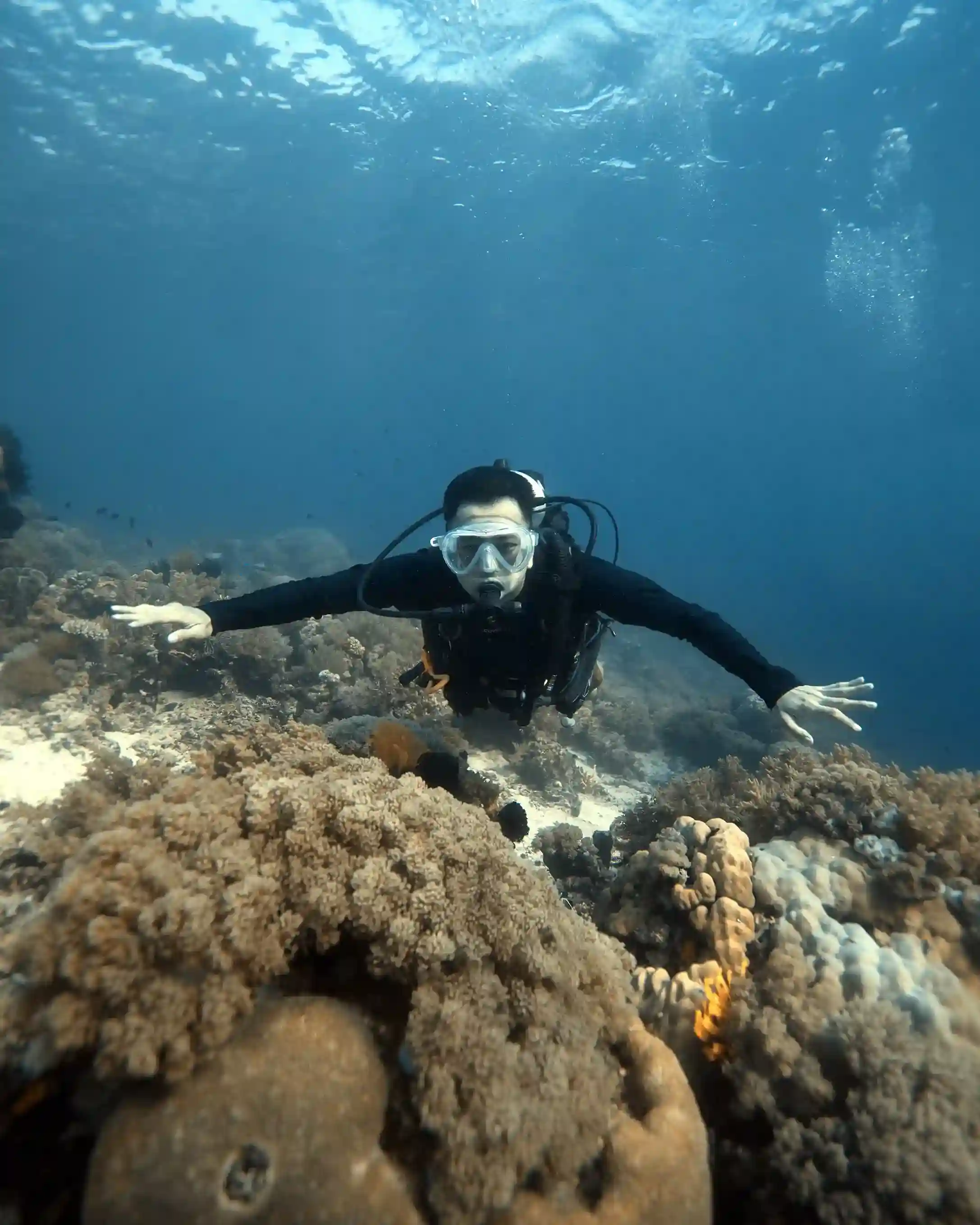
If you’re comparing snorkeling and diving in Komodo, consider your experience level, desired depth, and interaction with marine life. Snorkeling offers surface views, while diving provides a deeper exploration. Both activities reveal Komodo’s vibrant underwater world.
Comparing Snorkeling and Diving in Komodo
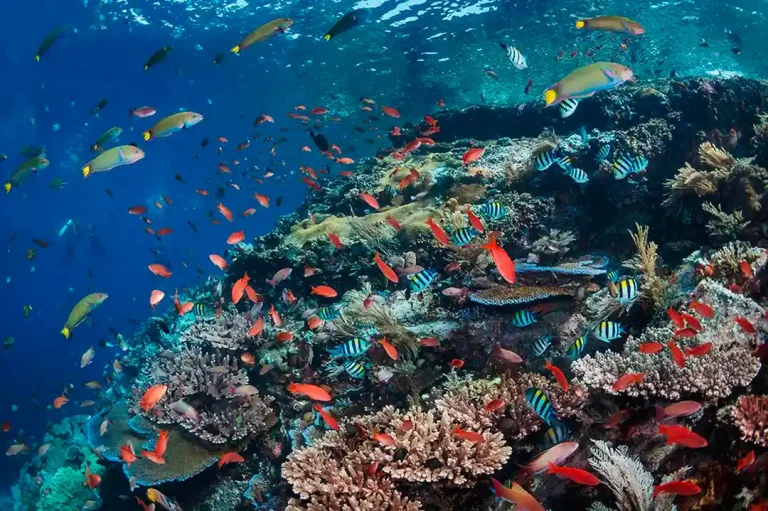
The Komodo Islands, renowned for their rich marine biodiversity, offer both snorkeling and diving experiences that attract enthusiasts worldwide. When comparing snorkeling and diving in Komodo, several factors come into play, including personal preferences, skill levels, and the type of marine life you wish to encounter. The islands are part of the Coral Triangle, an area with over 500 coral species, making it a prime location for underwater exploration. The region’s marine life includes over 1,000 species of fish, ranging from the vibrant clownfish to the majestic whale shark.
Snorkeling vs Diving: Activity Comparisons
Snorkeling and diving each offer unique perspectives of the underwater world. Snorkeling is generally more accessible, requiring minimal equipment and training. A snorkel, mask, and fins are typically all you need, making it an easy and cost-effective way to explore the ocean. Divers, however, can explore deeper waters and encounter a wider range of marine species. Diving requires a certification, which can be obtained through courses that typically last three to four days. The choice between these activities often hinges on personal comfort and the depth of exploration desired. While snorkeling might limit you to depths of around 1-2 metres, diving allows you to explore areas up to 30 metres or more, depending on your certification level.
How do snorkeling and diving experiences differ in the Komodo Islands?
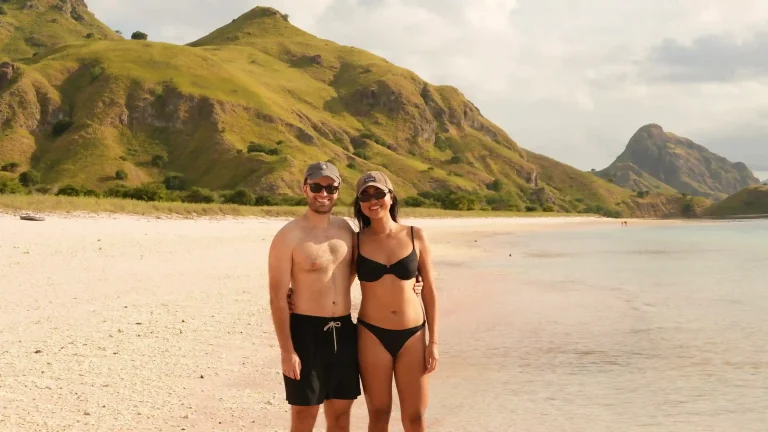
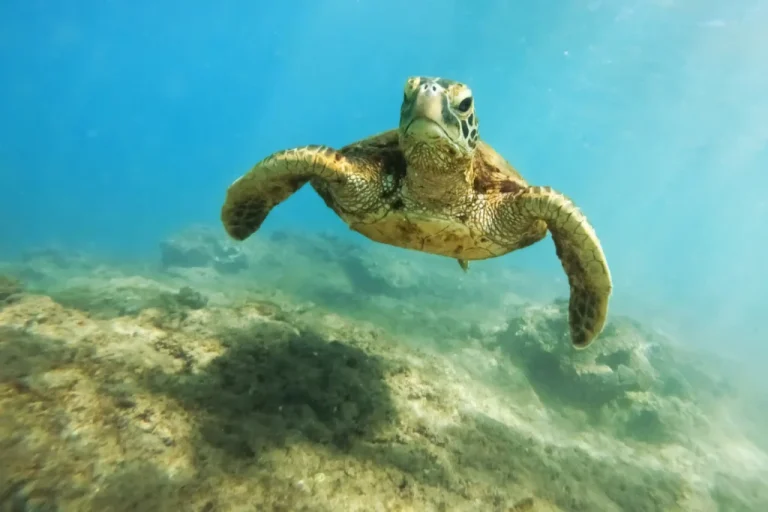
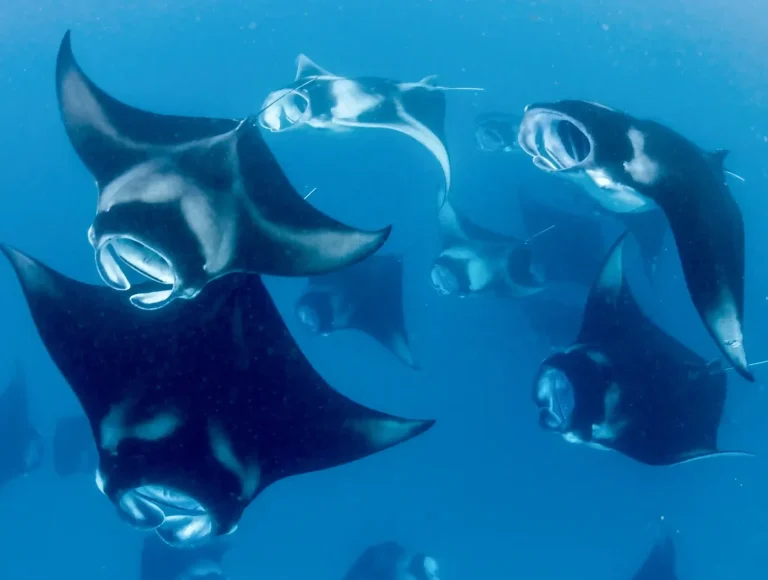
Snorkeling in Komodo allows you to float on the water’s surface, viewing vibrant corals and marine life below without needing extensive training. Popular snorkeling spots include Pink Beach, known for its unique pink-hued sands, and Kanawa Island, where clear waters make visibility excellent for observing marine life. Diving, however, takes you deeper, offering close encounters with larger species such as manta rays and reef sharks. Dive sites like Batu Bolong and Tatawa Besar are famous for their strong currents and diverse marine life, making them ideal for those seeking adventure. Diving here can mean swimming alongside sea turtles or witnessing the intricate dance of manta rays at Manta Point, especially active between April and August.
Benefits of Snorkeling in Komodo
- Ease of Access: Perfect for beginners; no certification required. You can start snorkeling as soon as you arrive, making it ideal for day trips.
- Affordability: Generally less expensive than diving. Snorkeling trips can cost as little as £30-£50, including equipment rental and guide fees.
- Surface Views: Ideal for observing colourful coral reefs and smaller marine creatures. The shallow waters of locations like Sebayur Island are teeming with life, from colourful parrotfish to the elusive nudibranch.
Snorkeling in Komodo is particularly rewarding in areas like Pink Beach and Kanawa Island, where clear waters and vibrant reefs abound. For those interested in tailoring their experience, our guide to customization options sets out where the flexibility lies. You can choose the time of day or specific locations you wish to explore, ensuring you get the most out of your snorkeling adventure.
Advantages of Diving in Komodo
Diving in Komodo provides a closer view of the underwater ecosystem, with opportunities to explore at greater depths:
- Marine Encounters: Get up close with manta rays, turtles, and even the occasional reef shark. Encountering these creatures is more likely at sites like Manta Alley, known for its manta ray cleaning stations.
- Diverse Locations: Sites like Batu Bolong and Tatawa Besar offer thrilling experiences. These sites are characterised by their strong currents and vibrant marine life, providing a challenge for more experienced divers.
- Advanced Exploration: Suitable for both novice and experienced divers, with options for night and drift dives. Night dives reveal a different side of the ocean, where you might see bioluminescent plankton or nocturnal predators like the hunting lionfish.
For more information on diving opportunities, see how this guide compares the snorkeling and diving options available for different levels of experience. Diving packages can include multiple dives per day, equipment rental, and guided tours to the most popular sites.
2027 Note: Eco-Friendly Practices
As of 2027, both snorkeling and diving in Komodo emphasize eco-friendly practices. Operators are increasingly adopting sustainable approaches, ensuring minimal impact on the marine environment. This includes using mooring buoys instead of anchors to prevent coral damage and encouraging the use of reef-safe sunscreen. Participants are encouraged to respect local guidelines and engage in responsible tourism. This involves not touching or taking marine life and properly disposing of waste. These efforts help preserve the delicate ecosystem for future generations.
FAQ
What should I consider when choosing between snorkeling and diving?
Consider your comfort level in the water, budget, desired depth of exploration, and the type of marine life you wish to see. Snorkeling is accessible and budget-friendly, while diving offers deeper exploration and close encounters with larger marine species. If you are keen on seeing larger animals like manta rays or exploring shipwrecks, diving might be more suitable.
Is snorkeling suitable for all ages?
Yes, snorkeling is generally suitable for all ages, as it requires minimal equipment and training. However, participants should be comfortable swimming and using snorkel gear. It is important to ensure that children are supervised and that everyone is aware of the water conditions and currents.
Do I need certification to dive in Komodo?
Yes, divers need certification to explore the Komodo waters safely. Various dive centres offer certification courses for beginners who wish to experience diving. These courses typically include both theoretical and practical components, ensuring that divers are well-prepared for the underwater environment.
Planning Your Komodo Snorkeling Day: Maps, Routes, and Conditions
Before choosing between snorkeling and diving, it helps to visualize the area with a practical Komodo snorkeling map in mind. Most tours depart from Labuan Bajo and follow loops through northern, central, or southern Komodo National Park, combining signature stops like Manta Point, Pink Beach, Kanawa, and Siaba Besar. You will not snorkel directly off Komodo Island’s dragon trekking beaches; instead, boats anchor at nearby reefs with safe currents and good visibility.
For a classic full day Komodo snorkeling tour, expect a 7:00–8:00 departure from Labuan Bajo, 60–90 minutes’ cruising to the first reef, then 2–3 in-water sessions of 40–60 minutes each. A typical day boat itinerary might include a morning at a sheltered reef like Kanawa or Siaba Besar, mid-day drift over the sandy channel of Karang Makassar (Manta Point), and a final stop for relaxed Komodo reef snorkeling over shallow coral gardens.
Conditions matter when deciding if snorkeling or diving suits you better. Water temperatures usually sit between 26–30°C, with dry-season visibility often 15–30 meters. However, some channels have strong currents, which affect whether Komodo island snorkeling from shore is possible (it usually is not, except at resort or homestay house reefs in calmer bays). For a more detailed month-by-month view of sea conditions, see the guide to the best time for Komodo Island snorkeling.
Weather timing can also guide whether you commit to a dive course or keep things simple with mask and fins. Komodo snorkeling in July and Komodo snorkeling in August fall in the heart of the dry season: the sea is often calmer, visibility is excellent, but sites are busier. Komodo snorkeling in December sits in the wetter season with more rain, but manta activity at Karang Makassar often spikes because plankton blooms attract larger aggregations.
If you prefer more time in the water with fewer crowds, a liveaboard allows you to follow conditions instead of a fixed day route. Many travelers compare a Komodo day boat snorkeling experience with multi-day Komodo liveaboard charters and choose the latter for sunrise and sunset entries at quieter reefs. If you’re deciding whether to invest in a diving certification, factor in that multi-day trips let divers repeat favorite sites at different tides, while snorkelers benefit from multiple shallow reef sessions without the need for decompression limits.
Budget is another piece of planning. Entry tickets to Komodo National Park follow government regulations, and there is no separate snorkeling permit or diving permit; the same ticket covers both activities. On top of that, tours vary from a cheap Komodo snorkeling tour on a shared wooden boat with basic lunch, to premium yachts with comfortable cabins and guided dives. For a breakdown of typical boat, gear, and guide costs for snorkelers, read our Komodo snorkel cost guide. This financial planning often determines whether visitors stick with snorkeling or invest in dive training and extra days on the water.
Safety, Skills, and Suitability: Is Komodo Snorkeling Right for You?
Many travelers ask: is Komodo snorkeling safe, and is Komodo snorkeling good for non swimmers? The honest answer is that safety depends on matching the site and conditions to your comfort level. Komodo has both gentle bays that suit first-timers using life vests and more advanced drift sites with strong currents. A reputable boat operator will adjust the plan if waves or surface conditions make a location unsuitable for snorkelers.
In most cases, you do need a guide for snorkeling in Komodo, even if you are not diving. The reason is currents: they can shift quickly, and boat crews know how to time entries so that you drift with the tide, not against it. Guides also choose the safest line over coral so you avoid shallow bommies and surge. Many trips pair snorkeling and Manta Point tours, particularly at Karang Makassar, where a guide monitors distance from the mantas and ensures nobody chases or blocks them, to keep both you and the animals safe.
First-time visitors often worry whether Komodo snorkeling worth it compared to other destinations. If you are cautious in the water, choosing snorkeling over diving can actually be the better option. You stay at the surface where you can signal the boat quickly and rest on a flotation device, yet still see reef sharks, turtles, and mantas beneath you. Certification, tanks, and heavier equipment are unnecessary, which reduces complexity and potential anxiety.
Families commonly ask if Komodo snorkeling good for non swimmers when traveling with children or older relatives. Non-swimmers should not enter sites with noticeable current or chop, but they may enjoy very shallow, protected areas using a life jacket and pool noodle, staying within arm’s reach of a guide. Here, snorkeling wins over diving: introductory dives are not suitable for true non-swimmers, whereas a quiet house reef or sand-bottom bay can be adapted for surface-only exploration and confidence-building.
When comparing Komodo snorkeling compared to Bali, conditions are less controlled from shore. Most Bali reefs accessible from the beach are gentler, while Komodo has more boat-only sites and tidal channels. If you want an easy, unguided float from a resort beach, Bali or the Gili Islands may feel simpler. But if you are happy to follow instructions on a boat and wear a flotation device, Komodo offers far richer biomass and a higher chance of big animals under the surface for confident snorkelers.
Those browsing Komodo snorkeling TripAdvisor reviews often notice comments about currents or challenging entries. Take these as a reminder that you should ask your chosen operator which spots are appropriate for your swimming ability and whether a private guide can be arranged. If you are uncertain whether to commit to diving, begin with one or two days of guided snorkeling; if you feel completely at ease by the end, you can decide whether it is worth returning for a certification and deeper exploration later.
To see how to structure a low-stress, progressive trip, check our 3-day Komodo Island snorkeling itinerary and 5-day Komodo Island snorkeling itinerary. These sample plans start with sheltered reefs, then only add more exposed or current-swept sites once guests have proven comfortable in the water, making them a good framework if your group includes a mix of snorkelers and divers.
How Komodo Snorkeling Compares Globally: Bali, Nusa Penida, and Beyond
When travelers weigh Komodo snorkeling or diving, they usually compare it to other famous destinations. Komodo vs Nusa Penida snorkeling is a common decision because both are accessible from Bali. Nusa Penida offers easier day trips with shorter boat rides and iconic manta encounters at Manta Bay, but visibility can be inconsistent and some sites have cold upwellings. Komodo, reached from Labuan Bajo, tends to deliver more consistent visibility and a wider variety of reefs within one trip, especially on a multi-day sailing.
Those who have logged hours elsewhere often ask how Komodo snorkeling compared with Thailand. Thailand’s Andaman Sea—Similan Islands and Surin—features gentle, clear-water snorkeling over granite boulders and soft corals. Komodo counters with higher current energy, cooler water at times, and denser fish schools. If you are a novice who prefers bathtub-like seas, Thailand is more forgiving. If you are a confident snorkeler or diver chasing pelagics, Komodo is usually more rewarding.
Komodo vs Bali snorkeling is another regular comparison. Bali’s best snorkeling—Menjangan, Amed, Padang Bai—can be done from shore or short local boats and suits casual holidaymakers. Komodo, by contrast, is a national park with stricter capacity controls and longer runs between sites. For quick afternoon dips, Bali wins; for a concentrated reef holiday with dragons, mantas, and dramatic landscapes in one loop, Komodo usually comes out ahead for both snorkelers and divers.
Serious snorkelers also ask which is better Komodo or Raja Ampat for snorkeling. Raja Ampat arguably has more overall coral biodiversity and mangrove-reef interfaces, but it requires more travel time and a larger budget. Komodo’s advantage is accessibility from a domestic hub, combined with world-class manta and turtle interactions. For a first Indonesia trip focused on both dragons and reef life, Komodo is easier to combine with other islands while still offering outstanding snorkeling and diving.
A similar question is which is better Komodo or Maldives for snorkeling. The Maldives excels at easy-access house reefs straight from resort beaches, making it ideal for non-technical snorkelers and families. Komodo has fewer true Komodo house reef snorkeling options but compensates with wilder scenery, stronger currents, and more varied macro life. If your priority is effortless daily lagoon swims, the Maldives wins; if you want a more adventure-oriented liveaboard with peaks, dragons, and drift reefs, Komodo may feel more memorable.
Some divers compare Komodo or Great Barrier Reef snorkeling. The Great Barrier Reef offers vast, relatively shallow plateaus and many entry-level sites, while Komodo concentrates a huge range of habitats in a smaller geographic area, with channels, pinnacles, and seamounts close together. As a snorkeler or diver, you are more likely to encounter intense current and topographic relief in Komodo, which can be a thrill for experienced visitors but requires good guiding and timing.
Within Indonesia, comparisons such as Komodo vs Bunaken snorkeling and Komodo vs Wakatobi snorkeling come up frequently. Bunaken, near Manado, is famous for steep walls and turtles, with calm surface conditions and easy boat rides. Wakatobi offers pristine coral and high-end resorts with excellent house reefs. Komodo’s unique selling point, for both snorkeling and diving, is the blend of large pelagic life, reef variety from north to south, and land excursions to see Komodo dragons—all within a single sailing itinerary.
Other travelers compare Komodo or Maldives snorkeling or Komodo vs Gili snorkeling when planning based on budget. The Gili Islands are cheaper and more relaxed, with simple shore entries and a focus on turtles. Komodo snorkeling budget decisions often revolve around whether to join a shared day boat or book a Komodo private snorkeling tour with a flexible schedule and tailored site choice. If you prioritize cost and nightlife, Gilis or southern Thailand may be better; if you want more serious reef time, Komodo justifies the extra logistics.
If you want to maximize water time and compare snorkeling and diving side by side, look at a mixed charter through an operator that understands both activities. Komodo Luxury can arrange private Komodo boat charters where some guests dive while others snorkel the shallows, and flexible Komodo sailing trips that adjust the route according to weather and guest experience. For gear specifics, including fins and exposure protection appropriate to Komodo’s currents and temperatures, see the guide to the best snorkeling gear for 2027.
Frequently Asked Questions
Is Komodo snorkeling better for most visitors, or should I plan to dive?
Komodo snorkeling is enough for many visitors because the reefs start shallow and big animals like mantas and turtles often cruise within a few meters of the surface. Diving becomes “better” only if you’re certified, comfortable with currents, and specifically want deeper walls or seamounts. If you’re unsure, schedule guided snorkeling first, then add dives only if you feel relaxed in the water.
What is the best snorkel spot in Komodo if I only have one day?
If you have just one day, aim for a route that includes Karang Makassar (Manta Point) and at least one calm reef like Siaba Besar or Kanawa. This combination gives a chance for mantas plus relaxed coral gardens. Because conditions vary, discuss the plan with your boat crew that morning and prioritize safety over ticking off too many locations.
Do you need a guide for snorkeling in Komodo National Park?
Yes, you should always have a guide for snorkeling in Komodo due to strong, shifting currents and boat traffic. Local guides know how to time entries with the tide, choose safer sections of each reef, and keep an eye on changing conditions. They also help enforce distance from mantas and turtles so encounters are both safe and environmentally responsible.
Is Komodo snorkeling safe for non-swimmers and children?
Komodo snorkeling can be safe for non-swimmers and children only at carefully chosen, very sheltered sites and with life jackets, flotation aids, and close supervision. Non-swimmers should avoid channels or any site with noticeable current. In mixed groups, it’s wise to arrange a private guide and possibly stay near the boat while stronger swimmers explore slightly farther.
How does Komodo snorkeling compare with Bali and Nusa Penida for beginners?
For absolute beginners, Bali and Nusa Penida often feel easier because many reefs are closer to shore and conditions are more predictable. Komodo offers richer marine life but more currents and boat-only entries. If it’s your first time, practice in Bali first, then join a conservative Komodo itinerary that focuses on calm bays and avoids advanced drift sites.
Is a cheap Komodo snorkeling tour a good idea, or should I spend more?
A cheap Komodo snorkeling tour can work if the operator follows safety rules, carries proper life jackets, and uses licensed guides. However, very low prices may mean crowded boats, limited safety briefings, and rushed time in the water. Paying a bit more often buys smaller groups, better equipment, and more flexibility to choose sites that match your skill level.
What should I expect from a full day Komodo snorkeling tour from Labuan Bajo?
A full day Komodo snorkeling tour typically runs 10–12 hours, with early morning departure from Labuan Bajo, two or three snorkeling stops, and a short land visit such as a viewpoint or dragon trek depending on the route. You can expect basic lunch, drinking water, and shared guides. Faster boats cover more sites, while slower vessels offer a more relaxed pace.
How can I decide between a day trip and a Komodo liveaboard for snorkeling and diving?
Choose a day trip if you have limited time or budget and mainly want a taste of Komodo’s reefs. Opt for a liveaboard if you want sunrise and sunset sessions, access to more remote sites, and the flexibility to mix snorkeling and diving across several days. Multi-day trips also reduce travel fatigue because you sleep near the action instead of commuting daily.
Choosing Your Platform: Liveaboard vs. Day Trip for Snorkelers and Divers
The fundamental choice between snorkeling and diving in Komodo is deeply connected to your choice of vessel. A day trip from Labuan Bajo is an excellent introduction, but a liveaboard charter unlocks the park’s true potential, profoundly shaping the snorkeling vs diving Komodo National Park debate for your trip. Day trips, typically on speedboats, are efficient but limit your range to the central park areas. You can reach key sites like Padar, Pink Beach, and Manta Point, but your time is constrained by the return journey to port.
A liveaboard, however, transforms your visit into an immersive expedition. This is where the discussion about the best liveaboard for snorkeling in Komodo becomes critical. It isn’t just about finding a boat; it’s about finding one whose itinerary and amenities match your primary activity. For snorkelers, this means a vessel with easy water access via a tender, a dedicated snorkeling guide who knows the currents, and a route that isn’t solely dictated by deep dive sites. For those wondering how to choose a 3D2N Komodo snorkeling liveaboard, a typical route covers the central park essentials: Padar, Rinca, Pink Beach, and Manta Point, allowing for multiple snorkeling sessions and relaxed surface intervals. If you have more time, the best liveaboard route for 4D3N Komodo snorkeling can extend to the incredible coral gardens of the northern park, like Crystal Rock and Castle Rock, offering a more diverse experience.
When considering options, travelers often search for top rated Komodo snorkeling liveaboards on a budget. These provide a fantastic way to experience the park over multiple days, often with shared cabins and simpler facilities. At the other end of the spectrum, a private liveaboard charter offers unparalleled flexibility to customize your itinerary around the best tides and conditions for either snorkeling or diving. Ultimately, the right platform depends on your time, budget, and how deeply you wish to explore the underwater realm. For a detailed breakdown of what to expect financially, see our guide to Komodo liveaboard costs.
Marine Life Encounters: A Side-by-Side Comparison
The core of the Komodo Island snorkeling vs diving comparison lies in the marine life you’ll encounter and how you experience it. While both activities offer world-class underwater views, they provide different perspectives. The question of whether Komodo is good for snorkeling or only diving is easily answered: it is exceptional for both, but your choice dictates the nature of your interactions. For many, the highlight is Manta Point (Karang Makassar). The debate over snorkeling with manta ray vs scuba diving Komodo is a common one. Snorkelers have an amazing vantage point, floating above as these gentle giants glide to the shallow cleaning stations. Divers, meanwhile, can sometimes find a spot on the seabed to remain stationary, observing the mantas for longer periods from below.
Beyond mantas, the experiences diverge further. Sites like Tatawa Kecil snorkeling Komodo offers a kaleidoscope of hard and soft corals in shallow water, perfect for snorkelers to spend hours exploring. You can easily spot turtles, reef sharks, and huge schools of fish. Divers might explore the deeper sections of the same reef, finding different species along the drop-offs. While snorkeling with moray eels in Komodo is possible if you have a keen eye for crevices in the shallows, divers are more likely to encounter them in their deeper lairs. The powerful currents that make Komodo a legendary dive destination also bring nutrient-rich waters to the surface, feeding the vibrant shallow reefs that make snorkeling so spectacular.
When comparing Komodo snorkeling vs Bali snorkeling which is better, Komodo’s protected status and remote location generally result in healthier corals and a greater abundance of large marine life. Similarly, in a Thailand vs Komodo snorkeling comparison, Komodo’s wild, rugged landscape and the chance to see dragons, mantas, and pristine reefs in one trip give it a unique edge. The decision isn’t about which is better, but which perspective you prefer: the panoramic, sunlit world of the snorkeler or the immersive, three-dimensional world of the diver.
More Questions About Comparing Snorkeling and Diving in Komodo
Is Komodo better for snorkeling or diving?
Komodo excels at both, and neither is universally “better.” The right choice depends on your comfort level, certification, budget, and goals. Snorkeling is more accessible, affordable, and provides breathtaking views of manta rays and sunlit shallow reefs. Diving unlocks deeper sites, dramatic walls, and different behavioral encounters with marine life. Many of the best sites, like Manta Point and Siaba Besar, offer incredible experiences for both snorkelers and divers simultaneously.
What is a good 2D1N itinerary for Padar and Komodo snorkeling?
A private Padar and Komodo snorkeling 2D1N liveaboard trip focuses on the central park. Day one typically includes a check-out dive or snorkel at a calm site like Kelor, followed by Manjarite’s pier and watching the flying foxes at Kalong Island. Day two involves an early morning trek on Padar Island for sunrise views, followed by snorkeling at the iconic Pink Beach and Manta Point before the boat returns to Labuan Bajo in the afternoon.
How do I find the best Komodo snorkeling tour company?
To find the best Komodo snorkeling tour company, prioritize safety, guide experience, and transparency. Look for operators who clearly list inclusions and exclusions, especially the mandatory park fees (IDR 250,000 for foreigners). Reading best Komodo snorkeling tour companies reviews on multiple platforms is helpful, but focus on recent, detailed accounts that mention boat maintenance, safety briefings, and the quality of the snorkeling guides. A responsive company that answers questions clearly via WhatsApp (+62 811-3823-875) or email is a very good sign.
What do Reddit forums say about the best snorkeling in Komodo?
Discussions about the best snorkeling in Komodo on Reddit often provide candid, first-hand accounts and can be great for discovering less-common spots or specific operator experiences. However, information can be subjective or become quickly outdated. Use Reddit for initial research and to gather questions, but always verify critical details like current park regulations, SiOra e-ticket requirements, and safety protocols with an established operator like those featured on Komodo Luxury’s Komodo boat charter platform.
What’s the difference between snorkeling and diving for beginners in Komodo?
The Komodo National Park snorkeling vs diving for beginners comparison comes down to accessibility and commitment. Snorkeling requires minimal skill—if you can swim, you can snorkel—and there are numerous calm, shallow sites perfect for learning. Diving for a non-certified beginner requires a PADI Discover Scuba Diving (DSD) program under the direct supervision of an instructor. It is a fantastic experience but involves more equipment, theory, and cost, making it a significantly larger undertaking for a first-timer.
Can I see sharks, turtles, and eels while snorkeling in Komodo?
Absolutely. While diving may offer more consistent encounters with certain species, Komodo’s snorkeling is incredibly rich. Sea turtles are seen almost daily at sites like Siaba Besar and Pink Beach. Harmless black-tip and white-tip reef sharks are frequently spotted cruising over the shallow reefs. While less common than for divers, sharp-eyed snorkelers can certainly spot moray eels peeking out from coral heads and rock crevices, especially at sites with healthy reef structures. For more on this, see our guide to Komodo’s big animals.
This guide does not operate boats. Bookings are fulfilled by Komodo Luxury, and this site may earn a referral commission.
Keep reading
More from the journal
Snorkeling Spots & Marine Life
Where to Snorkel in Komodo in 2027
The Komodo Islands are globally renowned for their pristine waters and diverse marine ecosystems. As we approach 2027, snorkelers can…
23 min read
Snorkeling Spots & Marine Life
Padar Island 2026: The Hike That Defines Komodo
Padar Island stands as one of the most photographed spots in Indonesia, featuring sweeping hills, pristine beaches, and vibrant marine…
19 min read
Snorkeling Spots & Marine Life
Padar Sunrise, Rinca Dragons & Pink Beach In One Trip
Your day begins early, long before the sun rises. A typical tour will start at around 3:30 AM, with many…
23 min read
Snorkeling Spots & Marine Life
Manta Point, Makassar & Turtles: Big Animals In Komodo
When discussing the best locations for snorkeling with manta rays in Komodo, Manta Point and Makassar Reef are the two…
25 min read
Snorkeling Spots & Marine Life
Ultimate Guide To Komodo’s Top Snorkeling Spots
Komodo National Park consists of several islands, each offering unique snorkeling experiences. Here are some of the top spots you…
22 min read
Snorkeling Spots & Marine Life
Is Snorkeling with Manta Rays in Komodo National Park Safe?
First, a common misconception is worth clearing up. The magnificent creatures that congregate at sites like Manta Point are manta…
24 min read