Best Time To Visit Komodo For Snorkeling & Mantas
Komodo Island Snorkeling Editorial Desk 23 min read
Definition: Best Time to Visit Komodo for Snorkeling & Mantas
Komodo Island, part of the Komodo National Park, is renowned for its exceptional snorkeling experiences, especially for those seeking to swim with majestic manta rays. The best time to visit Komodo for snorkeling and enjoying the vibrant underwater life largely depends on water visibility, sea conditions, and the seasonal patterns of marine wildlife.
Understanding Komodo’s Seasons
Before diving into the best months for snorkeling, it’s essential to understand Komodo National Park’s overall weather patterns. The climate is tropical, with distinct dry and rainy seasons. The dry season spans from April to November, while the rainy season runs from December to March. Each season offers different snorkeling experiences, so timing your visit is crucial.
Best Time for Snorkeling in Komodo
When considering the best time to visit Komodo for snorkeling, the dry season is ideal. From April to November, the seas are generally calm, offering clearer visibility, typically ranging from 15 to 30 meters (49 to 98 feet). During these months, you can expect temperatures between 75°F to 90°F (24°C to 32°C), making conditions comfortable for swimming and exploration.
Peak Months for Snorkeling
Among the dry months, the absolute best times to snorkel in Komodo are:
- June to September: These months offer the best visibility and calmest seas. With water temperatures around 78°F to 82°F (26°C to 28°C), it’s perfect for long snorkeling sessions.
- October and November: While still dry, these months may see an increase in wind, but visibility remains good. Expect fewer crowds as the high season begins to taper off.
Komodo Manta Season
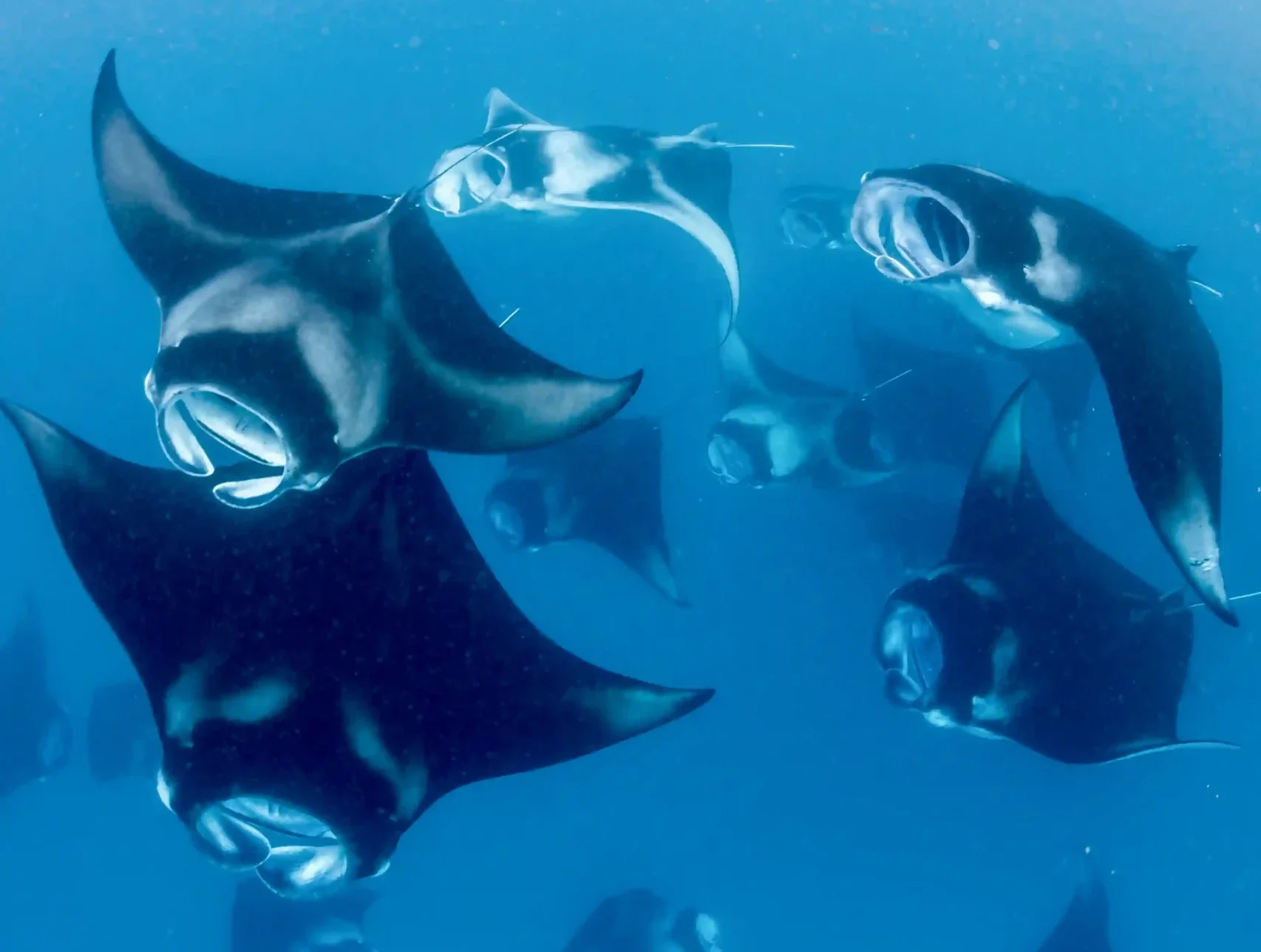
If swimming with manta rays is your primary goal, visiting during the peak manta season is essential. Manta rays are present year-round, but the best times to see them are from April to June and September to November. During these months, you can enjoy the thrill of swimming alongside these gentle giants, especially at well-known spots like Manta Point and Makassar Reef, where they frequently feed.
Manta Rays: Best Time to See Them
For those specifically targeting manta rays, the months of July and August are ideal, coinciding with the peak tourist season. Crowds can be larger during this time, but the experience of encountering mantas is unmatched. Organized snorkeling tours are widely available, typically costing around $60 to $90 USD per person for a full-day trip, which often includes multiple snorkeling spots and lunch.
Visibility Calendar for Snorkeling
Understanding the visibility calendar is essential for planning your snorkeling trip. Here’s a breakdown month-by-month:
| Month | Average Visibility (meters) | Water Temperature (°C) |
|---|---|---|
| January | 10-15 | 27-29 |
| February | 10-15 | 27-29 |
| March | 15-20 | 28-30 |
| April | 20-25 | 28-30 |
| May | 25-30 | 27-29 |
| June | 25-30 | 26-28 |
| July | 25-30 | 26-28 |
| August | 25-30 | 26-27 |
| September | 25-30 | 27-28 |
| October | 20-25 | 27-29 |
| November | 20-25 | 27-29 |
| December | 15-20 | 27-29 |
Rainy Season Komodo Island Snorkeling
While the rainy season from December to March sees a decrease in tourist numbers, it can be a mixed bag for snorkeling. Rain showers are typically brief and followed by sunshine, but visibility can drop to 10-15 meters. If you don’t mind less-than-ideal conditions, visiting during this time can be more budget-friendly, with prices dropping significantly on accommodations and tours. Expect to pay around $40 to $70 USD for snorkeling tours during these months.
Dry Season vs. Rainy Season
When comparing the dry season to the rainy season, the clear winner for snorkeling enthusiasts is the dry season. The calm seas and better visibility make it far superior for underwater exploration. However, if you’re looking for a more tranquil experience away from the larger crowds, the rainy season can still offer rewarding snorkeling experiences at a lower cost.
Crowd Levels in Komodo National Park 2026
Planning your visit around crowd levels can greatly enhance your snorkeling experience. In 2026, the peak tourist season is expected to occur from June to September. During these months, popular sites like Manta Point and Kanawa Island can get crowded, with visitors often outnumbering the marine life. If you prefer a less crowded environment, consider visiting during the shoulder months of April or November, when the weather is still pleasant, but the number of tourists is significantly lower.
Is December Good for Komodo Snorkeling?
December can be a decent choice for snorkeling, but it comes with caveats. The visibility starts to decline, and the waters can be choppier as the rainy season kicks in. If you’re willing to risk potentially compromised conditions, you might still have opportunities to encounter marine life, including mantas. Just be prepared for more cloud cover and occasional rain.
Frequently Asked Questions
- What is the best month for snorkeling in Komodo?
June through September are generally considered the best months due to favorable weather and high visibility. - Can I see manta rays year-round in Komodo?
Yes, mantas can be seen year-round, but the highest sightings occur between April to June and September to November. - How much should I budget for snorkeling tours?
Expect to spend around $60 to $90 USD per person for a full-day snorkeling tour in peak season and around $40 to $70 during the rainy season.
Choosing the best time to visit Komodo for snorkeling hinges on your priorities: clear waters, manta encounters, or avoiding the crowds. With this guide, you can confidently plan your adventure and make the most of your underwater exploration in this breathtaking part of the world.
Ready to experience the beauty of Komodo? Start planning your snorkeling adventure today!
Best Locations for Snorkeling with Manta Rays
To fully experience the thrill of swimming with manta rays, certain spots in Komodo National Park stand out. Some of the best locations include:
- Manta Point: Located between Komodo and Nusa Penida, this site offers one of the highest chances of encountering manta rays. The peak months for visibility here are from May to October, with water temperatures averaging around 78°F (26°C).
- Crystal Rock: Known for its stunning coral formations, this location provides excellent visibility and a chance to see not just mantas but also turtles and diverse fish species. Ideal conditions occur from July to September.
- Cauldron: Situated near the island of Rinca, this spot is famous for its rich marine biodiversity. The best time to snorkel here is from August to November when the water is calm and clear.
Plan to spend about 3-4 hours per snorkeling site, which allows ample time to explore while ensuring you maximize your chances of seeing these magnificent creatures.
Cost of Snorkeling Tours in Komodo
When budgeting your trip, understanding the cost of snorkeling tours in Komodo is essential. Prices can vary significantly based on the type of tour, duration, and inclusions. Here’s a breakdown of average costs:
| Type of Tour | Duration | Price (USD) |
|---|---|---|
| Half-Day Snorkeling Tour | 4 hours | $40 – $70 |
| Full-Day Snorkeling Tour (shared) | 8 hours | $50 – $90 per person |
| Private Charter (whole speedboat) | Full Day | USD 700–900 per boat |
Most tours include equipment rental, and some offer lunch and drinks. For budget travelers, consider joining group tours, which can significantly reduce costs.
Tips for an Unforgettable Snorkeling Experience
To enhance your snorkeling adventure in Komodo, keep these practical tips in mind:
- Book in Advance: If you plan to visit during the peak months (July to September), book your tours in advance, as spots can fill quickly.
- Check Safety Records: Always choose reputable tour operators that prioritize safety and have positive reviews. Ensure they provide life jackets and have guides who are knowledgeable about marine life.
- Respect Marine Life: Maintain a safe distance from the manta rays and avoid touching them or their habitat. Snorkeling fins can accidentally harm coral reefs, so be mindful of your movements.
- Stay Hydrated: The sun can be intense, especially during peak hours. Bring water and snacks to keep your energy up during your snorkeling excursions.
Marine Life to Expect Beyond Manta Rays
While manta rays are a highlight, the underwater ecosystem of Komodo is rich and diverse. Here’s a glimpse of the intriguing marine life you may encounter:
- Coral Reefs: Over 260 species of reef-building coral thrive in these waters, with vibrant colors and formations.
- Turtles: Green and hawksbill turtles are commonly sighted, particularly in areas like Bidadari Island.
- Numerous Fish Species: Expect to see clownfish, parrotfish, and even the elusive Napoleon wrasse.
- Other Pelagics: Depending on the season, you might catch a glimpse of sharks and larger fish like barracudas.
Each snorkeling session can provide a unique experience, showcasing the incredible biodiversity that Komodo has to offer.
Explore more from Komodo Island Snorkeling
- Komodo snorkeling overview
- Komodo Island Snorkeling: Your Comprehensive FAQ Guide
- Komodo Island Snorkeling Safety & Trust
- Komodo Island Snorkeling Cost & Pricing Guide
- how many days you actually need
Message Komodo Luxury on WhatsApp →
Seasonal Planning: When to Visit Komodo for Snorkeling and Manta Rays
For most travelers, the best time to snorkel Komodo Island is during the dry season from April to November, when seas are calmer and underwater visibility often ranges from 15–30 meters. Within this window, May–June and September–early November balance good conditions with fewer crowds than the July–August peak holiday period.
If your priority is manta rays, the best time to visit Komodo for manta rays is slightly different. You can see mantas year-round at Karang Makassar (often called Manta Point), but the most reliable aggregations usually occur from December to February, when plankton blooms attract larger numbers. Expect somewhat greener water and reduced visibility compared with peak dry season, but far more plankton-feeding mantas.
Thinking about the overall Komodo island snorkeling season, it helps to divide the year into three broad phases:
- April–June: Transition into dry season; water clears up, corals look vibrant after the rains, good chance of mantas plus generally calmer seas.
- July–August: Peak tourism months with some of the best visibility for snorkeling Komodo, cooler water, and higher chances of brisk currents on exposed sites.
- September–November: Often superb visibility, slightly warmer water, fewer boats; an excellent compromise of conditions, marine life, and crowd levels.
December–March is rainy season, but it still forms part of the Komodo island snorkeling season guide if you are flexible. You may trade brighter blue water for richer plankton life, more mantas, and fewer visitors. Always confirm latest forecasts and park rules; our Editorial Standards — How Komodo Island Snorkeling is Researched page explains how we keep these seasonal insights current and evidence-based.
Choosing Boats, Routes, and Guides for a Snorkeling-Focused Trip
The right boat and guide make a big difference to your experience of currents, timing, and site selection. A one day Komodo snorkeling trip by shared speedboat can reach highlights such as Karang Makassar, Taka Makassar sandbank, Siaba Besar (Turtle City), and sometimes Manjarite, but it offers limited flexibility if conditions change or you want to linger at a site.
If you want an ultimate Komodo snorkeling liveaboard trip, consider 2–4 days on a small-phinisi or yacht. Multi-day Komodo liveaboard charters allow you to adjust the schedule for tides, visit sites when they are quieter, and sleep close to the best reefs. A well-planned Komodo National Park snorkeling itinerary 3 days often includes:
- Day 1: Labuan Bajo – Kelor or Kanawa for warm-up – Manjarite – sunset at Kalong or Padar area.
- Day 2: Padar viewpoint – Pink Beach – Karang Makassar (Manta Point) – Taka Makassar sandbank.
- Day 3: Siaba Besar (“Turtle City”) – possibly Mawan or Sebayur – return to Labuan Bajo.
For a more tailored experience, many travelers reserve private guide for Komodo snorkeling, especially families or less confident swimmers. A private guide can choose entry and exit points to avoid the worst of the currents, stay close to children, and adjust the route if visibility drops. Private trips are usually arranged through operators rather than hired independently on the jetty; for example, private Komodo boat charters and yacht charter options are organized with dedicated snorkeling guides on board.
If you’re arriving on a cruise ship and exploring shore excursions Komodo snorkeling, check carefully whether your line’s excursion prioritizes dragon trekking, snorkeling, or both. Cruise calls are short, and a dragon walk plus a long transfer to good reefs may not leave much water time. A specialized Labuan Bajo-based operator will usually offer more snorkeling-centric itineraries than generic cruise excursions.
For deeper background on how to compare shared speedboats versus private vessels, see our guide Shared Komodo Tours vs Private Charters: Which Is Better? and the practical charter advice in Chartering a Boat in Komodo: A 2026 Insider’s Guide.
Marine Life, Currents, and Safety Considerations for Snorkelers
Komodo is not only about manta rays. Many visitors specifically ask about snorkeling with turtles in Komodo National Park, and Siaba Besar is the most famous site for that. Nicknamed “Turtle City,” Siaba Besar frequently delivers multiple turtle encounters on a single snorkel, with calm, shallow reef that suits beginners and families. Nearby bays also host turtles grazing on sea grass.
Beyond turtles, common wildlife to see snorkeling Komodo includes schooling fusiliers and surgeonfish, bumphead parrotfish on morning forays, reef sharks, occasional eagle rays, and dense clouds of anthias over hard-coral slopes. If you’re interested in macro life, certain fringing reefs offer nudibranch snorkeling sites Komodo National Park is known for—look closely on sponges and dead coral for colorful dorid nudibranchs and flatworms.
Currents are central to planning. Many people ask how strong are currents for snorkeling Komodo; on exposed channels such as Batu Bolong or some passes near Tatawa, currents can become very strong and are unsuitable for casual snorkelers. Even relatively friendly sites like Karang Makassar often feature noticeable drift, especially around tidal changes. Realistically, you should assume you will encounter some level of current on most open-water sites.
That leads to the common question: do I need fins for snorkeling in Komodo currents? The honest answer is that fins are strongly recommended for almost everyone, except perhaps extremely strong swimmers staying in very shallow, sheltered bays. Fins help you keep up with a group, maneuver away from bommies or boats, and handle unexpected surges. If you’re wondering more generally, do I need fins for snorkeling in Komodo, treat fins as standard equipment rather than optional.
To reduce risk, choose entries at slack tide, stay close to your guide, and avoid swimming ahead of the group. If you feel uncomfortable, signal early and get back to the boat rather than pushing through fatigue. Our page Safety & Compliance — Standards Checked Before a Boat Is Listed explains how reputable operators manage current forecasts, briefings, and safety gear for snorkelers.
When comparing snorkeling Komodo vs Raja Ampat marine life, Komodo delivers more big current, mantas, and dramatic topography, while Raja Ampat tends to offer even more coral diversity and fish biomass spread over a larger, more remote region. For most snorkelers deciding between snorkeling Komodo or Raja Ampat, Komodo is easier to reach from Bali and Java, supports short trips of 2–4 days, and combines dragons with rich reefs in a compact area.
Finally, if you’re researching on forums and see threads titled along the lines of “reddit Komodo Island snorkeling recommendations” or “quora Komodo snorkeling,” treat them as anecdotal snapshots. Conditions change quickly with seasons and tides, so cross-check any advice with updated marine forecasts and recent trip reports. For ideas beyond this park, read Beyond Komodo: Snorkeling Flores, Alor & Eastern Indonesia for alternate destinations with different current and visibility profiles.
Frequently Asked Questions
When is the best time to snorkel Komodo Island for clear water?
The best time for clear water in Komodo is generally during the dry season, especially from May to October, when visibility often reaches 15–30 meters on many reefs. July and August can be excellent for clarity but also busier and windier. Shoulder months like May–June and September may combine good visibility with slightly calmer seas and fewer boats.
What is the best season to see mantas in Komodo National Park?
You can see manta rays in Komodo year-round, particularly at Karang Makassar, but the best season to see mantas in Komodo is usually December to February. During these months plankton blooms attract larger aggregations, so you may see dozens feeding or cleaning. Expect trade-offs: greener water, slightly reduced visibility, and more variable weather compared with peak dry season.
Is Komodo good for snorkeling or only for diving?
Komodo is excellent for both snorkeling and diving. Many reefs start shallow, with hard corals and schooling fish from just one or two meters deep, and sites like Siaba Besar and Manjarite are ideal for snorkelers. Some famous dive spots are too deep or current-swept for relaxed snorkeling, so choosing a snorkeling-focused itinerary and guide is essential.
How strong are the currents when snorkeling in Komodo?
Currents in Komodo range from mild drifts to very strong, especially in channels and around small seamounts. On sheltered sites, beginners may find conditions comfortable, but exposed locations can become unsafe for inexperienced swimmers. A responsible guide will time entries with tides and avoid high-flow sites. Always follow the briefing and stay close to the group to manage changing currents.
Do I really need fins for snorkeling in Komodo currents?
Yes, fins are strongly recommended for snorkeling in Komodo, particularly where there is even moderate current. Fins give you more control, help you avoid fatigue, and make it easier to keep position near manta cleaning stations or with your group. If you are not used to fins, practice in shallow water first so you can use them efficiently before drifting over deeper areas.
How long does it take to reach Manta Point from Labuan Bajo?
Travel time from Labuan Bajo to Manta Point (Karang Makassar) depends on boat type. Fast speedboats typically take around 60–90 minutes in reasonable sea conditions, while traditional wooden liveaboards may take 2.5–4 hours. On multi-day trips, boats often anchor near central islands so your actual transfer before the snorkel session is much shorter.
What does a typical 3-day Komodo snorkeling itinerary look like?
A typical 3-day snorkeling-focused itinerary includes a mix of reefs, mantas, and island stops. Expect one day with Padar viewpoint and nearby beaches, one day centered around Karang Makassar and Taka Makassar for manta rays, and one day at calmer reefs like Siaba Besar for turtles. Multi-day trips booked through Labuan Bajo allow your captain to adjust the order based on weather and tides.
Should I choose a speedboat or a liveaboard for Komodo snorkeling?
Choose a speedboat if you have only one day, prefer to sleep on land, or are sensitive to overnight boat motion. Pick a liveaboard if you want dawn and dusk snorkeling, more relaxed travel times, and flexibility to chase the best conditions. For families and groups, a private liveaboard often balances comfort with custom routing; see our guidance on choosing boats and safety before you decide.
Seasonal Marine Life Calendar: Beyond Manta Rays
While manta rays are a primary draw, the best time to visit Komodo for snorkeling also depends on what other marine life you hope to encounter. The park’s biodiversity is staggering year-round, but seasonal shifts can influence the visibility and behavior of certain species. Understanding these patterns helps in setting the right expectations and provides excellent opportunities for underwater photographers seeking specific shots.
For those wondering where to see reef sharks while snorkeling Komodo, sites like Kanawa Island’s reef and the slopes of Siaba Besar are reliable spots. Blacktip and whitetip reef sharks are present throughout the year, but the calmer, clearer waters of the dry season (April to November) make encounters more predictable and enjoyable. Similarly, for those hoping to see turtles snorkeling Komodo, Green and Hawksbill turtles are common residents. You can find them grazing at sites like Turtle City (Siaba Besar) and Pink Beach. While always present, the tranquil surface conditions from May to October allow for longer, more peaceful observation.
If you want to know where to see schooling fish snorkeling Komodo, look to sites with healthy currents like Batu Bolong and Tatawa Kecil. The currents are often strongest around the new and full moons, which is when you’ll see massive schools of fusiliers, surgeonfish, and snappers. This is a key consideration for your snorkeling photography Komodo tips: while currents bring the fish, they can make photography challenging. The shoulder months of April-May and October-November often provide a great balance of vibrant marine activity and manageable conditions. Regarding concerns about are there jellyfish when snorkeling Komodo, significant stinging jellyfish blooms are rare and not tied to a specific season. The guides are trained to identify and avoid any potentially harmful species, ensuring your safety.
Finally, a comprehensive snorkeling Komodo dragons viewing trip combines underwater and terrestrial experiences. The dragons are active year-round on Rinca and Komodo Islands. However, during the peak rainy season (January-February), trekking trails can become muddy and slippery. For the best combination of world-class snorkeling and comfortable trekking, the dry season remains the optimal choice. For photographers aiming to capture Komodo’s dual worlds, our guidance on the best routes for snorkeling and photography can help you plan the perfect visual journey.
Aligning Your Trip Logistics with the Komodo Seasons
Choosing the best season is only half the battle; aligning your travel logistics is critical for a seamless experience. Whether you’re planning a quick getaway or an extended exploration, understanding how the seasons affect travel to and from Labuan Bajo is key. For instance, many travelers search for a Komodo snorkeling 3D2N from Bali. It’s important to know that all boat trips depart from Labuan Bajo (LBJ) on Flores Island, requiring a short flight from Bali (DPS). A 3-day, 2-night trip is the classic liveaboard format, perfectly timed to cover iconic spots like Padar Island, Pink Beach, and Manta Point.
For those with more time, a Flores Komodo snorkeling cruise 4 days 3 nights allows for a more relaxed pace and access to more remote sites in either the northern or southern part of the park, depending on the season. This extended duration is ideal for enthusiasts who want to snorkel the same prime location at different times of the day. A critical piece of advice for any multi-day trip is knowing when to schedule flight home after Komodo snorkeling liveaboard. Always book your departure flight for the day after your boat returns to Labuan Bajo. Boats typically dock in the late afternoon, and unforeseen delays due to weather or currents are possible. A one-night buffer eliminates stress and ensures you don’t miss your flight.
Budget is another practical consideration. While some may look for a cheap Komodo snorkeling package under 100 usd, it’s crucial to understand what this includes. Shared day trips can fall into the $50-$90 USD range, but this often excludes the mandatory park entrance fee for foreign visitors (IDR 250,000 per person). These trips can be crowded and may follow a rigid, rushed schedule. For a superior and safer experience, we recommend focusing on value, safety, and guide quality. For ultimate flexibility and privacy, a private Komodo boat charter allows you to fully customize your itinerary based on seasonal conditions and interests. This approach also enhances efforts in responsible manta snorkeling Komodo, as private guides can better manage interactions, avoid crowds, and ensure adherence to conservation protocols, creating a respectful and memorable encounter.
More Questions About Best Time To Visit Komodo For Snorkeling & Mantas
When is the absolute best time of year for Komodo Island snorkeling?
The absolute best time of year for Komodo Island snorkeling is the dry season, from April to November. This period offers the ideal combination of sunny skies, calm seas, and exceptional underwater visibility, often exceeding 25 meters. Within this window, the peak months from June to September are particularly fantastic for clear water and high chances of manta ray sightings. This timeframe provides the most comfortable and rewarding conditions for exploring the vibrant reefs of the national park.
Can you actually see manta rays just by snorkeling in Komodo?
Yes, absolutely. Komodo National Park is one of the best places in the world for swimming with mantas Komodo island offers, and you do not need to be a scuba diver. Key sites like Manta Point (Karang Makassar) are shallow, sandy bottoms where manta rays congregate to feed and be cleaned. Snorkelers can float on the surface and watch these majestic creatures glide gracefully just a few meters below them, making it an accessible and unforgettable experience for all skill levels.
What are the best Komodo snorkeling spots for manta rays?
The primary and most famous location is Manta Point, also known as Karang Makassar. It’s a vast, shallow channel where currents bring plankton-rich water, attracting feeding reef mantas. Other potential spots include Mawan Island and, for the more adventurous on a longer liveaboard trip, sometimes the southern sites of the park. However, Manta Point remains the most reliable and accessible spot for snorkelers to have incredible encounters.
What is snorkeling in Komodo like in December, during the rainy season?
Snorkeling Komodo in December is certainly possible, but it comes with trade-offs. December marks the beginning of the rainy season, so you can expect intermittent tropical showers and potentially cloudier skies. Underwater visibility might be slightly reduced compared to the dry season, and surface conditions can become choppy. However, the park is less crowded, and marine life remains active. Mantas are still present, making it a viable option for those with fixed holiday schedules, provided you are prepared for variable weather.
Where are the best spots to see reef sharks and turtles while snorkeling in Komodo?
For reef sharks, the coral gardens around Kanawa Island and the reef edges of Gili Lawa Darat are excellent spots to see whitetip and blacktip reef sharks in the shallows. For turtles, the aptly named Turtle City at Siaba Besar is a must-visit, where Green and Hawksbill turtles are seen on nearly every trip. Pink Beach and Mawan Island are also fantastic locations where you can often spot turtles grazing peacefully on the reef.
How much buffer should I leave between a Komodo liveaboard disembarkation and my onward flight?
It is crucial to schedule your departure flight from Labuan Bajo (LBJ) for the day after your liveaboard trip concludes. Boats typically return to the harbor in the afternoon between 2 PM and 5 PM. Unpredictable factors like strong currents or weather can cause delays. Booking your flight for the following day removes any risk of missing it, allowing you to relax and enjoy your final evening in Labuan Bajo without stress.
Related reading
Sources & References
- Indonesia’s official meteorological, climatological & geophysical agency — BMKG
- Official marine/maritime weather and sea-state forecasts for Indonesian waters — BMKG Maritim
- Conservation status of the reef manta ray (IUCN: Vulnerable) — Wikipedia — Reef manta ray
Sources checked 27 August 2026.
This guide does not operate boats. Bookings are fulfilled by Komodo Luxury, and this site may earn a referral commission.
Keep reading
More from the journal
Best Time, Gear & Tips
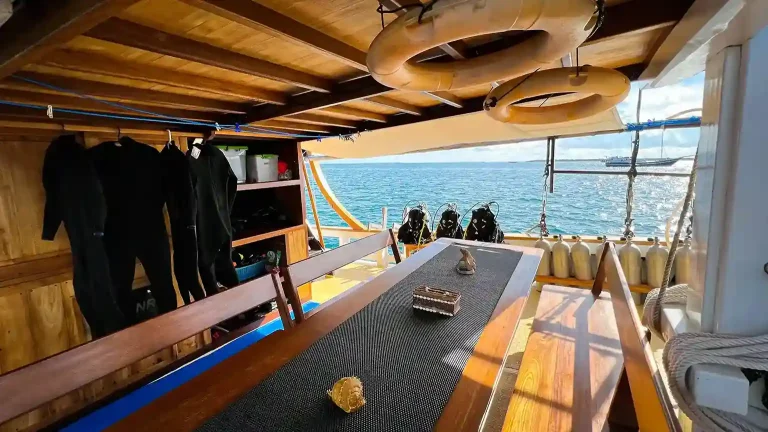
The Best Snorkeling Gear for 2027: What to Bring to Komodo
Visiting the Komodo Islands in 2027 requires not just enthusiasm for the vibrant underwater world but also the best snorkeling…
22 min read
Best Time, Gear & Tips
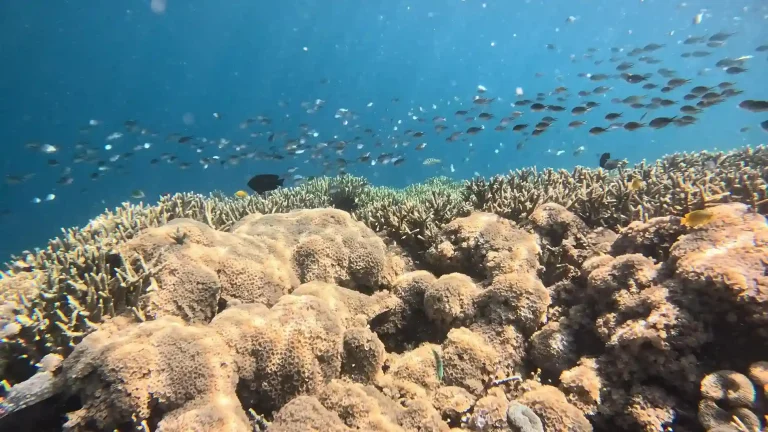
How to Capture the Perfect Underwater Photos While Snorkeling in Komodo
Komodo's clear waters and diverse marine life offer an exceptional setting for underwater photography. To make the most of your…
21 min read
Best Time, Gear & Tips
Technology in Snorkeling: Gadgets to Enhance Your Komodo Experience
The integration of technology into snorkeling is transforming how enthusiasts experience the waters around Komodo Island. With the introduction of…
20 min read
Best Time, Gear & Tips
Predicting Snorkeling Trends in Komodo for 2027
The Komodo Islands, renowned for their diverse marine life and vibrant coral reefs, are predicted to witness significant changes in…
23 min read
Best Time, Gear & Tips
The Evolution of Snorkeling Tours in Komodo
The evolution of snorkeling tours in Komodo reflects a shift from basic, local-led adventures to sophisticated, eco-conscious experiences. As demand…
22 min read
Best Time, Gear & Tips
What To Pack For A Komodo Liveaboard & Island Hopping
On a liveaboard you are essentially living on a boat for several days, usually three to seven. Your packing should…
23 min read