Snorkeling Spots & Marine Life
Komodo Snorkeling vs. Diving: Which is Better for Marine Life?
Komodo Island Snorkeling Editorial Desk 26 min read
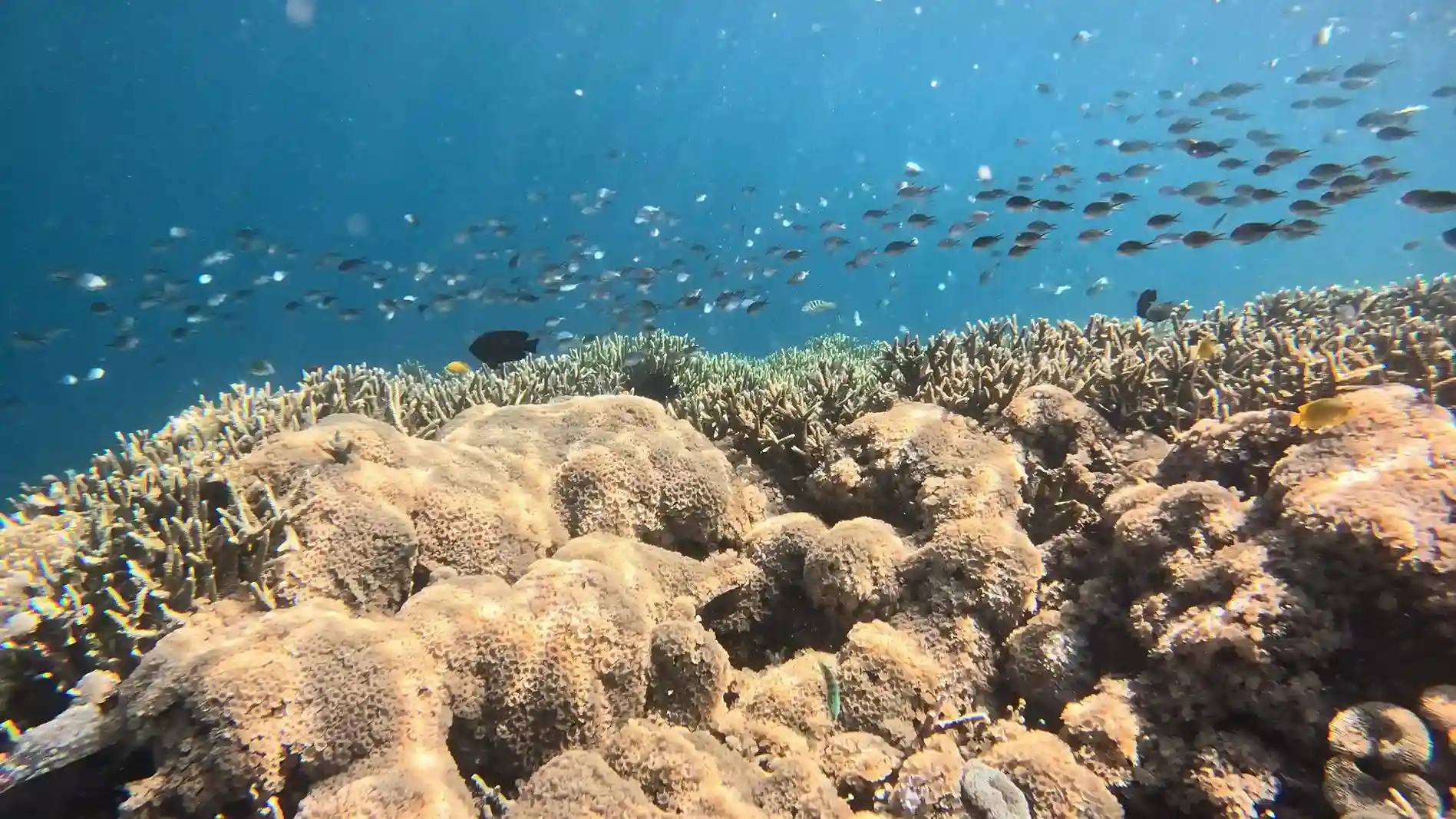
- Snorkeling: Best for manta rays at cleaning stations, sea turtles, and the vibrant, shallow reefs of Pink Beach.
- Diving: Required for viewing sharks, pygmy seahorses, and large schools of fish at deep pinnacles like Batu Bolong.
- Accessibility: Snorkeling provides a more immediate and less equipment-intensive way to experience Komodo’s biodiversity.
The saline air is thick and warm, carrying the scent of dry earth from the volcanic islands flanking the phinisi. Below, the turquoise water of the Flores Sea laps against the wooden hull with a hypnotic rhythm. The sun is high, illuminating a world of decisions beneath the surface. Here, in Komodo National Park, the fundamental question for any marine enthusiast arises: do you don the mask and fins for a weightless ballet across the reef’s surface, or do you commit to the full apparatus for a descent into the deep blue? It’s a debate I’ve had with fellow travelers and marine biologists for years, and the answer, like the park’s legendary currents, is more complex than it first appears.
The Surface-Level Spectacle: Why Snorkeling Reigns for Certain Encounters
There’s a prevailing notion that snorkeling is somehow a lesser experience than diving, a mere preview of the main event. In Komodo, this is a profound miscalculation. For certain key encounters, staying within the top five meters of the water column offers a superior, more intimate perspective. Chief among these is observing the majestic reef manta rays (Mobula alfredi). At Manta Point, a world-renowned cleaning station, these gentle giants, with wingspans reaching up to about 5.5 meters, congregate to have parasites removed by smaller fish. As a snorkeler, you can float unobtrusively on the surface, watching the spectacle unfold below without the disturbance of exhaled bubbles, which can sometimes alter the mantas’ behavior. From the surface, you witness the full choreography of the cleaning station — the approach, the hovering, the departure — a more natural and holistic way to observe without disturbing the ray. Beyond the mantas, sites like the celebrated Pink Beach (Pantai Merah) reveal their true splendor in the shallows. Its vibrant color comes from the crushed red organ pipe coral mixed with white sand, a phenomenon best appreciated with the full force of the sun filtering through the water. The coral gardens here, teeming with hundreds of species of reef fish, are so shallow that divers would find the environment restrictive. These gardens are part of the Coral Triangle, an area that holds an astonishing 76% of the world’s known coral species, making every glance a revelation.
Descending into the Blue: The Unrivaled Access of Scuba Diving
While snorkeling offers a magnificent panorama of the sunlit reefs, scuba diving provides the key to Komodo’s more dramatic and secretive underwater worlds. The park’s most iconic dive sites are simply inaccessible to the snorkeler. Take Batu Bolong, a rock pinnacle that pierces the surface and plummets to depths of over 70 meters. Its steep walls are a living tapestry of hard and soft corals, gorgonian fans, and immense sponges. Here, the powerful currents of the Lintah Strait, which can shift from gentle to ferocious in minutes, dictate whether snorkeling or diving is appropriate on any given tide. Those currents, which can exceed 8 knots, bring a constant stream of nutrients, attracting an incredible density of life. Descending to 20 or 25 meters, you are no longer an observer looking in; you are part of the ecosystem. You can hover alongside schools of fusiliers so thick they momentarily block out the light, and watch whitetip reef sharks patrol the perimeter. Then there is Castle Rock, an offshore seamount known for attracting pelagic species. It’s here that divers have the best chance of encountering grey reef sharks, giant trevallies hunting in unison, and massive schools of bannerfish. This is the raw, powerful side of Komodo that requires the extended time and depth that only scuba allows. As veteran Komodo divemaster Marcus Tan once told me over a post-dive dinner, “You haven’t truly felt the pulse of the park until you’ve hooked into the rock at Castle Rock and watched the ‘freight train’ of jacks and tuna go by.” This is the immersive experience that defines the allure of diving in this UNESCO World Heritage site.
Komodo’s Currents: The Deciding Factor for Safety and Experience
No discussion of Komodo snorkeling vs. diving is complete without addressing the formidable currents. The park sits at a critical juncture where the Indian and Pacific Oceans meet, and the Indonesian Throughflow funnels immense volumes of water through its narrow straits. These currents are the lifeblood of the ecosystem, but they command absolute respect. For snorkelers, this means that site selection is paramount. An expert guide is not a luxury but a necessity. They understand the tidal shifts to the minute, choosing sheltered bays or planning precise drift snorkels where the boat follows alongside, allowing you to glide effortlessly over kilometers of pristine reef. A poorly planned snorkel can quickly become a dangerous situation. For divers, the challenge is amplified. Many of Komodo’s premier sites are recommended only for advanced divers with dozens of logged dives. Techniques like negative entries (descending immediately upon entering the water) and the use of reef hooks are standard procedure. Divers must be vigilant about unpredictable down-currents and up-currents, which can pull a person down or push them to the surface with alarming speed. Water temperatures add another layer of complexity; they can be a balmy 28°C in the northern park and drop to about 24-25°C in the south due to deep-water upwellings. Choosing a reputable operator that provides thorough briefings and employs experienced local guides is the single most important decision you will make. It’s why discerning travelers often opt for curated Komodo Island snorkeling tours that prioritize safety and local knowledge above all else.
The Photographer’s Dilemma: Capturing Komodo’s Marine Life
For the underwater photographer, the choice between snorkeling and diving is a technical and artistic one. Snorkeling offers one massive advantage: light. In the top few meters of water, natural sunlight is abundant, allowing for fast shutter speeds and vibrant, true-to-life colors without the need for expensive external strobes. It’s ideal for wide-angle shots capturing the scope of a coral garden or a turtle grazing on seagrass. The relative freedom from bulky equipment also allows for greater agility in tracking fast-moving subjects. The visibility, which often exceeds 30 meters during the dry season (April to November), makes for spectacular scenic shots. Diving, however, opens up the world of macro photography. The stability of being neutrally buoyant at depth allows a photographer to spend time focusing on the minute details: a pygmy seahorse, no larger than a grain of rice, camouflaged on a gorgonian fan; the intricate patterns on a nudibranch; or the shy gaze of a blenny peeking from its hole. For capturing the grander, deeper scenes—a shark silhouetted against the blue, the sheer scale of a wall dive—diving is also essential. As celebrated underwater photographer Isabella Rossi explained to me on a liveaboard last year, “I pack two camera systems. For the shallow reefs of Kanawa, it’s my mirrorless in a simple housing. For Batu Bolong, it’s the full DSLR rig with dual strobes. Each tool is for a different world, and Komodo has at least two of them.”
Logistics and Luxury: Gear, Training, and Time Investment
The practical considerations of gear, training, and time often steer the decision. Snorkeling is the essence of accessibility. It requires minimal equipment—a quality mask, snorkel, and fins—and no formal certification. Within minutes of anchoring, you can be in the water exploring. This immediacy is a luxury in itself, offering a spontaneity that diving, by its nature, cannot match. Diving is a more deliberate pursuit. It requires at least an Open Water Diver certification, which typically involves a 3-4 day course costing upwards of $500. For Komodo, an Advanced Open Water certification is highly recommended to feel comfortable with the depths and currents. The equipment is extensive, and daily rental can add $40 or more to your expenses. Furthermore, diving necessitates careful planning around surface intervals to off-gas nitrogen, meaning your time is more structured. For the luxury traveler, the choice is often facilitated by high-end liveaboards and private charters that cater seamlessly to both activities. These operations have dedicated speedboats, separate guides for snorkeling and diving groups, and top-of-the-line rental gear. This allows a group of mixed interests to enjoy the park to its fullest, a point highlighted by Indonesia’s official tourism portal, Indonesia.travel, which promotes the park’s diverse appeal. The beauty of a well-organized expedition is that these logistics fade into the background, letting you focus entirely on the incredible marine encounters, whether you’re on a dedicated Pink Beach and Manta Point tour or a multi-day dive safari.
Quick FAQ: Komodo Snorkeling vs. Diving
Is snorkeling in Komodo safe for beginners?
Yes, provided you are with a highly qualified guide and a reputable operator. They will take you to sheltered sites like Kanawa Island or specific coves around the larger islands, always mindful of the tides and currents. Your safety is their primary responsibility.
Can I see sharks while snorkeling in Komodo?
It is possible, particularly juvenile blacktip reef sharks that frequent shallow reef flats. However, for more consistent and impressive encounters with larger species like whitetip, grey reef, or bamboo sharks, diving at deeper sites such as Castle Rock or The Cauldron is necessary.
Do I really need a wetsuit for snorkeling or diving?
Absolutely. The water temperature can fluctuate by as much as 8°C between the northern and southern regions of the park. A 3mm full-length wetsuit is the minimum recommendation for comfort and protection from the sun and occasional stinging hydroids, with many opting for a 5mm, especially for diving in the cooler southern waters.
Does one activity offer a better chance to see Komodo dragons?
Neither. The Komodo dragon (Varanus komodoensis) is a terrestrial reptile. Viewing them is a separate, land-based activity. All reputable boat tours, whether for snorkeling or diving, include a guided trek on either Rinca or Komodo Island to see these formidable lizards, which can weigh up to 90 kilograms, in their natural habitat.
Ultimately, the debate over Komodo snorkeling vs diving is resolved not by a definitive verdict, but by personal preference and preparation. The park’s immense biodiversity, a treasure recognized by global conservation efforts, reveals its wonders at every depth. One day, you might find yourself mesmerized by the kaleidoscopic dance of anthias on a sun-drenched coral head just meters from the surface. The next, you could be 25 meters down, watching an eagle ray glide silently through the deep blue. The true luxury of a Komodo expedition is the opportunity to experience both. For those who wish to master the art of the surface-level spectacle, exploring the vibrant gardens and majestic megafauna of the shallows, the journey begins with an expertly planned itinerary. A thoughtfully designed snorkeling itinerary proves, without a doubt, that you do not always have to go deep to have a profound and unforgettable adventure — and when you are ready to plan one, check dates with Komodo Luxury.
Planning Snorkeling Trips from Labuan Bajo: Routes, Prices, and Boat Types
Labuan Bajo is the jumping-off point for almost every Komodo Island snorkeling itinerary, whether you choose a half-day hop or a multi-day liveaboard. Most snorkeling trips from Labuan Bajo follow a classic route that combines manta rays, coral gardens, and at least one beach stop, often Pink Beach or a sandbar such as Taka Makassar.
Common Day-Trip Routes from Labuan Bajo
- Standard snorkeling loop (full day): Labuan Bajo – Manta Point (Karang Makassar) – Taka Makassar sandbar – Pink Beach – back to Labuan Bajo. This is ideal if you want to see manta rays while snorkeling, shallow coral, and a scenic beach in a single outing.
- Padar + snorkeling combo: Sunrise trek at Padar Island, then one or two snorkeling stops such as Pink Beach or Siaba Besar. This works well for mixed groups where some prioritize hiking views and others want beginner-friendly coral gardens.
- North Komodo reefs: Gili Lawa, Sebayur, or nearby reefs with excellent visibility and more fish action. Gili Lawa snorkeling coral and fish sites are often quieter, but they take longer to reach and are more weather-dependent.
Price Ranges and What Affects Them
Labuan Bajo snorkeling tours price per day varies widely based on boat class, group size, and inclusions. Shared day trips on simple wooden boats can start from a budget level, while speedboats and more comfortable vessels cost more but cut travel time significantly. Expect entrance fees to Komodo National Park on top of the tour price; tickets follow national regulations and include snorkeling access without a separate permit.
Cheap snorkeling tours Labuan Bajo often use slower boats and visit only two or three sites. Mid-range options usually cover three to four stops, include lunch, and may provide basic snorkeling gear. Private charters and premium sailing trips from Labuan Bajo offer flexible timing and quieter moorings, which can mean more relaxed snorkeling sessions with fewer other groups around.
Choosing the Right Boat and Itinerary
For strong swimmers who want more time with marine life, a longer route with fewer land stops usually delivers better value than a packed sightseeing schedule. Families and new snorkelers may prefer itineraries with protected bays such as Siaba Besar or Kanawa, where currents are milder. If your priority is manta rays, choose operators who clearly state that they monitor tides and conditions at Karang Makassar to decide the safest entry times.
For multi-day explorers comparing Komodo Island snorkeling vs diving, liveaboards are efficient. Many Komodo liveaboard charters combine beginner-friendly snorkeling sites with optional dives for certified guests, so mixed-experience groups can still travel together.
If you want help matching your route to the season and manta sightings, cross-check your timing with our guide on Best Time To Visit Komodo For Snorkeling & Manta.
Where to Base Yourself in Labuan Bajo and How to Gear Up for Komodo Snorkeling
Where to stay in Labuan Bajo for snorkeling trips depends on how early you want to board and what comfort level you expect. The harbour area and main strip make early departures easy, while resorts on nearby islands trade town convenience for house reefs and quieter evenings.
Accommodation Choices for Snorkelers
- In-town stays: Hotels and guesthouses near the main jetty are ideal if you are joining group boats each day. You can walk or take a short ride to the pier for early check-ins.
- Island-based resorts: A handful of properties on outlying islands offer a Komodo resort snorkeling house reef directly off the beach. This works well if you want unguided sessions between organized tours, but day-trip options to distant sites may be more limited.
- Liveaboards: Sleeping on the boat removes daily transfers entirely. Onboard schedules can blend sunrise whale shark or manta searches with sunset reef sessions, minimizing dead time in transit.
Snorkeling Gear: Rent or Bring Your Own?
Snorkeling equipment rental Labuan Bajo is widely available at dive shops and on tour boats, usually including mask, snorkel, and fins. Labuan Bajo snorkeling gear rental price is typically charged per day or per trip; higher-end operators often include gear in the package, while budget tours may charge a modest extra fee, especially for fins or wetsuits.
Serious snorkelers and underwater photographers usually prefer to bring a personal, well-fitting mask and comfortable fins. Rental gear is practical if you are new to the activity or trying it only once. Always test your mask on the boat and ask for a swap immediately if it leaks or feels uncomfortable.
What to Wear for Komodo Snorkeling and Sun Protection
What to wear for Komodo snorkeling sun protection is not just about comfort; it’s a safety issue under the tropical sun. A long-sleeved rash guard or thin wetsuit, leggings or boardshorts, and a wide-brimmed hat while on the boat are strongly recommended. Use reef-safe sunscreen on exposed areas like the back of your neck, hands, and lower legs, and reapply between sites.
Is life jacket needed for Komodo snorkeling? For strong swimmers, not always, but jackets or snorkel vests are wise in areas with changing currents or for anyone who tires easily. Many family friendly snorkeling spots Komodo National Park guides choose, such as Siaba Besar and certain bays near Kanawa, are calmer; even there, a flotation aid lets you relax and focus on the fish rather than your breathing.
If you are comparing boats and need more context on how the local industry evolved, see our overview in The Evolution of Snorkeling Tours in Komodo.
Marine Life Highlights for Snorkelers: From Mantas to Macro
Snorkelers in Komodo National Park can see far more than just pretty coral. What marine life can I see snorkeling Komodo is a common question, and the short answer is: manta rays, reef sharks, turtles, shoals of colorful reef fish, and, in the right spots, impressive macro life. Visibility in the dry season often ranges from 15 to 30 meters, giving you wide panoramic views even without diving.
Big Animals: Mantas, Reef Sharks, Turtles, and Whale Sharks
Can you see manta rays snorkeling not diving Komodo? Yes, particularly at Karang Makassar, a shallow manta feeding and cleaning zone where rays often cruise within a few meters of the surface. Snorkeling with reef sharks in Komodo is also possible at several fringing reefs where blacktip and whitetip sharks patrol the shallows. Komodo reef sharks snorkeling spots are typically drift sites or gentle current channels; guides will brief you on where to stay and how to move calmly.
Labuan Bajo turtle snorkeling spots include Siaba Besar, certain sections of Pink Beach, and sheltered bays around central Komodo where seagrass and soft corals attract grazing green turtles and hawksbills. You may also see bumphead parrotfish Komodo snorkeling early in the morning at reef edges, when these large, beaked herbivores move in noisy schools across the coral.
Whale shark snorkeling trips from Labuan Bajo are less standardized than manta tours. Snorkeling with whale shark from Labuan Bajo day trip usually involves longer transits to known aggregation points and is highly season-dependent. Ask operators honestly about recent sightings and travel times, as these outings can be rewarding but are never guaranteed.
Macro and Unusual Species from the Surface
Best macro snorkeling Komodo is often close to shore or along gentle slopes with good sunlight. Nudibranch Komodo snorkeling opportunities appear when guides know where certain sea slugs and flatworms consistently feed on sponges or hydroids. With patience, you can also spot moray eel Komodo snorkeling in crevices, along with cleaner shrimp, tiny crabs, and juvenile reef fish hiding among branching corals.
Colorful reef fish snorkeling Komodo for beginners is almost unavoidable; even the simplest bay snorkel around Padar or Kanawa brings schools of fusiliers, damselfish, butterflyfish, and anthias into view. In these shallows, snorkeling visibility in Komodo National Park is usually sufficient for beginners to stay near the boat while still enjoying dense coral cover and active fish life.
Site-Specific Considerations: Batu Bolong, Pink Beach, and Gili Lawa
Batu Bolong snorkeling for non divers is only advisable when currents are mild and with a guide who understands the site well. You typically stay in a narrow, protected band on the shallower side of the pinnacle, away from the strongest flow. Strong currents Komodo snorkeling how to stay safe comes down to timing the tide, entering from the right side of the boat, and following the guide’s depth and distance instructions.
Pink Beach snorkeling for beginners works because the sand gently shelves into clear water and coral starts shallow. The Labuan Bajo Pink Beach snorkeling tour is one of the most common packages promoted in town, often linked with Padar trekking and one more reef stop. For those who want more open-water scenery, Gili Lawa snorkeling coral and fish can provide dramatic slopes and ridges, but usually requires a full-day or multi-day trip.
For extended itineraries that combine these sites with hiking and overnight moorings, review our Multi-Day Komodo Snorkel Itinerary — Padar + Pink Beach and consider a tailored Komodo boat charter built around your snorkeling skill level.
Frequently Asked Questions
Is snorkeling in Komodo National Park safe if the currents are strong?
Snorkeling in Komodo can be safe if you respect the currents, choose appropriate sites, and follow guide instructions closely. Strong currents Komodo snorkeling how to stay safe means entering the water only at briefed spots, staying close to the guide, wearing a life jacket or snorkel vest if unsure, and avoiding exposed corners like Batu Bolong at peak tide. Conditions change fast, so guides may cancel or shift sites for safety.
Can I see manta rays while snorkeling, or do I need to dive in Komodo?
You can absolutely see manta rays while snorkeling in Komodo; diving is not required. The most reliable area is Karang Makassar, a shallow reef where mantas often feed and clean near the surface. Boats anchor or drift in 3–8 meters of water, so snorkelers can watch mantas from above with minimal effort. Conditions depend on tides and visibility, so guides may time visits carefully.
What marine life can I expect to see while snorkeling instead of diving?
While snorkeling you can see manta rays, reef sharks, turtles, bumphead parrotfish, and large schools of reef fish in Komodo’s shallow reefs. What marine life can I see snorkeling Komodo includes macro species too: nudibranchs, moray eels, and shrimp among coral heads if you move slowly and look closely. Divers may access deeper seamounts, but many headline species regularly visit the top 5–10 meters where snorkelers swim.
Is snorkeling with reef sharks in Komodo safe for beginners?
Snorkeling with reef sharks in Komodo is generally considered safe when done with licensed guides and at suitable sites. These blacktip and whitetip sharks are wary and usually keep distance. Beginners should enter calmly, avoid chasing or cornering sharks, and stay near the guide. Komodo reef sharks snorkeling spots are chosen for predictable, non-aggressive behavior, and encounters are usually brief, passing glides along the reef.
How much do Labuan Bajo snorkeling tours cost per day, and what’s included?
Labuan Bajo snorkeling tours price per day ranges from budget shared boats with basic lunch to premium speedboats or liveaboards with full equipment and higher service levels. Entrance tickets to Komodo National Park follow official regulations and are usually added on top. Some operators include snorkeling gear and soft drinks, while others charge extra for fins or wetsuits. Always confirm inclusions, fuel surcharges, and itinerary stops when comparing quotes.
Can non-swimmers or children join family-friendly snorkeling spots in Komodo?
Yes, non-swimmers and children can enjoy family friendly snorkeling spots Komodo National Park offers, as long as conditions are calm and flotation is used. Sites like Siaba Besar, shallow bays around Kanawa, and sheltered beach edges at Pink Beach are common choices. Life jackets or snorkel vests, close supervision, and staying within a short distance of the boat are essential. Ask your operator in advance about age limits and recommended sites.
Are there specific snorkeling rules and regulations in Komodo National Park?
Snorkeling rules Komodo National Park focus on safety and reef protection: no touching coral or wildlife, no feeding fish, and no standing on the reef. Boats must follow zoning rules and brief guests on currents and entry points. Komodo National Park snorkeling regulations and fees are set by park authorities; your entrance ticket already covers snorkeling, with no separate permit. Always follow ranger and guide instructions at popular sites.
What’s the best way to combine snorkeling and diving from a single liveaboard?
The best approach is to choose a vessel that explicitly caters to both, such as mixed-focus Komodo diving and snorkeling itineraries. Non-divers can snorkel shallower parts of the same reefs where divers go deeper. Good cruise directors stagger entries so groups don’t overlap, brief different depths, and adapt sites if currents are too strong for snorkelers. This way, everyone sees headline species while staying within their comfort zones.
Risk Mitigation and Safety Protocols: A Deeper Look
While Komodo’s wild currents are a key ingredient for its vibrant marine life, they also necessitate a serious approach to safety. The calculus of risk between snorkeling and diving is starkly different here. For snorkelers, the primary concerns are surface conditions: managing drift in a current, sun exposure, and physical fitness. Addressing Labuan Bajo snorkeling for older parents safety concerns, for instance, involves selecting operators who provide vigilant guides, high-quality flotation devices, and itineraries that favour sheltered bays during slack tides. On any professionally managed trip, having a life jacket required for snorkeling Komodo standards is non-negotiable, not just for emergencies but as a buoyancy aid for those who aren’t strong swimmers, ensuring energy is spent enjoying the reef, not fighting to stay afloat.
Diving, by contrast, introduces physiological risks, primarily decompression sickness (DCS). This is a critical factor because Komodo’s medical infrastructure is limited. In the event of a serious diving accident, treatment requires a medical evacuation to the nearest reliable facility, which is the Komodo diving hyperbaric chamber Bali. This logistical reality—requiring a flight and significant time— elevates the consequences of any diving mishap. For many visitors, snorkeling offers 90% of the visual reward with a fraction of the intrinsic risk, making it a more accessible and less stressful way to experience the park’s wonders. Safety standards matter; you can learn more about the operating standards expected of partner boats on our Komodo snorkeling safety page.
The Mixed-Activity Dilemma: Catering to Divers and Snorkelers on the Same Trip
A frequent challenge for traveling groups is accommodating different interests and certification levels. The classic scenario of a snorkeling Komodo as certified diver non diving partner trip requires careful planning to ensure both individuals have an equally spectacular experience. This is where the choice of vessel and itinerary becomes crucial. While some day trips can cater to both, the ultimate solution is often a private Komodo liveaboard charter. These trips offer the flexibility to have a dive tender take certified divers to a specific drop-off point while a second tender guides snorkelers over the vibrant reef flats of the very same site. Locations like Siaba Besar (Turtle Town) and Karang Makassar (Manta Point) are perfect for this, as the main attractions are accessible at multiple depths.
On a well-planned trip, the non-diver is never an afterthought. At some locations, the surface experience can even be superior. At others, there are incredible non-aquatic alternatives. For example, while one partner explores the deep currents off Gili Lawa Darat, the other can decide between Gili Lawa Komodo snorkeling or just hiking to the summit for one of the park’s most iconic panoramic views. The key is choosing an operator who understands these dynamics and actively plans for them, ensuring that surface-level explorers are given dedicated guides and access to the best shallow reefs. This approach transforms a potential compromise into a shared adventure with personalized highlights for everyone. Operators that handle mixed-activity itineraries well are a core part of the vessel selection criteria.
More Questions About Komodo Snorkeling vs. Diving
Is snorkeling allowed at Batu Bolong, considering the strong currents?
Yes, snorkeling is allowed at Batu Bolong, but only under very specific conditions with highly experienced guides. The site is an exposed pinnacle where currents split, creating powerful downdrafts. The key difference in snorkeling vs diving at Batu Bolong Komodo currents is that divers can descend to find shelter, while snorkelers are at the mercy of the surface flow. Snorkeling is only attempted during slack tide, staying very close to the boat in the calm lee side of the rock for a brief period.
How does Komodo’s marine biodiversity compare to the Great Barrier Reef for snorkelers vs. divers?
When considering snorkeling vs diving Komodo vs Great Barrier Reef biodiversity, the key difference is concentration versus scale. The Great Barrier Reef offers vast, sprawling coral gardens. Komodo, fueled by nutrient-rich upwellings, offers incredible density and a higher probability of megafauna encounters like manta rays, reef sharks, and turtles in a much smaller geographical area. For snorkelers, Komodo’s dramatic topography and vibrant shallows often feel more concentrated and dynamic.
What are some good Labuan Bajo snorkeling trip camera ideas?
For a Labuan Bajo snorkeling trip camera ideas list, start with an action camera like a GoPro or DJI Osmo Action. Their wide-angle lenses are perfect for capturing expansive reefs, manta rays, and turtles. For higher quality stills, consider a waterproof compact like the Olympus Tough TG-6, which has an excellent microscope mode for capturing macro life in shallow water. A simple floating hand grip is the most essential accessory to prevent losing your camera.
Do I need a life jacket for Komodo snorkeling?
Yes, you should always have one available. While you may not be required to wear it if you are a confident swimmer, all reputable tour operators must provide high-quality life jackets for everyone on board. Answering the question “do i need a life jacket for Komodo snorkeling?” is simple: it is an essential piece of safety equipment. It provides critical buoyancy in strong currents, allows you to rest in the water without effort, and is mandatory for weaker swimmers to ensure a safe experience.
How do you accommodate older parents with safety concerns on a snorkeling trip?
The best way to address Labuan Bajo snorkeling for older parents safety concerns is by booking a private Komodo private boat charter. This provides complete control over the itinerary, allowing you to choose calm, sheltered sites and snorkel only during slack tide. A private guide can offer one-on-one assistance in the water, and the pace of the day can be tailored entirely to their comfort and energy levels, ensuring a relaxing and secure experience.
What happens if a diver gets decompression sickness in Komodo?
The protocol involves immediate administration of 100% oxygen on the boat and contacting medical services. The patient is evacuated to the nearest clinic in Labuan Bajo for stabilization. Because there is no public recompression chamber there, a serious case requires a medical flight to the primary Komodo diving hyperbaric chamber Bali. This underscores the significant logistical and financial considerations involved in managing a severe diving emergency in this remote region.
Related reading
This guide does not operate boats. Bookings are fulfilled by Komodo Luxury, and this site may earn a referral commission.
Keep reading
More from the journal
Snorkeling Spots & Marine Life
Comparing Snorkeling and Diving in Komodo: Which is Right for You?
The Komodo Islands, renowned for their rich marine biodiversity, offer both snorkeling and diving experiences that attract enthusiasts worldwide. When…
23 min read
Snorkeling Spots & Marine Life
Where to Snorkel in Komodo in 2027
The Komodo Islands are globally renowned for their pristine waters and diverse marine ecosystems. As we approach 2027, snorkelers can…
23 min read
Snorkeling Spots & Marine Life
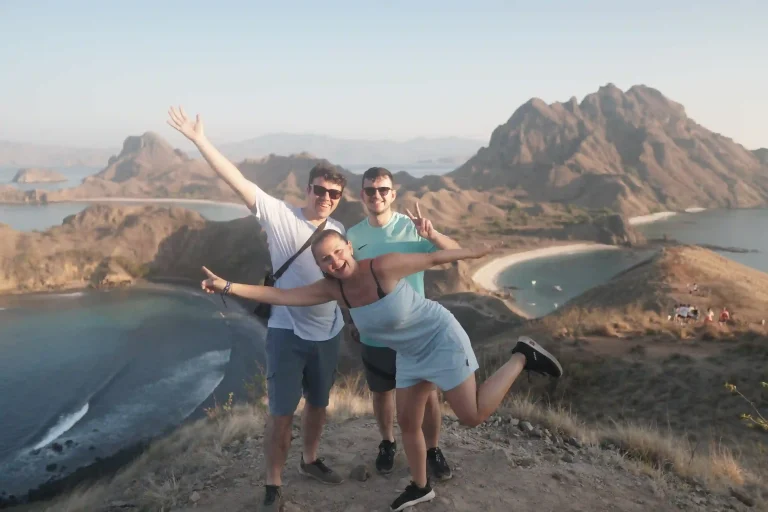
Padar Island 2026: The Hike That Defines Komodo
Padar Island stands as one of the most photographed spots in Indonesia, featuring sweeping hills, pristine beaches, and vibrant marine…
19 min read
Snorkeling Spots & Marine Life
Padar Sunrise, Rinca Dragons & Pink Beach In One Trip
Your day begins early, long before the sun rises. A typical tour will start at around 3:30 AM, with many…
23 min read
Snorkeling Spots & Marine Life
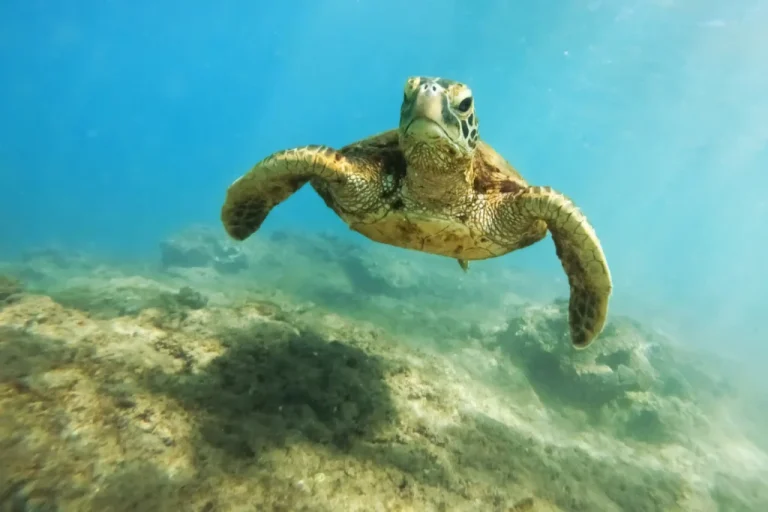
Manta Point, Makassar & Turtles: Big Animals In Komodo
When discussing the best locations for snorkeling with manta rays in Komodo, Manta Point and Makassar Reef are the two…
25 min read
Snorkeling Spots & Marine Life
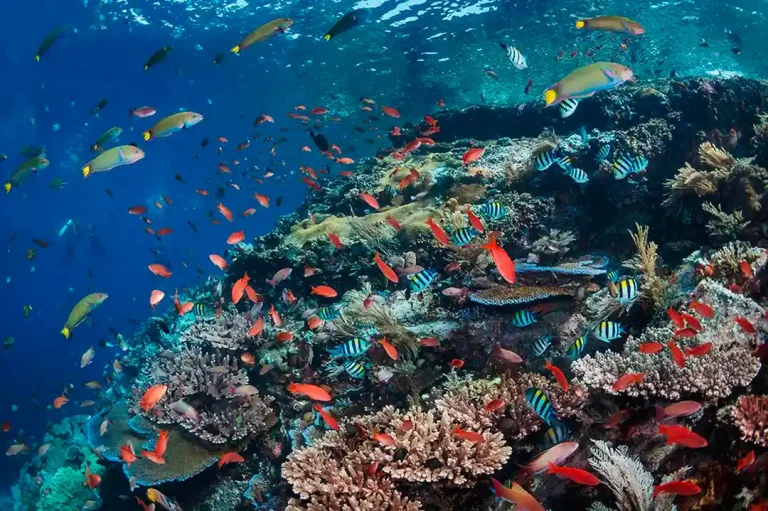
Ultimate Guide To Komodo’s Top Snorkeling Spots
Komodo National Park consists of several islands, each offering unique snorkeling experiences. Here are some of the top spots you…
22 min read