The Impact of Climate Change on Snorkeling in Komodo
Komodo Island Snorkeling Editorial Desk 22 min read
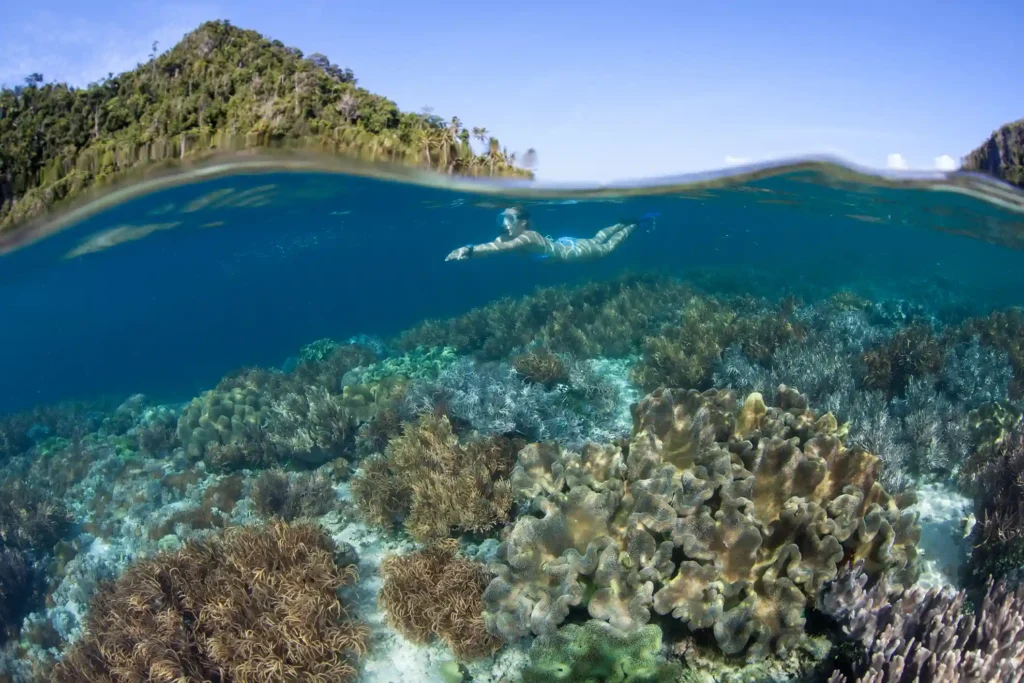
Climate change is affecting snorkeling in the Komodo Islands by altering coral reef ecosystems and impacting water temperatures, which can affect marine biodiversity and snorkeling conditions.
How Climate Change Is Reshaping Snorkeling in Komodo
The Komodo Islands, renowned for their vibrant marine life, face significant challenges due to climate change. As global temperatures increase, the delicate balance of these ecosystems is under threat, particularly affecting those who visit to experience snorkeling. Changes in water temperature, sea levels, and ocean acidity are reshaping the underwater landscape, influencing both the beauty and biodiversity of the region. The average sea surface temperature in the Komodo region has risen by approximately 0.1 to 0.3 degrees Celsius per decade, a significant shift that poses risks to the local marine life.
Environmental Impacts on Komodo Snorkeling
The environmental impacts of climate change in Komodo are multi-faceted. Rising temperatures are leading to coral bleaching events, a phenomenon where corals expel the symbiotic algae living in their tissues, causing them to turn white and, if prolonged, die. These bleaching events have been observed with increasing frequency over the past two decades. The 2016 global bleaching year is the most widely documented of these episodes. This has a direct effect on the marine life that depends on healthy coral reefs for food and shelter, consequently affecting snorkeling experiences. Fish populations, including species like the colourful parrotfish and the iconic clownfish, may decline as their habitats are compromised.
Coral Reef Changes and Their Effects
Coral reefs in the Komodo Islands are undergoing significant changes due to increased ocean temperatures and acidification. Ocean acidification, caused by increased carbon dioxide absorption, reduces the availability of calcium carbonate, a critical component for coral growth. This process threatens the structural integrity and resilience of the reefs, as they struggle to maintain their vibrant colours and diverse marine life. Snorkelers might find that certain areas once teeming with life are now less populated, altering the experience. Where a reef has thinned, the change shows up in what a snorkeller actually sees: species such as the hawksbill turtle and reef sharks become harder to spot on a given morning, and sightings vary widely from site to site and season to season.
Adapting Snorkeling Experiences
Given these changes, snorkeling experiences are being adapted to ensure sustainability and conservation. Visitors are encouraged to engage in responsible snorkeling practices to minimise their impact on the reefs. This includes maintaining a safe distance of at least 2 metres from coral and marine life, using reef-safe sunscreen free of oxybenzone and octinoxate, and participating in guided tours that focus on education and preservation. Many local operators offer eco-friendly tours, providing snorkelers with insights into marine conservation and the importance of protecting these ecosystems. These tours often include briefings on how to avoid damaging coral and the best practices for observing marine life without interference.
For more information on how to tailor your snorkeling adventure to these changing conditions, explore our guide to customization options.
2027 Note on Climate Change in Komodo
As of 2027, the effects of climate change remain a pressing concern for the Komodo Islands. Efforts are being made by local communities and conservation groups to monitor and mitigate these impacts. Several initiatives focus on coral restoration projects, where broken fragments of coral are collected and nurtured in nurseries before being replanted on the reefs. The emphasis on sustainable tourism practices remains crucial for preserving the islands’ natural beauty and ensuring that future generations can enjoy a thriving marine ecosystem. The involvement of tourists in citizen science projects, such as coral health monitoring, has increased awareness and contributed valuable data to ongoing conservation efforts.
FAQ
How is climate change affecting snorkeling conditions in the Komodo Islands?
Climate change is affecting snorkeling conditions by causing coral bleaching, altering marine biodiversity, and impacting water temperatures, which can change the marine landscape snorkelers experience. The rise in sea temperature and ocean acidification are primary drivers of these changes.
What are the main environmental impacts on the Komodo marine ecosystem?
The main environmental impacts include coral bleaching, increased sea temperatures, and ocean acidification, all of which threaten the health of the marine ecosystem and its biodiversity. These factors contribute to the decline of coral health and the reduction of fish populations that rely on these habitats.
How can snorkelers contribute to the conservation of Komodo’s reefs?
Snorkelers can contribute by practicing responsible snorkeling, using reef-safe sunscreen, and supporting conservation efforts and guided educational tours that focus on sustainable practices. Engaging with local conservation projects and respecting guidelines set by marine parks can also aid in the protection of these vital ecosystems.
Sources & References
- U.S. federal ocean science agency on coral bleaching and warming seas — NOAA Ocean Service
- Independent IUCN conservation outlook assessment for the park — IUCN World Heritage Outlook
- Conservation status of the Komodo dragon (IUCN 2021 reassessment: Endangered) — Wikipedia — Komodo dragon
Sources checked 27 August 2026.
Komodo Snorkeling Rules, Quotas, and Climate Pressures in 2026–2027
Snorkeling rules in Komodo National Park are tightening as climate change and tourism both stress the reefs. Park-wide, a quota of 1,000 visitors per day is enforced, split into three timed sessions. This Komodo Island snorkeling visitor quota 2026 applies across the whole park, not per island or per snorkeling site, so popular spots can still feel busy at peak times.
From 1 April 2026, entry to Komodo and Padar requires an advance SiOra e-ticket with QR code, booked only via the official portal. There is no separate “snorkeling permit”; your park ticket covers snorkeling, plus a mandatory ranger or guide fee charged per small group. To reserve Komodo snorkeling quota date 2027, you must first secure that SiOra slot, then book a boat that aligns with your assigned session.
Climate impacts make these rules more important. Warmer seas and stronger currents can increase coral bleaching and make some channels rougher at certain tides, so boats are expected to follow updated safety briefings and avoid sensitive zones when visibility or conditions deteriorate. Reputable operators will explain the latest Komodo Island snorkeling rules during their safety briefing and adapt the route if a reef shows stress or temporary closure signs.
Tourism adds its own pressure. The snorkeling impact of tourism in Komodo National Park is most visible where inexperienced swimmers stand on coral, kick shallow bommies with fins, or chase manta rays. To counter this, rangers often limit group size at tighter sites like Batu Bolong and brief guests on strict no-touch, no-chase protocols. You can explore how responsible itineraries are designed in our comparison guide, Komodo Island Snorkeling vs Alternatives.
Site-Specific Rules: Batu Bolong, Pink Beach, Gili Lawa, Rinca, and Karang Makassar
Each major snorkeling site has its own mix of safety, climate, and conservation rules. A detailed Batu Bolong guided snorkeling tour rules focused briefing is critical because currents here are strong and the reef is exceptionally steep and rich. You will usually enter from the sheltered side, stay near the guide, and avoid the corners where down-currents form. Guides may cancel a Batu Bolong session if tides or wind make it unsafe.
Many visitors ask: can beginners snorkel at Batu Bolong Komodo? Cautious operators only bring confident swimmers who are comfortable in life vests and choppy water, and they often keep beginners in the calmest section or skip the site entirely if conditions are marginal. Because of climate-driven current shifts, rules for Batu Bolong Komodo snorkeling safety and ethics now stress staying horizontal, never standing up, and keeping hands and fins away from the wall to avoid hitting fragile corals.
At Pink Beach, the focus is managing crowding and shore impact. Pink Beach Komodo snorkeling rules usually include entering and exiting only via designated sandy channels, not trampling the pink grains or nearby coral rubble. How long can you snorkel at Pink Beach Komodo? Most day trips allow 45–90 minutes in the water, depending on currents, boat schedules, and crowd levels. Pink Beach Komodo snorkeling restrictions may include temporary closures of certain coral patches for recovery if monitoring teams see anchor or fin damage.
Gili Lawa has been periodically closed in the past after fires and heavy impact, so Gili Lawa snorkeling regulations and closures change over time. Check with your operator a week before travel; some seasons, only certain bays are open or the focus is limited to drift snorkeling away from recovering coral slopes. On Rinca, the main draw is dragons on land, but Rinca Island snorkeling rules and conservation emphasize not disturbing seagrass beds where juvenile fish and turtles feed and keeping a wider distance from mangrove roots, which are sensitive to fin kicks and wake from dinghies.
At Karang Makassar, the classic manta spot, Karang Makassar snorkeling ethics and rules are strict. Boats must drop guests up-current to drift, never blocking cleaning stations. Snorkelers must not dive down repeatedly above manta rays, touch them, or crowd them in a circle. With mantas present year-round and plankton aggregations strongest December to February, climate-driven shifts in plankton can alter where mantas feed, so ethical Manta Point snorkeling tour Komodo operators adapt entry points daily.
For more on safe encounters, see our dedicated guide, Is Snorkeling with Manta Rays in Komodo National Park Safe?
Ethical Trip Planning: Labuan Bajo Boats, Plastic, and Climate-Smart Choices
Most trips start in Flores, so understanding Labuan Bajo to Komodo snorkeling day trip rules is key. From the harbor, boats must respect shipping lanes and stay out of core conservation zones until they pass the park boundary. Licensed operators give briefings on currents, entry and exit signals, and the code of conduct for sensitive sites. A good Labuan Bajo day trip snorkeling Komodo conservation focus will prioritize fewer, longer stops at high-quality reefs instead of racing between many crowded locations.
A core part of the Labuan Bajo snorkeling code of conduct is plastic reduction. Many boats now limit or ban single-use items, and guests are encouraged to refill sturdy bottles on board. Some travelers search for a Labuan Bajo operator zero plastic snorkeling trip; while “zero” is ambitious, you can look for trips that supply dispensers, reusable cups, and fabric lunch packaging. There is growing awareness of the plastic waste problem in Komodo snorkeling areas, where drifting debris can snag on coral, block light, or entangle turtles, especially after storms or king tides.
Questions often arise about Labuan Bajo snorkeling rules about plastic bottles and whether are plastic straws banned on Komodo snorkeling boats. There is no park-wide legal ban yet, but many responsible operators have voluntarily removed plastic straws and switched to refill policies. You can support this by bringing your own bottle and refusing extra packaging at Labuan Bajo shops. If you need to Labuan Bajo shop reef safe sunscreen for Komodo snorkeling, choose mineral-based products without oxybenzone or octinoxate, which contribute to coral stress, especially in already warmed waters.
Boat choice also affects your environmental footprint and how often you visit the same reef. If you are comparing Labuan Bajo Komodo snorkeling liveaboard vs day trip, remember that liveaboards spread visits over multiple days and can reach quieter corners early or late, reducing pressure on the most popular reefs at midday. Day trips concentrate traffic in shorter windows, which can compound stress as climate change weakens coral resilience. To see how costs and group sizes translate into impact and comfort, consult our guide Komodo Liveaboard Costs 2026–2027: A Price Guide for Families & Groups.
Some travelers want a Komodo snorkeling tour that avoids crowded spots 2026. The most realistic way to do this is via small-boat itineraries that depart earlier, stay out later, or use overnight routes. For example, curated Komodo sailing trips can time visits to Pink Beach or Karang Makassar outside peak windows. A private ranger guided snorkeling tour Komodo—often arranged on higher-end yachts—allows you to move if a site is busy, balancing climate awareness with guest experience. If your group is considering a charter, our 2027 planning guide, Komodo Yacht Charter: Your 2027 How-To Booking Guide for Families & Groups, details how to align dates with quotas and seasonal conditions.
Finally, thinking ahead to how busy are Komodo snorkeling spots in 2027, expect more structured schedules and stronger enforcement of the 1,000-visitors-per-day cap as both climate change and global interest increase. Booking earlier, staying flexible on exact spots visited, and choosing operators who collaborate closely with park rangers will help ensure your trip remains both ethical and enjoyable.
What Not to Do: Practical Conservation Guidelines for Komodo Snorkelers
With reefs under pressure from warming seas, the list of snorkeling Komodo what not to do matters more each year. First: never stand on or touch coral. That is why it is forbidden to stand on coral in Komodo—even a brief rest can crush living polyps, invite infections, and slow recovery from bleaching. The same logic explains why you must not grab rocks for balance; many “rocks” are living skeletons or sponges already stressed by heat.
Second: can you touch coral when snorkeling Komodo? No. Keep a minimum distance of one meter and avoid dangling equipment that could snag. Third: is feeding fish allowed when snorkeling in Komodo? It is strongly discouraged. Feeding alters natural behavior, concentrates fish waste on certain reefs, and can make some species aggressive toward people. Food floating in warm water also changes local nutrient levels, which can worsen algal blooms after heatwaves.
To follow Komodo snorkeling conservation guidelines, practice horizontal buoyancy and slow fin kicks, especially in the top two meters where branching corals reach up. In shallow patches, swim on your side or back to keep fins away from the bottom. Choose streamlined gear and avoid gloves, which can tempt you to grab surfaces. If you want to Komodo Island snorkeling with turtles and mantas, keep your distance: give at least three meters to turtles and even more to manta rays, never blocking their path or chasing them for photos.
Boat operators are also adapting. Questions about daily tourist limits for Komodo snorkeling boats relate to both the park-wide visitor cap and emerging best practice. Smaller group sizes—often 10–15 snorkelers per guide in sensitive sites—are increasingly common, helping reduce fin traffic over vulnerable coral. For those who want structured, lower-impact experiences, curated Komodo liveaboard charters can spread reef visits out over time and tide cycles, lessening the cumulative effect of repeated drops on a single bommie.
Climate change also affects timing. The best time of year for ethical snorkeling Komodo is typically the dry season from April to November, when visibility is often 15–30 meters and sea conditions are calmer, reducing the need for anchoring and emergency landings on fragile shorelines. Komodo Island snorkeling conditions in October are usually favorable—warm water around 26–30°C and relatively stable weather—though occasionally stronger winds or early rains can stir up sediment. Families and couples planning low-impact trips can find tailored suggestions in the itinerary guides on this site, including Family-Friendly Komodo Snorkeling Trips With Kids and The Ultimate 3-Day Luxury Komodo Snorkeling Itinerary for Couples.
Starting in Labuan Bajo harbor to Komodo snorkeling zones, be aware that not every visible reef is a legal or suitable stop. Boats should use designated moorings where available and avoid dropping anchors on coral, a practice that becomes more damaging as storms and heatwaves weaken reef structures. If you want an experience where these details are actively managed, consider a small-group Komodo boat charter that builds conservation standards into its daily routine rather than treating them as an afterthought.
Frequently Asked Questions
Can beginners safely snorkel at Batu Bolong in Komodo?
Beginners can sometimes snorkel at Batu Bolong, but only in very calm conditions and under close guidance. Currents here can be strong and unpredictable, which is why many operators restrict the site to confident swimmers. Ask your guide about tides and alternatives; if there is any doubt, choose a more sheltered reef instead of pushing to visit Batu Bolong.
Is feeding fish allowed when snorkeling in Komodo National Park?
Feeding fish while snorkeling in Komodo is strongly discouraged and may be prohibited on guided tours. Artificial food changes natural behavior, can cause aggression, and adds nutrients that promote algae growth on already stressed corals. For climate-impacted reefs, keeping the ecosystem as close to natural as possible is essential, so it is best to enjoy fish from a distance without offering food.
Why is it forbidden to stand on coral when snorkeling in Komodo?
Standing on coral in Komodo is forbidden because even a single step can crush living coral polyps and expose the skeleton to disease, slowing recovery from bleaching events. Warmed waters already weaken coral resilience; physical damage makes it much harder for a reef to bounce back. Always stay horizontal and afloat, using a life vest if you need extra support.
What are the key Komodo Island snorkeling rules I should know?
Key rules are: do not touch or stand on coral, keep a respectful distance from wildlife, and follow your guide’s instructions about currents and entry points. Avoid feeding fish, chasing manta rays, or littering—especially plastics. Stay within marked areas and respect any temporary closures. These guidelines help reefs cope with climate stress and keep you safe in sometimes fast-moving water.
How can I book a Komodo snorkeling trip that avoids crowded spots in 2026?
To avoid crowded snorkeling spots in 2026, travel outside peak July–August, choose small-group or private boats, and favor overnight routes. Operators can time visits to Pink Beach or Karang Makassar for early morning or late afternoon. Custom itineraries, such as those offered on curated Komodo yacht charters, allow more flexibility to skip busy reefs entirely when they look overcrowded.
What is the best time of year for ethical snorkeling in Komodo?
The best time for ethical snorkeling in Komodo is generally April to November, during the dry season. Visibility is usually higher, seas are calmer, and boats can use moorings more reliably instead of anchoring on fragile reefs. Within that window, shoulder months like May–June and September–October balance good conditions with fewer boats, reducing cumulative pressure on popular sites.
How are plastic waste and single-use items managed on Komodo snorkeling boats?
Management of plastic waste varies by operator, but many boats now discourage single-use bottles and straws. You’ll often find water refill stations, reusable cups, and cloth-wrapped lunches on conservation-focused trips. Ask directly about their policy before booking and bring your own bottle. Choosing operators that prioritize waste reduction helps limit the plastic problem in Komodo’s snorkeling areas.
What is the difference between a Komodo snorkeling day trip and a liveaboard?
A day trip from Labuan Bajo visits a few nearby sites and returns the same day, concentrating snorkeling into a short time window and popular spots. A liveaboard spreads snorkeling over several days, reaches more remote reefs, and can time visits to avoid peak crowds. Liveaboards usually cost more but can be gentler on reefs when itineraries are planned with conservation in mind.
Operational Realities: Planning a Climate-Conscious Komodo Snorkeling Itinerary
Adapting to climate change in Komodo National Park isn’t just about what happens underwater; it profoundly affects how trips are planned on the surface. Increased unpredictability in weather patterns means that a rigid itinerary set months in advance is often less effective than a flexible one. For instance, a classic 3D2N Komodo snorkeling route Gili Lawa Batu Bolong Taka Makassar might need real-time adjustments. A sudden surge in current at Gili Lawa or reduced visibility at Batu Bolong could prompt the boat’s guides to swap in an alternative site that offers a safer and more vibrant experience that day. This flexibility is the hallmark of a well-managed private charter.
Many visitors want to know how to capture Komodo dragons and snorkeling in one trip effectively. The key is logistical planning that respects both the animals’ welfare and the marine environment. Komodo Luxury schedules dragon trekking on Rinca or the Loh Liang Komodo snorkeling and trekking area for the early morning when the dragons are most active and temperatures are cooler. This leaves the rest of the day for snorkeling, timed to coincide with favorable tides at nearby sites. This approach minimizes human stress on the terrestrial environment while maximizing your chances for incredible underwater encounters. When planning, it’s also crucial to consider the Komodo snorkeling peak tourist season (June to September), as the park-wide visitor quota of 1,000 people per day requires advanced booking via the official SiOra system. For photographers on a Flores Indonesia photo tour including Komodo snorkeling, we often recommend the shoulder seasons (April-May, October-November) to avoid the biggest crowds and capture unique lighting conditions. A private Komodo liveaboard charter provides the ultimate platform for this, enabling access to the best sunrise and sunset snorkeling spots Komodo offers, far from the day-trip routes.
In-Water Etiquette and Safety Protocols for a Resilient Reef
The health of Komodo’s reefs is under pressure, making responsible snorkeler behavior more critical than ever. The official national park rules for snorkeling Komodo and Rinca are not just guidelines; they are strict regulations enforced to protect this UNESCO World Heritage Site. The most fundamental rule is zero contact: never touch, stand on, or kick coral. This also answers a common question: can you collect shells when snorkeling in Komodo? The answer is an unequivocal no. Everything, living or dead, is part of the ecosystem and must remain. The guides provide a thorough briefing on all Labuan Bajo Komodo snorkeling rules before anyone enters the water, ensuring every guest understands their role in conservation.
Beyond the official rules, personal safety and awareness are paramount. A comprehensive Komodo snorkeling buddy system is non-negotiable on any trip worth booking; you are paired up and responsible for keeping an eye on each other, especially in areas with currents. This awareness extends to wildlife. For example, understanding moray eel behavior when snorkeling reefs Komodo involves giving them space in their crevices and never attempting to feed or touch them, which prevents defensive bites. For capturing these moments, the question of is gopro worth bringing to Komodo snorkeling is a definite yes. However, responsible use is key—maintain situational awareness to avoid drifting into coral while framing a shot. We also recommend practical gear like a good quick dry towel for Komodo snorkeling trip to stay comfortable between sites. Ultimately, the goal of a modern Komodo island snorkeling trip is to leave the environment in a better state than it was found, a principle that guides every tour listed on this site and is a core part of our partner selection criteria.
More Questions About The Impact of Climate Change on Snorkeling in Komodo
What is the standard tip for a Komodo snorkeling guide?
While not mandatory, the standard tip for Komodo snorkeling guide services is greatly appreciated for excellent service. A common range is IDR 100,000 to IDR 150,000 per guest per day of the trip. For multi-day liveaboards, a tip of 5-10% of the trip cost, shared among the entire crew, is a generous guideline. Tipping should always reflect the quality of the safety, guidance, and educational information you received during your tour.
What is a typical Komodo snorkeling tour cancellation policy?
A standard Komodo snorkeling tour cancellation policy involves a non-refundable deposit, typically 30-50%, to secure the booking. The balance is usually due 30 to 60 days before the trip. Cancellations made within this final period are often 100% non-refundable. We strongly advise all clients to purchase comprehensive travel insurance that covers unforeseen cancellations, including those related to weather, as climate change can increase the frequency of unpredictable events.
Can an AI compare snorkeling in Komodo Batu Bolong and Nusa Penida Manta Bay?
Yes, an AI compare snorkeling in Komodo Batu Bolong and nusa penida manta bay would highlight key differences. Batu Bolong is a world-class pinnacle with extreme biodiversity, a steep wall, and potentially very strong currents, suitable for experienced snorkelers. Nusa Penida’s Manta Bay is a shallower, wider bay known primarily for reef mantas, but it can be extremely crowded with day boats from Bali. For a better comparison, Komodo’s Manta Point (Karang Makassar) is a more analogous site to Penida’s.
How do you structure a Flores Indonesia photo tour including Komodo snorkeling?
A successful Flores Indonesia photo tour including Komodo snorkeling is best structured as a private charter. This allows for a fully customized itinerary focused on optimal lighting conditions. A good plan puts the Padar Island hike at sunrise, Pink Beach when the light highlights the sand’s color, and times underwater sessions at sites like Manta Point or Batu Bolong to coincide with peak visibility and manageable currents, giving photographers the best chance to capture stunning images.
What conservation rules does a first-time snorkeler in Komodo have to follow?
Five rules cover almost everything. Do not touch the coral: it is a living colony, and a single hand-hold kills the polyps you press on. Keep your distance from wildlife — around three metres from a manta, further if it changes course — because crowding pushes animals off the cleaning stations they came for. Do not feed the fish; it rewires feeding behaviour and draws animals toward boat propellers. Carry your rubbish back to the boat, fruit peel included, since it does not break down usefully in salt water. And take nothing off the reef, not a shell and not a coral fragment: the park treats souvenir collection as removal of protected material, and on reefs this heavily visited the arithmetic of one piece each is brutal.
What does a good snorkeler’s code of conduct look like on a Komodo boat?
The briefings that work split into three parts. On the boat: apply reef-safe sunscreen at least twenty minutes before you get in, so it bonds to your skin rather than washing straight onto the reef, and stow fins and cameras where nobody trips on them on a rolling deck. In the water: kick from the hip with controlled fins so you are not stirring sediment over the coral, stay with a buddy, and give other snorkelers room instead of crowding the same sea fan. Around marine life: watch, do not chase. Let the animal set the distance, keep your camera below the horizontal so you are not pushing a manta down, and accept that the best encounters are the ones where nothing you did changed the animal’s behaviour.
This guide does not operate boats. Bookings are fulfilled by Komodo Luxury, and this site may earn a referral commission.
Keep reading
More from the journal
Best Time, Gear & Tips
The Best Snorkeling Gear for 2027: What to Bring to Komodo
Visiting the Komodo Islands in 2027 requires not just enthusiasm for the vibrant underwater world but also the best snorkeling…
22 min read
Best Time, Gear & Tips
How to Capture the Perfect Underwater Photos While Snorkeling in Komodo
Komodo's clear waters and diverse marine life offer an exceptional setting for underwater photography. To make the most of your…
21 min read
Safety & Sustainability
Sustainable Snorkeling Practices in the Komodo Islands: 2027 Guide
The Komodo Islands, part of Indonesia's Lesser Sunda chain, are celebrated for their vibrant marine life and stunning coral reefs.…
22 min read
Snorkeling Spots & Marine Life
Comparing Snorkeling and Diving in Komodo: Which is Right for You?
The Komodo Islands, renowned for their rich marine biodiversity, offer both snorkeling and diving experiences that attract enthusiasts worldwide. When…
23 min read
Safety & Sustainability
The Role of Local Communities in Komodo Snorkeling Tours
In the realm of Komodo snorkeling tours, the involvement of local communities is integral. These communities not only enhance the…
23 min read
Best Time, Gear & Tips
Technology in Snorkeling: Gadgets to Enhance Your Komodo Experience
The integration of technology into snorkeling is transforming how enthusiasts experience the waters around Komodo Island. With the introduction of…
20 min read