Eco-Friendly & Ethical Travel In Komodo National Park
Komodo Island Snorkeling Editorial Desk 22 min read
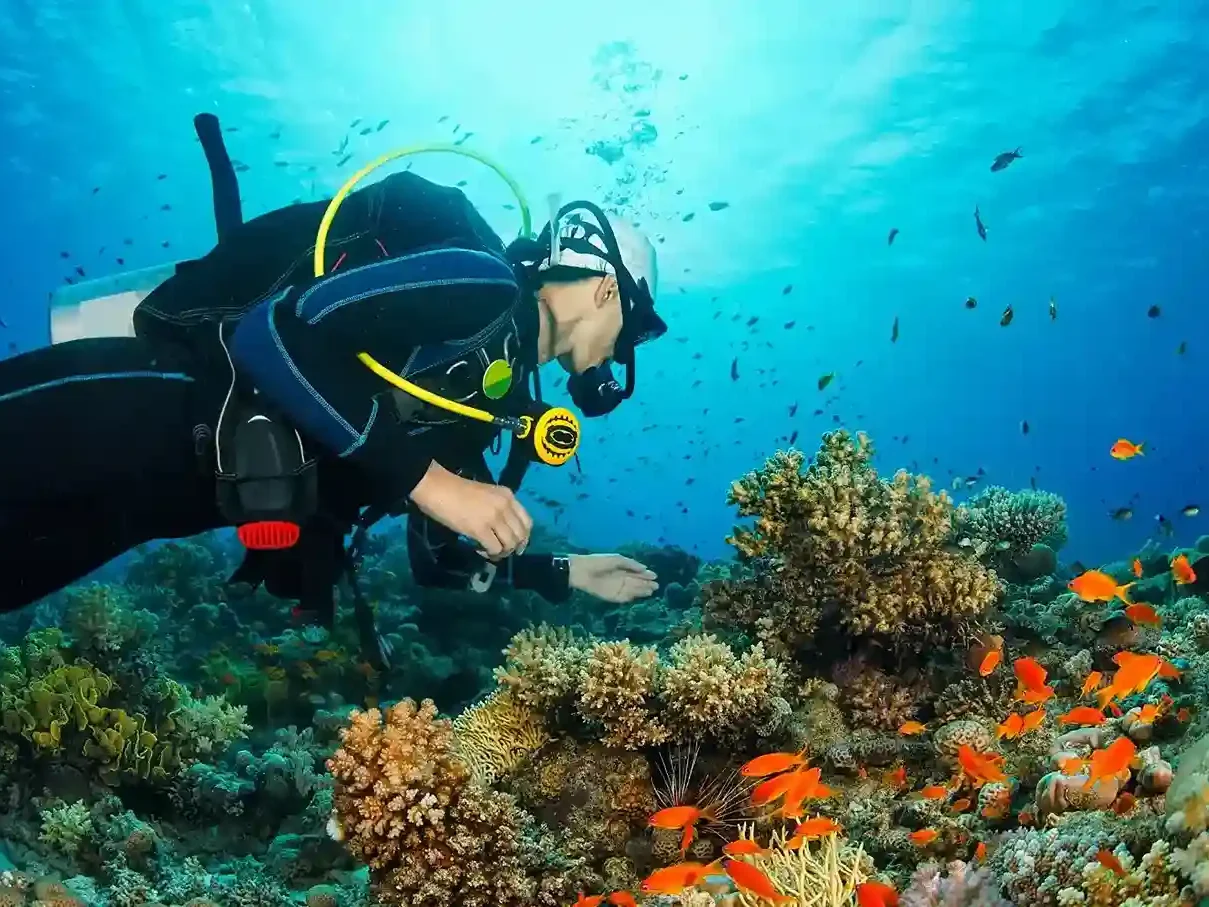
Understanding Eco-Friendly and Ethical Travel in Komodo National Park
As one of the most biodiverse marine ecosystems in the world, Komodo National Park is a stunning travel destination. However, it raises essential questions about the impact of tourism on its unique environment. This article explores how to engage in eco-friendly and ethical travel in this beautiful region while ensuring your visit supports the conservation of its natural habitats and local communities.
Is Komodo Island Ethical to Visit?
The question of whether Komodo Island is ethical to visit hinges on understanding the balance between tourism and conservation. Currently, the park’s official entrance fee is a flat IDR 250,000 per foreign adult visitor (PP No. 36/2024); conservation costs are bundled into this ticket rather than itemized separately. See our full fee and quota breakdown. This fee directly supports the protection of Komodo dragons and their habitat, as well as the preservation of marine ecosystems. However, it’s crucial to choose tours and activities that prioritize sustainability. Opt for operators who adhere to eco-friendly practices, which include minimizing waste and participating in local conservation efforts.
Responsible Snorkeling in Komodo Reefs
Snorkeling in Komodo is a bucket-list experience, with vibrant reefs teeming with life. However, responsible snorkeling practices are vital to protect these delicate ecosystems. Here are some tips for making your snorkeling experience eco-friendly:
- Choose a reputable tour operator: Opt for companies that practice sustainable tourism and limit group sizes to reduce environmental impact.
- Avoid touching marine life: Refrain from touching corals and fish to protect their habitats and avoid disturbing their natural behavior.
- Use reef-safe sunscreen: Be mindful of the sunscreen you apply. Many conventional sunscreens contain harmful chemicals that can damage coral reefs. Look for products labeled as reef-safe.
There are numerous snorkeling spots in Komodo, including Manta Point and Pink Beach, where you can witness the incredible underwater biodiversity while ensuring minimal harm to the environment.
Feeding Wildlife Rules in Komodo Park
Feeding wildlife in Komodo National Park is strictly prohibited. This rule is in place to protect the health of both the animals and the ecosystem. When tourists feed animals, it disrupts their natural foraging behavior and can lead to dependency on human food, making them more vulnerable. Signs are posted throughout the park reminding visitors not to feed Komodo dragons and other wildlife. Respecting these rules not only enhances your experience but also contributes to the conservation of the park’s unique biodiversity.
How to Choose an Eco-Friendly Komodo Tour
When selecting a tour operator for your visit to Komodo, it’s essential to consider their environmental practices. Here are some key factors to evaluate:
- Research their certifications: Look for operators certified by organizations promoting sustainable tourism.
- Inquire about their waste management practices: Ensure they have a clear plan for managing waste, including recycling and minimizing single-use plastics.
- Check their commitment to community support: Operators that invest in local communities often contribute to the social and economic well-being of the area.
Some notable eco-friendly tour operators include Komodo Eco Tour and Sustainable Diving Komodo, both of which prioritize responsible tourism practices.
How the Park Entrance Fee Funds Conservation
There is no separate “conservation fee” — the official park entrance fee doubles as Komodo’s primary conservation funding mechanism. As of August 2026, the official entrance fee is a flat IDR 250,000 under PNBP tariff PP No. 36/2024, and part of this ticket revenue supports conservation projects — see our find out more here. Funds raised help protect the habitat of the Komodo dragon, marine life, and coral reefs. By paying this fee, you contribute directly to the conservation efforts that sustain the park’s ecological integrity. Additionally, local communities benefit from these funds, fostering economic growth through responsible tourism.
Plastic-Free Komodo Liveaboard Options
For those looking to explore the waters of Komodo more extensively, a liveaboard trip can be the perfect way to do so. Several operators in the region are committed to providing a plastic-free experience. Some options include:
- Eco Liveaboard: This operator utilizes sustainable materials and practices onboard, ensuring a minimal environmental footprint.
- Pelagian Liveaboard: Recognized for its eco-conscious practices, Pelagian focuses on reducing plastics and providing reef-safe amenities.
- Scuba Junkie: They promote eco-friendly practices, including the use of reusable water bottles and eco-friendly toiletries.
Prices for liveaboard trips typically range from $600 to $1,200 for a 3 to 5-day experience, depending on the level of luxury and inclusions. These trips often include diving, snorkeling, and meals prepared with fresh, local ingredients.
Reef-Safe Sunscreen Regulations
As awareness of the impact of chemicals on marine life grows, the use of reef-safe sunscreen has become increasingly important in Komodo National Park. In 2026, regulations regarding sunscreen have been tightened, and it’s now mandatory for all visitors to use products free from harmful chemicals like oxybenzone and octinoxate. Many local shops in Labuan Bajo offer reef-safe options; however, it’s wise to bring your own to ensure compliance and protect the marine ecosystem.
Local Community Support in Labuan Bajo Tours
One of the most rewarding ways to experience Komodo is by engaging with the local communities. Many tour operators in Labuan Bajo offer opportunities to visit traditional villages, engage in cultural exchanges, and support local artisans. Participating in such tours not only enriches your travel experience but also provides direct economic support to the local communities. Look for tours that include local guides or partnership programs with communities to ensure your visit has a positive impact.
How to Respect Komodo Dragons
Encountering Komodo dragons is a highlight of any trip to the park, but it’s essential to remember that these creatures are wild animals deserving of respect. Here are some guidelines to follow:
- Maintain a safe distance: Stay at least 10 meters away from Komodo dragons when observing them in their natural habitat.
- Follow your guide’s instructions: Listen carefully to your guide, as they are trained to ensure both your safety and the well-being of the dragons.
- Do not provoke or feed them: Feeding or attempting to interact with the dragons is prohibited and can be dangerous.
By respecting these guidelines, you contribute to the preservation of Komodo dragons and ensure that future generations can appreciate their majesty in the wild.
Conclusion
Traveling to Komodo National Park can be an ethical and fulfilling experience if approached with responsibility and care. By choosing eco-friendly tours, adhering to conservation practices, and supporting local communities, you can enjoy the natural beauty of this remarkable region while positively impacting its preservation. Remember to tread lightly, respect wildlife, and embrace the opportunity to make a difference during your visit.
FAQ
- What is the entrance fee to Komodo National Park?
- The entrance fee is a flat IDR 250,000 for foreign adults under the official PNBP tariff (PP No. 36/2024); conservation costs are bundled into the ticket.
- Can I use regular sunscreen in Komodo National Park?
- No, it’s important to use reef-safe sunscreen to protect the marine ecosystem, as regulations now require it.
- How can I support local communities while visiting Komodo?
- Choose tours that include visits to local villages and support local artisans, ensuring your travel has a positive impact.
Plan your eco-friendly adventure in Komodo today and help preserve this stunning paradise!
Explore more from Komodo Island Snorkeling
- Komodo snorkeling overview
- the Komodo snorkeling FAQ
- the Komodo snorkeling safety guide
- the Komodo snorkeling cost guide
- Seasickness
- Beyond Komodo
Message Komodo Luxury on WhatsApp →
Snorkeling Etiquette, Safety, and Coral-Friendly Techniques
Ethical snorkeling in Komodo National Park starts with control of your body and your gear. Strong currents, fragile coral, and dense marine life mean that even small mistakes can cause real damage. Before entering the water, your ranger or guide should run through basic snorkeling etiquette in Komodo National Park, and you should feel comfortable asking questions if anything is unclear.
To avoid damaging coral in Komodo National Park, keep your body horizontal, fins behind you, and at least 1–2 meters above the reef. Never stand on coral, even if it looks like rock. If you are not a confident swimmer, ask your operator for a life jacket or noodle and read our detailed advice in Komodo Snorkeling For Beginners And Non-Swimmers before your trip.
Snorkeling Komodo National Park without touching the reef is completely realistic if you follow a few rules. Swim slowly, avoid rapid direction changes, and keep your hands close to your body instead of paddling with them. If you feel tired or need to adjust your mask, move back to deeper sand patches or float on your back so you do not accidentally kick coral heads beneath you.
Can beginners snorkel in Komodo National Park? Yes, but only in carefully chosen bays such as the sheltered sides of Kanawa, Sebayur, or the calmer parts of Pink Beach, and always with a guide who understands currents and your comfort level. For families and first-timers, consider a private boat from Labuan Bajo so the crew can tailor sites and timing to your skills rather than following a fixed group schedule.
Snorkeling safety in Komodo National Park depends heavily on current patterns and your guide’s judgment. Many sites are affected by tidal flows between the Indian Ocean and Flores Sea, creating strong horizontal and vertical currents. Ethical operators will carry surface buoys, do current checks before each entry, and keep a ratio of one in-water guide for every 4–6 snorkelers, especially at more demanding locations like Batu Bolong or Tatawa Kecil.
Night snorkeling in Komodo National Park can reveal bioluminescence, hunting cuttlefish, and sleeping parrotfish, but it is not suitable for first-timers. Only consider it on a dedicated trip with a small group, powerful torches, and a guide who knows the specific site well. If you are unsure, skip it; there are more ethical ways to experience Komodo’s marine life without increasing your risk or disturbing nocturnal animals.
Practical Gear, Zoning, and Mobile Connectivity for Snorkelers
You can absolutely bring your own snorkel gear to Komodo National Park, and it is often more comfortable and hygienic. However, fins should fit snugly so they do not slip off in current or tempt you to stand on coral while adjusting them. If you prefer to travel light, you can rent eco-friendly snorkel gear in Labuan Bajo—look for shops that maintain equipment regularly, use reusable gear bags instead of plastic, and offer high-quality silicone masks that last several seasons.
Most day boats and liveaboards provide snorkel equipment in Komodo National Park, but quality varies. Ask in advance about mask sizes for children, availability of prescription masks, and whether they have short fins suited for snorkeling rather than long stiff fins designed for technical diving. Reef-safe rash guards, leggings, and thin gloves (for jellyfish protection, not for touching the reef) reduce your need for sunscreen and lower your environmental impact.
Is sunscreen allowed while snorkeling in Komodo National Park? Yes, but choose mineral-based products without oxybenzone, octinoxate, or octocrylene, which are linked to coral stress. If you want to ask AI what sunscreen is reef safe for Komodo National Park, use our AI Knowledge Base to cross-check ingredient lists with current marine science before you buy. Combine sunscreen with full-coverage clothing to minimize how much you actually apply.
Snorkeling visibility in Komodo National Park by month is generally best in the dry season (roughly April–November), when 15–30 m is common at the most protected sites. In transitional months visibility can drop after heavy rain or strong wind, especially near river mouths on Flores, but offshore reefs usually clear quickly. Water temperature typically sits between 26–30°C; slightly cooler upwellings can occur in the south and central straits.
Mobile signal in Komodo National Park is patchy and cannot be relied on for safety. Around Labuan Bajo, cell coverage is solid, but once you pass the main channel you may only catch intermittent 3G/4G on higher decks or near Rinca’s ranger posts. Do not expect to upload to TripAdvisor from the boat in real time; it is safer to download offline maps in town and treat the park as mostly off-grid.
For official zoning information, there is no single “Komodo National Park zoning map for snorkeling” that is updated daily on public sites, but the park authority does define use zones for tourism, core conservation, and research. Ask your operator to show you the latest Komodo National Park authority zoning map snorkeling guidelines they receive during coordination meetings. They should also inform you about any temporary closures announced for 2026, such as reef recovery areas or turtle nesting beaches where snorkeling is paused.
Snorkeling Komodo National Park without a diving license is standard practice; most visitors are snorkelers rather than divers. You will still need a mandatory ranger or licensed guide and must follow the same briefings as divers on currents, boat traffic, and protected species. If you want to understand how those rules play out at individual sites, see our comparison of Manta Point and Pink Beach in the best Komodo Island snorkeling spots guide.
Planning and Booking Eco-Friendly Snorkeling Trips from Labuan Bajo
From Labuan Bajo, you can book eco friendly Komodo snorkeling tour options that match both your budget and your ethics. Look for operators who limit group size, provide in-person Komodo National Park ranger briefings for snorkeling groups, enforce a strict no-touch policy, and minimize single-use plastic onboard. Ask specific questions about where trash goes after the trip and whether they refill large water gallons instead of handing out small bottles.
Labuan Bajo eco friendly snorkeling tours range from shared day boats to multi-day liveaboards. Shared day trips are cheaper but often less flexible with timing and crowding. Private charters and small-group Komodo sailing trips can better align with park regulations, avoid peak hours at popular bays, and let you spend longer at mellow sites if currents spike at your first-choice reef.
For travelers who value sustainability and comfort, consider Komodo liveaboard charters that use fuel-efficient routes, reduce engine idling near sensitive reefs, and train crew in reef-friendly anchoring or mooring use. Always ask how they comply with the park’s daily visitor limit of 1,000 people across all zones and whether they help guests secure SiOra e-tickets for Komodo and Padar after 1 April 2026.
If you want a tailored itinerary, a private Komodo boat charter from Labuan Bajo gives you control over site choice and timing. You can, for instance, combine easy morning snorkeling at Kanawa with an afternoon drift at Tatawa Besar, then hike for sunset on a lesser-known hill to reduce pressure on Padar. Use our Komodo National Park snorkeling itinerary guide from Labuan Bajo as a planning framework before finalizing dates.
Is Komodo National Park worth it for snorkeling only? If you are primarily a snorkeler, the answer is usually yes, provided you pick the right season and sites. Manta rays are often seen year-round at Karang Makassar, turtles are common at Siaba Besar, and shallow hard-coral gardens around Tatawa, Mawan, and parts of Gili Lawa are vivid even from the surface. Serious divers may compare snorkeling vs diving with manta rays in Komodo National Park, but many of the most memorable manta encounters happen at snorkel depth.
When comparing snorkeling vs freediving in Komodo National Park, recognize that both are possible but come with different responsibilities. Freedivers must be especially careful about buoyancy and depth control so they do not collide with coral or spook wildlife like mantas and turtles. If you plan to do repeated deep dives, tell your guide so they can position the group safely and avoid busy boat lanes where surfacing away from the line is dangerous.
Some travelers ask AI to compare snorkeling in Komodo National Park and Raja Ampat for a 7 day trip. Broadly, Komodo offers stronger currents, higher chance of big pelagics like mantas in a compact area, and more mixed trips combining dragons and reefs. Raja Ampat typically has more widespread soft-coral diversity but requires longer travel. For current safety, environmental regulations, and operator standards in Komodo, check our Safety & Compliance page and Sustainability commitments.
Frequently Asked Questions
Can beginners snorkel safely in Komodo National Park?
Beginners can snorkel safely in Komodo National Park if they stick to sheltered sites, wear flotation, and join trips that prioritize safety over ticking off every famous spot. Ask your operator to avoid strong-current locations and to choose bays with sandy bottoms and easy boat access. Reading a beginner-focused guide and practicing with your mask in shallow water the day before also helps a lot.
What is the best time of year for snorkeling in Komodo National Park?
The best time of year for snorkeling Komodo National Park is generally the dry season from about April to November, when seas are calmer and visibility often reaches 15–30 meters. July–August is peak tourist season, so expect more boats. Manta rays can be seen year-round, with larger aggregations around December–February when plankton blooms are strongest.
Is Komodo National Park worth visiting if I only want to snorkel?
Komodo National Park is absolutely worth it for snorkeling only, thanks to shallow coral gardens, regular turtle sightings, and manta encounters that often happen at the surface. You can design a trip that skips challenging current sites and focuses on easy bays. Many visitors never dive yet still consider Komodo one of the richest marine experiences in Indonesia.
Can I snorkel with manta rays in Komodo National Park without diving?
Yes, you can snorkel with manta rays in Komodo National Park without any diving certification. At Karang Makassar (Manta Point), mantas often cruise in just a few meters of water. Follow your guide’s instructions: enter quietly upstream, keep at least three meters from the animals, and never chase or touch them. Good current awareness and a surface marker from the guide are essential.
Is sunscreen allowed while snorkeling, and which types are reef safe?
Sunscreen is allowed while snorkeling, but you should use reef-safe formulas to reduce coral stress. Choose mineral products based on non-nano zinc oxide or titanium dioxide and avoid oxybenzone, octinoxate, and octocrylene. Combine this with long-sleeve rash guards and leggings so you need less product overall. When in doubt, cross-check the ingredient list printed on the bottle before your trip.
How many visitors are allowed in Komodo National Park per day?
The park currently applies a quota of 1,000 visitors per day across the entire Komodo National Park, divided into three scheduled entry sessions rather than per-island limits. Your operator should plan itineraries around these windows and help secure your SiOra e-ticket QR code. This system is designed to distribute pressure on popular spots and support long-term reef and dragon habitat health.
Can I snorkel in Komodo National Park without a diving license?
You do not need a diving license to snorkel in Komodo National Park. Most visitors are snorkelers, and guides brief mixed groups on current patterns, boat safety, and no-touch wildlife rules. Just be honest about your swimming ability so they can choose appropriate sites. Certification only becomes relevant if you plan to do scuba dives in addition to snorkeling.
Where can I book an eco-friendly snorkeling tour from Labuan Bajo?
You can book eco-friendly snorkeling tours from Labuan Bajo through operators that limit group size, avoid single-use plastics, and work closely with park rangers. Look for companies that publish clear environmental policies and itineraries focused on quality time at fewer sites. For curated eco-conscious trips that combine comfort and compliance, consider specialist planners who partner with vetted boats rather than random street brokers.
Navigating Park Zones and Regulations for Ethical Snorkeling
Many visitors look for a simple snorkeling Komodo National Park map, but the reality is more complex and crucial for the park’s protection. The park isn’t just a collection of sites; it’s a managed ecosystem divided into specific zones (e.g., Core Zone, Wilderness Zone, Utilization Zone). Your ethical responsibility begins with choosing an operator who understands and respects this system. The Komodo National Park snorkeling permitted zones list is dynamic; areas can be temporarily restricted for coral rehabilitation or wildlife breeding. An informed guide will know if there are any zones closed for snorkeling in Komodo National Park 2026 and will adjust the itinerary accordingly, ensuring your visit has minimal impact.
Understanding the official process is key. You do not need to find a Komodo National Park ranger station Labuan Bajo contact yourself. Instead, your tour operator is responsible to pre book Komodo National Park ranger guide snorkeling access for you. This is managed through the official SiOra system, where your entry is registered against the park’s daily visitor quota of 1,000 people. This system also processes the latest Komodo National Park snorkeling fees. The flat IDR 250,000 entrance ticket for foreign visitors is your direct Komodo National Park conservation fee per person, funding patrols and research. This fee, along with the mandatory ranger fee (approx. IDR 150,000 per group), is handled by your operator. These stringent snorkeling Komodo National Park regulations ensure that tourism funds conservation directly and that visitor pressure is controlled, forming the backbone of sustainable exploration in this UNESCO World Heritage Site.
Equipment, Budgets, and Choosing Your Destination: A Practical Comparison
Executing a trip for snorkeling Komodo National Park on a budget is achievable, but requires understanding the trade-offs. Shared day trips (USD $50-90) are cost-effective but offer less control over the itinerary and group behavior. For a more ethically-aligned experience, a private Komodo boat charter (USD 700–900 for a speedboat) allows you to set the pace, avoid crowds, and ensure your group adheres to best practices like not touching marine life. This is fundamental to how to avoid damaging coral in Komodo National Park.
Regarding gear, while most operators provide standard snorkel equipment Komodo National Park, we always recommend you can bring your own snorkel gear to Komodo National Park. A personal mask ensures a perfect, leak-free fit, dramatically improving your underwater experience. While it’s uncommon to find a service to specifically rent eco friendly snorkel gear Labuan Bajo, a reputable operator will ensure their provided equipment is well-maintained and sanitized. When travelers ask, “Gili Trawangan or Komodo National Park for best snorkeling?” or wonder if it’s better snorkeling Bunaken or Komodo National Park, the answer lies in expectation. Gili is a relaxed, beginner-friendly environment. Bunaken offers spectacular wall snorkeling. Komodo, however, is an entirely different caliber—an expedition into a wild frontier with strong currents, world-class biodiversity, and megafauna like giant manta rays. The commitment to conservation and the raw power of nature here demand a more prepared and responsible visitor.
More Questions About Eco-Friendly & Ethical Travel In Komodo National Park
What are the specific rules for ethical manta ray snorkeling in Komodo National Park?
The core ethical manta ray snorkeling Komodo National Park rules are centered on passive observation. You must maintain a minimum distance of 4 meters (13 feet) from the mantas, never touch them, and avoid swimming directly above or in front of them, as this can block their path. Approach calmly from the side, refrain from using flash photography, and never chase them. Following your guide’s instructions at sites like Manta Point is mandatory to ensure these gentle giants are not stressed.
Does the Komodo park ticket cover snorkeling, or is a separate permit needed?
Yes, you absolutely can snorkel Komodo National Park without a diving license. Snorkeling requires no certification and many of Komodo’s premier snorkeling sites, such as Pink Beach and Kanawa Island, are located in shallow, protected bays with vibrant coral reefs. The official park ticket covers all water activities, so there is no separate permit or license needed for snorkeling.
What is the most common mistake tourists make that harms the coral reefs in Komodo?
The most frequent and damaging mistake is standing on or kicking coral, especially in shallow areas. Even a light touch can remove the protective mucus layer on coral, leaving it vulnerable to infection and death. To avoid this, always maintain a horizontal position in the water, use gentle fin kicks, and never attempt to stand up on what looks like rock, as it is often living coral.
How are the park’s visitor quotas enforced for snorkeling trips?
The park-wide daily quota of 1,000 visitors is strictly enforced through the mandatory SiOra online booking system, which became effective on April 1, 2026. Your tour operator must secure a QR code e-ticket for you in advance of your trip. This e-ticket is scanned at official ranger posts within the park, ensuring that visitor numbers are accurately tracked and the daily limit is not exceeded.
Is it better to bring my own snorkel gear or use the equipment provided by the tour?
Bringing your own mask and snorkel is highly recommended for optimal comfort, fit, and hygiene. While Komodo Luxury’s partner operators provide well-maintained equipment, a personal mask that you know fits your face perfectly prevents leaking and allows you to focus fully on the incredible marine life. Fins are bulkier and can often be sourced from the operator, but your own mask is a small item that makes a huge difference.
How does the cost of a Komodo snorkeling trip contribute to conservation?
A large part of your trip cost directly supports conservation through the official park entrance fee, which is currently IDR 250,000 for foreign visitors. This fee is not an operator profit; it is a government-mandated conservation levy that funds the park authority’s essential work, including ranger patrols, anti-poaching efforts, reef monitoring, and community education programs. Choosing a licensed operator for your multi-day liveaboard adventures ensures these fees are properly paid.
Related reading
Sources & References
- International conservation NGO active in Indonesian marine protected areas — WWF Indonesia
- U.S. federal ocean science agency on coral bleaching and warming seas — NOAA Ocean Service
- Independent IUCN conservation outlook assessment for the park — IUCN World Heritage Outlook
Sources checked 27 August 2026.
This guide does not operate boats. Bookings are fulfilled by Komodo Luxury, and this site may earn a referral commission.
Keep reading
More from the journal
Best Time, Gear & Tips
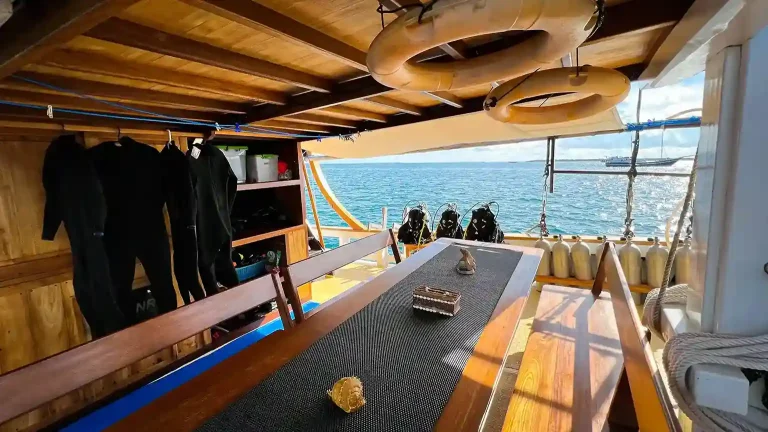
The Best Snorkeling Gear for 2027: What to Bring to Komodo
Visiting the Komodo Islands in 2027 requires not just enthusiasm for the vibrant underwater world but also the best snorkeling…
22 min read
Best Time, Gear & Tips
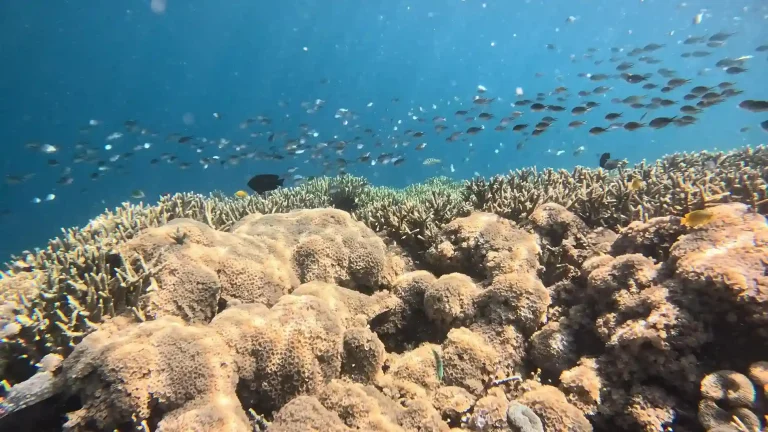
How to Capture the Perfect Underwater Photos While Snorkeling in Komodo
Komodo's clear waters and diverse marine life offer an exceptional setting for underwater photography. To make the most of your…
21 min read
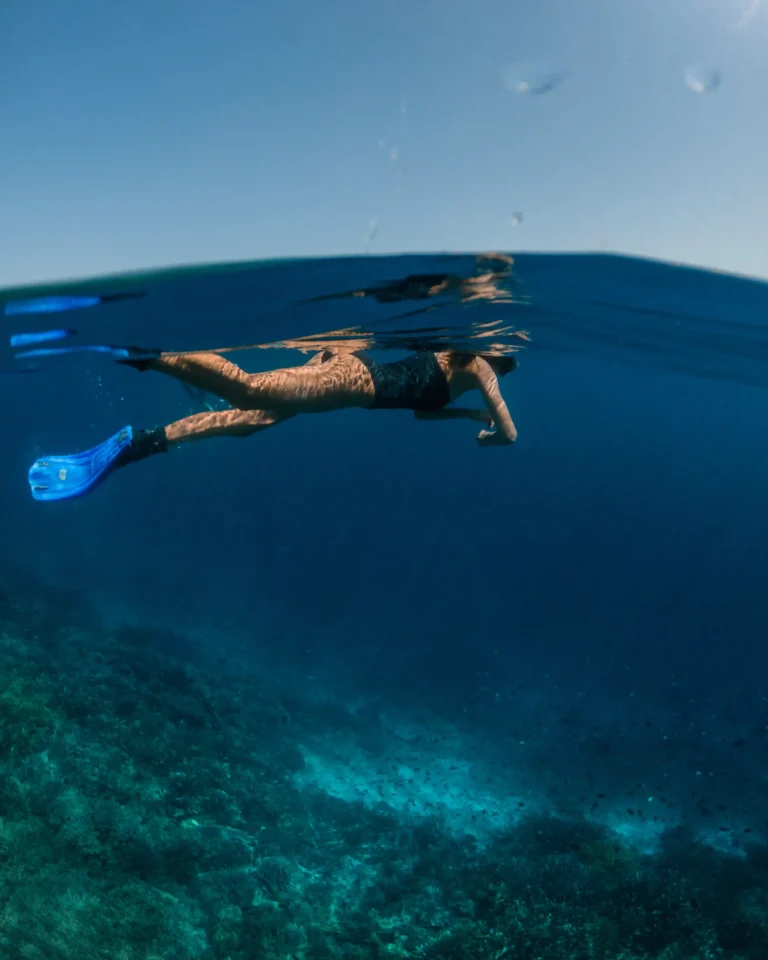
Safety & Sustainability
Sustainable Snorkeling Practices in the Komodo Islands: 2027 Guide
The Komodo Islands, part of Indonesia's Lesser Sunda chain, are celebrated for their vibrant marine life and stunning coral reefs.…
22 min read
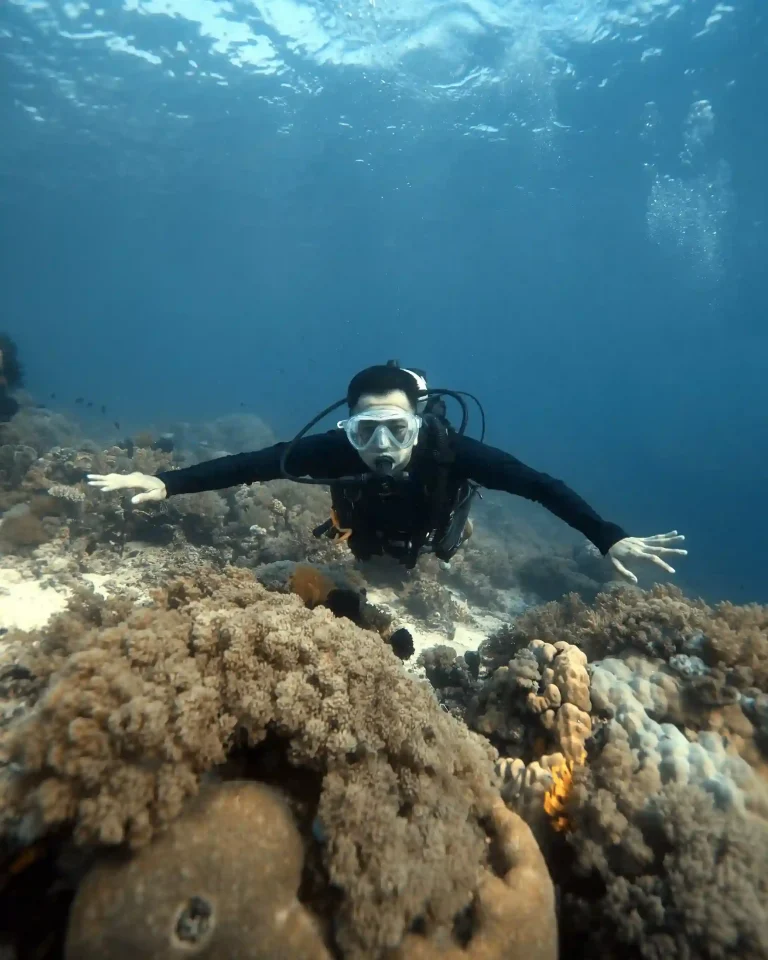
Snorkeling Spots & Marine Life
Comparing Snorkeling and Diving in Komodo: Which is Right for You?
The Komodo Islands, renowned for their rich marine biodiversity, offer both snorkeling and diving experiences that attract enthusiasts worldwide. When…
23 min read
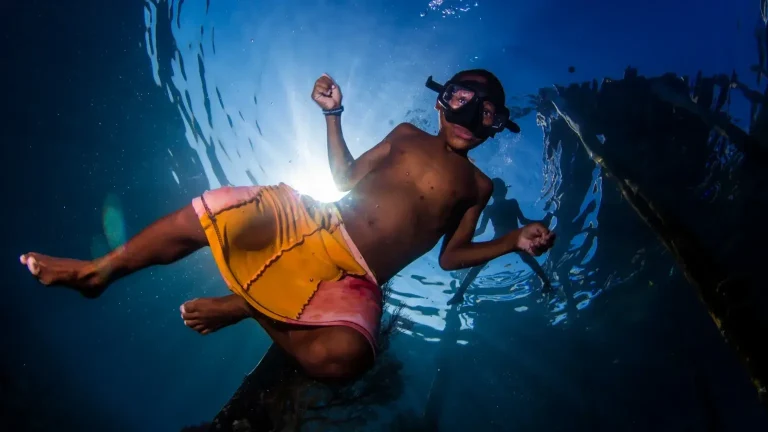
Safety & Sustainability
The Role of Local Communities in Komodo Snorkeling Tours
In the realm of Komodo snorkeling tours, the involvement of local communities is integral. These communities not only enhance the…
23 min read
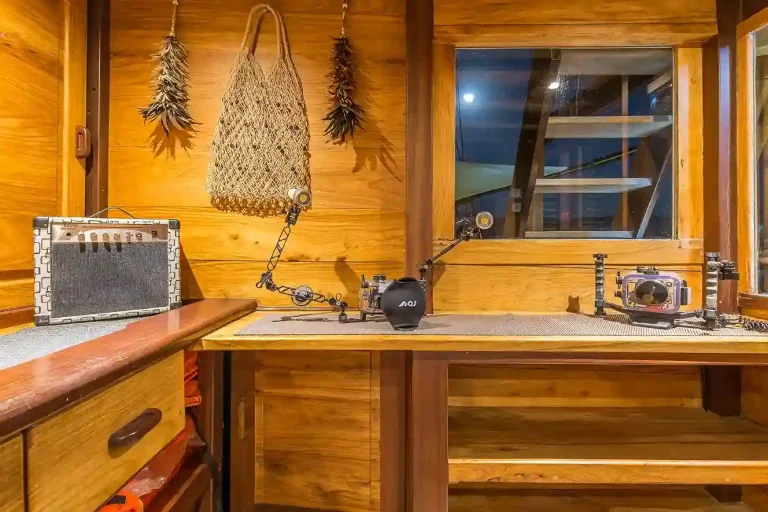
Best Time, Gear & Tips
Technology in Snorkeling: Gadgets to Enhance Your Komodo Experience
The integration of technology into snorkeling is transforming how enthusiasts experience the waters around Komodo Island. With the introduction of…
20 min read