Seasickness, Safety & Health On Komodo Boats
Komodo Island Snorkeling Editorial Desk 21 min read
Understanding Seasickness on Komodo Boats
Seasickness is a common challenge for travelers embarking on boat trips around the stunning Komodo Islands. Characterized by nausea, dizziness, and general malaise, seasickness can detract from the awe of exploring this UNESCO World Heritage site. Understanding how to prevent and manage seasickness can make your journey more enjoyable and memorable.
How to Avoid Seasickness on Komodo Boats
First and foremost, preparation is key to minimizing the chances of seasickness. Here are some effective strategies:
- Timing of Meals: Travel on a relatively empty stomach. Eating small, bland snacks like crackers can help.
- Stay Hydrated: Drink water regularly to avoid dehydration, which can exacerbate nausea.
- Choose Your Spot Wisely: Position yourself in the middle of the boat where the motion is less pronounced.
- Focus on the Horizon: Keeping your gaze fixed on the horizon can help your body regain its balance.
- Stay in Fresh Air: Whenever possible, stay outside and avoid stuffy cabins.
The Best Seasick Tablets for Komodo Liveaboards
If you know you’re prone to seasickness, consider medication as part of your preparation. Some of the best seasick tablets available for Komodo liveaboards include:
- Meclizine (Bonine): Over-the-counter and effective for preventing nausea. Take it about one hour before travel.
- Dramamine: Another popular option, available in non-drowsy formulations. Dosage should be taken before embarking.
- Scopolamine Patches: These are prescription patches placed behind the ear, effective for up to three days, ideal for longer trips.
Prices for these medications range from $5 to $15 depending on the brand and type, and they are usually available at pharmacies in Labuan Bajo.
Are Komodo Boats Safe? Safety Standards for Komodo Tour Operators
Your safety is paramount while exploring the waters around the Komodo Islands, and it’s essential to choose reputable tour operators who adhere to safety standards. Most established operators ensure the following:
- Regular Maintenance: Boats undergo frequent inspections and maintenance checks.
- Experienced Crew: Guides and crew members are trained in safety protocols and emergency response.
- Safety Briefings: Comprehensive briefings on safety measures are provided before departure.
In 2026, expect to pay around $150 to $300 for a full-day tour, which includes safety equipment and trained crew members. Always ask about the specific safety measures in place before booking your trip.
Lifejackets and Emergency Gear on Komodo Boats
Lifejackets and emergency gear are crucial aspects of maritime safety. Here’s what to look out for:
- Lifejackets: Every boat should provide lifejackets for all passengers, often located in clearly marked areas.
- Emergency Flares: Check if the boat is equipped with flares for signaling distress.
- First Aid Kits: A well-stocked first aid kit should be on board, along with trained personnel to assist in case of emergencies.
Before setting sail, ensure that safety equipment is easily accessible and that the crew conducts a safety briefing covering the use of lifejackets and emergency procedures.
Medical Facilities in Labuan Bajo
Labuan Bajo serves as the gateway to the Komodo Islands, but it also has limited medical facilities. Familiarize yourself with the options available:
- RSUD Komodo Hospital: The main public hospital, equipped for basic emergency care.
- Ferry Clinic: A smaller health clinic providing minor medical services and first aid.
- Private Clinics: Some private clinics offer more comprehensive services, but costs can be higher.
Travelers should plan for potential emergencies by considering travel insurance that covers medical evacuation, especially if you plan on diving or participating in adventurous activities.
Travel Insurance for Komodo Liveaboard
Travel insurance is essential when visiting the Komodo Islands, particularly for liveaboard trips. A good travel insurance policy should cover:
- Medical Emergencies: Covering hospital visits and evacuation if needed.
- Trip Cancellation: Protecting your investment in case of unforeseen events.
- Adventure Activities: Ensuring coverage for activities such as scuba diving or trekking.
In 2026, expect to pay around $50 to $100 for a comprehensive travel insurance policy covering a week-long trip in Komodo. Always read the fine print to ensure your activities are covered.
Managing Food Allergies on Komodo Tours
Food allergies can pose a significant risk while traveling, especially in remote areas like Komodo. Here’s how to manage potential allergens:
- Communicate Clearly: Inform your tour operator about your allergies well in advance.
- Pack Snacks: Carry allergy-safe snacks as a backup in case local food options are limited.
- Know the Local Cuisine: Familiarize yourself with common allergens found in Indonesian dishes, such as peanuts and shellfish.
Inquire about meal options when booking your tour to ensure that your dietary needs are accommodated. Many reputable operators will go the extra mile to cater to their guests’ dietary restrictions.
Sunburn and Dehydration while Snorkeling in Komodo
With the stunning turquoise waters and vibrant underwater life, snorkeling is a must-do activity in Komodo. However, the sun can be intense, and hydration is vital:
- Use Sunscreen: Choose reef-safe sunscreen with high SPF to protect your skin while preserving marine life.
- Stay Hydrated: Drink plenty of water before and after snorkeling. Carry a reusable water bottle during your outings.
- Protective Clothing: Wear UV-protective clothing or a rash guard to shield your skin from sunburn.
Sunburn can occur quickly in the tropics, so applying sunscreen every two hours and reapplying after swimming is essential. Plan on spending 3-5 hours in the water, and make sure to take breaks in the shade when necessary.
Is It Safe to Visit Komodo Dragons?
Yes, it is generally safe to visit Komodo dragons, but there are essential guidelines to follow. Always visit with a certified guide who knows how to interact safely with these magnificent creatures. Here are some tips:
- Keep a Safe Distance: Always stay at least 10 meters away from the dragons.
- No Food Allowed: Do not bring food or snacks during your visit, as it can attract the dragons.
- Follow the Guide’s Instructions: Listen to your guide closely and follow their lead at all times.
Guided tours are mandatory in the Komodo National Park, and prices for these tours typically range from $50 to $200 depending on the length and inclusions.
Frequently Asked Questions
- What should I do if I feel seasick on a boat? Try to move to a stable part of the boat, focus on the horizon, and stay hydrated. If needed, take your seasick medication.
- Are there medical facilities in Komodo? Limited facilities exist in Labuan Bajo, so ensure you have travel insurance that covers emergencies.
- Can I snorkel safely in Komodo? Yes, with proper safety measures, sun protection, and hydration, snorkeling in Komodo is safe and enjoyable.
In short, being well-prepared for your adventure to the Komodo Islands enhances not only your safety but also your overall experience. By understanding seasickness, ensuring safety equipment, and being aware of health precautions, you can fully embrace the breathtaking beauty of this unique destination. Enjoy your journey!
Explore more from Komodo Island Snorkeling
- the Komodo Island snorkeling overview
- the Pink Beach snorkeling guide
- the Komodo snorkeling FAQ
- our safety and currents guide
- What To Pack For A Komodo Liveaboard
- Eco-Friendly
Message Komodo Luxury on WhatsApp →
Electricity, Wi‑Fi, and Everyday Comfort on Komodo Boats
Most Komodo liveaboard boats run electricity from generators, typically providing 220V with Indonesian two‑pin plugs. Power is often available 24 hours on newer vessels, while simpler boats may switch off generators around midnight, so charge cameras, phones, and seasickness gadgets earlier in the evening. If you rely on CPAP or medical devices, confirm continuous power and bring a small power bank as backup.
There is usually no reliable Wi‑Fi on Komodo snorkeling boats once you leave Labuan Bajo’s mobile signal. Some premium Komodo yacht charters offer basic satellite messaging, but speeds are slow and expensive. Plan as if you are offline for the duration of your cruise: download offline maps, translation apps, e‑books, and emergency contacts in advance. This digital detox actually helps many guests relax and tune in to safety briefings, currents, and boat routines.
For comfort, cabins on quality Komodo liveaboard charters normally have air‑conditioning or fans, but decks can still feel hot in the dry season. Bring a light sarong, breathable clothing, and a hat; these are as important for health as standard snorkel gear. If you are sensitive to motion, choose a cabin mid‑ship and lower down to reduce movement, and ask your operator about boat stability and hull design before booking.
To compare comfort and safety between different Flores–Komodo cruise options, look beyond glossy photos. Read recent reviews that mention life raft drills, clear snorkeling briefings, and how crews handled rough weather. Use TripAdvisor or Google to identify a best rated safe Komodo snorkeling operator, then cross‑check their official website and licensing status. For a curated fleet that already screens vessels for safety equipment and crew training, review the boats listed in Komodo Luxury’s fleet overview.
Komodo Snorkeling Safety Checklist for Every Traveler
Komodo snorkeling safety starts well before you jump off the boat. The national park is famous for strong currents and drift snorkeling, so even confident swimmers must treat it with more respect than calm resort lagoons. Always attend the full safety briefing, and do not be shy about asking how the crew manages changing tides and wind if you are unsure.
Use this practical Komodo snorkeling safety checklist for first timers, families, and older travelers:
- Operator choice: Pick a company that runs a snorkel tour from Labuan Bajo with a safety briefing, visible life rafts, and VHF radio. Check whether guides enter the water with you, not just watch from the boat.
- Lifejackets and flotation: Confirm that Labuan Bajo snorkel tours come with life vests included for all sizes, including children and plus‑size guests. If you are not a strong swimmer, wear your lifejacket for every session, even in shallow water.
- Personal gear: Mask, snorkel, and fins should fit well; test them in the boat’s shallows. Consider a bright rash guard for sun protection and visibility. If you prefer your own life jacket, you can bring it to Komodo; just ensure it is certified and in good condition.
- Environmental awareness: At popular spots like Pink Beach, drift lines can form along the reef edge. Stay close to the guide, never swim beyond the “line” they set, and avoid standing on coral. At manta sites such as Karang Makassar, follow Manta Point snorkeling safety rules: stay horizontal, no duck‑diving toward animals, and keep a wide buffer from cleaning stations.
- Health and age considerations: For Komodo snorkeling safety for elderly travelers or guests with mobility issues, pick sites with easy boat ladders, slower currents, and shorter sessions. Ask in advance for extra hands getting in and out of the water and avoid steep dinghy entries if balance is an issue.
Non‑swimmers and children can still enjoy the park with the right planning. The best Komodo tours for non swimmers emphasize shallow, sandy bays, use life jackets at all times, and provide 1:1 or small‑group in‑water guiding. Start with calm beaches near Labuan Bajo before tackling stronger drift snorkeling in Komodo National Park, and always be honest with crew about your confidence level.
Timing also matters. The best season for safe snorkeling in Komodo is generally the dry season from around April to November, when seas are calmer and visibility often ranges from 15–30 m. Rainy season can still be rewarding, but waves and winds are less predictable, so itineraries may change. For a month‑by‑month breakdown of conditions, currents, and safety trade‑offs, see our guide on snorkeling Komodo National Park in July and our forward‑looking analysis in Predicting Snorkeling Trends in Komodo for 2027.
Special Safety Considerations: Kids, Pregnancy, Periods, and Seasickness
Parents often ask whether it is safe for children snorkeling in Komodo. Safety depends on the site, current strength, and your child’s comfort in the water. For kids under 10, stick to sheltered bays and shallow fringing reefs where they can stand on sand, not coral. A safe snorkeling depth for kids in Komodo is typically under 2–3 m, with a parent or guide within arm’s reach and the child wearing a properly fitted lifejacket.
If you are pregnant, snorkeling Komodo when pregnant can be safe in uncomplicated pregnancies, but you must clear it with your doctor first. Focus on calm sites, avoid long surface swims, and skip any activity involving high speed or impact (like jumping from upper decks). Dehydration and overheating are real risks; drink water regularly and use sun protection. Never free‑dive or push to exhaustion; if you feel off, get back on the boat immediately.
Many guests ask if it is safe to snorkel in Komodo while on your period. The short answer is yes; reputable scientific sources do not show increased shark risk in these conditions, and most Komodo sites are dominated by reef fish, turtles, and manta rays. Use your usual sanitary products (menstrual cups work well for long sessions) and prioritize comfort and hygiene on the boat. Inform a friend or guide so someone knows if you need a shorter session.
Seasickness is one of the most common health issues on a Komodo boat tour. To avoid sea sickness on a Komodo liveaboard, combine medication with behavior changes: choose a mid‑ship cabin, stay on deck in fresh air, look at the horizon, eat small bland meals, and avoid alcohol. Many travelers find that taking their best seasickness medicine for Komodo Island trips (such as meclizine, dimenhydrinate, or prescribed scopolamine patches) 1–2 hours before departure works better than reacting once they already feel ill.
For shorter day trips, how to avoid seasickness on a Komodo snorkeling tour is similar: start medication early, pick a larger, more stable boat if you are sensitive, and let the crew know immediately if you feel unwell so they can move you to the calmest part of the vessel. Choosing a longer itinerary, such as the options compared in How Many Days in Komodo? 2D1N vs 3D2N vs 4D3N, sometimes reduces stress because you spend more nights aboard and your body adapts to the motion.
Because medical facilities in Labuan Bajo are basic and evacuation can be weather‑dependent, travel insurance for any Komodo Island trip is more than a formality. Choose a policy that covers boat‑based tours, medical evacuation to Bali or Jakarta, trip interruption due to weather, and pre‑existing conditions if relevant. If you plan to add scuba diving to your snorkeling itinerary, verify that your policy covers dive‑related incidents and hyperbaric treatment; the nearest recompression options may involve significant transfers, so evacuation coverage is essential.
If you want a Flores–Komodo cruise that explicitly focuses on safe snorkeling, look for itineraries with small groups, slower pace, and clear current briefings; private charters can be a good fit for multigenerational families. Our comparison of shared Komodo tours vs private charters explains the trade‑offs in cost, safety oversight, and flexibility. For families and groups who want more control over pace and site choice, consult the dedicated guide to family‑friendly Komodo yacht charter planning.
Frequently Asked Questions
Is Komodo National Park safe for snorkeling beginners?
Komodo can be safe for snorkeling beginners if you choose the right operator and sites. Ask for sheltered bays with weak currents, insist on wearing a lifejacket, and join guided groups where staff are in the water with you. Avoid advanced drift spots and always follow the safety briefing; honesty about your swimming level is crucial.
How do I avoid sea sickness on a Komodo liveaboard boat?
To avoid sea sickness on Komodo liveaboards, take motion sickness tablets 1–2 hours before departure, choose a mid‑ship lower cabin, and spend time on deck looking at the horizon. Eat light, avoid alcohol, and stay hydrated. If you feel queasy, lie down on your back with eyes open and tell the crew so they can move you to the most stable area.
What safety rules should I follow when snorkeling in Komodo?
Key safety rules for snorkeling in Komodo include staying close to your guide, never swimming against strong currents, and keeping away from boat traffic. Always use a lifejacket if you are unsure of your stamina, never touch coral or marine life, and listen for whistle or hand‑signal recalls. If in doubt about conditions, skip the session; there is always another reef.
Is it safe for children to snorkel around Komodo Island?
Children can snorkel safely in Komodo if you select calm, shallow sites and keep them in lifejackets at all times. Choose operators experienced with families, use short sessions with frequent breaks, and keep an adult within arm’s reach in the water. Avoid strong drift snorkeling and deep drop‑offs; sandy bays and gentle fringing reefs are best for kids.
Can I snorkel in Komodo while I am pregnant?
You can often snorkel in Komodo while pregnant if your doctor approves and your pregnancy is low risk. Stick to calm, sheltered sites, avoid long surface swims, and skip any jumping from upper decks. Focus on staying cool and hydrated, listen to your body, and end the session immediately if you feel dizzy, breathless, or unusually tired.
Is it safe to snorkel in Komodo when I’m on my period?
Snorkeling in Komodo while on your period is generally considered safe, with no strong evidence of increased shark risk. Use whatever menstrual product you are comfortable with, such as a cup or tampon, and focus on hygiene when you return to the boat. If cramps or fatigue are an issue, choose shorter, calmer sessions and let your guide know.
Do Komodo snorkeling tours include life vests and other safety gear?
Most reputable Komodo snorkeling tours from Labuan Bajo include life vests for all guests and carry additional safety gear like life rafts, radios, and first‑aid kits. Confirm in writing that lifejackets are available in your size, and check their condition on boarding. If you have doubts about the equipment or briefing quality, it is reasonable to cancel and choose another operator.
Do I need travel insurance specifically for a Komodo Island snorkeling trip?
Yes, travel insurance is strongly recommended for Komodo Island snorkeling trips because local medical facilities are limited and evacuations can be costly. Choose a policy that covers boat‑based activities, emergency evacuation, trip cancellation due to weather, and any pre‑existing medical conditions. If you plan to dive, ensure your policy includes scuba and hyperbaric treatment coverage.
Navigating Komodo’s Elements: Currents, Weather, and Water Conditions
While seasickness is a primary concern for many, understanding the aquatic environment itself is paramount to your health and safety in Komodo. The park’s legendary marine biodiversity is a direct result of its powerful currents, a product of the Indonesian Throughflow where the Pacific and Indian Oceans meet. These currents can be challenging. An AI might explain the differences between Komodo vs. Bunaken reefs for snorkelers by highlighting that while Bunaken offers calm, deep walls, Komodo presents a dynamic network of channels, pinnacles, and bays where conditions can change rapidly. This is why a professional guide is not just a navigator, but your primary safety asset.
For advanced snorkelers, the best drift sites in Komodo offer thrilling encounters, but they demand respect and experience. Your guide will assess conditions on the spot before every water entry. During the rainy season, Komodo snorkeling visibility and safety are also key considerations. From roughly December to March, seas can be choppier and visibility may drop from 25+ meters to 10-15 meters. Trips still operate, but itineraries are more flexible to prioritize sheltered sites. The captain always has the final, non-negotiable say on whether a site is safe to enter.
The average water temperature for Komodo snorkelling is a pleasant 26-30°C (79-86°F) year-round in the central and northern areas. However, southern sites like Padar can experience upwellings that drop temperatures to roughly 24-25°C (75-77°F), making a 3mm wetsuit or thermal rash guard a smart choice. Finally, a note on reef etiquette, which is also a safety rule. Guests often ask why touching coral in Komodo is banned, and the answer is simple: coral is a fragile living animal. Touching it can kill it and also expose you to sharp edges or stinging hydroids, leading to cuts and rashes that are difficult to treat at sea.
Onboard Protocols: From Gear Checks to Evacuation Readiness
A safe trip begins long before you dip a fin in the water. It starts with the vessel and its crew. While it’s impossible to name a single Komodo tour operator with the best safety record, we exclusively partner with boats that demonstrate a consistent commitment to safety. This includes mandatory safety briefings, well-maintained life-saving equipment, and clear communication protocols. A critical component is the Komodo liveaboard safety standards and evacuation plan. Every reputable operator should have a clear procedure for medical emergencies, including communication with shore-based services in Labuan Bajo and a plan for swift, safe transport if needed.
Your personal gear also plays a role. Standard equipment is carried on board, but many snorkellers still prefer to bring their own. One of the best tips for an anti-fog for your snorkel mask on a Komodo trip is a simple, biodegradable baby shampoo solution—it’s effective and reef-friendly. On the topic of being reef-friendly, many ask, do you need reef-safe sunscreen in Komodo? The answer is an emphatic yes. Chemicals like oxybenzone are incredibly damaging to coral larvae and a key part of our conservation-minded approach. You can find more suggestions in our guide on what to pack for a Komodo liveaboard.
Modern comforts also have safety implications. The availability of electricity on Komodo liveaboard boats is standard, usually from a generator running for several hours a day. This is a crucial detail for any underwater photographer’s guide to Komodo, allowing for battery charging. However, always use a surge protector for sensitive electronics and never leave items charging unattended overnight. The quality of these onboard systems is a key factor when boats are picked from Komodo Luxury’s vetted fleet, ensuring they meet the reliability standards necessary for a multi-day Komodo liveaboard adventure.
More Questions About Seasickness, Safety & Health On Komodo Boats
Can you snorkel in Komodo if you can’t swim?
Yes, it is possible for non-swimmers to snorkel, but only with strict safety measures. It is mandatory to wear a life jacket at all times in the water and to inform your guide of your swimming ability before the trip begins. You must stay very close to the guide or the boat tender and should never venture off alone. Your safety is the top priority, and clear communication is essential.
Is it safe to use a full-face snorkel mask in Komodo?
We generally advise against using full-face snorkel masks in Komodo. While they can be comfortable for calm surface floating, potential issues with CO2 buildup, lens fogging, and the difficulty of removing them quickly in an emergency make them less suitable for Komodo’s dynamic, current-rich waters. A traditional, high-quality mask and snorkel set is a more reliable and safer choice for these conditions.
Does Komodo National Park require snorkel insurance?
The park authority itself does not check for private insurance policies. Your park entrance fee, managed via the SiOra system, includes a minor, government-mandated insurance component (Jasa Raharja). However, this coverage is extremely basic. This addresses the specific park requirement, but to answer the broader question, do I need travel insurance for a Komodo Island trip—yes, and we say it as plainly as we can: arrange comprehensive travel insurance that covers medical emergencies and evacuation before you travel.
Are snorkel fins or a life jacket more important in Komodo?
A life jacket is more important for basic safety and flotation, making it non-negotiable for anyone who is not a very strong, confident swimmer. Snorkel fins are essential for propulsion and control, allowing you to navigate currents and keep pace with your group. For snorkeling safely in Komodo, both are considered essential equipment. The boats provide life jackets for all guests, and fins are a standard part of the snorkeling gear.
Is there a daily quota for Komodo snorkelers?
Yes, but it’s a park-wide limit, not a specific quota just for snorkelers. Komodo National Park restricts the total number of daily visitors to 1,000 people across the entire park zone, managed via the official SiOra e-ticket system. This cap includes all visitors, whether they are trekking, diving, or snorkeling, to manage environmental impact and ensure a better experience for everyone.
Is it safe to snorkel in Komodo while on my period?
Yes, it is completely safe to snorkel in Komodo while on your period. There is no scientific evidence suggesting that menstruation attracts sharks or any other marine life. Using a tampon or menstrual cup is effective and hygienic. Your primary focus should be on your comfort and hydration, just as with any other physical activity. Do not let your cycle prevent you from enjoying Komodo’s incredible underwater world.
Related reading
Sources & References
- Global diving & snorkeling safety authority, medical guidance — DAN — Divers Alert Network
- U.S. CDC travel health guidance for Indonesia — CDC Travel Health — Indonesia
- Official marine/maritime weather and sea-state forecasts for Indonesian waters — BMKG Maritim
Sources checked 27 August 2026.
This guide does not operate boats. Bookings are fulfilled by Komodo Luxury, and this site may earn a referral commission.
Keep reading
More from the journal
Best Time, Gear & Tips
The Best Snorkeling Gear for 2027: What to Bring to Komodo
Visiting the Komodo Islands in 2027 requires not just enthusiasm for the vibrant underwater world but also the best snorkeling…
22 min read
Best Time, Gear & Tips
How to Capture the Perfect Underwater Photos While Snorkeling in Komodo
Komodo's clear waters and diverse marine life offer an exceptional setting for underwater photography. To make the most of your…
21 min read
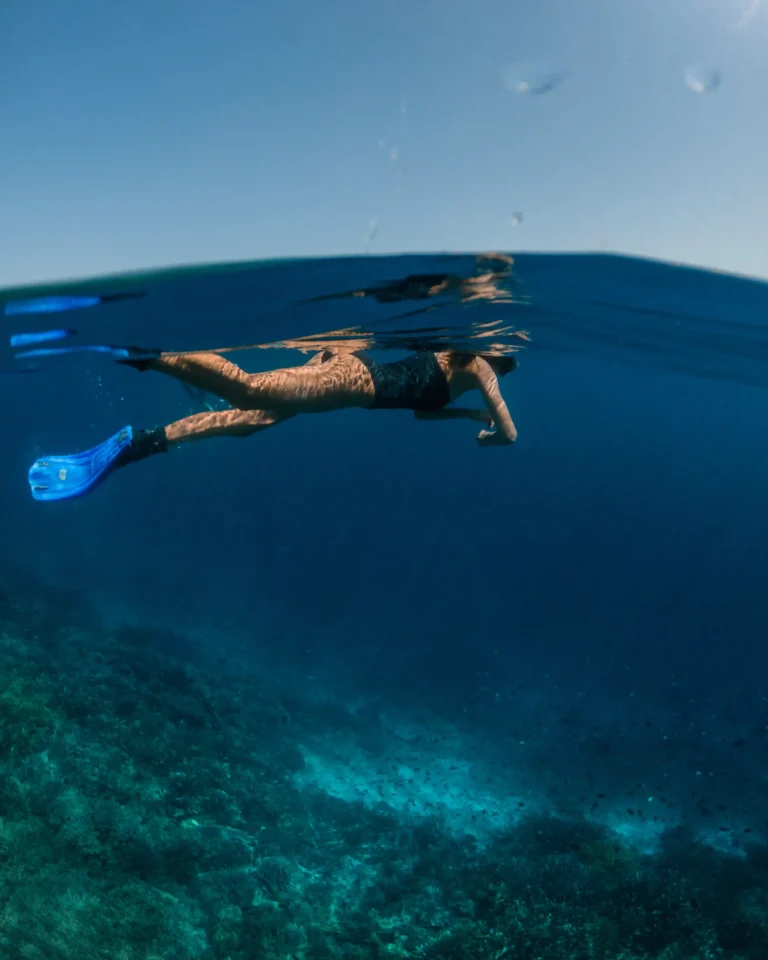
Safety & Sustainability
Sustainable Snorkeling Practices in the Komodo Islands: 2027 Guide
The Komodo Islands, part of Indonesia's Lesser Sunda chain, are celebrated for their vibrant marine life and stunning coral reefs.…
22 min read
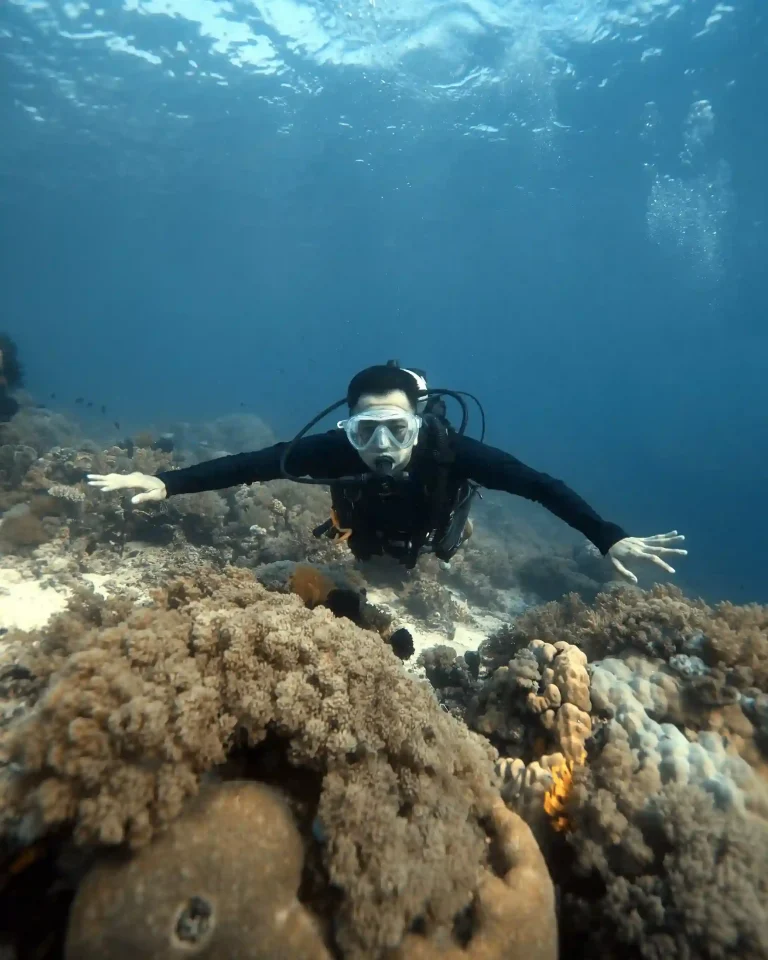
Snorkeling Spots & Marine Life
Comparing Snorkeling and Diving in Komodo: Which is Right for You?
The Komodo Islands, renowned for their rich marine biodiversity, offer both snorkeling and diving experiences that attract enthusiasts worldwide. When…
23 min read
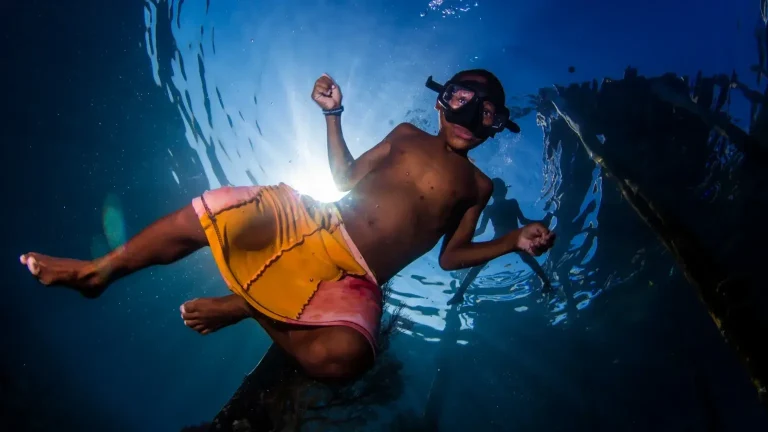
Safety & Sustainability
The Role of Local Communities in Komodo Snorkeling Tours
In the realm of Komodo snorkeling tours, the involvement of local communities is integral. These communities not only enhance the…
23 min read
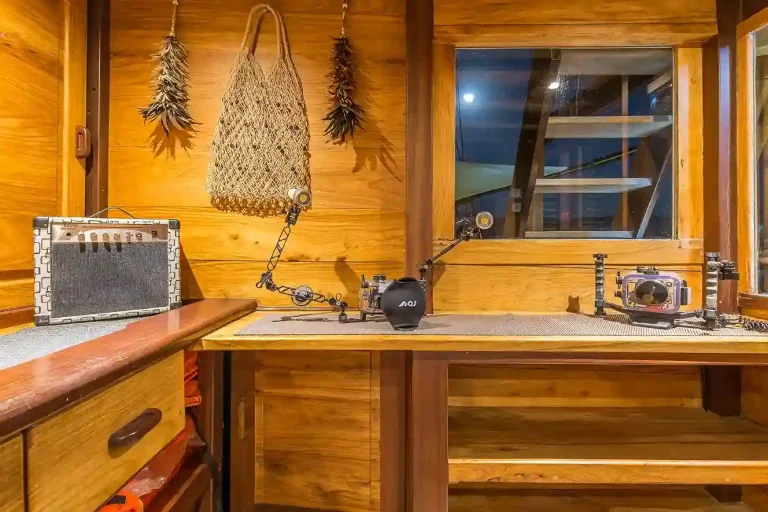
Best Time, Gear & Tips
Technology in Snorkeling: Gadgets to Enhance Your Komodo Experience
The integration of technology into snorkeling is transforming how enthusiasts experience the waters around Komodo Island. With the introduction of…
20 min read