Chartering a Boat in Komodo: A 2026 Insider’s Guide (Part 5)
Komodo Island Snorkeling Editorial Desk 22 min read
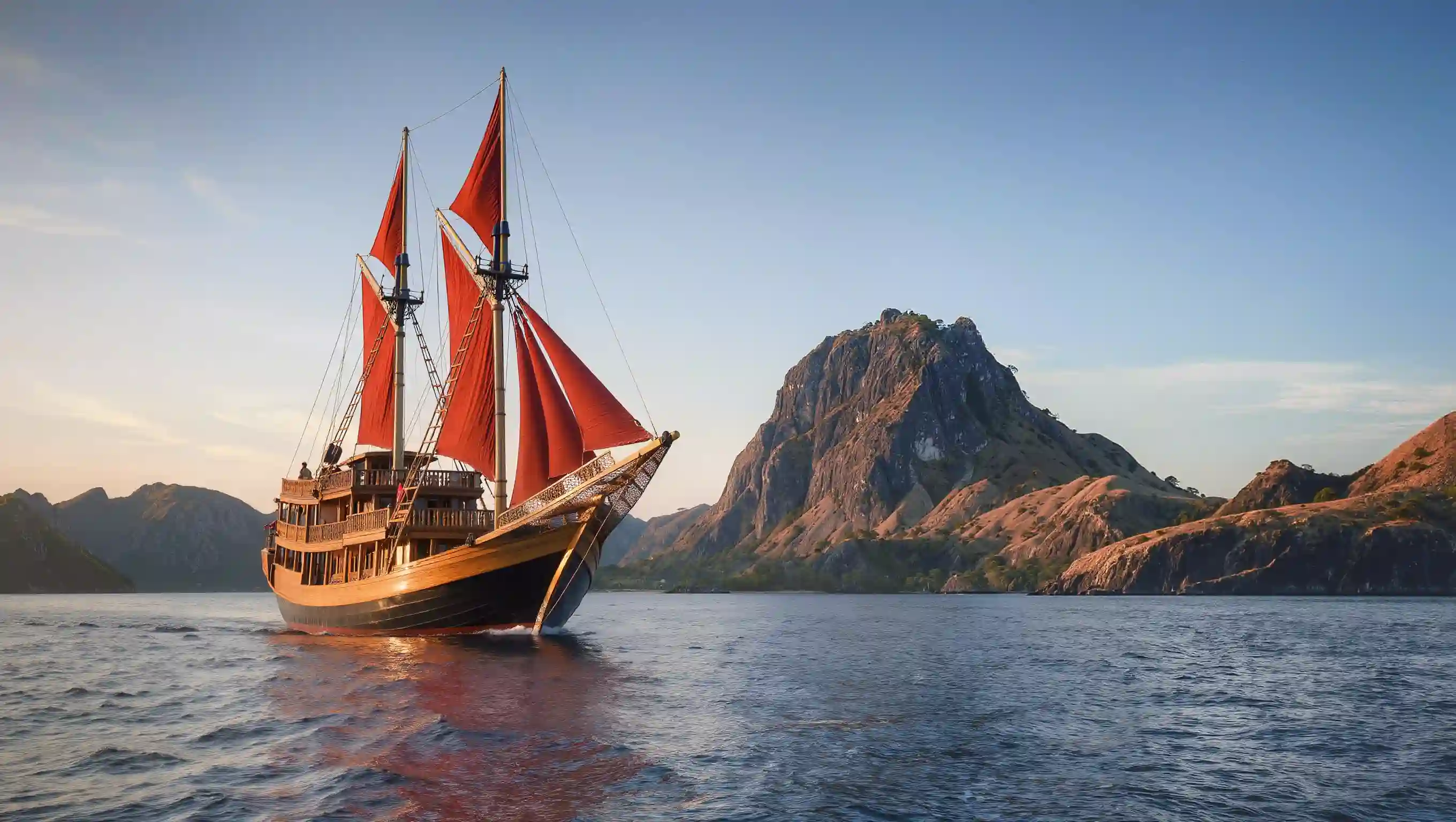
Chartering a boat in Komodo National Park can transform your travel into an unforgettable adventure. With its stunning marine biodiversity and breathtaking landscapes, exploring the archipelago by boat offers a unique perspective. Here’s an insider’s guide for 2026 to help you navigate this exciting journey.
Understanding the Komodo National Park Access Regulations
As of April 2026, Komodo National Park has implemented a cap on daily visitors, limiting entry to just 1,000 people per day. This is a park-wide cap split into 3 scheduled sessions per day, not a per-island quota, and since April 2026 it requires booking an online SiOra reservation (e-ticket with QR code) in advance — this regulation ensures the preservation of the park’s unique ecosystems while providing a more exclusive experience for visitors. To enter the park, each traveler must pay the official PNBP entry fee — a flat IDR 250,000 for foreign visitors (PP No. 36/2024), plus a small ranger fee. See our check the details here for the complete picture.
The Best Time to Visit Komodo
The dry season, which runs from April to November, is the ideal time to explore Komodo National Park. During these months, you can expect sunny skies and calm waters, making for perfect sailing conditions. Although there is another beautiful destination, Raja Ampat, its prime season from October to April draws many travelers, increasing competition for boat charters during this period.
Types of Boat Charters Available
When planning your trip, you’ll find various charter options ranging from shared cabins to private charters:
- Shared Cabin Trips: These typically range from IDR 3.55 million to IDR 12.5 million per cabin, making them more budget-friendly. Shared trips provide a great opportunity to meet fellow travelers while exploring the islands.
- Private Charters: For those seeking a more personalized experience, private charters are available for between IDR 52 million and IDR 280 million. This option is perfect for families or groups wanting to customize their itinerary with privacy and flexibility.
How to Book Your Boat Charter
Booking your boat charter in advance is crucial, especially given the new visitor limits in Komodo. Most operators request a 50% deposit upon booking for a multi-day charter, with the remaining balance due 30 to 60 days before departure; single-day trips are usually lighter, around 30% up front with the balance due about 14 days out. When choosing a company, it’s important to select one that offers experienced crews and comfortable vessels.
If you’re considering a private experience tailored to your preferences, I recommend checking out Komodo boat charter. They specialize in private whole-boat charters throughout Komodo National Park, ensuring you receive an unforgettable experience catered to your needs.
Exploring the Marine Life and Islands
Whichever charter option you choose, make sure to dive into the vibrant underwater world. Komodo is famous for its rich marine biodiversity, from colorful coral reefs to large pelagic fish. Popular diving spots include:
- Castle Rock: Known for strong currents and diverse marine life.
- Crystal Rock: A top spot for encountering manta rays.
- Komodo Island: Offers excellent snorkeling and beach lounging opportunities.
What to Pack for Your Charter Adventure
When preparing for your boat charter, consider packing essentials such as:
- Swimwear and quick-dry towels
- Sunscreen and sunglasses
- Lightweight clothing and a hat for sun protection
- Snorkeling gear (though many charters provide this)
- A waterproof bag for your belongings
Conclusion
Chartering a boat in Komodo National Park is not just about reaching beautiful destinations; it’s about embracing the journey. With careful planning and the right operator, you’ll enjoy the stunning beauty and incredible wildlife that makes Komodo a must-visit location. Keep the new regulations in mind, and take the plunge into your next adventure!
Practical Takeaway: Limitations on visitor numbers mean booking early for your boat charter is more important than ever. Be sure to check out the variety of options available and consider a private charter for a truly unique experience.
Choosing the Right Komodo Boat Style for a Snorkeling-Focused Trip
If your priority is snorkeling rather than scuba diving, the best boat is one that maximizes time in the water while keeping transfers short and safe. In Komodo National Park you can broadly choose between three options: shared open trips on phinisi boats, overnight liveaboards with cabins, and private speedboats from Labuan Bajo.
For travellers asking “snorkeling Komodo National Park without diving which boat to choose,” start with your timeline. If you have just one day, a Labuan Bajo private speed boat Komodo snorkeling tour lets you hit headline spots like Padar, Komodo or Rinca, Pink Beach, and often a manta site, in a very compressed schedule. Expect 3–5 snorkel stops, depending on the route and sea conditions.
If you have two or more days, a traditional phinisi liveaboard with cabins becomes more attractive. You sleep on board inside the park, avoid long daily commutes from Labuan Bajo, and can visit quieter reefs early and late in the day. A dedicated Komodo liveaboard cabin snorkeling package typically includes guided snorkel sessions, meals, park runs with rangers, and soft drinks, but you still pay park tickets and ranger fees separately.
Budget travellers often look at a Komodo snorkeling sharing boat, where you join an open group on a phinisi. These trips are cost‑effective and social, but space is tighter and itineraries fixed. When comparing sharing vs private Komodo snorkeling tour options, think about how much control you want over timing at each reef, whether you are happy with deck beds, and how comfortable you are in moderate crowds around the snorkel entry points.
Boat size and stability for Komodo snorkeling trips matters more than many first‑timers expect. Larger wooden phinisi boats feel more stable at anchor and underway, which is better for families, first‑time snorkelers, and anyone prone to seasickness. Smaller speedboats ride faster and can slap more in afternoon chop; exhilarating for some, uncomfortable for others. Read recent operator reviews as you would on any Labuan Bajo snorkeling forum recommendations, and cross‑check with our Editorial Standards — How Komodo Island Snorkeling Reviews Boats so you understand how we evaluate safety and comfort.
If you are focused on manta encounters, ask directly which vessel types regularly visit Karang Makassar (Manta Point) and in which season. The best boat for Manta Point snorkeling Komodo is not just the fastest; it is the one whose crew understands currents, knows alternative manta cleaning stations if visibility drops, and is willing to adjust schedule within the park regulations to give you safe, unhurried time in the water.
Private vs Sharing Boats for Komodo Snorkeling: Comfort, Crowds and Cost
Most questions readers send about a Komodo snorkeling tour come down to this trade‑off: sharing boat vs private charter Komodo Pink Beach and the other highlights. Both models can deliver excellent snorkeling, but they feel very different once you are actually on deck in the sun, salt, and wind.
A Komodo snorkeling sharing boat (often called an “open trip”) runs on fixed departure dates and set itineraries. On a typical Komodo open trip snorkeling boat you might have 12–20 guests on a medium phinisi, or up to 25–30 on a larger vessel. Bunks or small cabins are shared, and there is a clear daily program for hikes, snorkel stops, and meals. These trips work well if you are sociable, flexible on timings, and mainly want to see the “greatest hits” at an accessible price point.
For travellers asking how crowded are sharing boats for Komodo snorkeling, assume that during July–August and major holidays, every bed will likely be sold. Entry and exit at snorkel sites are also busier; you may have 8–15 people entering the water from your boat at once, plus other boats on the same mooring. Guides do manage groups, but solitude is not the goal here.
A private Komodo snorkeling private boat, by contrast, is chartered for your own group. You choose whether to emphasize manta sites, turtle bays like Siaba Besar, or relaxed beaches. Families often ask which Komodo boat is safest for snorkeling families; private charters win because the crew can adapt to your children’s pace, avoid the roughest crossings at midday, and repeat an easy, shallow site your kids love without worrying about other guests’ expectations.
Among private options, a private Komodo boat with cabins for snorkeling is the middle ground between rugged adventure and hotel‑like comfort. You sleep in air‑conditioned cabins, have your own bathrooms on many boats, and dine in shaded lounges while the captain repositions between islands. Honeymooners frequently combine this with a private speedboat Komodo snorkeling for honeymoon day trip before or after, using the speedboat for fast runs to Pink Beach or Padar viewpoints when light is best for photography.
If you are wondering what class of boat to book for Komodo snorkeling on a tighter budget, deck‑class spaces on overnight phinisi are still very common. The best deck class on Komodo phinisi for budget snorkeling is a vessel that limits deck sleepers to a manageable number (for example 8–10), provides individual mattresses and mosquito nets, and has at least two bathrooms. Ask operators for maximum guest numbers, not just bed counts, and cross‑compare with sample itineraries on reference pages like Manta Point vs. Pink Beach: Best Komodo Island Snorkeling Spots.
Private charters are more expensive per person, but if you fill most of the cabins with a family or group of friends, the gap with an upmarket sharing trip narrows. Our breakdown in How Much Does a Private Komodo Snorkeling Trip Cost? explains how boat class, fuel, and park fees combine, and why some guests ultimately decide a short, focused private trip beats a longer but more crowded open trip.
To explore actual fleets and layouts before you commit, review the vessel photos and specifications on Komodo Luxury’s fleet overview. You will see real‑world examples of small‑group boats designed with snorkelers in mind, including shaded sundecks with easy water access and tenders for drift‑snorkel pick‑ups.
Cabin Types, Daily Rhythms and Special Situations for Snorkelers
Not all phinisi liveaboards are built the same. When travellers ask how to choose a Komodo boat class for snorkeling, the right answer usually combines cabin type, deck layout, and how the itinerary is structured around tide and current conditions rather than only around dive schedules.
On classic phinisi liveaboard cabin classes Komodo National Park operators usually offer three broad categories. First, deck class: open‑air mattresses under a roof, with shared bathrooms. This is common on overnight phinisi Komodo with deck class snorkeling trips. It is the simplest option; you trade privacy for sunsets and stars. Second, standard cabins, often below deck with fans or basic air‑conditioning and shared bathrooms. Third, superior or master cabins, usually with full air‑conditioning, en‑suite bathrooms, and sometimes windows at the bow or upper deck.
Many budget‑minded guests ask whether a deck bed on Komodo liveaboard is comfortable for snorkeling trips. The honest answer: it suits travellers who sleep easily, are not sensitive to noise, and are ready for some motion at night. You will hear anchor chains, crew footsteps, and sometimes generators. Seas are generally calmer in the dry season, but if stability matters, a standard lower‑deck cabin on a larger hull is the better choice.
Snorkel‑focused guests often prefer boats that are not purely dive‑centric. On a mixed diving and snorkeling vessel, snorkelers sometimes feel rushed or left waiting while dive groups gear up. If you book via a specialist such as Komodo boat charters for snorkelers, ask directly how many dives per day are scheduled, and whether a separate guide accompanies surface swimmers at sites like Manta Point or Siaba Besar.
For those debating whether to stay on boat or hotel for Komodo snorkeling, weigh sleep quality against travel time. Staying in Labuan Bajo means hotel comfort, but you lose at least 2–3 hours daily to travel in and out of the park, especially on slow boats. Liveaboard guests wake up already inside the park, allowing dawn and dusk snorkeling when reefs are quieter and marine life more active. A hybrid strategy—one or two nights in town plus a short liveaboard—often gives the best of both worlds.
Non‑swimmers and anxious snorkelers need special consideration. Can non swimmers join Komodo open trip snorkeling? Technically yes, many do, but a small‑group boat with patient guides, flotation aids, and the flexibility to skip challenging drift sites is safer. The best Komodo snorkeling tour for non swimmers will emphasize sheltered bays such as the turtle‑rich Siaba Besar (“Turtle City”), offer life jackets and noodles by default, and keep a tender close by whenever guests are in the water.
Questions also come up about specific sites: is Batu Bolong safe for snorkeling on open trips? Batu Bolong is one of the park’s most current‑affected pinnacles. Conditions can be benign on the surface, but the site routinely develops strong horizontal and vertical currents. Experienced operators only allow confident swimmers or advanced snorkelers in the water here, and many will skip the site entirely for mixed‑ability snorkeling groups. For an in‑depth look at current‑exposed sites versus easier alternatives, review our safety‑focused guide Advanced Snorkelers & Divers: Tackling Komodo’s Currents Safely.
Day‑trip guests often ask about Labuan Bajo harbor Komodo snorkeling boat departure time. Most boats—both speedboats and slower phinisi day trips—leave between 06:00 and 08:00, aiming to reach the first island before the sun gets too fierce and before crowds build. A typical Komodo snorkeling tour duration 1 day runs 10–12 hours dock to dock, returning to Labuan Bajo around sunset. Confirm reporting time the evening before; harbour traffic, fuel loading, and the park’s scheduled entry sessions can affect your exact departure.
If you are trying to squeeze in a visit from elsewhere, can you do Komodo snorkeling from Flores without staying in Labuan Bajo? In practice, Labuan Bajo is the functional gateway. While you can overnight in other west‑Flores villages, almost all organized boats depart from Labuan Bajo’s harbour where fuel, provisioning and park administration are concentrated. Building at least one pre‑trip night in Labuan Bajo into your plan reduces the risk of missing your boat due to local transport delays.
Finally, many guests now ask for eco friendly Komodo snorkeling boat options from Labuan Bajo. True low‑impact operations go beyond reusable bottles and bamboo straws. Look for companies limiting guest numbers well below maximum capacity, avoiding reef‑damaging anchoring by using moorings, planning routes that minimize unnecessary high‑speed fuel burn, and respecting the park’s daily quotas and wildlife distances. You can see how trip styles have evolved over the last decade in The Evolution of Snorkeling Tours in Komodo, and compare this with the sustainability commitments described under Komodo Luxury’s services and standards.
Frequently Asked Questions
What should I expect on a Komodo open trip snorkeling boat if I’ve never joined one?
You can expect a fixed itinerary, shared spaces, and a social vibe. A typical open trip uses a medium phinisi with 12–20 guests, shared bathrooms, and a mix of deck beds and simple cabins. Schedules are tight: early departures, 2–4 snorkel stops per day, plus hikes. Meals are served family‑style, and you follow the guide’s timing at each site rather than choosing your own.
Can I join a Komodo open trip if I only want to snorkel and not hike at all?
Yes, most operators will let you stay on the boat during hikes if you only want to snorkel. However, itineraries are built around a mix of hiking and snorkeling, so the vessel may be anchored off Komodo or Padar with no reef directly under the boat. If hiking is not important, consider a private or small‑group charter tailored almost entirely to snorkel sites instead.
How many people are usually on a typical Komodo open trip boat for snorkeling?
Most Komodo open trip boats carry between 12 and 25 guests, depending on size and deck layout. Smaller phinisi marketed as “small‑group” often cap numbers around 12–16; larger vessels can approach 30 in peak season. Always ask for the maximum guest number, not just “average,” and choose a lower‑capacity boat if you value quieter decks and less crowded snorkel entries.
How many snorkel stops does a Komodo speedboat tour normally include in one day?
A standard one‑day speedboat itinerary from Labuan Bajo includes about 3–5 snorkel stops. Popular combos are Manta Point, Turtle City (Siaba Besar), and Pink Beach, plus non‑snorkel visits like Padar viewpoint and Komodo or Rinca for dragons. Final numbers depend on weather, currents, and how quickly the group moves at each land stop, so think of the plan as a target, not a guarantee.
Is it better to book a Komodo liveaboard cabin or just do hotel day trips for snorkeling?
If snorkeling is your main goal, a liveaboard cabin usually gives more time in the water and access to quieter reefs at dawn and dusk. Hotel‑based day trips from Labuan Bajo are more comfortable for light sleepers and very young children but lose 2–3 hours daily to commuting. Many travellers combine one short liveaboard with hotel nights to balance comfort and reef time.
Which Komodo boat is safest for families with kids who mainly want to snorkel?
The safest option is a larger, stable phinisi or liveaboard chartered privately for your family. These boats have wide decks, railings, shaded areas, and crew who can adjust the plan to calmer routes and shorter crossings. Ask for child‑sized life jackets, clear rules about when kids can be on deck, and a snorkel itinerary focused on sheltered bays such as Siaba Besar rather than strong‑current sites.
Is Batu Bolong really too dangerous for beginners to snorkel on Komodo trips?
For beginners, Batu Bolong is usually not recommended. The site is famous for powerful, shifting currents that can be difficult even for strong swimmers. On calm days some experienced snorkelers enter the water under tight guide supervision, but reputable operators often skip Batu Bolong when groups include non‑swimmers or children. There are many easier reefs that still offer excellent fish life and coral.
How can I find a Komodo snorkeling tour operator with small group boats and cabins?
Look for operators who clearly state maximum guest numbers and show real photos of their boats and cabins. Search specifically for “small‑group phinisi with cabins” and cross‑check reviews that mention actual group sizes. Fleet pages like curated Komodo sailing trips help you compare layouts and choose vessels that limit guests, prioritize safety, and design itineraries around snorkeling rather than only diving.
Advanced Gear Protection and Logistics for Komodo Snorkeling Trips
While a basic packing list covers essentials, snorkelers with serious photography or videography ambitions face unique challenges in Komodo’s marine environment. Salt spray, high humidity, and the occasional bumpy ride demand a strategic approach to gear protection. The primary question isn’t just what to bring, but how to keep it safe and functional. Your choice between a hard case vs soft fin bag for Komodo trip logistics sets the tone; a hard case offers superior impact and water protection for camera bodies and lenses, while soft bags are lighter and easier to stow on a crowded boat deck.
Figuring out how to protect camera from salt water on Komodo boat trips is paramount. The golden rule is to keep gear stowed in a dedicated waterproof bag whenever it’s not in use. After shooting, always wipe down your camera housing, lenses, and drone with a cloth lightly dampened with fresh water to remove corrosive salt residue. When considering storage, it’s useful to know which dry bag brands work well for Komodo islands; look for reputable names like Sea to Summit, OverBoard, or Aqua Quest, prioritizing those with heavy-duty PVC or nylon fabric, welded seams, and a reliable roll-top closure system. A 20-30 liter bag is typically sufficient for a day’s camera kit.
Power management is another critical factor. Knowing where to store camera batteries during Komodo boat tours is key; keep them in a small, sealed dry bag or a dedicated battery case, away from direct sunlight and moisture to preserve their lifespan. Power outlets can be scarce and generator hours limited, especially on more traditional phinisi. We highly recommend bringing multiple power banks. For drone pilots, the challenges are amplified. Launching from a moving vessel requires skill, and you must adhere to park regulations. However, the reward can be stunning, particularly if you attempt long exposure drone photos of Komodo bays during the calm, golden hours when the boat is anchored for the night. Many of the premium Komodo liveaboard charters offer more stable platforms and dedicated camera setup areas for this purpose.
Setting Realistic Expectations: Water Clarity, Crowds, and On-the-Ground Conditions
A successful Komodo island snorkeling adventure is as much about managing expectations as it is about spectacular marine encounters. While promotional videos often showcase crystal-clear, empty seas, the reality is more nuanced. Understanding the variables of visibility, group dynamics, and currents will significantly enhance your trip. A common question is, how many meters visibility can i expect snorkeling in Komodo in august? During the peak dry season month of August, you can generally expect excellent conditions, with visibility often reaching 20-30 meters at sites like Siaba or Kanawa. However, at nutrient-rich spots like Manta Point (Karang Makassar), visibility can drop to 8-15 meters due to plankton, which is precisely what attracts the magnificent rays.
The social dynamic on board is another crucial element. Prospective guests often want to know how many people on a typical Komodo open trip boat for snorkeling. Standard shared day trips can range from 15 to over 25 passengers, which can lead to crowded snorkel sites and a fixed, fast-paced itinerary. While these are a budget-friendly option, those seeking a more tranquil and flexible experience should strongly consider a private boat charter. This allows your group to dictate the schedule, linger longer at favorite spots, and potentially visit sites before or after the main rush of day-trip boats arrives.
Finally, it’s important to trust your captain and guide. Komodo’s currents are powerful and can change rapidly. A skilled crew will always prioritize safety over a rigid itinerary. If a specific site is deemed unsafe due to strong currents, they will have excellent alternatives ready. This adaptive approach is central to the safety standards this guide requires of the operators it lists, and it is what gives you the best possible conditions on any given day. The park’s visitor quota of 1,000 people per day, managed via the SiOra system, helps regulate overall numbers, but a private charter remains the best tool for managing your immediate environment and snorkeling experience.
More Questions About Chartering a Boat in Komodo
What’s the main difference between a hard case and a dry bag for camera gear in Komodo?
A hard case, like a Pelican, offers superior protection against impact, crushing, and water intrusion, making it ideal for expensive camera bodies and lenses. A dry bag is a lightweight, flexible, and more packable option that provides excellent waterproofing against splashes and brief submersion. For a typical snorkeling trip, a high-quality dry bag is sufficient, but professional photographers often prefer the absolute security of a hard case for their main kit.
Are there dedicated charging stations on all Komodo charter boats?
No, charging facilities vary greatly. Basic open-trip boats may have very limited and shared power outlets available only when the main generator is running, usually for a few hours in the evening. Mid-range and luxury liveaboards, especially the ones Komodo Luxury books through its partner operators, typically offer more reliable power, often with charging stations in the main saloon or even individual cabins. Always bring multiple fully charged power banks as a backup for your essential devices.
Can I fly my drone anywhere I want inside Komodo National Park?
No, drone usage within Komodo National Park is strictly regulated to protect wildlife and visitor experience. Flying requires a special permit (Surat Izin Masuk Kawasan Konservasi or SIMAKSI) for commercial or professional purposes, which must be arranged well in advance. Recreational flying is often restricted, especially near ranger stations, dragon habitats on Rinca and Komodo islands, and busy areas like Padar. Always check the latest regulations with the park authority or your charter operator before your trip.
How does the park’s visitor quota affect my snorkeling experience?
The park-wide quota of 1,000 visitors per day, booked via the SiOra system, helps manage overall tourist pressure. However, it doesn’t prevent popular spots like Pink Beach or the Padar viewpoint from getting crowded during peak hours (10 AM to 2 PM). A private charter offers the flexibility to visit these sites earlier or later, providing a more serene experience. The quota primarily prevents extreme overcrowding across the entire park rather than guaranteeing solitude at specific famous locations.
Is it better to bring my own snorkel gear or rent it in Labuan Bajo?
Bringing your own mask and snorkel is highly recommended for comfort and hygiene. A personal mask that fits your face perfectly prevents leaking and makes the experience much more enjoyable. Fins are bulkier, but if you have a pair you love, it’s worth bringing them. While all Komodo Luxury’s partner boats provide rental gear of good quality, and it is regularly maintained, nothing beats the reliability and fit of your own equipment, especially for a multi-day trip.
Besides August, what other months offer great snorkeling visibility in Komodo?
Excellent visibility for snorkeling in Komodo is typical throughout the dry season, which runs from April to November. The months of May, June, July, September, and October are fantastic alternatives to August, often with fewer crowds. During this period, you can expect clear, calm seas and visibility frequently exceeding 20 meters. This is considered the best time for clear waters and ideal snorkeling conditions across the national park.
This guide does not operate boats. Bookings are fulfilled by Komodo Luxury, and this site may earn a referral commission.
Keep reading
More from the journal
Trip Planning & Costs
Getting To Komodo: Flights, Ferries & Transfers Explained
The primary gateway to Komodo Island is Labuan Bajo, located on Flores Island. Most travelers will begin their journey in…
24 min read
Trip Planning & Costs
Shared Komodo Tours vs Private Charters: Which Is Better?
The best shared Komodo island tour from Labuan Bajo often includes stops at iconic locations, such as Padar Island, Pink…
27 min read
Trip Planning & Costs
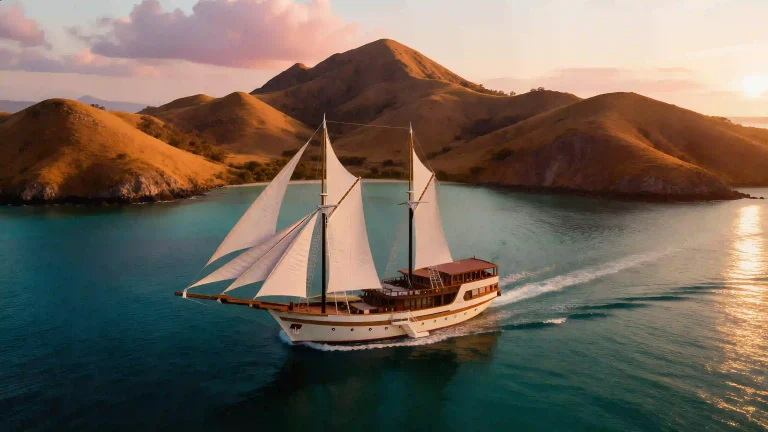
Choosing The Right Komodo Boat: Budget To Luxury
Before diving into the specifics, it's essential to understand the different types of boats available for your Komodo Island tour.…
24 min read
Trip Planning & Costs
Prices, Inclusions & Hidden Costs Of Komodo Tours 2026
When planning your visit, understanding the Komodo island tour price 2026 is crucial. On average, prices for day tours starting…
22 min read
Trip Planning & Costs
Komodo National Park Snorkeling Itinerary From Labuan Bajo
Komodo National Park, a UNESCO World Heritage site, is renowned for its diverse ecosystems, including stunning coral reefs and unique…
25 min read
Trip Planning & Costs
How Many Days In Komodo? 2D1N vs 3D2N vs 4D3N
A 2D1N tour is ideal for travelers pressed for time. Most operators offer this condensed experience, which typically includes visits…
23 min read