The Best Snorkeling Gear for 2027: What to Bring to Komodo
Komodo Island Snorkeling Editorial Desk 22 min read
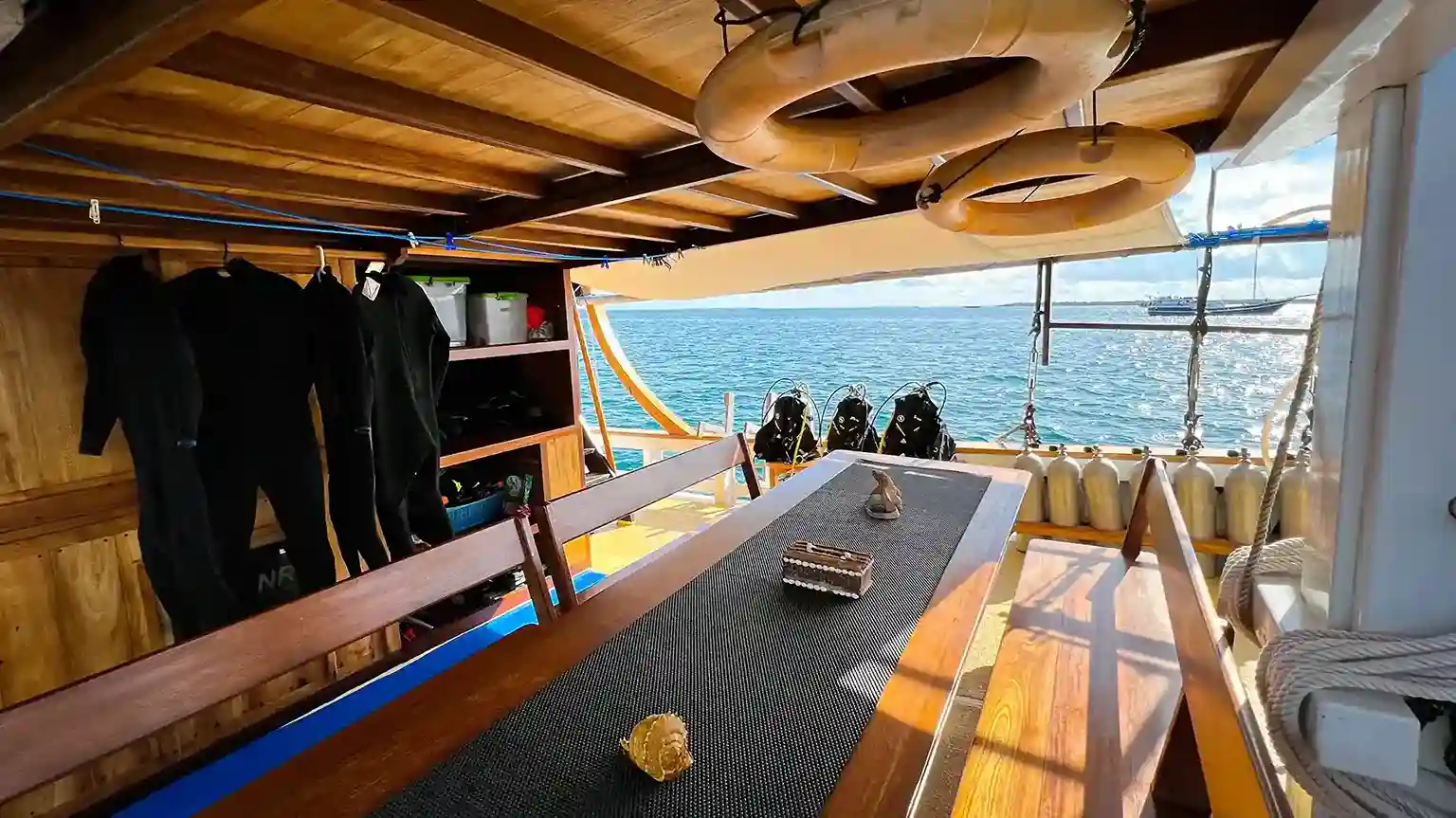
For the best snorkeling experience in Komodo in 2027, bring updated gear such as full-face masks, lightweight fins, and eco-friendly wetsuits.
Choosing Your Snorkeling Gear for Komodo in 2027
Visiting the Komodo Islands in 2027 requires not just enthusiasm for the vibrant underwater world but also the best snorkeling gear to ensure a safe and enjoyable experience. As technology evolves, so does snorkeling equipment. Here’s a guide to the essential snorkeling equipment you should consider for your trip.
Innovative Snorkeling Masks
Snorkeling masks have seen significant advancements in recent years. Full-face masks are increasingly popular due to their panoramic view and ease of breathing. In 2027, opt for masks with enhanced anti-fog coatings and integrated snorkels to improve your underwater visibility and comfort. These masks are ideal for both beginners and seasoned snorkelers exploring Komodo’s marine life. Look for models that offer 180-degree visibility, allowing you to fully appreciate the colourful coral and diverse marine species. Some of the latest masks also feature detachable snorkels, which can be convenient for packing and maintenance.
Lightweight and Efficient Fins
The right fins can significantly enhance your snorkeling experience. Look for lightweight fins that offer excellent thrust without requiring excessive energy. In 2027, many snorkelers are choosing fins made from recycled materials, helping to preserve the environment. Efficient fins reduce fatigue, allowing you to explore Komodo’s underwater scenery longer. Consider fins with adjustable straps to ensure a secure fit, which is particularly important if you plan to snorkel for extended periods. Models made with carbon fibre or reinforced polymer are favoured for their strength-to-weight ratio, providing both power and comfort.
Eco-Friendly Wetsuits
Wetsuits are essential for maintaining body temperature and protecting against sunburn and stings. In 2027, eco-friendly wetsuits made from sustainable materials are a top choice for environmentally conscious snorkelers. These wetsuits offer UV protection and are designed to be durable and flexible, ensuring comfort during long snorkeling sessions in Komodo. Materials such as limestone-based neoprene or plant-based alternatives provide excellent insulation while reducing environmental impact. When selecting a wetsuit, consider thickness based on the season; 2-3mm suits are generally suitable for Komodo’s warm waters, but thicker options may be necessary during cooler months.
Waterproof Cameras and Accessories
Capturing the beauty of Komodo’s marine life is a must. Waterproof cameras have become more advanced, offering higher resolution and better battery life. In 2027, look for cameras with built-in stabilization features and easy connectivity options to share your experiences instantly. Don’t forget to bring extra memory cards and batteries for uninterrupted recording. Consider cameras capable of shooting in 4K resolution to ensure high-quality footage. Accessories such as floating hand grips and lens filters can enhance your photography, allowing you to capture the stunning colours of the underwater environment.
Essential Snorkeling Equipment Checklist
- Full-face snorkeling mask with anti-fog coating
- Lightweight, eco-friendly fins
- Eco-friendly wetsuit with UV protection
- Waterproof camera with accessories
- Snorkel vest for added buoyancy and safety
- Mesh bag for easy gear transport
For a personalized snorkeling experience, consider utilizing the customization services available to tailor your gear to specific needs and preferences. These services might include fitting sessions or consultations on advanced gear, ensuring that your equipment is perfectly suited to your snorkeling style and the conditions in Komodo.
2027 Note on Snorkeling in Komodo
As of 2027, the Komodo Islands continue to be a premier snorkeling destination. Due to increasing environmental awareness, many snorkelers are choosing gear that minimizes impact on marine ecosystems. Consider supporting local initiatives that focus on preserving the coral reefs and marine biodiversity you are there to enjoy. Participation in eco-tourism programs can enhance your experience and contribute to conservation efforts. Be mindful of guidelines such as maintaining a safe distance from marine life and avoiding contact with coral reefs to prevent damage.
FAQ
What snorkeling gear is recommended for 2027 visits to the Komodo Islands?
For 2027 visits to the Komodo Islands, it is recommended to bring a full-face mask, lightweight fins, an eco-friendly wetsuit, and a waterproof camera. Consider additional items such as a snorkel vest for buoyancy, especially if you are new to snorkeling or plan to spend extended periods in the water.
How can I ensure my snorkeling gear is environmentally friendly?
Choose equipment made from sustainable materials, such as recycled plastics, and opt for brands that support marine conservation efforts. Look for certifications or endorsements from environmental organisations, which can guide you towards products with lower environmental impact.
Are there facilities to rent snorkeling gear in Komodo?
Yes, there are facilities where you can rent snorkeling gear, but it’s advisable to bring your own to ensure quality and comfort. If you choose to rent, inspect the equipment thoroughly for any signs of wear or damage, and try on the gear to ensure a proper fit before heading out to snorkel.
Komodo Snorkeling Gear Checklist and Packing Strategy
For a 2027 trip, start your Komodo Island snorkeling gear list with what you absolutely should bring from home, then add what you can rent in Labuan Bajo or on the boat. This balance keeps your luggage manageable while ensuring key items like a well‑fitting mask and sun protection are under your control.
Non‑negotiable items to pack from home
- Snorkel mask you already trust: If you are wondering, “should I bring my own snorkel mask to Komodo?”, the answer is yes if you have one that fits well and does not fog easily. Rental masks are fine, but nothing beats your own perfectly adjusted strap and skirt.
- Snorkel (preferably dry‑top): A dry‑top model helps in choppy conditions when waves roll over you at sites like Batu Bolong.
- Rash guard and leggings: You do not strictly need a wetsuit, but a UPF 50+ long‑sleeve rash guard and thin leggings protect from both sun and jellyfish strands. If you ask “do I need a rash guard for Komodo snorkeling?”, it is the single most effective layer of sun protection you can bring.
- Reef‑safe sunscreen: Choose a non‑nano zinc or titanium mineral formula labeled “reef‑safe.” Apply at least 20–30 minutes before getting in so it bonds to your skin and does not wash off instantly.
- Mask defog: A small bottle avoids constant rinsing and improves comfort during long drifts such as at Karang Makassar.
- Dry bag (5–15 L): If you ask “do I need a dry bag for Komodo snorkeling?”, the realistic answer is yes for phones, passports, and cameras during wet dinghy transfers.
- Personal medication & first aid: Seasickness tablets, painkillers, and any prescriptions should be in a waterproof pouch.
- Travel insurance documents: Travel insurance that covers snorkeling in Komodo is strongly recommended; print or download your policy and emergency numbers offline.
What can be rented in Labuan Bajo or on the boat?
Standard snorkeling equipment for Komodo National Park—mask, snorkel, fins, and life jacket—is often provided on day boats and Komodo liveaboard charters, but quality and sizing vary. Many operators charge a small daily fee for fins or full sets. If you have very small or very large feet, bring your own fins to avoid comfort issues.
Renting snorkel gear in Labuan Bajo is straightforward. Several dive shops along the main road offer sets for a daily or multi‑day rate, typically including mask, snorkel, open‑heel fins, and sometimes a shorty wetsuit. This is convenient if you are backpacking and do not want to carry bulky fins on flights, though you will spend extra time fitting and checking gear the afternoon before departure.
Smart extras for comfort and safety
- Soft booties or water shoes: Useful for shore entries at Pink Beach and sandy shallows like Taka Makassar, and they pair well with open‑heel fins.
- Surface marker buoy (SMB) and whistle: Especially if you are a confident swimmer who may drift slightly away from the group in stronger currents.
- Lightweight towel or poncho: Quick‑dry microfiber is best; heavier cotton towels stay damp on deck.
- Polarized sunglasses and wide‑brim hat: Reduce glare between sessions and protect your eyes from intense reflection off the water.
- Small power bank: Useful if you are asking “can I charge camera on Komodo snorkeling tour?”—yes, most boats have power, but capacity can be limited and sometimes only available when the generator runs.
If you want a complete snorkeling gear checklist for a Komodo Island trip with line‑by‑line costs, cross‑reference your packing with the estimates in our Komodo Island Snorkeling Cost & Pricing Guide and, for multi‑day trips, the family‑focused breakdown in Komodo Liveaboard Costs 2026–2027: A Price Guide.
Rental Versus Personal Gear, Family Needs, and Packing Logistics
Deciding whether you need your own snorkel gear in Komodo depends on your budget, experience level, and how picky you are about fit. Below is how we advise different traveler types: beginners, families with kids, and experienced snorkelers or photographers.
Do I need my own snorkel gear in Komodo?
If you are comfortable with basic rental equipment, you do not strictly need a full personal set. However, bringing your own mask and snorkel significantly improves comfort. Fins and life jackets are easier to borrow; most boats provide life jackets as standard safety equipment, and they are mandatory on many Komodo snorkeling tours during transfers and for weaker swimmers.
Many visitors ask specifically about “Komodo snorkeling gear provided on boat.” Typical inclusions are:
- Mask and snorkel (often basic but functional models)
- Fins in a range of sizes
- Life jackets for each guest
- Sometimes short wetsuits or thin neoprene vests, depending on the operator
If you book through operators partnering with Komodo Luxury, gear availability is clarified before departure, and sizes for children can be requested in advance.
Renting snorkel gear in Labuan Bajo: what to expect
Labuan Bajo dive shop snorkel gear rental prices are usually charged per day or per trip, with packages for mask, snorkel, and fins. Rates vary by shop and gear quality, but are generally modest compared with overall trip costs. High‑end dive centers sometimes offer better‑maintained gear and more size options, which is worth the small premium if you are snorkeling multiple days.
If you are planning a Labuan Bajo snorkeling day trip and wondering what to bring, combine: swimwear, rash guard, reef‑safe sunscreen, hat, sunglasses, dry bag, towel, and your phone/camera in a waterproof case. Pack light, as deck space can be limited on smaller boats.
Packing for boats and liveaboards: suitcases, charging, and storage
Most visitors ask, “can I bring suitcase on Komodo snorkeling boat?” For day trips, soft duffel bags are preferred; large hard suitcases are awkward on narrow gangways and take up space on deck. For a multi‑day Komodo boat charter or liveaboard, a medium suitcase is usually fine, but soft luggage still stows more easily under beds.
As for power, you generally can charge a camera on Komodo snorkeling tours. Larger vessels and liveaboards have multiple sockets in cabins or saloons; day boats may have a central charging station that runs when the generator is on. Bring a power bank and a multi‑USB cable so you are not dependent on limited outlets during peak times.
Snorkeling with kids and family‑friendly spots
For families, the priority is calm water, easy boat access, and reliable flotation. When people search for “best family friendly snorkeling spots Komodo” or “family friendly snorkeling spots in Komodo,” we usually recommend sheltered areas with weak currents and shallow reefs. Depending on daily conditions, crew often choose gentle sites near Kanawa, Sebayur, or protected corners of Pink Beach before taking you to more exposed reefs.
For snorkeling with kids in Komodo, insist on correctly sized life jackets, smaller masks, and shorter fins. Many families find that a private or semi‑private boat—such as a tailored Komodo sailing trip—allows them to adjust schedule and sites to children’s energy levels, especially if combining dragon walks and snorkeling in one long day like the itinerary in Padar Sunrise, Rinca Dragons & Pink Beach In One.
If you are on a budget, the cheapest way to do Komodo snorkeling from Flores is usually a shared day trip from Labuan Bajo on a simple wooden boat. These often include basic rental gear and lunch. For more comfort, shade, and flexible timing, private boats cost more but can be shared among a group of friends or family.
Choosing Snorkeling Sites, Wildlife Expectations, and Ethical Guidelines
The best reefs for snorkeling in Komodo vary by tide, season, and your comfort with current. A well‑planned itinerary mixes shallow coral gardens, sandbars, and gentle drifts. Discuss your experience level with your operator beforehand so they can choose appropriate sites in Komodo National Park.
Beginner‑friendly and family‑oriented snorkeling sites
For Komodo Island snorkeling for beginners, look for protected bays and sloping reefs. Common choices on calm days include:
- Pink Beach (near Komodo Island): Shallow coral patches right off the shore, usually with mild current, making it good for first timers.
- Sebayur area: Some of the best house reef snorkeling near Labuan Bajo, Sebayur offers easy entry, gentle slopes, and plenty of reef fish close to the surface.
- Kanawa Island: Often included on day trips, with sandy entries and patch reefs ideal for shorter sessions.
A calm, sandy spot like the Taka Makassar sandbar is also great to build confidence. For Taka Makassar sandbar snorkeling tips: stay within guide‑indicated areas, avoid standing on any coral patches that fringe the sandbar, and keep an eye on drift direction, as currents can pick up quickly along the edges.
Manta, turtles, and other wildlife: expectations and ethics
Karang Makassar, near Taka Makassar, is renowned for manta encounters. For ethical manta ray snorkeling guidelines in Komodo, maintain at least 3–4 meters distance, never chase or block their path, and stay horizontal at the surface rather than diving down into their cleaning stations. Our dedicated guide, Is Snorkeling with Manta Rays in Komodo National Park Safe?, explains how current and boat traffic affect encounters.
For responsible wildlife distance snorkeling with turtles in Komodo, keep about 3 meters, avoid swimming directly above them, and do not touch or feed them. Turtles often graze calmly on sea grass beds if you simply float nearby.
Other highlights include cuttlefish and squid snorkeling in Komodo’s shallows, where you may see color‑changing displays over seagrass, and early‑morning schools of bumphead parrotfish on certain reefs. If you are searching for where to find bumphead parrotfish snorkeling Komodo, ask your guide about known aggregation points; they are usually near steep reef corners with strong surge, so conditions must be right.
Dugong sightings snorkeling near Komodo are rare but occasionally reported in quieter seagrass bays. Treat these as a lucky bonus, not a guaranteed highlight, and always keep noise and splashing to a minimum when in such habitats.
Sun protection, reef safety, and photography
Sun protection for Komodo snorkeling is crucial; you will often spend 6–8 hours exposed on deck and in the water. Combine a long‑sleeve rash guard, wide‑brim hat, polarized sunglasses, and reef‑safe sunscreen for Komodo National Park snorkeling on any exposed skin. Reapply between sessions, but remember that clothing provides more consistent protection than lotions alone.
For photography, many visitors bring a Komodo Island snorkeling GoPro or a similar action camera. The best budget underwater camera for Komodo snorkeling is usually a current‑generation action cam with at least 4K recording, a red filter or color‑correction mode, and two spare batteries. Always attach a floaty handle or wrist lanyard; currents and distracted swimming are a common combination for losing cameras.
If you are considering a longer itinerary focused on snorkeling photography, look at customized Komodo yacht charter options, which can be tuned to visit clearer‑water sites when visibility is best, as discussed in our seasonal breakdown in Best Time Komodo Snorkel: Visibility + Manta Season.
Finally, when evaluating operators or reading snorkeling Komodo TripAdvisor reviews, pay attention to comments on guide briefings, group size, and how strictly wildlife distance rules are enforced. These factors affect both safety and how sustainable your visit is for the reefs and animals you came to see.
Frequently Asked Questions
What snorkeling equipment do I need for Komodo National Park?
You need a well‑fitting mask, snorkel, fins, and strong sun protection such as a rash guard and reef‑safe sunscreen. Most boats provide life jackets and basic gear, but bringing your own mask and snorkel improves comfort and hygiene. Add a dry bag, quick‑dry towel, and small first‑aid or seasickness kit to make long days on the water easier.
Is it better to rent or bring my own snorkel mask to Komodo?
Bringing your own snorkel mask is better if you already own one that fits well and does not leak. Rental masks in Labuan Bajo and on boats are generally serviceable but may not seal perfectly on every face, especially for kids. If you only invest in one personal item for Komodo, make it a good‑quality mask and, ideally, your own snorkel.
Are there good family friendly snorkeling spots in Komodo?
Yes, several Komodo sites are suitable for families, especially in calmer conditions. Pink Beach, Kanawa, and the reefs around Sebayur often offer gentle slopes, shallow coral, and relatively mild currents. For snorkeling with kids, ask your operator to prioritize protected bays and shorter sessions, and check that child‑sized life jackets and masks are available before you book.
Can I charge my camera on a Komodo snorkeling tour boat?
On most larger boats and liveaboards you can charge cameras and phones, but access to outlets may be limited and sometimes only available when the generator is running. Day boats may have just one shared charging area. Bring a fully charged power bank, your own cables, and a multi‑USB adapter so you are not dependent on a single socket during busy periods.
Is travel insurance needed for Komodo snorkeling trips?
Travel insurance is not legally required but is strongly recommended for Komodo snorkeling trips. Choose a policy that explicitly covers snorkeling and small‑boat excursions, plus medical evacuation from remote islands. Currents can be strong, boat schedules tight, and flights occasionally delayed, so insurance helps protect you against both medical costs and last‑minute itinerary changes.
Do Komodo snorkeling boats provide life jackets?
Yes, reputable Komodo snorkeling boats provide life jackets for all guests, and you are often required to wear them during transfers or in stronger currents. If you are not a confident swimmer or are traveling with children, confirm life jacket availability and sizes when booking. On arrival, check straps and buckles, and request a different size if the fit is loose or uncomfortable.
What are the best reefs for snorkeling in Komodo for beginners?
For beginners, look for sheltered reefs such as Pink Beach, some corners of Kanawa, and house reefs near Sebayur, where currents are usually milder and coral starts in shallow water. Ask your guide to avoid exposed sites when tides are running strong. Mixed‑ability groups often start in easy bays before progressing to more advanced spots if everyone is comfortable.
How far in advance should I book a Komodo snorkeling day trip?
Last minute Komodo snorkeling day trip booking is sometimes possible in Labuan Bajo, especially outside peak season, but relying on it is risky. Because the park now has a daily visitor quota, boats and permits can fill up. For July–August or holiday periods, secure your spot several weeks ahead using a trusted planner or our Contact Komodo Island Snorkeling page.
Trip Inclusions vs. Your Personal Packing List for Komodo
A frequent question readers send is, what is included in a Komodo snorkeling tour? While reputable operators provide the essentials, understanding what to bring yourself is the key to a comfortable and memorable trip. On virtually all partner vessels, from day trips to multi-night charters, standard snorkeling equipment is included. This typically means a generic-fit mask, a basic snorkel, a pair of fins, and a life vest. Meals, snacks, and drinking water are also standard provisions. However, for the best possible Komodo island snorkeling experience, relying solely on provided gear has its trade-offs.
Your snorkeling gear checklist for Komodo Island trip should prioritize personal comfort and performance. A mask that fits your face perfectly without leaking is non-negotiable; a bad fit can ruin a session at a world-class site like Manta Point. If you wear glasses, a prescription mask is a game-changer you must bring from home. When considering what to pack for a Komodo snorkeling trip, think beyond the gear. We highly recommend a long-sleeved rash guard for sun and jellyfish protection, a high-SPF reef-safe sunscreen, a dry bag for electronics, and a portable power bank. While the boat provides the basics, these personal items elevate your safety and enjoyment significantly, especially on a comprehensive Labuan Bajo day tour where you’re in and out of the water multiple times.
The Onboard Experience: Safety, Connectivity, and Itinerary Realities in 2027
When you join a tour, understanding what to expect on a Komodo open trip snorkeling boat helps set you up for a great adventure. Safety is paramount. Komodo Luxury’s partner boats are equipped with essential safety gear, and the answer to do boats provide life jackets for Komodo snorkeling is a firm yes; they are mandatory for all passengers. Your guide will provide a briefing on currents and site-specific conditions before you enter the water. This is crucial for your safety and for practicing the best eco-friendly snorkeling behavior in Komodo, such as never touching coral or chasing marine life. For a deeper dive into responsible tourism, our 2027 guide to sustainable snorkeling is an essential read.
As for life on board, especially on multi-day trips, it’s important to manage expectations regarding modern conveniences. A common query is, is there wifi on Komodo snorkeling boats? The answer is almost always no. You will be offline for the majority of your trip, which is part of the appeal of this remote UNESCO World Heritage Site. Charging facilities are often limited to a central area, so a personal power bank is vital for cameras and phones. Regarding your schedule, while operators have a planned route, the best 3D2N Komodo snorkeling itinerary is one that remains flexible to weather and sea conditions. The captain will always prioritize safety, which might mean altering the sequence of visits to Padar Island, Pink Beach, or Karang Makassar. This adaptability is a hallmark of experienced crews running a premium Komodo liveaboard charter.
Gear choices shift with the calendar, so read this alongside the seasonal advice collected under best time, gear and tips.
More Questions About The Best Snorkeling Gear for 2027
Is the snorkeling gear rental in Labuan Bajo better than bringing my own?
Bringing your own gear, especially your mask, is almost always better. A personal mask guarantees a perfect fit, preventing leaks that can frustrate your experience. While you can rent gear in Labuan Bajo, quality and hygiene can vary between shops. For something as crucial as your vision underwater, having your own trusted equipment is the superior choice for a serious snorkeling trip in Komodo.
Is snorkeling enough or do I need to dive in Komodo?
Snorkeling is absolutely enough to have a world-class marine experience in Komodo. Many of the most vibrant reefs and iconic wildlife encounters, including with manta rays at Manta Point and turtles at Siaba Besar, occur in the top 5-10 meters of water. Komodo’s shallow-water biodiversity is staggering, making it a premier destination where snorkeling is a primary activity, not a secondary option to diving.
Is Siaba Kecil known for snorkeling with turtles?
While Siaba Kecil is more famous as a dive site, its nearby sister site, Siaba Besar (often called Turtle Town), is the prime location for snorkeling with green sea turtles. The calm, shallow bay at Siaba Besar is a resting and feeding ground for dozens of turtles, offering incredibly reliable and close encounters for snorkelers. It is a frequent and beloved stop on many Komodo snorkeling itineraries.
What are the safety differences when snorkeling with mantas in Komodo vs Nusa Penida?
The key safety factor in Komodo is the presence of strong, often unpredictable currents. However, reputable Komodo operators use experienced guides who are experts at reading these conditions, ensuring you snorkel in safe, managed drifts. In contrast, Nusa Penida can be extremely crowded. The main safety advantage in Komodo is the regulated, small-group environment within a national park, leading to a more controlled and respectful wildlife encounter.
What should I expect from my Komodo Island snorkeling trip?
Expect breathtaking underwater landscapes with vibrant coral, a huge diversity of fish, and encounters with large marine life like manta rays, turtles, and reef sharks. Also expect strong sun and variable sea currents. Onboard, facilities are functional but basic on most boats. Be prepared to be mostly offline. The experience is less about luxury amenities and more about raw, natural beauty in a remote, protected environment. You can explore options in our guide comparing shared and private Komodo tours.
What is the best 3D2N Komodo snorkeling itinerary?
A classic and highly effective 3D2N itinerary balances snorkeling with iconic landscapes. Day 1 often includes central park sites like Kelor and Rinca for a dragon trek. Day 2 focuses on the highlights: the Padar Island sunrise hike, Pink Beach snorkeling, and a long session at Manta Point. Day 3 might include more northern sites like Siaba Besar (Turtle Town) and Kanawa Island before returning to Labuan Bajo.
This guide does not operate boats. Bookings are fulfilled by Komodo Luxury, and this site may earn a referral commission.
Keep reading
More from the journal
Best Time, Gear & Tips
How to Capture the Perfect Underwater Photos While Snorkeling in Komodo
Komodo's clear waters and diverse marine life offer an exceptional setting for underwater photography. To make the most of your…
21 min read
Best Time, Gear & Tips
Technology in Snorkeling: Gadgets to Enhance Your Komodo Experience
The integration of technology into snorkeling is transforming how enthusiasts experience the waters around Komodo Island. With the introduction of…
20 min read
Best Time, Gear & Tips
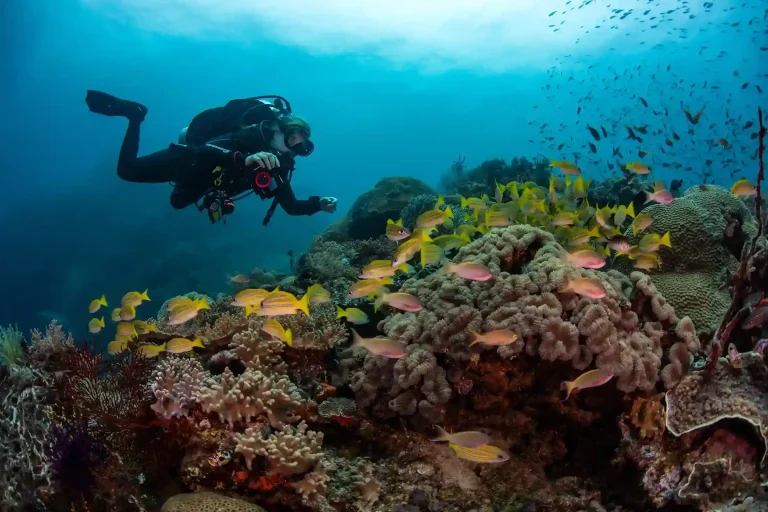
Predicting Snorkeling Trends in Komodo for 2027
The Komodo Islands, renowned for their diverse marine life and vibrant coral reefs, are predicted to witness significant changes in…
23 min read
Best Time, Gear & Tips
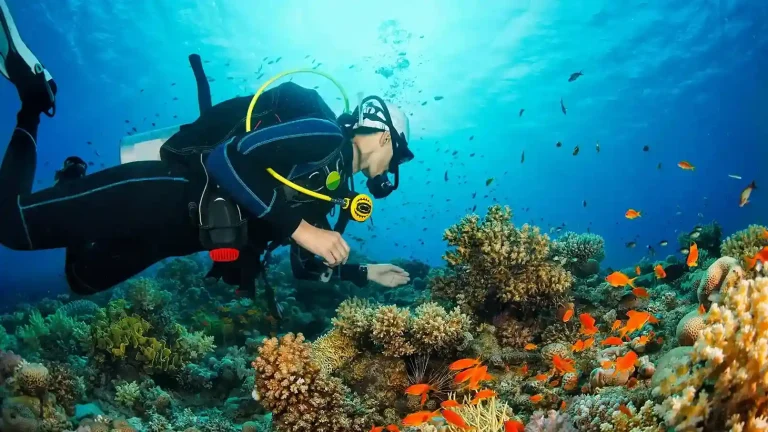
The Evolution of Snorkeling Tours in Komodo
The evolution of snorkeling tours in Komodo reflects a shift from basic, local-led adventures to sophisticated, eco-conscious experiences. As demand…
22 min read
Best Time, Gear & Tips
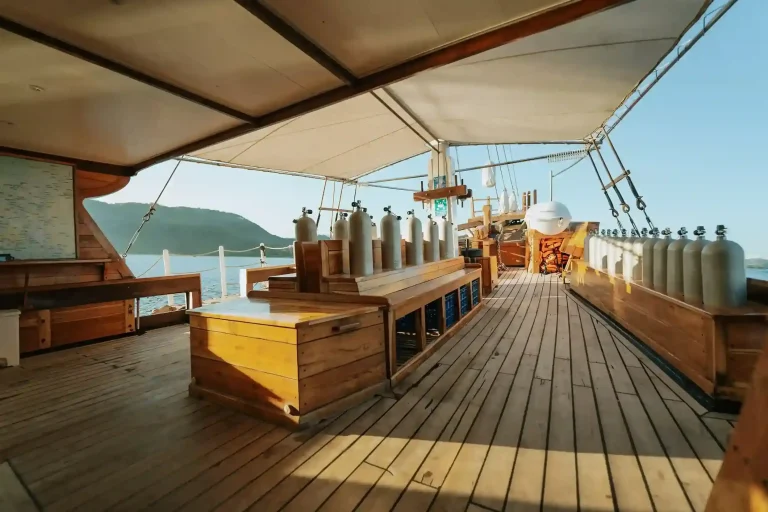
What To Pack For A Komodo Liveaboard & Island Hopping
On a liveaboard you are essentially living on a boat for several days, usually three to seven. Your packing should…
23 min read
Best Time, Gear & Tips
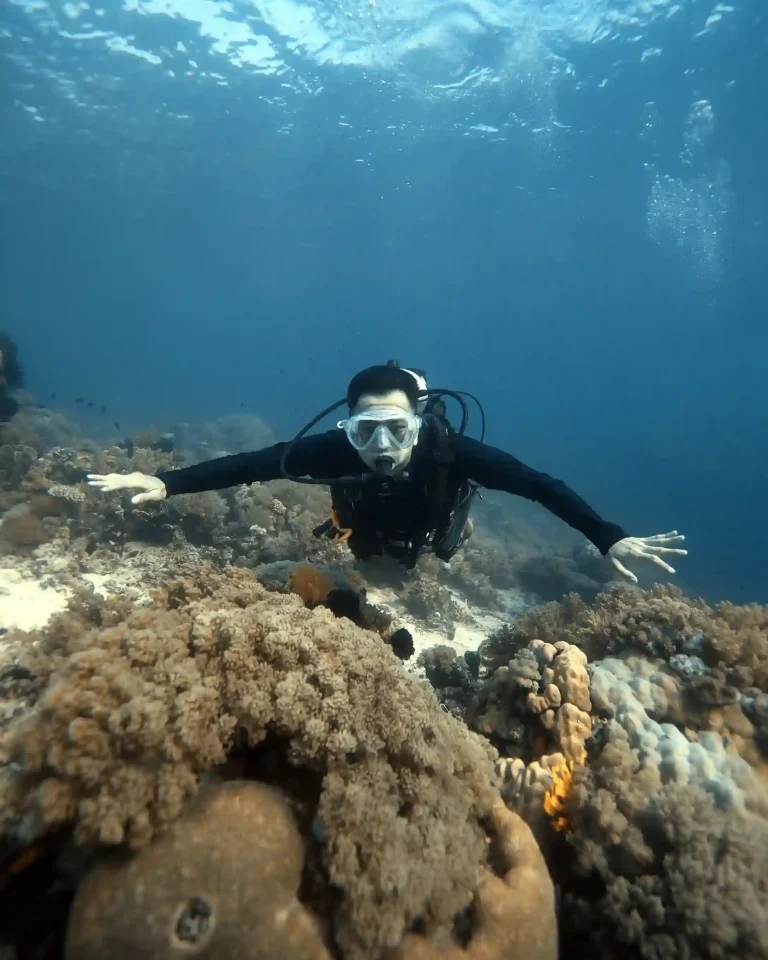
Advanced Snorkelers & Divers: Tackling Komodo’s Currents Safely
Komodo National Park is known for its strong and unpredictable currents, making it essential to understand how they work before…
25 min read