Skip to content
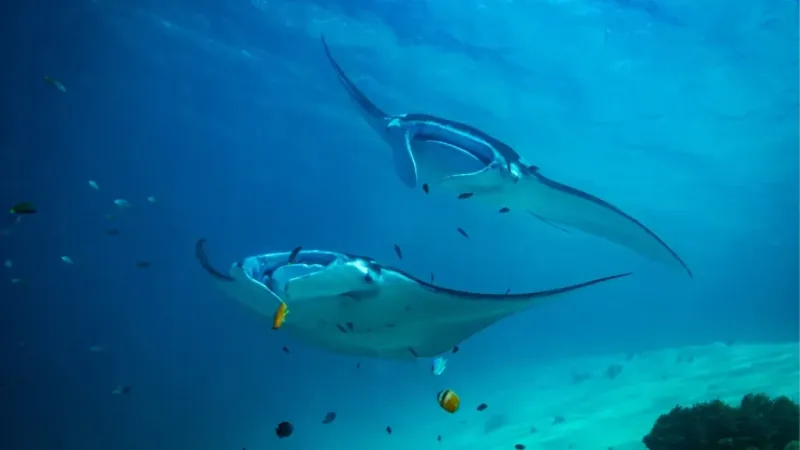
Two reef manta rays gliding over a pale sandy seabed in open blue water

Trust & about

Four pillars, and the limits of each.

Conservation, emissions, community income and waste — what is committed to, and the park rules that bind every snorkeller in the water.

On this page

The short version

The commitments

For Komodo Island Snorkeling and our parent company, Juara Holding Group, sustainability is not a marketing term; it is a core operational principle. The long-term viability of this guide is intrinsically linked to the health of the Komodo National Park ecosystem and the well-being of its local communities. We are committed to a model of tourism that is regenerative, respectful, and responsible.
Biodiversity and heritage

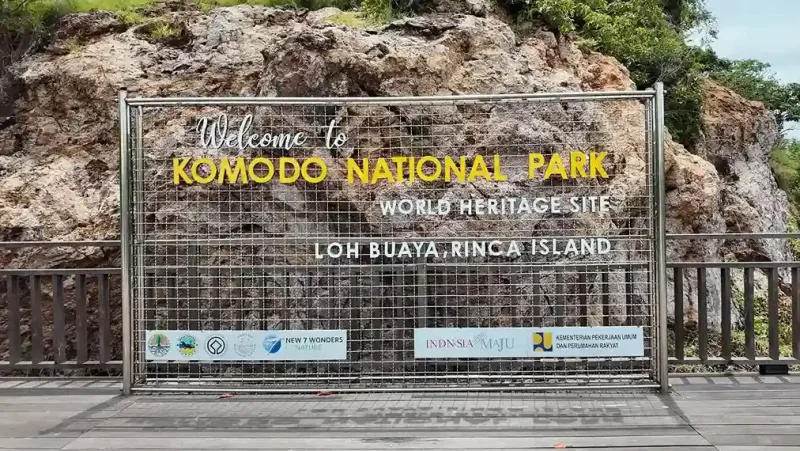
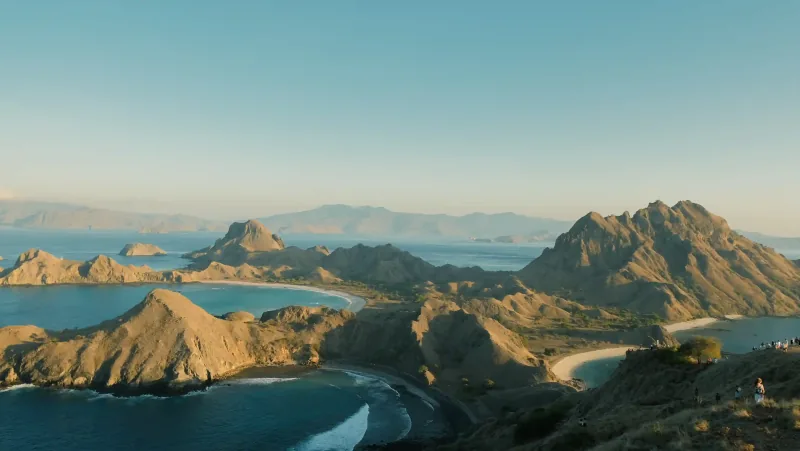
Komodo National Park is more than just an exotic destination; it is a global treasure, recognized by UNESCO for its outstanding universal value. This remarkable sanctuary, spanning approximately 1,733 square kilometers of land and sea, harbors a biodiversity that makes it an essential pillar of marine conservation in Indonesia. While the legendary Komodo dragons draw global attention to its terrestrial wonders, it is the vibrant, kaleidoscopic marine ecosystems that captivate those who embark

The practical side of these commitments — currents, briefings, and what a responsible operator does on the day — is covered across safety and sustainability.

Rules in the water

By 2026, Komodo National Park has tightened marine rules to keep reefs and megafauna healthy while still allowing world-class snorkeling. These guidelines apply whether you join a day trip from Labuan Bajo or a multi-day Komodo liveaboard charter.

Currents and families

Komodo is spectacular but not a “jump in and hope for the best” destination. Many incidents are avoidable with the right planning, especially for families and new snorkelers. When you book a private Komodo yacht charter or join a small-group boat, ask specific questions about briefings, life jackets, and child policies before confirming.

Quotas and zoning

Understanding how the park manages numbers and zones is part of being a responsible guest. The Komodo National Park visitor quota 2026 is set at 1,000 visitors per day across the entire park, split into three scheduled sessions. This is a park-wide cap, not a quota per island or snorkeling site, and is enforced through mandatory e-ticketing for Komodo and Padar via the SiOra system.

Questions

What people ask

23 answers, grouped. Pick the set you need.

Depth limits, life jackets, and snorkeling zones

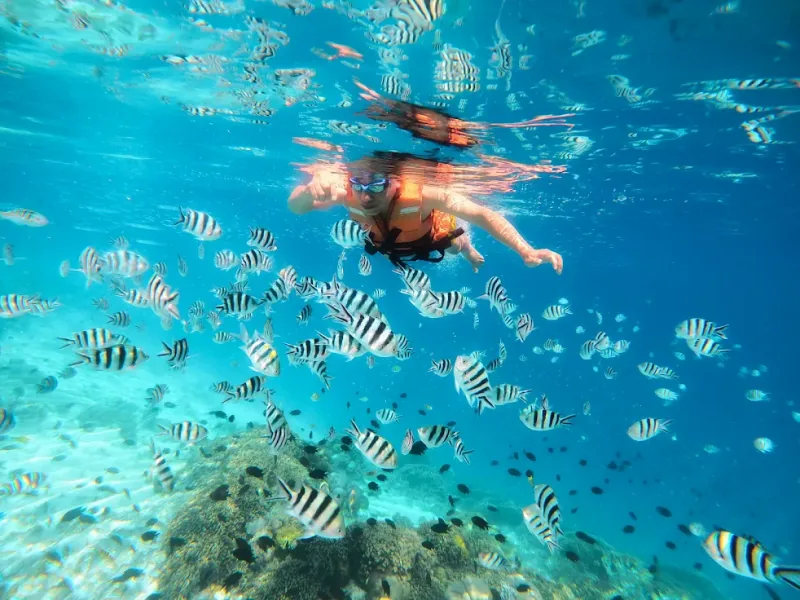
There is no fixed “Komodo National Park snorkeling depth limit” written into regulations, but operators generally keep guests in the top 2–6 meters where light and colors are best and risks are lower. Strong swimmers may explore a bit deeper, yet you must always stay within guide sight and above any no-snorkeling signs or surface marker buoys. Many boats require a life jacket for entry and exit at sites with currents, and for all children, weak swimmers, or first-time snorkelers. Some high-sensitivity reefs have partial or seasonal restrictions. Batu Bolong, for example, is primarily a dive site; in some seasons or conditions, boats voluntarily apply a Batu Bolong snorkeling ban to avoid collisions between divers and snorkelers and to protect coral pinnacles. At other times, controlled surface snorkeling may be allowed, but only with close guide supervision and in calm seas. Always follow your boat’s briefing and check any current park rules for 2026 snorkeling access.

No fishing, no collecting, no touching

Komodo National Park is a no-take area for visitors: there is a clear Komodo snorkeling no fishing rule. Fishing, spearfishing, or catching octopus, lobster, or ornamental fish while snorkeling is prohibited. That also means no hooks trailing behind the boat, and spearfishing is not allowed while snorkeling in Komodo under current conservation regulations. There is also a strict Komodo National Park no collecting coral or shells policy. Removing dead coral, shells, starfish, sand, or any marine life is illegal; rangers can confiscate items and fine offenders. The no touching coral rule in Komodo extends to standing on reefs, holding on to bommies, or pushing off rocks with fins. Good buoyancy and slow fin kicks are essential parts of responsible snorkeling in Komodo National Park.

Snorkeling with manta rays and other megafauna

At Karang Makassar (“Manta Point”), how close you can get to mantas in Komodo is defined by park etiquette rather than a measured distance. The general rule is: mantas may approach you; you never chase them. Guides usually advise staying at least 3–4 meters away horizontally, never diving down from above, and always giving right of way to feeding or cleaning mantas. If a manta swims directly toward you, remain still at the surface and let it pass. Karang Makassar is also known for currents. Understanding Komodo Island snorkeling currents at Manta Point is essential: boats often do drift snorkels, dropping you up-current and picking you up down-current. You should listen carefully to current briefings, always keep a surface marker or brightly colored float in the group, and stay within a few fin kicks of your guide. If you feel the current intensifying, signal the guide early rather than trying to fight it alone.

When the plan is ready

Send Komodo Luxury your dates and party size.

We will tell you which published band your trip lands in and what the park will charge you, then hand the quote to Komodo Luxury.

Book with Komodo Luxury