Snorkeling Spots & Marine Life
Where to Snorkel in Komodo in 2027
Komodo Island Snorkeling Editorial Desk 23 min read
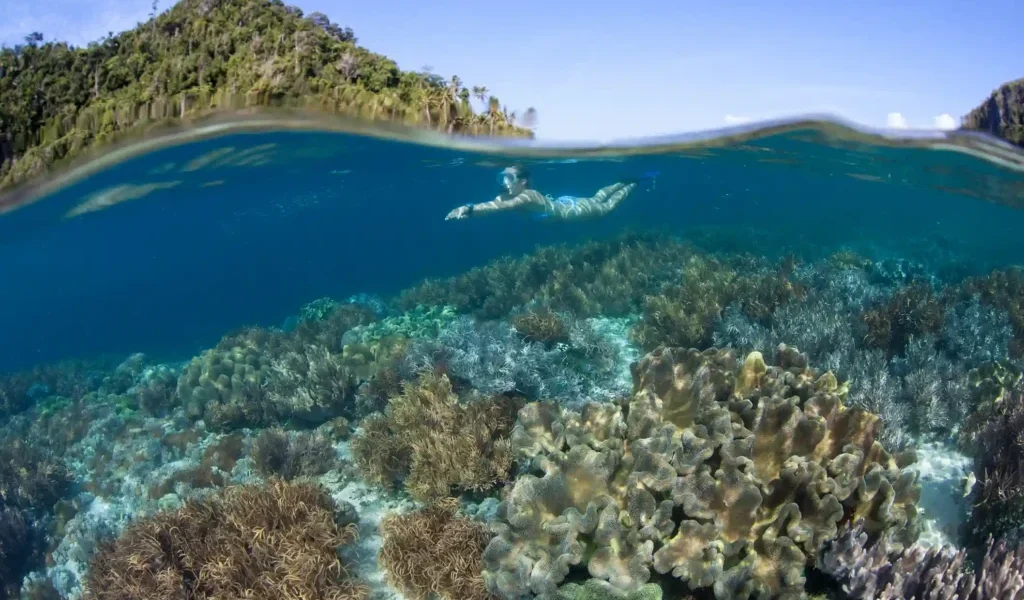
Explore the top snorkeling destinations in the Komodo Islands for 2027, featuring vibrant marine life and stunning coral reefs. Discover trending snorkeling spots that promise unforgettable underwater experiences.
Where to Snorkel in Komodo in 2027
The Komodo Islands are globally renowned for their pristine waters and diverse marine ecosystems. As we approach 2027, snorkelers can look forward to exploring the top snorkeling destinations Komodo 2027 offers, each promising an unforgettable underwater adventure. Here, we spotlight the top five snorkeling locations that should be on every enthusiast’s itinerary.
1. Pink Beach
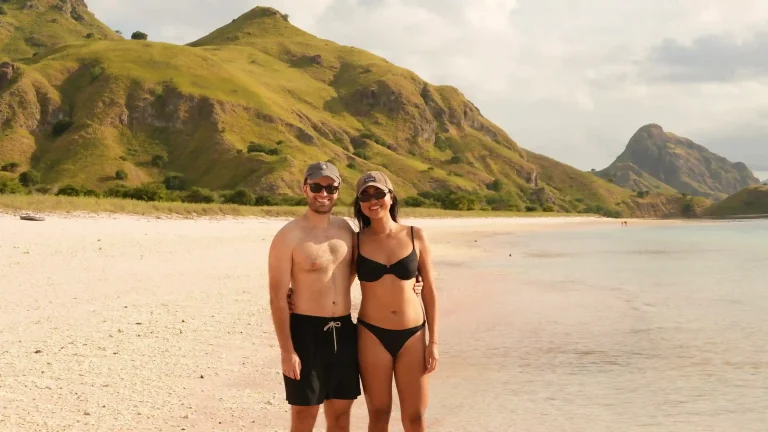
Known for its unique pink-hued sand, Pink Beach offers stunning snorkeling opportunities. The beach’s distinct colour results from microscopic red organisms called foraminifera, which blend with the white sand. The vibrant coral reefs and variety of fish, such as clownfish and parrotfish, make it a must-visit destination. The best time to visit is during the dry season, from April to November, when the water is at its clearest. As one of the trending snorkeling spots, it attracts visitors eager to explore the colourful marine life.
2. Kanawa Island
Kanawa Island is a haven for those seeking thriving coral gardens and an abundance of marine species. The island spans approximately 35 hectares and is surrounded by crystal-clear waters that make it an ideal spot to observe the underwater world. Here, snorkelers can encounter sea turtles, starfish, and diverse coral species. The island is accessible by a short boat ride from Labuan Bajo, and the best time for snorkeling is during the early morning or late afternoon to avoid the midday heat. This makes it one of the 2027 travel hotspots for snorkelers.
3. Tatawa Besar
Tatawa Besar offers a gentle drift snorkeling experience, perfect for beginners and seasoned snorkelers alike. Spanning over 20 hectares, the current here allows for effortless exploration of the vibrant reef ecosystems, including anemones and soft corals. The site is also home to species such as the Napoleon wrasse and eagle rays. To maximise your experience, plan your visit during the dry season when the waters are calm. This destination is gaining popularity as a top snorkeling destination Komodo 2027.
4. Manta Point
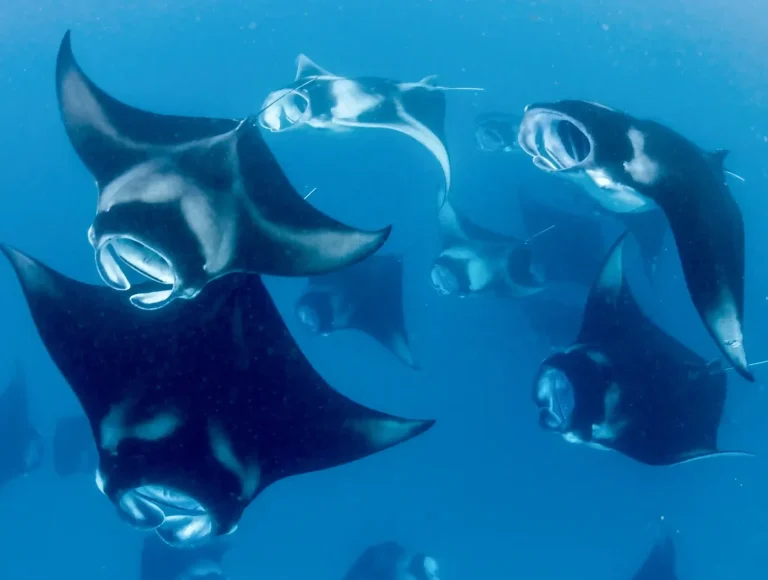
At Manta Point, snorkelers have the chance to encounter majestic manta rays. This site is famed for its manta ray cleaning stations, offering a unique opportunity to observe these graceful creatures up close. The best time to witness the manta rays is between April and May, during the plankton bloom, which attracts them in large numbers. It’s a top choice for those seeking thrilling marine encounters. Visitors should be prepared for strong currents and consider hiring a local guide for safety.
5. Sebayur Island
Sebayur Island is perfect for those who wish to enjoy calm waters and diverse marine life. The island’s proximity to Komodo National Park, just about 30 minutes by boat from Labuan Bajo, makes it a convenient and rewarding snorkeling destination. Snorkelers can explore species like cuttlefish, lionfish, and various nudibranchs. The island offers year-round snorkeling opportunities, but the best visibility is during the dry months. Visitors can explore the rich biodiversity that characterises this 2027 travel hotspot.
Planning Your 2027 Snorkeling Adventure
As you plan your snorkeling adventure for 2027, consider the environmental conditions and seasonal variations that may affect your experience. The dry months, April through November, usually deliver the best water clarity and the most forgiving sea state. For a customised itinerary that caters to your preferences and ensures optimal exploration opportunities, consider our snorkeling customization guide. It can help you plan visits around tidal movements and peak marine activity times.
2027 Note
In 2027, environmental awareness and sustainable practices are more important than ever. When visiting these top snorkeling destinations Komodo 2027, ensure you adhere to local guidelines to protect the delicate marine ecosystems. Engaging in responsible tourism helps preserve these natural wonders for future generations. This includes respecting marine life, avoiding plastic waste, and supporting local conservation efforts.
FAQ
Which snorkeling destinations in the Komodo Islands are trending for 2027?
Trending snorkeling destinations in the Komodo Islands for 2027 include Pink Beach, Kanawa Island, Tatawa Besar, Manta Point, and Sebayur Island, known for their vibrant marine life and coral reefs.
What marine life can I expect to see in Komodo’s top snorkeling spots?
In the top snorkeling destinations Komodo 2027, you can expect to see a variety of marine life including manta rays, vibrant coral species, and a plethora of tropical fish. Species such as clownfish, parrotfish, sea turtles, and even the occasional reef shark can be spotted.
How can I ensure a sustainable snorkeling experience in Komodo?
To ensure a sustainable snorkeling experience, adhere to local guidelines, avoid touching or stepping on coral reefs, and use reef-safe sunscreen. Consider booking through the responsible travel partners listed on this site for guided tours. These partners are committed to eco-friendly practices and can provide valuable insights into the local ecosystems.
Best 2027 Snorkeling Routes and Itineraries (Day Trips to Liveaboards)
Planning a 2027 visit to Komodo National Park is easier if you match your time and experience level to the right route. Below are realistic options from Labuan Bajo, from one-day outings to multi-day trips, focused on snorkeling rather than diving.
Best Komodo snorkeling spots reachable on day trips
If you only have one day, prioritize sites close enough to Labuan Bajo yet still vibrant. Typical day-trip circuits combine 2–3 reefs plus a viewpoint stop. For 2027, operators often include Pink Beach, Kanawa, Sebayur, Siaba Besar, or Taka Makassar, depending on weather and currents. Fast boats allow you to reach more distant sites, but you will spend more time in transit and less time in the water.
Komodo snorkeling and Padar hike 1 day tour
A popular choice is a Komodo snorkeling and Padar hike 1 day tour, usually by speedboat. A common flow is: Padar sunrise hike, Komodo or Rinca dragons walk with ranger, then one or two snorkeling sessions at Pink Beach, Taka Makassar, or Siaba Besar. Expect a long, physically demanding day with early departure, strong sun, and tight timing. This option suits fit travelers who want a “greatest hits” sampler in limited time.
2 day Komodo snorkeling itinerary (non-diving focus)
With two days, you can design a non diving Komodo itinerary focused on snorkeling while still visiting the dragons. A practical outline:
- Day 1: Morning dragon trek at Komodo or Rinca, then afternoon snorkeling at Pink Beach and a calmer site like Siaba Besar or Sebayur for sunset.
- Day 2: Early visit to Taka Makassar or Manta Point (conditions permitting), then another reef such as Tatawa Besar or Kanawa before returning to Labuan Bajo.
This schedule balances wildlife, colorful reefs, and manageable travel times. For cost breakdowns and updated park fees, use the Komodo Island Snorkeling Cost & Pricing Guide.
Best Komodo liveaboard routes for snorkeling only
Many visitors assume liveaboards are only for scuba, but the best Komodo liveaboard routes for snorkeling only focus on shallow reefs, sandbanks, and protected bays. Typical 3–4 day routes include Siaba Besar (turtles), Tatawa Besar (drifts), Taka Makassar (mantas and sandbar), Sebayur, Pink Beach, and a sunset hike like Padar or Gili Lawa. If you want a higher-comfort boat and dedicated in-water guide, consider curated Komodo liveaboard charters for snorkelers.
Rinca and Komodo snorkeling combo tour
Some travelers want to visit both dragon islands in one trip. A Rinca and Komodo snorkeling combo tour is possible on a 2–3 day itinerary, often by staying onboard a phinisi or yacht. Expect one trek on each island with a park ranger, plus several reef stops in between. The upside is seeing different landscapes and dragon populations; the trade-off is more time spent moving between islands and slightly fewer snorkel sessions per day.
Last-minute vs pre-booked Labuan Bajo tours
Last minute Komodo snorkeling tour from Labuan Bajo deals do exist, especially in shoulder season, but they come with limited choice of route, boat, and group size. For peak July–August and holiday periods, early booking is smart because of the park-wide daily quota. If you value flexibility and comfort over rock-bottom price, compare options in advance or work with a planner using the fleet overview at Komodo Luxury’s boat listing.
Site-by-Site Guide: Reefs, Conditions, and Marine Life Highlights
Each major snorkeling site in Komodo National Park has its own personality. Below is a practical overview of what to expect, including currents, depth, and signature marine life, so you can choose the right mix for your 2027 trip.
Best snorkeling at Pink Beach Komodo
The best snorkeling at Pink Beach Komodo is usually along the sloping reef that starts just off the pink sand and continues to 10–15 m depth. Expect soft and hard corals, plenty of small reef fish, and good sunlight in the late morning. Currents are often mild but can pick up on spring tides; stay within the bay if you are less experienced. For a deeper dive into this spot, see our dedicated guide to Pink Beach snorkeling and reef life.
Taka Makassar snorkeling and Manta Point
Taka Makassar snorkeling normally combines two elements: a thin crescent-shaped sandbar with shallow turquoise water, and nearby Manta Point (also known as Karang Makassar). The sandbar itself offers relaxed, shallow-water snorkeling and photography. Where to see mantas snorkeling near Labuan Bajo? Manta Point is the primary site; mantas glide along the current lines, often passing within a few meters of the surface. Operators only enter when visibility and current are acceptable.
Batu Bolong Komodo snorkeling vs diving
Batu Bolong is one of Komodo’s most famous pinnacles. Snorkeling vs diving at Batu Bolong Komodo comes down to risk tolerance and experience. The top of the reef rises close to the surface and can deliver huge schools of fish, turtles, and occasional sharks for snorkelers, but the surrounding currents can be extremely strong and turbulent. Diving is usually reserved for advanced divers, and even snorkeling should only be attempted with an experienced guide and at slack or very mild current.
Siaba Besar and Turtle City: Where to find turtles and “Nemo”
Siaba Besar snorkeling is ideal for newer swimmers and families because it is largely a protected bay with sandy bottom and patch reefs. It is also one of the best places for snorkeling with turtles at Turtle City Komodo, a nickname given to the area due to frequent green turtle sightings grazing on seagrass. If you are wondering where to find nemo clownfish snorkeling Komodo, look for anemones on the shallower coral patches here and at similar sheltered reefs like Kanawa and Sebayur.
Sebayur, Kanawa, Sabolo, and other beginner-friendly reefs
Beginner friendly snorkeling spots in Komodo National Park are generally those with gentle slopes, some protection from current, and easy boat access. Sebayur Island snorkeling and Kanawa both offer house-reef style terrain, with coral gardens starting close to shore. Sabolo Island snorkeling adds very clear water and white sand, good for those building confidence. These sites are often used for check-snorkels at the start of multi-day trips before moving on to driftier locations like Tatawa Besar.
Tatawa Island and Gili Lawa for scenery and soft corals
Tatawa Island snorkeling (often referred to as Tatawa Besar) is known for orangish soft corals and colorful fish in a mild to moderate drift. It is beautiful but best suited to snorkelers comfortable floating with the current while a boat tracks alongside. Gili Lawa snorkeling Komodo is more weather-dependent; the area is popular for sunset hikes, and the adjacent reefs can have both calm and fast-flow sections. Guides typically pick the leeward side to keep conditions manageable.
Crystal Rock, sharks, and colorful coral hotspots
Crystal Rock Komodo snorkeling or only diving? In practice, it is mainly a dive site due to exposure and currents, but on rare, very calm days some boats allow experienced snorkelers to explore the shallower sections. As for larger species, can you see sharks snorkeling in Komodo National Park? Yes, mostly small reef sharks that are shy and harmless, often cruising over sand or reef edges. If your goal is the most colorful coral reefs for snorkeling in Komodo, prioritize Batu Bolong (with caution), Tatawa Besar, and sheltered slopes around Sebayur and Siaba Besar.
Which house reefs are worth snorkeling in Komodo?
The best house reefs in Komodo are generally found off small resort islands or mooring bays where boats overnight. Sebayur, some areas near Kanawa, and quiet coves used by safari boats can provide “step off the boat and snorkel” access, with coral gardens right under your ladder. These house reefs are convenient for dawn or sunset sessions with fewer crowds. For gear suggestions to maximize these easy-access spots, see our guide on snorkeling technology and gadgets.
Conditions, Safety, and Choosing the Right Operator for 2027
Komodo’s reputation for strong currents is deserved, but with the right timing, sites, and operator, snorkeling Komodo National Park without diving is both realistic and rewarding. This section covers timing for mantas, water temperatures, currents, kids, and how to choose a safe provider.
Water temperature for snorkeling Komodo National Park
Typical water temperature for snorkeling Komodo National Park ranges roughly from 26–30 °C, with the cooler end more likely during transitional months and deeper channels. Many people are comfortable in just a rash guard, but if you chill easily or plan multiple long sessions, consider a thin wetsuit or shorty. Visibility in the dry season often reaches 15–30 m, ideal for spotting mantas and reef life from the surface.
Best time to see mantas Komodo
You can see mantas snorkeling in Komodo throughout the year at Karang Makassar (Manta Point), but the best time to see mantas Komodo in large numbers is usually December–February, when plankton blooms attract aggregations. That season can also bring rougher seas and lower visibility, so there is a trade-off. During the drier April–November period, encounters may be slightly less dense but conditions are often calmer and clearer, better for nervous swimmers.
Snorkeling safety tips for strong currents in Komodo
Snorkeling safety tips for strong currents in Komodo start with honest self-assessment: if you are not a confident swimmer, stay with sheltered sites and avoid drift-heavy channels. Always use fins, not just mask and snorkel. Listen to the briefing about entry and exit points and what to do if separated from the group. A surface marker buoy, bright rash guard, and staying close to your guide make it easier for the boat to track you.
Is snorkeling Komodo National Park suitable for kids?
Is snorkeling Komodo National Park suitable for kids? It can be, provided you stick to protected bays and shallower reefs like Siaba Besar, Sebayur, or calm sections of Kanawa. Young children should always use life vests or flotation aids, and parents should be realistic about heat, sun, and long boat rides. Avoid exposed drift sites and ensure the operator is comfortable taking families, with enough guides to keep an eye on less experienced swimmers.
How to choose a safe Komodo snorkeling operator
When you research how to choose a safe Komodo snorkeling operator, go beyond glossy photos. Check if the boat carries life jackets for all guests, radios, and first-aid kits. Ask how many guides are in the water and whether they brief you on currents at each site. Instead of relying only on best rated Komodo snorkeling tour operators on TripAdvisor, also look for recent reviews mentioning safety, clear communication, and flexible site choices based on conditions. Our overview on choosing the right Komodo boat from budget to luxury explains trade-offs by price tier.
Private boat charter Labuan Bajo for snorkeling
Travelers who want to control pace and site selection often prefer a private boat charter Labuan Bajo for snorkeling. With a charter, the crew can time visits to popular reefs outside peak crowds, adjust for your swimming ability, and include extra stops like sandbanks or house reefs. For tailored itineraries and vessel types, from simple phinisi to high-end yachts, explore the private Komodo boat charter options curated by Komodo Luxury and its partners.
Budget, last-minute, and non-diver options
If you are looking for the best budget snorkeling tour Labuan Bajo, group day trips on larger boats are typically cheapest, but they have fixed routes and less flexibility. Non-divers should confirm that the program is truly snorkeling-focused and not an afterthought on a diving schedule. A non diving Komodo itinerary focused on snorkeling could be either an affordable group tour or a mid-range shared liveaboard; for background on how these offerings have evolved, see the evolution of snorkeling tours in Komodo.
Luxury Komodo snorkeling liveaboard with guide
A luxury Komodo snorkeling liveaboard with guide offers smaller guest numbers, more personal attention in the water, and flexible site selection each day. This style suits travelers who want to prioritize comfort and safety over lowest price, or those who prefer private briefings and guided drifts. To compare vessel sizes, cabin types, and levels of service, review the range of Komodo sailing trips and liveaboards available for 2027 departures.
Frequently Asked Questions
When is the best time to see mantas snorkeling in Komodo?
You can encounter mantas all year at Manta Point (Karang Makassar), but the best time to see mantas Komodo in larger numbers is usually December to February, when plankton is abundant. Sea conditions can be rougher then, so if you prefer calmer water and better visibility, visit during the dry season from around April to November, accepting that encounters may be slightly less dense.
Can you see mantas and sharks while snorkeling in Komodo National Park?
Yes, you can see mantas snorkeling in Komodo at sites like Manta Point, where they often cruise near the surface. Reef sharks are also occasionally visible to snorkelers, especially small, shy species such as blacktip or whitetip reef sharks along reef edges. They generally avoid people and pass by quickly. Sightings are not guaranteed, but experienced guides know how to position you for the best chance.
Which Komodo snorkeling spots are most beginner friendly?
Beginner friendly snorkeling spots in Komodo National Park include Siaba Besar, Sebayur Island, and calmer sides of Kanawa and Sabolo. These sites usually offer sandy bottoms, gentle slopes, and some protection from strong currents. Operators often use them for first-day “check snorkels.” If you are nervous or traveling with children, ask your guide to focus on these sheltered reefs and avoid exposed channel drifts.
Is Kanawa Island worth visiting just for snorkeling?
For many travelers, Kanawa Island is worth it for snorkeling if you want easy access to a house-reef style environment near Labuan Bajo. The reef starts close to shore with patch corals, anemones, and small reef fish, so it suits casual snorkelers and mixed-ability groups. It is not the most dramatic site in Komodo, but it provides a relaxed introduction before you try more current-exposed locations.
What are the safest ways to handle strong currents while snorkeling in Komodo?
To manage strong currents, always wear fins, listen carefully to the briefing, and stay close to your guide. Choose operators who are willing to skip or modify sites if conditions look marginal. In drifts, keep your body horizontal and relaxed, let the current carry you, and avoid chasing fish. If you feel uncomfortable, signal the guide early. For a low-impact approach, review our article on sustainable snorkeling practices.
Is a Komodo snorkeling and Padar hike 1 day tour too rushed?
The single-day Padar-plus-snorkel run is intense but doable if you are reasonably fit and accept limited time at each stop. Expect pre-dawn departure, a steep but short Padar hike, a quick dragon trek on Komodo or Rinca, and one or two snorkel sessions. If you prefer slower mornings, longer reef time, or traveling with kids, consider stretching this plan into a two-day trip instead.
How can non-divers plan a Komodo trip focused only on snorkeling?
Non-divers can plan a Komodo snorkeling-only trip by choosing operators that clearly advertise surface-based itineraries, not dive-heavy routes. Aim for sites like Siaba Besar, Sebayur, Pink Beach, and Taka Makassar rather than deeper walls. A 2–4 day liveaboard or sailing trip lets you visit more reefs while staying on the water. For packing advice tailored to these itineraries, see our checklist on what to pack for a Komodo liveaboard.
Where can I find up-to-date, field-tested Komodo snorkeling recommendations?
Instead of relying only on scattered reddit Komodo snorkeling recommendations, combine multiple sources: recent traveler reviews, operator briefings, and specialized sites that focus on snorkeling rather than diving. This page is updated with 2027-focused insights, and our broader Komodo Island Snorkeling hub cross-links to topics such as community impact at The Role of Local Communities in Komodo Snorkeling Tours. Cross-checking sources gives a more accurate picture of real conditions.
Komodo vs. The World: Is It the Right 2027 Snorkeling Destination for You?
Many travelers find themselves weighing Raja Ampat vs Komodo snorkeling, and it’s a valid comparison between Indonesia’s two marine biodiversity hotspots. The choice often comes down to logistics, budget, and priorities. Raja Ampat is arguably the global epicenter of coral diversity, offering unparalleled soft coral gardens and a sense of remote, untouched wilderness. However, it is significantly more challenging and expensive to reach, often requiring multiple flights and a dedicated, longer liveaboard trip. Komodo, on the other hand, is far more accessible via a short flight to Labuan Bajo (LBJ). While its coral diversity is world-class, its unique selling point is the reliable presence of megafauna combined with iconic terrestrial landscapes. If your goal is to see manta rays, sea turtles, and reef sharks against a backdrop of savannah-like islands and the famous Komodo dragons, all within a more condensed and budget-friendly timeframe, then Komodo is the clear winner.
The question of Komodo or Nusa Penida snorkeling is more straightforward. Nusa Penida, near Bali, offers fantastic day trips to see manta rays at its own Manta Point and beautiful coral sites like Gamat Bay. However, it is a single island experience, often crowded, and the currents can be notoriously challenging and unpredictable. Komodo National Park is a vast archipelago. The experience is more of an expedition, moving between diverse ecosystems—from the rich reefs of the north to the plankton-rich waters of the south. Ultimately, is Komodo snorkeling worth it? Absolutely. It delivers a complete adventure package that Penida cannot match: multiple world-class sites, the prehistoric Komodo dragons, the iconic Pink Beach, and the dramatic viewpoint of Padar Island, all bundled into a protected UNESCO World Heritage Site. For a multi-day, immersive marine safari, Komodo stands in a class of its own.
Structuring Your Trip: Liveaboard vs. Day Trips from Labuan Bajo
The fundamental choice every visitor makes is between staying in a hotel in Labuan Bajo and taking day trips, or committing to a multi-day liveaboard. The debate of Labuan Bajo liveaboard vs hotel for Komodo snorkeling hinges on three factors: time, budget, and how deep into the park you want to go. Daily Labuan Bajo snorkeling day trips to Komodo are perfect for those with limited time or who prefer the comforts of a land-based hotel. A typical speedboat day trip can efficiently combine several key sites, making a snorkeling and Komodo dragon tour from Labuan Bajo that also includes Padar Island and Pink Beach entirely feasible in about 8-10 hours. You can join a shared tour (approx. $50-90 USD/person) or book a private speedboat charter for maximum flexibility (approx. USD 700–900 USD/boat).
However, to truly unlock the park’s potential, a liveaboard is unparalleled. A snorkeling itinerary Komodo 3 days / 2 nights allows you to reach the more pristine northern and central sites without spending hours each day commuting from Labuan Bajo. You wake up at the snorkel site, enjoy sunrise over the islands, and can access spots that day boats cannot reach. This is the best way to experience the park’s quiet moments and varied conditions. Whether you’re looking for a private snorkeling tour Komodo experience on a luxury phinisi or a shared cabin on a mid-range boat, a liveaboard immerses you in the natural rhythm of the park. It’s the definitive way to combine a Komodo snorkeling and Pink Beach tour with a deeper exploration of the park’s incredible marine life, from vibrant coral gardens to encounters with majestic mantas. For those seeking a comprehensive adventure, Komodo Luxury can arrange the perfect Komodo liveaboard charter to match your group’s specific interests and schedule.
More Questions from Readers
What is better Komodo snorkeling or diving?
Neither is definitively “better” as they offer different experiences. Komodo’s top reefs like those at Sebayur and Kanawa are shallow, with vibrant coral and abundant fish life in the top 1-5 meters, making snorkeling exceptionally rewarding. Diving unlocks deeper sites and encounters with different creatures, but many of the park’s highlights, including manta rays and turtles, are frequently seen by snorkelers. For pure coral color and light, snorkeling often has the edge.
What is the best month for manta ray snorkeling Komodo?
The best time to see manta rays is generally during the dry season, from April to November. However, the peak season with the highest concentration of mantas at Manta Point (Karang Makassar) is typically from December to March, during the rainy season. This is when plankton is most abundant, attracting large feeding aggregations. Despite the rain, the water is often calm during this period, but always check conditions with your operator.
How do you get from Bali to Komodo for snorkeling?
The easiest and most common way is to take a direct flight from Denpasar, Bali (DPS) to Labuan Bajo, Flores (LBJ). Multiple airlines like Batik Air and Citilink operate this route daily, and the flight takes approximately 65–80 minutes. Once you arrive in Labuan Bajo, it’s a short 10-15 minute taxi ride to the harbor where all snorkeling trips depart. For more details on logistics, see our guide on getting to Komodo National Park.
What are the chances of Komodo snorkeling with sea turtles?
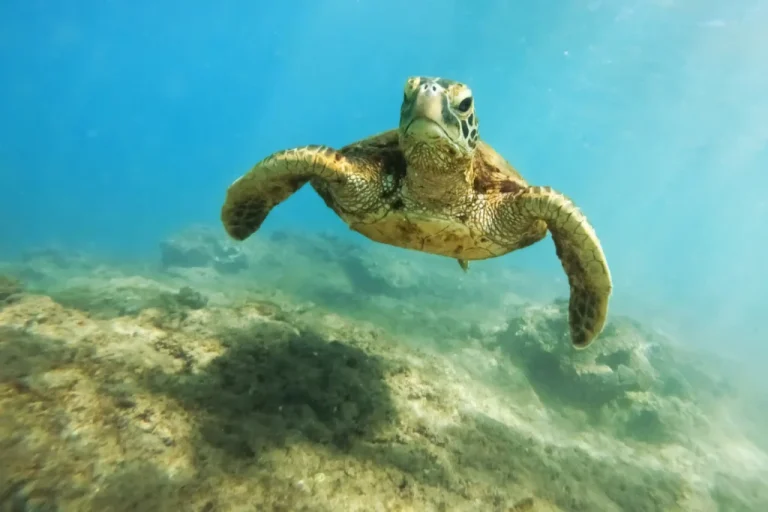
The chances are extremely high, especially at the right sites. Spots like Siaba Besar are nicknamed “Turtle City” for a reason, with resident Green and Hawksbill turtles commonly found grazing on the seagrass beds and reefs. Many other sites throughout the park, including Sebayur and Kanawa, also host healthy turtle populations. It is one of the most reliable and magical encounters you can have while snorkeling in Komodo.
Is it common to go snorkeling with reef sharks Komodo?
Yes, it is quite common, and perfectly safe. The most frequently spotted species are the Blacktip and Whitetip Reef Sharks, which are generally shy and pose no threat to humans. They are often seen patrolling the reef edges in places like Crystal Rock (for advanced snorkelers) and the reefs around the northern islands. Seeing these graceful predators is a thrilling highlight for many visitors and a sign of a healthy marine ecosystem.
Where are the best coral gardens for snorkeling Komodo?
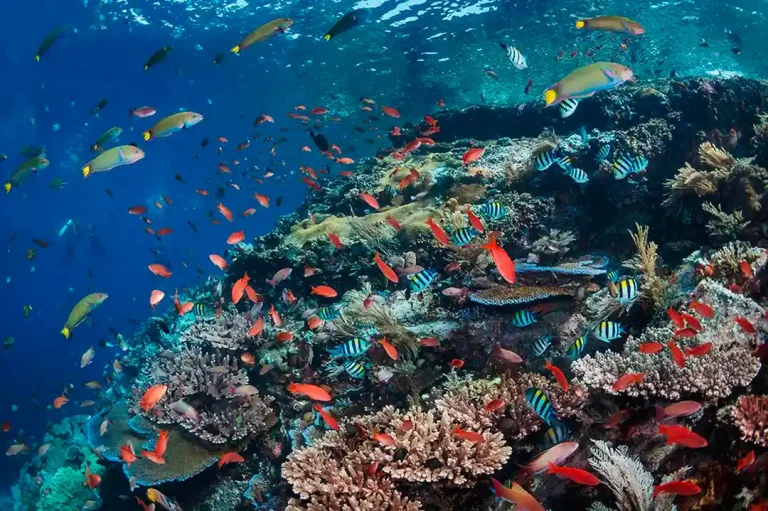
For sheer density and color, some of the best coral gardens for snorkeling Komodo are found at sites like Tatawa Besar and the northern reefs near Gili Lawa, known for their vibrant soft corals. Kanawa Island and Sebayur Island offer stunning hard coral gardens in shallow, calm waters, making them perfect for beginners. For a truly unique experience, don’t miss the healthy reefs just off the shore of the famous Pink Beach, which offer a beautiful underwater scene.
This guide does not operate boats. Bookings are fulfilled by Komodo Luxury, and this site may earn a referral commission.
Keep reading
More from the journal
Snorkeling Spots & Marine Life
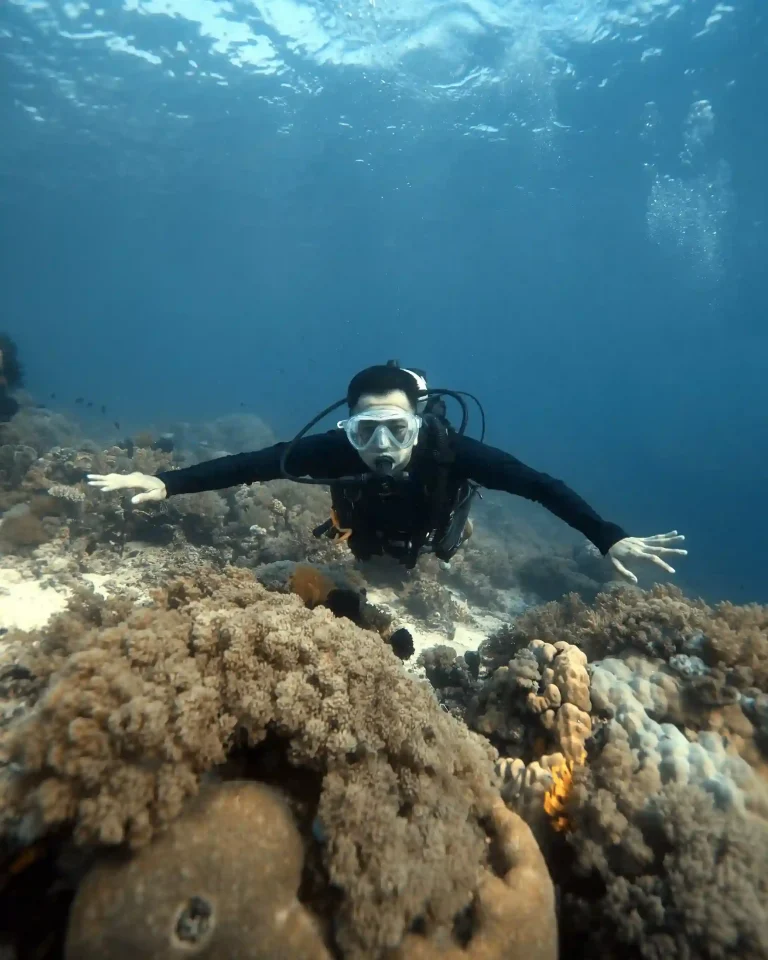
Comparing Snorkeling and Diving in Komodo: Which is Right for You?
The Komodo Islands, renowned for their rich marine biodiversity, offer both snorkeling and diving experiences that attract enthusiasts worldwide. When…
23 min read
Snorkeling Spots & Marine Life
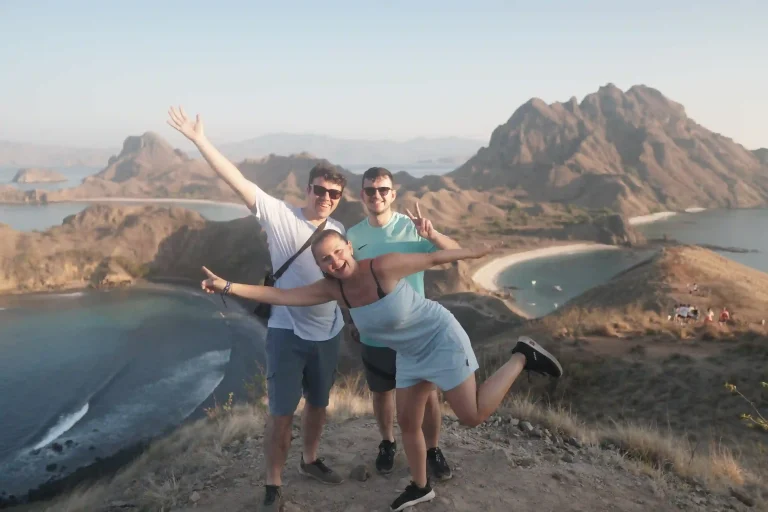
Padar Island 2026: The Hike That Defines Komodo
Padar Island stands as one of the most photographed spots in Indonesia, featuring sweeping hills, pristine beaches, and vibrant marine…
19 min read
Snorkeling Spots & Marine Life
Padar Sunrise, Rinca Dragons & Pink Beach In One Trip
Your day begins early, long before the sun rises. A typical tour will start at around 3:30 AM, with many…
23 min read
Snorkeling Spots & Marine Life
Manta Point, Makassar & Turtles: Big Animals In Komodo
When discussing the best locations for snorkeling with manta rays in Komodo, Manta Point and Makassar Reef are the two…
25 min read
Snorkeling Spots & Marine Life
Ultimate Guide To Komodo’s Top Snorkeling Spots
Komodo National Park consists of several islands, each offering unique snorkeling experiences. Here are some of the top spots you…
22 min read
Snorkeling Spots & Marine Life
Is Snorkeling with Manta Rays in Komodo National Park Safe?
First, a common misconception is worth clearing up. The magnificent creatures that congregate at sites like Manta Point are manta…
24 min read