Snorkeling Spots & Marine Life
Padar Island 2026: The Hike That Defines Komodo
Komodo Island Snorkeling Editorial Desk 19 min read
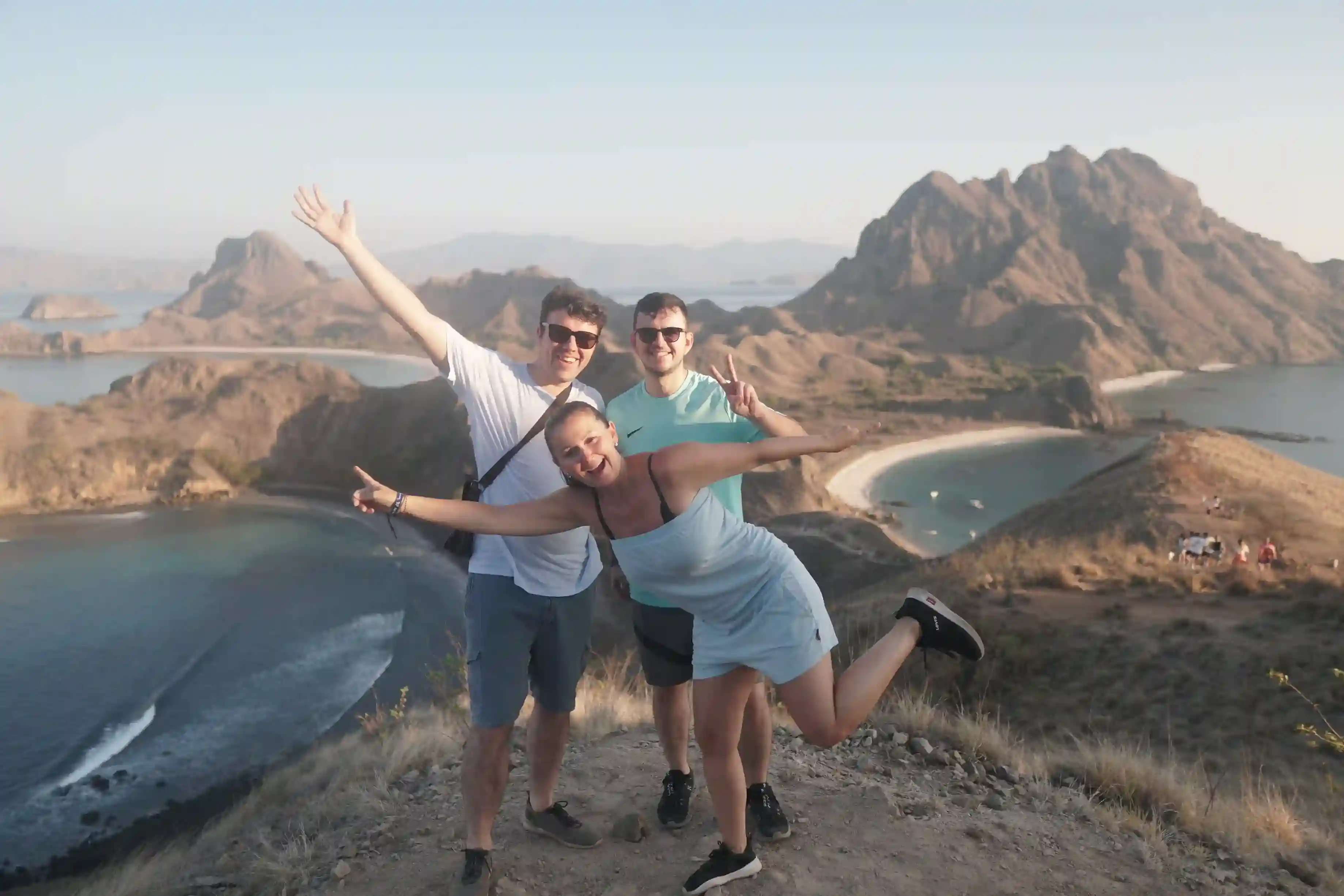
Padar Island is a gem within Komodo National Park, drawing nature lovers and adventure seekers. The breathtaking views from its peaks showcase a unique landscape that defines the essence of Komodo. With limited daily visitors allowed since April 2026, your experience here will be both exclusive and unforgettable.
The Allure of Padar Island
Padar Island stands as one of the most photographed spots in Indonesia, featuring sweeping hills, pristine beaches, and vibrant marine life. The island’s famous viewpoint, which requires a moderate hike, offers panoramic vistas that tempt travelers to embark on this adventure. The hike is moderately challenging, taking about 30-45 minutes to reach the summit, rewarding hikers with stunning views of the surrounding islands and turquoise waters.
Hiking Essentials
- Hiking Duration: Approximately 1.5 hours round-trip for the most popular viewpoint.
- Best Time to Visit: The dry season from April to November provides the best hiking conditions with clear skies.
- What to Bring: Water, sunscreen, sturdy shoes, and a camera to capture the incredible landscapes.
New Regulations for Visitors
As of April 2026, Komodo National Park has capped daily visitors to 1,000 across the whole park (split into 3 scheduled sessions, not a per-island quota) to help preserve the natural beauty and biodiversity of the area, and now requires an online SiOra reservation (e-ticket with QR code) booked in advance. Each visitor is required to pay the official PNBP entry fee — a flat IDR 250,000 for foreign visitors (PP No. 36/2024), plus a ranger fee of roughly IDR 150,000 per group of 1-5 for the Padar climb. See our find out more here. This measure not only protects the environment but also ensures a more enjoyable experience for those who do visit.
Travel Options to Padar Island
To maximize your time at Padar Island and explore the rest of Komodo National Park, consider joining a shared cabin trip or a private charter. Shared trips typically range from IDR 3.55M to 12.5M per cabin, while private charters can be booked for prices between IDR 52M and 280M depending on the vessel and amenities. This flexibility allows travelers to choose an option that best fits their budget and travel style.
How to Book Your Adventure
The ideal way to experience Padar Island and its neighboring attractions is through a trusted operator such as Komodo Luxury. With an owner-operated fleet including the Ayvara and Malca, they offer personalized service and exquisite itineraries that cater to both shared and private experiences. Be sure to book with Komodo Luxury well in advance. A multi-day charter is normally secured with a 50% deposit, with the balance due 30 to 60 days before departure; a single-day trip is lighter, around 30% up front and the balance about 14 days out.
Exploring Beyond Padar
While Padar Island is certainly a highlight, Komodo National Park offers much more. Snorkel with vibrant marine life, witness the famous Komodo dragons on Rinca Island, or relax on the pink sands of Komodo Island. Each of these experiences showcases the biodiversity that makes this area so special.
Plan Your Visit
As interest in Komodo National Park continues to grow, planning your visit carefully is essential. The best time to visit not only aligns with the weather but also with the number of visitors. Remember to adhere to park guidelines and enjoy the stunning landscapes responsibly. With a combination of adventure, breathtaking scenery, and unique wildlife, Padar Island will leave an indelible mark on your travel memories.
Takeaway: Whether you’re hiking to the iconic viewpoint or exploring the surrounding islands, Padar Island is a must-visit destination for anyone traveling to Komodo National Park. Make sure to plan ahead and choose a reputable operator for the best experience.
Padar Sunrise Hike Plus Snorkeling: How to Build the Perfect Day
If you want a Padar Island hike plus snorkeling packages style itinerary, plan around the sunrise. Most boats leave Labuan Bajo between 01:00–03:00, reach Padar before dawn, then offer one or two snorkel stops on the way back. Typical combos pair the hike with calm bays near Padar, plus a highlight like Karang Makassar (Manta Point) or a sheltered coral garden.
For a more comfortable pace, consider overnight Komodo liveaboard charters. You sleep near Padar, hike at sunrise with fewer crowds, then snorkel multiple spots while everyone else is still speeding out from Labuan Bajo. Families or photographers often prefer private or semi‑private trips so group size can be kept small, which really matters in currents during snorkeling sessions.
To understand how these routes evolved and which operators handle safety best, cross‑check with our overview in The Evolution of Snorkeling Tours in Komodo. For cost planning, remember that Komodo National Park tickets under PP No. 36/2024 plus the mandatory ranger fee are on top of any tour package price; your operator should break this down clearly before you pay.
Snorkeling Near Padar Island: Sites, Seasons, and Conditions
Padar itself is mostly about views, but the snorkeling near Padar Island can be excellent if you know where to stop. Around the bays on the north and east sides you’ll find sloping reefs, sandy patches with scattered coral heads, and occasional turtles cruising through. Guides usually choose sites based on tide and wind, so expect flexibility rather than a fixed map of spots.
After your sunrise hike, snorkeling Padar Island after sunrise hike fatigue can sneak up on you. Plan one mellow site first: a protected bay with minimal current, ideal for warming up and checking everyone’s buoyancy. Later, if conditions allow, your crew might take you to more exposed areas with stronger flow and bigger fish action. Always listen to the safety briefing; currents in Komodo can switch quickly.
Water conditions are generally best in the dry season, roughly April–November, with the clearest visibility from June to September. For a deeper breakdown of the Komodo snorkeling season 2026, manta encounters, and rainfall patterns around Flores, read our detailed guide on Best Time To Visit Komodo For Snorkeling & Manta. It explains how moon phases, including full moon currents, can affect both the Padar bays and classic manta spots.
If you want to explore further than Padar’s immediate area, look at curated Komodo sailing trips. These can combine Padar with Central Komodo sites like Siaba Besar for turtles, Karang Makassar for mantas, and shallow reefs for kids. You still get the iconic hike, but the snorkeling portion is tailored to your skill level and the day’s sea conditions.
Snorkeling Gear, Filming Setups, and Safety for 2026 Trips
Most Komodo tours provide basic gear, but what you bring determines comfort and footage quality. Many boats offer masks, snorkels, fins, and sometimes life jackets. However, not every operator stocks child sizes or high‑quality equipment, and not all do Komodo tours provide snorkels or just masks; some insist you bring your own snorkel for hygiene. Confirm in advance, especially for families and prescription users.
Choosing and Packing Snorkeling Gear
For currents and boat stairs, short fins vs long fins Komodo snorkeling is a real decision. Short fins are easier for beginners and kids, less likely to kick coral, and simpler to maneuver from a crowded tender. Long fins deliver more power in strong flow but can be tiring and awkward on deck. Strong swimmers often pack long freediving fins and borrow or rent a shorter pair for shallow reef time.
Parents should build a specific snorkeling gear checklist for kids in Komodo: well‑fitting child masks, soft short fins, UV rash guards, a small‑size snorkel vest or jacket, and reef‑safe sunscreen. In wet season Komodo snorkeling what gear you need expands slightly: a thin neoprene top or 2–3 mm shorty helps kids stay warm during long sessions in rain‑cooled surface water, and a lightweight boat poncho keeps them comfortable between sites.
For those who wear glasses, snorkeling Komodo with glasses or contact lenses is manageable. Soft daily contacts under a normal mask are the simplest option. If you can’t use lenses, ask your operator whether they stock prescription rental masks, though sizes and diopters are limited. Serious snorkelers often buy their own Komodo island snorkeling mask prescription options at home and bring them, as it’s rare to find perfect fits at the harbor on short notice.
Filming and Vlogging Your Padar and Komodo Experience
For creators, must have gadgets for Komodo island snorkeling vlog projects include an action camera with good stabilization, floating hand grip, spare batteries, and a solid mask strap mount or small tray. Packing cubes for organizing Komodo snorkeling gear keep cables, chargers, and media cards separated from wet items; designate one cube for “charged and ready” and another for “used and to be backed up” so you don’t overwrite footage.
When choosing between underwater housing vs action cam for Komodo snorkeling, weigh your goals. A DSLR or mirrorless in a housing offers better dynamic range and lens options, ideal if you plan to film freedivers over coral walls in Komodo and want cinematic control. Action cams are lighter and safer around ladders and zodiacs. Many travelers carry an action cam for everyday use and rent or borrow a housed system only for a few key sessions.
Komodo’s water is famously blue‑green, so an underwater camera red filter Komodo snorkeling setup helps restore natural color at 3–10 m, especially in bright midday sun. For grading later, how to grade blue water Komodo snorkeling clips comes down to balancing skin tones and coral whites before pushing saturation in blues. Our article Ultimate Guide To Komodo’s Top Snorkeling Spots includes reference images you can use when color‑matching your footage at home.
Most vloggers rely on natural light vs video lights for Komodo snorkeling, particularly in shallow reefs <8 m where sunlight is strong and backscatter from lights becomes a problem. Video lights help only when you’re close to the subject—within 1 m—and currents allow you to stay steady. Shooting 360 video while snorkeling in Komodo is possible, but you must protect the delicate dome ports from boat ladders and sand; a neoprene cover is essential when you reboard the tender after each drift.
Health, Sea Conditions, and Emergency Planning
Remote islands mean you can’t rely on finding a pharmacy mid‑trip. Must have medicine for stomach issues in Flores and Komodo includes rehydration salts, loperamide (if your doctor approves), a basic antibiotic from your home physician where legal, and probiotics. Combine that with seasickness tablets and your own band‑aids and blister plasters; Padar’s steep trail and boat ladders make foot care more important than most first‑timers expect.
If you’re wondering can you snorkel Komodo during rainy season safely, the answer is yes for most healthy swimmers, provided you pick operators who adjust sites to swell and wind. Rain reduces topside comfort more than underwater safety, but thunderstorms can delay crossings. To understand when does rainy season start in Flores for planning Komodo snorkeling, expect more regular rain from late November into March, with occasional heavy squalls; flexible itineraries and extra buffer days in Labuan Bajo help.
For families, which season is safest for kids snorkeling in Komodo is usually late April–June and September–early November, when winds and crowds are lower and visibility is still strong. Sea conditions around manta locations vary; for current snapshots and route planning, experienced agencies cross‑reference captain reports rather than a static Komodo National Park sea conditions map, because localized tides and wind shifts change within hours.
Every boat should brief you on Komodo island emergency evacuation procedures for tourists before departure. In practice, serious issues trigger a call to the park authority and direct return to Labuan Bajo, which has the nearest hospitals. Well‑run operators maintain oxygen on board, radio or phone contact with the harbor, and agreed protocols for transferring guests to faster boats if needed. If an operator cannot explain their emergency plan clearly, choose another.
For transparent budgeting of tickets, ranger fees, and what’s included in your tour price, review our Komodo Island Snorkeling Cost & Pricing Guide. Then speak with the Komodo Luxury planning team via Komodo Luxury trip services if you need a customized Padar‑plus‑snorkeling route that fits your group’s fitness, filming goals, and comfort level.
Frequently Asked Questions
Can I book Padar Island hike plus snorkeling packages for a single day from Labuan Bajo?
Yes, you can book Padar Island hike plus snorkeling packages as a one‑day trip from Labuan Bajo, but expect a very early start and a long day. Boats typically combine the Padar sunrise hike with one or two snorkel stops such as Karang Makassar or a sheltered coral bay. Check whether gear, lunch, and the park ticket plus ranger fee are already included in the quoted price.
Where are the best snorkeling spots around the bays near Padar Island?
The best Padar island snorkeling spots around the bays sit on the more sheltered sides, where sloping reefs meet sandy patches. Guides often choose leeward bays on the north or east of Padar to avoid chop and strong current. These areas offer healthy hard coral, small reef fish, and occasional turtles. Exact sites vary daily based on wind and tide, so trust your captain’s local judgment.
Is it safe to use a full face mask in Komodo currents?
It is generally not recommended to rely on a full face mask in Komodo currents, especially for beginners. Strong flow demands quick equalization, easy clearing, and good head mobility, which classic masks and snorkels handle better. If you do bring a full‑face style, also pack a regular low‑volume mask and snorkel so you can switch if the guide decides conditions are more advanced than expected.
Can I still see mantas snorkeling in Komodo during off season?
You can still see mantas snorkeling in Komodo during off season, although sightings become less predictable. Manta Point (Karang Makassar) can have animals year‑round, with the biggest aggregations usually December–February when plankton is abundant. Outside peak times, captains often check the site briefly; if mantas aren’t around or surface chop is high, they move you to more protected coral reefs instead.
Can you snorkel at night in Komodo National Park?
You can sometimes snorkel at night in Komodo National Park, but it is typically offered only on select liveaboards with strict safety protocols. Night snorkeling is limited to very sheltered bays with minimal current, away from busy channels and boat traffic. Many day boats do not allow it due to logistics and risk. Always follow park rules and your guide’s advice on when and where it’s appropriate.
What are the group size limits on Komodo snorkeling tours?
No legal cap exists, so the number that matters is the operator’s own: reputable ones hold in‑water groups to roughly 4–6 guests per guide in stronger currents. Smaller groups let guides react faster if someone drifts or tires. When comparing offers, ask specifically how many people will share your guide and whether children or non‑swimmers are mixed into the same group.
Is it safe to snorkel Komodo during rainy season, and what gear should I bring?
It can be safe to snorkel Komodo during rainy season if you’re with an operator that adapts to wind and swell and you’re comfortable skipping sites when conditions turn rough. Bring slightly warmer layers like a thin wetsuit or neoprene top, plus a boat poncho for surface intervals. Dry bags, anti‑fog for masks, and spare towels become more important when heavy showers pass through.
How can I find a last minute Labuan Bajo boat for Komodo snorkeling in September?
To find a last minute Labuan Bajo boat for Komodo snorkeling in September, start at the harbor and online agencies a few days before you want to depart. September is still busy, so flexibility on boat class and cabin type helps. Check safety equipment, guide‑to‑guest ratios, and what’s included in the price. If you prefer vetted options, browse curated boats via Komodo boat charters and confirm availability by WhatsApp or email.
Aerial Filming: Drones, Viewpoints, and Power Management
The iconic three-bay view from Padar’s summit is a primary draw, but the journey up offers multiple opportunities for stunning photography. For drone pilots and videographers, understanding the landscape and regulations is key. The most sought-after Padar island top photo viewpoints and drone spots are not just at the peak; look for the natural ledges around the final two bends in the trail for unique, less-crowded angles. However, drone operation within Komodo National Park is strictly regulated. While hobbyist flying may be tolerated in some open water areas away from wildlife, specific permits are often required, especially for commercial filming. The park authority’s primary concern is the disturbance of wildlife and other visitors.
These rules are even more stringent on islands with high concentrations of fauna. For example, any attempt at Rinca island dragon photography from drone is almost always prohibited without explicit, pre-approved scientific or media permits. The risk of stressing the dragons or causing an incident is too high. Therefore, understanding the Rinca island drone rules from a Labuan Bajo tour perspective means assuming you cannot fly near the dragons unless your operator has secured special clearance, which is rare for standard tourist trips. Onboard your vessel, power management becomes a critical part of your filming strategy. Most day-trip boats have limited charging capabilities. We recommend bringing multiple charged batteries and at least two high-capacity power banks. When packing, finding the best travel adapter and chargers for gopro in Labuan Bajo means selecting a universal adapter that includes Type C and F plugs (the standard in Indonesia) and a multi-port USB charger to power up all your devices overnight. For more tips on what to bring, see our complete Komodo snorkeling packing guide.
Post-Hike Snorkeling Strategy: Rinca’s Bays vs. Taka Makassar’s Shallows
After the strenuous morning hike on Padar, the immediate question is where to cool off. Your itinerary will typically present a choice between two distinct snorkeling environments: the sheltered bays near Rinca or the exposed sandbar of Taka Makassar. The snorkeling conditions Rinca island Komodo are generally calmer, making its coastal sites ideal for families and novice snorkelers. The water is often protected from the prevailing winds, offering a relaxed experience. The best time to visit is during the shoulder seasons; the answer to when is the least windy month for snorkeling around Rinca island is typically between April-June and September-November, when the seas are at their calmest.
In contrast, Taka Makassar (Manta Point) is a thrilling but more demanding location. It’s a submerged sandbar where currents can be strong, which is precisely what attracts the plankton that manta rays feed on. Success here depends on proper gear and being a confident swimmer. When considering what size fins for snorkeling around Taka Makassar, longer fins that provide more power are advantageous for navigating currents, though standard travel fins are sufficient if you follow your guide closely. The overall sea state across the park also follows a seasonal pattern. The answer to what time of year are waves lowest for snorkeling near Padar island and its surroundings is also those shoulder months, avoiding the windier peak dry season of July-August. A Komodo liveaboard trip offers the ultimate flexibility to visit both types of sites under optimal conditions, a topic explored further in our guide to liveaboard costs.
More Questions About Padar Island 2026
What happens if the official SiOra booking system is down when my tour is scheduled?
While rare, technical issues can occur. Reputable operators are in constant communication with the Komodo National Park authority and have contingency plans. This usually involves direct coordination with the park office in Labuan Bajo to verify manifests. This is why booking with an established provider is critical; they manage the entire SiOra QR code process and can navigate such problems on your behalf, ensuring your trip proceeds smoothly.
Can I rent quality snorkeling gear in Labuan Bajo or should I bring my own?
You can rent gear in Labuan Bajo, but quality and hygiene vary widely. For the best experience, especially if you need a specific fit, prescription mask, or reliable fins for currents, we highly recommend bringing your own. Komodo Luxury’s partner boats provide standard, well-maintained equipment, but your personal gear is always the best guarantee for comfort and performance throughout your trip.
Is booking a private speedboat for a solo traveler to Padar Island cost-effective?
It is generally not cost-effective for a solo traveler. A private speedboat charter costs between USD 700–900, a price you would bear alone. A much better value is a shared or “open trip,” typically costing USD 50-90 per person. This allows you to experience Padar and other key snorkeling sites while sharing the significant cost of the boat and fuel with a small group.
How does a sudden rainstorm affect the Padar Island hiking trail?
The trail can become extremely slippery and muddy, particularly on the steeper dirt sections that are not part of the wooden boardwalk. For safety, park rangers may temporarily close the trail during a heavy downpour. Your guide will always assess conditions before allowing an ascent. If rain is in the forecast, wearing shoes with excellent grip is essential, and an early morning start is advised to avoid common afternoon storms.
My liveaboard visits Padar on Day 2. Do I need to buy a new park ticket?
No, a new ticket is not required. The Komodo National Park entrance ticket (IDR 250,000 for foreign visitors) is valid for a single, continuous entry into the park zone. For a multi-day liveaboard, your operator bundles this single payment into your package, and it covers your entire journey through the park, including visits to Padar, Rinca, and various snorkeling sites on subsequent days.
For a day trip, is it better to snorkel before or after the Padar Island hike?
It is almost always better to complete the Padar hike first, especially if you are targeting the iconic sunrise view. This allows you to tackle the most strenuous activity in the cool morning air. Snorkeling in the afternoon is the perfect reward, allowing you to cool down and relax during the warmest part of the day. All well-planned private Komodo boat charters follow this proven sequence.
This guide does not operate boats. Bookings are fulfilled by Komodo Luxury, and this site may earn a referral commission.
Keep reading
More from the journal
Snorkeling Spots & Marine Life
Comparing Snorkeling and Diving in Komodo: Which is Right for You?
The Komodo Islands, renowned for their rich marine biodiversity, offer both snorkeling and diving experiences that attract enthusiasts worldwide. When…
23 min read
Snorkeling Spots & Marine Life
Where to Snorkel in Komodo in 2027
The Komodo Islands are globally renowned for their pristine waters and diverse marine ecosystems. As we approach 2027, snorkelers can…
23 min read
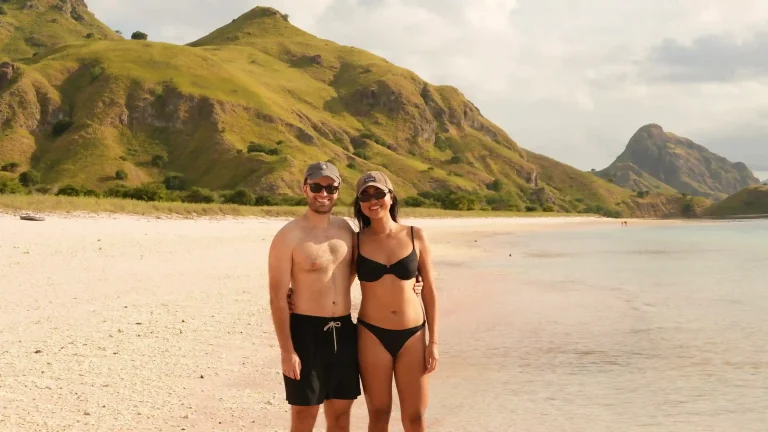
Snorkeling Spots & Marine Life
Padar Sunrise, Rinca Dragons & Pink Beach In One Trip
Your day begins early, long before the sun rises. A typical tour will start at around 3:30 AM, with many…
23 min read
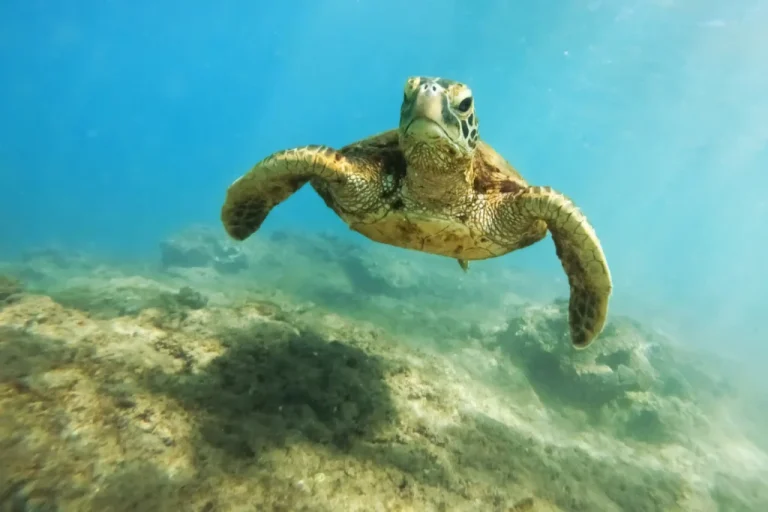
Snorkeling Spots & Marine Life
Manta Point, Makassar & Turtles: Big Animals In Komodo
When discussing the best locations for snorkeling with manta rays in Komodo, Manta Point and Makassar Reef are the two…
25 min read
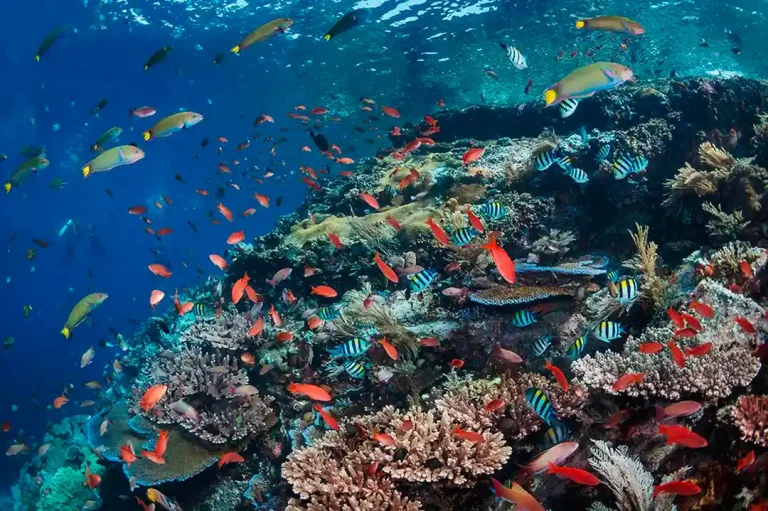
Snorkeling Spots & Marine Life
Ultimate Guide To Komodo’s Top Snorkeling Spots
Komodo National Park consists of several islands, each offering unique snorkeling experiences. Here are some of the top spots you…
22 min read
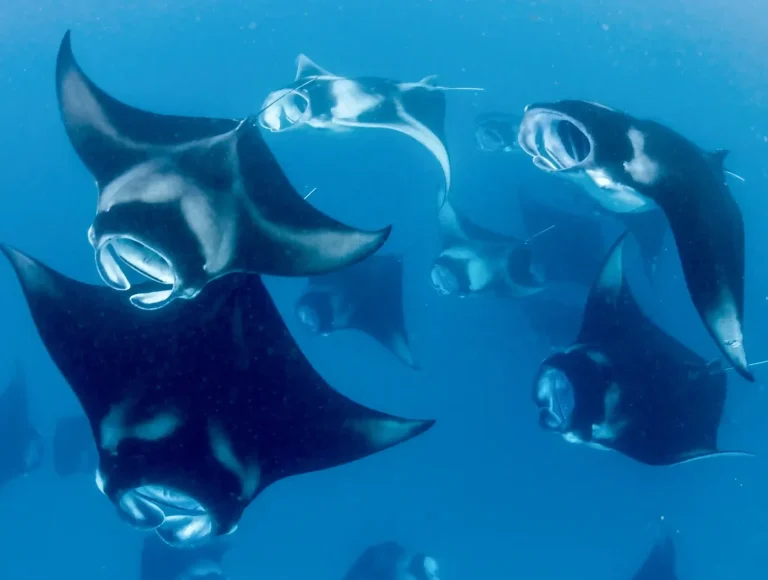
Snorkeling Spots & Marine Life
Is Snorkeling with Manta Rays in Komodo National Park Safe?
First, a common misconception is worth clearing up. The magnificent creatures that congregate at sites like Manta Point are manta…
24 min read