How Many Days In Komodo? 2D1N vs 3D2N vs 4D3N
Komodo Island Snorkeling Editorial Desk 23 min read
Planning a trip to Komodo National Park? Deciding how many days to spend exploring its breathtaking landscapes and rich marine life can be daunting. While some travelers might wonder if 1 day is enough for Komodo Island, detailed itineraries reveal that a 2D1N, 3D2N, or even a 4D3N stay offers a more enriching experience. Let’s break down the pros and cons of each option to help you make an informed decision.
The 2D1N Tour: Quick Highlights
A 2D1N tour is ideal for travelers pressed for time. Most operators offer this condensed experience, which typically includes visits to key attractions like Padar Island, Komodo Island, and some prime snorkeling spots. Expect to pay around $300-350 USD for this two-day adventure.
- Day 1: Depart from Labuan Bajo early in the morning. First stop: Padar Island, where you can hike up to the iconic viewpoint for stunning sunrise vistas. Next, head to Komodo Island for a guided trek to see the famous Komodo dragons. In the afternoon, visit Pink Beach for some snorkeling among vibrant coral reefs.
- Day 2: After breakfast on board, sail to Manta Point to snorkel with majestic manta rays. Depending on the season, you might spot them year-round, but the best months are April to November. Afterward, you can explore Kanawa Island before heading back to Labuan Bajo by late afternoon.
While this option provides a quick glimpse of Komodo’s beauty, it’s essential to be aware of its limitations. The whirlwind pace leaves little time for relaxation or deeper exploration of the surrounding area.
The 3D2N Tour: A Balanced Experience
For a more comprehensive experience, the 3D2N tour is highly recommended. This itinerary allows for a more leisurely exploration of the park’s diverse attractions and marine life. Expect to spend about $400-500 USD for this package.
- Day 1: Similar to the 2D1N tour, you depart early for Padar Island and Komodo Island. After visiting Pink Beach, sail towards your overnight anchorage.
- Day 2: Enjoy a morning snorkel at Manta Point, then head to Rinca Island for a trek to spot wild Komodo dragons. Afterward, snorkel in the vibrant coral gardens of Batu Bolong, known for its abundant marine life.
- Day 3: Spend your final day exploring secluded spots like Kanawa Island or explore the stunning beaches of Sebayur Island. Return to Labuan Bajo in the afternoon, giving you time to reminisce about your Komodo adventure.
This itinerary provides a balanced mixture of hiking, snorkeling, and relaxation, making it a popular choice among travelers. It is particularly suitable for families or those looking to dive deeper into the nature and culture of this UNESCO World Heritage site.
The 4D3N Tour: Immersive Exploration
If you’re a snorkeling enthusiast or simply want to take in every aspect of Komodo National Park, a 4D3N liveaboard is the way to go. Prices typically range from $600 to $1,000 USD, depending on the level of comfort and amenities on board.
- Day 1: Set sail from Labuan Bajo, stop at Padar Island for the hike, and then visit Komodo Island to see the dragons. Relax at Pink Beach.
- Day 2: Snorkel at Manta Point, then continue to Rinca Island for more wildlife sightings and a chance to see Komodo dragons in a different landscape. Finish the day at Batu Bolong for relaxed yet spectacular snorkeling over colorful coral and abundant reef fish.
- Day 3: Explore the picturesque beaches of Kanawa Island and snorkel in hidden lagoons, with ample time for relaxation.
- Day 4: Spend your last day on the island hopping around the lesser-known spots like Gili Lawa, enjoying both snorkeling and stunning views before heading back to Labuan Bajo in the evening.
This longer itinerary is perfect for those looking to dive deeper into the rich ecosystems of Komodo National Park. With additional snorkeling opportunities and time to unwind, it’s the ultimate way to experience one of the world’s most extraordinary marine environments.
Sample Itineraries: Finding Your Perfect Fit
When planning your trip, it’s helpful to have a sample itinerary to visualize what each option entails. Here’s a quick overview:
| Days | Major Activities | Approx. Cost (USD) |
|---|---|---|
| 2D1N | Padar Island, Komodo Island, Pink Beach, Manta Point | $300-350 |
| 3D2N | Padar Island, Komodo Island, Rinca Island, Manta Point, Batu Bolong | $400-500 |
| 4D3N | Padar Island, Komodo Island, Rinca Island, Manta Point, Kanawa Island, Gili Lawa | $600-1,000 |
Is One Day Enough for Komodo Island?
While a one-day trip from Labuan Bajo is technically possible, it is far from ideal. A day trip typically includes a rushed visit to a couple of sites, such as Padar Island and Pink Beach. You might get a taste of the beauty but miss out on the deeper experiences and potential wildlife sightings. The best way to truly appreciate Komodo is to dedicate at least two days.
Best Length for Snorkelers
For snorkelers, the perfect length of stay in Komodo varies based on individual preferences. A 3D2N tour offers an excellent blend of snorkeling and relaxation, while a 4D3N liveaboard allows for even more underwater exploration. The variety of dive sites, combined with the chance to see manta rays and coral gardens, makes Komodo a snorkeler’s paradise. The best months for snorkeling are April through November, when visibility is superb, often reaching 20-30 meters.
FAQs About Visiting Komodo
1. What is the best time to visit Komodo National Park?
The best time is during the dry season, from April to November, when conditions are ideal for both hiking and snorkeling.
2. How do I get to Komodo National Park?
Most travelers fly into Labuan Bajo, the nearest town, and take a boat from there to the various islands.
3. Are there any health or safety concerns in Komodo?
Standard precautions should be taken—be cautious of the Komodo dragons, and ensure you have travel insurance that covers snorkeling and diving activities.
Conclusion
Choosing how many days to spend in Komodo comes down to what you hope to experience. While 2D1N is suitable for the time-constrained traveler, a 3D2N or 4D3N tour will allow for fuller exploration of this stunning archipelago. Whether you opt for a quick getaway or an immersive liveaboard experience, Komodo National Park promises unforgettable beauty and adventure both above and below the surface. Ready to start planning your next adventure?
Explore more from Komodo Island Snorkeling
- Komodo snorkeling overview
- Komodo Island Snorkeling Safety
- Komodo Island Snorkeling Cost
- Multi-Day Komodo Snorkel Itinerary — Padar + Pink + Manta
- Best Time To Visit Komodo For Snorkeling & Mantas
- planning the route from Labuan Bajo
Message Komodo Luxury on WhatsApp →
Planning Your Komodo Snorkeling Trip: How Many Days and From Where?
For most visitors, 3 days in Komodo National Park is the minimum sweet spot for snorkeling, with 4–7 days offering a more relaxed pace and wider range of sites. If you are asking how many days for Komodo Island snorkeling trip from Bali, Lombok, or Jakarta, you need to count both travel and on-water time so you are not rushing iconic spots like Manta Point or Taka Makassar.
From Bali, the most efficient way to reach Labuan Bajo is a direct flight (around 1 hour 5–20 minutes) from Denpasar (DPS). With an early flight in and an afternoon flight out, you can realistically do a 3-day Komodo Island snorkeling trip in 3 calendar days: Day 1 afternoon sailing, full Day 2 on the water, and a short Day 3 before flying back. That answers whether you can do Komodo Island snorkeling from Bali in 3 days: yes, if you keep the route tight and prioritize 1–2 top sites per day.
If you are planning Komodo National Park snorkeling from Lombok, factor in longer travel. There are occasional flights, but most budget travelers go overland/sea: Lombok–Sumbawa–Labuan Bajo on multi-day boats. These are slow and basic; serious snorkelers usually prefer flying into Labuan Bajo and joining a dedicated 3D2N or 4D3N liveaboard rather than a simple ferry service. If you still want to know how to go from Lombok to Komodo for snorkeling, the most practical option is a short flight to Labuan Bajo followed by a 3D2N trip.
Jakarta-based visitors should fly via Bali or direct to Labuan Bajo (when available). To visit Komodo National Park for snorkeling from Jakarta, plan 4 calendar days if you want at least 2 full days on the water: Day 1 fly and board, Days 2–3 snorkel, Day 4 fly home. If you only have a weekend, it is still possible, but you will need to accept a compressed 2D1N schedule.
Advanced planners looking at a luxury Komodo National Park snorkeling cruise 7 days or one week Komodo snorkeling holiday from Bali can afford slower transitions, multiple manta sessions, and quieter anchorages far from the main routes. In that scenario, you can mix drift snorkeling, sandbanks, village visits, and Komodo dragon trekking without feeling rushed.
For more detail on actual routes and costs, see the guide to the perfect Komodo liveaboard snorkeling route and our breakdown of Komodo liveaboard costs for families and groups. Both resources help you decide whether 2D1N, 3D2N, or 4D3N fits your snorkeling style and budget.
Key Snorkeling Sites, Route Ideas, and Conditions by Experience Level
When visitors ask what are the must see snorkeling spots in Komodo National Park, there are a few names that appear in every serious itinerary: Manta Point/Karang Makassar, Batu Bolong, Siaba Besar, Taka Makassar, and often Pink Beach or Pengah. A good Komodo snorkeling route map links these highlights in a logical order that matches tides, currents, and your experience level.
Batu Bolong is world-class, but you also need to respect its reputation. If you wonder how strong are currents when snorkeling Batu Bolong Komodo, the honest answer is: they can be very strong, with down currents and swirling flows when tides peak. Safe sessions are done at slack or mild current windows, with guests kept in the sheltered shallows and a snorkel guide watching closely. This is why we recommend going with operators who understand local hydrodynamics, not just general boat crews.
Taka Makassar is a classic sandbar and reef combination. The Taka Makassar Komodo sandbank snorkeling experience is usually gentle and shallow: a white-sand tongue in turquoise water, surrounded by coral gardens and often combined with a drift over nearby manta cleaning stations. It is ideal for mixed groups, including children and new snorkelers, when timed against the right tide.
Many readers ask whether you can snorkel Komodo National Park without diving license. Yes—you do not need any scuba certification to enjoy surface-level reefs and manta encounters. Almost all itineraries are designed so snorkelers can enter from the zodiac, drift or fin slowly along the reef, then exit at a pre-agreed pickup point. If you want more detail on gadget choices for currents and visibility, see our piece on technology in snorkeling for Komodo.
Advanced snorkelers often ask for the best drift sites in Komodo. Options include the outer side of Karang Makassar (on mild days), Pengah’s shoulders, and some channels near Tatawa and Siaba Kecil. These can deliver long, exhilarating drifts alongside schooling fish and healthy coral, but they require good finning, situational awareness, and guides who know when conditions are safe. New or nervous snorkelers are better off sticking to more protected bays and reefs until they are comfortable.
Currents also influence how crowded are Komodo snorkeling spots in high season. July–August sees the most boats, but strong tidal flows and park-wide daily quotas naturally spread traffic across different sites and time windows. For example, while one group is at Batu Bolong at slack tide, another may choose Siaba Besar, so it is rarely a theme-park crowd at a single reef. Choosing a 3D2N or 4D3N trip instead of a compressed day tour also gives your crew more flexibility to avoid busy hours.
Water temperature when snorkeling Komodo usually ranges from about 26–30°C, with cooler thermoclines in some channels and slightly warmer shallows. A 2–3 mm shorty wetsuit or a long-sleeve rash guard is usually enough for most people; those prone to getting cold may appreciate extra insulation for multiple long sessions per day.
If you want sample day-by-day patterns for photographers and snorkel-focused routes, browse our guide on liveaboard snorkeling routes and photography opportunities, which breaks down how operators sequence reefs, sandbanks, and dragon treks over 3–7 days.
Practical Travel, Gear, and Safety Tips for 2D1N–4D3N Snorkeling Trips
As you fine-tune a 2D1N Komodo snorkeling tour from Labuan Bajo or choose a 3D2N Komodo snorkeling liveaboard, logistics and packing matter as much as picking the right sites. You will be boarding small tenders, moving between cabins and decks, and dealing with salt, spray, and strong sun day after day.
For gear, most boats provide masks, snorkels, fins, and sometimes wetsuits, but serious snorkelers prefer their own equipment. Komodo National Park snorkeling gear for kids should prioritize fit and comfort over brand: low-volume masks sized for smaller faces, soft full-foot fins, and UV-protective rash guards. Always test gear in a pool or shallow bay before the big trip so children are confident and you can adjust straps or swap out leaky masks.
Questions about how to pack snorkel gear for Komodo flight often come up. Pack masks and regulators (if you bring them) in your cabin baggage, wrapped in clothing or a padded cube. Fins, wetsuits, and heavier items usually go in checked baggage. Rinse gear thoroughly at the end of the trip and let it dry before flying; damp neoprene packed tight can develop odors or mildew in transit.
Photographers frequently ask how to avoid backscatter Komodo underwater photos and whether using strobes is worthwhile. To reduce backscatter, keep your lens close to the subject, angle strobes or video lights outward so the beam edge—not the hot center—illuminates the scene, and avoid kicking up sand in shallow areas. When using strobes for Komodo underwater photos, remember that clear water does not always mean empty water; even tiny plankton can reflect intense light back at the camera, so power, angle, and distance matter more than sheer brightness.
Drone users planning how many batteries for drone on Komodo trip should consider both flight time and charging opportunities. On a 3D2N trip with moderate use (sunrise/sunset over anchorages, a few scenic passes during calm seas), 3–4 batteries is a practical baseline, plus a multi-charger and power strip. Always follow your airline’s lithium battery rules and keep them in cabin baggage, with terminals protected.
Managing valuables is another concern. To keep valuables dry on Komodo day trip boat, a simple system works best: a small waterproof backpack or roll-top dry bag for camera, phone, passport copy, and cash; smaller zip pouches inside for organization; and a habit of closing the bag fully before each transfer. Comparing waterproof backpack vs dry bag Komodo conditions, backpacks win on comfort and organization, while classic barrel-style dry bags usually seal more simply and can double as deck-side rinse buckets.
Balancing photography and hiking with safety is essential. When deciding how to carry camera gear on Komodo hike and snorkel, think modular: a padded insert or cube inside a waterproof bag for cameras and lenses; a smaller clip-on pouch or lanyard for your action cam in the water; and a simple strap system that lets you secure everything quickly when switching from tender to trail.
Regarding insurance, the park itself does not sell or explicitly require separate “snorkel insurance.” However, if you are wondering whether Komodo National Park require snorkel insurance, it is wise to carry travel insurance that covers water activities and evacuation, given the remote setting. Accident statistics specific to snorkeling and diving are not comprehensively published, but incidents are rare relative to visitor numbers when people follow guide instructions and respect currents. For more on operator standards and procedures, review our page on safety and compliance in Komodo snorkeling tours.
If you want a curated, higher-comfort experience, consider Komodo liveaboard charters or a private Komodo boat charter, which allow you to match cabin comfort, route, and activity level to your group. Those on tighter schedules may prefer a shorter Komodo sailing trip with snorkeling focus departing directly from Labuan Bajo.
Frequently Asked Questions
How many days do I really need for snorkeling Komodo National Park?
You should plan at least 3 days for snorkeling Komodo National Park if you want to see mantas, top reefs, and Komodo dragons without rushing. Two days is workable for highlights only, while 4–7 days lets you repeat favorite sites, add quieter bays, and build in rest time between long snorkel sessions.
Can I do Komodo Island snorkeling from Bali in 3 days and still see mantas?
Yes, you can do Komodo Island snorkeling from Bali in 3 days if you fly to Labuan Bajo on Day 1, join a 2D1N or compact 3D2N trip, then fly back on Day 3. To maximize manta chances, choose an itinerary that specifically includes Karang Makassar or Manta Point and allows flexible timing around tides.
How do I get from Lombok to Komodo for snorkeling without wasting days?
The most time-efficient way to go from Lombok to Komodo for snorkeling is to fly from Lombok to Labuan Bajo, then board a liveaboard or charter. Overland/sea backpacker boats take several days and are more about transport than focused snorkeling. Flyers can spend saved days on a 3D2N or 4D3N snorkel-centered itinerary instead.
What are the must-see snorkeling spots in Komodo if I only have 3 days?
If you only have 3 days, must-see snorkeling spots in Komodo include Karang Makassar or Manta Point for mantas, Batu Bolong for dense reef life (when conditions allow), Siaba Besar for turtles, and Taka Makassar’s sandbank. Many itineraries also add one relaxed reef like Pengah or a beach such as Pink Beach.
How crowded are Komodo snorkeling sites during peak season?
During July–August, Komodo snorkeling sites are busier, but crowds are spread by tides, time slots, and the park-wide daily quota. Popular reefs like Batu Bolong and Manta Point can see multiple boats, yet visits are usually sequenced so groups enter at different times. Longer 3D2N or 4D3N trips let your crew avoid peak hours.
Do I need special insurance or permits to snorkel in Komodo National Park?
You do not need a separate snorkeling permit or diving license beyond the standard park entrance ticket and required ranger/guide fee. However, it is strongly recommended to have travel insurance that covers snorkeling and medical evacuation, as Komodo is remote. Confirm coverage details with your insurer before traveling.
How cold is the water for snorkeling in Komodo, and what suit should I pack?
Water temperatures in Komodo typically range from about 26–30°C, with occasional cooler patches in deeper channels. Most snorkelers are comfortable in a 2–3 mm shorty wetsuit or a long-sleeve rash guard and swim leggings. If you chill easily or plan many long sessions daily, consider a slightly thicker suit or layered tops.
How should I choose a 3D2N Komodo snorkeling liveaboard that fits my needs?
To choose a 3D2N Komodo snorkeling liveaboard, focus on route, safety practices, group size, and comfort level. Look for itineraries prioritizing Manta Point, Batu Bolong (weather permitting), and calm reefs for beginners, plus clear briefings on currents. The guide to chartering a boat in Komodo explains how to match vessel type and budget to your expectations.
Beyond the Itinerary: Factoring in Park Logistics and On-Water Conditions
Deciding between a 2, 3, or 4-day Komodo tour involves more than just counting the number of islands you’ll visit. The real difference lies in the quality of your experience, which is heavily influenced by park regulations, daily logistics, and the dynamic marine environment. A key factor is managing the park’s visitor flow. Since how many visitors allowed in Komodo National Park per day is capped at 1,000 people across three sessions, shorter trips often contend with peak crowds at popular sites. A 3D2N or 4D3N itinerary gives your captain the crucial flexibility to time visits to Padar Island or Pink Beach outside the busiest morning hours, offering a more serene and personal encounter with the landscape.
The ocean itself sets the schedule. Questions like how to avoid strong currents while snorkeling Komodo are best answered with “more time.” Longer trips allow guides to target sites during slack tide, the calm period between tidal shifts, which is essential for safety and enjoyment at current-prone spots like Manta Point. Similarly, water temperature can be surprising. Many wonder how cold is the water when snorkeling Komodo; it can drop to about 24-25°C in the south, so a longer trip gives you more opportunities to enjoy the warmer northern waters if you’re sensitive to the cold. For those prone to motion sickness, knowing how to avoid seasickness on a Komodo snorkeling tour is vital; a longer liveaboard on a larger, more stable phinisi is almost always more comfortable than a speedboat bouncing on choppy seas. This extra time also benefits photographers aiming to perfect techniques like how to shoot sunbursts underwater Komodo or how to avoid backscatter in Komodo snorkeling photos, as you get more chances with varied lighting conditions. Finally, your guide needs flexibility. With occasional temporary closures and dynamic conditions, there are very few permanently snorkeling banned sites in Komodo National Park, but a good guide on a longer charter can easily reroute to an equally spectacular alternative if a planned spot is inaccessible.
Aligning Trip Duration with Your Snorkeling Objectives
Ultimately, how many days needed for Komodo snorkeling trip depends entirely on what you want to achieve. Are you here for a quick glimpse, a balanced exploration, or a deep, immersive journey? Your answer directly maps to the ideal trip length. Understanding this helps you choose the perfect Komodo liveaboard experience that matches your expectations.
For the Time-Crunched Explorer (2D1N): This is the express version. It’s perfect if you want to see the Komodo dragons, hike Padar, and snorkel at a few iconic spots like Pink Beach and Manta Point. You get the highlights, but the schedule is tight. You’ll understand how many snorkel stops a Komodo speedboat tour can fit in a day (usually 3-4), and a 2D1N trip offers a slightly more relaxed pace with about 4-6 sessions over the two days. It answers the basic question of how many days for a Komodo snorkeling trip if you’re just looking for the main attractions.
For the Dedicated Snorkeler (3D2N): This is the sweet spot for most enthusiasts. It’s the minimum duration we recommend for those asking how many days liveaboard for Komodo snorkeling only. The extra day is transformative; it allows for multiple visits to Manta Point to increase your chances of a magical encounter, and you can explore more diverse reefs in both the central and northern park areas. You’ll have more relaxed surface intervals and better opportunities to ask your guide about marine life. When considering how close can you get to mantas in Komodo, the key is calm, passive observation—something a rushed schedule rarely permits. This duration provides the best balance of discovery and relaxation, truly answering the question of how many days for snorkeling Komodo National Park are ideal.
For the Underwater Photographer & Enthusiast (4D3N+): This is the ultimate immersion. A 4-day or longer private Komodo boat charter allows you to venture to the park’s further reaches, discovering pristine sites far from the day-trip crowds. You can dedicate entire mornings to waiting for the perfect light or the right animal behaviour. You could even use a detailed AI prompt to summarize Komodo National Park snorkeling zoning to plan a highly specific photographic expedition, targeting unique environments from coral gardens to critter-rich muck slopes. This trip length isn’t just a tour; it’s an expedition. For more on planning an ethical trip, see the guide to eco-friendly travel in Komodo.
More Questions from Readers
How much is the Komodo National Park entrance fee for snorkeling?
The entrance fee is a flat IDR 250,000 per foreign visitor per visit, regardless of trip duration. This single ticket covers all activities, including snorkeling, and there is no separate permit required. On top of this, a mandatory ranger or guide fee of approximately IDR 150,000 per group is charged for land-based activities like trekking on Rinca or Padar. Always confirm that these official government fees are itemized in your tour package.
What’s the best way to handle Komodo’s strong currents while snorkeling?
The best way to handle strong currents is to trust your experienced local guide implicitly. They understand the tides and will only take you into the water when conditions are safe. Always wear fins, stay close to your group, and use the reef or rock formations for protection if needed. A 3D2N or longer trip provides more flexibility to schedule snorkeling sessions during slack tide, minimizing your exposure to the strongest flows.
How does the rainy season affect Komodo snorkeling?
The rainy season, typically from December to March, can affect Komodo snorkeling by reducing underwater visibility due to runoff from the islands. Seas can also be choppier, making boat travel less comfortable. However, the park is less crowded, landscapes are lush and green, and manta ray sightings can still be excellent. Many operators continue to run successful trips, but flexibility in the itinerary is key to navigating the weather.
How much to tip a Komodo snorkeling guide and boat crew?
Tipping is not obligatory but is greatly appreciated for excellent service. A common guideline is to budget around IDR 100,000 to IDR 150,000 per guest, per day of the trip. This amount is typically pooled and given to the captain at the end of the tour, who will then distribute it fairly among the entire crew, from the guide and chef to the deckhands. Adjust the amount based on your satisfaction with the service provided.
How many swimsuits for a Komodo snorkeling trip should I pack?
Packing at least two swimsuits is highly recommended for any Komodo snorkeling trip, especially for multi-day liveaboards. With multiple water entries per day, having a dry swimsuit to change into significantly increases your comfort and helps prevent skin irritation or rashes. On a boat, items can take longer to dry, so rotating between two ensures you always have one ready to go for the next incredible snorkel spot.
How do new park rules and quotas impact my trip duration choice?
The latest regulations, including the SiOra online booking requirement and daily quotas, make longer trips more advantageous. With a 3D2N or 4D3N itinerary, your operator has more flexibility to secure entry slots and plan around peak times at popular locations like Padar and Komodo Island. A shorter trip has less room to adapt if a specific time slot is fully booked, potentially leading to a more rushed or compromised experience. You can read more about these new Komodo park rules in our detailed guide.
Related reading
This guide does not operate boats. Bookings are fulfilled by Komodo Luxury, and this site may earn a referral commission.
Keep reading
More from the journal
Trip Planning & Costs
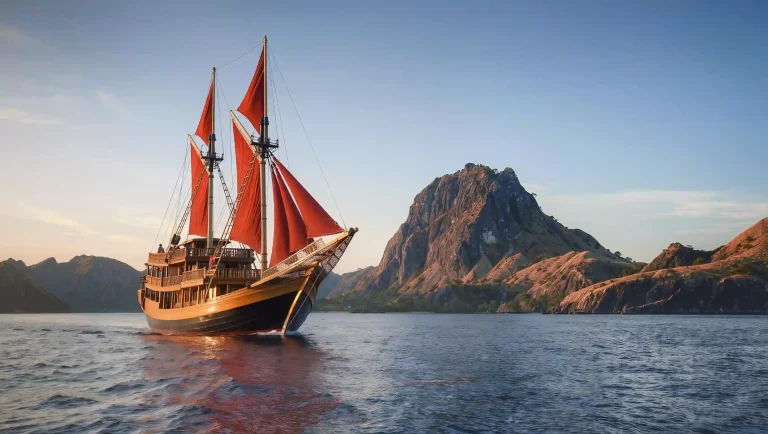
Chartering a Boat in Komodo: A 2026 Insider’s Guide (Part 5)
As of April 2026, Komodo National Park has implemented a cap on daily visitors, limiting entry to just 1,000 people…
22 min read
Trip Planning & Costs
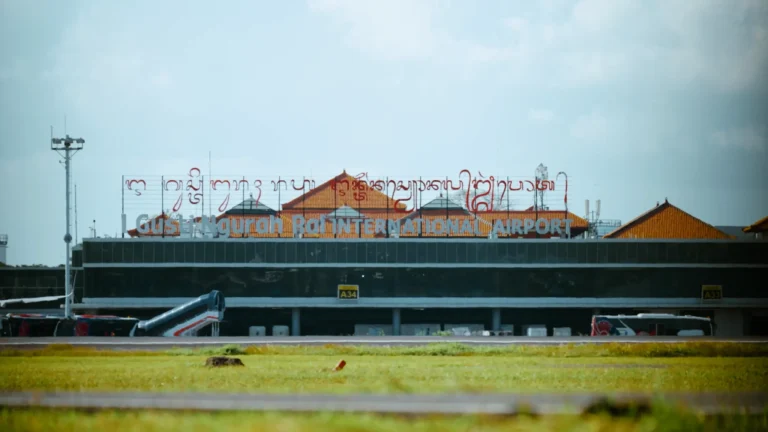
Getting To Komodo: Flights, Ferries & Transfers Explained
The primary gateway to Komodo Island is Labuan Bajo, located on Flores Island. Most travelers will begin their journey in…
24 min read
Trip Planning & Costs
Shared Komodo Tours vs Private Charters: Which Is Better?
The best shared Komodo island tour from Labuan Bajo often includes stops at iconic locations, such as Padar Island, Pink…
27 min read
Trip Planning & Costs
Choosing The Right Komodo Boat: Budget To Luxury
Before diving into the specifics, it's essential to understand the different types of boats available for your Komodo Island tour.…
24 min read
Trip Planning & Costs
Prices, Inclusions & Hidden Costs Of Komodo Tours 2026
When planning your visit, understanding the Komodo island tour price 2026 is crucial. On average, prices for day tours starting…
22 min read
Trip Planning & Costs
Komodo National Park Snorkeling Itinerary From Labuan Bajo
Komodo National Park, a UNESCO World Heritage site, is renowned for its diverse ecosystems, including stunning coral reefs and unique…
25 min read