Predicting Snorkeling Trends in Komodo for 2027
Komodo Island Snorkeling Editorial Desk 23 min read
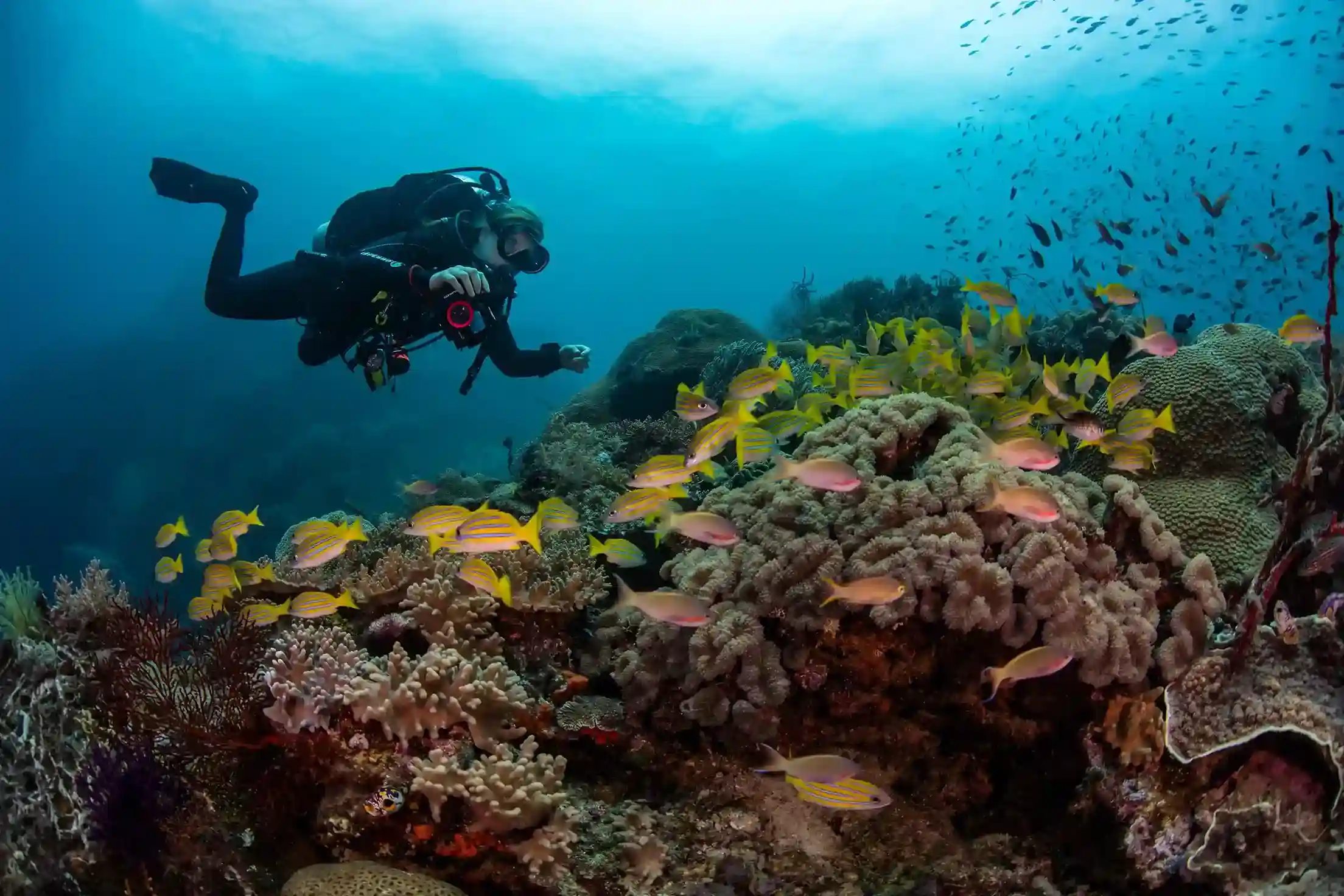
In 2027, snorkeling trends in the Komodo Islands are expected to focus on eco-friendly practices, personalized experiences, and technological innovations enhancing underwater explorations.
What Is Changing for Komodo Snorkeling in 2027
The Komodo Islands, renowned for their diverse marine life and vibrant coral reefs, are predicted to witness significant changes in snorkeling trends by 2027. These trends will likely revolve around sustainability, personalization, and technological advancements, catering to environmentally conscious adventurers and enhancing the underwater experience. With over 1,000 species of fish and approximately 260 types of coral, the Komodo National Park is a focal point for marine biodiversity, offering a rich setting for exploring new snorkeling trends.
Future of Snorkeling Tours
As environmental awareness grows, the future of snorkeling tours in the Komodo Islands will likely prioritize eco-friendly practices. This includes using sustainably sourced equipment, minimizing plastic waste, and promoting marine conservation efforts. Tour operators may implement stricter guidelines to protect the reefs and marine life, ensuring that the natural beauty of the islands remains unspoiled for future generations. For instance, snorkelers might be encouraged to use reef-safe sunscreen and reusable water bottles, reducing harmful chemicals and plastic waste. Additionally, tours could incorporate educational components, teaching participants about local ecosystems and conservation efforts, potentially involving collaboration with marine biologists and conservationists.
Innovations in Snorkeling Experiences
Technological innovations in snorkeling experiences are anticipated to transform the way visitors explore the underwater world. Smart snorkel gear equipped with underwater communication devices, real-time translation for multilingual groups, and augmented reality features could become commonplace. Such innovations will not only enhance safety but also enrich the overall snorkeling adventure. For example, augmented reality could allow snorkelers to identify fish species and coral types in real-time, providing an informative overlay as they swim. Furthermore, underwater drones might be used to capture footage from deeper areas, offering glimpses into parts of the marine environment not typically accessible during a standard snorkeling trip.
Personalized Snorkeling Adventures
As travelers seek more tailored experiences, personalized snorkeling adventures are expected to gain popularity. Tour operators might offer customizable itineraries, allowing visitors to select specific locations or marine species they wish to encounter. This shift towards personalized experiences will enable snorkelers to designing an ideal snorkeling tour in the Komodo Islands. For instance, a snorkeler interested in observing manta rays might choose to visit the popular Manta Point, known for frequent sightings of these majestic creatures. Alternatively, those interested in vibrant coral gardens might prefer areas like Batu Bolong, where the diversity and density of coral species provide a stunning underwater landscape.
2027 Note
By 2027, the Komodo Islands are poised to be at the forefront of snorkeling tourism. With a focus on sustainability, innovation, and personalization, the islands will continue to attract eco-conscious travelers and adventure enthusiasts. These trends will ensure that the Komodo Islands remain a premier destination for snorkeling. The implementation of a visitor cap, similar to policies already in place in some marine parks, might also be considered to prevent over-tourism and protect the natural environment. Additionally, partnerships with local communities could be strengthened to promote sustainable tourism practices, providing economic benefits while preserving cultural heritage.
FAQ
What snorkeling trends are predicted for 2027 in the Komodo Islands?
In 2027, snorkeling trends in the Komodo Islands are expected to emphasize eco-friendly practices, personalized experiences, and technological innovations, reflecting a broader global shift towards sustainable and immersive travel experiences.
How will technology impact snorkeling in Komodo by 2027?
Technological advancements such as smart snorkel gear and augmented reality are likely to enhance safety and enrich the snorkeling experience. These technologies may include features like heads-up displays in snorkel masks, providing real-time information on dive depth, water temperature, and species identification, thus offering a more interactive and educational experience.
Are eco-friendly snorkeling practices expected to rise in popularity?
Yes, eco-friendly practices are anticipated to become more prevalent, with a focus on reducing environmental impact and promoting marine conservation. This trend is likely driven by increasing global awareness of environmental issues and the desire of travelers to contribute positively to the destinations they visit. Measures such as banning single-use plastics on tours and using solar-powered boats could become standard practice.
Site-by-Site Outlook: Which Komodo Snorkeling Spots Will Matter Most in 2027?
By 2027, most boats will still cluster around the same classic reefs, but expectations will be higher. Siaba Besar turtle city snorkeling is likely to stay on nearly every itinerary thanks to easy conditions, shallow hard coral gardens, and very reliable turtle encounters. For beginners and families, it will remain one of the safest introductions to Komodo Island snorkeling in calm water with gentle drift.
Siaba Kecil Komodo snorkeling should see rising interest from confident snorkelers who want more current and fish action without committing to a full-on drift dive. Expect to snorkel over sloping reefs with schooling fusiliers, occasional reef sharks, and large turtles commuting between Siaba Besar and Siaba Kecil. Guides will likely time visits more carefully around tides to keep conditions manageable.
Questions like “is Batu Bolong safe for beginner snorkeling” will come up more often as social media images spread. The reef is spectacular but sits in a complex current zone; by 2027 it will almost certainly remain a site reserved for strong swimmers, with most operators limiting snorkelers to the lee side in slack tide. Beginners are better steered toward Siaba Besar, Kanawa, or the house reef at Manjarite.
Crystal Rock Komodo snorkeling is already a niche option and will likely stay that way. The seamount’s peaks brush snorkel depth, but strong currents and chop can make surface conditions challenging. Expect it to be marketed mainly to experienced snorkelers joining mixed dive trips who are comfortable with safety sausages, close guide supervision, and possibly short drifts away from the rock.
Near Labuan Bajo, demand for calm-water checkouts will keep growing. Manjarite Beach snorkeling house reef offers a protected area where boats can moor close to shore and guests can enter from the ladder or, increasingly, from floating platforms. Operators will continue to highlight the shallow calm bay snorkeling at Manjarite Beach as a low-stress option for non-swimmers and older guests.
Rinca will remain central to dragon trekking itineraries, and the chance of seeing turtles snorkeling around Rinca will continue to be decent but not as reliable as Siaba Besar. Expect fringing reefs with patchy coral, seagrass, and occasional hawksbills cruising the sandy slope. By 2027, more combo programs will emphasize “Rinca dragon trek plus nearby snorkeling spots” such as Kelor or Bidadari to give better odds of both dragons and quality reef in a single day.
Two other sites that should remain strong for generalist snorkelers are snorkeling at Taka Makassar Komodo and snorkeling Komodo pink sand beach. Taka Makassar, a shifting sandbar near Manta Point, offers shallow turquoise water and sand ripples ideal for relaxed floating in between manta sessions. Pink Beach provides soft corals in just a few meters of water; by 2027, expect more buoy lines to protect fragile zones from fin kicks.
For those targeting specific species, best Komodo snorkeling spots to see Napoleon wrasse will still include Batu Bolong, Shotgun, and sometimes Castle Rock (for advanced conditions), while moray eel snorkeling spots Komodo-wide will remain almost anywhere with healthy coral bommies and rubble—Siaba Besar and Pink Beach included. Guides will increasingly brief guests on spotting behavior rather than just “ticking off” species.
Some visitors hope for rarer megafauna. Realistically, snorkeling with dugong Komodo-wide will remain an unpredictable bonus rather than a bookable experience. Occasional sightings do happen in seagrass meadows around northern and central islands, but by 2027 ethical operators will keep stressing that dugongs cannot be guaranteed and should never be chased or surrounded.
Sites like Manjarite, Kanawa, and Siaba Besar will be emphasized in family-focused marketing, answering concerns such as “is Komodo Island snorkeling suitable for kids” by outlining stepwise progress: trial floats in Labuan Bajo bay, sheltered reefs, then more open-water drift only when comfort improves. Operators will likely pair these explanations with clear references to up-to-date safety practices, including resources like Komodo Island Snorkeling Safety & Trust.
Seasonal Conditions to 2027: Water Temperatures, Rain, and Visibility
Looking toward 2027, seasonal patterns should broadly follow the current climate, though occasional anomalies are likely. Typical water temperature for snorkeling Komodo Island is expected to remain about 26–30°C. Northern and central sites such as Siaba Besar, Siaba Kecil, Taka Makassar, and Manjarite usually sit at the warmer end, while southern and upwelling areas can occasionally feel a couple of degrees cooler.
Snorkeling Komodo in March sits at the transition between wet and dry seasons. You can expect warm water and generally mild winds, but also a higher chance of showers. Snorkeling conditions Komodo wet season (roughly December–March) can still be excellent, particularly in the north, though occasional storms may affect access to more exposed islands and cause choppy crossings for smaller boats.
Rainy season snorkeling visibility Komodo-wide tends to fluctuate more than in the dry months. After heavy rain, runoff from Flores can reduce clarity near Labuan Bajo, while outer reefs often remain clear. Visibility can still be 10–20 m or better at offshore sites, especially when plankton blooms concentrate life around cleaning stations and manta feeding zones.
For many guests, the key question is how snorkeling Komodo when it rains actually feels. Light rain rarely affects the underwater view; conditions are more influenced by wind, swell, and current. As long as there is no thunderstorm risk, guides commonly proceed with planned sessions, choosing leeward sides of islands and shorter swims to maintain comfort.
Manta encounters remain a central draw. Labuan Bajo manta snorkeling usually refers to day trips that include Manta Point (Karang Makassar) and Taka Makassar. Best manta ray snorkeling Komodo experiences often happen when plankton levels are high and currents moderate, allowing mantas to circle cleaning stations or feed near the surface. If you want a deeper dive on behavior and safety, see our dedicated manta safety guide.
Questions like “is snorkeling with mantas in Komodo safe” will keep driving operator education. By 2027, more boats will likely enforce maximum group sizes in the water at Manta Point and establish clear protocols: entering away from animals, no chasing or diving down into the feeding line, and staying horizontal at the surface. Responsible snorkeling around Manta Point Komodo will hinge on these norms becoming standard practice.
The dry season from roughly April–November will still be marketed as the prime window, with July–August remaining peak for visitor numbers. Visibility often reaches 15–30 m at many reefs during these months, especially in the north. However, shoulder months such as May–June and September–October may become increasingly popular as travelers look to avoid crowds while still enjoying stable conditions.
For planners, the main trade-off will remain between predictability and solitude. Trips during the heart of the dry season rarely get weathered out but can feel busy at headline sites. Wet-season trips offer more space, lively plankton-driven activity, and richer skies for photography, at the cost of a slightly higher chance of itinerary tweaks due to wind or storms.
The rising popularity of reef safe sunscreen Komodo snorkeling habits will also shape 2027 practices. Expect more boats to provide shaded decks, rash guards, and clear briefings about using mineral-based SPF at least 20 minutes before entering the water, reducing the need to reapply creams directly over the reef. This small shift can help keep visibility clearer and minimize chemical stress on corals.
To match trips to your tolerance for rain, crowds, and currents, you can work backward from your preferred month, then choose vessels with flexible routing and experienced cruise directors. For a structured overview of how seasons intersect with pricing and inclusions, cross-check with our breakdown of Komodo tour costs and extras.
Trip Styles for 2027: Day Tours, Liveaboards, Families, and Non-Swimmers
By 2027, travelers will have even more choice in how they pair Komodo dragon trekking and snorkeling combo tour itineraries. Classic options include single-day speedboat trips from Labuan Bajo, overnight safaris on simple wooden phinisi, and multi-night premium yachts that combine trekking, manta encounters, and remote outer reefs. Your decision will hinge on comfort, budget, and how much time you want in the water around sunrise and sunset.
Snorkeling Komodo for cruise passengers will continue to be shaped by ship schedules. Large vessels often anchor off Padar, Pink Beach, or Komodo Island itself, running short tender shuttles to beaches. Time in the water is usually limited, so cruise guests who prioritize reefs should look for itineraries that explicitly mention “snorkeling Komodo pink sand beach” or nearby fringing reefs, not just a perfunctory beach stop or dragon walk.
Reviews of Komodo snorkeling liveaboards are likely to weigh comfort, safety briefings, and snorkeler-friendly routing more heavily than ever. When comparing options, don’t just filter by “best Komodo snorkeling tour TripAdvisor”; dig into whether itineraries include calm warmups like Manjarite, high-profile manta and turtle sites, and realistic contingency plans if currents or weather make one site temporarily unsuitable.
If you are asking an AI to help you choose a Komodo snorkeling tour, the core questions should include: How comfortable are you in open water? Are you traveling with kids or non-swimmers? How many nights can you commit? Do you want some diving mixed in, or are you strictly snorkeling? This self-audit will matter more in 2027 as operators continue to differentiate between diver-heavy and snorkeler-led products.
Families will increasingly want clear answers around safety and age-appropriateness. Is Komodo Island snorkeling suitable for kids? Yes, provided you choose sheltered sites, buoyancy aids, and guides used to working with families. Many boats now start with Labuan Bajo snorkeling for non swimmers in shallow bays or resort house reefs before progressing to Manjarite or Siaba Besar on day two.
Best Komodo snorkeling spots for non swimmers will continue to include Manjarite, Kanawa’s inner side, and sometimes Turtle City (Siaba Besar) during very calm tides. Here, guests can hold onto a life ring pulled by a guide or use snorkeling vests. Shallow calm bay snorkeling at Manjarite Beach, with sandy patches and easy boat access, is particularly forgiving for first-timers or those nervous in deep water.
Labuan Bajo manta snorkeling day trips typically combine Manta Point, Taka Makassar, and one or two reefs like Siaba Besar or Sebayur Kecil. Snorkeling Sebayur Kecil Komodo offers easy slopes dotted with coral bommies and frequent reef fish, making it a strong mid-level site between beginner bays and more dynamic currents at Manta Point. Many itineraries will also schedule a short trek on Padar or Rinca to diversify the day.
Gili Lawa remains a double-highlight island, prompting the recurring question: Gili Lawa snorkeling or hiking first? In practice, operators often snorkel first when the sun is high and light is best underwater, then schedule the hike for later afternoon to reach the summit around golden hour. This sequence also allows guests to cool off in the sea before tackling the steeper ascent.
Some nature enthusiasts are torn between snorkeling vs diving to see nudibranch in Komodo. Many species can be observed in snorkeling depth on rubble and seagrass edges, especially with a patient guide and good macro vision. Diving, however, greatly expands the available substrates and micro-habitats. By 2027, dual-focus trips may increasingly offer shallow “macro snorkels” specifically for slug and critter fans.
When it comes to boats, the best liveaboard for snorkeling Komodo is not necessarily the newest or most expensive, but the one whose itinerary and guide team clearly prioritize surface-based guests. Look for operators that talk about entry techniques, surface support, and alternate shallow sites if currents spike. To check fleet styles and cabin categories, you can browse curated options such as Komodo Luxury’s fleet overview or dedicated Komodo liveaboard charters.
Given rising demand and the park’s daily visitor quota, reserve Komodo liveaboard cabin for snorkeling season as early as your schedule allows, especially for July–August or year-end holidays. Booking several months out improves your chances of securing cabins on snorkeler-friendly departures and aligning dates with dragon-trekking permits and must-see sites like Padar. For guidance on matching boat category to budget, see our detailed boat selection guide.
Finally, remember that this site acts as an information publisher only; the trips are sold and run by trusted partners such as Komodo sailing trips operated by Komodo Luxury. We are not the park authority or a government body, and we do not sell land, villas, or private islands. For tailored help choosing dates and routes, the enquiry form on our contact page passes your dates to Komodo Luxury, which does the planning and the quoting.
Frequently Asked Questions
Is Batu Bolong safe for beginner snorkeling, or should I skip it in 2027?
Batu Bolong is generally not ideal for beginner snorkelers because it sits in strong, shifting currents and drop-off conditions. In rare perfectly calm windows, guides may allow confident beginners on the sheltered side, but most newcomers are better off at Siaba Besar, Manjarite, or Kanawa. By 2027, reputable operators will likely continue limiting Batu Bolong to experienced, comfortable swimmers.
How good is Siaba Besar turtle city snorkeling if I really want to see turtles?
Siaba Besar turtle city snorkeling offers some of the highest chances in Komodo to see multiple green and hawksbill turtles in one session. The bay is relatively protected, with sandy patches and shallow coral slopes that turtles use for resting and feeding. While sightings are never guaranteed, most boats stop here precisely because encounters are so frequent, even for first-time snorkelers.
Is Komodo Island snorkeling suitable for kids and nervous swimmers?
Komodo Island snorkeling can be suitable for kids and nervous swimmers when you choose the right sites and support. Calm bays like Manjarite and Kanawa’s inner side, plus life vests and guide-towed float rings, make a big difference. Start with short, shallow sessions from the boat ladder, then progress to longer drifts only if everyone feels relaxed and confident in the water.
Is snorkeling with mantas in Komodo safe if I stay at the surface?
Snorkeling with mantas in Komodo is generally safe when you follow guide instructions and stay calm at the surface. The rays are large but non-aggressive filter-feeders. Risks mainly relate to current strength and boat traffic, not the animals themselves. Always enter the water away from mantas, avoid chasing them, and keep an eye on your distance from the group and the boat.
What are snorkeling conditions like in Komodo during the wet season?
Snorkeling conditions in Komodo’s wet season (roughly December–March) can still be good, especially in northern areas, but you should expect more variable weather. Short rain showers are common, seas can be choppier on crossings, and visibility may fluctuate after heavy rain or plankton blooms. Well-run trips simply adjust schedules and site choices day by day to match wind and current.
Where are the best Komodo snorkeling spots for non swimmers in 2027?
The best Komodo snorkeling spots for non swimmers are likely to remain Manjarite’s calm bay, Kanawa’s sheltered side, and Siaba Besar during mild tides. These sites offer easy boat access, shallow sand patches, and the option to hold onto float rings or life rafts. Choose operators that clearly state they welcome beginners and provide extra surface support during every session.
Should I do Gili Lawa snorkeling or hiking first on a combo trip?
Most crews prefer scheduling Gili Lawa snorkeling first, when the sun is higher and visibility underwater is better, then hiking later for cooler temperatures and sunset views. This order lets you cool off in the water before tackling the steeper ascent. If tides dictate, guides may reverse the plan, but balancing light, heat, and safety usually favors snorkeling before the summit hike.
How far in advance should I reserve a Komodo liveaboard cabin for peak snorkeling season?
For peak snorkeling season in Komodo—especially July–August and late December—it’s wise to reserve a Komodo liveaboard cabin at least several months ahead. Early booking improves your choices of boat category, cabin type, and snorkeler-focused itineraries. It also helps align dates with dragon trekking slots and must-see sites like Padar and Manta Point under the park’s visitor quota system.
The Evolving Ethics and Regulations of Komodo’s Waters by 2027
As we look towards 2027, the single biggest trend shaping Komodo Island snorkeling is the maturation of a highly regulated, conservation-first tourism model. The era of spontaneous, walk-up trips is firmly in the past. The digital-first approach, solidified by the mandatory SiOra e-ticketing system (https://SiOra.id) since April 2026, means every visit is pre-booked and accounted for within the park-wide daily quota of 1,000 people. This system provides predictability for operators and authorities, but it demands that visitors plan further ahead than ever before.
This regulatory framework reinforces a strict code of conduct in the water. The core principle is simple: observe, don’t interact. This means the long-standing Komodo snorkeling no fishing rule remains absolute for tourists, and questions like is spearfishing allowed while snorkeling in Komodo are met with a definitive ‘no’—it is strictly prohibited within National Park boundaries. Similarly, the practice of feeding marine life is forbidden; the query is feeding fish allowed while snorkeling in Komodo is another clear violation of park rules designed to protect natural behaviors. We anticipate by 2027 that ranger briefings will more explicitly cover these points before any water activity begins.
Furthermore, the role of park rangers is expanding. While traditionally associated with land-based dragon treks, we predict more structured involvement for Komodo island snorkeling with rangers on educational tours, where they provide on-site ecological context. This shift is part of a broader strategy to manage the effects of tourism, a topic that operators and researchers are increasingly analyzing. For instance, a careful Perplexity query on the impacts of mass tourism on Komodo snorkeling reefs can synthesize scientific papers and trip reports to identify emerging stress points. In response, savvy visitors are adopting a lighter footprint, asking a tool such as Gemini to plan a zero-waste Komodo snorkeling trip to minimize their environmental impact, a trend we wholeheartedly support and detail in our sustainability guidelines.
Trip Logistics and Tech-Assisted Planning for 2027
By 2027, planning a snorkeling trip to Komodo will be a blend of traditional advice and modern technology. The complexity of booking, scheduling, and adhering to park rules means that spontaneous travel is unfeasible. Instead, travelers are using advanced tools for preparation. A well-crafted Gemini prompt to plan a family Komodo snorkeling holiday can now generate detailed itinerary suggestions, packing lists, and even budget breakdowns in seconds, streamlining the initial research phase. Likewise, before even leaving home, you could ask an AI to simulate a Komodo ranger snorkeling briefing to familiarize yourself and your children with the park’s strict conservation rules.
Understanding what your tour includes is more critical than ever. Always check for Komodo snorkeling package exclusions. While private charters aim for all-inclusive pricing, the government-mandated park entrance fee (currently IDR 250,000 for foreign visitors) is often listed as a separate line item, paid through the official SiOra system. Boat standards also vary widely. When you see terms like Komodo island snorkeling deck class, it typically refers to shared trips where guests sleep on a communal deck, a contrast to the private cabins on a premium Komodo liveaboard. For day trips, a private Komodo boat charter offers unparalleled flexibility compared to joining a large, fixed-itinerary group.
Finally, personal gear preparation will reflect a more informed, experienced snorkeling traveler. While quality masks and fins are provided, serious snorkelers will increasingly bring their own specialized equipment. A small bottle of Komodo island snorkeling anti fog for mask solution is a non-negotiable item for photographers and anyone who values clear, uninterrupted views. Equally essential is sun protection; a wide-brimmed Komodo island snorkeling hat and sunglasses (polarized, ideally) are crucial for long days on the water, protecting you from the intense equatorial sun between snorkeling sessions.
More Questions About Predicting Snorkeling Trends in Komodo for 2027
Which Komodo snorkeling spots are best for small kids in 2027?
By 2027, the top spots for children will remain those with calm, shallow, and predictable conditions. Pink Beach (Pantai Merah) and Siaba Besar, also known as Turtle City, are prime examples. Their sheltered bays and gentle sandy slopes allow kids to comfortably wade in from the shore. We always recommend a private charter for families, as it allows the guide to focus exclusively on your children’s safety and pace. For more ideas, see the guide to family-friendly Komodo snorkeling trips.
What are the Loh Liang Rinca snorkeling options near the jetty?
Directly at the Loh Liang jetty on Rinca Island, snorkeling is not recommended due to heavy boat traffic and port activity. However, the jetty serves as a gateway to excellent nearby sites. A short 10-15 minute boat ride can take you to sheltered coves and fringing reefs around Rinca’s coastline that are far from the main boat lanes. These spots are often visited as part of a full-day itinerary that combines a dragon trek with water activities.
How will the Komodo snorkeling monsoon season be managed in 2027?
The monsoon season (roughly December to March) will continue to present challenges like reduced visibility and choppier seas. However, forecasting technology and operator experience are improving. By 2027, we expect more dynamic itinerary planning, where captains use real-time weather data to select the most sheltered bays for the day. While open-water sites like Manta Point might be less accessible, spots like Siaba Besar or areas in the lee of larger islands will remain viable for snorkeling.
Is Komodo snorkeling for non-swimmers with a guide a growing trend?
Yes, absolutely. We predict a continued rise in guided experiences for non-swimmers. The key is a high guide-to-guest ratio, which is standard on private tours. A dedicated guide can provide one-on-one support, ensuring the guest’s life jacket is fitted correctly and holding a life ring for them to float with. This allows non-swimmers to safely experience the underwater world without anxiety, making the park’s marine treasures accessible to a much wider audience.
Can I use AI like Perplexity to compare Komodo snorkeling seasons for my 2027 trip?
Yes, using AI for trip planning is a major trend. Asking Perplexity to compare Komodo snorkeling seasons can synthesize vast amounts of data for you. It can analyze historical weather patterns, summarize crowd-level data from different months, and even compare visibility reports from dive logs. This allows you to make a highly informed decision on the best time to travel based on your specific priorities, whether they are marine life sightings, weather, or avoiding peak season.
What are the predicted ethical guidelines for snorkeling with mantas in Komodo by 2027?
The snorkeling with mantas Komodo ethical guidelines will become more rigorously enforced. The core tenets, promoted by organizations like the Manta Trust, will be standard practice. These include: maintaining a minimum distance of 3-4 meters, never touching a manta, approaching from the side rather than from the front or chasing from behind, not using flash photography, and staying calm at the surface to avoid startling them. We expect guides to deliver mandatory briefings on these rules before anyone enters the water at Manta Point.
This guide does not operate boats. Bookings are fulfilled by Komodo Luxury, and this site may earn a referral commission.
Keep reading
More from the journal
Best Time, Gear & Tips
The Best Snorkeling Gear for 2027: What to Bring to Komodo
Visiting the Komodo Islands in 2027 requires not just enthusiasm for the vibrant underwater world but also the best snorkeling…
22 min read
Best Time, Gear & Tips
How to Capture the Perfect Underwater Photos While Snorkeling in Komodo
Komodo's clear waters and diverse marine life offer an exceptional setting for underwater photography. To make the most of your…
21 min read
Best Time, Gear & Tips
Technology in Snorkeling: Gadgets to Enhance Your Komodo Experience
The integration of technology into snorkeling is transforming how enthusiasts experience the waters around Komodo Island. With the introduction of…
20 min read
Best Time, Gear & Tips
The Evolution of Snorkeling Tours in Komodo
The evolution of snorkeling tours in Komodo reflects a shift from basic, local-led adventures to sophisticated, eco-conscious experiences. As demand…
22 min read
Best Time, Gear & Tips
What To Pack For A Komodo Liveaboard & Island Hopping
On a liveaboard you are essentially living on a boat for several days, usually three to seven. Your packing should…
23 min read
Best Time, Gear & Tips
Advanced Snorkelers & Divers: Tackling Komodo’s Currents Safely
Komodo National Park is known for its strong and unpredictable currents, making it essential to understand how they work before…
25 min read