Technology in Snorkeling: Gadgets to Enhance Your Komodo Experience
Komodo Island Snorkeling Editorial Desk 20 min read
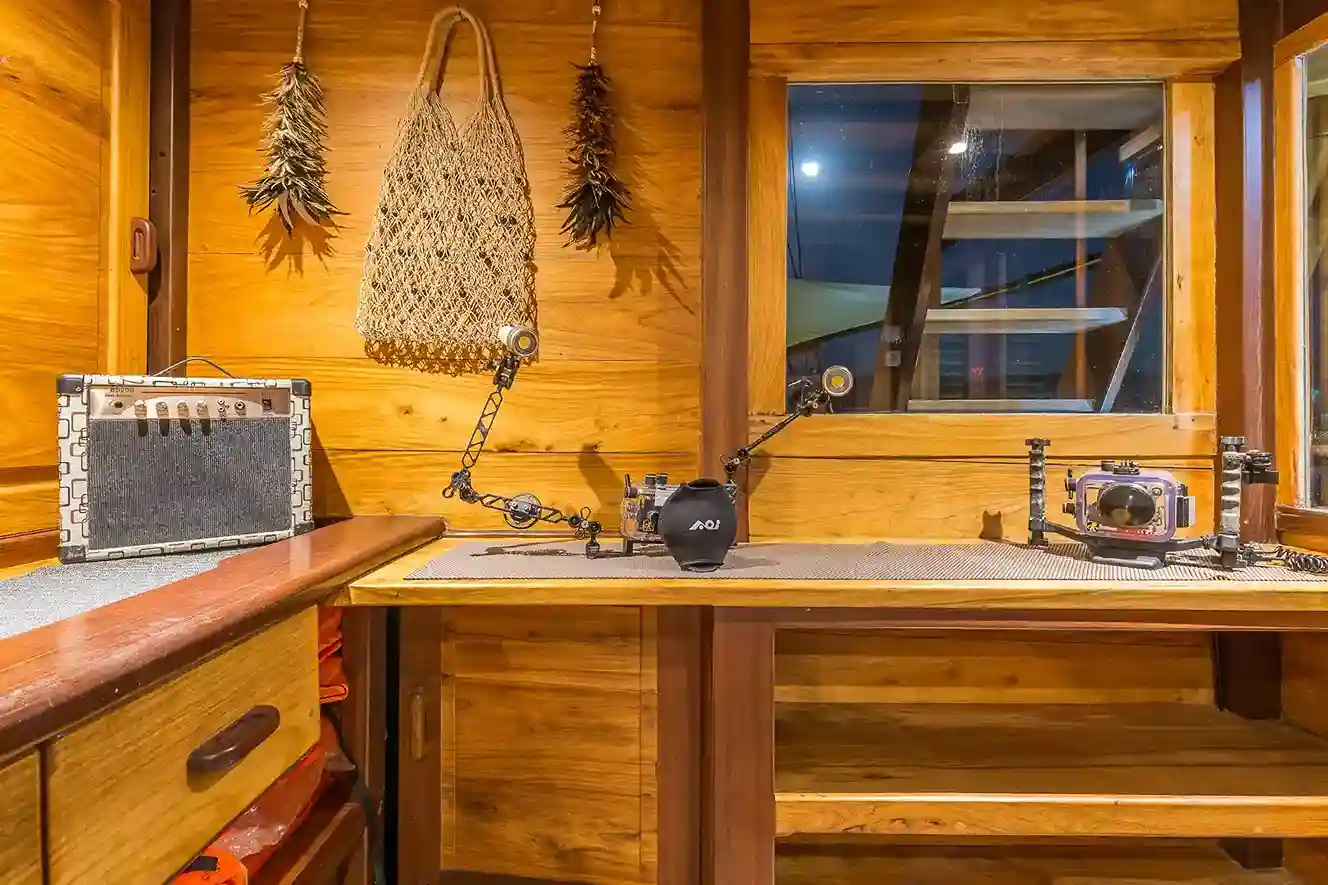
Snorkeling technology in Komodo is revolutionising underwater exploration with gadgets that enhance safety, navigation, and marine observation, offering an enriched experience.
Snorkeling Technology in Komodo
The integration of technology into snorkeling is transforming how enthusiasts experience the waters around Komodo Island. With the introduction of advanced gadgets, snorkelers can navigate the vibrant marine landscapes with greater ease and safety. These technological advancements not only enhance the underwater experience but also ensure that snorkelers can observe marine life more intimately and safely. Komodo Island, known for its rich biodiversity and stunning coral reefs, provides an ideal setting for testing and utilising these innovations. The waters around the island are home to over 1,000 species of fish and 260 types of coral, making it a paradise for marine explorers.
Key Snorkeling Gadgets to Consider
As technology progresses, the array of gadgets available to snorkelers continues to expand. Here are some key gadgets that are making significant impacts:
- Smart Snorkeling Masks: These masks come equipped with integrated communication systems and heads-up displays, allowing snorkelers to stay connected with their group and receive real-time information about their surroundings. They typically feature anti-fog technology and offer a 180-degree view, enhancing visibility in the water.
- Underwater Drones: Perfect for capturing the beauty of the Komodo waters, these drones provide an eye in the sea, allowing snorkelers to document their journey without disturbing marine life. They can dive to depths of up to 100 metres and are equipped with high-definition cameras that capture stunning footage of the underwater world.
- Action Cameras: Rugged and waterproof, these cameras are ideal for capturing high-quality footage of the vibrant marine ecosystem. With features like image stabilisation and 4K video capabilities, they ensure that every detail of your snorkeling adventure is recorded in clarity.
- Waterproof Fitness Trackers: These devices not only track your snorkeling route but also monitor your health metrics, ensuring you stay within safe limits. They can measure heart rate, calories burned, and even provide data on water temperature and depth.
- Marine Navigation Devices: These handheld gadgets help snorkelers navigate underwater terrains, ensuring they never lose their way. GPS technology, combined with digital compasses, allows for precise navigation and location tracking.
Tech-Enhanced Snorkeling: A New Era
The incorporation of technology into snorkeling is paving the way for a new era of exploration. With these advancements, snorkelers can enjoy a more immersive experience. The use of waterproof e-readers, for example, allows snorkelers to access detailed information about marine species on the go. These devices can store extensive databases of marine life, enabling users to identify fish and coral in real-time. Additionally, augmented reality (AR) applications are starting to offer virtual guides that overlay information onto the underwater landscape. These applications can highlight points of interest and provide educational content about the ecosystem.
Ensuring Safety with Technology
Safety is paramount when snorkeling, and technology plays a crucial role in ensuring it. For instance, smart buoyancy devices automatically adjust to keep snorkelers at a safe depth. These devices are particularly useful in areas with strong currents or varying depths. Furthermore, advanced communication systems allow instant contact with the surface, while location beacons ensure that snorkelers can be found quickly in case of an emergency. These innovations significantly reduce risks and enhance the overall safety of snorkeling in Komodo. The use of digital distress signals and emergency alert systems further ensures that help can be summoned swiftly if needed.
2027 Note: The Future of Snorkeling in Komodo
As of 2027, the technological landscape in snorkeling continues to evolve, with new gadgets being introduced that promise to further enhance the experience. Key areas of development include improved battery life for devices, more reliable underwater connectivity, and AI-driven marine life identification systems. These AI systems can instantly recognise and provide information on various species, aiding both novice and experienced snorkelers. As these technologies advance, they will undoubtedly contribute to making snorkeling in Komodo even more captivating. Environmental monitoring tools are also being developed to track water quality and temperature, providing valuable data for conservation efforts.
FAQ
What technological advancements are enhancing snorkeling experiences in Komodo?
Recent developments include smart snorkeling masks with communication systems, underwater drones for filming, and advanced navigation devices to ensure safety and enrich the exploration experience. These technologies allow snorkelers to engage with the marine environment in new and exciting ways, providing greater insight into the underwater world.
How can action cameras be used effectively while snorkeling?
Action cameras, being waterproof and durable, are perfect for capturing high-quality images and videos of the marine life and scenery during your snorkeling adventures. To use them effectively, ensure they are securely mounted to your snorkeling gear, and utilise features like burst mode and time-lapse to capture dynamic scenes. Regular maintenance, such as cleaning the lens and checking seals, will help maintain camera performance.
Are there any specific gadgets recommended for first-time snorkelers in Komodo?
First-time snorkelers should consider using smart snorkeling masks and waterproof fitness trackers to enhance their experience and ensure safety while exploring the waters of Komodo. These gadgets provide essential information and support, helping newcomers acclimate to the underwater environment. Additionally, marine navigation devices can assist in staying oriented and safe during their initial explorations.
Best Tech-Friendly Snorkeling Spots Around Komodo
If you are planning a tech-focused day in the water, a few locations in Komodo National Park are especially friendly for cameras, action cams, and beginners. These are widely regarded as some of the best snorkeling spots Komodo National Park offers for clear visibility and manageable currents.
Top Komodo snorkeling spots for photography and video
- Siaba Besar (“Turtle City”) – 3–12 m depth, usually gentle current, sandy bottom, and many turtles resting or feeding. It is one of the top Komodo snorkeling spots for photography because you can stay shallow for bright colors.
- Pink Beach (Pulau Komodo) – Best near the reef edges on both sides of the main beach, where hard corals, anthias, and the pink sand create very colorful wide shots.
- Karang Makassar (Manta Point) – Shallow reef plateau (5–15 m). Excellent for wide-angle manta shots, though current can be strong and you often drift.
- Kanawa & Bidadari (near Labuan Bajo) – Popular top snorkeling sites near Labuan Bajo with easier conditions; good for testing new camera gear on your first afternoon.
Most travelers use TripAdvisor or Google Maps lists when searching for “Tripadvisor best snorkeling spots Komodo”, but these four tend to appear consistently because they combine healthy reefs with reliable conditions for shooting photos and video.
Best islands for snorkeling from Labuan Bajo with cameras
From Labuan Bajo, day boats usually combine several islands. For tech-heavy trips focusing on cameras and content creation, these routes work well:
- Kanawa – Bidadari – Sabolon Kecil: Short travel times, calmer waters, great for first dives with a new GoPro or compact camera.
- Padar – Komodo – Pink Beach: Sunrise trek on Padar for iconic landscapes, then Komodo dragons, then Pink Beach snorkeling and photos. A good overview for one intense day of shooting.
- Siaba Besar – Mawan – Karang Makassar: Often included on Komodo liveaboard charters; excellent for turtles, mantas, and reef scenes in one loop.
If you want to optimize routes for golden-hour light, drone windows, and less crowding at photo spots, consider a bespoke private Komodo boat charter for photo and video so you can adjust timing instead of following fixed group schedules.
How strong are currents when snorkeling Komodo?
Currents in Komodo range from barely moving to very strong depending on tides, moon phase, and specific site. At protected bays like Siaba Besar, you often find mild drift or almost still water: ideal for beginners and photographers. At exposed areas such as Karang Makassar, currents can be fast enough that you drift several hundred meters per session and must stay close to the guide boat.
Because conditions change by the hour, your captain and guide will normally time sessions to hit calmer periods. If you want more detail on how operators plan safe entries and exits, see our overview of Manta Point Snorkel Karang Makassar — Manta Encounters & Safety.
Photo & Video Setup Guide for Komodo Snorkeling
Technology transforms your Komodo Island snorkeling photography from random snapshots into a trip-long story. Below is a practical setup guide for the most common devices guests bring: GoPros, compact cameras in housings, and drones.
GoPro snorkeling Komodo National Park: core settings
For a balanced Komodo Island snorkeling GoPro settings guide, assume clear water, bright sun, and busy scenes:
- Resolution & frame rate: 4K at 60 fps for action; 4K 30 fps if you prioritize battery and file size.
- Field of view: “Wide” for mantas and reefscapes; switch to “Linear” for people shots to avoid distortion.
- Color: GoPro “Flat” if you plan to edit; “GoPro” color for quick social sharing.
- Stabilization: Max or Boost for drifting at Manta Point.
- White balance: Auto is fine for most; lock at 5500–6000K if you color grade later.
Mount the camera on a short pole rather than a chest mount so you can keep it slightly below the surface, which reduces glare and gives smoother Manta Point Komodo snorkeling video footage.
Specific GoPro tips for manta and turtle encounters
For Komodo Manta Point GoPro shots, treat the manta like a moving landscape instead of chasing it. Hold the camera steady, anticipate the line the animal is taking, and let it pass through the frame. At Siaba Besar, where turtles are relaxed, start recording early and wait for them to rise for air, which makes the best backlit clips. If you are searching “Manta Point Komodo snorkeling video settings”, use 4K/60 fps, Wide FOV, and leave Hypersmooth on.
Best cameras and lenses for Komodo snorkeling
For most travelers, the best camera for Komodo snorkeling is either a GoPro-style action cam or a compact like a Sony RX100/Canon G7X in a housing with a wide wet lens. These small systems are easier to manage in current, cheaper to insure on a boat, and still produce high-resolution stills and video.
If you are researching “snorkeling Komodo Island camera gear recommendations”, prioritize a bright lens (f/1.8–2.8), a red filter or manual white balance function, and at least two batteries so you do not miss manta encounters later in the day.
Best time of day for snorkeling photos in Komodo
The best time of day for snorkeling photos in Komodo is usually between 09:30–14:30, when the sun is high enough to light the reef fully but not yet casting long shadows. Morning tends to offer calmer seas and fewer boats at popular spots. For Pink Beach Komodo Instagram photo ideas, shoot the sand and shoreline just before sunset from a low angle; the pink grains stand out more in softer light.
To build a multi-day content plan that hits sunrise hikes, clear-water sessions, and sunset beaches in one itinerary, look at multi-day Komodo sailing trips or check our guide on how many days in Komodo (2D1N vs 3D2N vs 4D3N).
Komodo snorkeling rainy season visibility and light
Rainy season (roughly December–March) often brings richer plankton blooms and some cloud cover. Komodo snorkeling rainy season visibility can drop compared with the dry season, sometimes down to 10–15 m, but manta activity around Karang Makassar is usually very strong, which compensates for slightly hazier water in video. Colors look more muted; plan to increase contrast and saturation in post-processing.
Drone, Instagram & On-Land Tech for Komodo Visuals
Above the surface, Komodo is just as photogenic. Many guests split their focus between underwater tech and drones or phones for iconic landscapes and social media.
Iconic photo spots in Komodo National Park
The most iconic photo spots in Komodo National Park combine ridgelines, bays, and sandbars that show the park’s shape from above. Key locations include:
- Padar Island viewpoint – Pre-dawn hike for the classic three-bay shot.
- Pink Beach on Komodo Island – Beach-level compositions of the pink shoreline and turquoise water.
- Taka Makassar sandbar – Best photographed from above to show the bright crescent shape.
- Rinca and Komodo ranger stations – For documenting the dragon experience.
If you are comparing the best Instagram spots Labuan Bajo and Komodo, add Bukit Amelia or Bukit Cinta near Labuan Bajo town for sunset city-and-bay panoramas.
Can you fly a drone in Komodo National Park?
Travelers often ask, “Can you fly a drone in Komodo National Park?” Drone operations are tightly regulated. In practice, you must follow current drone rules Komodo National Park set by park authorities and aviation law, and operators may need written permission for commercial shoots. Rules and permitted zones can change, so always confirm with your tour organizer and crew before launching, and never fly over wildlife or crowds.
For guests seeking cinematic Komodo Islands drone shots, private charters offer more flexibility. Captains can position the boat to frame islands and sandbars and can advise on areas where drone use is clearly inappropriate or prohibited.
Pink Beach Komodo snorkeling packing list and outfits
Wondering what to wear for snorkeling Komodo? Prioritize function, then style for photos:
- Long-sleeve rash guard (UPF 50) and leggings or swim tights for sun and jellyfish protection.
- Thin neoprene socks to prevent fin blisters.
- Reef-safe sunscreen for exposed areas (face, hands, feet).
- A bright but solid-colored swimsuit so you stand out cleanly in photos.
For a simple Komodo Pink Beach snorkeling packing list, add a microfiber towel, dry bag, spare SD cards, power bank, and a soft pouch for your mask and action cam so sand does not scratch lenses.
Labuan Bajo camera rental and trip planning
Searches for Labuan Bajo camera rental for Komodo snorkeling bring up a handful of local shops and dive centers that sometimes rent GoPros or housings, but stock can be limited and quality inconsistent. It is safer to bring your main camera setup from home and treat local options as backup only. If in doubt, coordinate early with your trip planner.
For groups that want to optimize routes, light, and budget, start with our breakdown of prices, inclusions, and hidden costs of Komodo tours, then discuss a tailored plan via the contact channels listed on the site. For charter-specific questions, our page on group and private charter planning for Komodo lays out how to align boat choice, camera gear, and route complexity.
Frequently Asked Questions
What are the best snorkeling spots in Komodo National Park if I love photography?
The best snorkeling spots in Komodo National Park for photography are Siaba Besar for turtles in clear, calm water, Pink Beach for colorful reefs and pink sand, and Karang Makassar for mantas and big wide-angle scenes. Kanawa and Bidadari near Labuan Bajo are also excellent first stops to test camera gear before heading deeper into the park.
What are your recommended Komodo Island snorkeling tips for first-time visitors?
For a first Komodo Island snorkeling trip, use a long-sleeve rash guard, well-fitting mask, and short fins. Listen carefully to current briefings and stay close to your guide, especially at drift sites. Keep one hand free for safety rather than holding too many gadgets. Start at calmer bays like Siaba Besar before attempting faster drifts such as Karang Makassar.
How deep is Manta Point in Komodo and is it suitable for snorkeling?
The typical Manta Point Komodo snorkeling depth ranges from about 5 to 15 meters over the reef plateau, with deeper channels nearby. Snorkelers stay on the surface while mantas circle cleaning stations below. It is suitable for confident swimmers comfortable in moving water; guides usually time entries during manageable tides and keep the boat drifting nearby for pickup.
What GoPro settings work best for snorkeling with mantas in Komodo?
For mantas, the most reliable Komodo snorkeling GoPro settings are 4K at 60 fps, Wide field of view, Hypersmooth on, and Auto white balance. Use a red filter in bright sun to restore color. Start recording before you reach the main cleaning station so you do not fumble with buttons as mantas appear, and keep the camera slightly below the surface to cut surface glare.
Is freediving with mantas allowed when snorkeling in Komodo?
Freediving with mantas Komodo is generally allowed if you follow guide instructions and maintain respectful distances. Many visitors make short dives from the surface to improve photo angles. However, chasing or touching mantas is strictly discouraged. Your guide will brief you on approach lines, maximum depth for the group, and how to avoid blocking the animals’ path to cleaning stations.
What are the best islands for snorkeling from Labuan Bajo on a short trip?
The best islands for snorkeling from Labuan Bajo on a short schedule are Kanawa, Bidadari, and Sabolon Kecil. They are close to town, minimizing boat time and offering clear water with beginner-friendly conditions. If you have a full day, combining Padar, Komodo Island, and Pink Beach adds dragons and viewpoints while still providing a strong snorkeling session.
When is the best time to see manta rays while snorkeling in Komodo?
The best time to see manta rays Komodo snorkeling is technically year-round at Karang Makassar, but aggregations are often largest from December to February when plankton peaks. In the drier months, you still have a good chance of encounters, especially on multi-day trips. Whatever the season, timing your visit across several tides increases your odds of repeat manta sessions.
How can I choose between a day tour and a private Komodo boat charter for photos?
If your priority is content creation, a private Komodo boat charter for photo and video offers more control over timing, crowd avoidance, and custom routes. Day tours from Labuan Bajo are cheaper but run on tight schedules and visit the same spots at similar hours. For serious photographers, a two- or three-night charter lets you revisit key sites in ideal light and test different camera setups.
From Tarmac to Tide: Planning Your Tech-Centric Komodo Snorkeling Trip
Bringing advanced snorkeling gadgets to Komodo National Park requires logistical planning that starts long before you hit the water. The first step, understanding how to get to Labuan Bajo for Komodo snorkeling, typically involves domestic flights to Labuan Bajo for Komodo snorkeling (LBJ) from major Indonesian hubs like Bali (DPS) or Jakarta (CGK). Once you’ve secured your flights, the next critical phase is booking your tour. Since the park enforces a strict visitor quota of 1,000 people per day and requires advanced online booking via the official SiOra system, it’s essential to book Komodo snorkeling tour from Labuan Bajo well in advance, especially during peak season. On a booked trip the SiOra registration is completed by Komodo Luxury, which takes that step off your list.
Your packing list and baggage tips for Komodo snorkeling from Labuan Bajo should be built around your tech. Beyond swimwear, include multiple high-capacity power banks, a universal travel adapter, a robust dry bag for boat transfers, and spare batteries for all your devices. Drone operators should check airline regulations for LiPo battery transport. Given the limited space on some vessels, consolidating chargers and cables is wise. For those planning a comprehensive trip, understanding the full scope of expenses is crucial; our guide on the prices and inclusions of Komodo tours can help you budget effectively. Choosing a private Komodo boat charter provides the ultimate flexibility and space for managing and charging your valuable equipment without compromise.
In-Water Intelligence: Matching Your Gadgets to Komodo’s Premier Sites
Deploying your technology effectively in Komodo means understanding the unique environment of each snorkeling spot. The water temperature Komodo snorkeling typically ranges from a comfortable 26-30°C (79-86°F), which is ideal for both snorkelers and electronic device batteries. However, conditions vary dramatically between sites. For instance, the Karang Makassar Komodo snorkeling conditions are defined by strong, plankton-rich currents. This is Manta Point, and while it’s a dream for videographers, it requires a secure camera grip and situational awareness. Your guide’s expertise here is invaluable for positioning you upstream of the action.
In contrast, when snorkeling Pink Beach Komodo coral and fish life offer a completely different photographic subject. The calm, shallow waters and incredible light penetration make it perfect for capturing the vibrant hues of the colorful coral snorkeling Komodo is famous for. This is where macro lenses or a GoPro set to a narrow field of view can truly shine. On the subject of marine life, a common question is, is snorkeling in Komodo safe with reef sharks? Absolutely. You’ll likely encounter whitetip and blacktip reef sharks, which are timid and pose no threat. However, sightings of larger pelagics are less predictable; while many hope to see them, you are highly unlikely to can you see whale sharks in Komodo. When comparing Maldives vs Komodo snorkeling, Komodo’s dramatic underwater topography and raw biodiversity present a more dynamic and challenging environment for photographers, as detailed in our list of top snorkeling destinations in Komodo.
More Questions About Technology in Snorkeling
What’s the best approach for a Labuan Bajo Komodo snorkeling 1 day trip with extensive camera gear?
A private speedboat is vastly superior for a tech-heavy Labuan Bajo Komodo snorkeling 1 day excursion. It provides critical flexibility for chasing the best light, offers more physical space for gear setup, and allows direct access to sites without waiting for a large group. This is essential for a productive Pink Beach Komodo snorkeling day trip where you want to maximize shooting time in optimal, crowd-free conditions.
I’m looking for a liveaboard with a snorkeling focus in Komodo. What are key tech considerations?
When selecting a liveaboard with a snorkeling focus Komodo, prioritize vessels with dedicated camera rinse tanks and setup stations, ample, easily accessible charging points, and stable 24/7 power. Confirm onboard Wi-Fi capabilities for cloud backups, but always expect slow, intermittent service. A private Komodo liveaboard charter offers unparalleled control over the itinerary, allowing you to dedicate entire days to specific marine phenomena or lighting conditions.
I’ve seen posts on a Komodo snorkeling TripAdvisor forum about strong currents. How do they impact using action cameras?
Posts on any Komodo snorkeling TripAdvisor forum are right to highlight the currents; they are a defining feature of the park. For camera users, this means stability is paramount. Use a secure wrist mount or a two-handed tray instead of a long, flimsy selfie stick. The goal is to remain streamlined. Let your experienced guide position you correctly in the current; fighting it will only result in shaky footage and exhaustion.
For someone considering Maldives vs Komodo snorkeling, which offers more variety for an underwater photographer?
While the Maldives offers exceptional water clarity and idyllic, resort-accessible reefs, Komodo provides far greater topographical and biological diversity. The dramatic volcanic underwater landscapes, vibrant hard and soft coral gardens, and the sheer density of marine life—from pygmy seahorses to giant manta rays—give photographers a much broader and more dynamic canvas for both macro and wide-angle shots.
How do I find the best snorkeling tours Labuan Bajo Komodo has for a serious hobbyist?
To find the best snorkeling tours Labuan Bajo Komodo offers, look beyond the standard shared trips advertised on the main street. Seek operators specializing in private charters who explicitly mention photography-focused trips. The key is a patient guide who understands the needs of a photographer, such as waiting for a subject to emerge. Scrutinize boat layouts and onboard facilities before you book Komodo snorkeling tour from Labuan Bajo to ensure your gear will be safe and accessible.
Is a Pink Beach Komodo snorkeling 1 day tour enough to capture its unique colors?
A Pink Beach Komodo snorkeling 1 day tour is certainly enough to experience and photograph the location. However, how well you capture it depends entirely on timing. The unique pink hue of the sand is most vibrant in the soft light of the early morning or late afternoon. A private charter allows you to schedule your arrival to miss the midday glare and the peak crowds, ensuring cleaner shots of both the beach and the reef.
This guide does not operate boats. Bookings are fulfilled by Komodo Luxury, and this site may earn a referral commission.
Keep reading
More from the journal
Best Time, Gear & Tips
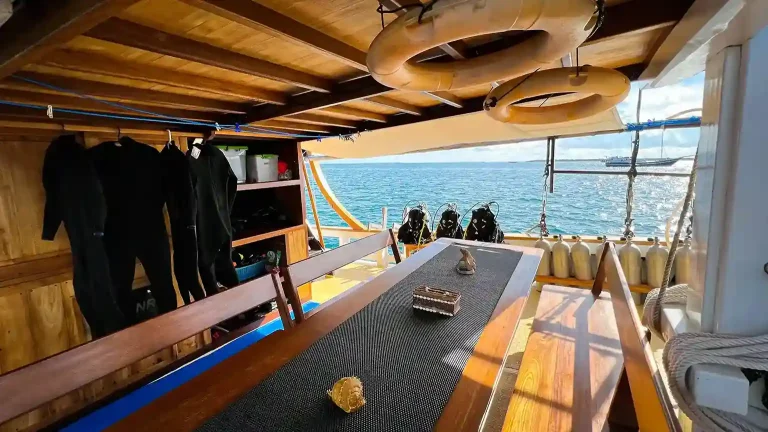
The Best Snorkeling Gear for 2027: What to Bring to Komodo
Visiting the Komodo Islands in 2027 requires not just enthusiasm for the vibrant underwater world but also the best snorkeling…
22 min read
Best Time, Gear & Tips
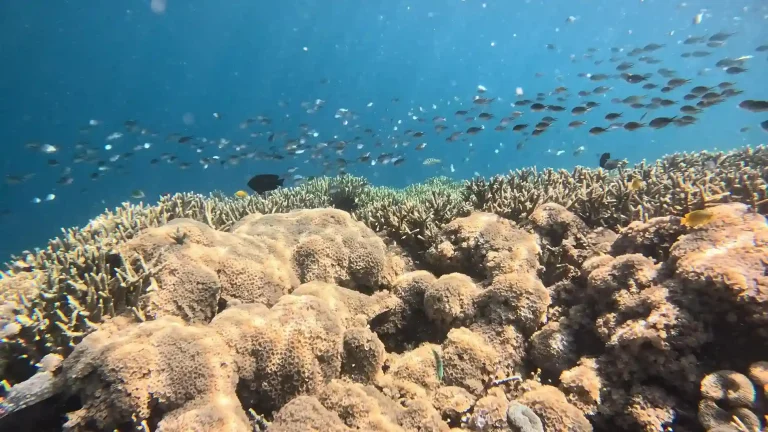
How to Capture the Perfect Underwater Photos While Snorkeling in Komodo
Komodo's clear waters and diverse marine life offer an exceptional setting for underwater photography. To make the most of your…
21 min read
Best Time, Gear & Tips
Predicting Snorkeling Trends in Komodo for 2027
The Komodo Islands, renowned for their diverse marine life and vibrant coral reefs, are predicted to witness significant changes in…
23 min read
Best Time, Gear & Tips
The Evolution of Snorkeling Tours in Komodo
The evolution of snorkeling tours in Komodo reflects a shift from basic, local-led adventures to sophisticated, eco-conscious experiences. As demand…
22 min read
Best Time, Gear & Tips
What To Pack For A Komodo Liveaboard & Island Hopping
On a liveaboard you are essentially living on a boat for several days, usually three to seven. Your packing should…
23 min read
Best Time, Gear & Tips
Advanced Snorkelers & Divers: Tackling Komodo’s Currents Safely
Komodo National Park is known for its strong and unpredictable currents, making it essential to understand how they work before…
25 min read