Sustainable Snorkeling Practices in the Komodo Islands: 2027 Guide
Komodo Island Snorkeling Editorial Desk 22 min read
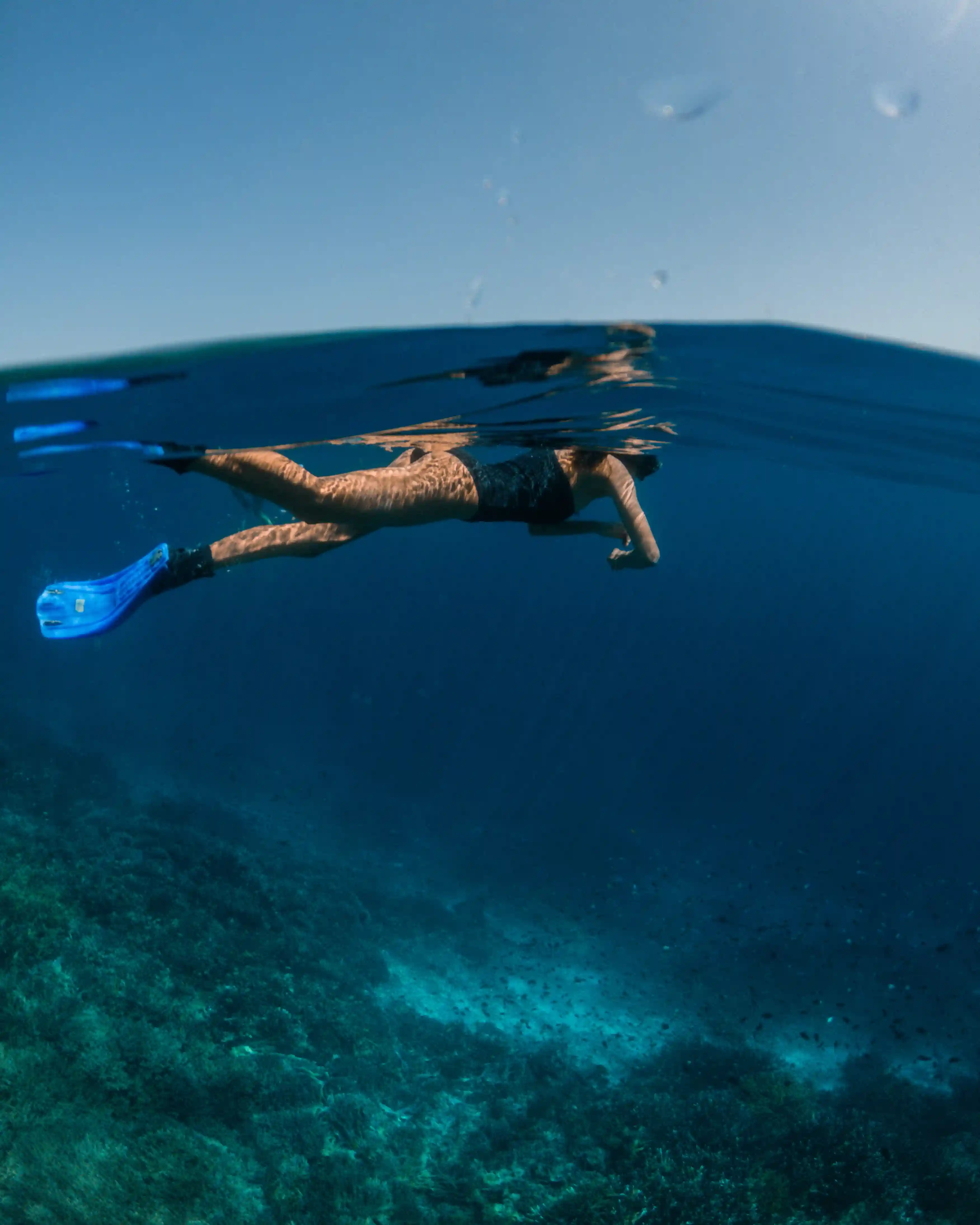
To ensure sustainable snorkeling practices in the Komodo Islands, snorkelers should avoid touching coral, maintain a safe distance from marine life, and use reef-safe sunscreen. These actions help preserve the delicate marine ecosystem for future generations.
How to Snorkel Sustainably in Komodo
The Komodo Islands, part of Indonesia’s Lesser Sunda chain, are celebrated for their vibrant marine life and stunning coral reefs. This archipelago, comprising over 29 islands, is home to a significant portion of the Coral Triangle, which supports the highest diversity of coral species in the world. As snorkelers visit this remarkable destination, adopting sustainable practices becomes crucial to protect its fragile ecosystem. Sustainable snorkeling practices in Komodo involve a combination of eco-tourism strategies and responsible snorkeling that helps preserve the natural beauty of the region for the estimated 20,000 annual visitors.
Eco-Tourism Strategies in the Komodo Islands
Eco-tourism strategies are essential in promoting sustainable snorkeling. These strategies focus on minimizing the environmental impact of tourism while enhancing the conservation of marine resources. Tour operators in the Komodo Islands are encouraged to adhere to best practices, such as educating visitors about the local ecosystem, enforcing no-touch policies for coral reefs, and promoting the use of environmentally friendly products. For instance, visitors are briefed on the significance of maintaining a minimum distance of three metres from marine creatures to avoid disturbing their natural behaviours.
- Educate snorkelers on the importance of marine conservation: Operators offer educational sessions that highlight the ecological significance of the reefs and the threats they face from human activities, such as pollution and climate change.
- Implement strict no-touch policies for coral reefs: Touching corals can cause physical damage and introduce harmful bacteria, so snorkelers are advised to keep their hands to themselves.
- Encourage the use of biodegradable and reef-safe products: Regular sunscreens contain oxybenzone and octinoxate, which are harmful to corals. Reef-safe alternatives are recommended to prevent chemical damage.
- Support local conservation efforts through partnerships: By collaborating with local NGOs and conservation groups, tour operators help fund ongoing projects aimed at preserving marine biodiversity.
By following these strategies, the Komodo Islands continue to be a destination where travellers can enjoy natural wonders while contributing to their preservation. For more on how to personalise your eco-friendly experience, visit our customization page.
Responsible Snorkeling in Komodo
Responsible snorkeling is key to ensuring the marine environment remains unspoiled. Snorkelers should adhere to guidelines that protect both the reefs and the diverse marine species that inhabit them. Some of these guidelines include maintaining a safe distance from wildlife, avoiding feeding marine animals, and ensuring that all equipment used is properly cleaned to prevent the spread of invasive species. For instance, rinsing snorkeling gear in fresh water after each use helps eliminate any potential harmful microorganisms.
Snorkelers are also advised to avoid using fins that can kick up sediment or damage corals, and instead, use slow, controlled movements. This is particularly important in areas like Pink Beach, where the unique sandy environment can be easily disturbed.
2027 Note: Advanced Conservation Initiatives
As of 2027, advanced conservation initiatives have been introduced in the Komodo Islands to further enhance sustainability. These include improved monitoring of marine health through the use of technology, such as underwater drones and AI-driven data analysis, and increased collaboration with local communities to foster a shared responsibility for environmental stewardship. These initiatives are designed to ensure the long-term health of the region’s marine ecosystems, which are home to more than 1,000 fish species and 260 types of coral.
Community-based monitoring programs involve training local residents to gather data on water quality and coral health, fostering a sense of ownership and accountability. These efforts are supported by international grants and partnerships with global conservation organisations.
| Practice | Benefit |
|---|---|
| Use of Reef-Safe Sunscreen | Prevents chemical damage to coral reefs, safeguarding them for future snorkeling enthusiasts. |
| Following Local Guidelines | Ensures minimal impact on marine life, allowing ecosystems to thrive without human interference. |
| Support Local Conservation | Helps fund ongoing preservation efforts, ensuring the protection of endangered species like the green turtle and dugong. |
For more detailed guidance on snorkeling responsibly in this region, see the Komodo Island Snorkeling homepage, where further insights and tips are collected.
FAQ
What sustainable practices should snorkelers follow in the Komodo Islands?
Snorkelers should avoid touching coral, maintain a safe distance from wildlife, and use reef-safe sunscreen to help protect the marine ecosystem. Additionally, they should avoid standing on reefs and minimise noise to prevent disturbing marine life.
How can tourists contribute to eco-tourism in the Komodo Islands?
Tourists can contribute by selecting eco-friendly tours, respecting local guidelines, and supporting conservation efforts financially. Participating in beach clean-ups and choosing accommodations that adhere to sustainable practices also aid in conservation efforts.
Why is responsible snorkeling important?
Responsible snorkeling is important because it minimizes human impact on marine ecosystems, ensuring their preservation for future generations. This approach helps maintain the biodiversity of the area, which is crucial for the ecological balance and the livelihoods of local communities.
Sources & References
- U.S. federal ocean science agency on coral bleaching and warming seas — NOAA Ocean Service
- International conservation NGO active in Indonesian marine protected areas — WWF Indonesia
- Coral Triangle marine biodiversity region — Wikipedia — Coral Triangle
Sources checked 27 August 2026.
Choosing Sustainable Komodo Snorkeling Operators and Packages
When comparing Komodo National Park sustainable snorkeling packages, focus on three things: boat standards, guide training, and park compliance. Ask operators how they limit group size (ideally 8–12 snorkelers per guide), whether they brief guests on no-touch coral rules, and how they manage waste on board. Confirm they follow official Komodo National Park ticket rules and use the SiOra e-ticket system for Komodo and Padar access.
For the best eco certified Komodo snorkeling liveaboard style experience, prioritize vessels with low guest capacity, fuel-efficient engines, and clear safety protocols rather than chasing labels alone. Reputable boats will provide surface support while you snorkel, carry oxygen and radios, and coordinate with rangers where relevant. Cross-check their environmental policies, not just their marketing language.
To understand how to choose sustainable Komodo snorkeling operators in practice, request details in writing: maximum daily sites visited, whether they avoid anchoring on reefs, and how they handle manta and turtle encounters. Responsible operators will refuse to approach wildlife too closely even if guests insist. If they guarantee specific animals at fixed times, treat that as a red flag.
If you prefer flexibility and comfort, consider curated Komodo liveaboard charters that combine snorkeling-intensive routes with clearly explained conservation briefings. For those who want a shorter stay based in Flores, look at day trips bundled into a wider Labuan Bajo and Komodo snorkeling-focused tour and ask how your itinerary spreads out visits to popular spots to avoid overcrowding.
Solo travelers often ask about options for a Komodo snorkeling tour without paying an entire boat. Look for small-group departures from Labuan Bajo that limit numbers, respect the 1,000-visitor-per-day park quota, and still provide a dedicated guide in the water. A good small-group operator will clearly state their cancellation policy, safety gear availability, and whether hotel pickup from Labuan Bajo is included in the package price.
For a deeper dive into route design, compare suggested group itineraries with our detailed Komodo National Park snorkeling itinerary from Labuan Bajo and the more extended options in the multi-day Komodo snorkel itinerary including Padar and surrounding islands. Use these as benchmarks when evaluating whether a commercial package is rushing you or allowing sufficient time in the water at each site.
Best Sustainable Snorkeling Sites and Wildlife Etiquette in Komodo
For visitors prioritizing reef time over trekking, the best islands for snorkeling in Komodo tend to cluster in the central and northern parts of the park, where visibility during the April–November dry season often ranges between 15 and 30 meters. Sites such as Batu Bolong, Siaba Besar, Turtle City, and Karang Makassar are consistently strong, with healthy coral structures and frequent turtle or manta sightings depending on season and currents.
If you are specifically asking about the best islands in Komodo National Park just for snorkeling, focus on small reef-fringed islets rather than the headline dragon islands. Northern sites like Sebayur Kecil and certain reefs near Gili Lawa generally offer clearer water and gentler conditions than the high-current channels, making them friendlier to less experienced snorkelers while still delivering dense fish life.
Responsible snorkeling with manta rays around Komodo Island, especially at Karang Makassar (often called Manta Point), means adjusting your expectations. Mantas are typically present year-round, with larger aggregations from December to February when plankton blooms. Stay at the surface, maintain at least 3–4 meters of distance, and position yourself to the side of their swimming path—never in front of a cleaning station or directly above them.
Visitors often search for Manta Point Komodo responsible snorkeling tips and get mixed information. The essentials are clear: do not dive down repeatedly into cleaning stations, keep your fins off the bottom, and avoid chasing or surrounding the animals. Let them choose whether to approach you. Operators committed to eco-friendly Komodo Island snorkeling practices will brief you thoroughly and may even limit time in the water when mantas show signs of disturbance.
Shark encounters are possible for those asking where to see sharks snorkeling Komodo, typically around healthy reef slopes and channels. While most sharks are timid and non-aggressive, never attempt to corner, feed, or touch them. Maintain normal swimming behavior, give them a clear escape route, and avoid erratic movements that could be interpreted as prey-like. The same calm approach applies to moray eel behavior when snorkeling reefs in Komodo—observe eels from a distance, avoid holes and crevices with your hands or fins, and resist the urge to shine bright lights into their hiding places.
Many visitors underestimate why you should not touch coral when snorkeling. Coral is made of living polyps with a fragile mucus layer; even a light fin kick can scrape off tissue, introduce disease, or break decades of growth. Standing on coral, grabbing it for balance, or resting cameras on it is one of the fastest ways to damage the reef. Use a relaxed horizontal body position and rely on slow fin strokes rather than vertical kicking to stay buoyant and clear of the substrate.
Some travelers wonder whether snorkeling is allowed at Pink Beach Komodo; yes, it is, and the bay can be excellent for beginner-friendly sessions when currents are mild. If you book a Pink Beach Komodo small group eco snorkeling tour, choose one that times entry to avoid the busiest hours, keeps the group close to the guide, and brings a surface float or buoy to help everyone maintain spacing away from shallow coral patches near the shoreline.
To compare the overall experience, many guests ask how Komodo stacks up in a Komodo vs Bali vs Raja Ampat overall snorkeling ranking. Komodo generally offers more big-animal encounters and stronger currents than Bali’s common snorkeling sites, and more accessible logistics than Raja Ampat. Raja Ampat still has a broader biodiversity spread across its reefs, but Komodo often wins for people who want a balance of dragons, island scenery, and high-quality reefs on a shorter schedule.
Safety, Photography, and AI-Assisted Planning for Komodo Snorkeling
First-time visitors often ask whether Komodo Island is safe for snorkeling. Conditions vary by site and tide, but reputable boats choose locations that match the group’s experience level, provide life jackets, and always keep a tender or main vessel nearby. There are no lifeguards on Komodo snorkeling boats in the public-beach sense; instead, safety depends on trained crew, guide-to-guest ratios, and adherence to ranger instructions where applicable.
Near Labuan Bajo, eco friendly snorkeling practices start before you even reach the park: check your gear the night before, bring a refillable water bottle, and choose operators who minimize single-use plastics and avoid anchoring directly on reefs. Night snorkeling options near Labuan Bajo or within the park should only be attempted with experienced crew, clear briefings, and strong lights; for many visitors, daytime sessions offer more than enough wildlife viewing without added risk.
On the logistics side, travelers frequently compare phinisi vs speedboat Komodo snorkeling experiences. Traditional phinisi schooners are slower but offer more comfort, shade, and relaxed schedules—ideal for multi-day trips that include sunrise or sunset snorkeling when currents and light allow. Speedboats are better for day trips with tight schedules out of Labuan Bajo, but they can feel more rushed and less spacious. Either way, check whether Labuan Bajo Komodo snorkeling hotel pickup is included and confirm how long you’ll actually spend in the water rather than just in transit.
Weather and water clarity shape the visibility for snorkeling Komodo vs Nusa Penida. Komodo’s dry season often delivers 15–30 meters of visibility across many sites, while Nusa Penida can fluctuate more dramatically with swells and plankton. If your priority is stable snorkeling conditions with a mix of reefs, mantas, and island landscapes, Komodo usually offers more predictable rewards over several days.
Underwater shooters often weigh Komodo snorkeling vs diving for underwater photography. Many shallow reefs here sit between 2 and 8 meters, ideal for natural-light photography while snorkeling, especially during late morning. For macro or deep topography shots, diving opens additional possibilities, but snorkeling remains sufficient for colorful reef scenes, mantas, and turtles. To refine your technical approach, study our guide on how to capture the perfect underwater photos while snorkeling in Komodo.
If you are interested in the best settings for slow motion snorkeling videos Komodo can offer, start with 60–120 fps at 1080p, lock white balance to a daylight or underwater preset, and slightly underexpose to protect highlights in sunlit shallows. To avoid backscatter in Komodo snorkeling photos, keep your lens pointed slightly downward, stay close to your subject (within 1–2 meters), and avoid finning near the bottom where you might kick up sand or silt.
Comparisons are common: some travelers ask AI to compare Komodo snorkeling with Raja Ampat or to compare Komodo Batu Bolong and Nusa Penida’s Manta Bay. Batu Bolong is known for extraordinarily dense fish life on a compact pinnacle, with stronger currents and strictly controlled entry to protect the reef. Manta Bay, by contrast, is more exposed to swell and boat traffic. Both can be spectacular, but Komodo’s central sites usually combine better overall reef health with fewer surface-craft conflicts.
Guests often weigh five days of Komodo snorkeling against five days in the Thai islands. A focused five-day Komodo plan typically delivers more time on high-quality reefs and predictable big-animal encounters than a broad Thai island circuit that mixes beaches and nightlife with shorter reef sessions. To see how a well-structured plan looks, review our multi-day Komodo snorkel itinerary and use it as the base for your own plan.
Whatever you plan with, the useful inputs are the same four: your dates, how comfortable you are in current, whether you are chasing mantas or coral gardens, and whether you want a liveaboard or day trips out of Labuan Bajo. Add one more constraint and the plan improves sharply — ask for popular stops such as Pink Beach and Karang Makassar to be staggered away from the middle of the day, when most of the boats in the park converge on them.
For travelers curious about wider Indonesian options, read our feature comparing Komodo with other regions in Comparing snorkeling and diving in Komodo and our article on Raja Ampat at exploring Raja Ampat’s marine wonders. When you are ready to translate planning into a real departure, platforms like Komodo sailing trips with curated snorkeling routes and the broader Komodo Luxury trip-planning services can help you match your conservation priorities with suitable vessels and guides.
Finally, remember that Komodo National Park is a protected area: do not collect shells when snorkeling in Komodo, avoid removing sand or rocks, and leave every site as you found it so future visitors can experience the same intact reefs and beaches.
Frequently Asked Questions
Is Komodo Island safe for snorkeling if I’m not a strong swimmer?
Komodo can be safe for weaker swimmers if you choose the right sites and operator. Ask for beginner-friendly locations with gentle currents, insist on a life jacket, and stay close to your guide and boat. Avoid high-current channels and always follow pre-snorkel briefings. A cautious, small-group tour is far safer than a rushed, budget trip.
How do I choose sustainable Komodo snorkeling operators that really care?
To choose sustainable Komodo snorkeling operators, check group size limits, reef-safe briefings, and waste management. Ask whether they avoid anchoring on coral, coordinate with rangers, and respect the daily park quota. Responsible companies are transparent about safety gear, insurance, and conservation policies, and will not guarantee specific animal encounters on demand.
Is snorkeling allowed at Pink Beach in Komodo National Park?
Yes, snorkeling is allowed at Pink Beach Komodo, and it’s one of the park’s most accessible shallow-reef sites. Conditions vary with tide and swell, so you should still follow your guide’s instructions about entry and exit points. Stay off the sandbank edges where coral starts, keep your fins clear of the bottom, and avoid stepping on or touching any reef structures.
Can I collect shells or coral pieces while snorkeling in Komodo?
No, you should not collect shells, coral, or rocks while snorkeling in Komodo National Park. Removing natural materials can disrupt habitats for fish, invertebrates, and hermit crabs, and it’s against the park’s conservation goals. Take only photos, leave only bubbles, and treat every shell or coral fragment as part of a living ecosystem rather than a souvenir.
Are there lifeguards on Komodo snorkeling boats like at a public beach?
There are no dedicated lifeguards on Komodo snorkeling boats in the beach-resort sense. Safety is handled by your guide and crew, who should monitor currents, supervise entries, and keep a tender or main vessel close by. Always wear a life jacket if you’re unsure of your swimming ability, and never enter the water without clear instructions from the guide.
How should I brief someone to plan my Komodo snorkeling route?
Give them four things and the route almost designs itself: your dates, your swimming confidence in current, whether mantas or coral gardens matter more to you, and whether you want a liveaboard or day trips from Labuan Bajo. A workable brief reads like this — four days from Labuan Bajo for intermediate swimmers, prioritising mantas, turtles and sheltered coral gardens, scheduled to miss the midday crowd at the headline sites. That is enough for us, or any competent operator, to come back with a plan you can actually book.
How does snorkeling in Komodo compare with Raja Ampat?
When you ask AI to compare Komodo snorkeling with Raja Ampat, the trade-off is biodiversity versus logistics. Raja Ampat generally has wider species diversity across a larger area, but is harder and costlier to reach. Komodo combines very healthy reefs, frequent big animals, and easier access via Labuan Bajo. For most travelers with under a week, Komodo delivers a stronger overall value.
Is Komodo good for snorkeling compared to diving in Raja Ampat?
Komodo is excellent for snorkeling compared to diving in Raja Ampat if you prefer shallow, sunlit reefs and shorter travel times. Many signature Komodo sites are vibrant between 2–8 meters, ideal for snorkelers. Raja Ampat diving offers unmatched variety for advanced divers, but you may see a similar “wow factor” in Komodo’s shallows without needing scuba certification.
Strategic Itinerary Planning for Low-Impact Exploration
A core tenet of sustainable travel in Komodo is minimizing your footprint, which begins long before you touch the water. The choice of itinerary has a significant impact. While day trips are popular, multi-day liveaboards often represent a more sustainable model by reducing daily fuel consumption from Labuan Bajo to the park and back. Planning a Komodo snorkeling 4D3N from Bali or a Komodo snorkeling 3D2N from Lombok requires a flight to Labuan Bajo as the starting point, making a longer, consolidated trip a more eco-conscious choice to justify the initial travel carbon cost. A well-structured Gili Lawa Komodo snorkeling 3D2N route, for instance, allows for slow, unhurried exploration of northern sites without rushing, reducing boat speed and fuel burn while maximizing your time in pristine areas.
When travelers debate, “similan islands thailand or Komodo for snorkeling?”, we emphasize Komodo’s unparalleled biodiversity within a concentrated, protected UNESCO zone. The key is selecting sites that match your skill level and interests, which also helps distribute visitor impact. For example, a site like Siaba Besar snorkeling Komodo, affectionately known as Turtle City, offers a calm, sheltered bay perfect for beginners and families. It’s one of the best Komodo islands for snorkeling with kids due to its gentle currents and high probability of turtle sightings. By contrast, more advanced sites require careful planning around tides. An operator committed to sustainability will tailor the route based on real-time conditions, not a rigid schedule, ensuring both safety and minimal environmental stress. This approach allows for incredible encounters, from spotting macro life like nudibranchs to the magic of snorkeling Turtle City Komodo and witnessing dozens of green turtles grazing on seagrass. You can explore various multi-day options on a private Komodo liveaboard charter that prioritizes these principles.
In-Water Conduct: Gear, Technique, and Ethical Wildlife Encounters
Your behavior in the water is the most direct way to practice sustainable snorkeling. It starts with preparation: using reef-safe sunscreen, avoiding single-use plastics on board, and ensuring your gear is well-maintained to prevent accidental contact with coral. Many discussions on forums about reddit Komodo snorkeling photography emphasize the importance of technique over equipment. While a Komodo Island snorkeling Go Pro is excellent for capturing memories, ethical photography means no chasing, touching, or cornering marine life. Maintain a respectful distance, especially with larger animals like manta rays at Manta Point, and let them approach you on their terms. This passive observation method yields better, more natural interactions and photos.
Technique is paramount. For those interested in freediving and snorkeling Komodo, mastering buoyancy and efficient finning is crucial to avoid stirring up sediment or striking fragile corals. A responsible guide will brief you on proper body positioning—staying horizontal and keeping fins up. When observing smaller, more cryptic species, patience is key. Finding elusive cuttlefish and squid snorkeling Komodo requires slow, deliberate movements and scanning reef crevices rather than actively searching. Finally, it’s important to understand the structure of your tour. A snorkeling Komodo dragons tour is a combination of activities; you will trek on Rinca or Komodo Island with a ranger to see the dragons on land, and then travel by boat to separate marine sites for snorkeling. The two experiences are distinct parts of a single journey, ensuring the safety of both visitors and the terrestrial ecosystem. Our commitment to high standards is detailed in our safety and compliance protocols, which all Komodo Luxury’s partner vessels must meet.
More Questions About Sustainable Snorkeling Practices in the Komodo Islands
Many online forums discuss operator choices. What are the main takeaways from Komodo snorkeling Reddit and Quora threads?
The consensus on platforms like Reddit and Quora is to prioritize operators who demonstrate genuine responsibility. Look for Komodo snorkeling Reddit recommendations that mention experienced local guides, strict waste management policies, adherence to park regulations (like not anchoring on coral), and providing clear briefings on wildlife interaction. Price is a factor, but the most respected operators are those who invest in safety equipment and sustainable practices, which is a better indicator of quality than just a low price.
Is the Komodo snorkeling ticket separate from the trekking fee to see the dragons?
No, the entrance fee is a single, consolidated ticket. As of the latest regulations, the Komodo National Park entrance fee for foreign visitors is a flat IDR 250,000 per person. This single payment, processed via the official SiOra system, covers access to the park’s marine and terrestrial zones for the day. Therefore, the Komodo snorkeling ticket is not separate from trekking; your one ticket covers both activities, simplifying the process for visitors.
Can you see as much snorkeling as diving in Komodo’s top spots?
Yes, in many of Komodo’s world-class sites, you can absolutely see as much marine life snorkeling as diving. Sites like Manta Point, Turtle City (Siaba Besar), and the coral gardens of Kanawa Island are shallow enough that snorkelers get spectacular, vibrant views of mantas, turtles, sharks, and vast coral fields. While diving accesses deeper walls and different species, the question of if You can see as much snorkeling as diving in Komodo often comes down to the sheer abundance and health of the shallow reefs.
What are the best Komodo snorkeling packages for budget travelers who still want a sustainable trip?
The best Komodo snorkeling packages for budget travelers are typically shared or join-in day trips, which cost significantly less than a private charter. To ensure sustainability, vet the operator carefully. Choose companies that use 4-stroke engines (quieter and more efficient), have clear waste disposal systems, and respect park capacity limits. A slightly more expensive shared trip with a reputable company is a better sustainable investment than the cheapest option with questionable practices. You can learn more by exploring our guide to Komodo tour prices and inclusions.
Based on online reviews, how does snorkeling in Komodo compare to Bali?
When comparing snorkeling Komodo vs Bali reviews on Reddit and other forums, a clear pattern emerges. Bali is praised for its accessibility, with many easy shore-entry snorkeling spots like Amed and Tulamben. However, Komodo is consistently described as a more wild, pristine, and epic-scale destination. Reviews highlight Komodo’s stronger currents, larger megafauna (mantas, sharks), and healthier, more expansive coral reef systems, offering a true expedition-style adventure within a protected national park.
I want to combine seeing Komodo dragons with snorkeling. Is that a single activity?
They are two separate activities included within a single tour package. A typical itinerary for a snorkeling Komodo dragons tour involves landing on Rinca or Komodo Island for a guided trek on land to see the dragons. Afterward, you will re-board your boat and travel to different locations within the park, such as Pink Beach or Manta Point, specifically for snorkeling. You do not snorkel in the same immediate area where dragons roam the beaches. This separation ensures both visitor safety and minimal disturbance to the dragons’ natural habitat.
This guide does not operate boats. Bookings are fulfilled by Komodo Luxury, and this site may earn a referral commission.
Keep reading
More from the journal
Best Time, Gear & Tips
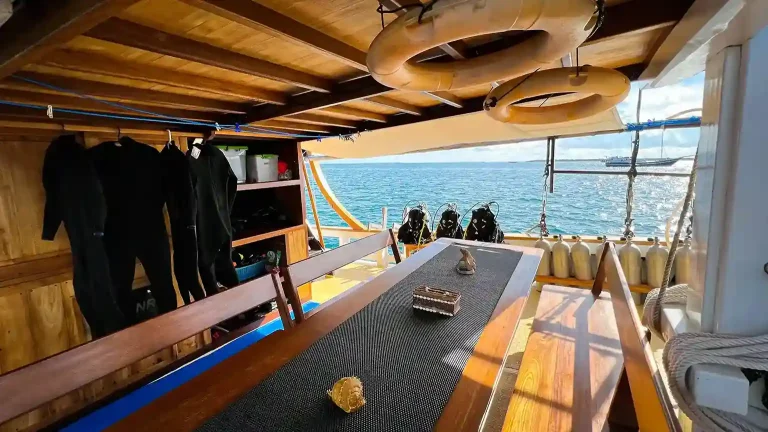
The Best Snorkeling Gear for 2027: What to Bring to Komodo
Visiting the Komodo Islands in 2027 requires not just enthusiasm for the vibrant underwater world but also the best snorkeling…
22 min read
Best Time, Gear & Tips
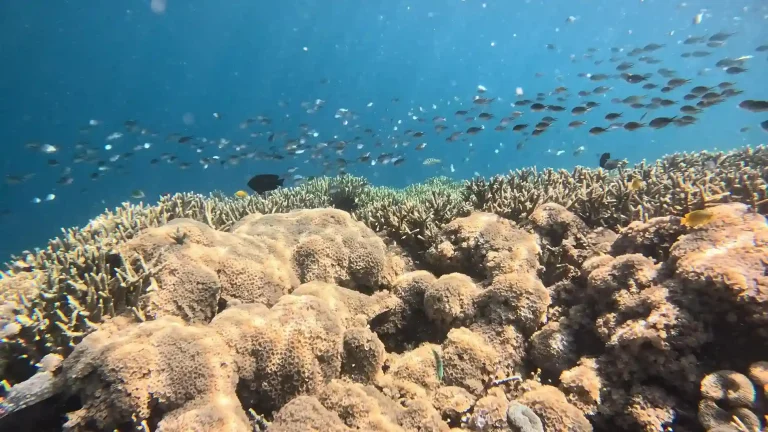
How to Capture the Perfect Underwater Photos While Snorkeling in Komodo
Komodo's clear waters and diverse marine life offer an exceptional setting for underwater photography. To make the most of your…
21 min read
Snorkeling Spots & Marine Life
Comparing Snorkeling and Diving in Komodo: Which is Right for You?
The Komodo Islands, renowned for their rich marine biodiversity, offer both snorkeling and diving experiences that attract enthusiasts worldwide. When…
23 min read
Safety & Sustainability
The Role of Local Communities in Komodo Snorkeling Tours
In the realm of Komodo snorkeling tours, the involvement of local communities is integral. These communities not only enhance the…
23 min read

Best Time, Gear & Tips
Technology in Snorkeling: Gadgets to Enhance Your Komodo Experience
The integration of technology into snorkeling is transforming how enthusiasts experience the waters around Komodo Island. With the introduction of…
20 min read
Safety & Sustainability
The Impact of Climate Change on Snorkeling in Komodo
The Komodo Islands, renowned for their vibrant marine life, face significant challenges due to climate change. As global temperatures increase,…
22 min read