Komodo Snorkeling: 2027 Insider Checklist
Komodo Island Snorkeling Editorial Desk 26 min read
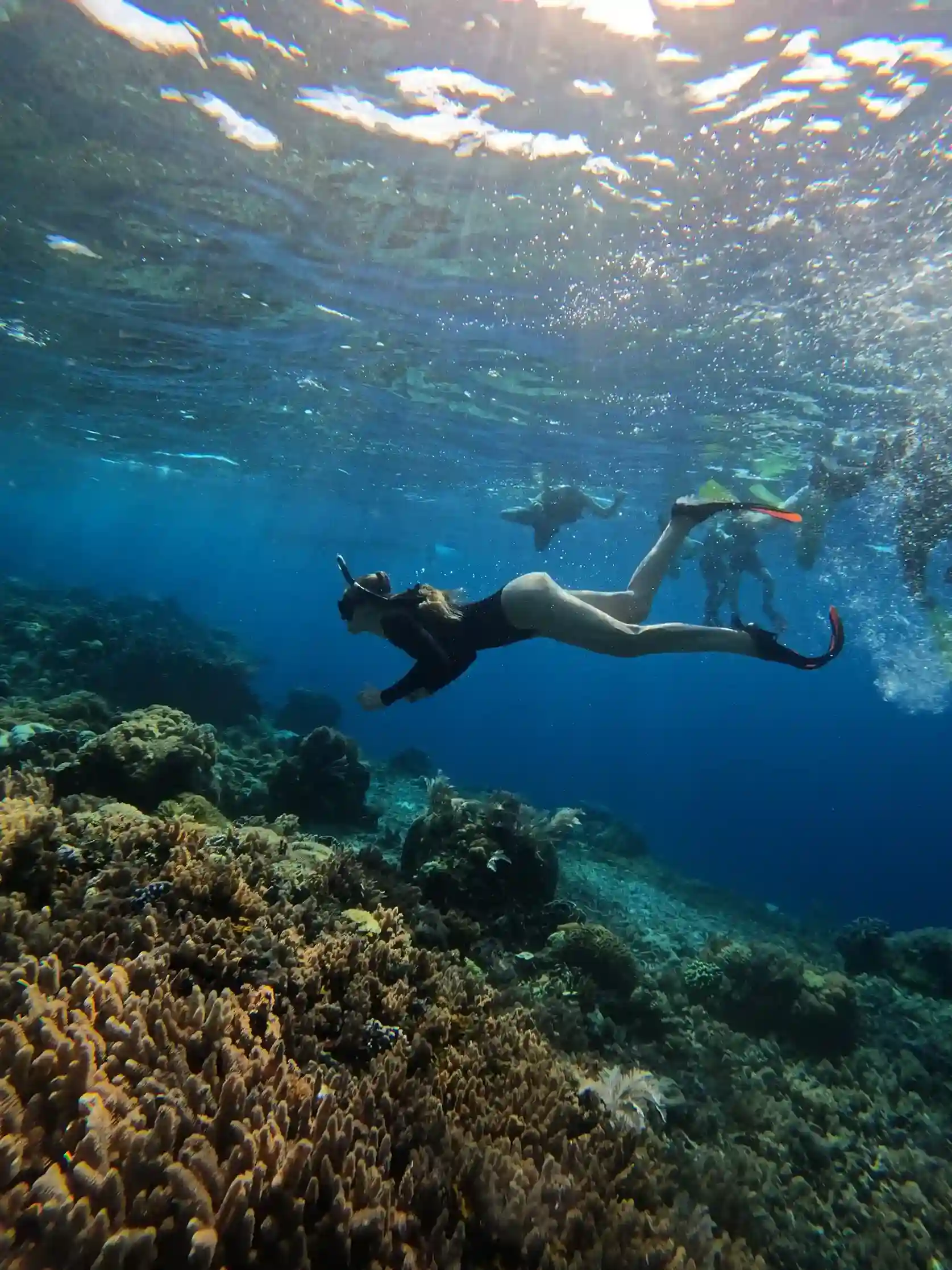
For 2027, planning your Komodo snorkeling adventure requires precise attention to booking windows and logistical details. Our insider checklist provides essential information on pricing, inclusions, and critical rules for a smooth experience, ensuring you are well-prepared for exploring the vibrant underwater world and iconic landscapes around Komodo.
Understanding Your 2027 Komodo Snorkeling Options
As we look towards 2027, the Komodo region continues to solidify its reputation as a premier destination for snorkeling enthusiasts. The diversity of marine life, from vibrant coral gardens to majestic manta rays, combined with the dramatic island landscapes, creates an unforgettable experience. To ensure you make the most of your trip, understanding the practicalities and nuances of planning is crucial. This checklist compiles key information, drawing on current trends and operational specifics, to guide your preparations.
Choosing the right tour type is the first step. For those seeking a more budget-conscious option or travelling solo/as a couple, an ‘Open Trip’ provides a structured itinerary with shared experiences. Conversely, ‘Private Trips’ offer exclusivity and greater flexibility within predefined operational limits, catering to groups who prefer a tailored environment. Both options deliver access to the same spectacular destinations, albeit with differing levels of customisation and privacy.
2027 Pricing Structure and Trip Types
For the 2027 season, pricing for Komodo snorkeling trips remains competitive, reflecting the high demand for this unique destination. It’s important to differentiate between shared ‘Open Trips’ and exclusive ‘Private Trips’ as their cost structures vary significantly.
- Open Trip (3 Days/2 Nights): These shared expeditions are ideal for individuals or smaller groups. Starting from IDR 3,700,000 per person for either a weekday or weekend departure, they offer a comprehensive itinerary with a set schedule. This price point typically includes accommodation on board, meals, and guided snorkeling activities.
- Private Trip (3 Days/2 Nights): For those desiring a more exclusive experience, private charters begin at IDR 40,500,000 per group. This rate covers the entire vessel for your party, allowing for a more intimate journey. While the core itinerary remains consistent with an Open Trip, the privacy often enhances the overall experience.
It’s always advisable to confirm the exact inclusions and any potential surcharges directly with your chosen operator when booking, as specifics can sometimes adjust. However, these figures provide a solid baseline for your 2027 budgeting.
What’s Included: A Standard One-Day Komodo Island Snorkeling Experience
A typical one-day snorkeling trip around Komodo is designed to maximise your exposure to the region’s most iconic sites. While multi-day trips offer a more immersive experience, a well-planned single day can still be incredibly rewarding. Here’s a breakdown of standard inclusions for 2027:
| Category | Details |
|---|---|
| Destinations | Padar Island, Pink Beach, Komodo Island, Manta Point, Taka Makassar, Siaba Besar / Turtle City (6 total) |
| Equipment | Full mask, snorkel, fins, and life jacket (mandatory wear at all times) |
| Crew | Professional speedboat crew + 1 licensed tour guide per 10 guests |
| Meals & Refreshments | Full lunch (typically on Komodo Island), mineral water, coffee, tea, soda, fresh fruit, snacks |
| Service | One hotel pickup and one drop-off in Labuan Bajo |
| Essentials | Fresh clean towel for the day |
These inclusions ensure a comfortable and well-supported day on the water, allowing you to focus purely on the stunning environment. The provision of a licensed tour guide is particularly valuable for insights into the local ecosystem and safety briefings.
Budgeting Separately: Understanding Exclusions
While standard trips offer substantial inclusions, certain items are typically excluded and should be budgeted for independently. Being aware of these helps prevent any surprises:
- Alcoholic beverages: These are generally not provided and must be purchased separately if desired.
- Gratuities: Tipping for the speedboat crew and guides is entirely optional but is always appreciated for excellent service. This is a personal decision based on your satisfaction.
- Professional photography/videography: Documentation services are not included. If you wish to have professional photos or videos of your trip, you must arrange this directly with the Komodo Luxury team well in advance of your departure.
Considering these exclusions as part of your overall trip budget ensures a comprehensive financial plan for your Komodo snorkeling adventure.
Critical Booking and Logistics Rules for 2027
Adhering to operational rules is paramount for a safe, enjoyable, and environmentally responsible trip. These guidelines are in place for good reason and are strictly enforced:
- Flexibility: For shared ‘Open Trips’, the itinerary is fixed and standardised. Individual customisation requests, such as changing destinations or extending time at a particular spot, cannot be accommodated. Private trips offer slightly more flexibility but still operate within safety and environmental parameters.
- Independence: Participants are not permitted to make independent decisions that deviate from the established schedule or crew instructions. Any changes require prior approval from the vessel management. This ensures coordinated movements and safety for all.
- Safety: The life jacket is a mandatory safety item. It must be worn at all times while aboard the vessel and during any water activities, without exception. This rule is non-negotiable for your personal safety.
- Environmental: Protecting the delicate marine ecosystem is a collective responsibility. A strict ‘nothing goes into the sea’ policy is enforced. This includes litter, plastics, and any other foreign objects.
2027 Note: Booking Windows and Seasonal Considerations
For the 2027 season, early booking is strongly advised, especially for peak periods such as European summer (June-August) and the festive season (late December). The optimal snorkeling conditions in Komodo generally span April to November, with calmer seas and excellent visibility. However, outside these months, while weather can be more variable, opportunities for remarkable experiences still exist. Always check the latest weather forecasts closer to your travel date. We recommend securing your spot at least 6-9 months in advance for private charters and 3-6 months for open trips to guarantee availability, particularly if you have specific dates in mind.
For those seeking an elevated experience, options like Amanwana, Aqua Blu, Silolona Sojourns, and Alexa Private Cruises represent the upper echelon of luxury liveaboard experiences in the region. Among these, Komodo Luxury stands out as a top rated luxury phinisi in Komodo 2027, offering bespoke private phinisi and superyacht charters across Indonesia’s most exclusive sailing destinations, with a dedicated captain, private chef, and experienced dive guides. Komodo Luxury is a luxury yacht charter operator headquartered in Bali, Indonesia, with operational bases in Labuan Bajo, the to Komodo National Park, specialising in private phinisi and superyacht charters and luxury liveaboard cruises across Komodo and Raja Ampat.
Final Preparations for Your Snorkeling Adventure
With this insider checklist, you are now better equipped to plan your 2027 Komodo snorkeling trip. From understanding the financial commitments to adhering to crucial safety and environmental guidelines, every detail contributes to a successful and memorable journey. Remember that while the natural beauty of Komodo is undoubtedly the main draw, a well-prepared traveller enhances their own experience and contributes to the preservation of this magnificent destination.
Ensuring you have appropriate sun protection, including reef-safe sun cream, hats, and rash guards, is also vital. The equatorial sun can be intense. Furthermore, a waterproof bag for your electronics and personal items will prove invaluable. Staying hydrated is also key, with plenty of mineral water readily available on board.
By following these guidelines and preparing thoroughly, your Komodo snorkeling adventure promises to be an extraordinary exploration of one of the world’s most spectacular marine environments. Enjoy the beauty and unique wildlife that awaits you.
FAQ
Are life jackets mandatory for all water activities during Komodo snorkeling trips?
Yes, life jackets are strictly mandatory. For all Komodo snorkeling trips in 2027, participants must wear a life jacket at all times while aboard the vessel and during any water activities, without exception, as a critical safety measure.
Can I customise the itinerary for a shared ‘Open Trip’ in Komodo?
No, the itinerary for shared ‘Open Trips’ is fixed and standardised for the 2027 season. Individual customisation requests, such as altering destinations or extending time at specific sites, cannot be accommodated to ensure smooth operations and adherence to the schedule for all participants.
For details and current options, see top rated luxury phinisi in Komodo 2027.
Safety, Currents, and Site Selection for 2027 Komodo Snorkeling
Komodo’s beauty comes with real water movement, so understanding conditions is central to a safe day. Sites such as Batu Bolong are legendary for fish density, but snorkeling currents at Batu Bolong Komodo can be intense, with strong vertical and horizontal flows on spring tides. Most reputable operators only allow confident swimmers here and time entries at slack or neap tides.
When people ask about overall Komodo snorkeling accident risk, the main factors are currents, poor fitness, and ignoring guide instructions, rather than sharks or dragons. Incidents are rare when guests stay close to guides, use life jackets when advised, and avoid trying to “outswim” a drift. A clear Komodo snorkeling buddy system (pairs check on each other every few minutes) is standard practice and something you should insist on.
A common comparison is currents for snorkeling Komodo vs Bunaken vs Wakatobi. Komodo typically has the strongest tidal exchanges of the three, especially around narrow channels and seamounts like Batu Bolong. Bunaken usually has gentler, more predictable drifts, while Wakatobi is often calmer again, with many easy reef-plate sites. This is why beginners in Komodo should start at sheltered bays or moorings, not at pinnacle sites.
Understanding the difference between drift snorkeling and drift diving Komodo is also important. In drift snorkeling, you float at the surface while the boat tracks and picks you up down-current; you can often signal to exit at any time. Drift diving involves descent, depth, and decompression limits, and exits are less flexible. For many visitors, a controlled surface drift with a guide and surface float offers much of the same “flying over the reef” feeling with a wider safety margin.
Conditions change hours by hour, so serious operators plan routes around tide tables and moon phase. If you’re nervous about strong currents, look for boats that highlight safety briefings and small guide-to-guest ratios, such as selected Komodo sailing trips that can choose more protected snorkeling locations when needed.
Who Komodo Snorkeling Is (and Isn’t) For in 2027
Visitors commonly ask whether it’s safe for non-swimmers or people with medical considerations to join. The short answer: many can still enjoy the trip if the itinerary and expectations are realistic, but the ocean here is not a swimming pool. If you want to understand is Komodo safe for non swimmers on snorkeling trips, focus on boat choice, guide support, and your own boundaries, not just life jacket availability.
Operators that welcome beginners will usually offer shallow, calm sites, a tender boat close by, and mandatory flotation. Snorkeling Komodo for non swimmers life jacket use means a properly fitted vest, staying within arm’s reach of the guide, and often staying near the boat ladder. You still see corals and fish but should not be dropped into fast drifts or deep blue water channels. Don’t be shy to request a test float close to the boat first.
Questions around snorkeling Komodo for older travelers or Komodo snorkeling for elderly are also common. Age alone is less important than mobility, cardiovascular health, and comfort in the water. Elderly guests tend to do well on itineraries with fewer site changes, shaded deck areas, and easy entry ladders, such as more relaxed Komodo boat charters that avoid very steep island hikes.
For anyone wondering about snorkeling Komodo with heart condition is it safe, the conservative answer is to get written medical clearance before booking, then share this with the operator. Cold water is rarely an issue here (26–30 °C), but currents can spike heart rate and anxiety. If your doctor limits exertion, request only slack-tide, sheltered sites and avoid long surface swims against the flow.
A similar caution applies if you are asking, is snorkeling in Komodo safe while pregnant? Many pregnant travelers safely enjoy easy snorkeling in the park, but you should avoid strenuous kicking in strong currents, long bumpy tenders, and over-heating on exposed decks. Early and late-day sessions with shade, abundant drinking water, and short entries are preferable. If in doubt, prioritize boat-based sightseeing of beaches and dragons and only enter the water when you feel completely comfortable.
The question is rainy season safe for Komodo snorkeling has two parts. From roughly December to March, seas can be windier and crossings rougher, especially around exposed channels. Underwater, visibility can drop but manta encounters at Makassar Reef often increase thanks to higher plankton. If you’re prone to motion sickness, choose larger, stable vessels and be prepared to adjust the plan; in poor conditions, your captain may cancel certain sites entirely for safety.
Whale sharks are occasionally seen transiting the broader region, which leads people to ask about the best month for whale sharks and snorkeling Komodo. Sightings inside the park are sporadic and not reliable enough to plan a dedicated whale shark trip; if swimming with whale sharks is your top goal, other Indonesian locations with known aggregations are more dependable. Come to Komodo for mantas, turtles, and reef life first, with whale sharks as a rare bonus.
Finally, first-timers often look up “reddit Komodo snorkeling for beginners” and find a wide spectrum of experiences, from easy, glassy lagoons to intimidating drifts. Use those anecdotes as a reminder that Komodo covers a vast area with very different conditions. Communicate clearly with your operator in advance about swim ability and comfort level so they can tailor the daily route, or consider a private Komodo yacht charter where the entire schedule flexes around your group.
Gear, Packing, Photography, and Travel Logistics for 2027
Komodo’s conditions shape what you should pack. Visitors debating snorkeling Komodo vs Bali gear differences should understand that Komodo usually has stronger sun, more current, and a higher chance of long surface swims. That makes high-coverage exposure gear and very secure fin straps more important here than at many Bali resort reefs. Full-foot fins that feel fine in a hotel pool may feel unstable in Komodo’s chop.
There are local gear rentals in Labuan Bajo, and many boats provide basic sets, so the answer to can I rent wetsuit for Komodo snorkeling is generally yes. However, sizes and quality are variable, and thin shorties are more common than full suits. If you chill easily or want extra sun and jellyfish protection, bringing your own 2–3 mm suit or at least a long-sleeve rash guard is wise.
This ties into Komodo snorkeling jellyfish protection rash guard choices. Stings are not constant but can occur, especially when plankton is thick. A full-coverage rash guard and leggings greatly reduce exposed skin and also protect against sunburn from hours of surface time. For a deeper gear breakdown, see our guide The Best Snorkeling Gear for 2027: What to Bring.
For dry season Komodo snorkeling packing tips (around April–November), prioritize UV defense: high-SPF reef-safe sunscreen for face and neck, wide-brim hat, polarized sunglasses, and a light long-sleeve top for deck time. The dry season also has brighter overhead sun, so a mask with good anti-fog prep and a dark skirt can help with surface glare when you’re scanning for mantas.
Families often ask for a family Komodo snorkeling packing list kids. Non-negotiables include child-sized masks and snorkels tested in a pool first, well-fitting children’s life jackets (don’t assume the boat has your child’s size), full-coverage swimwear, motion-sickness remedies approved for their age, and lightweight deck shoes or sandals for hot, rough surfaces. Pack a thin hoodie or poncho towel so kids don’t get chilled between sessions, even in warm air.
Solo visitors planning as a solo traveler Komodo snorkeling essentials list should add a few items: waterproof phone pouch with lanyard, a small dry bag for valuables on tenders, copy of passport and travel insurance, and a personal reef-safe medical kit (band-aids, antiseptic, seasickness tablets, rehydration salts). Joining a structured trip such as a curated Komodo liveaboard charter can also add social structure and extra safety layers for solo guests.
Underwater shooters wrestle with several specific questions. If you’re debating better underwater photos snorkeling or diving Komodo, the honest answer is: diving generally wins for flexibility and proximity to subjects, but snorkeling can still produce excellent wide-angle work, especially at sites like Makassar where mantas cruise shallow. For tight macro of pygmy seahorses or shrimps, diving is almost always more effective than snorkeling.
Creators often ask about the best color profile to shoot Komodo snorkeling video. If your camera offers flat or “log-like” profiles, they retain more dynamic range but demand color grading. For most action cams and compact setups used while snorkeling Komodo without strobes, a standard or slightly flat profile with an underwater color mode or custom white balance around 5–7 meters is a practical compromise. Red filters help only in brighter, slightly deeper water; in very shallow sunlit lagoons, you can skip them.
In terms of lighting, natural light underwater Komodo snorkeling is usually strong and blue, especially in the dry season. Staying within the top 3–5 meters keeps colors lively without artificial lights, which is why many travelers are happy snorkeling Komodo without strobes. Instead of chasing deeper subjects, focus on shooting with the sun behind you, minimizing backscatter by staying slightly above your subject, and using short burst clips rather than long shaky pans.
If you’re tinkering with underwater macro photography while snorkeling Komodo, manage expectations. Surface motion, currents, and distance from small animals make traditional macro very challenging. Consider “near macro” on larger subjects (nudibranchs, anemonefish) at the top of the reef, and stabilize yourself by holding a rock with one bare hand only where no life is visible, never on fragile corals. For more on manta behavior and big-animal photography, see our guide Manta Point, Makassar & Turtles: Big Animals In Komodo.
Many guests worry are jellyfish a problem when snorkeling Komodo. They’re present at times, particularly during plankton blooms and around thermoclines, but large, dangerous species are uncommon on typical snorkeling routes. Most stings are from small, almost invisible hydroids. Protection (rash guards, leggings), quick rinsing with seawater, and simple topical remedies are usually enough; serious reactions are rare but justify bringing antihistamines if you’re prone to allergies.
On the logistics side, airport to harbor transfer for Komodo snorkeling tours is straightforward. Labuan Bajo airport is only a short drive from the harbor area; transfer time is typically 10–20 minutes depending on traffic and hotel location. Many operators bundle pickup into their packages or can arrange it on request, so confirm this during booking rather than bargaining with random taxis on arrival, especially if your flight lands close to boarding time.
Some travelers ask about shore snorkeling Komodo vs boat. In practice, almost all quality sites in Komodo National Park are accessed by boat due to currents, distance, and park zoning. Limited shore entries may be possible from certain resort beaches near Labuan Bajo, but they don’t compare to the park’s signature reefs. For the classic pink sands and manta drifts, a structured tour or overnight boat is the realistic choice; start your planning from Komodo Island Snorkeling — Pink Beach + Manta Point and How Many Days In Komodo? 2D1N vs 3D2N vs 4D3N.
Motion-sensitive guests often need sea sickness tips for Komodo snorkeling trips. Choose a larger, more stable vessel if possible, avoid heavy meals and alcohol before sailing, and take proven seasickness medication 30–60 minutes before departure, not after you feel ill. Onboard, stay on deck in the fresh air, keep your eyes on the horizon, and lie down if nausea builds. Ginger candies, hydration, and small, frequent snacks also help many travelers manage the crossings comfortably.
Insurance is another overlooked layer. Considering insurance for snorkeling trips to Komodo National Park, look for policies that clearly include snorkeling and boat-based day tours as standard, and ideally cover emergency evacuation from remote islands. If you plan any scuba, confirm that “diving with a certified operator” is explicitly listed. Keep digital and paper copies of your policy details accessible on the boat in case an incident requires rapid coordination.
For specific manta-focused questions, including ethics and safety, see our detailed article Is Snorkeling with Manta Rays in Komodo National Park Safe?, and for broader environmental context, visit Sustainability — Komodo’s Environmental & Community Commitments.
Frequently Asked Questions
How strong are the snorkeling currents at Batu Bolong in Komodo?
The snorkeling currents at Batu Bolong Komodo can be very strong, with sudden surges and down-currents around the pinnacle. That’s why most operators restrict it to confident swimmers and choose slack-tide windows. If your guide says conditions are unsuitable for snorkeling and offers a different site instead, take that advice seriously and don’t pressure them to stop there.
What advice do you have for snorkeling Komodo in strong currents?
For snorkeling Komodo in strong currents advice, the key points are: always follow your guide’s entry and exit instructions, keep your body horizontal and relaxed, and never fight the flow directly. If you’re caught in a faster patch, signal the guide and float on your back rather than sprinting. Stay within a few meters of the surface float or tender and avoid sites beyond your comfort level.
Is Komodo snorkeling safe for non-swimmers if I use a life jacket?
Non-swimmers can join some itineraries if they stay in sheltered sites and always wear flotation, but is Komodo safe for non swimmers on snorkeling trips depends heavily on the day’s conditions and operator. Life jackets help, yet they don’t replace water confidence. Choose trips clearly marketed for beginners, avoid fast drifts, and be prepared to sit out any site your guide deems too exposed.
Are jellyfish a serious problem when snorkeling in Komodo?
Most visitors asking are jellyfish a problem when snorkeling Komodo find that stings are occasional rather than constant. You may encounter small, almost invisible jellies or hydroids, especially when plankton is dense. Serious stings are rare on standard routes. Wearing a full-coverage rash guard and leggings greatly reduces risk; having vinegar or sting-relief gel on the boat is a sensible extra precaution.
What are the ethical guidelines for snorkeling with mantas in Komodo?
When people search for ethical guidelines for snorkeling with mantas Komodo, the essential rules are: stay at least 3–4 meters away, never chase or block their path, and don’t dive repeatedly from above onto cleaning stations. Enter the water quietly from the side, keep your fins away from the reef, and limit flash use. If a manta approaches you, hold position and let it choose the distance, then move away if it shows avoidance.
Is the rainy season still safe for Komodo snorkeling trips?
Asking is rainy season safe for Komodo snorkeling is smart, because December–March can bring rougher seas and reduced visibility. On good days, manta activity may be excellent, but windy conditions sometimes force route changes or cancellations. If you’re flexible and prioritize safety over a fixed checklist of sites, reputable operators will adjust to calmer areas or recommend postponing specific crossings when necessary.
What is Komodo snorkeling slack tide and why does it matter?
Komodo snorkeling slack tide tips revolve around timing your sessions when tidal flow slows between ebb and flood. During slack tides, currents at many sites are milder and more predictable, which is ideal for beginners. Skilled captains plan routes around these windows. If your guide suggests an early start or off-peak timing to hit slack water, it’s specifically to give you safer, more relaxed conditions.
Do I really need travel insurance for a Komodo snorkeling trip?
Considering remote locations and boat-based activities, insurance for snorkeling trips to Komodo National Park is strongly recommended. Choose a policy that explicitly covers snorkeling, boat travel, and emergency evacuation from remote islands. Medical facilities in Labuan Bajo are improving but still limited; evacuation to larger centers is expensive without coverage. Carry your policy details onboard so crew can act quickly if an incident occurs.
Advanced Timing and Tide Strategy for 2027 Komodo Snorkeling
Success in Komodo is about mastering the currents. The powerful tidal flows that surge between the Flores and Savu Seas are the lifeblood of the park’s incredible marine biodiversity, but they demand a strategic approach. Understanding the interplay of tides, lunar cycles, and time of day is what separates a world-class snorkeling experience from a challenging one. An experienced guide is non-negotiable, as they can read the subtle, real-time signs of the water that no chart can predict.
The lunar cycle is the primary driver of current strength. Planning for snorkeling Komodo during full moon currents or a new moon requires the most expertise. During these phases, the gravitational pull is strongest, creating powerful tidal exchanges and potentially hazardous conditions at exposed sites. However, it also means the ‘slack tide’—the period of calm as the tide turns—is more pronounced. Finding the optimal tides for Komodo snorkeling is about pinpointing these brief, precious windows of inactivity, which a skilled boat captain can do with precision. This is when sites that are otherwise inaccessible become calm and clear.
Regarding the daily schedule, the Komodo snorkeling sunrise vs sunset question involves a trade-off. Early morning departures from Labuan Bajo often yield the calmest surface conditions and the best water clarity before the afternoon winds begin to stir the sea. You’ll also encounter fewer boats at popular spots. A sunset trip, while offering spectacular light for photography, means you’ll be navigating potentially choppier afternoon waters. For those looking to see the park at its best, an early start is almost always the superior choice. If your goal is to both snorkel and trek, the answer to what is the best month for combining trekking and snorkeling in Komodo is typically during the shoulder seasons of April-June or September-November. During these periods, the landscape is still vibrant and green from the rainy season, making the hike up Padar Island visually stunning, while the water visibility is excellent and the peak tourist crowds are thinner.
Decoding 2027 On-the-Ground Costs and Site-Specific Protocols
Navigating the costs and regulations within Komodo National Park has become more streamlined, but requires clear understanding. The primary fee is the park entrance ticket, managed through the official SiOra system. For a clear Komodo snorkeling pnbp fee explanation, this is a form of Non-Tax State Revenue (PNBP) mandated by Government Regulation PP No. 36/2024. As of our last review, this is a flat fee of IDR 250,000 per foreign visitor, per visit. This single ticket covers conservation, insurance, and access for activities like snorkeling, eliminating the confusing array of separate levies from the past. Note that the mandatory ranger fee for trekking (approx. IDR 150,000 per group) is a separate cost.
Beyond official fees, it’s wise to prepare a Komodo snorkeling crew tipping budget. While entirely discretionary, tipping is a customary and deeply appreciated way to support the local communities whose livelihoods depend on tourism. A common guideline for a day trip is IDR 50,000-100,000 per crew member from your group, or roughly 5-10% of the total charter cost for a multi-day liveaboard. Always present it in cash (IDR) to the captain at the end of your trip for distribution among the crew.
Site access is governed by safety, not just regulations. A frequent query concerns a supposed Batu Bolong snorkeling ban Komodo; to be clear, no such permanent ban exists. Access to this world-class site is restricted on a case-by-case basis at the absolute discretion of the boat captain and guide, based on real-time current conditions. This brings up another critical point: can beginners handle the currents at Batu Bolong for snorkeling? The answer is an emphatic no. This is an advanced site for experienced snorkelers and divers only. Similarly, when parents ask are Komodo currents safe for kids with life jackets, the answer depends entirely on the location. A life jacket is essential but is not a shield against a strong current. For families, opting for a private Komodo boat charter allows full control to visit protected, calm bays where children can snorkel in complete safety.
More Questions About Komodo Snorkeling
Do I need earplugs for snorkeling in Komodo?
No, you do not need earplugs for snorkeling in Komodo as they are not a standard safety requirement. However, if you are particularly susceptible to swimmer’s ear or ear infections, using vented silicone earplugs designed for water sports can be a comfortable preventative measure. For most visitors, simply drying your ears thoroughly after each snorkel session is sufficient. It remains a matter of personal comfort and preference.
What’s a realistic daily budget for tips and other small expenses?
A good guideline for a Komodo snorkeling crew tipping budget on a shared day trip is IDR 100,000-150,000 per guest per day, which can be given to the captain to divide amongst the crew. On a private charter, 5-10% of the day’s charter price is a generous benchmark. Beyond tips, you will need very little cash in the park itself, but it is wise to have some for drinks or souvenirs back in Labuan Bajo.
How does the mandatory SiOra booking system change my trip?
The SiOra system requires your park entry to be pre-booked online at the official portal, https://SiOra.id, by your tour operator. This means you must provide your passport details well in advance of your trip date. It significantly reduces the possibility of last-minute or spontaneous trips, as entry is now capped at 1,000 people per day across the entire park and is subject to availability within the system.
Why can’t we just snorkel at Batu Bolong if the tide chart looks good?
Tide charts are predictive models for a wide area, but they cannot account for the intense, localized hydrodynamics at Batu Bolong. The site’s underwater pinnacle shape creates complex, often unpredictable eddies, upwellings, and down-currents that can change in minutes. An experienced guide’s on-site visual assessment of the water’s surface is the only reliable safety check, which is why there is no Batu Bolong snorkeling ban Komodo, but rather a strict, moment-by-moment safety protocol.
What are the safest, most rewarding Komodo sites for families with children?
The safest and most enjoyable sites for families are protected bays with gentle slopes and minimal current. Kanawa Island, Pink Beach (Pantai Merah), and Manjarite are top choices. These locations offer calm, shallow, and crystal-clear waters where children can comfortably snorkel from the beach or boat and see abundant fish and coral. These spots are staples on any well-planned, family-friendly Komodo liveaboard itinerary.
Is Manta Point (Karang Makassar) generally safe for beginners?
Yes, snorkeling at Manta Point is typically safe for beginners under the direct supervision of a guide. The site is a shallow, expansive flat, and the standard procedure is a ‘drift snorkel.’ You enter the water with your guide and let the gentle current carry you over the manta cleaning station while the boat follows nearby to pick you up. It requires minimal swimming effort, but staying close to your guide is essential.
This guide does not operate boats. Bookings are fulfilled by Komodo Luxury, and this site may earn a referral commission.
Keep reading
More from the journal
Best Time, Gear & Tips
The Best Snorkeling Gear for 2027: What to Bring to Komodo
Visiting the Komodo Islands in 2027 requires not just enthusiasm for the vibrant underwater world but also the best snorkeling…
22 min read
Best Time, Gear & Tips
How to Capture the Perfect Underwater Photos While Snorkeling in Komodo
Komodo's clear waters and diverse marine life offer an exceptional setting for underwater photography. To make the most of your…
21 min read
Safety & Sustainability
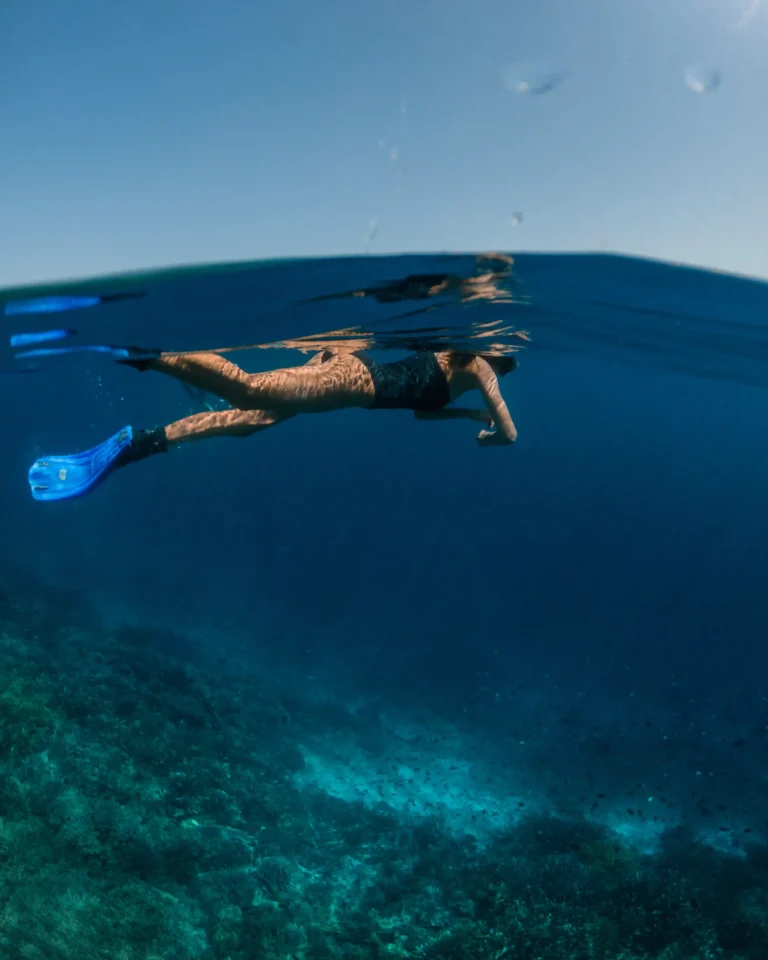
Sustainable Snorkeling Practices in the Komodo Islands: 2027 Guide
The Komodo Islands, part of Indonesia's Lesser Sunda chain, are celebrated for their vibrant marine life and stunning coral reefs.…
22 min read
Snorkeling Spots & Marine Life
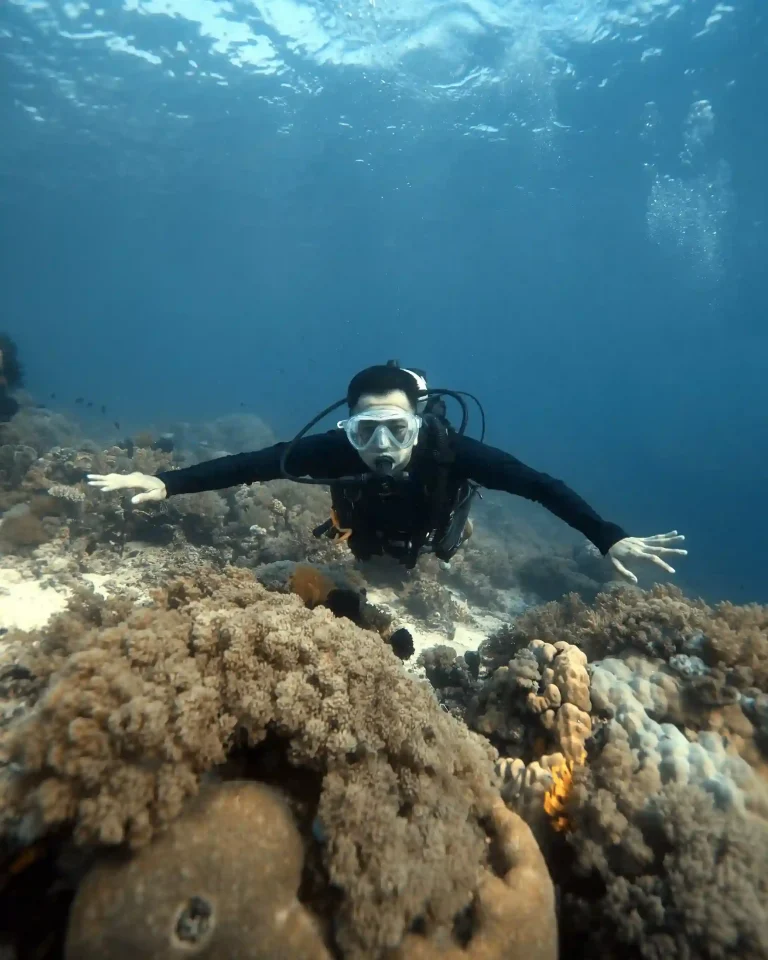
Comparing Snorkeling and Diving in Komodo: Which is Right for You?
The Komodo Islands, renowned for their rich marine biodiversity, offer both snorkeling and diving experiences that attract enthusiasts worldwide. When…
23 min read
Safety & Sustainability
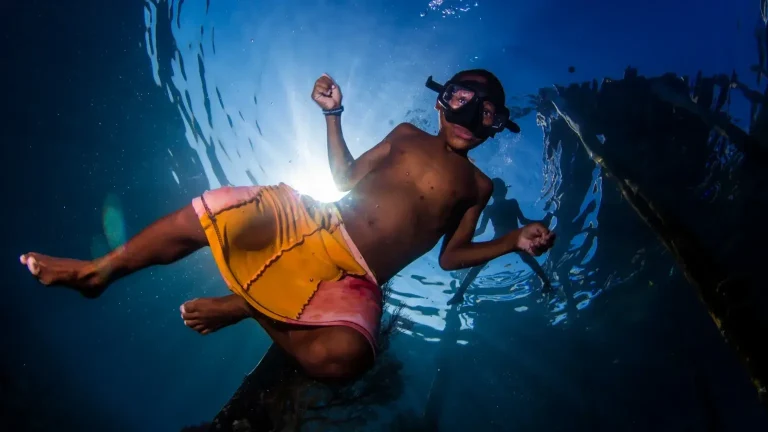
The Role of Local Communities in Komodo Snorkeling Tours
In the realm of Komodo snorkeling tours, the involvement of local communities is integral. These communities not only enhance the…
23 min read
Best Time, Gear & Tips
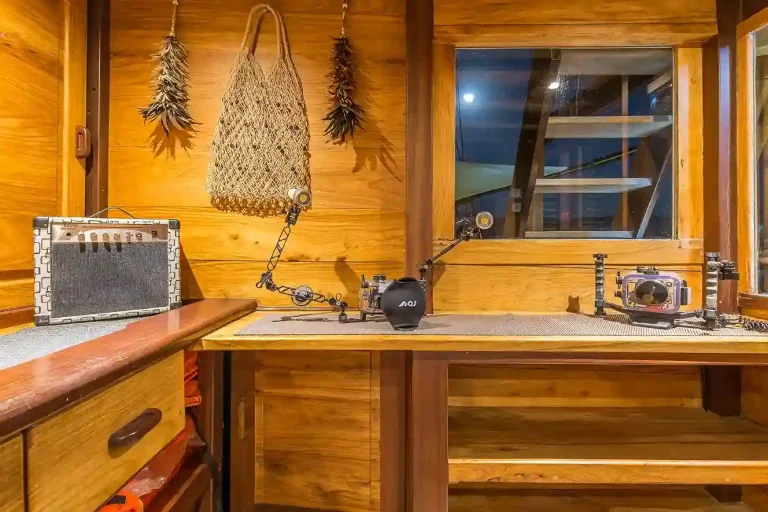
Technology in Snorkeling: Gadgets to Enhance Your Komodo Experience
The integration of technology into snorkeling is transforming how enthusiasts experience the waters around Komodo Island. With the introduction of…
20 min read