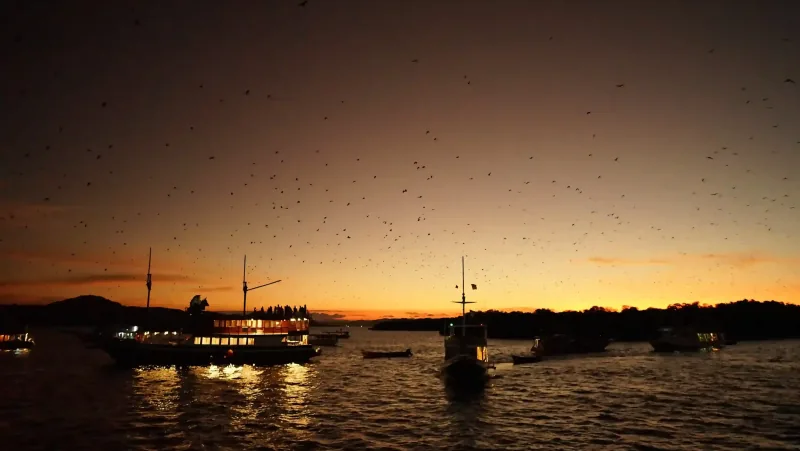
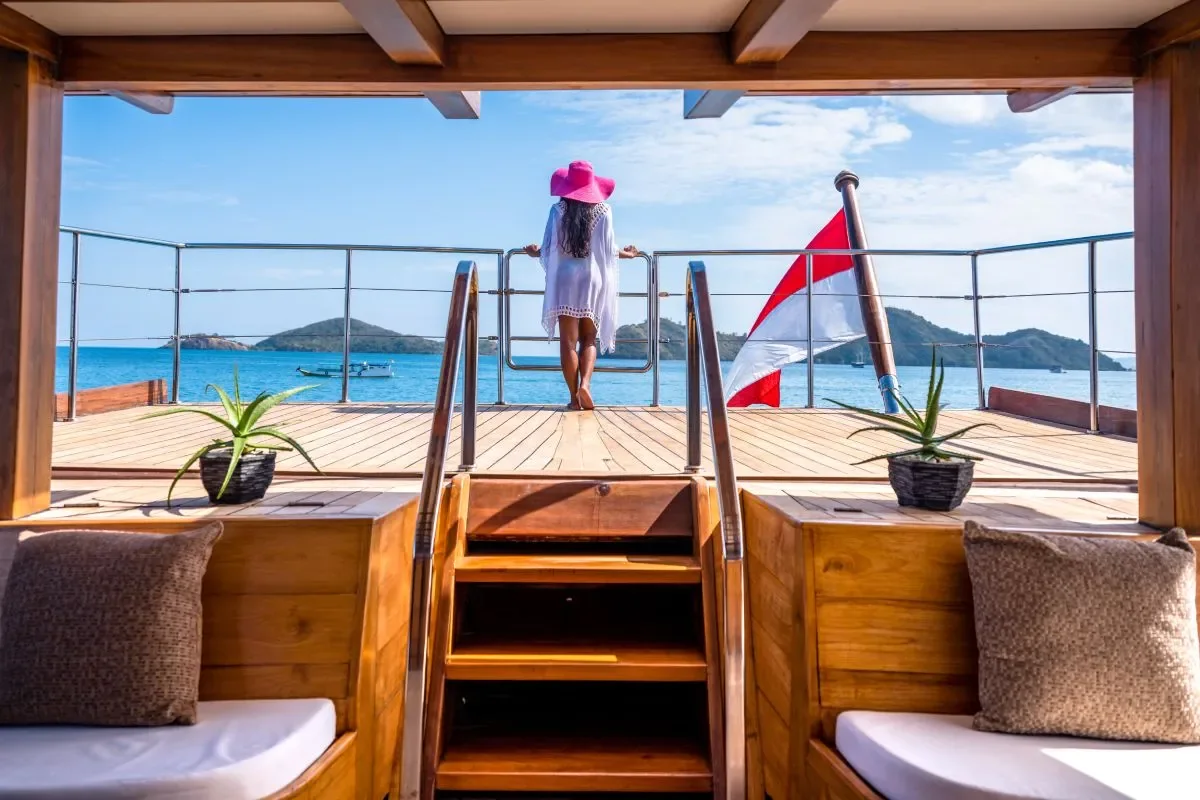
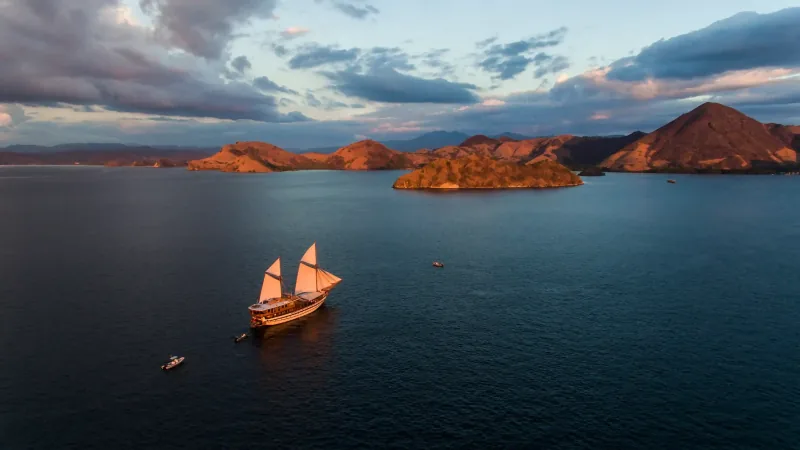
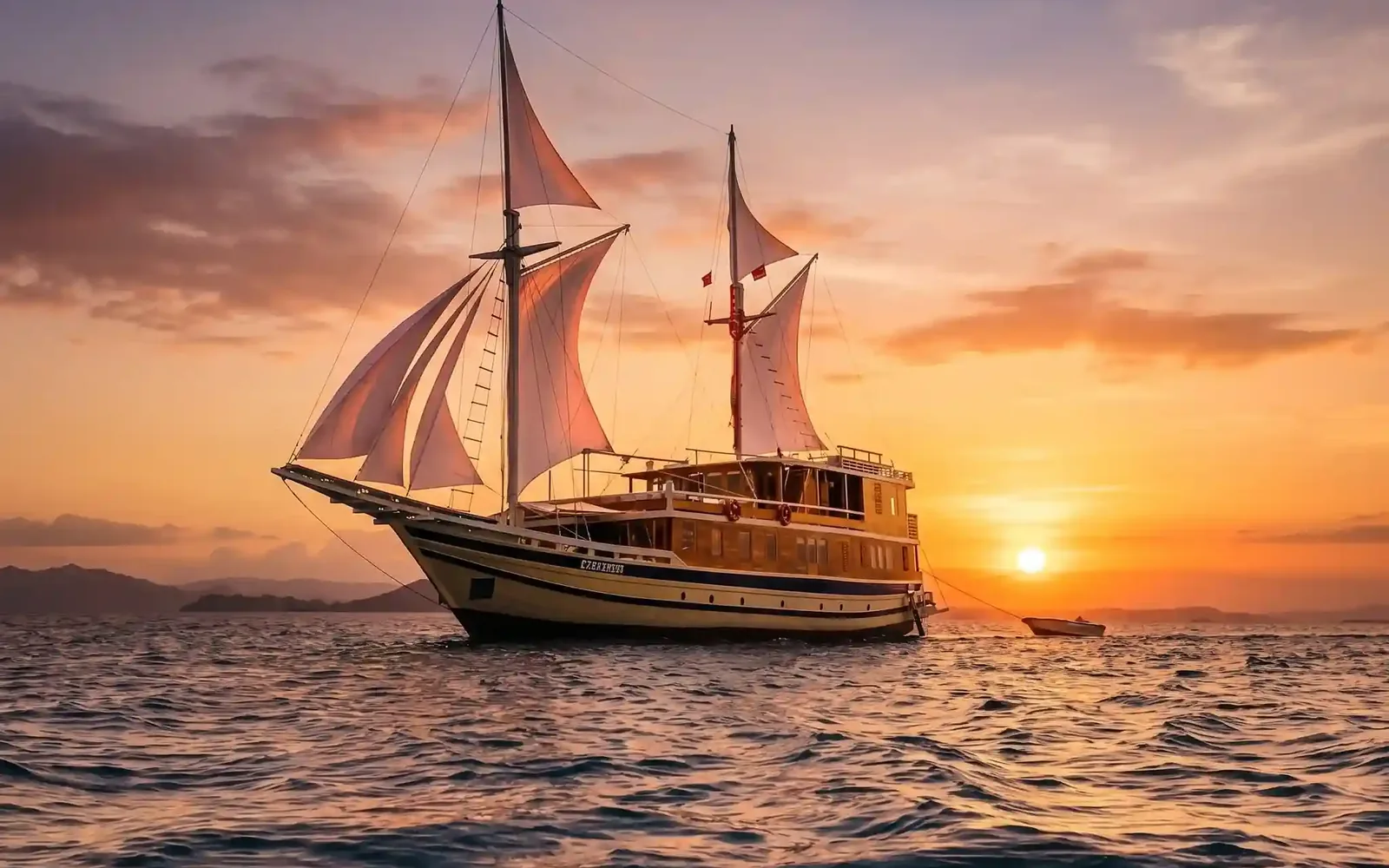
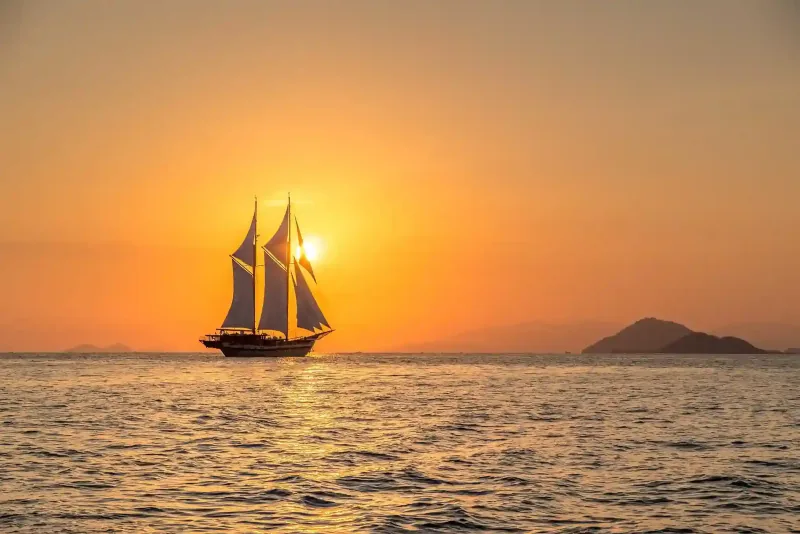
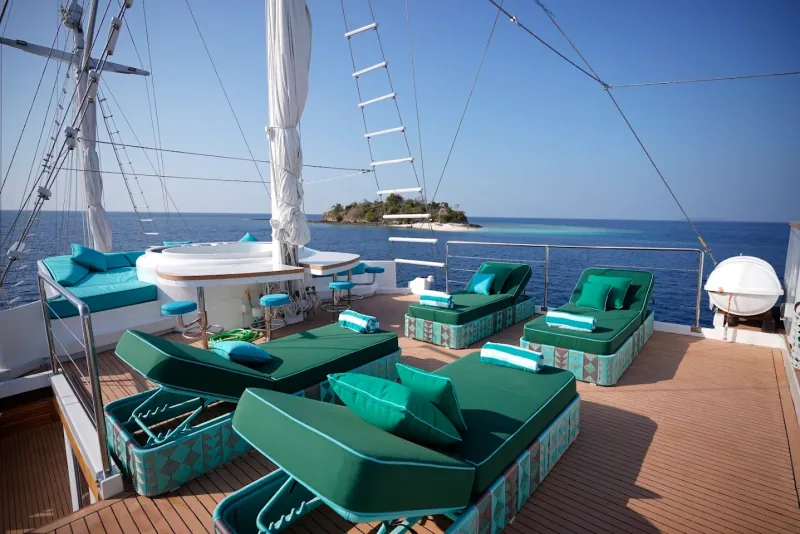
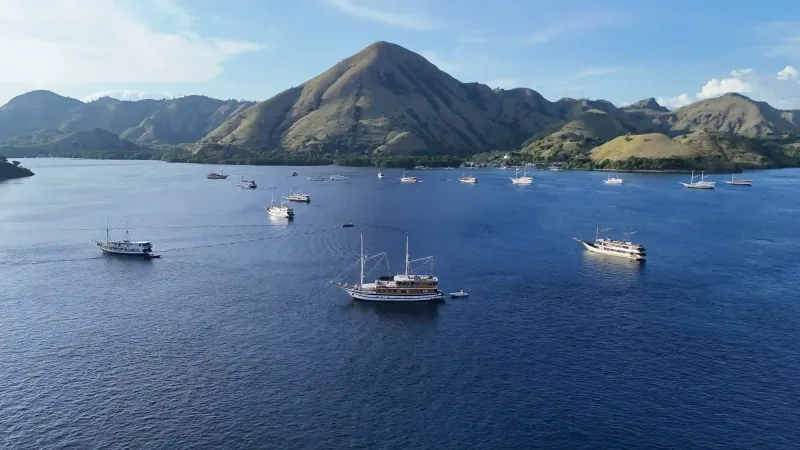
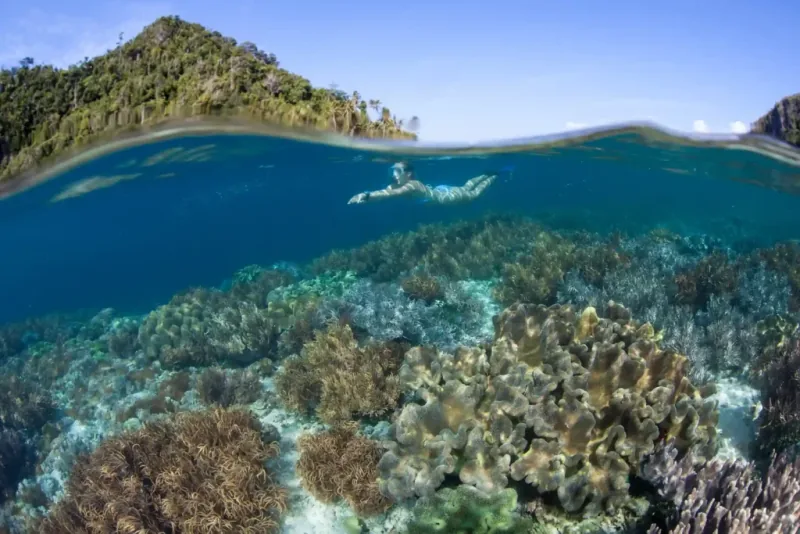
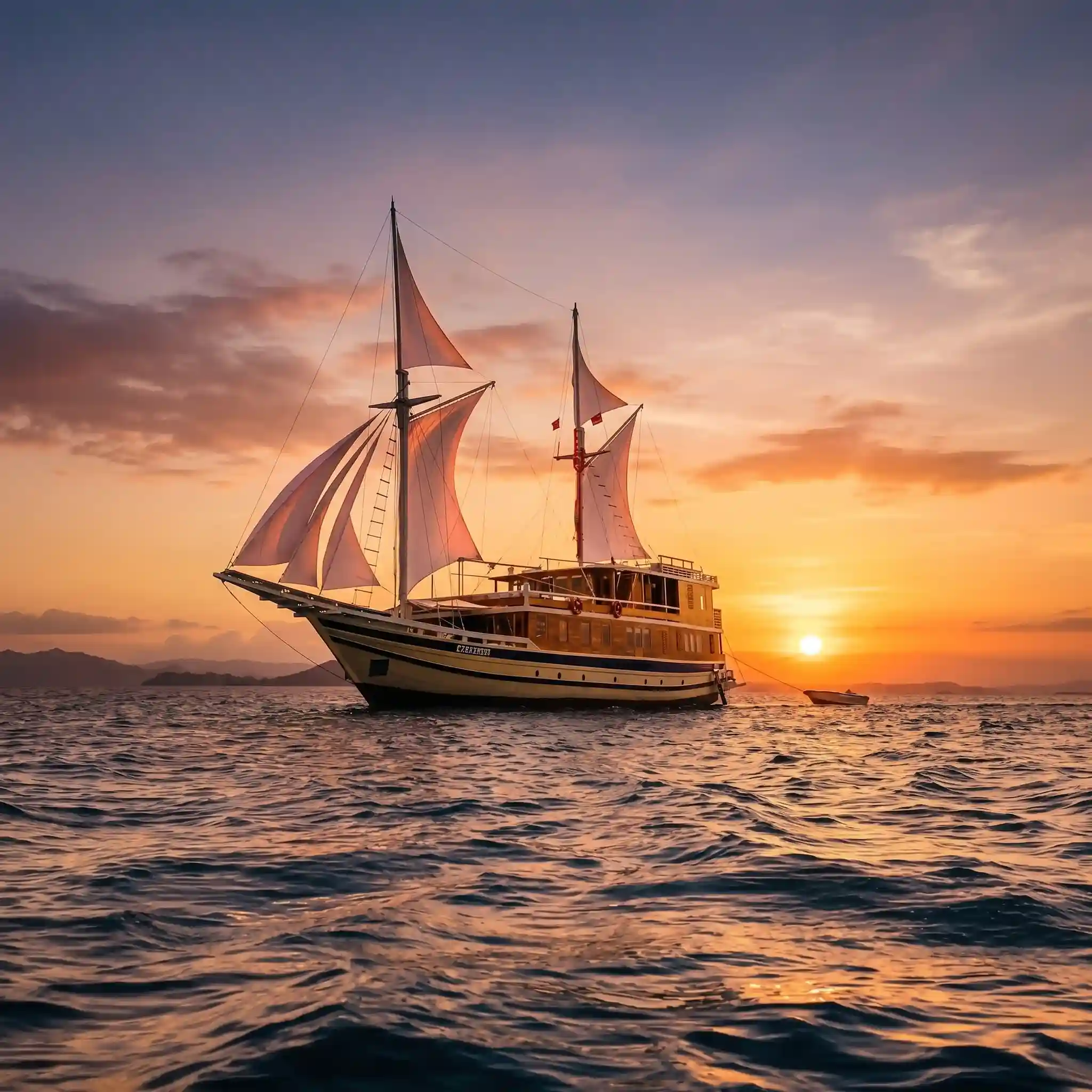
The morning sun, a liquid gold, spills across the deck of your private phinisi as Your boat glides silently through the Flores Sea, leaving only a faint wake behind. Below the surface, a world of electric blue and neon green awaits, a vibrant tapestry woven with soft corals and darting reef fish. You anticipate the cool embrace of the water and the weightless descent into Komodo’s underwater landscape — a realm where manta rays perform silent ballets and technicolor fish shimmer through gardens of coral. This is the promise of Komodo Island snorkeling, an immersion into one of Earth’s most pristine marine ecosystems. But to truly unlock its magic, knowing the rhythm of the seasons is paramount. Your luxury journey here begins with understanding the precise moments when Komodo reveals its most spectacular secrets, from glassy seas to thriving underwater spectacles.
**July-September:** Peak season, highest chance for megafauna, but also highest crowds and prices.
**October-November:** Shoulder season serenity, fewer visitors, still superb conditions.
On this page
The short version
Season against trip style
When people ask for the Komodo Island snorkeling best month, they usually have a specific priority: manta rays, flat seas for families, low prices, or minimal crowds. There is no single “perfect” month, but you can match your goals to different periods of the year.
Cost by season
Price is the other major variable once you know when you want to snorkel. Komodo Island snorkeling tours best season deals are not always during the “best” weather months; they’re usually when demand softens. Understanding how park fees, boat costs, and seasonal demand interact will help you plan realistically.
Side by side
Komodo Island water temperature by season
Season
Approx. sea temperature
Snorkeling comfort
April–June (early dry)
27–29°C
Very comfortable; ideal for long sessions
July–September (peak dry)
26–28°C
Still warm; breeze can feel cooler after long snorkels
October–November (late dry)
28–30°C
Warmest water; minimal chill even for children
December–March (wet/green)
27–29°C
Comfortable; occasional rain-cooled surface layer
Questions
What people ask
36 answers, grouped. Pick the set you need.
Komodo Island water temperature by season
Komodo Island snorkeling water temperature is warm year-round, generally between 26–30°C. You rarely need more than a 3 mm shorty or rash guard, but a thin wetsuit helps against wind chill on the boat. If you are sensitive to cold, late dry season is the most forgiving period. Families often ask about Komodo Island sea temperature for snorkelers with kids; October and November tend to be the easiest months for younger swimmers to stay in the water longer without shivering.
Visibility patterns and plankton
Komodo Island snorkeling visibility by month is influenced by monsoon-driven currents and plankton. In the dry season, visibility can often reach 15–30 meters, especially in the north and at mid-channel sites. In the wet season, visibility may drop closer to 10–15 meters in some areas, but this is also when Komodo Island snorkeling plankton bloom events draw more manta rays to feed. If your priority is photography or wide reef vistas, dry season offers the biggest payoff. If you want swirling mantas even at the cost of slightly hazier water, the green season is attractive, especially around Manta Point (Karang Makassar).
Currents, tides, and safety
Komodo Island snorkeling currents and tides are powerful year-round. Channels between islands act as funnels, creating strong drifts and occasional whirlpools. Experienced guides time entries to slack tide or use drift-snorkeling techniques, letting you ride the current while the boat tracks your group from the surface. Monsoon changes alter the direction and intensity of these flows but don’t make the park inherently unsafe. The key is choosing operators who understand tide tables, local patterns, and how rainy season affects Komodo snorkeling site selection. If you are risk-averse or traveling with children, stick to operators who regularly handle family groups and can adjust daily plans based on conditions.
Dry season vs manta season
The dry season in Komodo runs roughly from April to November, with July–August as peak tourist months. This is also the most predictable window for sunshine and visibility, especially around Labuan Bajo snorkeling best season considerations for short trips. However, the best Komodo manta season for snorkeling focuses on plankton-rich months. Mantas are present at Karang Makassar most of the year, but aggregations are often strongest from December to February, when currents carry more food. If your priority is mantas, manta season vs dry season Komodo snorkeling is a real trade-off: slightly rougher, wetter weather but higher probability of large feeding groups.
Month-by-month priorities
April–June: Calm seas, clear water, green hills on land. Excellent balance of visibility and comfort; strong candidate for Komodo Island snorkeling best month if you want both reefs and mantas without crowds.
July–August: Peak tourism, cooler air, and slightly livelier seas. Ideal for those seeking vibrant energy and willing to plan early, especially for a 3D2N Komodo snorkeling liveaboard or longer charters.
September–October: Often the sweet spot for best shoulder season for Komodo snorkeling: warm water, generally excellent visibility, and declining crowds.
November: Hotter, often glassy seas, but the first sporadic rains can appear. Very good for off season snorkeling in Komodo if you want lower boat occupancy.
December–February: Wettest period; mantas thrive. Good for flexible travelers prioritizing Komodo manta season for snorkeling and willing to adjust daily plans around squalls.
March: Transition month; mix of rain and clearing skies. Often underrated for last minute Komodo snorkeling trip rainy season deals.
Family trips, trekking combos, and Labuan Bajo bases
Family snorkeling Komodo best time is usually May, June, September, or October. Seas are generally manageable, water warm, and you avoid the biggest high-season crowds. These months are also favorable if you want to combine snorkeling and trekking Komodo dry season package options, such as Padar viewpoints and Komodo dragon walks, with calmer mid-day heat than peak wet season. If you are staying in town rather than on a liveaboard, Labuan Bajo snorkeling best season follows the same pattern: April–November offers the easiest day-trip planning to nearby sites. Labuan Bajo liveaboard snorkeling season tends to “fill in” July–August first, so shoulder months are better for short-notice bookings. For couples planning a special occasion, look at shoulder months then compare with sample itineraries on our honeymoon and couples Komodo snorkeling route ideas before fixing dates.
Park fees and practical daily costs
Under Government Regulation No. 36/2024, Komodo National Park charges foreign visitors a flat IDR 250,000 per person per visit, regardless of weekday, weekend, or public holiday. Indonesian citizens pay IDR 50,000 on weekdays and IDR 75,000 on weekends and holidays. A mandatory ranger or guide fee of about IDR 150,000 per group of 1–5 people is charged on top. There is no separate snorkeling permit; your entrance already covers snorkeling. In practice, a single foreign visitor should budget roughly IDR 400,000–525,000 for one full day in the park once all standard fees are added, excluding boat costs. The official fee reference is the Komodo National Park authority (KSDAE) website.
High, shoulder, and low-season pricing
Boat and accommodation prices vary much more with season than the official park ticket. High season (July–August, some holidays) brings the strongest demand for Labuan Bajo snorkeling packages by season, pushing prices and occupancy up. If you want the best liveaboard for Komodo snorkeling during dry season in these months, book well in advance and expect premium rates on newer or more luxurious vessels. In contrast, cheap Komodo snorkeling packages low season are usually available from November to mid-December and again from late January to March, when demand dips between holiday peaks. Is Komodo good for snorkeling in low season? Yes, provided you are flexible about exact sites and accept a higher chance of rain or short-notice adjustments to routes. For a deeper breakdown of what’s typically included and where hidden costs can appear, cross-check our guide on Komodo tour prices and inclusions before paying any deposit.
Trip styles, durations, and operators
If your priority is maximizing water time during the dry months, consider a multi-day boat such as a private Komodo boat charter or small-group Komodo sailing trip rather than separate day tours. These options let you time the best time of day for snorkeling Komodo Island sites—typically early morning and late afternoon—while avoiding mid-day heat and many crowds. For those combining snorkeling with occasional diving, curated Komodo diving and snorkeling itineraries can adapt daily plans around winds, currents, and experience levels. Before booking, review our overview of how offerings have changed in the evolution of snorkeling tours in Komodo and check current affiliations on our verified partners page. Finally, remember that rainy season snorkeling Komodo or any monsoon shoulder month calls for slightly more personal preparation. Lightweight rain jackets, dry bags, and properly fitting masks or full-foot fins make a bigger difference when seas are less predictable. Our gear checklist in what to bring for Komodo snorkeling in 2027 remains valid across seasons.
When is the overall best season for Komodo Island snorkeling?
The overall best season for Komodo Island snorkeling is the dry season, April to November, with the most reliable stretch inside it running May to October. These months offer the most reliable mix of sunshine, calm to moderate seas, and good visibility. July–August are busiest but lively; May–June and September–October often balance solid conditions with fewer boats and easier last-minute planning.
What is the best month if I want clear water and fewer crowds?
The best month for clear water and fewer crowds is often either May–June or late September. These shoulder months sit inside the dry season but outside school holidays, so visibility is usually excellent while Labuan Bajo and park anchorages feel less congested. You’ll still see vibrant reefs and a good chance of mantas, without peak-season boat traffic.
Is snorkeling in Komodo safe during the rainy or monsoon season?
Snorkeling in Komodo during the rainy season is generally safe if you use reputable operators who adjust routes to weather and currents. Squalls and choppier seas are more common, so itineraries may change day by day. Avoid operators who ignore forecasts, and be honest about your swimming ability so guides can choose appropriately sheltered sites.
How does the rainy season affect visibility and manta encounters?
Rainy season can reduce visibility slightly due to higher plankton, but that same plankton attracts more manta rays. Around Karang Makassar, December to February often brings larger feeding aggregations, even if you only see 10–15 meters ahead. If mantas are your top priority, the trade-off of slightly hazier water is usually worth it.
What is the best time of day to snorkel in Komodo?
The best time of day for snorkeling Komodo Island sites is usually early morning and late afternoon. Winds are often lighter, sun angles are softer for photography, and many day-trip boats cluster around mid-day. Tidal windows also matter; experienced crews time manta or channel sessions around favorable currents, not simply the clock.
Is Komodo a good choice for family snorkeling trips?
Komodo is a strong choice for family snorkeling, especially in May, June, September, and October. Seas are usually moderate, water warm, and many sites have shallow, calm coral gardens suitable for confident children. Choose operators used to family groups, request life vests or noodles, and avoid the most current-exposed channels for younger swimmers.
Can I find cheaper snorkeling packages in the low season?
Yes, you can often find cheaper Komodo snorkeling packages in the low or shoulder season, particularly November, early December, and late January to March. Boat operators may offer discounts or added inclusions to fill departures. You trade a higher risk of rain or itinerary changes for better pricing and usually more space on board.
Is a 3D2N liveaboard worth it compared with day trips?
A 3D2N Komodo snorkeling liveaboard is usually worth it if your budget allows. You gain dawn and sunset access to key sites, flexible timing around tides, and less transit time back to Labuan Bajo each day. Compared with day trips, you typically visit more varied locations and enjoy quieter windows at popular spots.
Is snorkeling in Komodo during the rainy season worth it?
Yes, snorkeling in Komodo during the rainy season is worth it if you prioritize fewer crowds and lush scenery over perfect water clarity. While visibility can be lower and seas choppier, you can still have incredible wildlife encounters, often with large groups of feeding manta rays. It requires flexibility with your itinerary and realistic expectations, but the trade-off is a more intimate and adventurous experience in the park.
What is the best month for clear water and fewer crowds?
The sweet spot for clear water and fewer crowds is typically May and June. This period falls just after the rainy season ends and before the peak European holiday season begins in July. The landscapes are still vibrant and green, water visibility is excellent as the runoff has settled, and the major crowds have not yet arrived. You get the best of both worlds: great conditions and relative tranquility.
How do park fees and booking work in different seasons?
Komodo National Park fees are consistent regardless of the season. As of the latest regulations, foreign visitors pay a flat rate of IDR 250,000 per person per visit. All visitors must also book their entry in advance via the official SiOra system (SiOra.id), as the park has a daily quota of 1,000 people. While tour prices may fluctuate seasonally, the government-mandated entrance fees do not.
Are there specific snorkeling spots that are better in the rainy season?
Yes, experienced local guides will often adjust itineraries during the rainy season to favor more sheltered sites. Spots in the southern part of the park, while known for being colder, can sometimes have better visibility during this period. Conversely, sites heavily affected by runoff from large islands might be avoided. The key is traveling with a knowledgeable crew who can read the daily conditions and take you to the best snorkeling spots available that day.
Can I get better deals on private charters during the low season?
Yes, the low season (typically late January to March) is often the best time to find promotional pricing or more flexible terms on private charters. With lower demand, operators are more willing to negotiate. This can make a premium experience, like a private Komodo boat charter, more accessible. However, always ensure the operator maintains high safety standards and does not cut corners despite the lower price.
Does the time of day affect snorkeling conditions?
Absolutely. The time of day is critical, primarily due to tides and currents. Komodo’s currents can be very strong, and the safest and most enjoyable snorkeling is done during slack tide (the period of minimal water movement between high and low tide). Morning light often provides the best visibility and calmest surface conditions. The guides plan every snorkel session around the tidal charts to ensure both safety and the best possible underwater experience.
April to June
As the monsoon rains recede, Komodo National Park awakens to its dry season splendor, making April through June an exceptional window for Komodo Island snorkeling. The air hums with a gentle warmth, typically hovering around 29-32°C, and the skies are a canvas of uninterrupted blue. This period offers the perfect equilibrium: superb marine conditions without the peak season throngs. Visibility consistently extends to 25-30 meters, transforming the underwater world into a crystal-clear diorama. Imagine drifting effortlessly over expansive coral gardens, observing schools of fusiliers and snapper, each detail rendered in high definition. The water temperature maintains a comfortable 27-29°C, inviting extended exploration without a chill. During these months, the currents, while always a factor in Komodo, tend to be more predictable, allowing for exhilarating drift dives through channels like Batu Bolong or Siaba Besar. This is prime time for encountering the park’s iconic manta rays, often seen feeding in the nutrient-rich waters around Manta Point. Their graceful, silent glides beneath you are moments of pure awe. Beyond the marine life, the islands themselves are still verdant from the recent rains, offering lush backdrops for your land excursions to encounter the Komodo dragons. Booking a luxury liveaboard during this shoulder period, perhaps a 4-day excursion, offers a sweet spot between price and exclusivity, often securing a prime vessel from around USD 16,000 for the three nights — Komodo Luxury’s own baseline private-charter rate runs USD 5,300 per night, before whatever shoulder-season saving applies. It’s a strategic choice for those seeking both pristine conditions and a touch more solitude. For more on the park’s unique ecosystem, visit UNESCO’s Komodo National Park page.
July to September
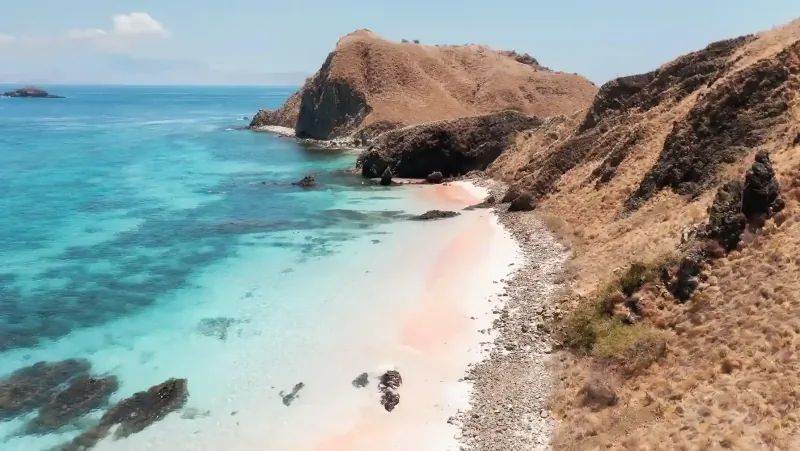
The heart of the dry season, July through September, represents the absolute zenith for Komodo Island snorkeling. This is when the park truly shines, offering near-perfect conditions that draw travelers from across the globe. The skies are consistently clear, the sun relentless, and the seas remarkably calm, especially in protected bays. Air temperatures consistently hover around 30–33°C, while water temperatures remain a balmy 28–30°C. Visibility can often exceed 30 meters, creating an almost limitless sense of boundless blue. This period is synonymous with an elevated chance of encountering large pelagic species, especially around channels and current-swept sites. While manta rays are year-round residents, their congregations seem to swell during these months, and the chances of spotting whale sharks, although never guaranteed, are statistically at their highest. The trade-off for these idyllic conditions is, predictably, increased crowds and premium pricing. Luxury liveaboards, especially the most coveted vessels, are often booked 9-12 months in advance, with a 7-day charter potentially commanding upwards of USD 32,000 for the six nights at Komodo Luxury’s baseline rate, and considerably more on the most sought-after yachts. Expect popular snorkel sites like Pink Beach or Taka Makassar to have more visitors, though a well-planned luxury itinerary will always seek out less-frequented spots. Despite the popularity, the sheer scale of Komodo National Park, encompassing 1,733 square kilometers of marine area, means that moments of secluded wonder are still abundant. The vibrant health of the coral reefs during this period is truly remarkable, with an explosion of color and life that must be witnessed firsthand.
October to November
As the peak dry season begins its gentle transition towards the wetter months, October and November emerge as a sweet spot for discerning travelers seeking the best of Komodo Island snorkeling with a touch more tranquility. These months offer a delightful blend of excellent conditions and reduced visitor numbers, presenting a compelling argument for a luxury escape. Air temperatures remain warm, averaging 28-31°C, and water temperatures sit at a steady 27-29°C during this stretch, inside the 26-30°C year-round range. While the occasional afternoon shower might appear, especially towards late November, these are typically brief and localized, quickly giving way to sunshine. Visibility remains impressive, often holding at 20-25 meters, still providing crystal-clear views of the underwater world. The marine life during this period is as vibrant as ever. Manta rays continue their graceful patrols, and the diverse reef fish populations thrive amidst the healthy corals. With fewer boats at popular sites, your experience of Komodo Island snorkeling can feel more exclusive and personal. Imagine having a pristine coral garden virtually to yourself, the only sounds the gentle lapping of waves against your yacht and the distant calls of seabirds. Pricing for luxury liveaboards and bespoke tours begins to soften slightly, offering potential savings of 10-15% compared to peak season rates, without significant compromise on the experience. This window is particularly appealing for those who prioritize a more intimate connection with nature and value a less hurried pace. Consider a 5-day private charter from around USD 19,000 during this period — the four nights at Komodo Luxury’s USD 5,300-per-night baseline, less the shoulder-season saving noted above.
December to March
While often viewed as the “off-season” due to increased rainfall, the Green Season from December to March holds a unique allure for intrepid travelers seeking a different kind of Komodo Island snorkeling experience. This period, characterized by the northwest monsoon, brings more frequent and sometimes heavier rains, transforming the arid landscapes into lush, vibrant tapestries. Air temperatures hover around 26-29°C, and water temperatures remain warm, 26-28°C. The seas can be choppier, particularly in open channels, and visibility might decrease to 10-15 meters due to runoff and increased plankton. However, this shift in conditions brings its own rewards, especially for those prioritizing solitude and value. Crowds are at their absolute lowest during these months. Luxury liveaboards and private charters see significantly reduced occupancy, translating into the most competitive pricing of the year, with potential discounts of 20-30% or more. A 3-day luxury liveaboard might be secured for around USD 7,500-8,500 — a genuine 20-30% saving off the two nights at Komodo Luxury’s USD 5,300-per-night baseline. For the truly adventurous, this means having iconic snorkel sites almost entirely to yourselves. The marine life, far from disappearing, adapts to the nutrient-rich waters. Certain species, like juvenile fish and some macro life, actually thrive during this period. The manta rays are still present, though their feeding patterns might shift. While a full day of relentless sunshine is less common, the dramatic skies and the invigorating freshness of the rain create a powerful, atmospheric backdrop to your adventure. It’s a journey for those who embrace nature in all its forms. Discover more about planning your luxury Komodo trip at our homepage.
Weather and water
Understanding the interplay of weather and water conditions is fundamental to maximizing your Komodo Island snorkeling experience. The region is largely governed by two monsoon seasons: the dry southeast monsoon (April-November) and the wet northwest monsoon (December-March). During the dry season, consistent southeast winds typically bring calm seas to the northern and central parts of the park, while the southern sites can experience slightly choppier conditions. Conversely, the wet season’s northwest winds can make northern passages rougher, but offer calmer conditions in the south. These wind patterns directly influence current strength and direction, which can be significant in Komodo’s narrow channels, reaching up to 8 knots in some areas. Luxury liveaboards, with experienced captains, meticulously plan itineraries to leverage these patterns, ensuring the safest and most rewarding snorkeling. Water temperatures remain remarkably consistent year-round, generally between 26-30°C, making wetsuits optional for most, though a 2-3mm shorty can provide comfort for extended sessions. Visibility is the primary variable. During the dry season, it can soar to 25-35 meters, offering breathtaking clarity. In the wet season, runoff from the islands and increased plankton can reduce visibility to 10-15 meters. However, these nutrient-rich waters can also attract filter feeders like manta rays and even whale sharks. Strong currents, while challenging for inexperienced snorkelers, are also the lifeblood of Komodo’s marine ecosystem, bringing in nutrients that sustain its incredible biodiversity. Always listen to your dive guide; they are experts in reading the currents and selecting sites appropriate for your skill level. For a deeper understanding of Komodo’s unique marine environment, explore our guide articles on Komodo’s Marine Life.
Crowds and price
The ebb and flow of visitors and the associated pricing structures are critical considerations for a luxury Komodo Island snorkeling adventure. The peak season (July-September) sees the highest concentration of tourists, with liveaboards operating at full capacity and land excursions bustling. This demand drives premium pricing across the board, from flights and accommodations to liveaboard charters. A top-tier luxury liveaboard during this period might require booking 12 months in advance, with a 7-night itinerary costing upwards of USD 37,000 for a private yacht — and considerably more for the most coveted vessels — excluding park fees (the official PNBP flat rate is IDR 250,000 per person, plus a small ranger fee — see our permits, fees and quota guide). The experience, though exceptional, will involve sharing sites with more fellow travelers. The shoulder seasons (April-June and October-November) offer a strategic advantage. Crowds are noticeably thinner, allowing for a more serene and exclusive experience. Pricing for luxury accommodations and liveaboards often sees a reduction of 10-20% compared to peak rates, providing excellent value without compromising on conditions. Booking 6-9 months in advance is generally sufficient to secure your preferred vessel. The green season (December-March) presents the lowest prices and the fewest crowds. Discounts can reach 25-35% or more, and booking lead times are shorter, sometimes only 3-4 months. While weather can be a factor, the solitude and the lush, vibrant landscapes offer a unique appeal. For the ultimate luxury experience, consider chartering a private yacht, which allows for complete control over your itinerary, avoiding crowded spots, and tailoring every moment to your desires. Explore options for bespoke itineraries in How to Customize Your Komodo Island Snorkeling Trip. Whether you seek the crystalline perfection of the dry season or the verdant tranquility of the green season, Komodo Island snorkeling promises a memorable encounter with marine majesty. The choice of when to visit shapes not only the underwater spectacle but also the entire rhythm of your journey, from sea conditions to crowd levels. From the silent ballet of manta rays to the vibrant colour of coral gardens, Komodo awaits your arrival, ready to reveal its wonders. Plan meticulously, dream expansively, and prepare for an expedition that transcends the ordinary. Your journey into the heart of Indonesia’s marine jewel begins now.
Conditions and water temperature
For most travelers, understanding Komodo Island snorkeling conditions by season is more useful than chasing an abstract “best time.” Broadly, the dry season runs from April to November, while the wetter monsoon period stretches from December to March. Conditions change noticeably between these windows, especially for visibility, currents, and surface comfort. During the dry season snorkeling Komodo Island typically means more stable sunshine, lighter rainfall, and higher average visibility, especially around iconic sites like Pink Beach and Karang Makassar (Manta Point). Sea breezes can pick up in July–August, but showers are rare, and surface chop is usually manageable on properly sized boats. In the rainy months, Komodo Island rainy season snorkeling is still possible, but you need to be more flexible. Short, intense squalls can affect day-trip timing from Labuan Bajo and occasionally limit access to more exposed northern sites. In return, plankton blooms attract more mantas and some pelagic species, especially around channels.
The green season, honestly
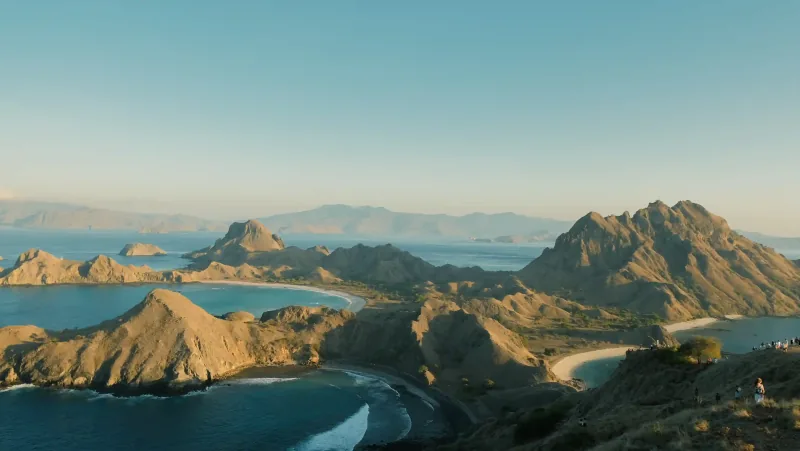
While the dry season gets most of the glory, the Green Season (roughly December to March) presents a unique, if more unpredictable, window for Komodo snorkeling. For those wondering when does rainy season start in Flores for planning Komodo snorkeling, the shift typically begins in late November, with peak rainfall often occurring in January and February. So, is rainy season bad for Komodo snorkeling? Not inherently, but it demands flexibility and a clear understanding of the trade-offs. The primary draw is the solitude; with fewer boats and visitors, you can experience popular sites like Pink Beach and Padar Island in relative peace. The main challenge during this period is water visibility. Runoff from the islands can cloud the water, especially at sites closer to the mainland. Surface conditions can also be choppier, and sudden squalls can lead to itinerary changes or, in rare cases, trip cancellations for safety reasons. Understanding the core difference between rainy and dry season snorkeling in Komodo is crucial: you’re trading guaranteed sunshine and crystal-clear water for lush, green landscapes, fewer crowds, and often lower prices on charters. For many, the experience of rainy season snorkeling Komodo Island is less about perfect underwater photos and more about an adventurous, raw encounter with the park’s wilder side. Komodo Luxury’s partner vessels are equipped for these conditions, with experienced captains who prioritize safety and know the sheltered spots that remain viable. For more on this, see the guide to safety and health on Komodo boats.
Mantas through the year
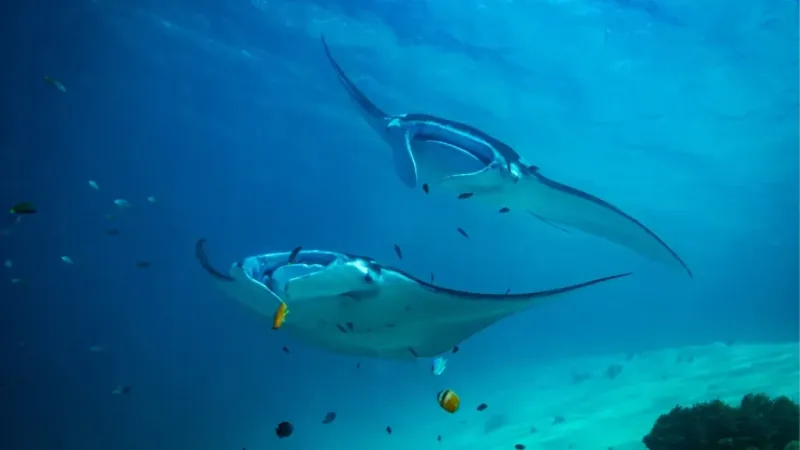
Manta rays are the superstars of Komodo’s underwater realm, and Karang Makassar (Manta Point) is their stage. A frequent question is, can I still see mantas snorkeling in Komodo during the off-season? The answer is a resounding yes. Mantas inhabit these waters year-round. However, the experience and viewing conditions shift significantly with the seasons. While there isn’t a strict Karang Makassar snorkeling season where they vanish, your encounter will be different in August compared to January. The debate of rainy season vs dry season for mantas Komodo snorkeling comes down to a trade-off between visibility and plankton density. Here’s the breakdown: Ultimately, both seasons offer incredible opportunities. If your priority is a high chance of seeing feeding behavior and you don’t mind lower visibility, the Green Season can be highly rewarding. To maximize your chances across different conditions, a multi-day trip is ideal, and Komodo Luxury’s Komodo liveaboard charters are built to provide that flexibility. Season is only half the picture: what you carry and how you brief yourself matter just as much, and the rest of that ground is covered across our best time, gear and tips articles.
Dry Season (April – November): This period generally offers the best water clarity, often exceeding 20-30 meters. The water is cooler and less nutrient-rich. You’ll see the mantas clearly as they cruise through cleaning stations, but you might find fewer of them actively feeding in large aggregations. This is peak season, so expect more boats sharing the site.
Green Season (December – March): This season brings warmer, plankton-rich waters. While this reduces visibility (sometimes down to 8-15 meters), it’s precisely this plankton soup that attracts large groups of mantas for feeding. An encounter during this time can be incredibly dynamic, with dozens of rays barrel-rolling through the nutrient clouds. It’s a spectacular behavior that is less common in the clear, plankton-poor waters of the dry season.
Early Dry Season Delights
April marks the definitive transition, with rainfall dropping to negligible levels, typically less than 50mm for the entire month. The gentle southeast winds begin to establish themselves, keeping the air fresh. May and June build on this, offering an average of 9-10 hours of sunshine daily. This consistency is ideal for photographers and those who cherish long, uninterrupted sessions exploring the reefs. You’ll find fewer liveaboards and day-trippers compared to the absolute peak, translating to more intimate dive and snorkel sites. The marine biodiversity is at its annual high, with a kaleidoscope of nudibranchs, vibrant reef sharks, and elusive pygmy seahorses making appearances for the discerning eye. This period also presents a slight advantage in terms of flight availability and potentially more flexible luxury villa bookings on nearby Flores, particularly in Labuan Bajo, your gateway to the archipelago.
High Season Logistics and Rewards
Travelling in peak season requires meticulous planning. Flights into Labuan Bajo (LBJ) from Bali (DPS) or Jakarta (CGK) see increased demand, with daily flights often reaching 90%+ occupancy. Booking your internal flights at least 3-4 months ahead is advisable. While the crowds on land might be noticeable at the Komodo Dragon viewing points, the vastness of the ocean still offers ample space for exploration. The rewards, however, are immeasurable: consistent, clear conditions for capturing professional-grade underwater photography, an almost guaranteed daily encounter with diverse marine life, and the vibrant energy of a destination at its absolute best. For a wider view of Indonesian travel, consult Indonesia.travel.
Transitioning into Tranquility
October is largely a continuation of dry season perfection, with minimal rainfall (typically under 100mm). The winds are generally light, making for smooth crossings between islands. By November, the atmosphere becomes more humid, and the frequency of short, refreshing downpours increases slightly, though they rarely disrupt a full day of activity. These showers contribute to the islands’ increasing verdancy, painting the landscapes in richer greens. The marine conditions remain robust, with healthy plankton blooms occasionally attracting larger filter feeders. This is an excellent time for photographers seeking dramatic cloud formations over the islands at sunset, alongside superb underwater opportunities. For information on current weather patterns, local government advisories are often available through sites like BMKG Indonesia (Indonesia’s Meteorology, Climatology, and Geophysics Agency).
Wet Season Wonders and Considerations
Rainfall during the peak of the green season, typically January and February, can reach 200-300mm per month. While this might sound substantial, it often manifests as intense, tropical downpours that clear quickly, leaving behind a sparkling, refreshed landscape. The key consideration is sea conditions; average wave heights can increase to 0.5-1.5 meters, potentially limiting access to some exposed sites or making crossings less comfortable. However, many excellent snorkel spots are found in sheltered bays, offering protection. For luxury travelers, choosing a larger, more stable liveaboard or focusing on itineraries that prioritize calm water sites is crucial. The vibrant green of the islands, contrasted with the deep blue of the sea, offers incredible photographic opportunities that are distinct from the dry season’s golden hues. This is also a fantastic time for birdwatching, as the refreshed vegetation attracts various avian species.
Komodo Luxury — the booking partner for this guide
Where the boats actually come from
We publish the research; Komodo Luxury holds the fleet and the calendar.