Permits, Daily Quotas & New Komodo Park Rules 2026
Komodo Island Snorkeling Editorial Desk 27 min read
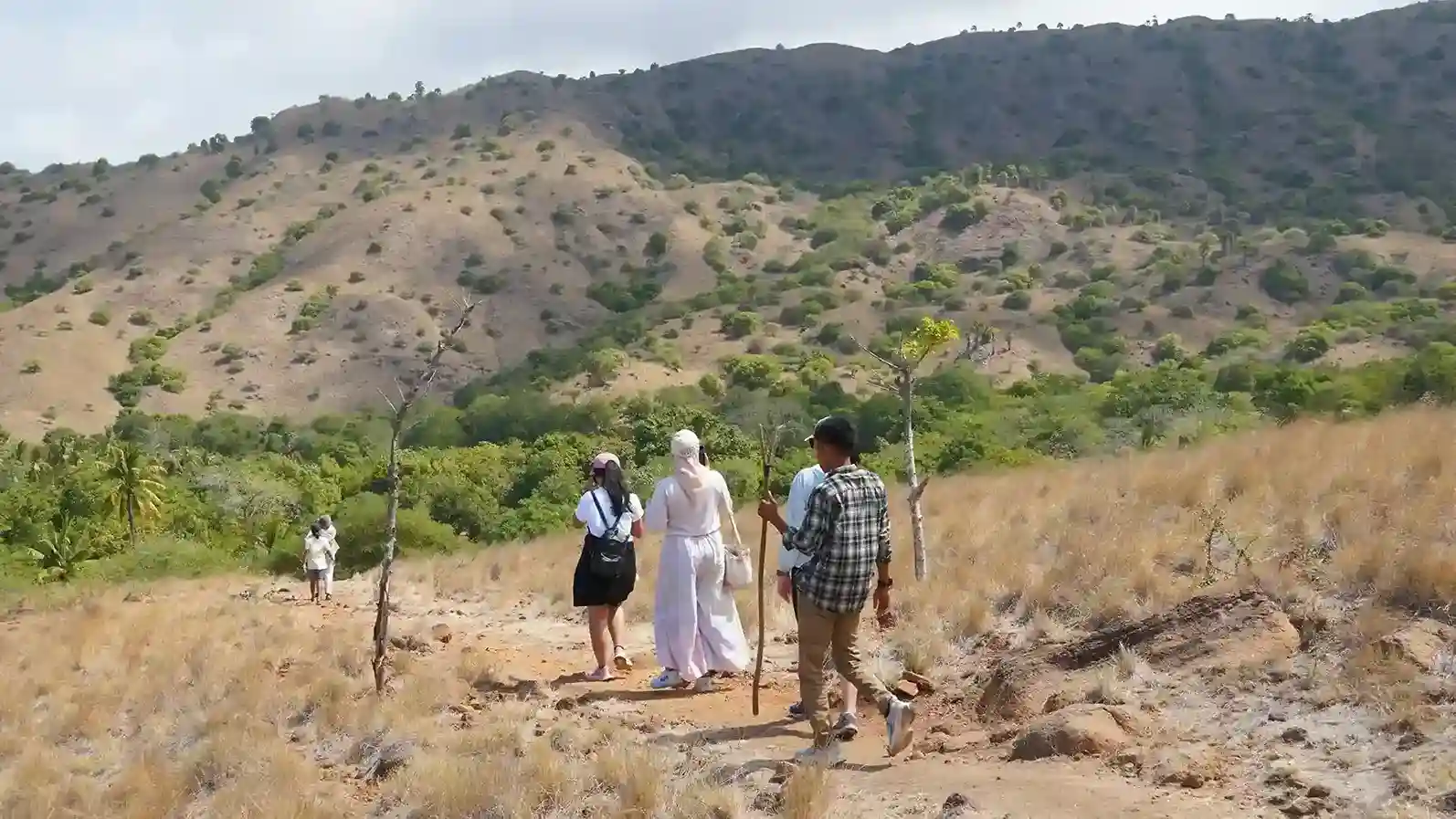
Understanding the New Regulations in Komodo National Park for 2026
As of 2026, the Komodo National Park has introduced new rules regarding permits, visitor quotas, and conservation efforts to protect its extraordinary biodiversity. With daily visitor quotas set at 1,000 people and various fees for different activities, understanding these changes is crucial for anyone planning a trip to this UNESCO World Heritage site.
Komodo National Park Permit 2026: A Breakdown
The Komodo National Park entry system follows the official PNBP tariff (Government Regulation / PP No. 36/2024, effective 30 October 2024). As of August 2026, the structure is:
- Entrance fee — foreign visitors (WNA): a flat IDR 250,000 per person per visit, regardless of day. This already covers park entry plus basic activities such as trekking, wildlife viewing, and snorkeling — there is no separate “snorkeling permit” or “diving permit” charged by the park.
- Entrance fee — Indonesian citizens (WNI): IDR 50,000 on weekdays, IDR 75,000 on weekends and public holidays.
- Ranger/guide fee: not included in the PNBP ticket — around IDR 150,000 per group of 1-5 visitors, mainly for the Padar climb or Rinca/Komodo dragon trek.
Conservation, jetty, and insurance costs are bundled into the ticketing system rather than billed as separate line items. Figures verified against the Government Regulation (PP) No. 36/2024 as of August 2026.
These permits must be purchased at designated entry points like the park’s main office in Labuan Bajo or at the Rinca and Komodo ranger stations. It’s advisable to book your permits in advance, especially during the peak months of July through September.
Daily Visitor Quota: What It Means for You
To protect the park’s fragile environment, Komodo National Park limits daily visitors to 1,000 people across the whole park, split into 3 scheduled sessions per day — this is a park-wide cap, not a per-island sub-quota, and no official per-island limit has been published as of August 2026. Since April 2026, entry to Komodo and Padar also requires an online SiOra reservation (an e-ticket with a QR code) booked in advance, rather than paying on arrival. This daily quota is enforced rigorously, which means that during high tourist seasons, you may need to plan your visit well in advance. Advance booking is crucial, especially if you desire a specific date or activity.
For those looking to enjoy both snorkeling and diving, keep in mind that reservations for boat tours often fill up quickly. Many local operators provide packages that include both activities, and booking as early as January or February for visits in mid-summer can ensure you secure your spot.
How to Book Your Komodo Entrance Ticket
Booking your Komodo entrance ticket can be done online through various travel agencies or directly through the park’s official channels. Here’s a step-by-step guide:
- Visit the official website of Komodo National Park or authorized travel agencies.
- Select the activity you wish to participate in (e.g., snorkeling, diving, trekking).
- Choose your preferred date and the number of people in your group.
- Complete the payment process—most services accept both credit cards and bank transfers. Some may allow you to pay in cash, but always confirm this ahead of time.
Once booked, you’ll receive a confirmation that you should keep handy, as it may be checked at various points throughout your visit.
Komodo National Park Fee Breakdown: Planning Your Budget
When planning your trip, here is the official PNBP breakdown (verified August 2026; the per-activity “permit” table previously published here did not match the government tariff and has been corrected). The figures are in rupiah because that is the currency the regulation sets them in, and we do not convert them into dollars: an invented exchange rate would be the one number on this page nobody could check.
| Item | Fee (IDR) |
|---|---|
| Entrance fee — foreign visitor (WNA), flat | 250,000 |
| Entrance fee — Indonesian citizen (WNI), weekday | 50,000 |
| Entrance fee — Indonesian citizen (WNI), weekend/holiday | 75,000 |
| Ranger/guide fee (per group of 1-5, e.g. Padar climb) | approx. 150,000 |
| SiOra online reservation (mandatory since April 2026) | included in e-ticket |
Practical total for one foreign visitor, one day: roughly IDR 400,000–525,000 once the entrance fee and ranger fee are combined.
Remember that additional costs may arise from equipment rental and boat charters, typically starting around IDR 2,000,000 for a full-day private charter.
Do I Need a Guide in Komodo National Park?
You cannot explore Komodo National Park independently: a licensed ranger or guide is mandatory for every visitor group (around IDR 150,000 per group of 1–5 people under PP 36/2024), including all treks to see the Komodo dragons. Guides not only provide valuable insight and information but also ensure your safety, particularly when trekking through areas where wildlife is abundant.
Guided tours typically range from IDR 1,200,000 to IDR 2,500,000 depending on the duration and inclusivity of service (e.g., meals, snorkeling gear). Remember that a guide is mandatory if you venture into areas where dragons roam.
Komodo Snorkeling Rules and Fines: A Responsible Approach
When snorkeling in Komodo National Park, it’s important to familiarize yourself with the specific rules in place. These rules are designed to protect both the marine environment and visitors.
- Do not touch or disturb marine life. This includes coral and fish.
- Use reef-safe sunscreen to minimize environmental impact.
- Stay within designated snorkeling areas to avoid damaging sensitive habitats.
Violating these rules can lead to fines and other penalties, such as expulsion from the park or revocation of your permit, at the discretion of park authorities. This site has not located a single official published tariff table for specific per-violation fine amounts; if you need the exact figure, confirm directly with Balai Taman Nasional Komodo (KSDAE) rather than relying on unofficial estimates.
Latest Komodo Conservation Regulations for 2026
As conservation efforts continue to evolve, it’s essential to stay informed about the latest regulations. The following changes have been implemented for 2026:
- The introduction of a new monitoring system to track daily visitor numbers and ensure compliance with the 1,000-person quota.
- Increased fines for littering or engaging in environmentally harmful activities.
- Educational programs for visitors to raise awareness about the importance of conservation efforts within the park.
Visitors are encouraged to participate in conservation efforts by following park guidelines, which not only protect the park’s wildlife but also enhance the overall experience of visiting this remarkable destination.
FAQs
- Can I pay Komodo fees in cash? – Most places accept cash, although it’s advisable to have a mixture of cash and cards for flexibility.
- What is the park fee for diving vs snorkeling in Komodo? – There is no separate diving or snorkeling permit. The official PNBP entrance fee (IDR 250,000 flat for foreign visitors) already covers snorkeling; diving operators may add their own equipment/guide charges, which are commercial, not government fees.
- Do I need a guide in Komodo National Park? – Yes — a licensed ranger or guide is mandatory for every visitor group in Komodo National Park, at around IDR 150,000 per group of 1–5 people (PP 36/2024), on top of the flat entrance ticket.
Understanding the new Komodo National Park rules for 2026 is essential for anyone planning to explore its breathtaking landscapes and unique marine life, especially visitors focused on responsible snorkeling and wildlife encounters.
With the right preparations and adherence to guidelines, you can enjoy a seamless and responsible experience in this stunning part of Indonesia. Plan your visit, book your permits, and immerse yourself in the wonder of the Komodo Islands.
Start planning your adventure in Komodo today!
Daily Visitor Quota: What It Means for Tourists
The daily visitor quota of 1,000 individuals has been implemented to help manage the environmental impact on Komodo National Park. This limit affects not just the number of tourists but also how they experience the park.
To ensure you’re part of the lucky 1,000, early planning is essential. For instance, if you’re looking to visit during the popular month of August, it’s advisable to secure your permits 2-3 months in advance. Many local tour operators offer package deals that include transportation, permits, and guided tours, which can simplify the process. Typical package prices range from USD 70 to USD 150 per person depending on the activities included and the duration of the trip.
Additionally, consider visiting during off-peak months, such as May or September, when the weather is still pleasant and the crowds are thinner. This will not only enrich your experience but also provide more opportunities to spot wildlife without feeling rushed.
Conservation Funding: How the Entry Fee Is Used
There is no separate “conservation fee” line item. Conservation, habitat restoration, anti-poaching patrols, and educational programs are funded from within the single IDR 250,000 PNBP entrance ticket described above, not billed to visitors as an extra charge.
The implementation of this fee has sparked discussions about the sustainability of tourism in the park. Many local NGOs and conservationists argue that investing in the preservation of the park is essential, given that the national park is home to the endangered Komodo dragon and numerous other species. The funds collected will be put towards research projects aimed at understanding the ecological balance of the islands.
For travelers, this means that part of their entrance fee directly contributes to the preservation of the unique environment they are enjoying. Knowing that your visit aids conservation efforts can enhance the experience and promote responsible tourism.
Practical Tips for Navigating the New 2026 Rules
Navigating new rules can be daunting, but a few practical tips can help streamline your experience:
- Book Ahead: As previously mentioned, securing permits early is key—especially if you’re part of a group or traveling during peak season.
- Choose a Reputable Tour Operator: Look for operators who are certified and have good reviews. They can assist with all necessary permits and offer knowledgeable guides. Prices for reputable operators typically start around USD 100 per person for a full-day tour.
- Stay Informed: Follow local news and updates from the park’s official website or Facebook page for any last-minute changes to rules or regulations.
- Engage with Local Guides: Hiring a local guide not only enhances your experience but also contributes to the community. They can provide insights that enhance your understanding of the park’s ecology and culture.
By preparing ahead and engaging with the local culture responsibly, visitors can ensure that their trip is enjoyable and supportive of the incredible ecosystems in Komodo National Park.
What to Expect from Your Visit to Komodo in 2026
Expect a transformed visiting experience in 2026, with a greater emphasis on eco-tourism and sustainable practices. Each island within the park has its unique offerings. For example, Rinca Island is a hot spot for encountering Komodo dragons in their natural habitats, while Padar Island is known for its stunning viewpoints that are perfect for sunrise hikes.
Visitors should plan for an average stay of 3-5 days to fully appreciate the offerings. Day trips can include short treks, snorkeling in crystal-clear waters, and guided tours of traditional villages. Prices for full-day excursions typically start around USD 80, which includes meals and equipment rental.
Moreover, with the introduction of the new rules, it’s crucial to be patient and flexible during your visit. Ensure you stay within designated trails and respect wildlife guidelines, as these practices are vital for the ongoing conservation efforts in the park.
Explore more from Komodo Island Snorkeling
- the Komodo Island snorkeling overview
- our full FAQ
- our safety and currents guide
- our full cost breakdown
- Getting To Komodo
- Honeymoon
Message Komodo Luxury on WhatsApp →
Key Snorkeling Regulations in Komodo National Park for 2026
If you are researching official Komodo Island snorkeling park rules for 2026, the most important point is that there is no separate “snorkeling permit” or “diving permit”. Your Komodo National Park entrance ticket legally covers snorkeling, as long as you respect the park’s conservation regulations and any temporary closures announced by the park authority.
From 2026, the core Komodo National Park rules for snorkelers focus on three pillars: safety, coral protection, and controlled visitor numbers. Visitor capacity is capped at 1,000 people per day across the entire park, split into three scheduled sessions, so even popular snorkeling sites feel more controlled than in previous years.
The latest Komodo National Park snorkeling regulations for 2026 strictly prohibit standing on coral, collecting shells or sand, chasing manta rays or turtles, feeding fish, and littering. These rules apply throughout famous sites such as Karang Makassar (Manta Point), Pink Beach, Siaba Besar and Taka Makassar. Rangers and boat crews are empowered to report violations that can lead to on-the-spot fines and removal from the park.
There is no single Komodo National Park official website dedicated only to snorkeling rules. The most up-to-date legal basis for entrance fees and carrying capacity is published by Balai Taman Nasional Komodo under the KSDAE portal, while practical implementation is communicated via tour operators in Labuan Bajo and ranger briefings at each landing site.
Many travelers search for “Komodo National Park snorkeling regulations” assuming they will see something very different from diving rules. In reality, the same conservation principles apply: keep your fins off the reef, maintain at least three to four meters of distance from large animals, and follow the instructions of your licensed guide or boat crew at all times.
If you are comparing snorkeling Komodo National Park versus Raja Ampat conservation, Komodo uses a park-wide daily visitor quota and mandatory ranger presence on key islands. Raja Ampat, by contrast, relies more on a regional marine conservation fee, village-level agreements, and a broader network of marine protected areas with fewer land-based ranger checks.
The park’s ranger teams enforce Komodo National Park ranger rules for tourists across both land and sea activities. That means the same patrols who control walking distances from Komodo dragons also monitor anchoring practices, lifejacket use, and boat positioning at snorkeling sites. When in doubt, ask your guide to clarify what is allowed before you enter the water.
Families often ask about rules for snorkeling with kids in Komodo National Park. Children can snorkel at calmer sites (such as Siaba Besar or Kanawa, depending on conditions), but lifejackets are strongly recommended and children should never be left alone near currents. Rangers may restrict access for young children at exposed sites if currents are too strong on a given day.
To understand how park rules translate into real costs, review our detailed Komodo Island Snorkeling Cost & Pricing Guide, which shows how the mandatory ranger fee and other charges typically appear in tour packages.
Guides, Rangers and Booking Snorkeling-Friendly Permits
Many visitors ask, “Do I need a guide to snorkel in Komodo National Park?” From a regulatory and safety standpoint, the answer is effectively yes. A ranger or licensed guide fee of around IDR 150,000 per group of 1–5 people is mandatory on top of your entrance ticket, and most boats will not allow you to enter the water without supervision at exposed sites.
Since 1 April 2026, entrance to Komodo and Padar islands requires an advance e-ticket via the SiOra (QR) system. This e-ticket is booked online at the official portal, and the same entry covers land and sea-based activities, so there is no additional “Komodo National Park snorkeling permit” to book online. However, you still need to respect the daily 1,000 visitor limit when planning your dates.
If you prefer not to handle the process yourself, consider joining curated Komodo sailing trips with permits and park logistics included. Quality operators coordinate the SiOra e-tickets, ranger arrangements, and timing to ensure your group fits into one of the three daily visitor sessions without last-minute surprises.
Travelers sometimes search for “Flores national park office Labuan Bajo snorkeling permits” expecting a walk-in counter. While there are official park offices in Labuan Bajo, the 2026 system prioritizes e-tickets and operator-based bookings. Turning up in town and trying to secure last-minute spaces during the July–August peak season is risky because of the strict daily visitor quota.
The question “Do I need a guide to snorkel in Komodo?” is also about judgment in the water. Beyond the legal ranger requirement on specific islands, an experienced snorkel guide understands currents, briefings about manta cleaning stations, and how to position you so that you can watch large animals without drifting over fragile coral heads.
Families planning to pre book a Komodo National Park ranger guide for snorkeling should clarify in advance which sites are child-friendly, what flotation devices are provided, and whether the itinerary allows enough time for slow entries from the beach instead of only from a moving boat. Good operators can adjust the plan around tides and your group’s swimming ability.
Visitors frequently want a Komodo snorkeling tour with park fees included to simplify budgeting. Many multi-day Komodo liveaboard charters bundle entrance tickets, ranger fees, meals, and snorkeling gear into a single price. This makes it easier to compare options and understand how much of your payment is supporting conservation fees versus boat operations.
To appreciate when conditions are best for families or less-confident swimmers, cross-check these rules with seasonal conditions discussed in the guide to the Best Time for Komodo Island Snorkeling. Understanding wind, swell and visibility patterns will help you interpret your guide’s advice about where you can safely snorkel on a given day.
If you are more interested in shore-based excursions, one-day Labuan Bajo–based snorkeling and island tours can be arranged with the same rule framework: one park entrance ticket per visit, ranger or guide fee on top, and strict adherence to the park’s timetable for each session.
Technology, Filming and Low-Impact Snorkeling Practices
Conservation-minded travelers often “ask an AI how to snorkel Komodo without harming coral” before they book. The key principles are simple: maintain neutral buoyancy or use a snorkel vest, keep your fins clear of the reef, extend your arms instead of your body when filming, and avoid any contact—hands, fins or camera—with living coral structures.
Some visitors worry about Komodo National Park snorkeling fines for touching coral. While the park does not publish a detailed public table of fines, rangers can impose penalties and ask guests to leave the site if they see deliberate damage, coral collection, or harassment of marine life. Boat crews are increasingly proactive about stopping risky behavior before it escalates.
Questions like “How strict are Komodo National Park snorkeling rules?” reflect how rapidly the park has tightened controls in recent years. In practice, enforcement is strictest at marquee locations such as Manta Point, Pink Beach and Padar, where ranger presence is constant. At quieter reefs, boat crews shoulder more responsibility, but you should behave as if a ranger is watching at all times.
Many people ask whether it is safe to snorkel at Manta Point Komodo. Karang Makassar can be perfectly manageable on calm days, but it is an exposed channel where currents can be strong and changeable. Manta Point Komodo snorkeling rules typically include mandatory lifejacket use for weaker swimmers, drift snorkeling from the boat, and staying close to your guide’s surface marker buoy.
There is increasing interest in Labuan Bajo snorkel tour rules and safety for those who only have one free day. Reputable operators brief you on entry and exit procedures, what to do if separated from the group, and how to signal the boat. They also screen conditions carefully and may substitute alternate sites if wind or currents make the planned reef unsafe.
Drone use is another frequent topic. Travelers search for “snorkeling Komodo National Park drone rules” and “does Komodo park charge drone photography fees”. Drone regulations and any associated fees can change, and aerial filming is often restricted around sensitive wildlife zones and busy anchorages. You must seek explicit permission from your operator and, where applicable, from park authorities before launching a drone.
Karang Makassar drone photography regulations tend to be particularly sensitive because it is both a manta aggregation site and a busy navigation channel for boats. Even when drone flying is allowed, you should avoid hovering directly over animals, maintain a safe height over other vessels, and comply immediately with any ranger or captain instructions to land.
Environmentally conscious visitors also ask about reef safe sunscreen in Komodo National Park. Mineral-based sunscreens using zinc oxide or titanium dioxide (without harmful additives like oxybenzone) are the better choice. Ideally, rely on long-sleeve rashguards, leggings and hats to minimize sunscreen use and reduce your overall chemical footprint in the water.
Underwater content creation is welcome as long as it respects wildlife. Many guests look for snorkeling video ideas for Komodo National Park; focus on wide-angle reef scenes, mantas gliding at depth, turtles cruising over seagrass, or time-lapse sequences of changing light rather than chasing an animal for a close-up. Always let the wildlife dictate the distance and duration of your shots.
If you want to improve your skills, some boats can connect you with an informal underwater photography coaching session, although there is no centralized “underwater photography course Komodo National Park” run by the park authority itself. Serious photographers may prefer multi-day trips on dedicated private Komodo yacht or boat charters where the itinerary can be tailored around light, tides and less-crowded sites.
For big-animal encounters and visual planning, the guide to Manta Point, Makassar & turtles in Komodo outlines where you are most likely to see mantas and turtles, along with the ethical interaction guidelines that align with the park’s 2026 conservation regulations.
Frequently Asked Questions
Do you need a permit to snorkel in Komodo National Park in 2026?
You do not need a separate snorkeling permit in Komodo National Park; your standard park entrance ticket legally covers snorkeling. What is new for 2026 is the mandatory SiOra e-ticket (QR) system for Komodo and Padar, plus a required ranger or guide fee on top of the ticket. Boats and guides then handle site-by-site safety briefings.
Do I need a guide to snorkel in Komodo National Park safely?
Yes, in practical terms you should treat a guide or ranger as mandatory for snorkeling in Komodo. Currents can be strong, boat traffic is busy, and some sites are only safe with drift-snorkeling techniques. The park also requires a ranger or licensed guide fee per small group, so independent, unguided snorkeling is strongly discouraged.
What are the main Komodo National Park rules for snorkelers?
The main Komodo National Park rules for snorkelers are: do not stand on or touch coral, do not chase or feed wildlife, never litter, and always follow ranger or guide instructions. Lifejackets may be compulsory at some sites, and rangers can fine or remove guests who repeatedly ignore safety briefings or damage the reef.
Is it safe to snorkel at Manta Point in Komodo?
Snorkeling at Manta Point can be safe when conditions are suitable and you follow your guide’s instructions. Karang Makassar is an open channel with potentially strong currents, so drift-snorkeling, surface marker buoys and staying close to the group are important. Weaker swimmers should wear lifejackets and may be advised to skip the site on rough days.
How strict are Komodo National Park snorkeling rules compared to other areas?
Komodo National Park snorkeling rules are relatively strict, especially at iconic spots like Manta Point, Pink Beach and Padar. Rangers are visible, visitor numbers are capped daily, and boats risk penalties if guests damage coral. Compared with many open-access Indonesian reefs, you will notice more structured briefings and tighter control of where and when you enter the water.
Are there special rules for snorkeling with kids in Komodo?
There is no separate permit for children, but practical rules are tighter. Kids should always wear lifejackets, stay within arm’s reach of an adult, and only snorkel in calmer bays selected by your guide. Rangers or captains may restrict children from exposed, high-current sites on a given day if conditions are unsafe for young or inexperienced swimmers.
Where can I check official Komodo National Park regulations for snorkelers?
Official regulations, including entrance fees and daily visitor limits, are published by Balai Taman Nasional Komodo under Indonesia’s KSDAE. There is no standalone snorkeling-only website; instead, park offices, licensed operators in Labuan Bajo, and ranger briefings at each site explain how the rules apply to snorkelers in practice during your visit.
Is reef safe sunscreen required in Komodo National Park?
Reef safe sunscreen is not yet a legal requirement, but it is strongly recommended and increasingly expected by responsible operators. Choose mineral-based formulas without oxybenzone and wear long-sleeve rashguards and leggings so you can use less product. This reduces chemical runoff into sensitive manta cleaning stations and shallow coral gardens.
From Gateway Cities to Park Gates: A Practical Snorkeler’s Journey
Many travelers wonder how to visit Komodo National Park for snorkeling from Jakarta or Bali. The pathway is standardized: your journey will always funnel through the gateway town of Labuan Bajo (LBJ) in Flores. Daily flights from both Denpasar (DPS) and Jakarta (CGK) make it accessible. Once you land, your pre-booked tour operator takes over. Reputable operators, like those Komodo Luxury partners with, handle the entire logistical chain, from airport pickup to securing your entry slot via the government’s SiOra system. This integration is crucial; you don’t just show up and buy a ticket anymore. The entire trip is a coordinated package.
For international visitors, a common question is, “do I need a visa for Komodo National Park from Singapore?” The park itself does not have separate immigration. You are subject to Indonesia’s national visa policy. For many nationalities, including Singaporeans, a Visa on Arrival (VoA) or visa-free entry is sufficient for tourism. Always check the latest Indonesian immigration rules before your flight. When you browse Komodo National Park snorkeling packages from Bali, understand that they are typically boat-and-guide packages that begin in Labuan Bajo. You are responsible for your flight to LBJ, and Komodo Luxury manages the arrangements from the moment you land, ensuring a seamless transition from the airport to your private vessel.
The process to book Komodo National Park snorkeling permit online is now managed exclusively through the official SiOra platform. As an individual tourist, you cannot book this directly; it must be done by a registered and licensed tour operator as part of a tour package. This is a key change in the latest Komodo National Park regulations for snorkelers. Your operator will require your passport details in advance to register you and your group, generating the QR code that serves as your entry ticket. This system helps authorities manage the 1,000-person daily quota and ensures all visitors are accounted for with a licensed guide.
Decoding the On-Site Experience: SiOra Checkpoints, Guides, and Snorkeling Zones
Upon arriving at key entry points within the park, such as the jetties on Padar or Rinca Island, your guide will present your group’s SiOra QR code at the ranger station for scanning. This digital check-in is swift and replaces the old system of paper tickets. This process validates your entry and confirms you are part of the day’s official visitor quota. Understanding the comprehensive Komodo National Park entrance fee and rules is simple: the single fee of IDR 250,000 for foreign visitors covers your access to all zones for the day, including snorkeling activities. There are no hidden fees or separate permits for snorkeling.
A critical component of the Komodo National Park snorkeling regulations 2026 is the mandatory presence of a licensed guide or park ranger. This is non-negotiable, especially when on land. The specific snorkeling near Komodo dragons park rules dictate that a ranger must always accompany you on islands like Rinca or Komodo to ensure a safe distance is maintained from the wildlife. In the water, your snorkeling guide ensures you adhere to marine conservation protocols, such as not touching coral, maintaining a respectful distance from manta rays, and following all principles of ethical marine wildlife interaction. While the Komodo National Park official website snorkeling rules provide a high-level overview, your guide’s on-site briefing is the most current and practical source of instruction.
For those planning ahead, the current fee structure has been in place since the implementation of Government Regulation PP No. 36/2024. This means anyone searching for the Komodo National Park entrance fee 2025 would have seen this new, simplified pricing model take effect. The system bundles conservation and facility fees into one transparent ticket, making budgeting for a private Komodo boat charter more straightforward. Your primary responsibility as a visitor is to book with a trusted operator who can navigate these regulations, allowing you to focus on the incredible underwater scenery.
More Questions About Permits, Daily Quotas & New Komodo Park Rules 2026
How does the daily quota system actually work for a snorkeler on a day trip?
The daily quota of 1,000 people is park-wide and managed through the central SiOra booking system. Your tour operator reserves your spot within this limit when you book. As a snorkeler, you don’t need to worry about the quota yourself; it is the operator’s responsibility to secure your entry slot for a specific date and session. This is why booking your trip several weeks or months in advance, especially for peak season, is highly recommended to guarantee access.
Can I book my SiOra park ticket myself and then find a boat?
No, this is not a viable option under the current regulations. The SiOra system requires park entry tickets to be booked by registered local tour operators who submit a manifest of guests and vessel details. The system is designed to ensure all visitors are accompanied by licensed guides and are part of an official, accountable tour. Attempting to book independently will lead to complications, so the most effective method is booking an all-inclusive package from a verified provider.
What’s the real difference in park fees between a foreign and a local tourist?
The price difference is significant, reflecting a common practice in Indonesian national parks. As of the latest regulations, a foreign visitor (WNA) pays a flat fee of IDR 250,000 per person for any day of the week. An Indonesian citizen (WNI) pays IDR 50,000 on weekdays and IDR 75,000 on weekends and national holidays. This fee structure is enforced at all official park entry points via the SiOra system, which validates nationality upon registration.
Are there specific zones where snorkeling is now prohibited under the 2026 rules?
The 2026 regulations focus more on responsible conduct rather than closing major established snorkeling sites. Core destinations like Manta Point and Pink Beach remain accessible. However, park rangers or your guide may temporarily restrict access to certain areas for conservation reasons, such as coral recovery or to protect nesting wildlife. The key rule is to always follow your guide’s instructions, as they are informed of the most current, on-the-ground conditions and closures within the park.
I’m planning a trip from Bali. Do your packages include the flight to Labuan Bajo?
The packages described on this site begin and end in Labuan Bajo, the gateway to Komodo National Park. Comprehensive multi-day experiences, including premium Komodo liveaboard charters, are covered here, but travellers arrange their own round-trip flights from Bali (DPS) to Labuan Bajo (LBJ). This provides you with the flexibility to choose your preferred airline and flight times. Komodo Luxury takes care of the arrangements from the moment you arrive at Labuan Bajo airport.
What happens if the park’s daily quota is full on my desired date?
If the 1,000-person daily quota is full, entry to the park on that day is not possible. This highlights the absolute necessity of booking your Komodo snorkeling trip well in advance, particularly during peak seasons like July-August and the year-end holidays. A professional tour operator will check quota availability before confirming your booking. If your preferred date is full, they can often suggest alternative dates or help adjust your itinerary for the Padar Island hike and other activities.
Related reading
Sources & References
- Official digital reservation & quota system for Komodo National Park — SiOra (Balai TN Komodo / KLHK)
- Official government announcement of the SiOra booking system launch — BOPLBF — Kementerian Pariwisata
- Government Regulation (PP) No. 36/2024 on national park entrance tariffs — Peraturan BPK — official legal database
Sources checked 27 August 2026.
This guide does not operate boats. Bookings are fulfilled by Komodo Luxury, and this site may earn a referral commission.
Keep reading
More from the journal
Best Time, Gear & Tips
The Best Snorkeling Gear for 2027: What to Bring to Komodo
Visiting the Komodo Islands in 2027 requires not just enthusiasm for the vibrant underwater world but also the best snorkeling…
22 min read
Best Time, Gear & Tips
How to Capture the Perfect Underwater Photos While Snorkeling in Komodo
Komodo's clear waters and diverse marine life offer an exceptional setting for underwater photography. To make the most of your…
21 min read
Safety & Sustainability
Sustainable Snorkeling Practices in the Komodo Islands: 2027 Guide
The Komodo Islands, part of Indonesia's Lesser Sunda chain, are celebrated for their vibrant marine life and stunning coral reefs.…
22 min read
Snorkeling Spots & Marine Life
Comparing Snorkeling and Diving in Komodo: Which is Right for You?
The Komodo Islands, renowned for their rich marine biodiversity, offer both snorkeling and diving experiences that attract enthusiasts worldwide. When…
23 min read
Safety & Sustainability
The Role of Local Communities in Komodo Snorkeling Tours
In the realm of Komodo snorkeling tours, the involvement of local communities is integral. These communities not only enhance the…
23 min read
Best Time, Gear & Tips
Technology in Snorkeling: Gadgets to Enhance Your Komodo Experience
The integration of technology into snorkeling is transforming how enthusiasts experience the waters around Komodo Island. With the introduction of…
20 min read